
EMI Shielding Aluminum Foil Tapes
-- Steady & Reliable Manufacturer --
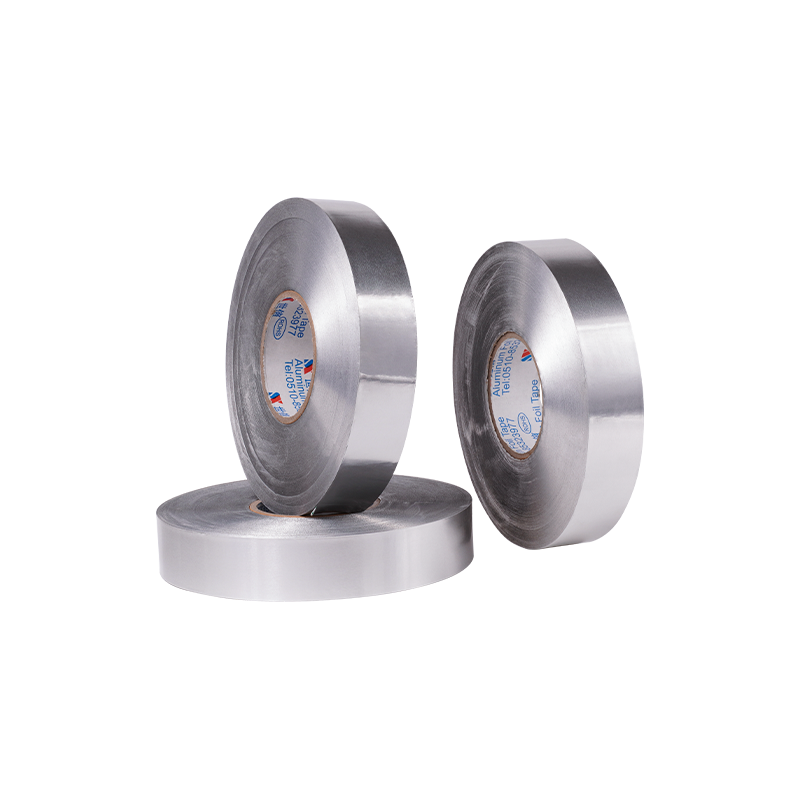
Effective Electromagnetic Interference (EMI) Suppression Tapes
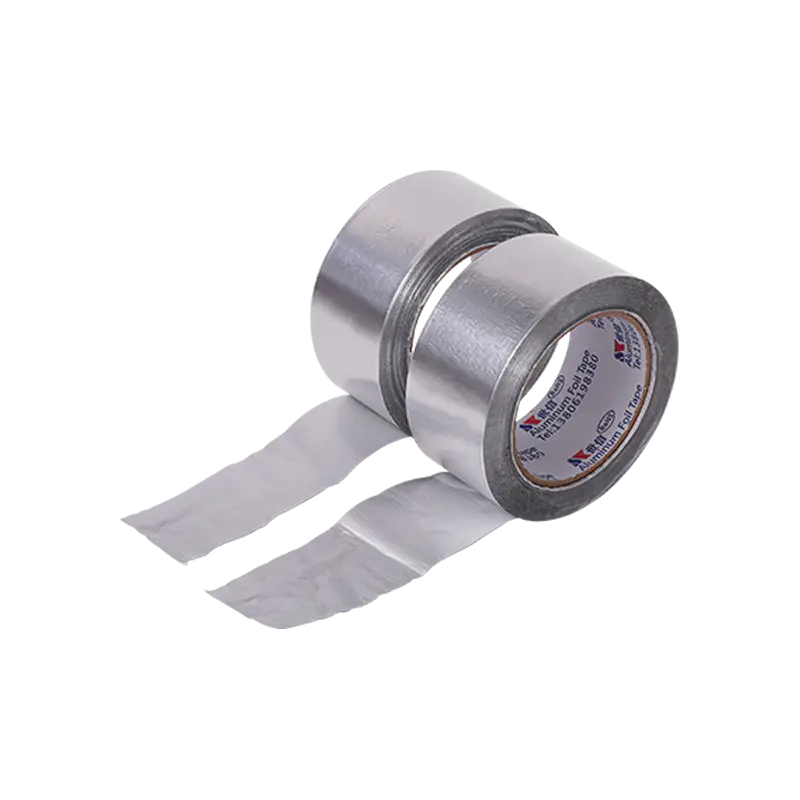
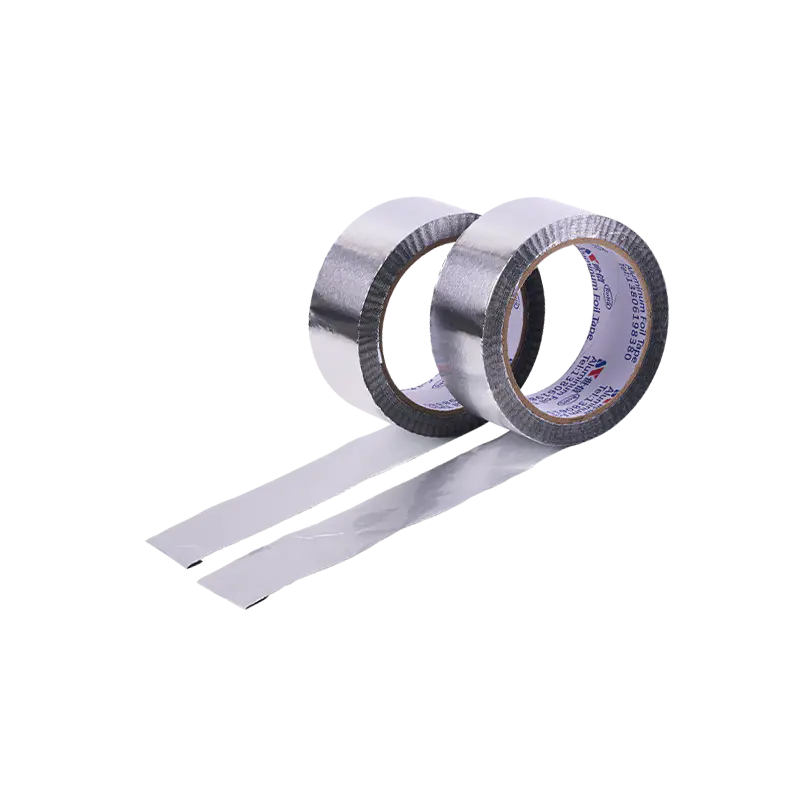
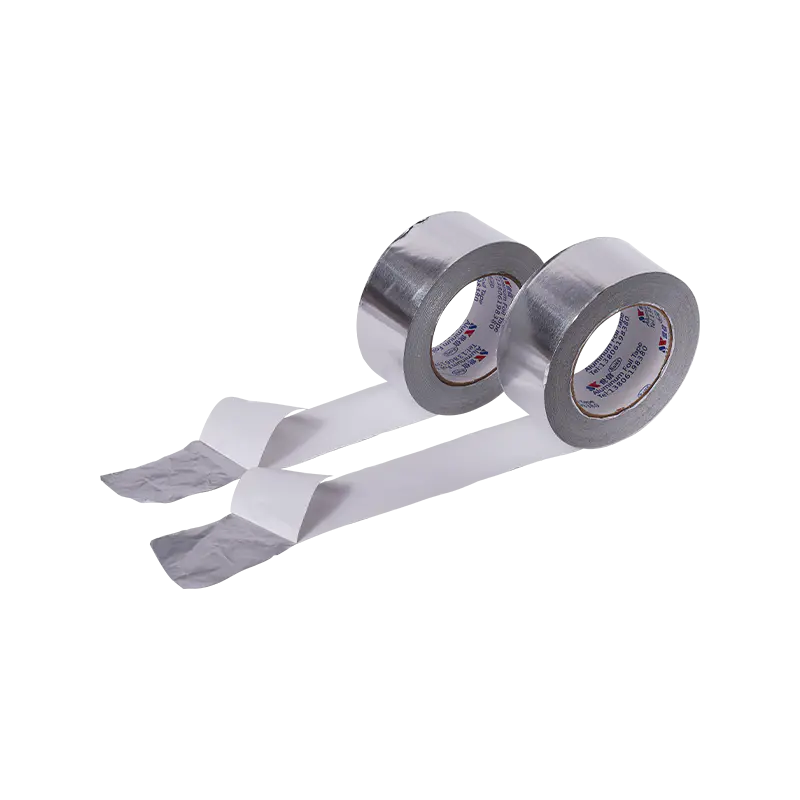
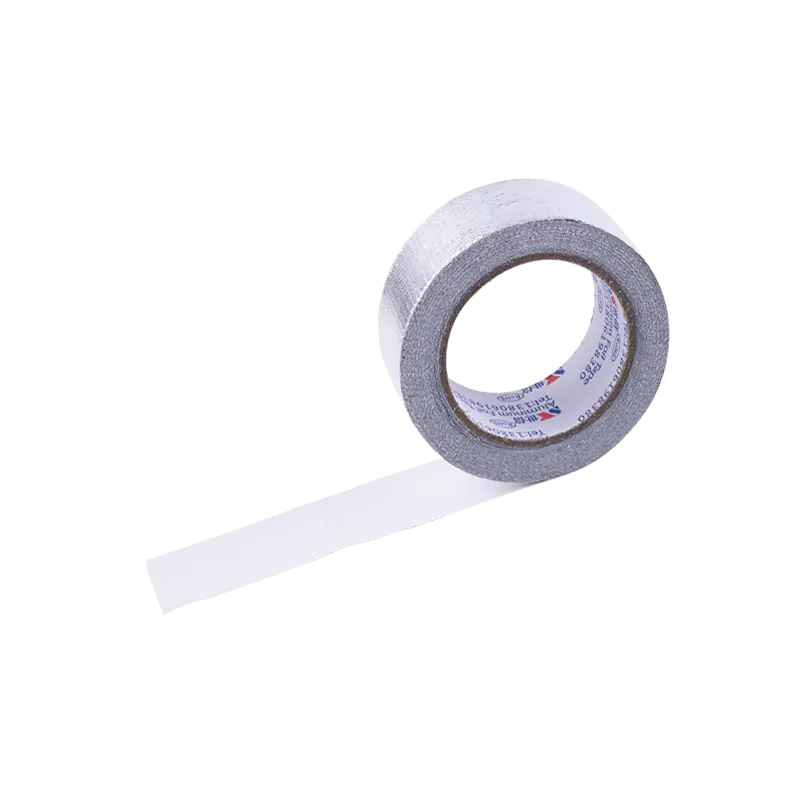
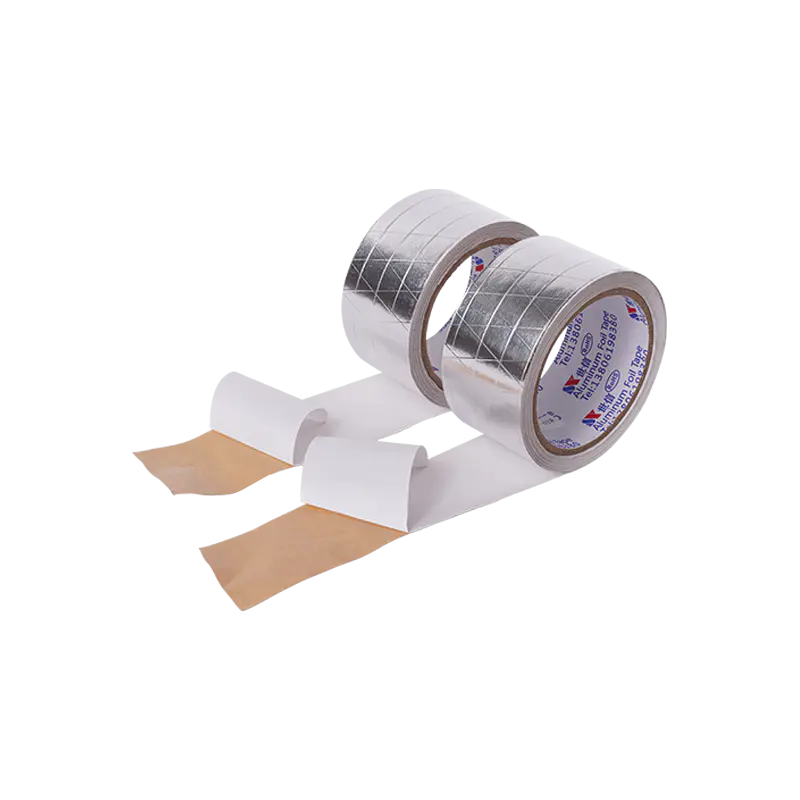
EMI Shielding Aluminum Foil Tapes are designed to mitigate the effects of electromagnetic and radio-frequency interference (EMI/RFI) in electronic devices and cables. By utilizing a high-conductivity aluminum foil backing and often employing conductive or non-conductive pressure-sensitive acrylic adhesives, these tapes create a continuous conductive path, effectively diverting stray electronic signals. This functionality is essential for ensuring the reliable operation of sensitive electronics, maintaining signal integrity, and meeting regulatory compliance for electromagnetic compatibility (EMC) in digital devices, communication equipment, and medical apparatus.
- Signal Integrity: Provides reliable shielding performance across a wide frequency range.
- Conductivity: Ensures low-resistance contact for grounding and shielding.
- Conformability: Molds easily around complex shapes and internal device geometries.
Why Choose Us
Performance Differentiators and Shielding Efficiency
- Optimized Shielding Effectiveness: The electrical properties of the aluminum foil are carefully maintained during processing to ensure maximum attenuation of electromagnetic fields across required frequency bands.
- Reliable Grounding Capabilities: Available with conductive adhesive (often nickel or silver filled) to ensure low surface contact resistance, creating a dependable and continuous path for current flow.
- Form Factor Flexibility: Supplied in standard rolls or converted into complex die-cut shapes, ready for precise placement on automated assembly lines to maximize manufacturing throughput.
- Manufactured Cost Advantage: As a direct factory source, SXT offers significant cost savings through localized raw material procurement and scaled production, providing a competitive edge for high-volume device production.
Core Features
Critical Shielding and Grounding Applications
- Circuit Board Shielding: Wrapping or lining the inside of device housings and enclosures to isolate internal components from external electromagnetic sources.
- Cable & Wire Harnesses: Wrapping data and power cables to reduce radiated emissions and protect sensitive signal lines from external interference.
- Electrostatic Discharge (ESD): Used as a grounding path to dissipate static charge, preventing damage to static-sensitive components.
- Telecommunications: Shielding RF components in base stations and communication equipment to maintain clear signal transmission.
Technical Specifications
SXT: Precision Materials for Electronic Reliability
As a vertically integrated manufacturer with nearly 20 years in the adhesive industry, SXT provides precision-engineered materials for high-tech applications. Our EMI Shielding Foil Tapes are manufactured with stringent quality controls to ensure consistent electrical performance. Our expertise is supported by a robust quality management system (ISO 9001) and compliance with product safety standards (RoHS, REACH). Supplying manufacturers like Skyworth and Konka, we understand the critical role these tapes play in device functionality and regulatory compliance within the competitive consumer electronics and telecom industries.
Usage Guide
EMI Shielding Tape: Conductive vs. Non-Conductive Adhesives
| Adhesive Type | Conductivity | Primary Use | Shielding Mechanism |
| Conductive Acrylic | Electrically Conductive | Grounding, Full Area Shielding | Provides Z-axis electrical continuity |
| Non-Conductive Acrylic | Electrically Insulating | Component Isolation, General Shielding | Foil provides X-Y plane shielding, requires grounding contact points |
| Copper Foil Tape | Higher (Superior) | High-Frequency Shielding, Critical Applications | Superior shielding effectiveness |
| Standard Aluminum Foil | High (Standard) | General EMI/RFI, Cost-Effective | Good balance of performance and cost |
About
Jiangsu Shixin Adhesive Tape Product Co., Ltd.
Our company was registered and established in Wuxi, Jiangsu in 2005, Wuxi Shixin Adhesive Tape Products Co., Ltd., mainly engaged in various adhesive tape products; We are Wholesale EMI Shielding Aluminum Foil Tapes Suppliers andChina ODM EMI Shielding Aluminum Foil Tapes Factory and Producer, after nearly 20 years of persistence and struggle, the company has grown vigorously and gradually expanded in scale. In 2018, we invested in a new factory in Suqian, Jiangsu, and established Jiangsu Shixin Adhesive Tape Products Co., Ltd.; At present, our company has become a high-tech enterprise integrating R&D, production and sales. The company has always firmly believed in the belief that "quality and reputation are the foundation of survival", continuously cultivating technical personnel, strengthening the development of new products, improving sales support, and striving to provide customers with better products and services.
Frequently Asked Questions
Frequently Asked Questions (FAQ)
- Q: Is aluminum or copper foil better for EMI shielding?
- A: Copper generally exhibits slightly better conductivity and shielding effectiveness, particularly at higher frequencies. However, aluminum is lighter, more cost-effective, and often sufficient for meeting standard EMI requirements in consumer electronics.
- Q: How do I ensure the tape provides continuous grounding?
- A: For continuous grounding, the use of a foil tape with a conductive adhesive is recommended. Additionally, ensure there is solid overlap (>50%) between sections of the tape, and that the final application point makes direct contact with the device's main ground plane.
- Q: Does the thickness of the foil affect the shielding performance?
- A: A thicker foil may offer slightly better conductivity and mechanical robustness, but the primary factor affecting shielding effectiveness is the material conductivity and the integrity of the grounding connection.
Request a Specification Sheet or Sample
Contact our engineering team today to discuss your high reflectance project requirements.
