
High Dielectric Strength Tapes
-- Steady & Reliable Manufacturer --
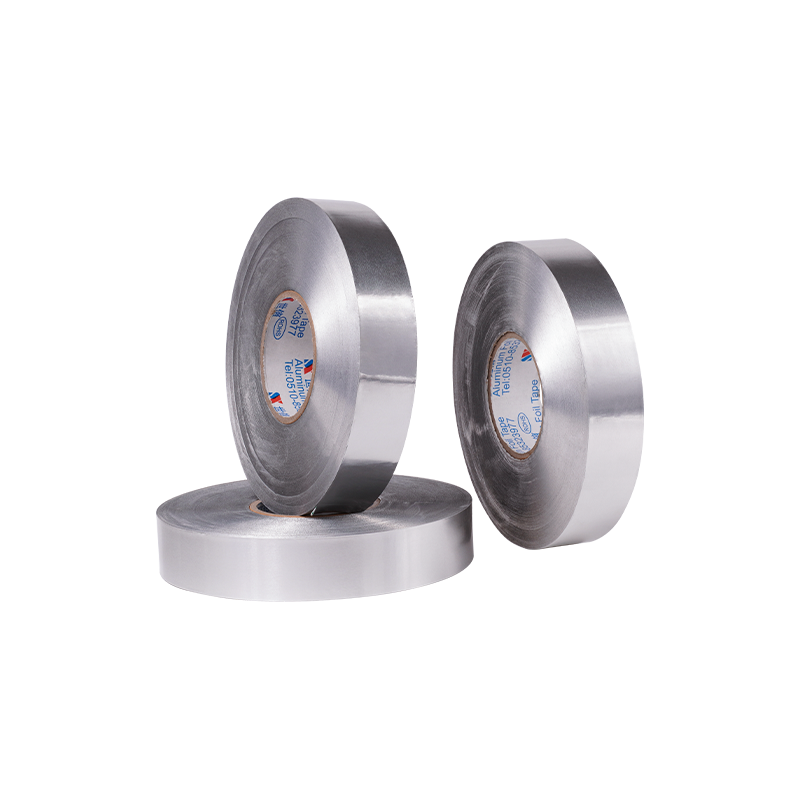
Technical Overview
High dielectric strength tapes are designed to function as primary electrical insulation, providing resistance to the flow of electric current. This is achieved using non-conductive carriers (such as high-purity polyester/PET, polyimide, or PVC film) and high-purity, non-corrosive adhesive systems that do not contain conductive fillers or corrosive agents.
The key performance metric is the Dielectric Strength, measured in volts per unit thickness (V/mil or kV/mm). A high value indicates the tape's ability to withstand high voltage without dielectric breakdown (puncture). These tapes must also exhibit high volume and surface resistivity and maintain electrical integrity under heat and moisture exposure, making them essential for motors, transformers, and electronic wiring harnesses.
Why Choose Us
Differentiating Attributes
- Exceptional Voltage Endurance: Engineered to withstand significant electrical stress and high potential difference without breakdown, ensuring safety and preventing system failure.
- High Purity and Non-Corrosive: The adhesive system is carefully formulated to be free of corrosive halogens or contaminants that could degrade or cause short circuits on delicate copper wiring.
- Thin and Mechanically Strong: Thin PET and polyimide carriers offer excellent tensile strength and conformability, allowing tight, precise wrapping and minimizing bulk in component assemblies.
- Thermal Class Compliance: Available in thermal classes (e.g., Class B 130°C, Class F 155°C) to match the operating temperature of the motor or electrical system, ensuring long-term insulation performance.
- Moisture Resistance: Carriers like PET offer low moisture absorption, maintaining high dielectric strength even under humid operating conditions.
- Abrasion and Cut-Through Resistance: Provides a durable layer of protection against physical damage or wear that could compromise the electrical isolation.
Core Features
Applications
- Coil and Transformer Wrapping: Providing layer insulation, coil wrapping, and end-turn bundling in electric motors, transformers, and solenoids.
- Capacitor and Battery Insulation: Wrapping and isolating battery cells and capacitor bodies to prevent short circuits.
- Wire Harness Jacketing and Insulation: Primary insulation wrapping for cables and connecting wires in electronic equipment.
- Printed Circuit Board (PCB) Masking: Temporary protection of gold contacts and sensitive areas during high-temperature wave soldering (Polyimide film required).
- Component Isolation: Acting as an electrical barrier between chassis and internal electronic components.
Technical Specifications
Introduction
These tapes provide critical electrical insulation and isolation, engineered to resist high voltage without breakdown and ensure the safe, reliable operation of electrical components and wiring systems.
Company Profile
Jiangsu Shixin Adhesive Tape Product Co., Ltd. is a key supplier of film-based electrical insulation solutions, focusing on PET and polyimide carriers. Our rigorous material selection and coating process ensure the purity and consistency required for high dielectric performance, complying with ISO 9001 and specific electrical standards.
We serve manufacturers in the home appliance and automotive sectors who require certified and reliable electrical insulating materials for internal wiring and components.
Usage Guide
| Property | Test Standard | Typical Value Range |
| Carrier Material | Internal Test Method | PET Film, Polyimide Film, PVC Film |
| Dielectric Strength | ASTM D1000 | > 6,000 V/mil (> 230 kV/mm) |
| Insulation Class | IEC/NEMA | B (130°C) to H (180°C) |
| Volume Resistivity | ASTM D257 | > 10¹⁴ Ohm·cm |
| Electrolytic Corrosion | ASTM D1000 (Copper) | Pass/Non-Corrosive |
About
Jiangsu Shixin Adhesive Tape Product Co., Ltd.
Our company was registered and established in Wuxi, Jiangsu in 2005, Wuxi Shixin Adhesive Tape Products Co., Ltd., mainly engaged in various adhesive tape products; We are Wholesale High Dielectric Strength Tapes Suppliers andChina ODM High Dielectric Strength Tapes Factory and Producer, after nearly 20 years of persistence and struggle, the company has grown vigorously and gradually expanded in scale. In 2018, we invested in a new factory in Suqian, Jiangsu, and established Jiangsu Shixin Adhesive Tape Products Co., Ltd.; At present, our company has become a high-tech enterprise integrating R&D, production and sales. The company has always firmly believed in the belief that "quality and reputation are the foundation of survival", continuously cultivating technical personnel, strengthening the development of new products, improving sales support, and striving to provide customers with better products and services.
Frequently Asked Questions
Frequently Asked Questions (FAQs)
- Q: What is the primary difference between Dielectric Strength and Resistivity?
- A: Dielectric Strength is the measure of the maximum electric field an insulating material can withstand without electrical breakdown (puncture). Resistivity is the measure of how strongly the material opposes the flow of electric current (insulation quality). Both must be high for good insulation.
- Q: Can any clear film tape be used as electrical insulation?
- A: No. Standard clear film tapes may have impurities, moisture-sensitive adhesives, or low thermal ratings that can quickly lead to dielectric failure or corrosion on the copper winding. Only tapes certified for electrical insulation (e.g., UL recognized) should be used.
- Q: Why is the thermal rating (insulation class) important?
- A: The insulation class (e.g., Class B, F, H) indicates the maximum continuous operating temperature the insulation can withstand over its life. Using a lower-class tape in a high-temperature motor will lead to rapid thermal degradation and failure.
- Q: Does the adhesive affect the dielectric strength?
- A: Yes. The adhesive thickness and purity must be controlled. If the adhesive contains conductive impurities or is chemically corrosive, it can reduce the overall dielectric strength or cause localized failure.
Request a Specification Sheet or Sample
Contact our engineering team today to discuss your high reflectance project requirements.
