2026-10-16
Content
In modern HVAC and building management systems, ductwork serves as the critical arterial network for conditioned air. Even minor leaks or insulation breaches can lead to significant energy losses—often 20-30% of total system capacity—compromising both operational efficiency and indoor environmental quality. Standard cloth or vinyl tapes deteriorate rapidly under thermal cycling and pressure differentials, creating a maintenance cycle that increases total ownership costs. Aluminum foil repair tape represents an engineered solution specifically developed for demanding thermal, mechanical, and environmental conditions. With its metallized substrate and specialized acrylic or rubber-based adhesives, this material provides permanent, code-compliant sealing that maintains performance across decades of service. This comprehensive guide examines the material science behind effective duct sealing, provides detailed procedural protocols for field application, and analyzes long-term performance factors that distinguish professional outcomes from temporary fixes. The discussion specifically addresses how to use aluminum foil tape for duct repair with engineering precision, while simultaneously exploring material comparisons like aluminum foil tape vs aluminum tape for HVAC and durability questions, including how long aluminum foil tape lasts on ducts.
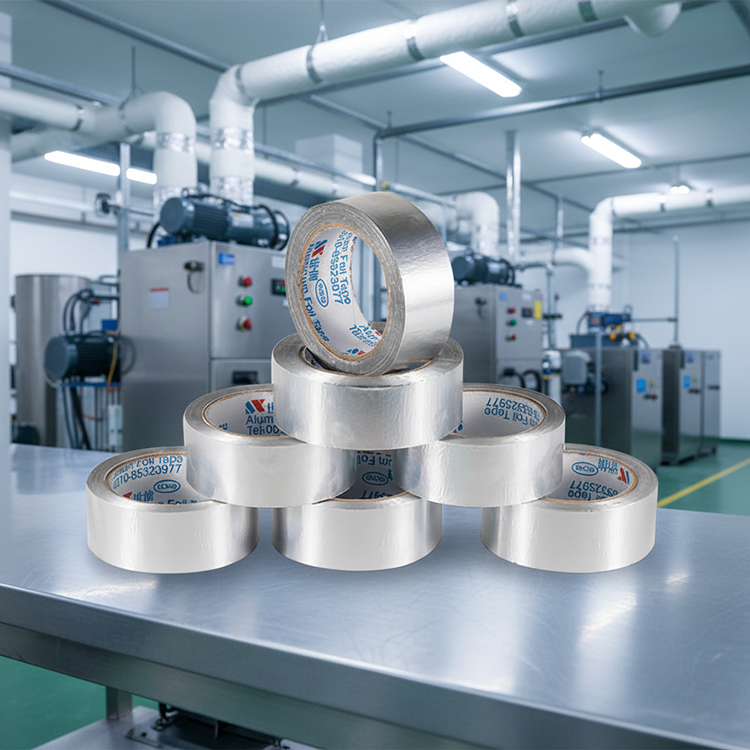
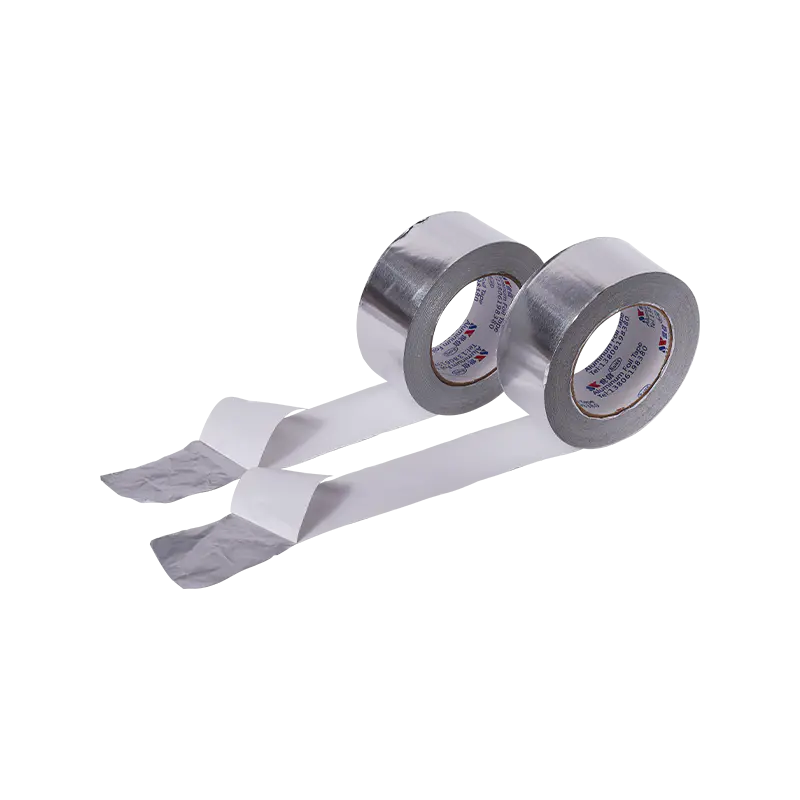
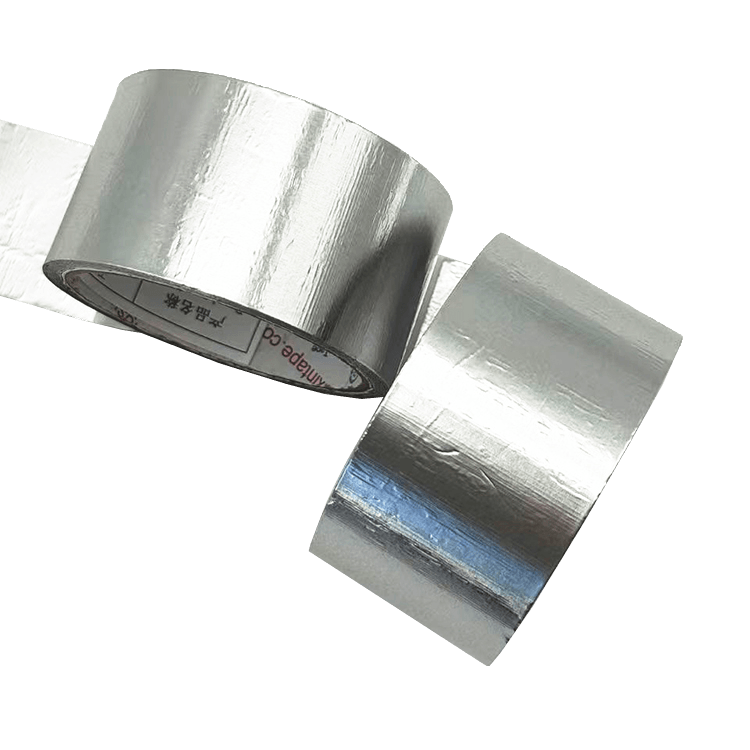
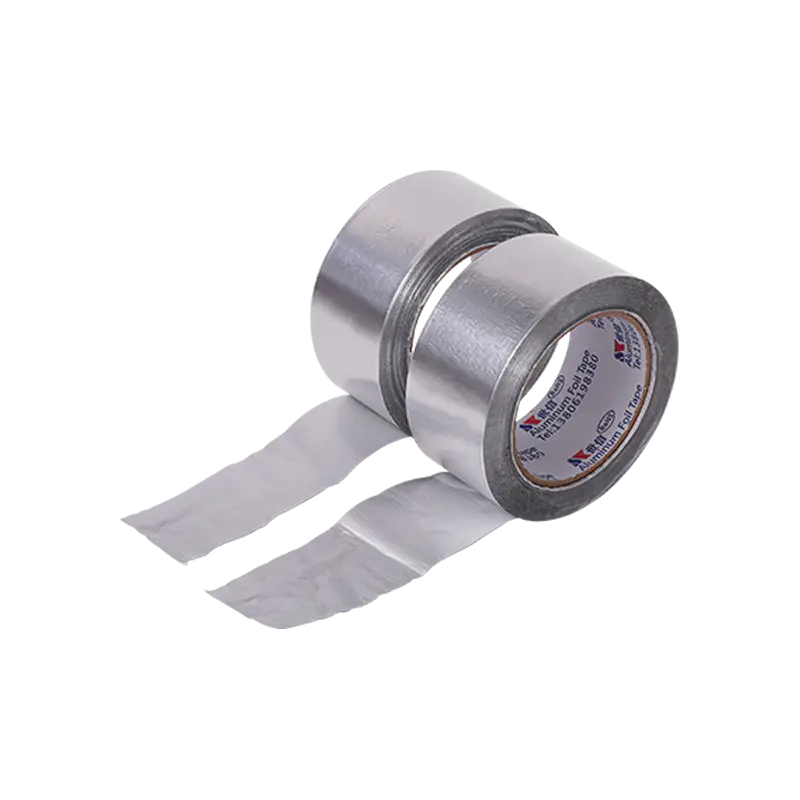
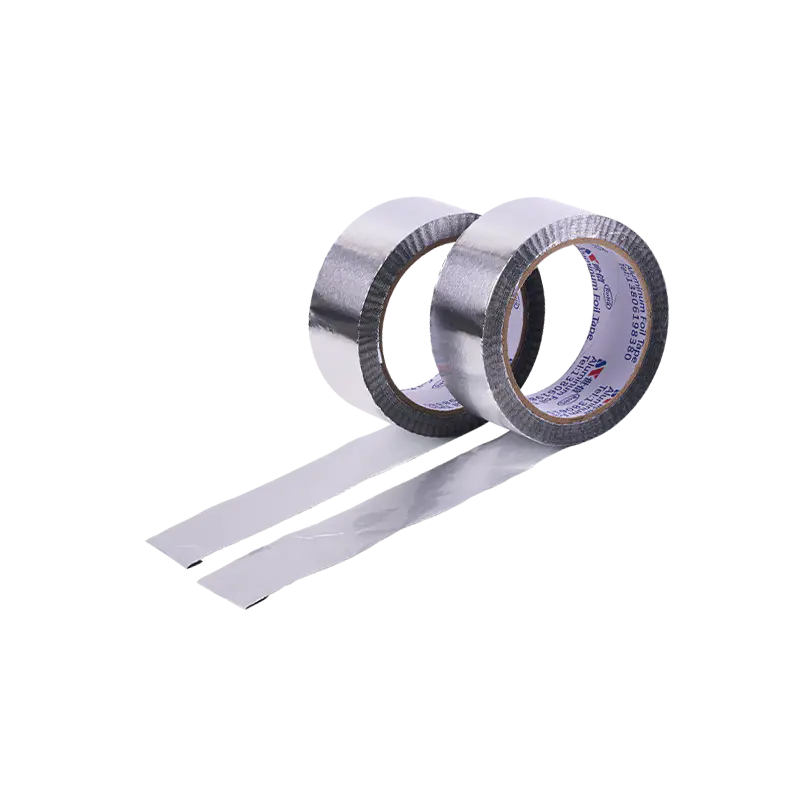
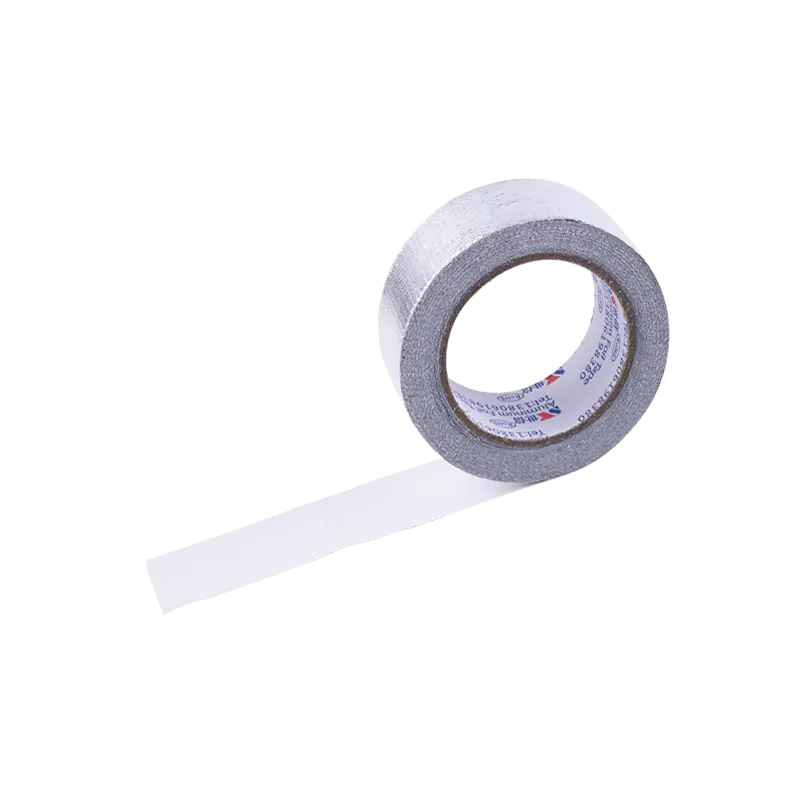
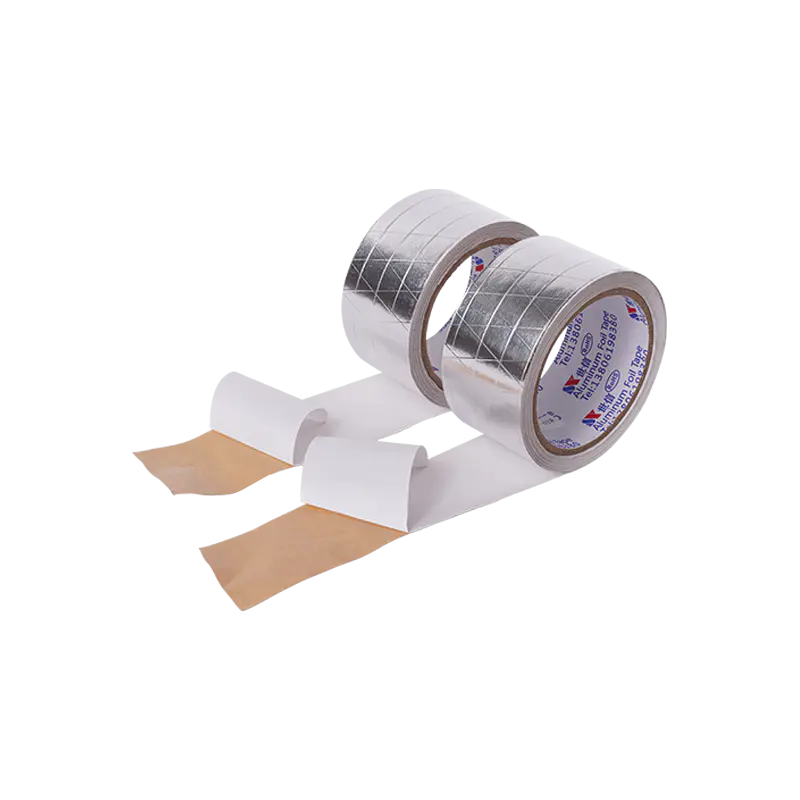
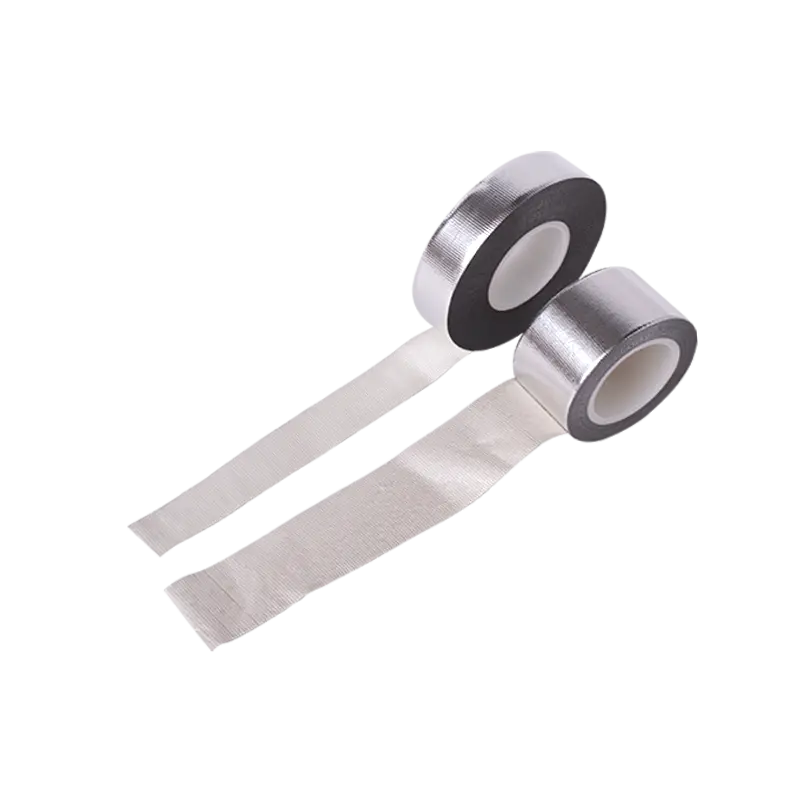
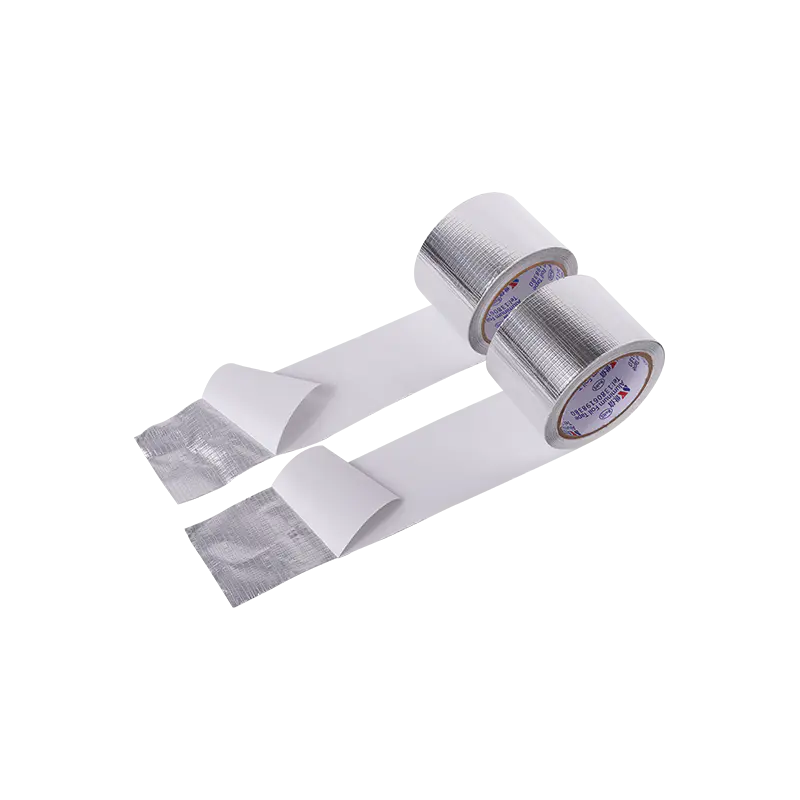
Understanding what aluminum foil repair tape is constructed from reveals why it outperforms general-purpose alternatives. A high-performance tape consists of multiple engineered layers: a dead-soft aluminum foil backing (typically 2.5 to 5 mil thickness), a high-tack pressure-sensitive adhesive (usually acrylic or synthetic rubber formulated for extended service life), and a siliconized release liner. The aluminum layer provides more than just a moisture barrier; its metallurgical properties allow it to withstand thermal expansion cycles without work hardening or cracking. The adhesive chemistry is specifically engineered to maintain bonding strength across the complete operational temperature range while resisting plasticizer migration from adjacent materials.
Several quantifiable metrics determine whether a tape meets professional requirements. The aluminum foil tape temperature resistance range represents one of the most critical parameters, with premium products maintaining adhesive integrity from -40°F to 300°F (-40°C to 149°C). This broad thermal tolerance ensures performance during both system operation and seasonal shutdowns. Equally important are flame spread and smoke development ratings, with UL 723 (ASTM E84) Class 1 ratings being mandatory for most commercial installations. Pressure sensitivity, measured in ounces per inch of width, should exceed 60 oz/in to ensure immediate grab on vertical surfaces, while ultimate adhesion strength (measured in pounds per inch of width after 24-hour dwell time) should surpass 10 lb/in on galvanized steel substrates.
| Performance Parameter | Minimum Professional Standard | Premium Specification |
| Temperature Range | -20°F to 200°F (-29°C to 93°C) | -40°F to 300°F (-40°C to 149°C) |
| Adhesion to Galvanized Steel | 8 lb/in width | 12+ lb/in width |
| Tensile Strength | 25 lb/in width | 40+ lb/in width |
| Water Vapor Permeance | 0.1 perms | 0.01 perms |
| UL Rating | Class 1 (Flame Spread ≤25) | Class 1 (Flame Spread ≤10) |
The choice between tape variants requires understanding their distinct performance envelopes. When considering aluminum foil tape vs aluminum tape for HVAC, the distinction lies in construction and certification. True HVAC-grade aluminum foil tapes feature a dead-soft annealed foil backing with thickness exceeding 2.5 mils, while general-purpose "aluminum tapes" often use thinner, harder foils that crack at seams and corners. More significantly, the debate over why use aluminum foil tape instead of duct tape centers on polymer degradation. Standard duct tape's cloth or polyethylene backing and rubber-based adhesive deteriorate rapidly when exposed to UV radiation, temperature extremes above 140°F (60°C), and air stream velocities exceeding 1,200 fpm (6 m/s). The adhesive migrates, leaving residues while the backing delaminates, whereas foil tape maintains both physical and chemical stability throughout the HVAC system's operational life.
| Feature Comparison | HVAC Aluminum Foil Tape | General Purpose Duct Tape |
| Maximum Service Temperature | 250-300°F (121-149°C) | 140-180°F (60-82°C) |
| UV Resistance | Excellent (metal substrate) | Poor (polymer degradation) |
| Long-Term Adhesion | Stable (cross-linked adhesive) | Degrades (adhesive migration) |
| Flame Spread Rating | UL Class 1/ASTM E84 compliant | Typically not rated |
| Moisture Permeance | Negligible (vapor barrier) | Moderate to High |
Effective repair begins with a systematic assessment. Inspect the duct system using both visual examination and pressure testing when possible. Identify all leaks, loose joints, and insulation breaches. For existing tape failures, understanding how to remove old aluminum foil tape residue is essential for achieving proper new adhesion. The preferred method involves mechanical scraping using plastic putty knives, followed by solvent wiping with isopropyl alcohol or specialized adhesive removers. Never use petroleum distillates on insulated ducts,s as they can degrade facing materials. The surface must be cleaned to a "water break-free" standard—where water spreads uniformly without beading—indicating the absence of oils and silicones.
Selecting the best aluminum foil tape for air conditioning ducts requires matching tape specifications to the application environment. For standard sheet metal ducts, a 3.5 mil foil with aggressive rubber-based adhesive provides excellent initial grab. For fiberglass duct board or flexible ducts, a slightly thinner foil with moderate-tack adhesive prevents facing damage during application. Verify compatibility between the tape adhesive and any insulation facings or coatings to prevent chemical interactions that could compromise long-term bonding. When evaluating options, prioritize products with independent laboratory certifications (UL, FM, ICC-ES) over manufacturer claims alone.
The actual process of how to use aluminum foil tape for duct repair follows precise engineering protocols. Begin by cutting appropriate tape lengths, allowing a minimum 2-inch (50 mm) overlap on all sides of the repair area. Remove the release liner progressively while applying firm, consistent pressure with a J-roller or seam roller, working from the center outward to eliminate air pockets. For seam sealing, apply tape along the entire length with uniform edge margins. For patch repairs, use a "double seal" technique: first apply tape to the interior surface where accessible, then apply overlapping tape to the exterior. Always follow the "press and roll" method rather than simple finger pressure to ensure complete adhesive wetting of the substrate surface.
Quality assurance requires systematic verification. Conduct a visual inspection under bright lighting to identify any bridging, wrinkles, or incomplete adhesion. For critical systems, perform duct leakage testing per ASTM E1554 standards, comparing pre- and post-repair leakage rates. Thermal imaging can identify remaining thermal bridges or air leaks not visible to the naked eye. Document repair locations and tape specifications for future maintenance reference, creating a durable record of system interventions.
While primarily designed for HVAC applications, aluminum foil tape serves multiple secondary functions when selected appropriately. For aluminum foil tape for metal roof repair, select heavy-duty variants (5+ mil thickness) with UV-resistant adhesives specifically formulated for exterior exposure. These can temporarily seal minor flashing leaks or penetration gaps until permanent repairs are made. The question of whether aluminum foil tape can be painted over receives qualified affirmative answers: yes, but only with proper surface preparation using degreasing solvents and application of high-adhesion metal primers before painting with compatible coatings. However, aluminum foil tape should never serve as a permanent structural repair or as a primary sealing method for pressure vessels or flammable/combustible material conveyance systems.
Predicting how long aluminum foil tape lasts on ducts requires analyzing multiple degradation vectors. Properly applied premium tape in controlled indoor environments maintains effective sealing for 15-20 years. Service life reduces in exterior applications (8-12 years) or in high-velocity airstreams exceeding 2,000 fpm (10 m/s). The primary failure mechanisms include adhesive oxidation (accelerated by ozone exposure), mechanical fatigue at flex points, and differential thermal expansion between tape and substrate. Regular inspection intervals should align with ASHRAE Guideline 4 recommendations—annually for commercial systems and biannually for critical applications. When tape shows edge lifting exceeding 1/8 inch (3 mm), gloss loss indicating adhesive hardening, or visible substrate corrosion at tape edges, complete removal and reapplication become necessary.
Engineering superior sealing solutions requires deep expertise in polymer science and metallurgy. Our company's journey, beginning with specialized adhesive product development, has evolved through decades of focused research into composite material performance under extreme conditions. Operating advanced manufacturing facilities with integrated quality control laboratories, we maintain strict adherence to international standards while pursuing continuous material innovation. This commitment to precision manufacturing ensures that every roll of tape delivers consistent performance, whether for routine maintenance or critical system repairs in demanding environments worldwide. Our technical development teams work directly with engineering professionals to solve application challenges, translating field requirements into material improvements that advance industry capabilities.
The distinction lies in both substrate processing and adhesive formulation. Genuine HVAC-grade tape utilizes dead-soft annealed aluminum foil that undergoes specific thermal processing to eliminate work hardening, allowing it to conform permanently to irregular surfaces without spring-back. The adhesive systems are engineered with higher molecular weight polymers and cross-linking agents that resist both thermal degradation and plasticizer migration. Standard aluminum tapes often employ harder tempers of foil with simpler rubber-resin adhesives that cannot withstand prolonged thermal cycling or pressure differentials.
Yes, but with specific application protocols. Flexible ducts require tapes with slightly lower tack strength to prevent damage to the vapor barrier facing during application. The key is surface preparation—thoroughly clean the area with isopropyl alcohol and ensure complete dryness. Apply tape under slight tension to accommodate future duct movement, and always use a roller to achieve maximum adhesive contact. For critical applications on flexible systems, consider tapes specifically labeled for use on fibrous substrates, which have modified adhesive chemistry for optimal bonding.
Temperature cycling induces two primary stress mechanisms: differential thermal expansion between the tape and substrate, and repeated flexural stress at material interfaces. Premium tapes address this through adhesive systems with high cohesive strength and elastic recovery properties. The adhesive must maintain sufficient elasticity to absorb dimensional changes without developing permanent shear stresses that lead to bond-line failure. Professional-grade products undergo thousands of thermal cycles in qualification testing (-40°F to 180°F) specifically to verify performance under realistic operating conditions.
Exterior applications introduce three additional degradation factors: ultraviolet radiation, wider temperature extremes, and weather exposure. While the aluminum foil itself provides excellent UV resistance, the adhesive requires a specific formulation to withstand these conditions. For exterior use, select tapes with explicitly stated UV-resistant adhesives and verify they maintain performance across the expected temperature range, which often exceeds interior conditions by 50°F (28°C) or more. Regular inspection frequency should increase to every 6-12 months for exterior installations.
Follow quantitative testing protocols per industry standards. After allowing a 24-hour adhesive cure time, conduct either a qualitative smoke test using theatrical smoke generators at low system pressure, or quantitative testing per ASTM E1554 or SMACNA HVAC Air Duct Leakage Test Manual procedures. For quantitative assessment, seal all registers and measure pressure decay from a calibrated fan at 25 Pascals. Compare results to baseline measurements; a successful repair typically shows leakage reduction exceeding 90%. Always conduct testing before insulation replacement to verify seal integrity.

Our company has been engaged in the tape manufacturing industry for more than 20 years, and has been focusing on various types of aluminum foil tapes, foam tapes, refrigerator tapes, etc.
IsabelLina
Email:[email protected]
Mobile/Whatsapp: +86 190 3379 1110
Mars Gong
Email:[email protected]
Mobile/Whatsapp: +86 159 5136 0053
Address: West side of Yingbin Avenue and south side of hengwang packaging. Suqian Economic and Technological Development Zone,Jiangsu Province
Copyright © Jiangsu Shixin Adhesive Tape Product Co., Ltd. All Rights Reserved. Custom ODM Refrigerator Foil Adhesive Tapes Manufacturers