2026-09-30
Content
High Temperature Double Sided Tape is an industrial adhesive solution designed to provide reliable bonding performance in environments where elevated temperatures, thermal cycling, and long-term adhesion stability are required. Unlike conventional double sided tapes that are mainly used for general bonding applications, high temperature versions are engineered to maintain their adhesive strength and structural integrity under more demanding operating conditions.
This type of tape consists of a double-sided adhesive structure with a carrier material in the middle and a release liner on the outside. The combination of adhesive technology, carrier design, and liner protection determines the tape’s overall performance, including temperature resistance, bonding strength, flexibility, and processing efficiency.
The performance of High Temperature Double Sided Tape depends on the interaction between three main components. Each layer provides specific functions that contribute to reliable industrial bonding.
In industrial applications, adhesive materials may face challenges such as temperature changes, vibration, surface movement, and long-term environmental exposure. High Temperature Double Sided Tape is designed to address these conditions through a balanced material structure.
|
Component |
Main Function |
Industrial Benefit |
|
Adhesive Layer |
Provides bonding strength and heat-resistant adhesion |
Maintains reliable attachment under demanding conditions |
|
Carrier Material |
Provides thickness, strength, and dimensional stability |
Supports different application requirements |
|
Release Liner |
Protects adhesive before use |
Improves handling and manufacturing efficiency |
The main difference between high temperature double sided tape and standard double sided tape is their ability to maintain performance under thermal stress. Standard tapes are generally suitable for normal environmental conditions, while high temperature versions are designed for applications where heat resistance and long-term reliability are critical.
|
Feature |
High Temperature Double Sided Tape |
Standard Double Sided Tape |
|
Temperature Resistance |
Designed to maintain bonding performance under elevated temperatures |
Suitable mainly for normal temperature applications |
|
Adhesive Stability |
Provides better resistance against heat-related performance changes |
May experience reduced adhesion under prolonged heat exposure |
|
Long-Term Reliability |
Suitable for applications requiring continuous performance |
Suitable for less demanding bonding conditions |
|
Industrial Usage |
Used for electronic, automotive, equipment, and thermal applications |
Used mainly for general fixing and assembly |
The carrier material plays an important role in determining the tape’s flexibility, strength, and application performance. Different carrier structures are selected according to the bonding environment and required performance.
|
Carrier Type |
Main Characteristics |
Typical Application Requirements |
|
Film Carrier |
Thin structure, good dimensional stability, and smooth application |
Applications requiring precision bonding and low thickness |
|
Foam Carrier |
Provides cushioning, flexibility, and gap filling capability |
Applications involving uneven surfaces or vibration |
|
Non-Woven Carrier |
Flexible structure with balanced strength and conformability |
Applications requiring adaptable bonding performance |
|
Performance Factor |
Importance in Industrial Applications |
|
Temperature Resistance |
Helps maintain adhesion when exposed to heat and thermal cycling. |
|
Bonding Strength |
Determines whether components remain securely attached during operation. |
|
Thickness Control |
Affects gap filling, surface contact, and assembly precision. |
|
Carrier Stability |
Supports consistent performance under mechanical and environmental stress. |
|
Release Performance |
Improves processing efficiency and application accuracy. |
Modern manufacturing requires bonding solutions that provide both efficiency and reliability. High Temperature Double Sided Tape allows manufacturers to replace certain mechanical fastening methods while maintaining a clean appearance and stable attachment.
Its ability to withstand heat exposure, support different material combinations, and improve assembly efficiency makes it suitable for applications requiring durable bonding performance. By selecting the correct adhesive structure, carrier type, and thickness, manufacturers can achieve more reliable results in demanding industrial environments.
High Temperature Double Sided Tape is designed to maintain reliable bonding performance in environments where conventional adhesive materials may experience softening, loss of strength, or premature aging. The ability of the tape to perform under heat exposure depends on the interaction between the adhesive system, carrier material, surface compatibility, and environmental conditions.
When exposed to elevated temperatures, adhesive materials may face challenges such as reduced holding power, increased flow, or changes in physical properties. High temperature double sided tape addresses these challenges through specially designed adhesive structures that provide better thermal stability and long-term bonding reliability.
Temperature changes can directly influence the physical and chemical properties of adhesive materials. When a tape is used in a high-temperature environment, several factors may affect bonding performance.
For industrial applications, high temperature double sided tape must maintain a balance between strong initial adhesion, long-term holding power, and resistance to thermal stress.
The adhesive layer is the key component that determines high-temperature bonding performance. A properly designed adhesive system helps maintain contact with the substrate even when exposed to continuous heat or repeated temperature changes.
|
Adhesive Performance Factor |
Impact on High Temperature Applications |
|
Heat Resistance |
Helps maintain bonding strength under elevated temperature conditions. |
|
Cohesion Strength |
Reduces adhesive deformation or movement during long-term use. |
|
Initial Tack |
Improves immediate contact and positioning during installation. |
|
Aging Stability |
Supports consistent performance after extended environmental exposure. |
The carrier layer provides structural support between the two adhesive layers. Its properties influence the tape’s thickness stability, flexibility, and ability to handle thermal stress.
Different carrier structures provide different advantages depending on the application requirements.
|
Carrier Type |
Performance Characteristics |
Heat Application Advantages |
|
Film Carrier |
Thin, dimensionally stable, and precise |
Suitable for applications requiring accurate positioning and low thickness |
|
Foam Carrier |
Flexible with cushioning capability |
Helps absorb stress caused by uneven surfaces and thermal expansion |
|
Non-Woven Carrier |
Soft and adaptable structure |
Provides flexibility for complex bonding surfaces |
Many industrial applications do not experience constant temperatures. Instead, components may repeatedly heat up and cool down during operation. These temperature cycles create expansion and contraction forces that can affect adhesive performance.
High Temperature Double Sided Tape helps manage thermal cycling through:
|
Thermal Condition |
Required Tape Performance |
|
Continuous High Temperature |
Stable adhesive strength and resistance to long-term aging |
|
Rapid Temperature Changes |
Good flexibility and stress absorption capability |
|
Repeated Heating and Cooling |
Consistent bonding performance during thermal cycling |
The difference between high temperature double sided tape and general double sided tape becomes more significant when the working environment involves heat exposure. The following comparison highlights the typical performance differences.
|
Performance Feature |
High Temperature Double Sided Tape |
General Double Sided Tape |
|
Heat Stability |
Designed to maintain performance under elevated temperatures |
Mainly suitable for normal temperature environments |
|
Adhesive Reliability |
Better resistance to thermal degradation |
May experience reduced holding strength under heat |
|
Thermal Cycling Performance |
Better adaptability to repeated temperature changes |
More sensitive to expansion and contraction stress |
|
Long-Term Use |
Suitable for demanding industrial applications |
Suitable for basic bonding requirements |
Even with heat-resistant adhesive technology, proper application conditions are essential for achieving reliable performance. Manufacturers should evaluate several factors before selecting a high temperature double sided tape solution.
For industrial manufacturers, adhesive failure in high-temperature environments can affect product reliability, assembly efficiency, and maintenance requirements. High Temperature Double Sided Tape provides a practical bonding solution by combining heat-resistant adhesive performance, structural stability, and application flexibility.
By selecting the appropriate tape structure according to temperature conditions, substrate materials, and production requirements, manufacturers can achieve more reliable bonding performance in applications where traditional fastening methods may not provide the required flexibility or efficiency.
In industrial manufacturing, bonding methods directly influence assembly efficiency, product appearance, structural design, and long-term reliability. High Temperature Double Sided Tape provides an alternative solution to traditional mechanical fastening methods by creating a strong adhesive connection without drilling, screws, clips, or additional fixing components.
For applications exposed to elevated temperatures, the advantages of high temperature double sided tape become more significant. It combines heat-resistant bonding performance with design flexibility, allowing manufacturers to simplify assembly processes while maintaining reliable attachment between different materials.
Traditional mechanical fasteners often require additional processing steps, including drilling holes, installing hardware, and adjusting component positions. These steps may increase production time and create limitations in product design.
High Temperature Double Sided Tape simplifies the bonding process by providing direct attachment between surfaces. The tape can be applied quickly and consistently, making it suitable for industrial production environments where efficiency and repeatability are important.
|
Assembly Factor |
High Temperature Double Sided Tape |
Mechanical Fasteners |
|
Installation Process |
Direct bonding with simple application steps |
Requires drilling, positioning, and fastening operations |
|
Additional Components |
No screws, clips, or hardware required |
Requires separate fixing components |
|
Production Efficiency |
Suitable for streamlined assembly processes |
May require more labor and processing time |
Modern industrial products often require clean surfaces, compact structures, and improved visual quality. Mechanical fasteners may create visible holes, screws, or attachment points that affect product appearance.
High Temperature Double Sided Tape provides hidden bonding, allowing designers to maintain smooth surfaces and more flexible product structures.
|
Design Consideration |
Adhesive Bonding Advantage |
|
Surface Appearance |
Provides a smooth and clean external surface |
|
Component Integration |
Supports compact and lightweight product structures |
|
Design Freedom |
Allows bonding without restricting placement by fastening locations |
Industrial products often require bonding between different materials, such as metals, plastics, insulation materials, and composite structures. Mechanical fastening may create stress concentration points, while adhesive bonding distributes stress more evenly across the bonded area.
High Temperature Double Sided Tape helps achieve stable attachment between different substrates by providing continuous contact and reducing localized stress.
|
Bonding Method |
Stress Distribution |
Material Compatibility |
|
High Temperature Double Sided Tape |
Distributes stress across the bonding area |
Suitable for various industrial materials |
|
Mechanical Fasteners |
Creates concentrated stress around fixing points |
May require compatible structures and additional design considerations |
In high-temperature applications, traditional fastening methods may not always provide the flexibility required when materials expand and contract during operation. High Temperature Double Sided Tape helps absorb minor movement caused by thermal expansion while maintaining stable attachment.
|
Performance Requirement |
High Temperature Double Sided Tape |
Mechanical Fasteners |
|
Thermal Expansion Handling |
Provides flexibility to accommodate material movement |
Rigid connection may transfer more stress to components |
|
Vibration Control |
Adhesive layer can absorb minor vibration |
Requires additional solutions for vibration reduction |
|
Surface Protection |
No drilling or surface damage required |
May require holes or structural modification |
High Temperature Double Sided Tape is commonly selected when manufacturers need a combination of strong bonding, heat resistance, and efficient assembly. Typical application areas include:
The choice between adhesive bonding and mechanical fastening depends on the application requirements. High Temperature Double Sided Tape is particularly suitable when manufacturers prioritize clean appearance, efficient assembly, lightweight design, and reliable performance under heat exposure.
|
Application Requirement |
Recommended Solution |
|
Clean surface appearance |
High Temperature Double Sided Tape |
|
Fast production assembly |
High Temperature Double Sided Tape |
|
Need for removable or adjustable fixing |
Depends on specific design requirements |
|
Heavy structural loading requirements |
Requires evaluation of the complete fastening solution |
High Temperature Double Sided Tape provides manufacturers with a flexible bonding solution that can improve assembly efficiency, enhance product appearance, and support modern lightweight designs. Compared with traditional mechanical fastening methods, it offers advantages in processing simplicity, material compatibility, and thermal stress management.
For industrial applications involving heat exposure and demanding bonding conditions, selecting the correct high temperature double sided tape structure helps achieve reliable performance while optimizing production processes.
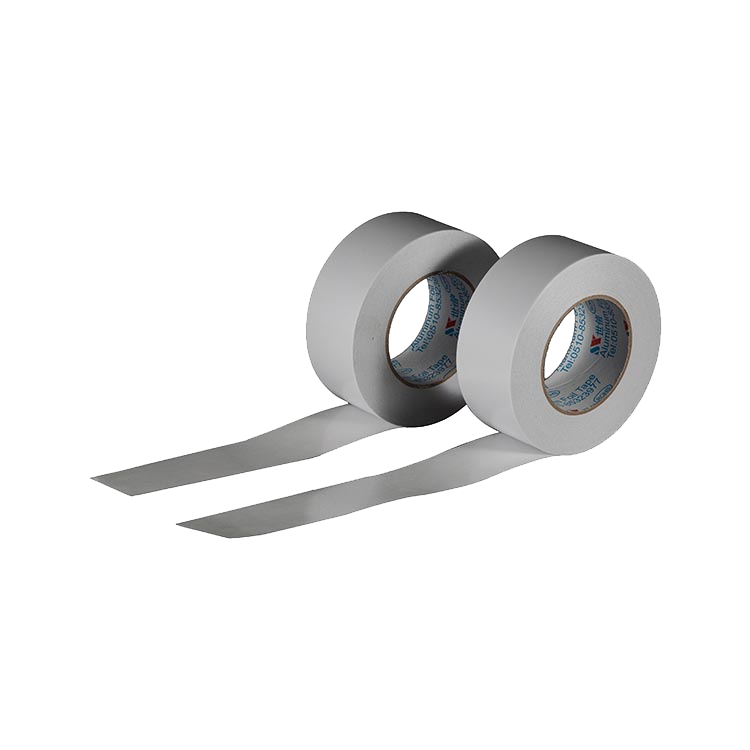
High Temperature Double Sided Tape is widely used across industries where reliable bonding, heat resistance, and clean assembly are required. As manufacturing processes continue to demand lighter structures, compact designs, and improved production efficiency, adhesive bonding solutions have become an important alternative to traditional mechanical fixing methods.
The application requirements of high temperature double sided tape vary between industries. Electronics manufacturing focuses on precision and thermal stability, automotive applications require durability and vibration resistance, while industrial equipment applications often prioritize strong bonding and long-term reliability.
Electronic products often contain components that generate heat during operation. At the same time, modern electronic assemblies require thinner structures, smaller components, and reliable attachment methods. High Temperature Double Sided Tape provides a practical bonding solution for applications where space limitations and thermal conditions are important considerations.
Common applications in electronics manufacturing include:
|
Electronics Requirement |
High Temperature Double Sided Tape Advantage |
|
Limited Installation Space |
Provides thin and flexible bonding without additional hardware |
|
Heat Exposure |
Maintains adhesive performance under elevated temperatures |
|
Precision Assembly |
Supports accurate positioning and clean application |
Automotive components often operate under complex environmental conditions, including temperature changes, vibration, and long-term mechanical stress. High Temperature Double Sided Tape is used in automotive manufacturing where lightweight bonding, heat resistance, and reliable attachment are required.
Typical automotive applications include:
|
Automotive Requirement |
Performance Consideration |
|
Temperature Variation |
Requires stable adhesion during heating and cooling cycles |
|
Vibration Environment |
Requires bonding flexibility and stress absorption capability |
|
Long-Term Durability |
Requires resistance to environmental aging |
LED lighting systems generate heat during operation and often require efficient component assembly methods. High Temperature Double Sided Tape can provide reliable attachment for lighting components while supporting thermal management requirements.
Common lighting applications include:
|
Lighting Application Factor |
Required Tape Performance |
|
Heat Generation |
Stable adhesive performance during continuous operation |
|
Compact Design |
Thin bonding structure for space-saving assembly |
|
Component Positioning |
Reliable initial adhesion during installation |
Industrial equipment manufacturers often require bonding solutions that can withstand mechanical stress, temperature changes, and continuous operation. High Temperature Double Sided Tape provides an efficient method for attaching panels, insulation materials, and functional components.
Typical industrial applications include:
|
Industrial Requirement |
Bonding Advantage |
|
Continuous Operation |
Maintains stable attachment over extended service periods |
|
Different Material Combination |
Supports bonding between metals, plastics, and composite materials |
|
Production Efficiency |
Reduces assembly steps compared with mechanical fastening |
Energy equipment and battery systems require reliable thermal management and component fixation. High Temperature Double Sided Tape can support assembly requirements where heat exposure, insulation, and stable bonding are important.
|
Energy Application Requirement |
Tape Performance Focus |
|
Thermal Stability |
Maintains bonding performance during heat exposure |
|
Safety and Reliability |
Provides stable attachment for internal components |
|
Space Efficiency |
Supports compact assembly designs |
|
Industry |
Main Requirement |
High Temperature Double Sided Tape Function |
|
Electronics |
Precision, thin bonding, heat resistance |
Component fixing and thermal material attachment |
|
Automotive |
Durability, vibration resistance, temperature stability |
Interior bonding and thermal protection assembly |
|
LED Lighting |
Heat management and compact design |
Module fixing and structural bonding |
|
Industrial Equipment |
Long-term reliability and efficient assembly |
Panel, insulation, and component bonding |
|
Energy Equipment |
Thermal stability and space optimization |
Insulation and component attachment |
The versatility of High Temperature Double Sided Tape comes from its ability to combine strong adhesion, thermal stability, design flexibility, and efficient processing. Different industries can select suitable tape structures according to temperature requirements, substrate materials, thickness limitations, and assembly methods.
For manufacturers seeking cleaner production processes and reliable bonding performance under heat exposure, high temperature double sided tape provides an effective solution for modern industrial assembly applications.
Selecting the right High Temperature Double Sided Tape requires a comprehensive evaluation of application conditions, bonding materials, temperature exposure, and production requirements. For industrial manufacturers, choosing an adhesive tape is not only about selecting a heat-resistant material but also about ensuring long-term bonding reliability, processing efficiency, and stable performance throughout the product lifecycle.
Different applications require different tape structures. A tape used for electronic component assembly may focus on thin thickness and precision bonding, while an application in automotive or industrial equipment may require stronger holding performance, vibration resistance, and thermal stability.
Temperature resistance is one of the most important factors when selecting High Temperature Double Sided Tape. The actual working environment should be evaluated carefully because continuous heat exposure, short-term temperature peaks, and repeated heating and cooling cycles can influence adhesive performance.
Manufacturers should consider the following temperature-related factors:
|
Temperature Factor |
Selection Consideration |
Impact on Performance |
|
Continuous Heat |
Requires stable adhesive and carrier performance |
Helps maintain long-term bonding reliability |
|
High Temperature Peaks |
Requires resistance to temporary thermal stress |
Reduces the risk of adhesive softening or failure |
|
Temperature Cycling |
Requires flexibility and stress absorption |
Improves durability during repeated heating and cooling |
The adhesive layer directly determines bonding strength, temperature resistance, and long-term stability. Different adhesive systems provide different performance characteristics depending on the application environment.
When selecting High Temperature Double Sided Tape, manufacturers should evaluate:
|
Adhesive Performance |
Importance for Industrial Applications |
|
High Initial Tack |
Improves positioning efficiency during assembly |
|
Strong Cohesion |
Reduces adhesive deformation under load and heat exposure |
|
Thermal Stability |
Maintains bonding performance in elevated temperature environments |
|
Aging Resistance |
Supports longer service life under continuous operation |
The carrier layer provides structural support between the two adhesive layers. It affects the tape’s thickness, flexibility, strength, and ability to adapt to different surfaces.
The most suitable carrier depends on the application requirements, including surface condition, required flexibility, and environmental exposure.
|
Carrier Type |
Main Characteristics |
Suitable Applications |
|
Film Carrier |
Thin structure, dimensional stability, precise bonding |
Electronic components and applications requiring accurate assembly |
|
Foam Carrier |
Flexible, cushioning effect, gap filling capability |
Uneven surfaces, vibration environments, and component mounting |
|
Non-Woven Carrier |
Soft structure with good conformability |
Applications requiring flexibility and surface adaptation |
Tape thickness plays an important role in bonding performance. A thinner tape is often preferred for precision applications, while thicker structures may provide better cushioning and gap-filling capability.
|
Thickness Range |
Main Features |
Application Considerations |
|
Thin Structure |
Low profile and precise bonding |
Suitable for compact assemblies and limited installation space |
|
Medium Thickness |
Balanced strength and flexibility |
Suitable for general industrial bonding requirements |
|
Thicker Structure |
Improved cushioning and gap filling |
Suitable for uneven surfaces and vibration applications |
The performance of High Temperature Double Sided Tape depends greatly on the materials being bonded. Different surfaces have different levels of smoothness, surface energy, and compatibility with adhesive systems.
Common bonding surfaces include:
|
Bonding Surface |
Key Selection Factor |
|
Metal |
Heat resistance and strong long-term adhesion |
|
Plastic |
Surface compatibility and stable bonding |
|
Composite Material |
Flexibility and stress absorption |
|
Insulation Material |
Lightweight bonding and surface protection |
For industrial manufacturing, the tape should not only meet performance requirements but also fit the production process. The release liner design and tape structure can influence application efficiency and processing accuracy.
|
Production Method |
Important Tape Characteristics |
|
Manual Application |
Easy handling and reliable positioning |
|
Precision Die Cutting |
Stable thickness and dimensional consistency |
|
Automated Assembly |
Consistent release performance and processing efficiency |
|
Selection Item |
Questions to Evaluate |
|
Temperature Requirement |
What temperature range will the tape experience during operation? |
|
Bonding Material |
What substrates need to be bonded together? |
|
Mechanical Stress |
Will the application involve vibration, impact, or movement? |
|
Processing Method |
Will the tape be applied manually or through automated equipment? |
|
Service Life Requirement |
How long must the bonding performance remain stable? |
Choosing the right High Temperature Double Sided Tape requires a complete understanding of temperature conditions, adhesive performance, carrier structure, surface materials, and production requirements. A suitable tape solution should provide reliable bonding performance while matching the specific needs of the application environment.
By evaluating these factors carefully, manufacturers can improve assembly efficiency, enhance product reliability, and achieve stable bonding performance in demanding industrial applications.
High Temperature Double Sided Tape and standard double sided tape may appear similar in structure, but they are designed for different application environments. The main difference lies in their ability to maintain bonding performance under heat exposure, thermal cycling, mechanical stress, and long-term operation.
Standard double sided tape is generally suitable for general-purpose bonding where temperature conditions are stable and environmental stress is limited. High Temperature Double Sided Tape is developed for industrial applications that require stronger heat resistance, improved adhesive stability, and reliable bonding performance in demanding conditions.
The performance difference between high temperature and standard double sided tape starts with the material structure. High temperature versions typically use adhesive systems, carrier materials, and release liners designed to maintain stability when exposed to elevated temperatures.
|
Structure Component |
High Temperature Double Sided Tape |
Standard Double Sided Tape |
|
Adhesive Layer |
Designed for thermal stability and long-term bonding performance |
Designed mainly for general bonding applications |
|
Carrier Material |
Selected for dimensional stability and application requirements under heat |
Focused mainly on general support and bonding performance |
|
Release Liner |
Supports precise processing and protects adhesive during storage |
Provides basic adhesive protection before application |
Temperature resistance is one of the most important factors that separates high temperature double sided tape from standard adhesive tape. When exposed to heat, adhesive materials may soften, lose cohesion, or experience reduced holding strength. High temperature designs help minimize these effects.
|
Performance Factor |
High Temperature Double Sided Tape |
Standard Double Sided Tape |
|
Continuous Heat Exposure |
Maintains more stable bonding performance during prolonged heat conditions |
Generally suitable for normal temperature environments |
|
Short-Term Temperature Peaks |
Provides improved resistance to temporary high-temperature conditions |
May experience faster adhesive performance changes |
|
Thermal Cycling |
Better adapts to repeated heating and cooling conditions |
More sensitive to temperature-related stress |
The adhesive system determines how well a tape performs after installation. In industrial applications, the tape must maintain sufficient bonding strength even when exposed to heat, vibration, and environmental changes.
|
Adhesive Property |
High Temperature Double Sided Tape |
Standard Double Sided Tape |
|
Heat Aging Resistance |
Higher resistance to adhesive degradation during heat exposure |
More suitable for normal environmental conditions |
|
Holding Strength |
Designed for stable attachment under demanding conditions |
Suitable for general fixing requirements |
|
Long-Term Reliability |
Suitable for applications requiring extended service performance |
Suitable for less demanding applications |
The choice between high temperature double sided tape and standard double sided tape depends mainly on the working environment. Industrial applications often involve heat sources, continuous operation, vibration, or strict reliability requirements.
|
Application Condition |
Recommended Tape Performance |
Reason |
|
Electronic Component Assembly |
High Temperature Double Sided Tape |
Provides reliable bonding where heat and precision are important |
|
Automotive Components |
High Temperature Double Sided Tape |
Supports temperature changes and vibration environments |
|
Industrial Equipment |
High Temperature Double Sided Tape |
Maintains stable bonding during continuous operation |
|
General Indoor Assembly |
Standard Double Sided Tape |
Suitable when temperature stress is limited |
Besides temperature resistance, mechanical performance also affects the reliability of adhesive bonding. High temperature double sided tape is often selected for applications where components may experience vibration, movement, or thermal expansion.
|
Mechanical Factor |
High Temperature Double Sided Tape |
Standard Double Sided Tape |
|
Vibration Resistance |
Designed to provide flexible bonding support |
Suitable mainly for stable environments |
|
Stress Absorption |
Can help absorb minor movement between materials |
Limited performance under repeated stress conditions |
|
Material Compatibility |
Suitable for various industrial substrates |
Focused on common bonding surfaces |
For manufacturers, tape selection is not only related to final bonding performance but also production efficiency. High Temperature Double Sided Tape with a suitable release liner can improve handling, cutting accuracy, and assembly consistency.
|
Processing Requirement |
High Temperature Double Sided Tape |
Standard Double Sided Tape |
|
Precision Die Cutting |
Suitable for applications requiring accurate shapes and dimensions |
Depends on tape structure and processing requirements |
|
Automated Assembly |
Supports consistent application processes |
Suitable for simpler production requirements |
|
Storage Protection |
Release liner helps maintain adhesive condition |
Provides basic protection before use |
Choosing between High Temperature Double Sided Tape and standard double sided tape depends on the actual operating conditions. Manufacturers should evaluate temperature exposure, bonding materials, mechanical stress, and expected service life before making a selection.
High Temperature Double Sided Tape provides improved performance for industrial applications where heat resistance, adhesive stability, and long-term reliability are essential. Compared with standard double sided tape, it offers better suitability for demanding environments involving temperature changes, mechanical stress, and continuous operation.
By selecting the correct tape structure according to application requirements, manufacturers can achieve more reliable bonding results, improve assembly efficiency, and enhance the overall durability of finished products.

Our company has been engaged in the tape manufacturing industry for more than 20 years, and has been focusing on various types of aluminum foil tapes, foam tapes, refrigerator tapes, etc.
IsabelLina
Email:[email protected]
Mobile/Whatsapp: +86 190 3379 1110
Mars Gong
Email:[email protected]
Mobile/Whatsapp: +86 159 5136 0053
Address: West side of Yingbin Avenue and south side of hengwang packaging. Suqian Economic and Technological Development Zone,Jiangsu Province
Copyright © Jiangsu Shixin Adhesive Tape Product Co., Ltd. All Rights Reserved. Custom ODM Refrigerator Foil Adhesive Tapes Manufacturers