
Non-Residue Removal Tapes
-- Steady & Reliable Manufacturer --
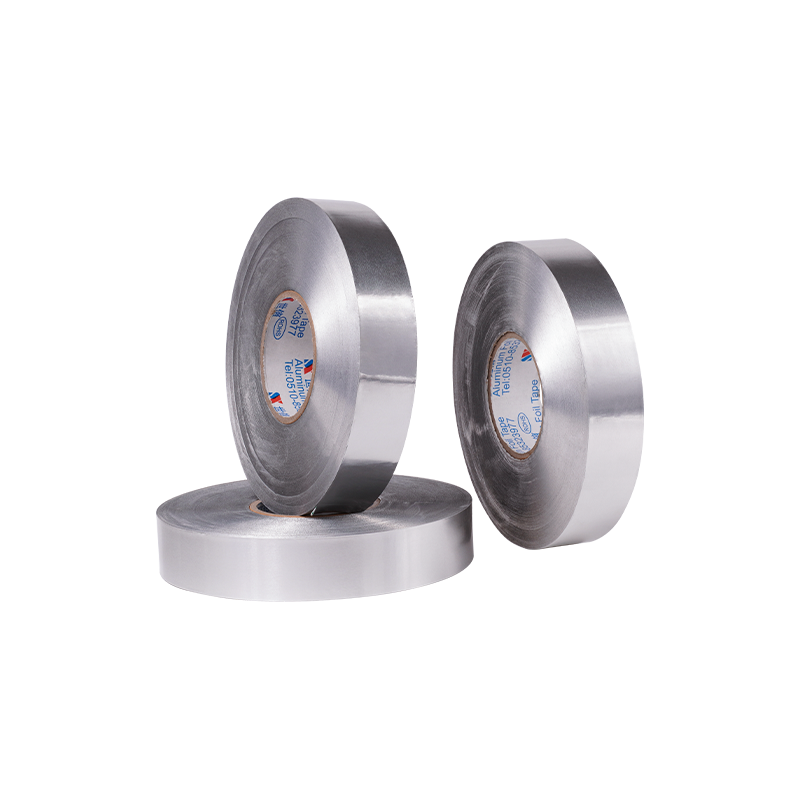
Detailed Product Description
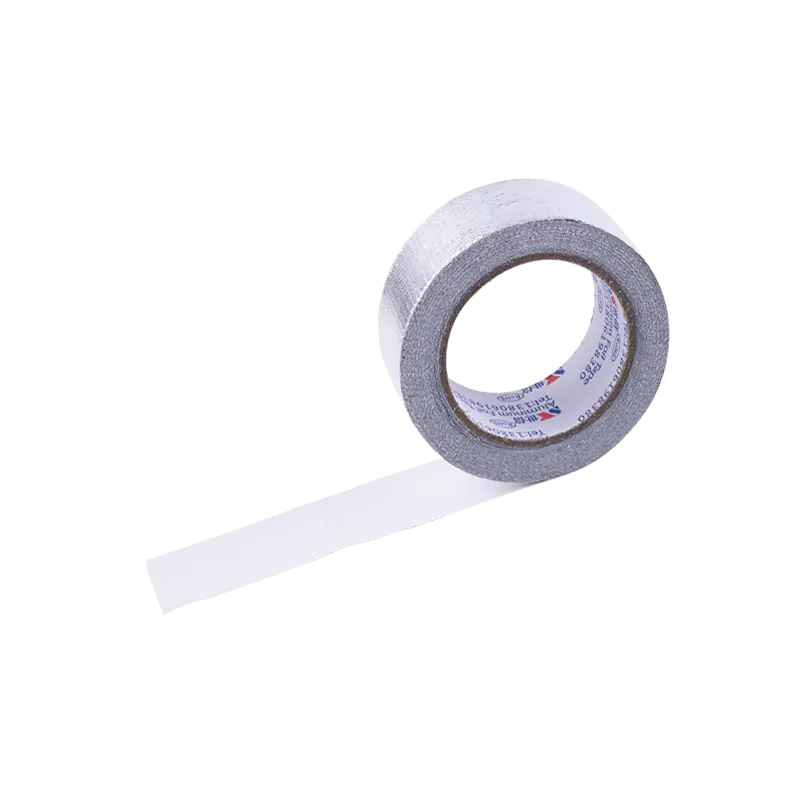
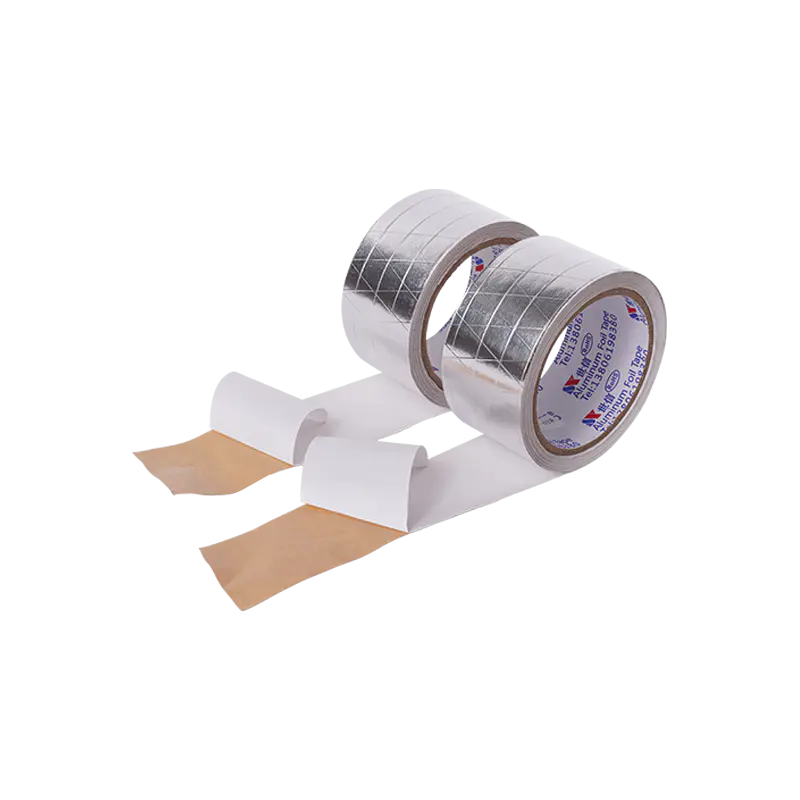
Non-residue removal tapes (often referred to as clean-peel or temporary masking tapes) are precision-coated films or papers designed for critical masking, splicing, or temporary holding applications where adhesive transfer is completely unacceptable. These tapes are defined by their specially synthesized adhesive (typically a cross-linked rubber or a controlled acrylic) which exhibits high internal cohesive strength and a balanced, low-to-medium tack level.
The key technical distinction is the adhesive's formulation to resist shearing and fracturing upon removal, ensuring the bond line breaks cleanly at the substrate interface without leaving stringing or residue. Common carriers include thin PET, polypropylene (PP), or smooth crepe paper, selected for high tear strength to ensure the tape removes in one solid piece, even after exposure to high heat (e.g., during powder coating or baking cycles).
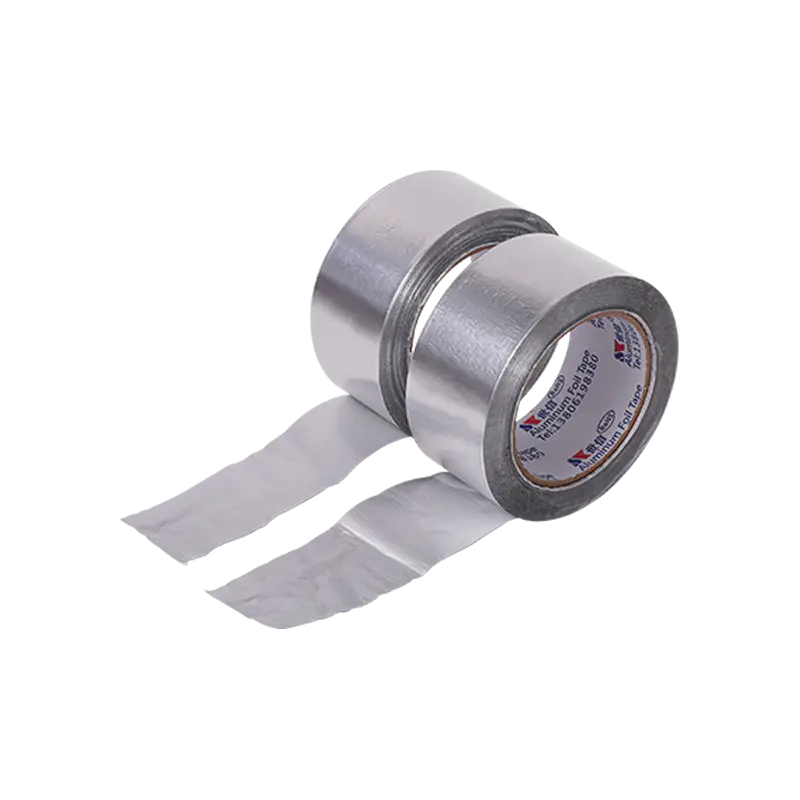
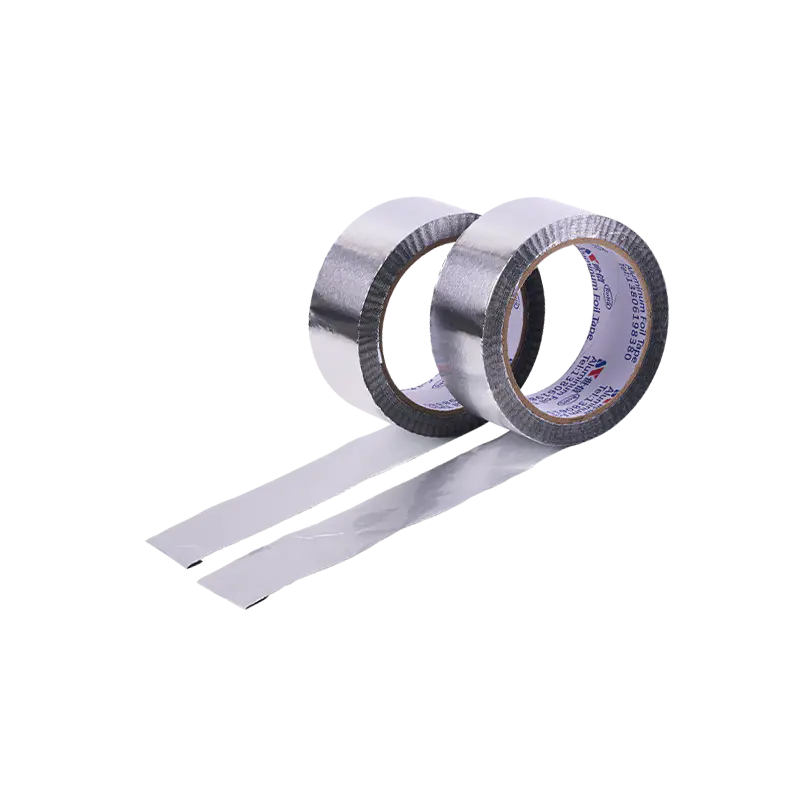
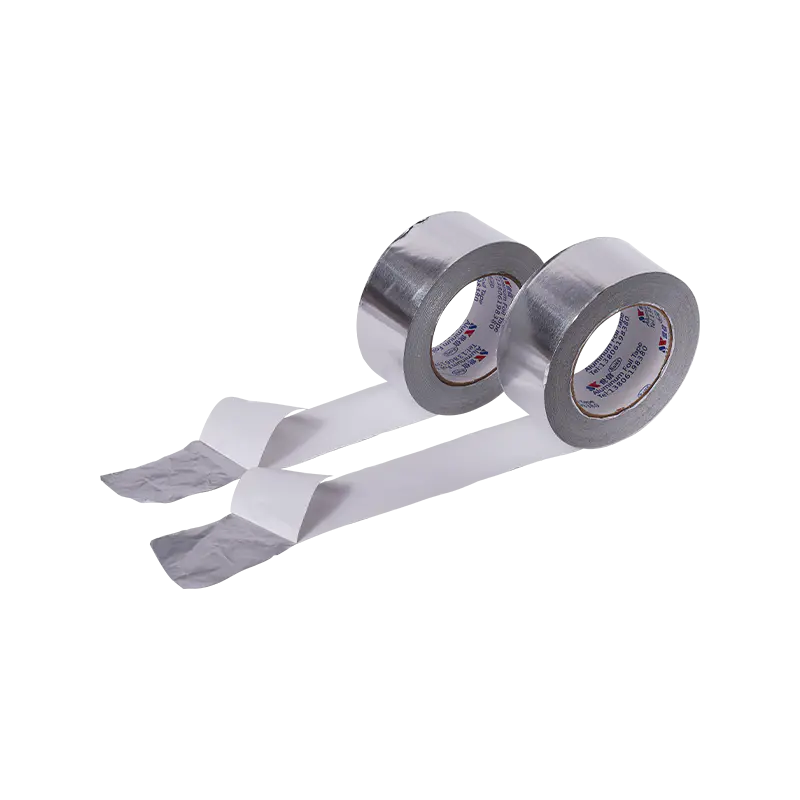
Why Choose Us
Advantages and Core Features
- Flawless Adhesive Removal: Guaranteed residue-free removal from sensitive substrates (e.g., anodized aluminum, polished plastics) even after exposure to heat or UV, eliminating the need for costly rework or cleaning.
- Sharp Masking Edge: Film and paper carriers are often treated to resist paint bleed-through, combined with high-performance adhesives that prevent paint creep, ensuring an exceptionally crisp and clean paint separation line.
- High Temperature Stability: Specific PET and Kapton-like carriers, paired with silicone or acrylic adhesives, can withstand high-temperature processing (e.g., 150∘C for 30 minutes) common in powder coating and electronics assembly.
- Controlled Tear Resistance: Materials like PP film offer high longitudinal strength for quick removal, while crepe paper allows for easy hand-tearing, providing operational flexibility based on application method.
- Consistent Unwind Tension: Rolls are wound with optimized tension and back-side release coating to ensure smooth, controlled unwinding, crucial for high-speed automated masking applications.
Core Features
Application Areas
- Automotive Masking: Precision masking for two-tone painting, trim protection, and component finishing during vehicle assembly and repair.
- Electronics Manufacturing: Securing flexible PCBs, masking connectors during conformal coating or etching, and temporary component holding.
- Powder Coating and High-Temperature Masking: Masking threads, holes, or non-painted surfaces during high-temperature baking cycles.
- Graphic Arts and Signage: Transfer tapes and temporary mounting for vinyl decals and delicate prints without damaging the substrate.
- Splicing of Sensitive Materials: Non-contaminating splicing of films, foils, or high-value paper webs in continuous-feed processes.
Technical Specifications
Introduction
We specialize in clean-peel adhesive tapes designed for masking and temporary holding applications where the integrity of the underlying surface finish must be perfectly preserved, ensuring a flawless, non-residue outcome.
Company Profile: Certification, Scale, and Efficiency
Our commitment to quality is reinforced by our ISO 9001 and ISO 14001 certified manufacturing processes across our 11,000 m² facility. We adhere strictly to environmental standards (RoHS, REACH) required by our major global partners, including TCL, KONKA, and Vestel. By leveraging our scale and optimized supply chain, we consistently provide premium non-residue solutions that translate to proven 10%−15% cost reductions compared to other global suppliers, optimizing your production expenditure.
Usage Guide
| Carrier Material | Crepe Paper, PET Film, PP Film |
| Adhesive Type | Controlled-Release Modified Acrylic/Rubber |
| Thermal Stability | Up to 150∘C (Specific Grades) |
| Removal Condition | Clean, One-Piece Removal |
| UV Resistance | Up to 14 Days (Standard Grades) |
| Typical Tack Level | Low to Medium |
About
Jiangsu Shixin Adhesive Tape Product Co., Ltd.
Our company was registered and established in Wuxi, Jiangsu in 2005, Wuxi Shixin Adhesive Tape Products Co., Ltd., mainly engaged in various adhesive tape products; We are Wholesale Non-Residue Removal Tapes Suppliers andChina ODM Non-Residue Removal Tapes Factory and Producer, after nearly 20 years of persistence and struggle, the company has grown vigorously and gradually expanded in scale. In 2018, we invested in a new factory in Suqian, Jiangsu, and established Jiangsu Shixin Adhesive Tape Products Co., Ltd.; At present, our company has become a high-tech enterprise integrating R&D, production and sales. The company has always firmly believed in the belief that "quality and reputation are the foundation of survival", continuously cultivating technical personnel, strengthening the development of new products, improving sales support, and striving to provide customers with better products and services.
Frequently Asked Questions
Frequently Asked Questions (FAQs)
- Q: How do you choose the right non-residue tape for a high-heat process?
- A: High-heat masking requires a carrier (e.g., PET, polyimide) and an adhesive (e.g., silicone or specialized acrylic) that can maintain cohesive strength above the oven's peak temperature without softening or transferring. We must know the temperature and duration.
- Q: Can these tapes be used for wet painting or varnishing processes?
- A: Yes, we recommend tapes with a moisture-resistant carrier (e.g., vinyl or PP) and a solvent-resistant adhesive to prevent the paint or varnish from penetrating the tape barrier or damaging the adhesive bond.
- Q: What is the main cause of adhesive residue?
- A: Residue occurs when the adhesive's internal cohesive strength is weaker than its bond to the substrate. This failure is often accelerated by excessive UV exposure or heat, causing the adhesive to cross-link and degrade. Our formulations prevent this.
- Q: Is there a difference between low-tack and non-residue tapes?
- A: Not all low-tack tapes are non-residue. A non-residue tape is specifically formulated to be chemically stable and cohesive, ensuring a clean break, whereas a low-tack tape only refers to the initial, light stickiness.
Request a Specification Sheet or Sample
Contact our engineering team today to discuss your high reflectance project requirements.
