
Reinforced Fiber Tapes
-- Steady & Reliable Manufacturer --
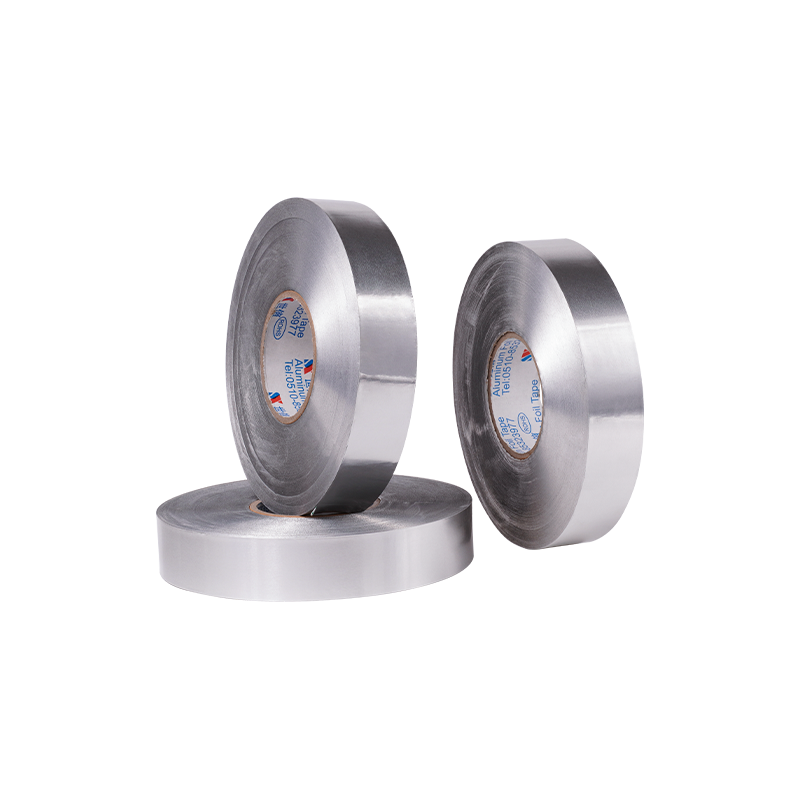
Technical Overview
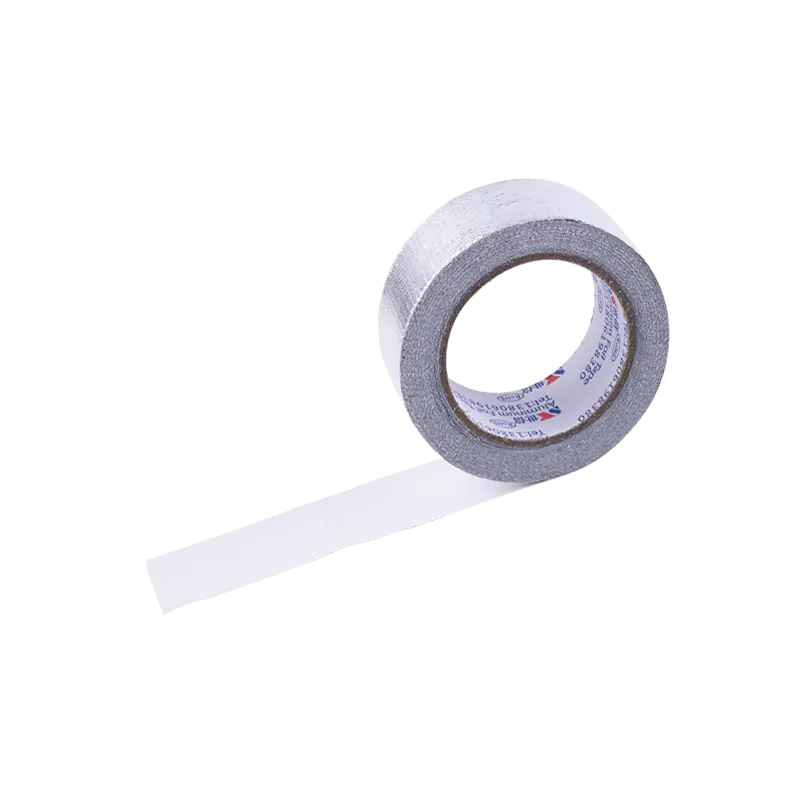
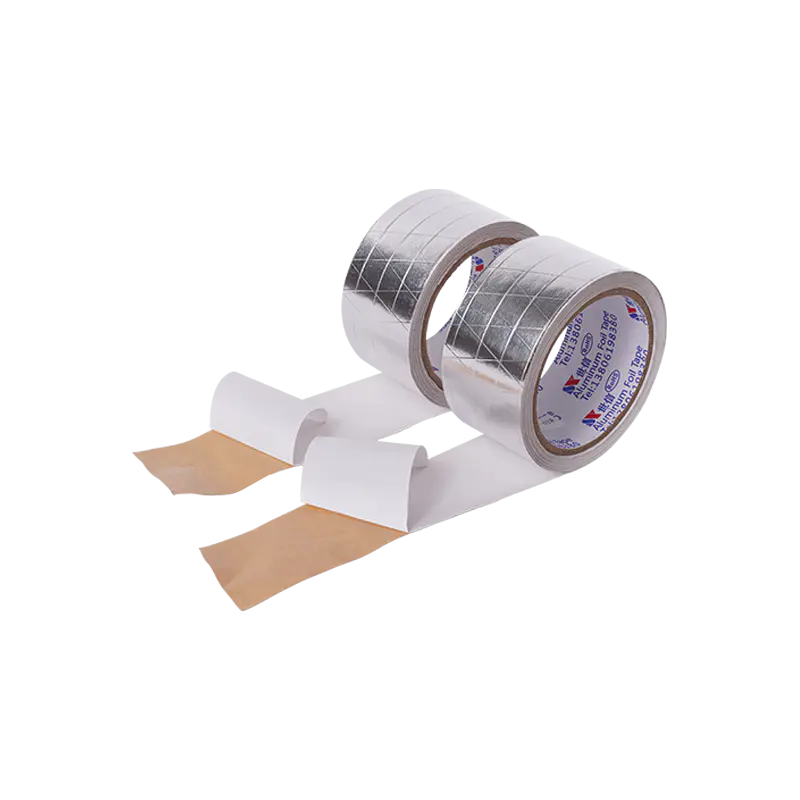
This category encompasses adhesive products integrating robust reinforcing carriers such as fiberglass cloth, polyester scrim (FSK), or steel mesh (SS reinforced). These tapes are engineered to achieve superior dimensional stability, tear resistance, and tensile strength compared to conventional film or paper tapes. The reinforcing layer acts as a structural spine, preventing expansion or contraction under thermal stress and distributing stress loads across the bond line. Key specifications often involve mesh density, fiber type (e.g., unidirectional vs. woven), and the adhesion system used (e.g., acrylic or synthetic rubber). These tapes are indispensable in demanding thermal insulation, heavy-duty sealing, and mechanical fixation where high integrity and longevity are mandatory.
The fiberglass variants provide resistance to extreme temperatures and flame spread, making them suitable for regulatory-compliant applications. FSK (Foil-Scrim-Kraft) laminates combine the reflectivity and vapor barrier properties of aluminum foil with the strength of a fiber grid. The specific design parameters, including adhesive thickness and reinforcement orientation, are critical for optimal performance in the intended environment.
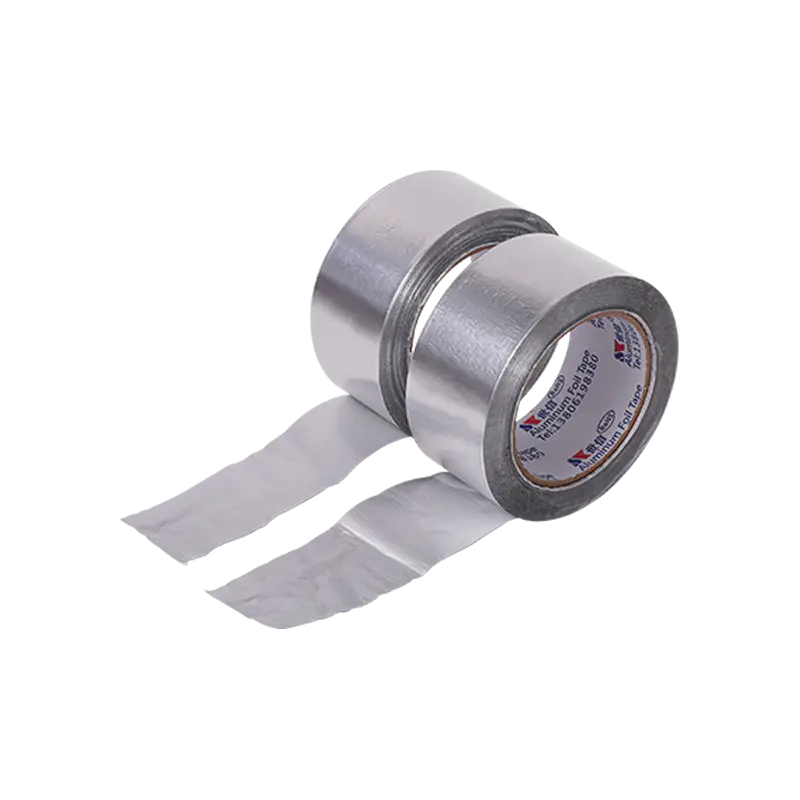
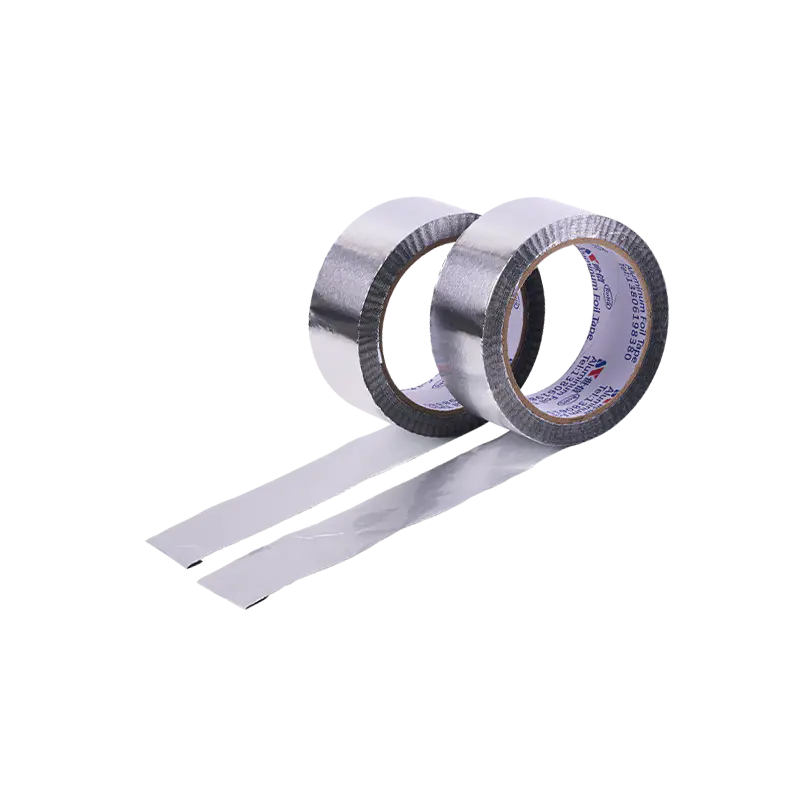
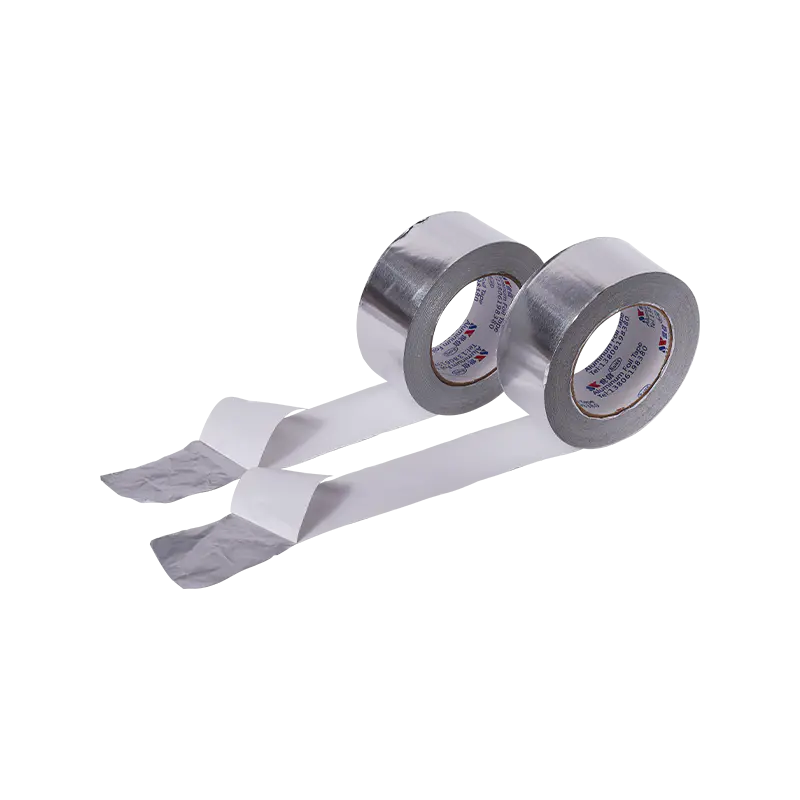
Why Choose Us
Differentiating Attributes
- High Load Bearing Capacity: The embedded fiber structure delivers exceptional tensile strength, preventing material failure under dynamic or static mechanical load.
- Superior Puncture Resistance: Offers robust protection for insulation facings and surfaces, significantly reducing the risk of damage during installation and maintenance.
- Dimensional Stability Across Temperature Range: The reinforcement resists stretching or shrinking when exposed to fluctuating temperatures, maintaining seal integrity over time, critical for thermal applications.
- Optimized Vapor Barrier Integrity: FSK variants provide a low Water Vapor Transmission Rate (WVTR), preventing moisture ingress and protecting insulation efficiency.
- Resistance to Fire and Heat: Fiberglass and specific aluminum composites are inherently non-combustible or self-extinguishing, meeting stringent fire safety standards.
- Long-Term Durability: Engineered to match the expected lifespan of permanent industrial and construction projects, minimizing replacement needs.
Core Features
Applications
- HVAC Duct Sealing: For longitudinal and circumferential joints on rigid and flexible air ducts, ensuring vapor tightness and mechanical stability.
- Thermal Insulation Lamination: Bonding facings (such as aluminum foil) to insulation materials (e.g., mineral wool, PIR) in industrial and commercial buildings.
- Heavy-Duty Patching: Repairing tears or breaches in metal jacketing and high-stress surfaces.
- Pipe Wrapping: Providing mechanical protection and thermal stability to insulated piping systems.
- Automotive Exhaust Shielding: Utilizing fiberglass and aluminum foil composites for heat management around engine components.
Technical Specifications
Introduction
Reinforced fiber tapes represent a high-performance segment of industrial adhesives, combining the bonding capability of pressure-sensitive adhesives with the structural integrity of composite materials. This synergy creates solutions that not only seal or join components but also withstand significant mechanical and thermal stress over extended periods.
Company Profile
Jiangsu Shixin Adhesive Tape Product Co., Ltd., established in 2005, specializes in premium adhesive solutions. With nearly 11,000 square meters of factory space and 100 employees, we are a high-tech enterprise focused on R&D, production, and global sales. Our key advantages include certified quality (RoHS, REACH, ISO 9001, ISO 14001, SGS) and proven supply chain reliability for global leaders like Midea, TCL, and Vestel.
We focus on delivering pragmatic, cost-effective solutions for challenging industrial environments, particularly in Aluminum Foil Tapes, Foam Solutions, and high-strength Film Tapes.
Usage Guide
| Property | Test Standard | Typical Value Range |
| Carrier Material | Internal Test Method | Fiberglass Cloth, Polyester Scrim, Aluminum Foil/Kraft Laminate |
| Total Thickness | ASTM D3652 | 0.15 mm – 0.35 mm |
| Tensile Strength | ASTM D3759 | 80 N/25mm – 250 N/25mm |
| Adhesion to Steel | ASTM D3330 | 8 N/25mm – 15 N/25mm |
| Service Temperature | Internal Thermal Test | -30°C to +180°C (Adhesive Dependent) |
| Water Vapor Transmission Rate (WVTR) | ASTM E96 | < 0.1 g/m² · 24h (FSK types) |
About
Jiangsu Shixin Adhesive Tape Product Co., Ltd.
Our company was registered and established in Wuxi, Jiangsu in 2005, Wuxi Shixin Adhesive Tape Products Co., Ltd., mainly engaged in various adhesive tape products; We are Wholesale Reinforced Fiber Tapes Suppliers andChina ODM Reinforced Fiber Tapes Factory and Producer, after nearly 20 years of persistence and struggle, the company has grown vigorously and gradually expanded in scale. In 2018, we invested in a new factory in Suqian, Jiangsu, and established Jiangsu Shixin Adhesive Tape Products Co., Ltd.; At present, our company has become a high-tech enterprise integrating R&D, production and sales. The company has always firmly believed in the belief that "quality and reputation are the foundation of survival", continuously cultivating technical personnel, strengthening the development of new products, improving sales support, and striving to provide customers with better products and services.
Frequently Asked Questions
Frequently Asked Questions (FAQs)
- Q: What is the primary difference between scrim and woven reinforcement?
- A: Scrim refers to a non-woven, often rectangular pattern of fibers laid out in a grid, offering strength and low cost. Woven reinforcement uses interlaced fibers, providing increased multidirectional strength and tear resistance, often at higher cost.
- Q: Can these tapes be used outdoors in extreme weather?
- A: Yes, formulations using UV-stable acrylic adhesives and durable carriers like aluminum foil or specially treated cloth are designed to resist UV degradation and moisture exposure. Ensure the specific product is rated for outdoor, weather-resistant use.
- Q: How do I ensure proper adhesion to fibrous insulation surfaces?
- A: Best practice is to ensure the surface is clean, dry, and compressed, removing any loose fibers. A high-tack, high-coat-weight adhesive (often synthetic rubber or high-performance acrylic) is required for reliable bonding to rough, porous materials.
- Q: What is FSK and why is it preferred for ductwork?
- A: FSK stands for Foil-Scrim-Kraft. It's a laminate that combines aluminum foil (for vapor barrier and heat reflection), a fiberglass scrim (for strength), and a layer of Kraft paper. It is preferred for ductwork due to its strength, excellent thermal insulation properties, and compliance with fire safety codes.
Request a Specification Sheet or Sample
Contact our engineering team today to discuss your high reflectance project requirements.
