
Temporary Surface Protection Films
-- Steady & Reliable Manufacturer --
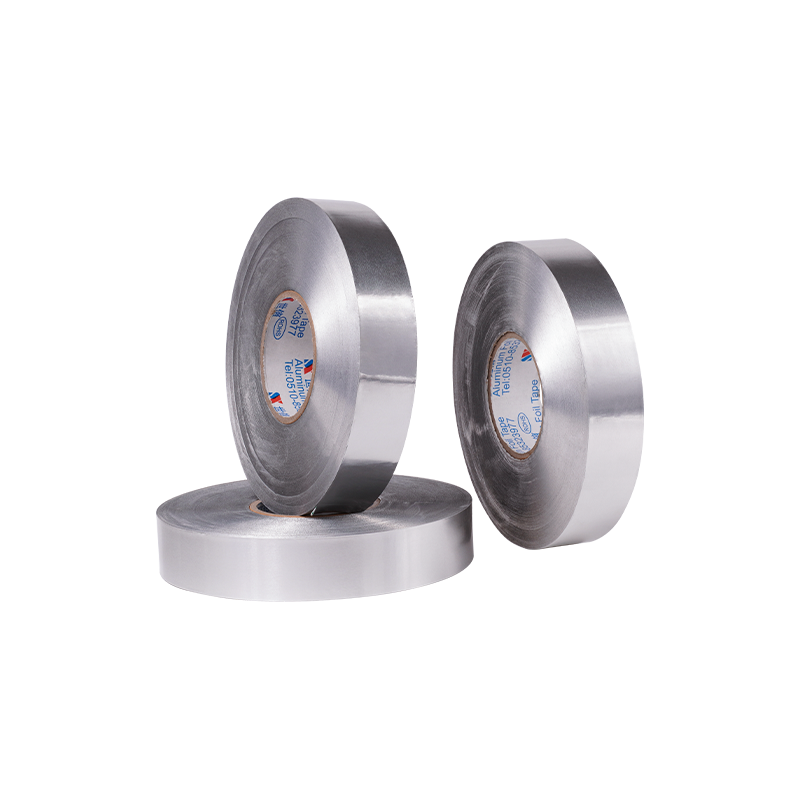
Detailed Product Description
Temporary surface protection films are high-gauge polymer films (Polyethylene, PVC, or PET) coated with a highly specialized, low-adhesion, pressure-sensitive adhesive. The primary function is to shield sensitive, high-value surfaces—such as polished metals, optical displays, or finished panels—from abrasion, scratching, paint overspray, and dirt during manufacturing, storage, and installation.
The adhesive is engineered for maximum environmental stability and minimal adhesion build-up over time, utilizing UV-resistant additives to prevent degradation that would cause hardening or residue transfer upon removal. Film thickness (measured in microns or mils) and puncture resistance are matched to the specific mechanical hazards of the application. The film must be easily removable in one piece (high tear resistance) after prolonged application without tearing or leaving ghosting marks.
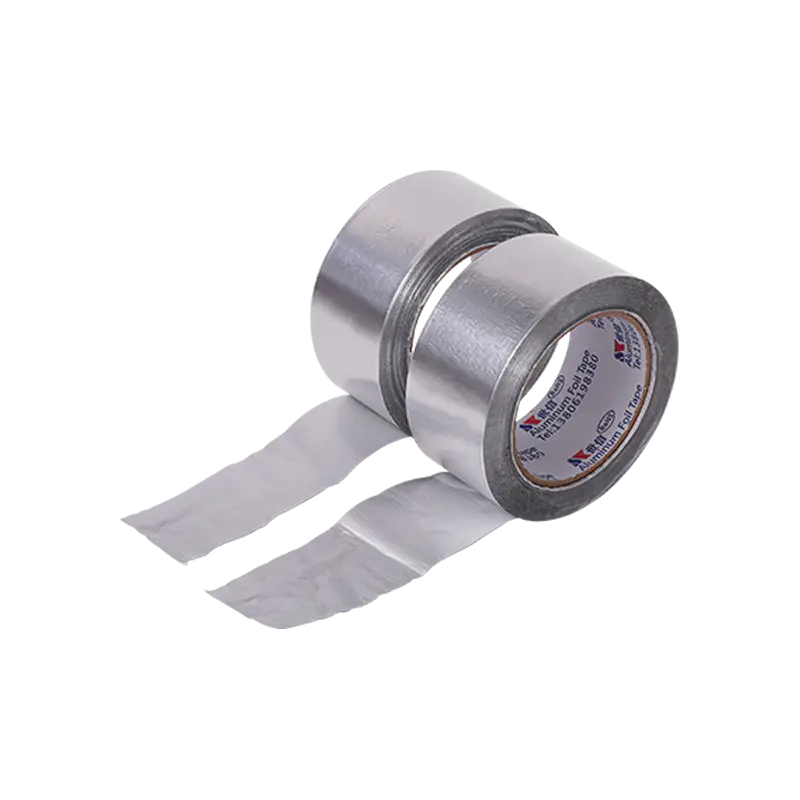
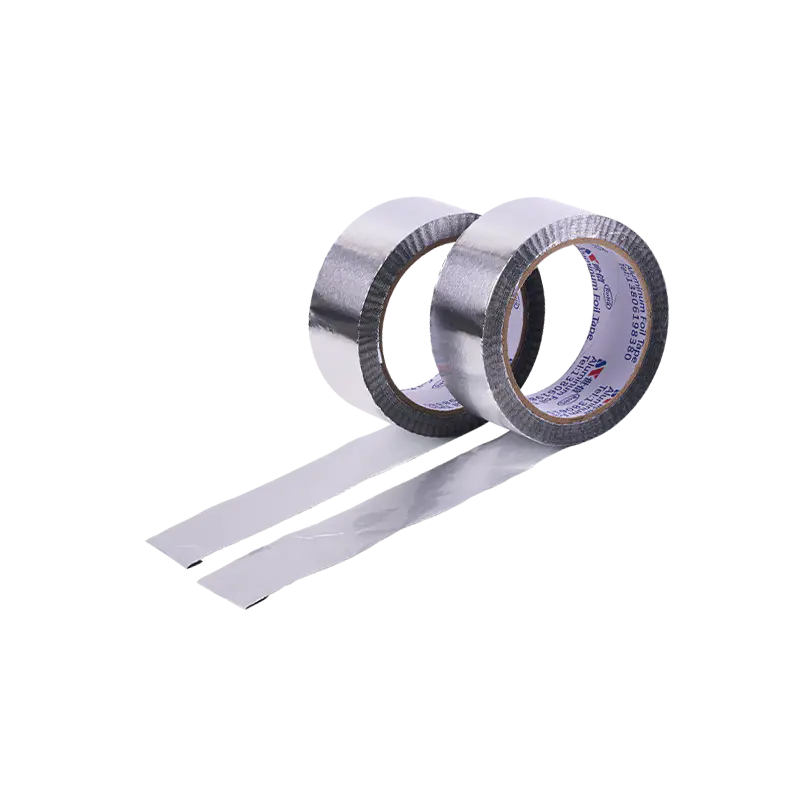
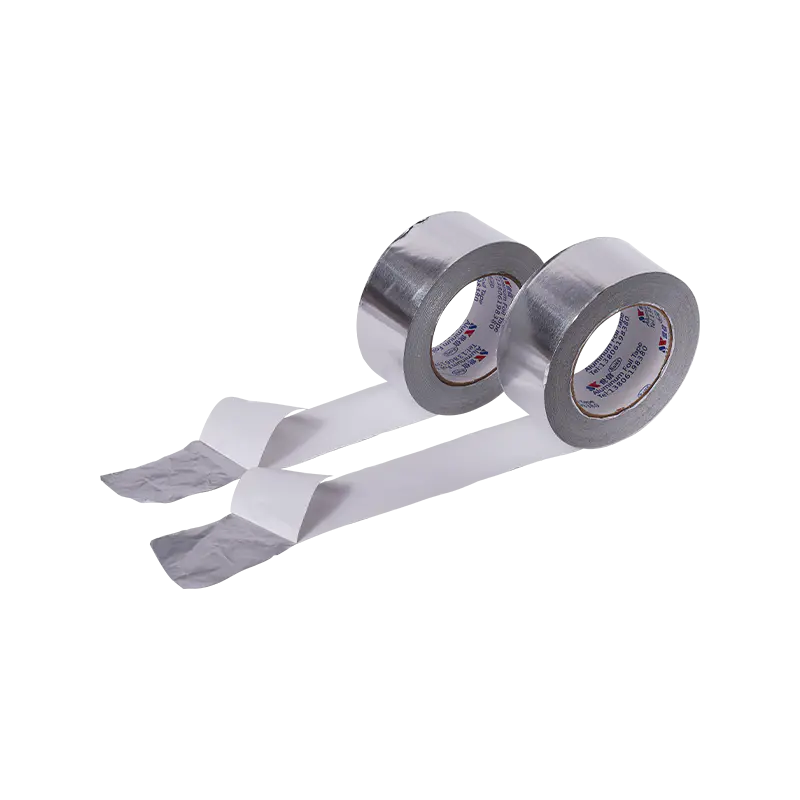
Why Choose Us
Advantages and Core Features
- Non-Transferring Adhesive System: Uses highly controlled adhesive chemistries that adhere sufficiently to prevent lifting but release entirely from the substrate, even after high-temperature exposure or prolonged application.
- Customized Puncture Resistance: The film is available in various thicknesses (microns) to match the specific hazard level, ensuring optimal cost-to-protection ratio for thin-gauge metal sheets or heavy-duty outdoor construction.
- UV-Stabilized for Outdoor Use: Films contain specific UV-absorbing additives, preventing the adhesive from breaking down under sunlight and curing permanently onto the protected surface.
- High Clarity and Low Haze: Clear film options provide high transparency, allowing for visual inspection of the underlying surface without the need to remove the protective layer.
- Smooth, Continuous Application: Supplied in wide rolls with excellent flatness and release characteristics, making them highly suitable for wide-format, automated lamination machines used in metal and plastic processing.
Core Features
Application Areas
- Stainless Steel and Metal Fabrication: Protecting polished metal sheets, appliance casings, and decorative trims from scratching during stamping, bending, and assembly.
- Optical and Display Screens: Shielding LCD, LED, and automotive display surfaces from fingerprints and micro-scratches during final assembly and packaging.
- Painted and Coated Surfaces: Protecting automotive body panels, powder-coated appliance parts, and composite materials during transportation and installation.
- Laminated and Wood Surfaces: Temporary protection of finished furniture, countertops, and flooring against damage during construction and installation.
- Window and Glass Protection: Shielding architectural glass from mortar, paint, and dust on construction sites.
Technical Specifications
Introduction
We supply precision surface protection films that safeguard high-gloss finishes and sensitive surfaces throughout the entire manufacturing and logistics chain, guaranteeing clean removal and preserving the integrity of the final product.
Company Profile: Scale, Quality, and Financial Advantage
Established in 2005, we possess a dedicated 11,000 square meter facility and maintain full ISO 9001 and ISO 14001 certification, confirming our commitment to reliable, high-volume manufacturing. Our competitive edge lies in efficiency and scale, consistently delivering cost savings of 10%−15% for our global partners compared to EU suppliers. Our clientele includes leading names like Midea, TCL, Vestel, and Skyworth, validating our capability to meet the complex protection needs of high-value consumer and industrial goods.
Usage Guide
| Film Material | PE (Polyethylene), PVC, PET |
| Adhesion Type | Low-Tack Acrylic or Rubber |
| Film Thickness Range | 50 to 150 microns (μm) |
| UV Inhibitor Content | Standard or High (Depending on application) |
| Removal Residue | Zero (Clean Peel) |
| Typical Color | Clear, White, Blue, or Black/White Co-Extruded |
About
Jiangsu Shixin Adhesive Tape Product Co., Ltd.
Our company was registered and established in Wuxi, Jiangsu in 2005, Wuxi Shixin Adhesive Tape Products Co., Ltd., mainly engaged in various adhesive tape products; We are Wholesale Temporary Surface Protection Films Suppliers andChina ODM Temporary Surface Protection Films Factory and Producer, after nearly 20 years of persistence and struggle, the company has grown vigorously and gradually expanded in scale. In 2018, we invested in a new factory in Suqian, Jiangsu, and established Jiangsu Shixin Adhesive Tape Products Co., Ltd.; At present, our company has become a high-tech enterprise integrating R&D, production and sales. The company has always firmly believed in the belief that "quality and reputation are the foundation of survival", continuously cultivating technical personnel, strengthening the development of new products, improving sales support, and striving to provide customers with better products and services.
Frequently Asked Questions
Frequently Asked Questions (FAQs)
- Q: How long can the film be left on before removal is difficult?
- A: This depends on the specific adhesive and the UV exposure. Our standard films are rated for 3-6 months outdoors and up to 12 months indoors. We provide specific product sheets detailing the maximum recommended removal period.
- Q: What is the risk of ‘ghosting’ or image transfer upon removal?
- A: Our films are engineered with chemically neutral adhesives to prevent 'ghosting' (residue outlines) or the leaching of adhesive components onto sensitive coatings, a critical factor for high-gloss plastics and painted surfaces.
- Q: Can the film be processed (cut, bent) while applied?
- A: Yes, the film is often used to protect surfaces during stamping, drilling, and routing. The film's tear-resistance prevents tearing during these processes, protecting the immediate cut area from metal swarf or debris.
- Q: How do I select the correct adhesion level (tack) for my surface?
- A: The tack level must be matched to the surface finish: lower tack for polished/smooth finishes (e.g., mirrors) and higher tack for rough/textured/low-surface-energy finishes (e.g., unpolished concrete, textured plastic). We provide sample testing to optimize this.
Request a Specification Sheet or Sample
Contact our engineering team today to discuss your high reflectance project requirements.
