
Anti-Static (ESD) Tapes for Electronics
-- Steady & Reliable Manufacturer --
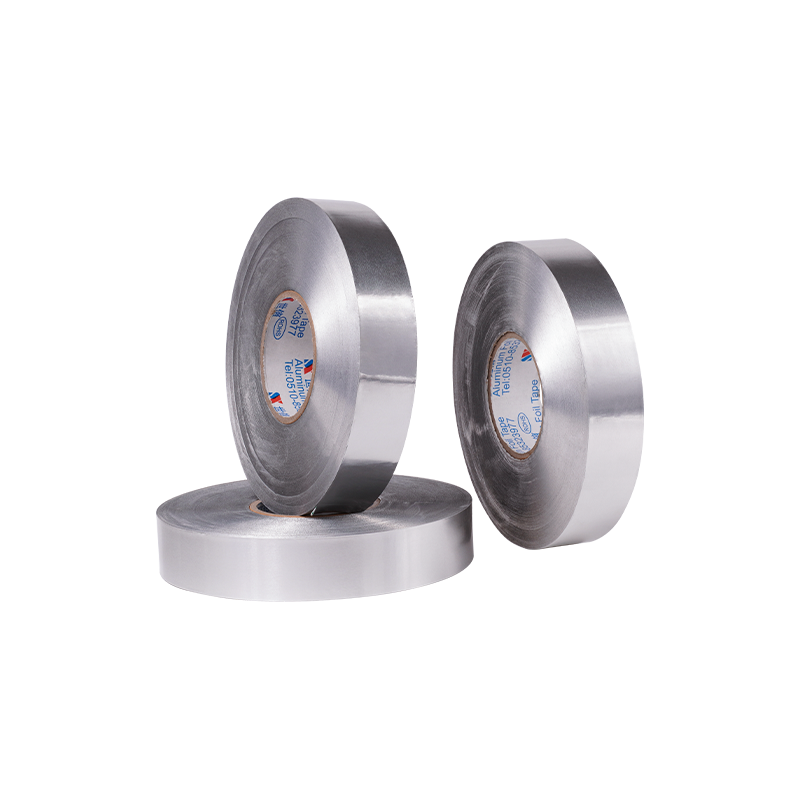
Static Dissipative Tapes for Sensitive Electronic Component Protection
Anti-Static (ESD - Electrostatic Discharge) Tapes are critical consumable materials designed specifically to protect sensitive electronic devices and components from the damaging effects of static electricity during manufacturing, packaging, and handling. These tapes feature a static-dissipative or conductive layer, ensuring that any charge built up is safely discharged or neutralized before it can harm microprocessors, memory chips, or other vulnerable parts. The tapes typically adhere to strict surface resistivity requirements, usually in the range of 105 to 1011 Ohms/square, achieved through specialized film backings (e.g., Polyimide, PET) or specific adhesive formulations. This precise control over electrical properties is non-negotiable for reliable electronic assembly.
- Controlled Resistivity: Ensures safe, predictable static dissipation or grounding path.
- Component Safety: Prevents costly ESD damage to micro-electronics (e.g., 5 pF to 10 pF threshold).
- Cleanroom Compliant: Low-lint and low-outgassing properties for clean environments.
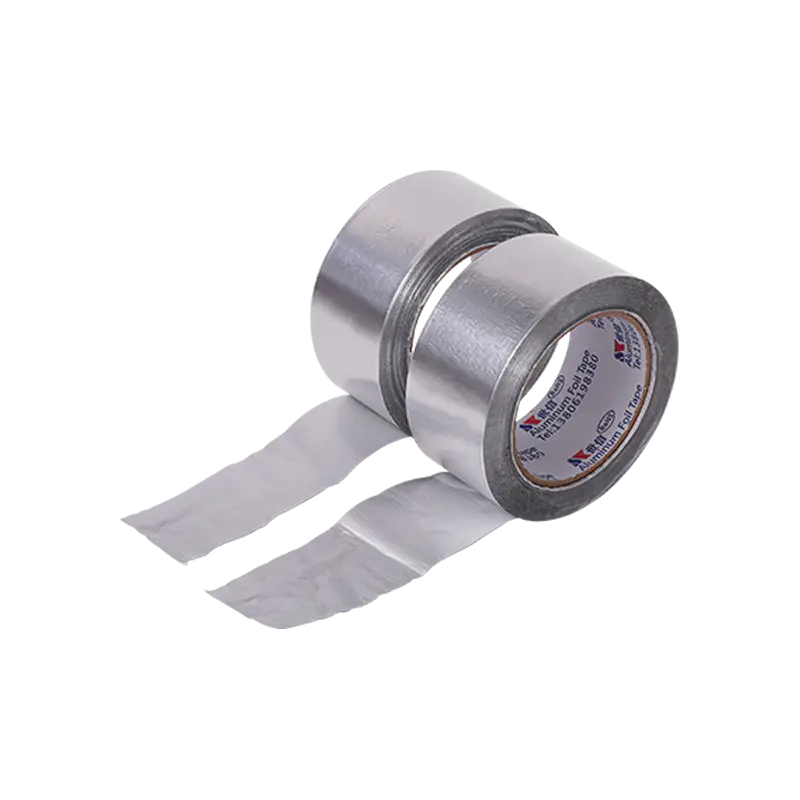
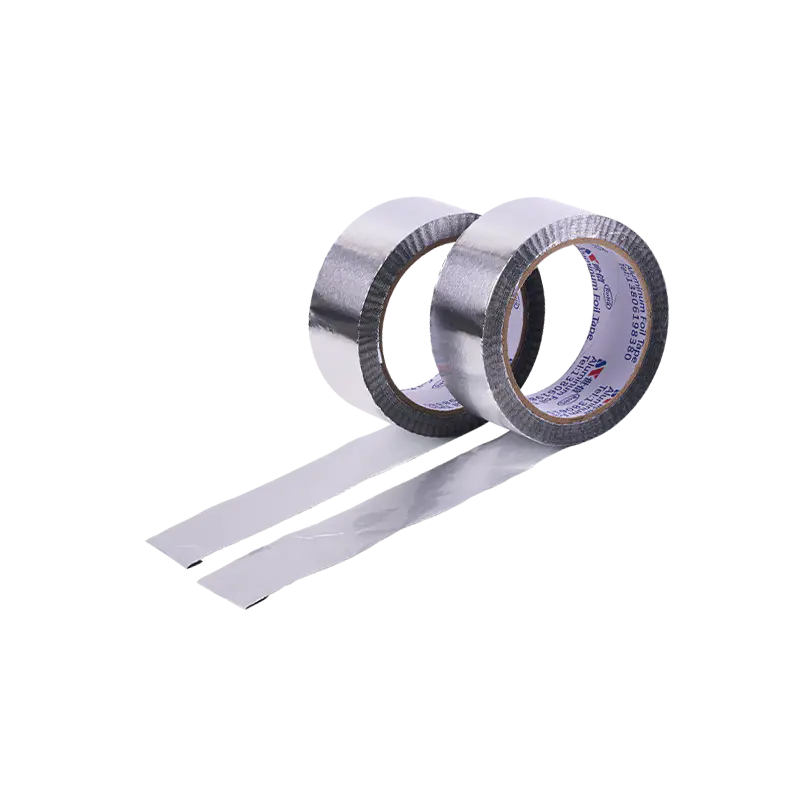
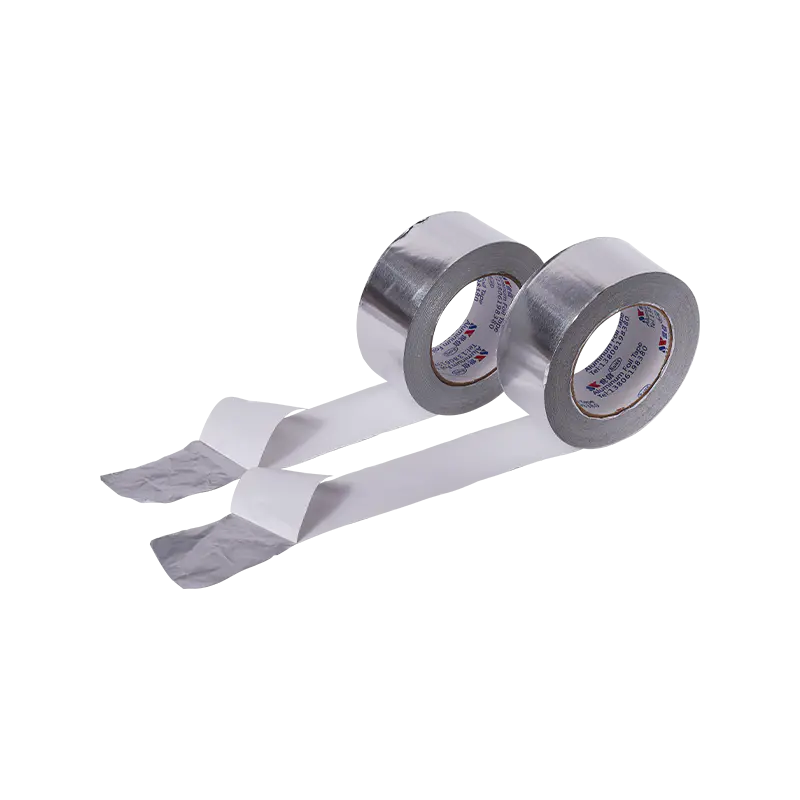
Why Choose Us
Technical Advantages in Static Control
- Compliance with ANSI/ESD S20.20: Our tapes are manufactured and tested to meet the electrical requirements for items used within an ESD Protected Area (EPA), providing confidence in the supply chain.
- Low Triboelectric Charging: Specialized backings and adhesives are designed to minimize the voltage generated when the tape is rapidly unwound or removed, which is a major source of ESD damage during manual handling.
- High Purity and Low Contamination: Formulated with low outgassing components, making them suitable for sealing enclosures or masking components that will be used in vacuum, optical, or cleanroom environments.
- High Temperature Endurance: Where applicable (e.g., Polyimide ESD tape), the material maintains its static-dissipative properties even after exposure to high-heat soldering or curing processes.
Core Features
Critical ESD Protection and Handling Applications
- PCB Assembly: Holding flex circuits, securing components, or masking areas during wave soldering where static control is essential (e.g., using ESD-safe Polyimide tape).
- Component Packaging: Sealing ESD-safe bags, grounding wrist straps, and securing components within static-sensitive packaging during shipping and storage.
- Cleanroom Tacking/Sealing: Tacking down floor mats, sealing containers, or labeling in ISO-rated cleanroom environments where both ESD and cleanliness are required.
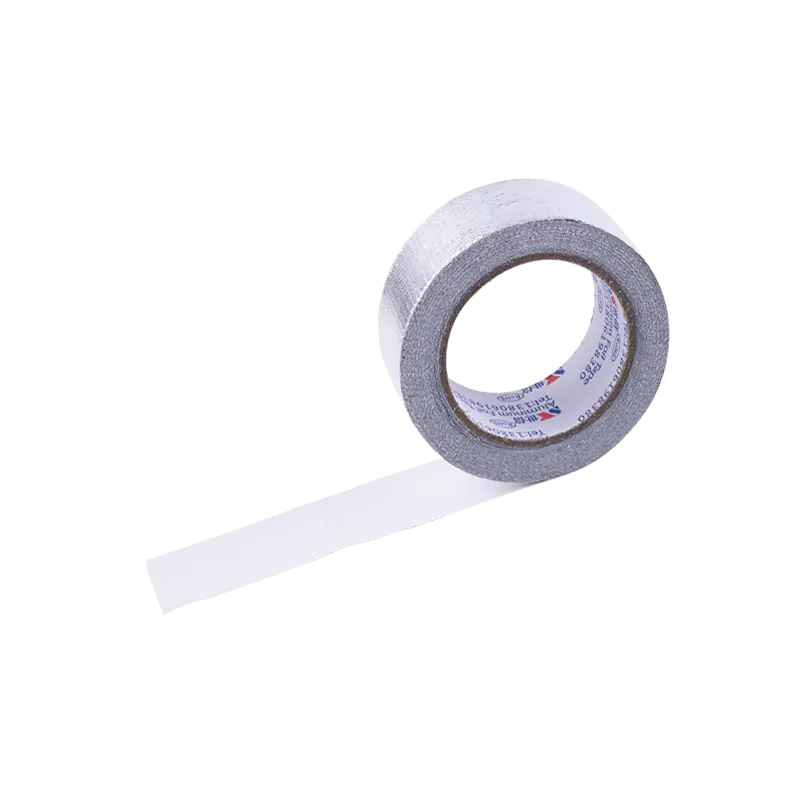
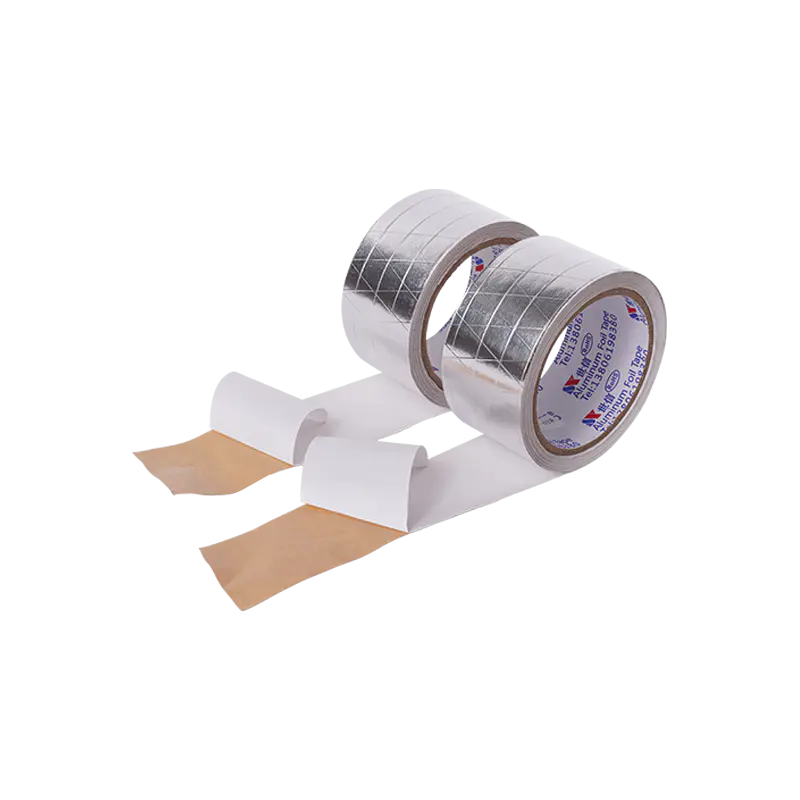
- Splicing: Splicing of carrier tapes on automated surface-mount technology (SMT) pick-and-place lines (e.g., using conductive foil tape to maintain continuity).
Technical Specifications
SXT: Adhering to the Highest Standards in Electronics Supply Chain
SXT's commitment to the high-tech sector is demonstrated by our ability to manufacture tapes that meet complex electrical and cleanliness standards. Our ESD tapes are produced with strict material control and verified by surface resistance testing in compliance with industry standards (e.g., ANSI/ESD S20.20). As a trusted factory-direct partner, we provide traceable documentation (Certificates of Conformity) for every batch, confirming the tape's electrical properties. This rigor makes SXT a preferred supplier for electronics OEMs and contract manufacturers globally, minimizing component failure rates due to static discharge.
Usage Guide
ESD Tape Categories: Resistivity Profile
| Tape Category | Surface Resistivity (Ohms/sq) | Primary Mechanism | Recommended Use |
| Conductive | Less than 105 | Immediate grounding/Shielding | Grounding, EMI shielding, Splicing |
| Static Dissipative | 105 to 1011 | Slow, controlled charge dissipation | General component holding, packaging |
| Anti-Static (Low Charging) | Not Measured (Focus on Triboelectric Charge) | Reduces charge generation upon unwind | Masking, handling, office use in EPA areas |
About
Jiangsu Shixin Adhesive Tape Product Co., Ltd.
Our company was registered and established in Wuxi, Jiangsu in 2005, Wuxi Shixin Adhesive Tape Products Co., Ltd., mainly engaged in various adhesive tape products; We are Wholesale Anti-Static (ESD) Tapes for Electronics Suppliers andChina ODM Anti-Static (ESD) Tapes for Electronics Factory and Producer, after nearly 20 years of persistence and struggle, the company has grown vigorously and gradually expanded in scale. In 2018, we invested in a new factory in Suqian, Jiangsu, and established Jiangsu Shixin Adhesive Tape Products Co., Ltd.; At present, our company has become a high-tech enterprise integrating R&D, production and sales. The company has always firmly believed in the belief that "quality and reputation are the foundation of survival", continuously cultivating technical personnel, strengthening the development of new products, improving sales support, and striving to provide customers with better products and services.
Frequently Asked Questions
Frequently Asked Questions (FAQ)
- Q: What is the main difference between an ESD-safe tape and a standard tape in an EPA?
- A: Standard tapes are highly insulating and can generate thousands of volts of static charge upon unwind and removal. ESD-safe tapes either safely dissipate the charge or generate very little charge (low-charging), preventing damage to components sensitive to charges as low as 100V.
- Q: How often must the surface resistivity of the tape be checked?
- A: We provide Certificates of Conformity with the measured resistivity for each production lot. End-users typically perform periodic checks on their inventory, usually upon receipt and at annual intervals, to ensure the tape remains within the specified 105 to 1011 Ohms/square range.
- Q: Can I use the ESD tape for both temporary holding and permanent fixing?
- A: Yes. We offer both temporary (low-residue acrylic) and permanent (high-shear acrylic) adhesive systems on ESD backings. The choice depends on whether the tape is meant for process holding (temporary) or permanent internal component fixation.
Request a Specification Sheet or Sample
Contact our engineering team today to discuss your high reflectance project requirements.
