
Static Dissipative Tapes
-- Steady & Reliable Manufacturer --
Technical Overview
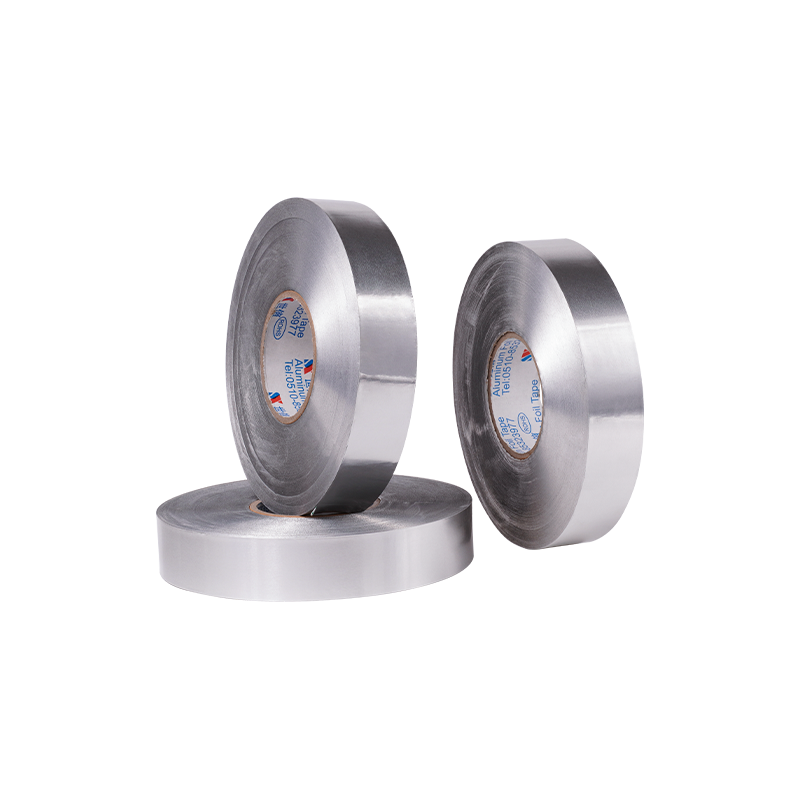
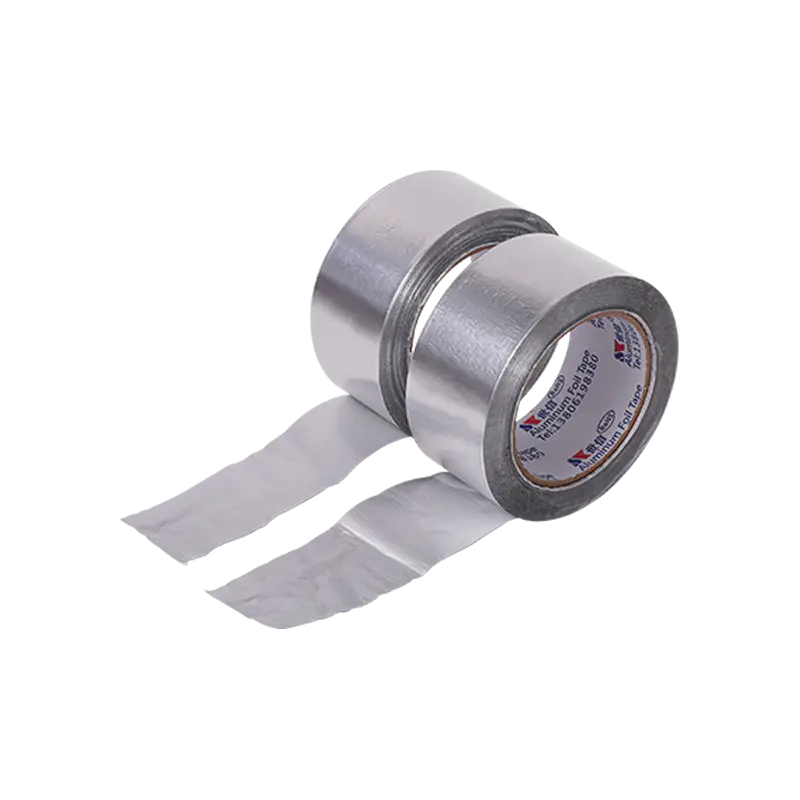
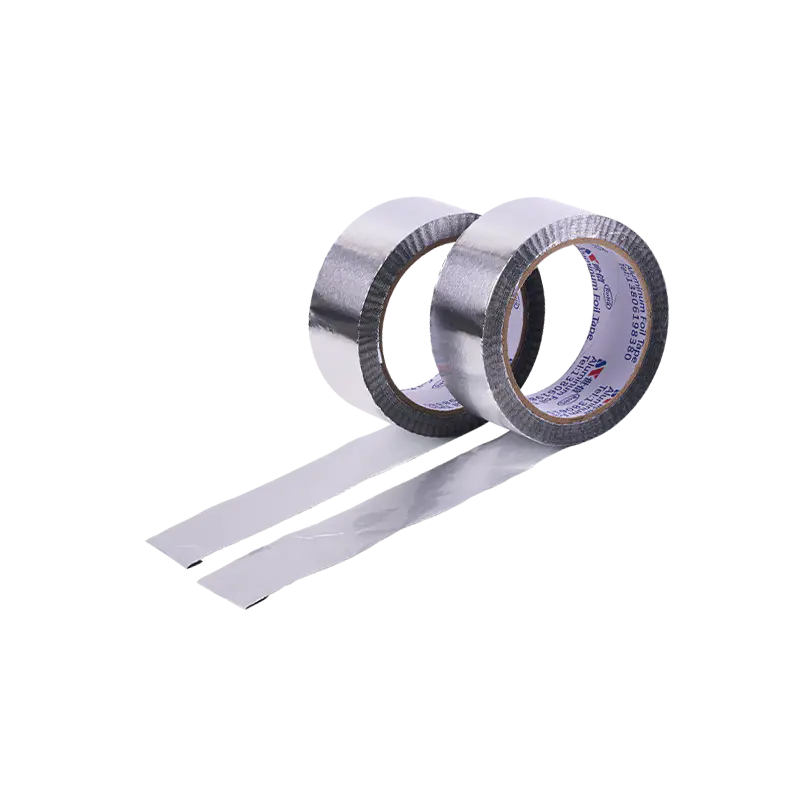
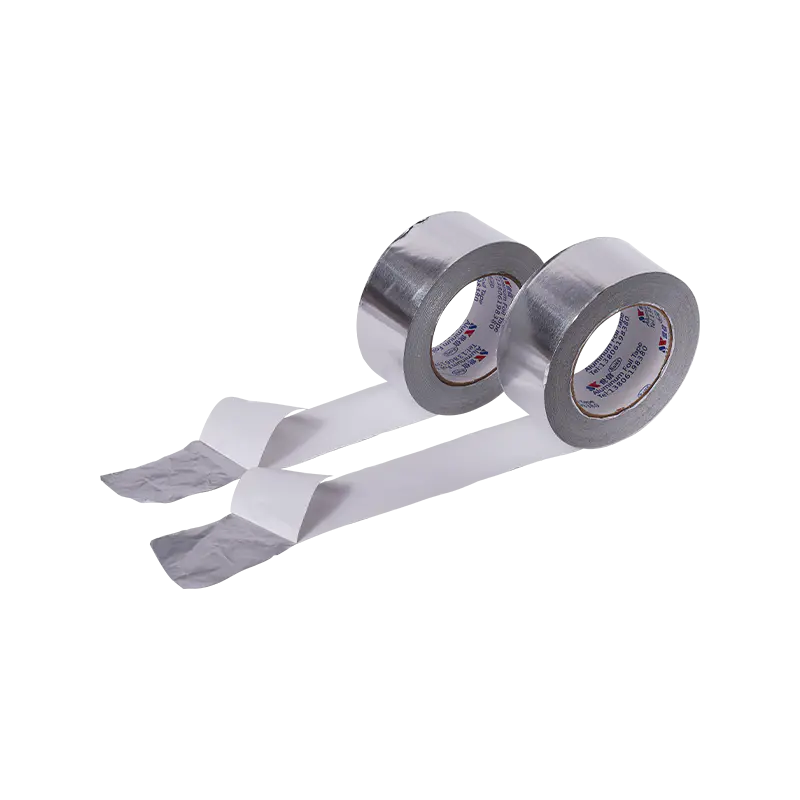
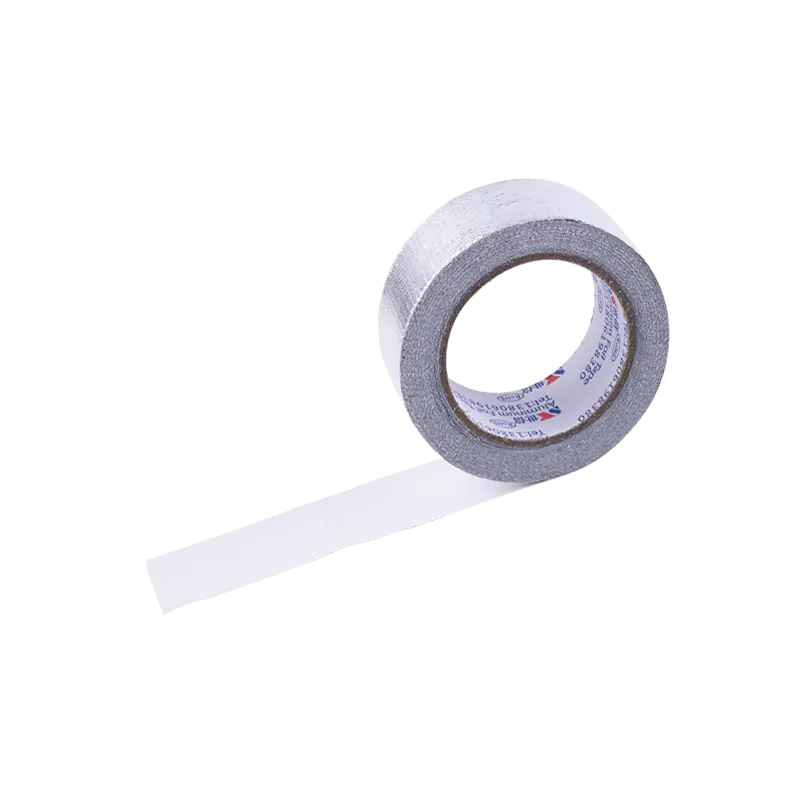
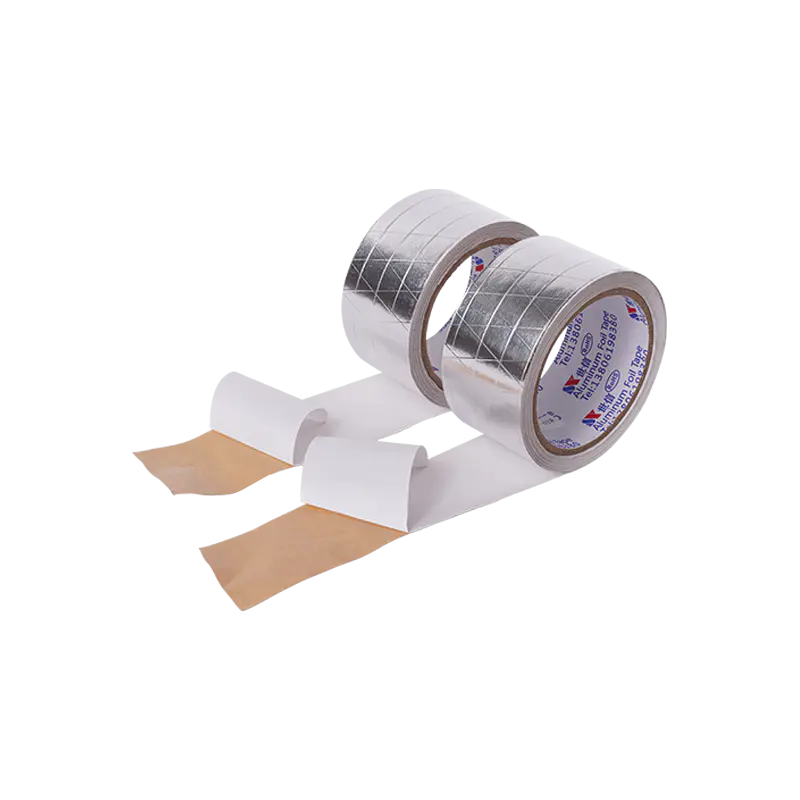
Static Dissipative Tapes (SDT) are non-insulative, non-conductive tapes engineered to slowly dissipate electrostatic charges, preventing harmful Electrostatic Discharge (ESD) from damaging sensitive electronic components. This function is achieved by incorporating conductive additives into the adhesive or carrier materials, typically within the surface resistivity range of 106 to 1011 ohms/square, classifying them as static dissipative.
These tapes are essential for masking, holding, and packaging applications within ESD-protected areas (EPA). Key performance metrics include Surface Resistivity, Charge Decay Time (meeting ANSI/ESD standards), and clean removal (to prevent residue that might compromise surface conductivity).
Why Choose Us
Differentiating Attributes
- Controlled Charge Dissipation: The material formulation is precisely engineered to drain static charges to ground at a safe, controlled rate, preventing rapid ESD events that could damage microprocessors or ICs.
- Non-Tribocharging: Designed to generate minimal electrostatic charge when handled or unrolled (low triboelectric generation), minimizing the risk of charge buildup on the work surface.
- Clean Removal in EPAs: Offers residue-free removal, ensuring that the protected surfaces or adjacent conductive mats are not contaminated by adhesive residue that could compromise the ESD grounding path.
- Chemical and High-Temperature Resistance: Available with heat-resistant carriers (e.g., treated Polyimide/PET) for use during soldering and high-temperature cleaning processes in electronic manufacturing.
- Meets Industry Standards: Compliance with ANSI/ESD standards for surface resistivity and charge decay time is verified, ensuring acceptance in audited EPA environments.
- Non-Corrosive Adhesives: Formulated to be free of corrosive agents, protecting sensitive copper and gold contacts during masking operations.
Core Features
Applications
- PCB Manufacturing Masking: Temporary protection of electronic components and connectors during soldering, cleaning, or coating processes within EPAs.
- Temporary Holding in Assembly: Securing cables, flexible circuits, and small parts in ESD-sensitive electronic assemblies.
- Packaging and Sealing: Closing ESD bags or sealing static-sensitive cartons during storage and transport.
- Work Surface Coding: Marking or segmenting ESD work areas where charge generation must be minimized.
- Component Bundling: Grouping static-sensitive components temporarily without generating triboelectric charge.
Technical Specifications
Introduction
Static dissipative tapes are vital components of ESD control programs, providing secure bonding and masking without generating or retaining static electricity, thereby protecting high-value, static-sensitive electronic assemblies.
Company Profile
Jiangsu Shixin Adhesive Tape Product Co., Ltd. supplies specialized film tapes for the electronics industry, focusing on materials that meet stringent ESD and cleanliness standards. Our manufacturing environment and processes are calibrated to produce tapes that comply with ANSI/ESD requirements, serving global electronics and precision manufacturing clients.
We provide certified static control solutions, ensuring our tapes contribute to a safe and compliant ESD Protection Area (EPA).
Usage Guide
| Property | Test Standard | Typical Value Range |
| Surface Resistivity | ANSI/ESD S11.11 | 106 Ω/sq to 1011 Ω/sq |
| Charge Decay Time | ANSI/ESD S541 | < 2.0 seconds (5000V to 0V) |
| Carrier Material | Internal Test Method | Treated Polypropylene/PET, Cellulose |
| Adhesive Type | Internal Test Method | ESD Acrylic or Rubber (Non-Corrosive) |
| Low Tribocharging | ANSI/ESD STM 11.13 | Minimally charge-generating |
About
Jiangsu Shixin Adhesive Tape Product Co., Ltd.
Our company was registered and established in Wuxi, Jiangsu in 2005, Wuxi Shixin Adhesive Tape Products Co., Ltd., mainly engaged in various adhesive tape products; We are Wholesale Static Dissipative Tapes Suppliers andChina ODM Static Dissipative Tapes Factory and Producer, after nearly 20 years of persistence and struggle, the company has grown vigorously and gradually expanded in scale. In 2018, we invested in a new factory in Suqian, Jiangsu, and established Jiangsu Shixin Adhesive Tape Products Co., Ltd.; At present, our company has become a high-tech enterprise integrating R&D, production and sales. The company has always firmly believed in the belief that "quality and reputation are the foundation of survival", continuously cultivating technical personnel, strengthening the development of new products, improving sales support, and striving to provide customers with better products and services.
Frequently Asked Questions
Frequently Asked Questions (FAQs)
- Q: What is the difference between static dissipative and conductive tape?
- A: Conductive tapes (e.g., <105 Ω/sq) rapidly discharge static, which can cause "hard" ESD events. Dissipative tapes (106 to 1011 Ω/sq) discharge charges slowly and safely, which is preferred for handling sensitive components.
- Q: Can I use standard masking tape in an EPA?
- A: No. Standard tapes are typically insulative (>1012 Ω/sq) and can generate high static charges when unrolled or removed (tribocharging), posing a significant risk of ESD damage.
- Q: How is charge decay time tested?
- A: The tape is charged to a high voltage (e.g., 5000V) and then grounded. The time it takes for the charge to fall to a near-zero level (e.g., 50V) is measured, with a target of less than 2.0 seconds.
- Q: Are the ESD properties permanent?
- A: Yes, the dissipative properties are engineered into the material and should remain stable over the life of the tape, provided it is not subjected to chemicals or abrasion that strip away the treated surface layer.
Request a Specification Sheet or Sample
Contact our engineering team today to discuss your high reflectance project requirements.
