
Moisture & Humidity Resistant Tapes
-- Steady & Reliable Manufacturer --
Technical Overview
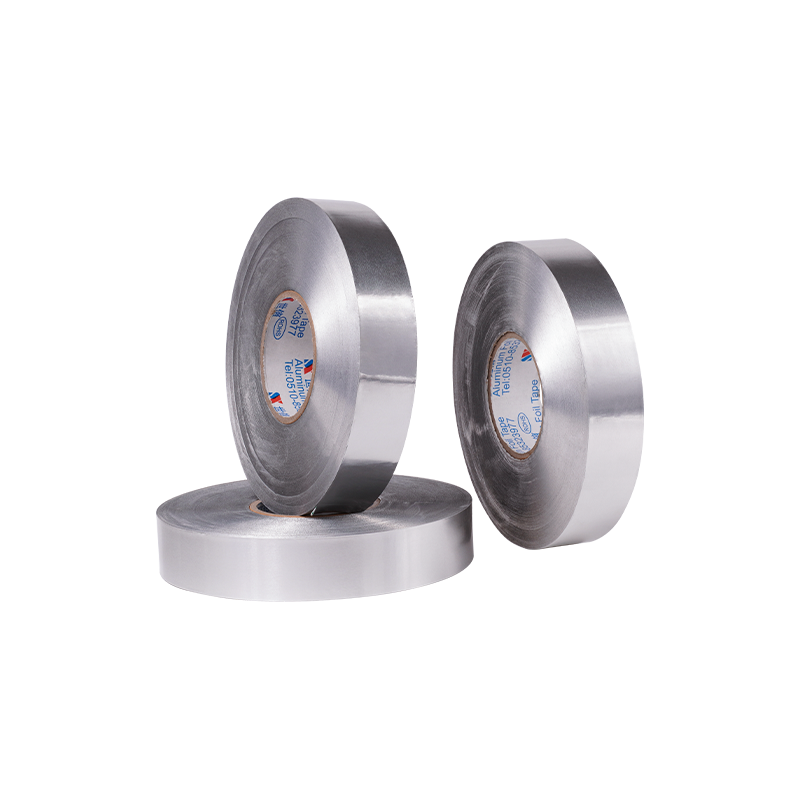
Moisture and humidity resistant tapes are designed to maintain bond strength and carrier integrity in high-humidity, damp, or potentially submerged environments. This capability is achieved through carriers that resist moisture absorption (e.g., closed-cell foams, durable films like PE/PVC, and aluminum foil) and specialized adhesive systems that resist hydrolysis and retain tack when wet.
Key technical metrics include water vapor transmission rate (WVTR), water immersion peel strength, and resistance to fungal/mildew growth. Acrylic adhesives, particularly those that are solvent or modified emulsion-based, often provide superior resistance to moisture degradation compared to traditional rubber adhesives. These tapes are vital for outdoor applications, marine use, construction sealing, and appliance environments subject to condensation.
Why Choose Us
Differentiating Attributes
- Hydrolysis Resistance: Specialized acrylic adhesives are formulated to resist degradation by water and humidity, maintaining high bond strength even after prolonged exposure.
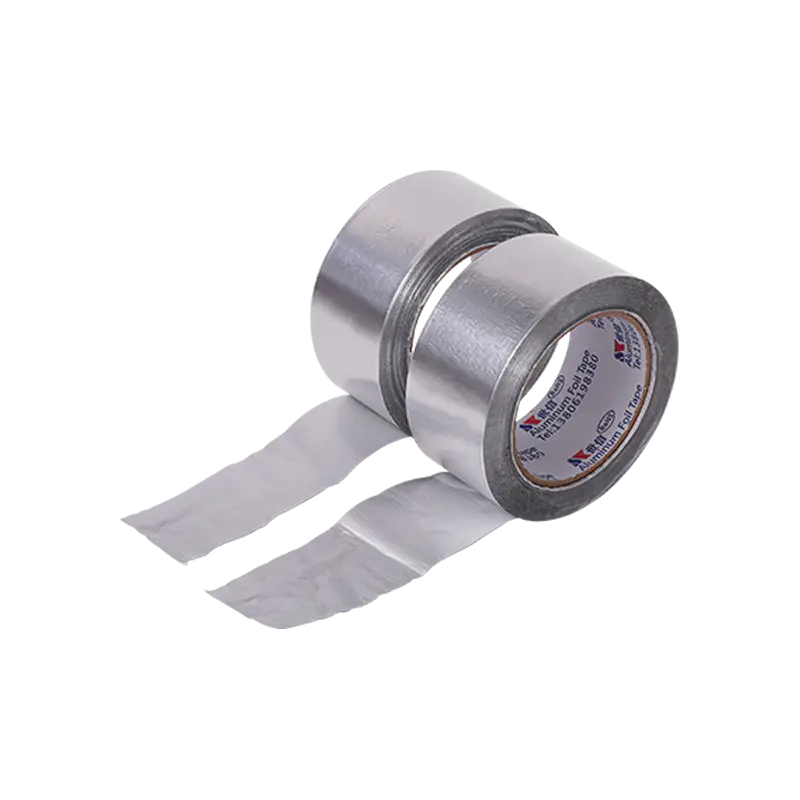
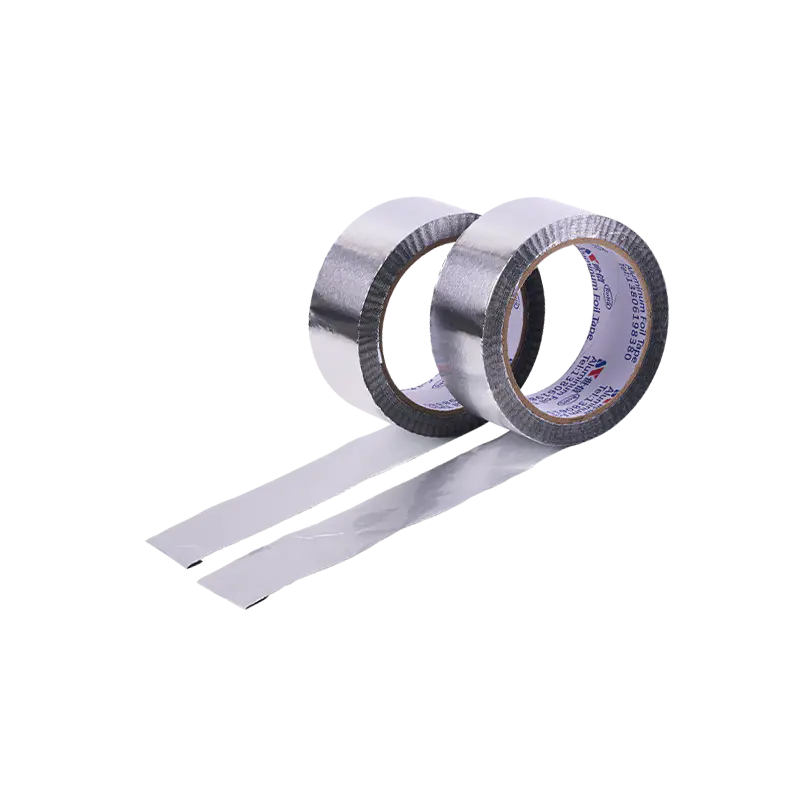
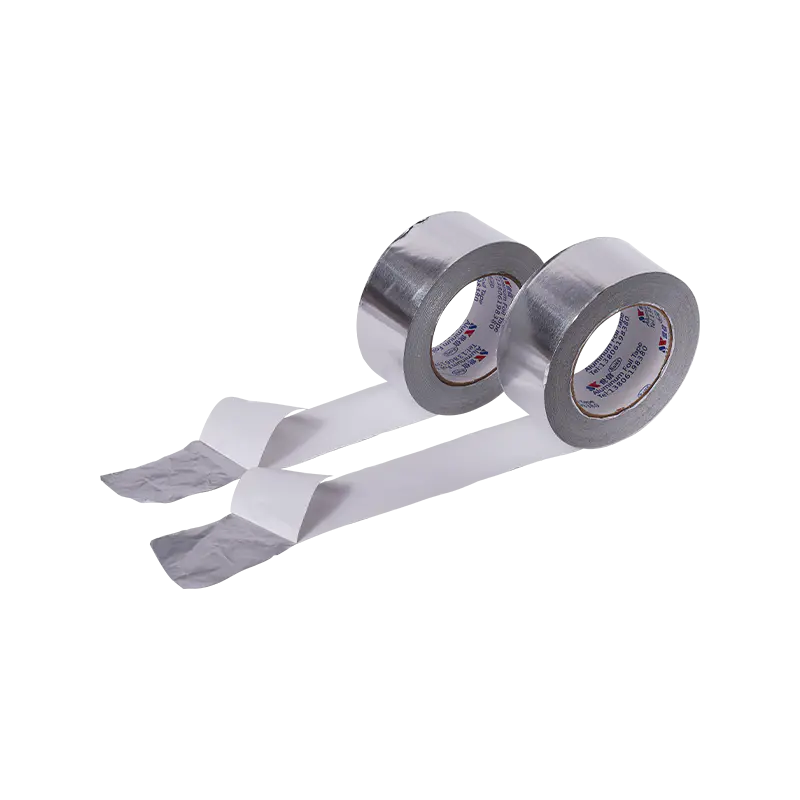
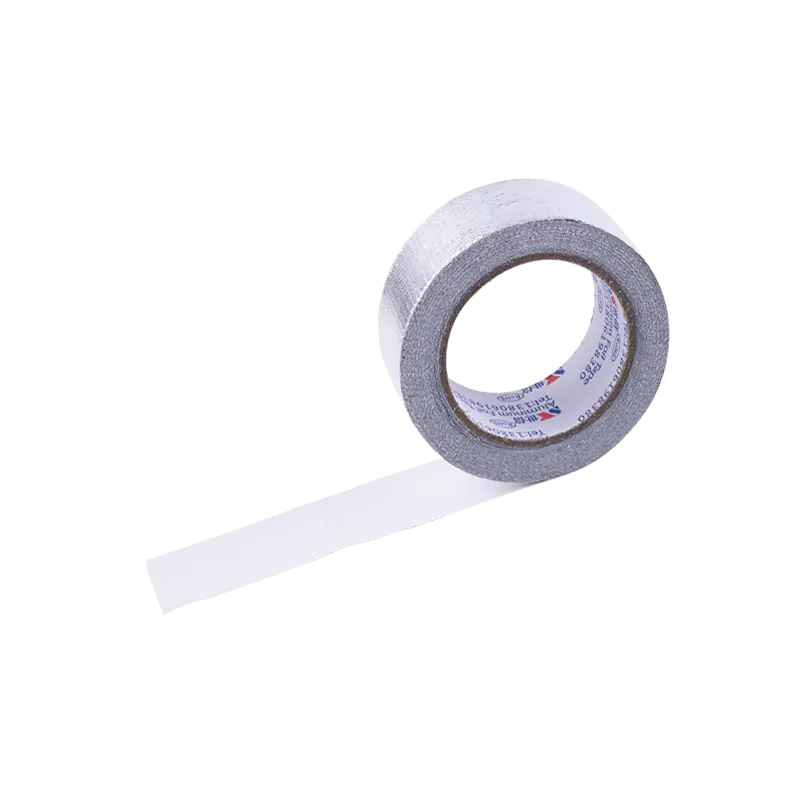
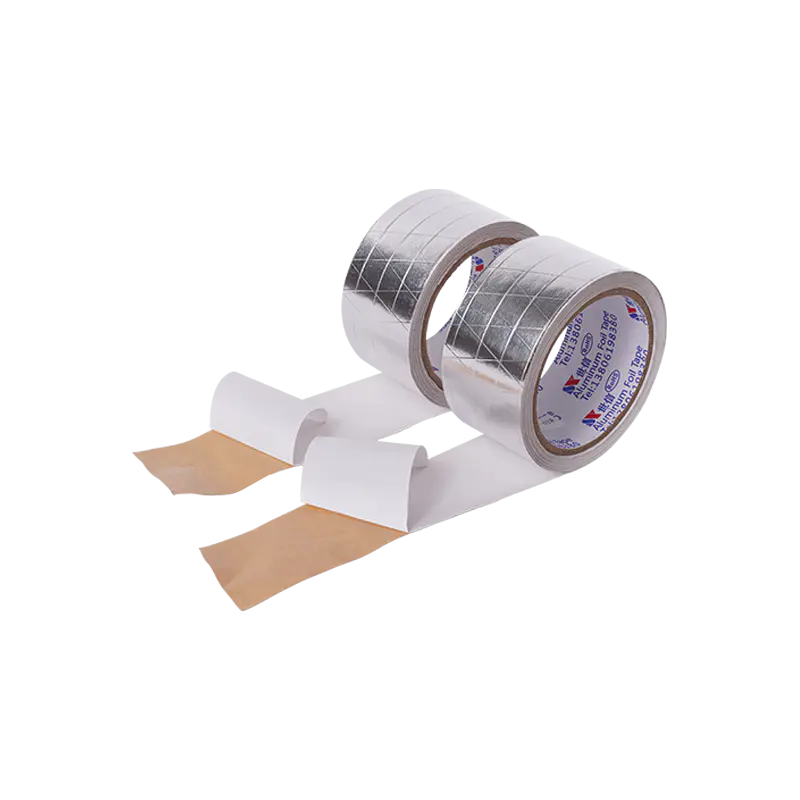
- Low WVTR (Vapor Barrier): Carriers like aluminum foil and dense, closed-cell foams significantly restrict the passage of moisture vapor, preventing condensation and protecting internal components or insulation.
- High Wetting and Tack: Adhesives are designed to wet out effectively on surfaces that may be slightly damp or prone to condensation during application.
- UV and Weather Durability: Often paired with UV-stable carriers (EPDM, stabilized PE) to ensure the tape does not crack or degrade when used in exterior, weather-exposed environments.
- Corrosion Prevention: By preventing moisture contact with metals, these tapes indirectly inhibit galvanic corrosion and rust formation.
- Fungal and Mildew Resistance: The materials are formulated to resist biological growth, preventing discoloration and degradation in dark, damp environments.
Core Features
Applications
- Outdoor Sealing and Weatherproofing: Sealing seams, joints, and gaps on exterior panels, roofing, and structural barriers against rain and moisture ingress.
- HVAC Condensation Control: Wrapping and sealing chilled water lines and air ducts to prevent moisture condensation and subsequent water damage.
- Refrigeration and Freezers: Gasketing and sealing around door liners and internal components exposed to high-humidity cycles.
- Marine and Boat Building: Bonding and sealing components exposed to constant moisture and salt spray.
- Insulation Vapor Barriers: Maintaining the integrity of vapor retarders in building envelopes to prevent moisture migration into insulation materials.
Technical Specifications
Introduction
These tapes are engineered to create durable, moisture-tight seals that resist the detrimental effects of high humidity, condensation, and direct water exposure, ensuring the long-term protection of sensitive assemblies and structural integrity.
Company Profile
Jiangsu Shixin Adhesive Tape Product Co., Ltd. excels in converting durable film, foil, and closed-cell foam tapes that are inherently moisture-resistant. Since 2005, we have provided weather-resistant solutions to global HVAC and appliance manufacturers, relying on ISO 9001 and extensive materials expertise.
Our focus is on selecting adhesive chemistries and carriers that ensure consistent, reliable performance in demanding, high-moisture environments, reducing product failure rates due to water damage.
Usage Guide
| Property | Test Standard | Typical Value Range |
| Carrier Material | Internal Test Method | Aluminum Foil, Closed-Cell Foam (EPDM/PE), PVC/PE Film |
| Water Immersion Peel | ASTM D3330 (Modified) | > 80% Retention of Dry Adhesion |
| Water Vapor Transmission Rate (WVTR) | ASTM E96 | Low (Critical for barriers) |
| UV Resistance | ASTM G154 | Good to Excellent (Carrier dependent) |
| Fungal/Mildew Resistance | ASTM G21 | Pass/No Growth Observed |
About
Jiangsu Shixin Adhesive Tape Product Co., Ltd.
Our company was registered and established in Wuxi, Jiangsu in 2005, Wuxi Shixin Adhesive Tape Products Co., Ltd., mainly engaged in various adhesive tape products; We are Wholesale Moisture & Humidity Resistant Tapes Suppliers andChina ODM Moisture & Humidity Resistant Tapes Factory and Producer, after nearly 20 years of persistence and struggle, the company has grown vigorously and gradually expanded in scale. In 2018, we invested in a new factory in Suqian, Jiangsu, and established Jiangsu Shixin Adhesive Tape Products Co., Ltd.; At present, our company has become a high-tech enterprise integrating R&D, production and sales. The company has always firmly believed in the belief that "quality and reputation are the foundation of survival", continuously cultivating technical personnel, strengthening the development of new products, improving sales support, and striving to provide customers with better products and services.
Frequently Asked Questions
Frequently Asked Questions (FAQs)
- Q: Can these tapes be applied underwater?
- A: Most industrial tapes are designed for application to dry substrates. While they resist moisture once cured, specialized mastic or butyl tapes are generally required for application directly onto wet or submerged surfaces.
- Q: What happens to a standard rubber adhesive when exposed to continuous moisture?
- A: Standard rubber adhesives can absorb moisture, leading to swelling, loss of tack, and premature failure (delamination or edge lifting). They are generally not recommended for high-humidity or outdoor use.
- Q: Is an Aluminum Foil tape always humidity resistant?
- A: The foil itself is an excellent barrier. However, the tape's overall resistance depends on the adhesive. If the adhesive fails due to moisture, the seal is broken, and water can penetrate. A high-quality acrylic adhesive is crucial.
- Q: How does a tape prevent condensation on cold pipes?
- A: The tape, usually a foam (NBR, PE) or thick composite, acts as a thermal break (insulation) to keep the cold surface temperature from reaching the dew point, thus preventing surface condensation.
Request a Specification Sheet or Sample
Contact our engineering team today to discuss your high reflectance project requirements.
