
Chemical Resistant Tapes
-- Steady & Reliable Manufacturer --
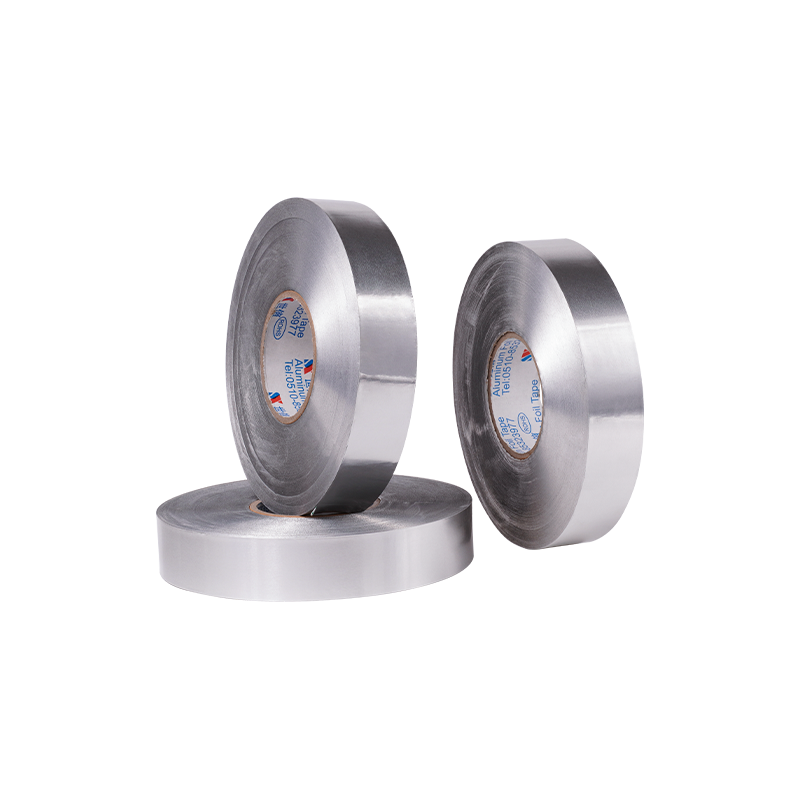
High-Performance Barrier Tapes for Aggressive Chemical and Thermal Processes
These specialized tapes are engineered utilizing highly stable backing materials, primarily PTFE (Polytetrafluoroethylene), high-density Polyimide films, or proprietary Specialized PET films. These backings are chemically inert and possess a low surface energy, which prevents reaction with corrosive media. They are combined with a chemically stable silicone or high-performance acrylic adhesive system that is engineered to resist attack from a broad spectrum of corrosive agents, including industrial solvents, concentrated acids, alkaline solutions, hydraulic oils, and high-purity cleaning agents.
The construction ensures that the tape maintains its physical integrity, tensile strength, and adhesive bond without swelling, dissolving, or delaminating when subjected to chemical contact or elevated temperatures. Polyimide and PTFE variants offer significant thermal stability, with continuous operating temperatures potentially exceeding $260^\circ\text{C}$, making them suitable for high-heat masking, powder coating, and thermal spray processes. Furthermore, the Polyimide variants exhibit excellent dielectric strength ($8,000 \text{ V}$ to $12,000 \text{ V}$), enabling dual use as a chemical and electrical insulator in sensitive electronics manufacturing and R&D laboratory environments.
The precision in slitting and manufacturing ensures that these tapes meet stringent purity and dimensional requirements for critical masking applications, where material transfer or failure is intolerable.
Why Choose Us
Key Performance Features and Technical Advantages
- Inertness to Corrosive Agents: Utilizing materials like PTFE and high-purity Polyimide, the tapes prevent swelling, dissolving, or degradation of the adhesive bond when subjected to contact with a wide range of industrial solvents, acids, alkaline solutions, and hydraulic fluids.
- Broad High-Temperature Stability: High-end formulations maintain physical and adhesive performance across a severe temperature spectrum, often exceeding $260^\circ\text{C}$ continuous service, making them suitable for high-heat masking and thermal spray processes.
- Low Friction and Non-Stick Surface (PTFE): PTFE variants possess a very low coefficient of friction, providing a non-stick surface ideal for release films, roller wrapping, and applications requiring easy cleanability after exposure to sticky substances.
- High Dielectric Strength: Polyimide tapes offer excellent electrical insulation properties (up to $12,000 \text{ V}$), enabling their effective use as a dual-function component for both chemical and electrical barrier protection in critical systems.
- Dimensional Stability Under Stress: Minimal shrinkage, warping, or expansion occurs when subjected to thermal or chemical stress, which is essential for maintaining precise masking lines and tight tolerance requirements in component finishing.
- Ultra-Clean Material Composition: Manufactured with materials that minimize extractable ions or contaminants, meeting the stringent purity requirements of semiconductor fabrication and high-ppurity component masking.
Core Features
Applications and Industry Use Cases
- Chemical Processing & Plating: Masking parts during electroplating and anodizing processes where contact with strong acids and high temperatures is inevitable.
- Aerospace Composites: Used as release films or sealing tapes in bonding processes involving chemical resins and curing agents.
- Laboratory and Medical Equipment: Sealing containers, wrapping tubing, and protecting surfaces that are regularly cleaned or sterilized with solvents and disinfectants.
- Industrial Machinery: Protecting sensors, wiring, and sensitive surfaces in environments exposed to hydraulic oils, lubricants, and cutting fluids.
- Semiconductor Manufacturing: Masking components during chemical etching and cleaning where ultra-high purity and resistance to fluorinated chemicals are mandatory.
Technical Specifications
Jiangsu Shixin: Solutions for Chemical Stability
Established in 2005, Jiangsu Shixin specializes in premium adhesive solutions, including a dedicated line of chemical-resistant tapes formulated for harsh operating conditions. Drawing on over two decades of dedicated growth, our R&D focuses on material science to ensure our products can withstand contact with industrial chemicals without degradation or loss of adhesion. Trusted by global leaders, our manufacturing process, certified under ISO 9001 and REACH, ensures that we deliver reliable, pragmatic, and cost-effective solutions for clients demanding material stability and purity.
Usage Guide
Specification Overview
| Backing Material | PTFE / Polyimide / Specialized PET Film |
| Adhesive Type | Silicone or Chemically Inert Acrylic |
| Resistance to Chemicals | Excellent (Acids, Solvents, Alkaline) |
| Maximum Continuous Temperature | Up to 260∘C (PTFE/Polyimide versions) |
| Dielectric Strength | 8,000 V to 12,000 V |
| Thickness (Total) | 0.05 mm to 0.15 mm |
About
Jiangsu Shixin Adhesive Tape Product Co., Ltd.
Our company was registered and established in Wuxi, Jiangsu in 2005, Wuxi Shixin Adhesive Tape Products Co., Ltd., mainly engaged in various adhesive tape products; We are Wholesale Chemical Resistant Tapes Suppliers andChina ODM Chemical Resistant Tapes Factory and Producer, after nearly 20 years of persistence and struggle, the company has grown vigorously and gradually expanded in scale. In 2018, we invested in a new factory in Suqian, Jiangsu, and established Jiangsu Shixin Adhesive Tape Products Co., Ltd.; At present, our company has become a high-tech enterprise integrating R&D, production and sales. The company has always firmly believed in the belief that "quality and reputation are the foundation of survival", continuously cultivating technical personnel, strengthening the development of new products, improving sales support, and striving to provide customers with better products and services.
Frequently Asked Questions
Chemical Resistant Tape FAQs
- Q: Which specific categories of chemicals do these tapes resist?
- A: Our chemical-resistant tapes offer general resistance to several categories, including many common industrial solvents (e.g., Acetone, Toluene, IPA), weak to moderate acids (e.g., Hydrochloric Acid), and alkaline solutions. Resistance to highly aggressive or concentrated chemicals (e.g., concentrated Sulphuric Acid, strong oxidizing agents) requires the use of specialized materials like PTFE. We provide detailed chemical compatibility charts for the specific tape grades.
- Q: Do Polyimide or PTFE tapes leave residue after high-temperature chemical exposure?
- A: Tapes utilizing silicone adhesive, particularly those with PTFE or Polyimide backings, are specifically designed for clean release and minimal outgassing even after exposure to high heat (up to $260^\circ\text{C}$) or harsh chemicals. The choice between adhesive types (silicone vs. acrylic) must align with the specific combination of temperature and chemical environment.
- Q: What is the difference between chemical resistance and solvent resistance in adhesive tapes?
- A: Solvent resistance typically refers to the tape's ability to withstand common industrial cleaning agents (e.g., alcohol, mild degreasers) without the adhesive lifting or the backing degrading. Chemical resistance is a broader, higher-level property referring to the material's inertness against corrosive agents like strong acids, bases, or specialized industrial fluids, which usually necessitates a PTFE or specialty film backing.
- Q: Can these tapes be customized to withstand a specific proprietary chemical mix?
- A: Yes. For proprietary or unique chemical mixes, we require samples of the chemical and details of the exposure conditions (time, temperature, concentration). We can then conduct accelerated degradation tests on our various tape formulations in our R&D lab to recommend or custom-engineer the most suitable resistant product.
Request a Specification Sheet or Sample
Contact our engineering team today to discuss your high reflectance project requirements.
