2026-09-24
Content
In modern logistics and industrial packaging systems, Carton Sealing Tape plays a critical structural role rather than a purely consumable function. Its mechanical interaction with corrugated boxes directly determines packaging strength, load stability, and long-term box integrity during transportation, storage, and handling.
According to the latest packaging performance guidelines released in 2024 by the International Organization for Standardization (ISO), tape adhesion strength and environmental resistance are now recognized as key contributors to overall package integrity, especially for long-distance and automated logistics environments.
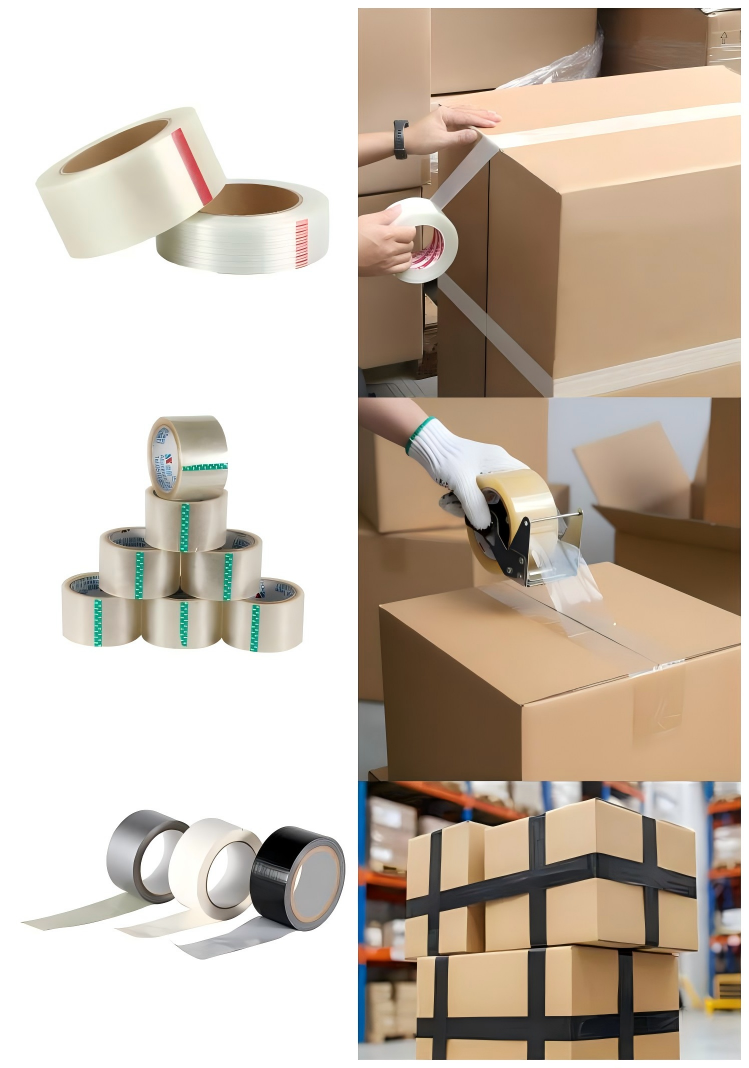
From an engineering perspective, Carton Sealing Tape functions as a load-transfer and stress-distribution component within the packaging system. When cartons are stacked, compressed, or subjected to vibration, the tape bridges box flaps and maintains structural continuity.
Strong adhesion carton sealing tape for corrugated boxes relies on both surface wetting and adhesive cohesion. Corrugated substrates vary in porosity and surface energy, which directly affects bond formation.
Higher initial tack improves immediate flap closure, while sustained holding power ensures long-term integrity during transit.
When cartons are exposed to vertical compression and shear forces, tapes with insufficient adhesion may lead to edge lifting or seam failure.
| Adhesion Level | Box Seam Stability | Risk of Flap Separation |
| Standard Adhesion | Moderate under light loads | Higher under vibration |
| Strong Adhesion | Stable under sustained loads | Low |
In heavy logistics scenarios, heavy duty carton sealing tape for shipping must withstand continuous vibration, impact shocks, and dynamic load shifts without adhesive creep.
Heavy-duty tapes are engineered to maintain tensile strength and adhesion consistency during prolonged transport cycles.
| Performance Metric | Standard Tape | Heavy-Duty Tape |
| Tensile Resistance | Moderate | High |
| Long-Distance Reliability | Limited | Stable |
Carton sealing tape for automated packaging lines must deliver consistent unwind tension, uniform thickness, and predictable adhesion to avoid machine stoppages and sealing defects.
Automation improves sealing uniformity, reducing variability caused by manual application.
| Sealing Method | Consistency | Structural Reliability |
| Manual Sealing | Operator-dependent | Variable |
| Automated Sealing | Highly consistent | High |
Temperature resistant carton sealing tape mitigates adhesive softening at high temperatures and brittleness at low temperatures, preserving box integrity across climate zones.
According to a 2025 technical bulletin published by ASTM International, adhesive failure rates increase significantly when tapes are used outside their designed temperature ranges.
| Environment | Adhesion Stability | Box Integrity Risk |
| Ambient | Stable | Low |
| High Temperature | Softening risk | Moderate |
| Low Temperature | Brittleness risk | High if unprotected |
Carton sealing tape performance in cold storage depends on adhesive elasticity retention. Cold environments reduce molecular mobility, weakening adhesion if not properly engineered.
| Storage Condition | Seal Retention | Risk of Seal Failure |
| Ambient Storage | High | Low |
| Cold Storage | Variable | Moderate to High |
As a company focused on engineered packaging solutions, we emphasize material compatibility, application environment analysis, and performance validation rather than one-size-fits-all products. By aligning tape properties with logistics conditions, businesses achieve higher packaging reliability and reduced damage rates.
It reinforces flap joints and distributes mechanical stress across the box structure.
Stronger adhesion improves integrity but must be matched to substrate and application method.
Low temperatures reduce adhesive flexibility, increasing the risk of seal failure.
Standard tapes may cause inconsistent sealing and machine inefficiencies.
Selection should consider load weight, transit distance, temperature, and automation compatibility.

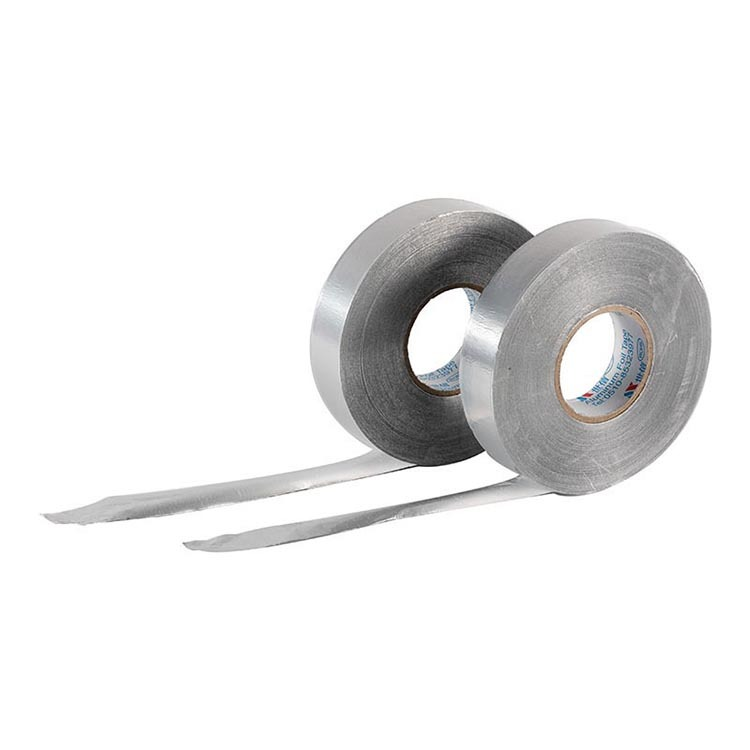
Our company has been engaged in the tape manufacturing industry for more than 20 years, and has been focusing on various types of aluminum foil tapes, foam tapes, refrigerator tapes, etc.
IsabelLina
Email:[email protected]
Mobile/Whatsapp: +86 190 3379 1110
Mars Gong
Email:[email protected]
Mobile/Whatsapp: +86 159 5136 0053
Address: West side of Yingbin Avenue and south side of hengwang packaging. Suqian Economic and Technological Development Zone,Jiangsu Province
Copyright © Jiangsu Shixin Adhesive Tape Product Co., Ltd. All Rights Reserved. Custom ODM Refrigerator Foil Adhesive Tapes Manufacturers