2026-09-24
Content
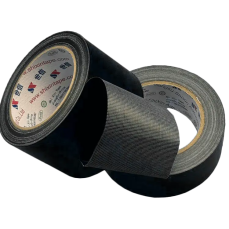
In the realm of industrial electrical engineering, the longevity and reliability of insulation systems are paramount. Motors, transformers, and generators operate under harsh thermal stresses that can rapidly degrade inferior materials. Selecting the right insulation is not merely about voltage isolation; it is about thermal endurance. A Fiberglass Adhesive Tape is a critical component in this ecosystem, offering a unique combination of dielectric strength and thermal stability. Understanding the temperature resistance of these tapes is essential for engineers to prevent premature failure and ensure the safety of high-performance equipment.
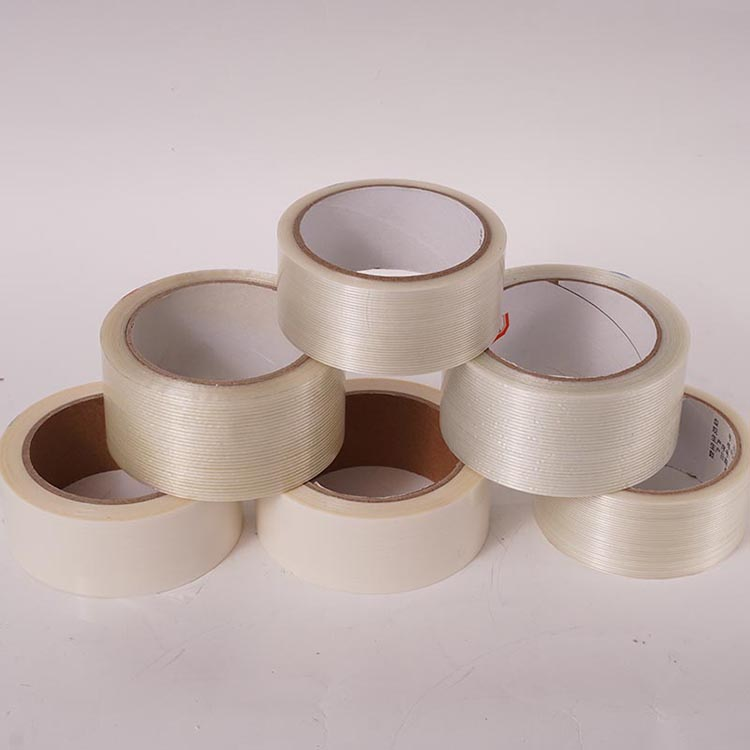
The primary advantage of fiberglass as a substrate is its inorganic nature. Unlike organic polymers that may soften or melt, glass fibers maintain their structural integrity at extreme temperatures. For applications such as motor stators and rotors, High Temperature Fiberglass Tape for Coils is designed to withstand continuous exposure to heat. Typically, these tapes can endure operating temperatures ranging from -60°C up to 200°C (392°F) or higher, depending on the specific adhesive system used. This capability ensures that the insulation does not become brittle or lose its adhesion during thermal cycling, which is a common cause of coil shorts in heavy-duty machinery.
The thermal stability of high-temperature fiberglass tape makes it indispensable in harsh environments compared to standard options.
| Thermal Property | Standard PVC Tape | High-Temp Fiberglass Tape |
| Max Continuous Temp | 80°C to 105°C. | 150°C to 200°C+. |
| Thermal Aging | Rapid embrittlement at high temps. | Retains flexibility and strength over time. |
| Cold Resistance | Can crack below -10°C. | Remains flexible down to -60°C. |
Temperature does not only affect the physical structure of a tape; it directly impacts its electrical properties. As insulation materials heat up, their dielectric strength—the maximum electric field they can withstand without breaking down—often decreases. Electrical Insulation Fiberglass Tape is engineered to minimize this degradation. The woven glass fibers provide a stable matrix that resists thermal expansion, ensuring the tape maintains consistent thickness and dielectric properties. This stability is crucial for high-voltage applications where a localized hot spot could lead to a catastrophic breakdown if the insulation fails.
Just as Fengrun Rope Weaving Co., Ltd. upholds a commitment to "Quality and Innovation in Equal Measure" in the production of our high-strength ropes, we apply the same rigorous standards to technical materials. We understand that in industrial applications, a material's performance under thermal stress is the ultimate test of its quality. Whether it is a rope securing a heavy load or a tape insulating a high-voltage cable, material integrity under extreme conditions is non-negotiable.
In high-voltage scenarios, the combination of electrical stress and heat creates a hostile environment for insulating materials. Fiberglass Tape for High Voltage Applications is often used for banding and securing bus bars or insulating large coils. The inherent flame resistance of the glass fiber substrate provides a significant safety advantage over organic films. In the event of an electrical fault, fiberglass will not support combustion, thereby preventing the spread of fire. Furthermore, the mechanical strength of the tape ensures that conductors remain securely spaced even when exposed to the intense thermal forces generated by short-circuit currents.
Safety performance differs significantly between fiberglass and plastic materials in high-energy scenarios.
| Safety Feature | Polyester (PET) Film | Fiberglass Tape |
| Flame Spread | Can melt and drip, spreading fire. | Non-combustible; does not support flames. |
| Mechanical Failure Mode | Shrinks and melts under heat. | Char without losing structural shape. |
| Arc Resistance | Low; prone to carbon tracking. | High; resists carbonization. |
Compliance with fire safety standards is a critical specification for B2B procurement. Flame Retardant Fiberglass Adhesive Tape must meet rigorous industry benchmarks such as UL 510 or IEC 60384. These standards measure the tape's ability to self-extinguish once the ignition source is removed. While the fiberglass substrate is naturally non-flammable, the adhesive coating must also be formulated to resist ignition. Modern silicone rubber adhesives used on these tapes are specifically designed to be flame retardant, ensuring the entire assembly meets the strict safety codes required for electrical panels, transformers, and switchgear.
According to the 2024 revision of the NFPA 70 (National Electrical Code), there is an increased emphasis on using materials with higher flame propagation indices to enhance fire safety in industrial electrical installations.
Engineers often face a choice between fiberglass tapes and polyester film tapes (such as Mylar). While polyester film offers excellent dielectric strength at a lower cost, it fails rapidly when temperatures exceed 150°C. Fiberglass Tape vs Polyester Film is a comparison of thermal resilience. In Class H (180°C) insulation systems, polyester film will melt, shrink, and potentially cause a short circuit. Fiberglass tape, conversely, utilizes a weave that does not melt. This makes it the superior choice for high-temperature environments like oven motors, traction motors, and downhole logging tools, where thermal reliability outweighs initial material cost.
The long-term performance differences between fiberglass and polyester are decisive in high-heat engineering applications.
| Performance Factor | Polyester Film | Fiberglass Tape |
| Melting Point | Approx. 250°C (melts/shrinks). | None (softens above 800°C). |
| Dimensional Stability | Poor at high temps; shrinks. | Excellent; near-zero shrinkage. |
| Chemical Resistance | Moderate; attacked by strong alkalis. | High; resistant to most solvents and oils. |
The temperature resistance of Fiberglass Adhesive Tape is not just a single number; it is a comprehensive profile that includes thermal stability, flame retardancy, and dielectric retention under heat. Whether it is High Temperature Fiberglass Tape for Coils or Fiberglass Tape for High Voltage Applications, this material provides a level of safety and durability that organic films cannot match. By choosing Flame Retardant Fiberglass Adhesive Tape, engineers ensure that their systems remain robust against the dual threats of heat and electricity. As Fengrun Rope Weaving Co., Ltd. continues to innovate, we recognize that superior material selection is the foundation of industrial safety.
Depending on the adhesive, it typically ranges from 150°C to over 200°C for continuous operation.
It is highly heat resistant. The fiberglass substrate is non-combustible, but the adhesive system determines the final flame retardancy rating (e.g., UL 510).
Yes, it is widely used for banding and insulating transformer coils due to its high thermal class and mechanical strength.
No, fiberglass itself does not melt; it softens at very high temperatures (above 800°C), whereas the adhesive may burn or degrade depending on its formulation.
It can be difficult to remove if aged. Carefully slicing with a knife or using localized heat (if safe for the substrate) can aid removal.

Our company has been engaged in the tape manufacturing industry for more than 20 years, and has been focusing on various types of aluminum foil tapes, foam tapes, refrigerator tapes, etc.
IsabelLina
Email:[email protected]
Mobile/Whatsapp: +86 190 3379 1110
Mars Gong
Email:[email protected]
Mobile/Whatsapp: +86 159 5136 0053
Address: West side of Yingbin Avenue and south side of hengwang packaging. Suqian Economic and Technological Development Zone,Jiangsu Province
Copyright © Jiangsu Shixin Adhesive Tape Product Co., Ltd. All Rights Reserved. Custom ODM Refrigerator Foil Adhesive Tapes Manufacturers