2026-09-24
Content
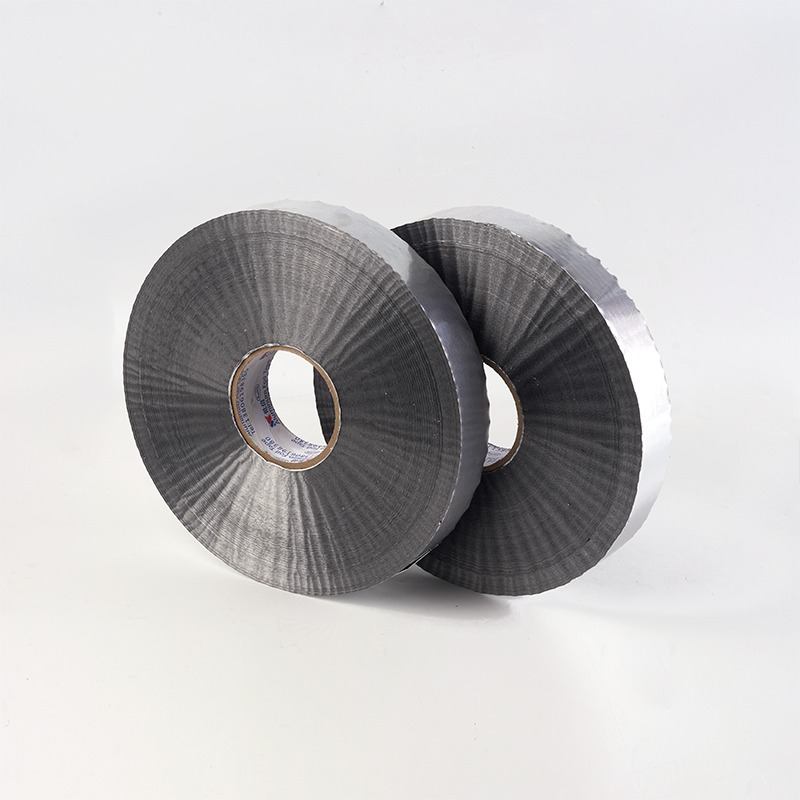
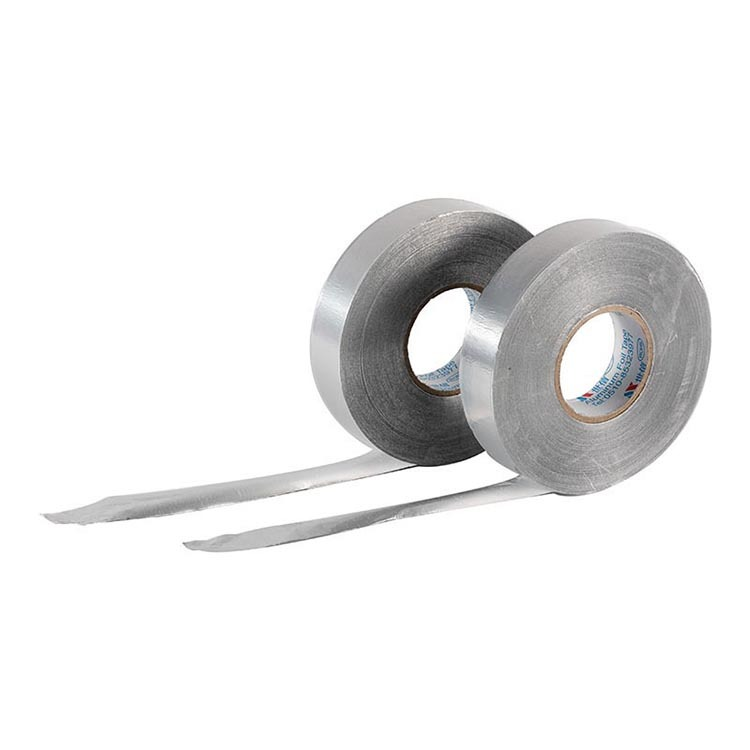
In the world of modern engineering and product design, the ability to generate heat precisely, efficiently, and within a compact form factor is no longer a luxury—it's a necessity. From ensuring the performance of an electric vehicle in winter to providing therapeutic warmth in a medical device, the demand for advanced heating solutions is skyrocketing. Traditional heating methods, like bulky wire coils, are often too large, inefficient, and imprecise for today's cutting-edge applications. This has paved the way for a revolutionary solution: Aluminum Foil Heating Element Tapes Material, a technology that delivers uniform, controllable heat in a thin, flexible, and highly adaptable format.
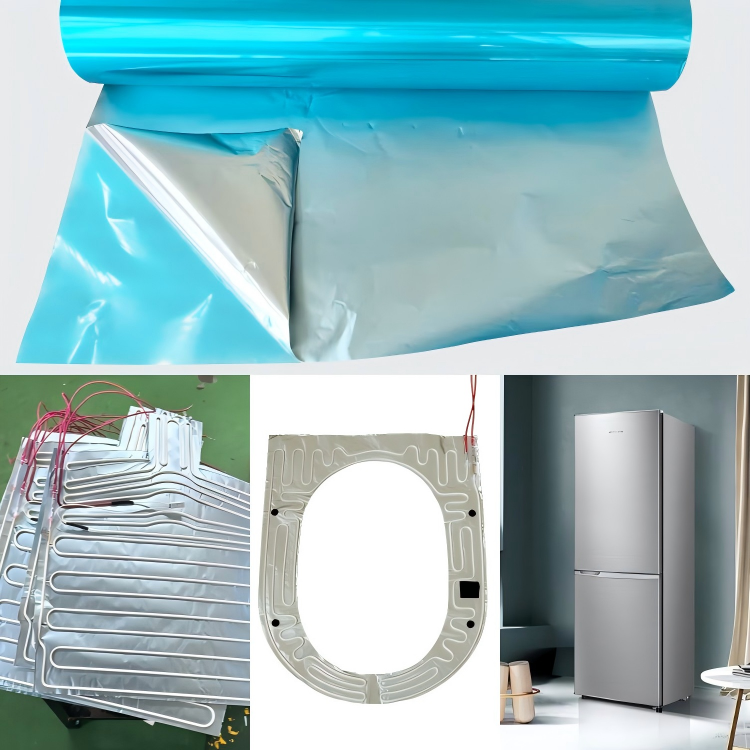
At its heart, Aluminum Foil Heating Element Tapes Material is a type of thin-film heating element. It consists of a thin metallic foil, typically an etched alloy, laminated between layers of insulating material, most commonly polyester film. When an electrical current passes through the etched foil pattern, the resistance of the metal generates heat according to Joule's principle (P = I²R). This design allows for the creation of a heating element that is exceptionally thin, lightweight, and can distribute heat evenly across its entire surface. This fundamental advantage makes it an ideal choice for applications where space is limited, weight is a concern, and precise temperature control is critical.
The magic of thin-film heating lies in its precise resistance path. The metallic foil is chemically etched to create a specific circuitous pattern. This pattern is carefully designed to ensure a uniform resistance distribution across the entire surface area of the element. When voltage is applied, the current flows through this etched track, generating heat consistently from edge to edge. This eliminates the hot and cold spots common in traditional wire-based heaters, providing a reliable and predictable thermal output that is essential for sensitive applications.
The superiority of thin-film technology is evident when compared to conventional wire heaters. Thin-film elements have a very low thermal mass, meaning they heat up and cool down almost instantly, allowing for rapid response and precise temperature control. Their thin, planar construction allows them to be integrated into tight spaces or even laminated within other materials, something impossible with bulky wires. Furthermore, the uniform heat distribution improves efficiency and product longevity. This combination of speed, efficiency, and design flexibility makes Aluminum Foil Heating Element Tapes Material the superior choice for modern applications.
The most common and versatile form of this technology is the Flexible polyester heating element foil. Polyester film, specifically PET (Polyethylene terephthalate), serves as the perfect substrate due to its excellent combination of electrical insulation properties, mechanical strength, dimensional stability, and cost-effectiveness. This type of heating foil can be easily bent, wrapped, or conformed to irregular surfaces, making it an incredibly adaptable heating solution for a vast range of products across numerous industries.
Polyester film's dominance in this application is no accident. It is an excellent electrical insulator, preventing short circuits and ensuring user safety. It possesses high tensile strength and tear resistance, allowing it to withstand the rigors of manufacturing and use. Its dimensional stability ensures that the heating element will not warp or shrink under thermal cycling, maintaining consistent performance over its lifespan. Furthermore, it can withstand a wide operating temperature range, typically up to around 130°C (266°F), which is sufficient for most applications.
The versatility of Flexible polyester heating element foil has led to its widespread adoption. You can find it in:
As the world shifts towards electrification, the thermal management of battery packs, especially in electric vehicles (EVs), has become a critical engineering challenge. Lithium-ion batteries perform poorly in cold temperatures, exhibiting reduced charging speeds and lower power output. The solution is precise, efficient, and evenly distributed heating. This is where the Etched foil heating element for battery packs has emerged as the leading technology, providing the thermal control necessary for battery safety, performance, and longevity.
Maintaining an optimal temperature range (typically 20-25°C) is crucial for EV batteries. In cold climates, without a heating system, an EV's range can be significantly reduced, and charging times can double. More importantly, charging a cold battery can cause lithium plating, a condition that degrades the battery's health and can lead to safety risks. Therefore, an efficient and reliable heating system is not just a comfort feature; it is a fundamental requirement for the safe and reliable operation of an electric vehicle.
Etched foil heating elements are uniquely suited for battery pack applications. The etching process allows for the creation of a heating element with a precisely controlled resistance, ensuring uniform heat distribution across the entire battery cell surface. This prevents localized hot spots that can damage the cells. Their ultra-thin profile allows them to be placed directly between battery cells, maximizing thermal efficiency without taking up valuable space. They are also lightweight, which is a critical factor in EV design to maximize vehicle range. This combination of precision, efficiency, and form factor makes Etched foil heating element for battery packs the undisputed choice for next-generation EVs.
While polyester foil is an excellent solution for many applications, certain environments demand a more robust heater. For applications requiring exposure to moisture, chemicals, or higher temperatures, Custom silicone rubber heater tape provides an ideal alternative. These heaters consist of a heating element (which can be an etched foil or a wire) sandwiched between two layers of silicone rubber. This construction yields a heater that is not only flexible but also waterproof, durable, and capable of withstanding much higher temperatures, making it indispensable in demanding industrial and outdoor settings.
The choice between silicone and polyester-based heaters depends on the operating environment. While polyester is great for dry, controlled environments, silicone excels where durability is key. It is inherently waterproof and can be easily cleaned, making it suitable for medical or food equipment that requires regular washdowns. It can also withstand continuous operating temperatures up to 200°C (392°F) or more, making it suitable for high-temperature industrial processes like freeze protection for pipes or equipment thawing.
| Feature | Polyester Foil Heater | Silicone Rubber Heater |
| Max Operating Temp | ~130°C (266°F) | ~200°C+ (392°F+) |
| Water Resistance | Limited (requires sealing) | Excellent (IP67 rated possible) |
| Flexibility | Excellent, conforms easily | Very good, slightly thicker |
| Typical Use Case | Consumer electronics, seat heating | Industrial, outdoor, medical equipment |
At Jiangsu Shixin Adhesive Tape Products Co., Ltd., we specialize in providing tailored heating solutions. Our process for creating Custom silicone rubber heater tape is collaborative and comprehensive. It begins with understanding your application's specific requirements, including dimensions, voltage, wattage, and environmental conditions. Our engineering team then designs the optimal heating pattern and selects the appropriate materials. We can integrate sensors, add PSA adhesives, and incorporate custom connectors. From prototype to full-scale production, we work closely with you to deliver a heater that perfectly meets your needs.
One of the most innovative and visually striking advancements in heating technology is the development of Clear polyester heating film. This technology replaces the opaque metal foil with a transparent conductive material, such as a micro-thin metallic coating or a network of silver nanowires, laminated within a clear polyester film. The result is a heating element that is virtually invisible when not in operation, providing effective heat without obstructing the view. This opens up a world of possibilities for applications where both heat and transparency are required.
The ability to provide heat without blocking light is a game-changer for several industries. Key applications include:
The core of Clear polyester heating film lies in its transparent conductive layer. This layer is thin enough to be optically clear yet conductive enough to generate heat when a voltage is applied. The manufacturing process requires precise control to ensure uniform conductivity and heating across the entire surface. The result is a highly engineered product that maintains excellent light transmission while providing efficient, reliable heating, making it a premium solution for high-end applications.
For businesses looking to integrate advanced heating solutions into their products, choosing the right supplier is a strategic decision. Partnering directly with an Industrial heating element tape manufacturer in China offers significant advantages. It provides direct access to engineering expertise, greater control over product customization, competitive pricing, and a more resilient supply chain. This direct relationship transforms a simple purchase into a collaborative partnership, ensuring your specific thermal management challenges are met with innovative and effective solutions.
Working directly with a manufacturer like Jiangsu Shixin Adhesive Tape Products Co., Ltd. means you are engaging with the source of innovation. Our engineers can work with your team from the initial concept, helping to select the right technology and design a heating element that is optimized for your product and budget. This direct collaboration accelerates development cycles and ensures the final product meets your exact specifications. Furthermore, it eliminates middlemen, resulting in cost savings and a transparent, efficient supply chain you can rely on.
Established in 2005, Jiangsu Shixin Adhesive Tape Products Co., Ltd. has grown into a premier Industrial heating element tape manufacturer in China. With nearly two decades of experience, we have cultivated deep expertise in advanced materials and heating technologies. Our commitment to quality is reflected in our state-of-the-art facilities, including our modern factory in Suqian, Jiangsu, established in 2018. We combine advanced manufacturing with rigorous quality control to produce heating elements that meet the highest international standards. When you partner with Shixin, you are not just buying a component; you are gaining a reliable, experienced, and scalable partner dedicated to powering your innovation.
The primary difference lies in their construction and performance. Etched foil heaters, a type of Aluminum Foil Heating Element Tapes Material, feature a chemically etched metallic pattern on a flat substrate, resulting in a very thin, lightweight heater with uniform heat distribution and fast response times. Wire wound heaters use a resistance wire that is wound in a serpentine pattern, often on a more robust substrate. They are generally thicker, slower to heat up, and can have minor temperature variations between the wire and the open spaces. For applications requiring precision, low profile, and rapid heating, etched foil is the superior choice.
Yes, but it depends on the type of element. Standard Flexible polyester heating element foil is not inherently waterproof and would need to be sealed within a protective layer for outdoor use. However, Custom silicone rubber heater tape is specifically designed for such environments. Silicone rubber is inherently waterproof, UV resistant, and highly durable, making it an excellent choice for outdoor applications like pipe freeze protection, outdoor equipment thawing, or heated ramps and stairs.
Clear polyester heating film is powered in the same way as other thin-film heaters: by applying a controlled DC or AC voltage across its electrical bus bars. The required voltage and resulting power output (wattage) are designed into the film during manufacturing. It is crucial to use a proper power supply and control system, such as a thermostat or a PWM (Pulse Width Modulation) controller, to regulate the temperature safely and efficiently. Connection is typically made via soldering or using specialized connectors designed for flat, flexible circuits.
To get an accurate quote and design for a custom heating element, you will need to provide several key pieces of information. This includes the desired dimensions (length and width) of the heater, the available voltage (e.g., 12V, 24V, 120V, 230V), the target power density (watts per square inch or cm²), and the maximum operating temperature. Additionally, details about the application environment (e.g., exposure to moisture, chemicals) and any specific requirements, such as the need for an adhesive backing or integrated temperature sensors, are essential for the manufacturer to design the optimal solution.

Our company has been engaged in the tape manufacturing industry for more than 20 years, and has been focusing on various types of aluminum foil tapes, foam tapes, refrigerator tapes, etc.
IsabelLina
Email:[email protected]
Mobile/Whatsapp: +86 190 3379 1110
Mars Gong
Email:[email protected]
Mobile/Whatsapp: +86 159 5136 0053
Address: West side of Yingbin Avenue and south side of hengwang packaging. Suqian Economic and Technological Development Zone,Jiangsu Province
Copyright © Jiangsu Shixin Adhesive Tape Product Co., Ltd. All Rights Reserved. Custom ODM Refrigerator Foil Adhesive Tapes Manufacturers