2026-09-24
Content
Have you ever noticed a draft from your air vents, felt excessive heat under your car, or heard a rattling from your dryer duct? These common household and automotive problems often share a single, underlying issue: a breach in a system designed to contain air, heat, or gases. Finding a quick, durable, and safe fix can be frustrating. This is where a specialized industrial tool becomes a household and workshop hero: Heat-Resistant Foil Tape. Far more robust than standard duct tape, this engineered solution is designed to withstand extreme temperatures, seal gaps effectively, and provide long-lasting performance in demanding environments. But with various types available, how do you know which one is right for your specific project? This definitive guide will demystify Heat-Resistant Foil Tape, exploring its core applications from HVAC systems to automotive repairs. We will delve into the critical differences between tapes meant for a furnace duct versus a car exhaust, provide a detailed selection guide, and offer professional application tips. By the end, you'll understand not just what it is, but how to choose and use the perfect Heat-Resistant Foil Tape to solve your high-temperature sealing challenges reliably and safely.
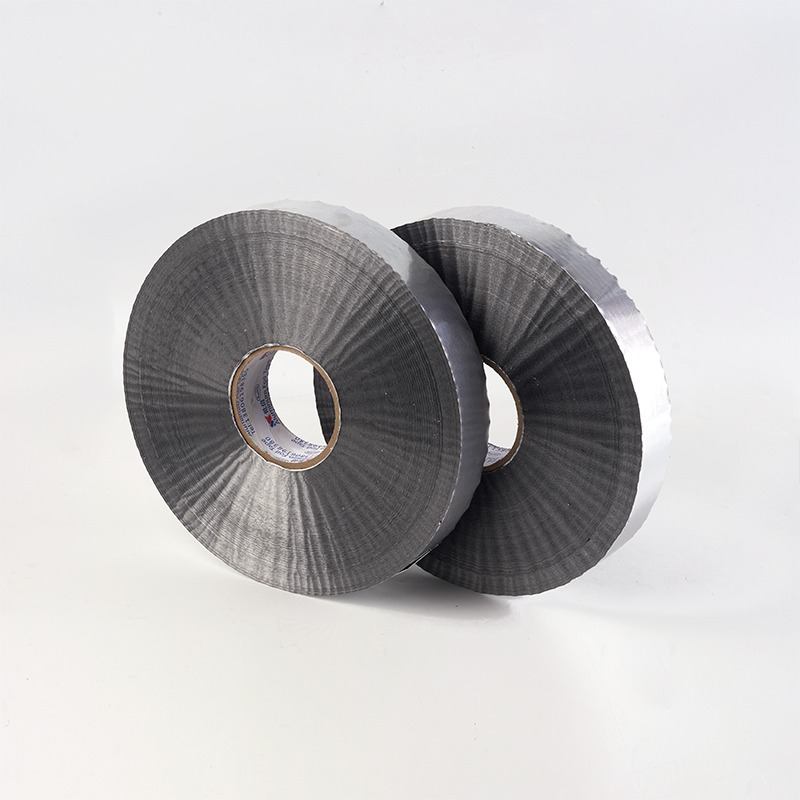
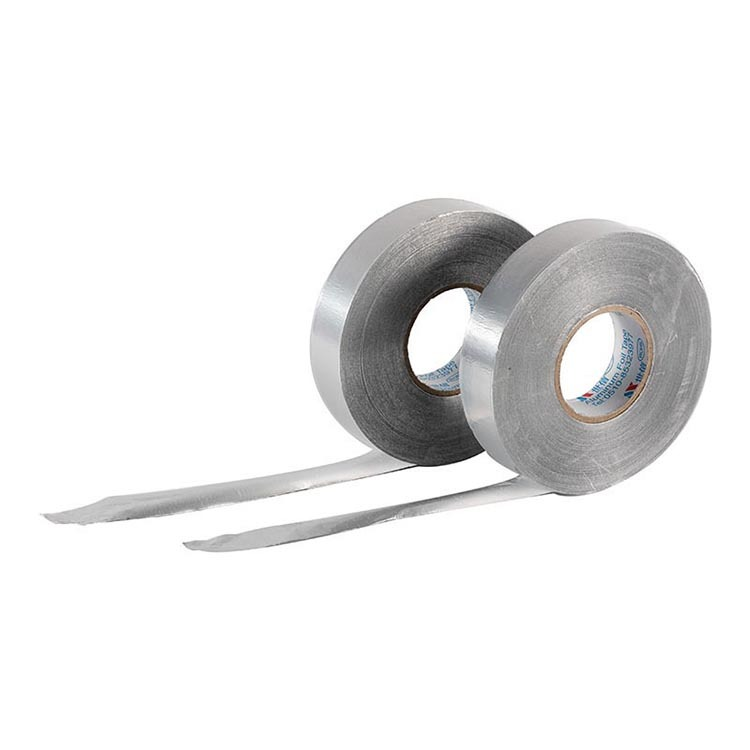
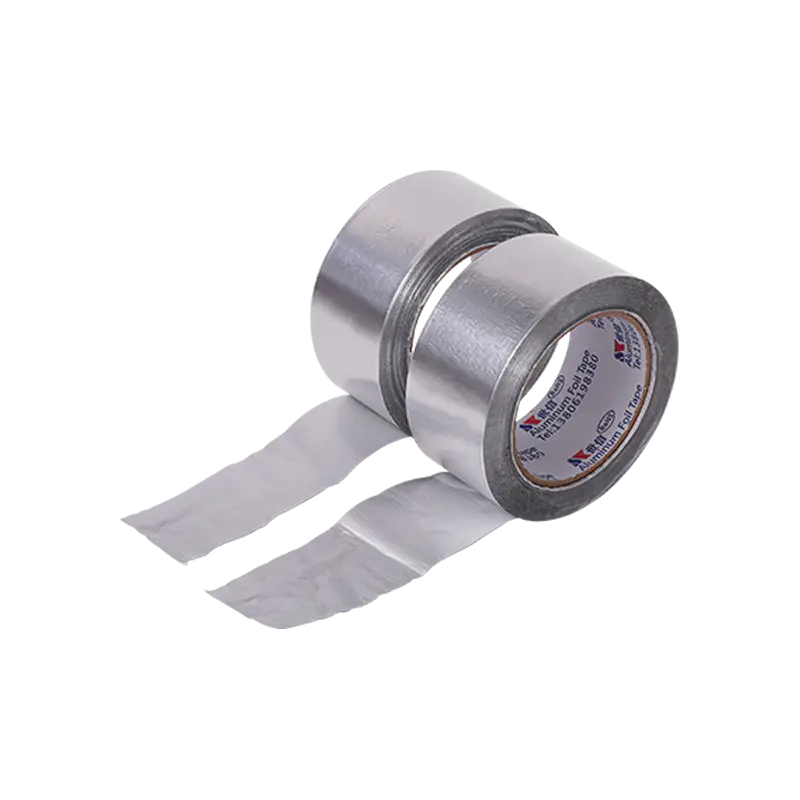
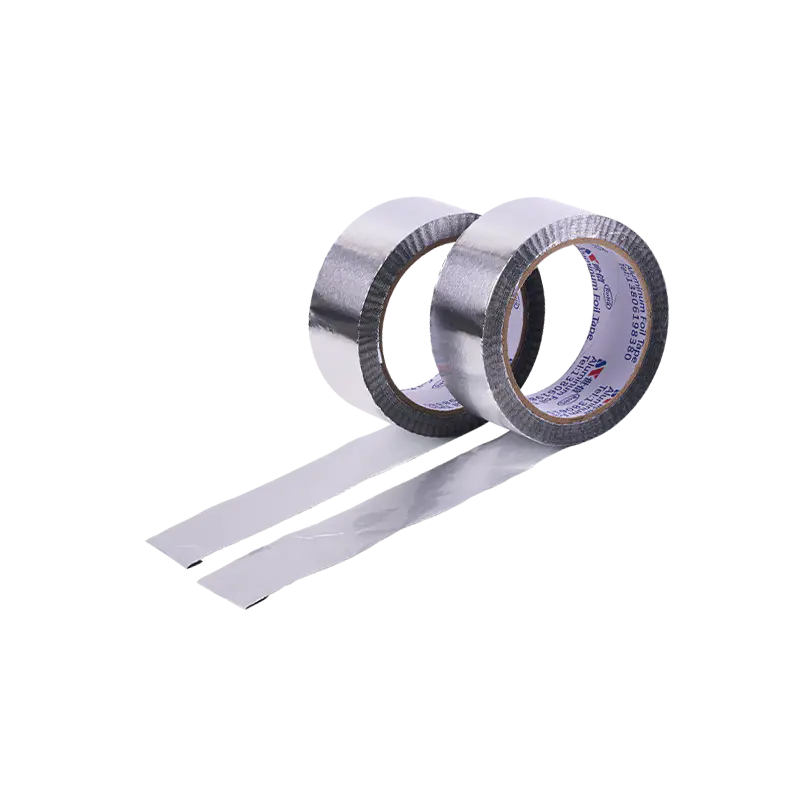
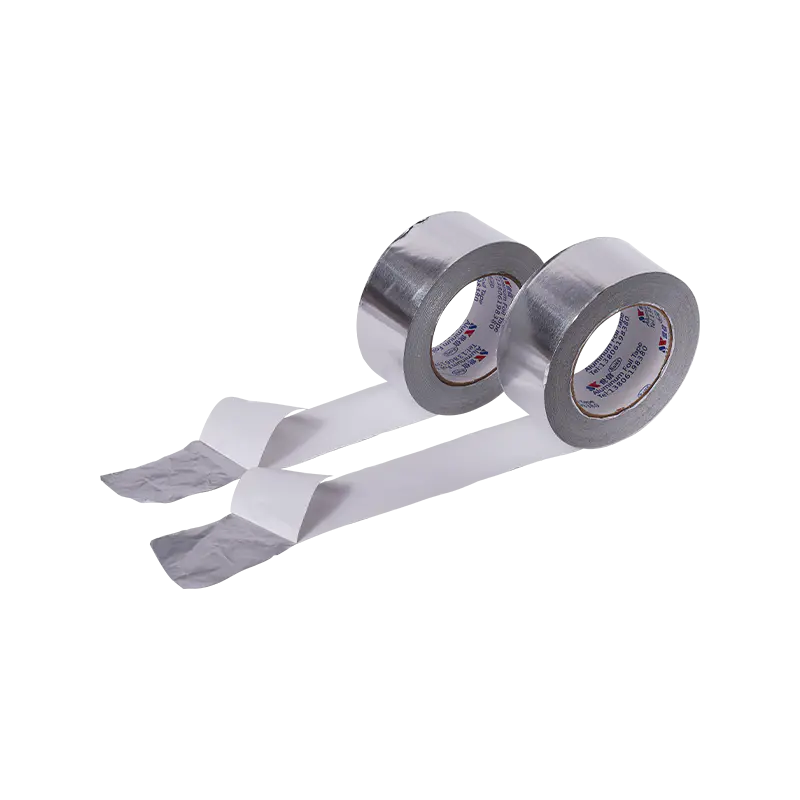
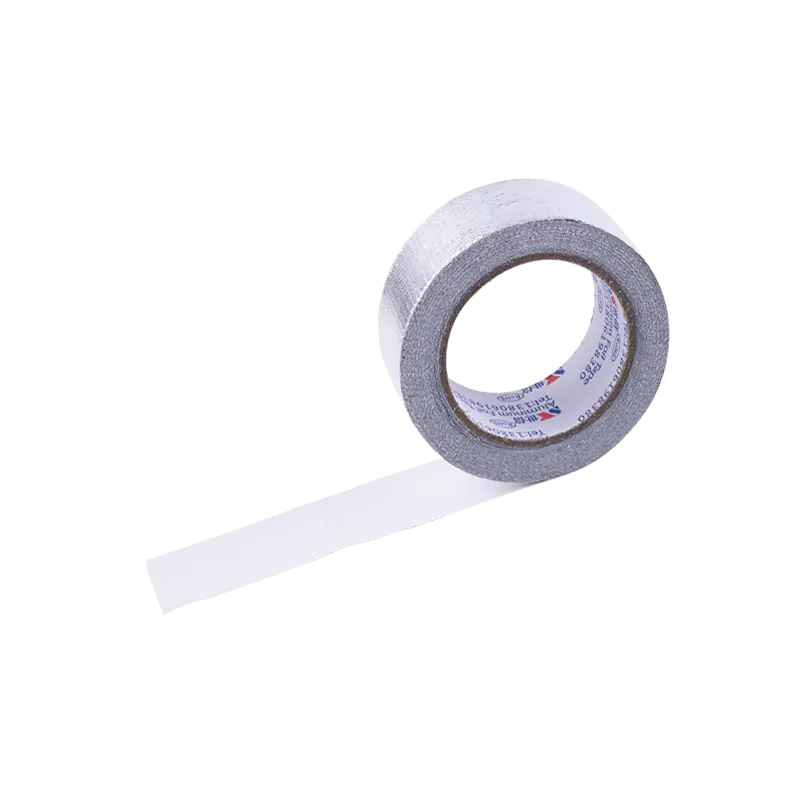
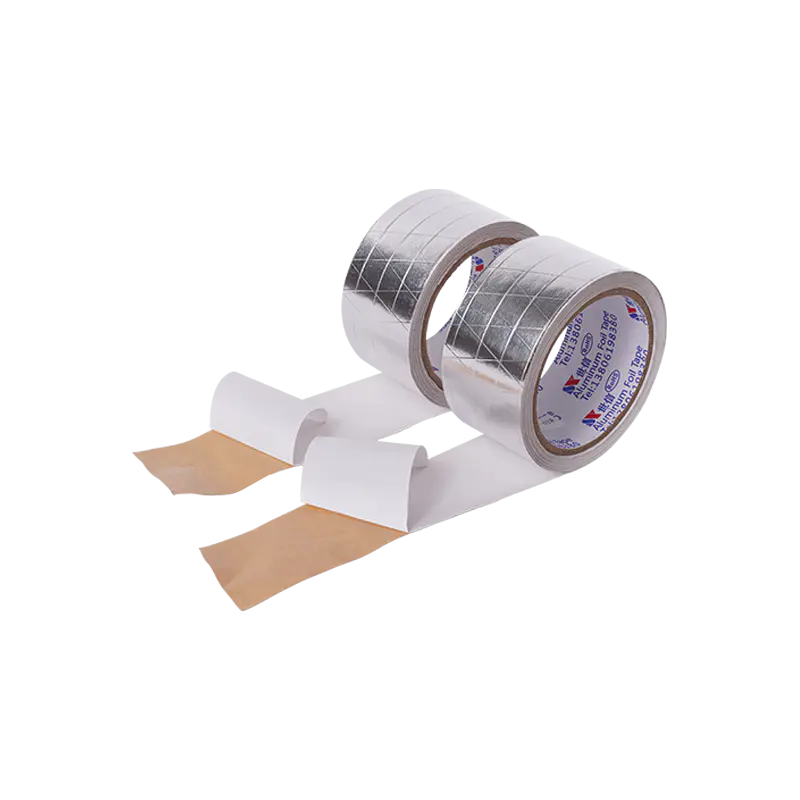
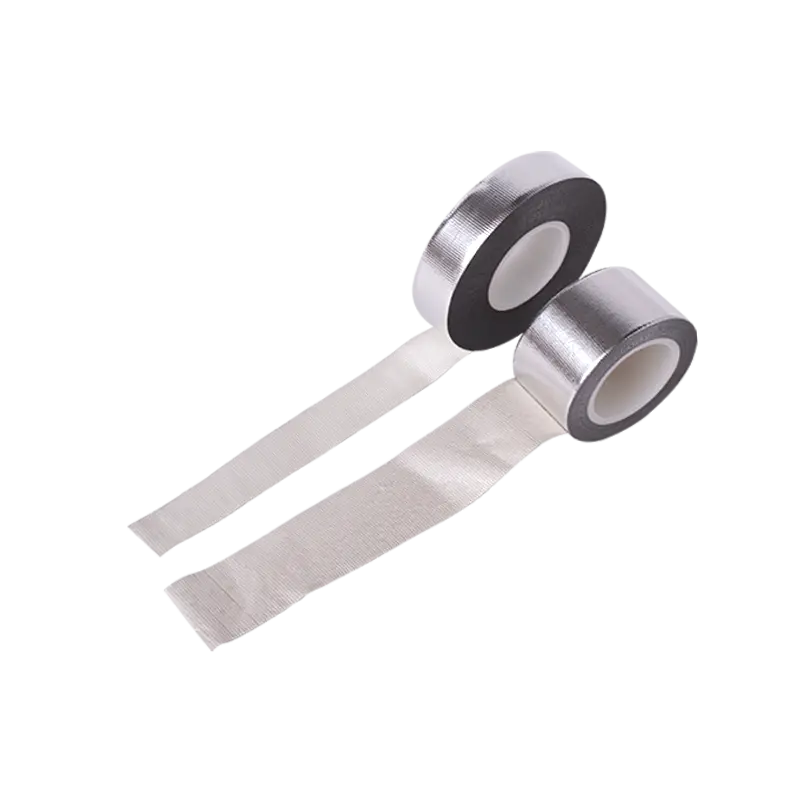
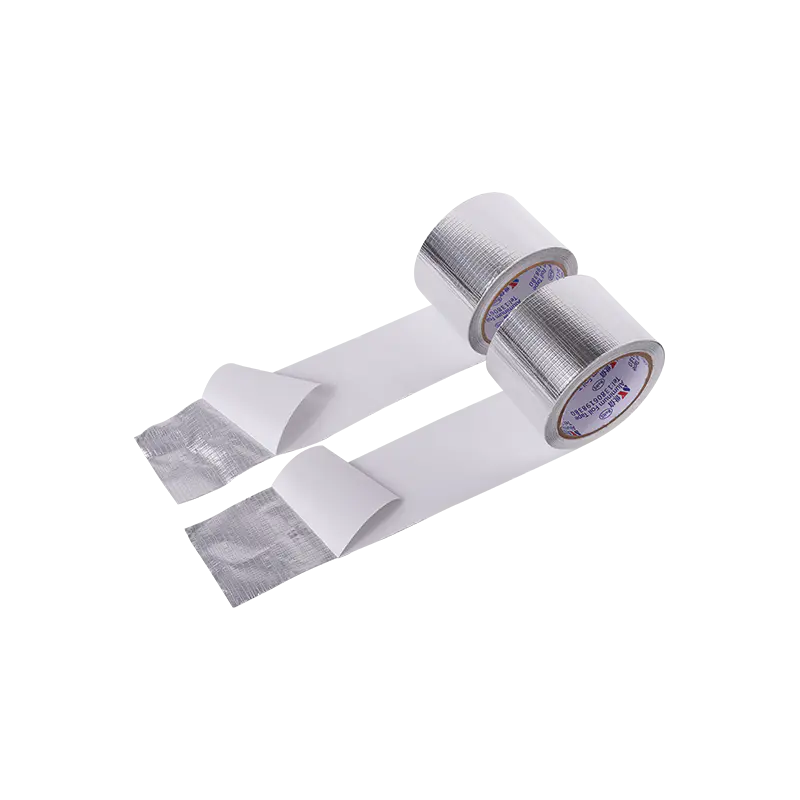
At its essence, Heat-Resistant Foil Tape is a pressure-sensitive tape engineered for applications where both strong adhesion and tolerance to high temperatures are non-negotiable. Unlike ordinary adhesive tapes that melt, degrade, or lose grip under heat, this product is built to perform. Its effectiveness stems from a sophisticated laminate construction. The face material is typically a high-quality, annealed aluminum foil. This foil provides excellent conformability, a bright reflective surface to deflect radiant heat, and inherent moisture and chemical resistance. The backbone of the tape's performance lies in the adhesive system. These are usually silicone or acrylic-based adhesives specially formulated to maintain their bond integrity across a wide temperature range, often from sub-zero conditions up to 302°F (150°C) for standard versions, and exceeding 500°F (260°C) for specialized grades. Some tapes also feature a glass fiber or polyester scrim embedded within the foil or adhesive layer, adding tremendous tensile strength and tear resistance, making them a true Heavy Duty Foil Tape for Insulation Sealing. This construction makes it fundamentally different from standard cloth duct tape, which has a paper or plastic backing and a rubber-based adhesive that fails quickly under heat and UV exposure.
The versatility of Heat-Resistant Foil Tape is showcased across multiple industries and DIY projects. Its primary function is to create an airtight, thermally reflective, and durable seal on surfaces exposed to heat, airflow, or weathering. Understanding the nuances of each application is key to selecting the right product, as the requirements for sealing a household dryer vent are markedly different from those for wrapping an automotive exhaust component. Misapplication can lead to premature failure, safety hazards, or inefficient system performance. Let's explore the most common and critical uses, detailing why specific tape characteristics are paramount for success in each scenario. This section will guide you from the familiar confines of your home's HVAC system to the demanding environment under your car's hood.
In heating, ventilation, and air conditioning (HVAC) systems, maintaining airtight ductwork is crucial for energy efficiency, indoor air quality, and proper system operation. Leaky ducts can lead to significant energy loss, uneven room temperatures, and the introduction of dust from attics or crawl spaces into the airstream. This is the domain of the Single-Sided Heat-Resistant Foil Tape for HVAC Repair. This specific type is the industry standard for sealing sheet metal ducts, flexible ducts, and fiberglass duct board. Its single-sided adhesive construction allows for clean application on joints, seams, and punctures. The aluminum foil face provides a smooth surface that minimizes air turbulence and friction loss within the duct. When repairing HVAC systems, it's essential to use a tape that is UL 181A-P or UL 181B-FX listed, indicating it is specifically tested and approved for sealing rigid or flexible air ducts.
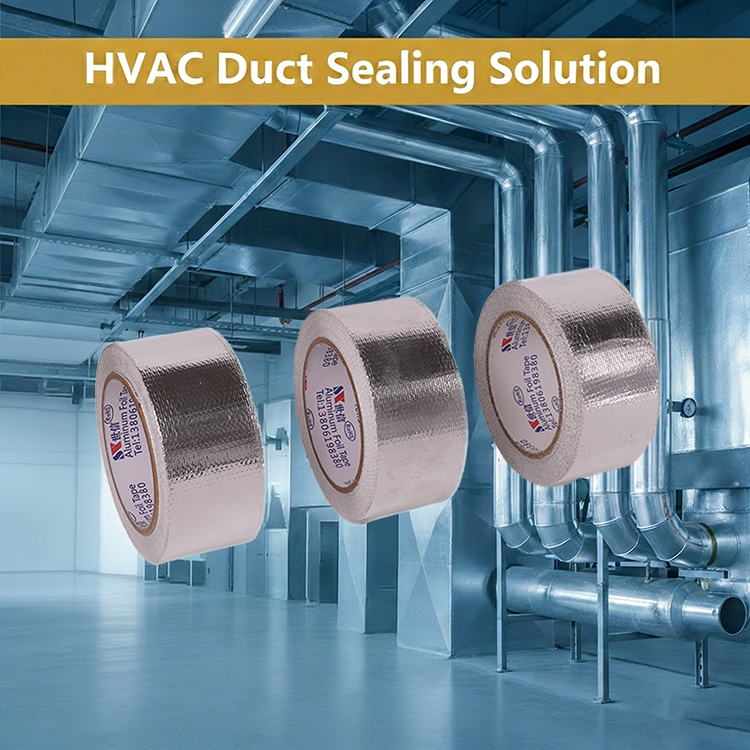
Clothes dryer vents present a critical fire safety application. Lint is highly combustible, and a leaky or disconnected duct can allow it to accumulate in dangerous areas, while also releasing moist air into walls or attics, causing mold. The tape used here must be robust and exceptionally heat-resistant to handle the moist, warm-to-hot air expelled by the dryer. A High Temperature Aluminum Foil Tape for Dryer Vent is explicitly designed for this purpose. It creates a secure, airtight seal at the connections between the dryer outlet, the transition duct, and the wall vent, preventing lint escape and maintaining proper airflow. Using standard tape or the wrong type of foil tape here is a serious safety risk.
| Application | Recommended Tape Type | Key Requirement |
| HVAC Metal Duct Seam | UL 181 Listed Single-Sided Foil Tape | Airtight seal, flame retardancy |
| Dryer Vent Connection | High-Temperature Aluminum Foil Tape | Fire safety, moisture resistance |
| Furnace Plenum Repair | Self-Adhesive Heat-Resistant Foil Tape for Furnace Duct | Very high temperature resistance near heat source |
The automotive environment is one of the most demanding for any material, subjecting it to intense heat, fuel/oil exposure, vibration, and weather. Here, Heat-Resistant Foil Tape serves multiple roles, from performance to protection. The search for the Best Heat-Resistant Foil Tape for Automotive Exhaust Wrap is common among enthusiasts and mechanics. For exhaust components, tapes must withstand sustained temperatures often above 400°F (204°C) and direct contact with road salts and chemicals. Specialized automotive-grade tapes often use a thicker foil and a high-tack, high-temperature silicone adhesive that cures slightly with heat, creating an even stronger bond. Beyond exhausts, it's used to protect wiring harnesses and plastic components from radiant engine heat, and to secure heat shields that have become loose.
In commercial construction and industrial settings, insulation is key to thermal efficiency and personnel protection. Heat-Resistant Foil Tape acts as the critical closure system for insulation jackets and panels. A Heavy Duty Foil Tape for Insulation Sealing, often reinforced with a robust fiberglass or polyester scrim, is the workhorse here. It is used to seal the longitudinal and circumferential seams on fiberglass, mineral wool, or PIR/PUR foam insulation covering pipes, tanks, and air handling units. This seal prevents heat loss or gain, protects the insulation from moisture ingress (which drastically reduces its R-value), and provides a clean, professional finish. In building envelopes, it's used to seam reflective foil barriers and seal penetrations in vapor barriers.
Selecting the correct Heat-Resistant Foil Tape is not a one-size-fits-all decision. A misapplied product will fail, potentially creating safety risks or necessitating costly rework. The selection process is a three-step funnel: first, you must rigidly define the application; second, learn to decode the technical specifications on a product's datasheet; and third, understand the qualitative indicators of a superior tape. For instance, a homeowner sealing a furnace plenum needs a Self-Adhesive Heat-Resistant Foil Tape for Furnace Duct with a very high upper temperature limit, while a contractor sealing building insulation needs a tape with high tensile strength and weatherability. By following this structured approach, you can move from a generic need to the precise product specification required for a durable, code-compliant, and safe repair or installation.
| Scenario / Need | Priority Specifications | Example Product Focus |
| Repairing Home HVAC Duct | UL 181 Listed, Peel Adhesion, Flame Retardant | Single-Sided Heat-Resistant Foil Tape for HVAC Repair |
| Sealing Dryer Vent to Wall | High Temp Rating (e.g., >150°C), Moisture Resistance | High Temperature Aluminum Foil Tape for Dryer Vent |
| Securing Automotive Exhaust Wrap | Very High Temp Rating (>260°C), Oil/Fuel Resistance | Best Heat-Resistant Foil Tape for Automotive Exhaust Wrap |
| Sealing Pipe Insulation Outdoors | High Tensile Strength, UV & Weather Resistance | Heavy Duty Foil Tape for Insulation Sealing |
The performance of even the best Heat-Resistant Foil Tape is contingent on proper surface preparation and application technique. A flawless application ensures maximum adhesion, longevity, and seal integrity. This process begins long before the tape is unrolled, with a focus on the substrate—the surface to which the tape will bond. Failure to properly clean and prepare the substrate is the leading cause of tape failure. Following preparation, the technique of applying the tape under tension, with firm, consistent pressure, is what creates a durable, bubble-free, and professional-looking seal. Whether you are a DIY enthusiast tackling a home project or a maintenance professional on a job site, adhering to these best practices will guarantee that your tape performs as engineered.
Selecting the right adhesive solution requires partnering with a manufacturer that combines scale, expertise, and a commitment to quality. Established in 2005, our operations span a factory area of nearly 11,000 square meters, supported by a dedicated team of 100 employees. Through two decades of focused growth, we have evolved into a high-tech enterprise that integrates research and development, production, and sales. Our business is built on the cornerstone of quality and reputation. We specialize in providing premium adhesive solutions, with a core focus on developing and manufacturing advanced tapes for demanding applications. Our product range is built to meet specific industrial needs, including a comprehensive portfolio of Aluminum Foil Tapes, such as Automotive High Temperature Resistance Fiberglass Aluminum Foil Tape and other specialized variants, alongside PU/PE/NBR Foam Solutions and Film Tapes Solutions. Our key advantages include recognition from global industry leaders, the ability to deliver cost savings through scale and efficient supply chains, and a firm commitment to certified quality as demonstrated by our RoHS, REACH, ISO 9001, ISO 14001, and SGS certifications. We are committed to delivering pragmatic, cost-effective solutions and fostering deep collaborations with global partners by innovating premium tape solutions for mutual growth and shared success.
Can I use Heat-Resistant Foil Tape on my kitchen range hood duct?
Yes, Heat-Resistant Foil Tape is an excellent and code-compliant choice for sealing the joints on metal range hood exhaust ducts, especially those leading outdoors. It is specifically designed to handle the warm, greasy air vapors that pass through these ducts, resisting both the temperature and the mild grease exposure far better than standard duct tape, which would quickly fail. Ensure the duct surfaces are wiped clean of any significant grease buildup before application for the strongest bond. Using a tape listed for HVAC use (like UL 181) is a reliable indicator of its suitability for this mechanical exhaust application.
Is Heat-Resistant Foil Tape a permanent fix for a leaking exhaust pipe?
While a high-quality, automotive-grade Heat-Resistant Foil Tape can provide a temporary repair for a small hole or crack in an exhaust pipe, it is not considered a permanent, structural fix. Exhaust systems experience extreme temperatures, rapid thermal cycling, condensation, and constant vibration. Over time, these factors can compromise the tape's seal. A tape marketed as the Best Heat-Resistant Foil Tape for Automotive Exhaust Wrap is best used for securing the ends of exhaust wrap or for very short-term leak mitigation to get to a repair shop. For a safe and lasting repair on an exhaust pipe, professional welding or the replacement of the damaged section is always recommended.
What is the difference between "heat-resistant" and "flame-retardant" in foil tapes?
These are related but distinct properties crucial for selecting the right Heat-Resistant Foil Tape. Heat-Resistant refers to the tape's ability to maintain its physical integrity and adhesive bond when exposed to continuous high temperatures without melting, degrading, or losing its grip. Flame-Retardant (or low flame-spread) refers to the tape's ability to resist igniting and to limit the spread of flame across its surface if exposed to an open fire. Many quality tapes, especially those like Self-Adhesive Heat-Resistant Foil Tape for Furnace Duct, possess both properties. For applications inside air ducts (HVAC) or in building cavities, flame-retardant certification (like UL 723) is often a building code requirement, while heat resistance is a functional requirement for the application's environment.
How long does Heat-Resistant Foil Tape last when used outdoors?
The outdoor lifespan of Heat-Resistant Foil Tape depends heavily on the specific product's construction and the environmental conditions. A standard aluminum foil tape with an acrylic adhesive may last 1-3 years outdoors before the adhesive degrades from UV exposure and weathering. For long-term outdoor use, such as sealing Heavy Duty Foil Tape for Insulation Sealing on exterior pipes, you must select a tape explicitly rated for outdoor/weather-resistant use. These tapes typically feature a UV-resistant coating or a more stable synthetic rubber or silicone-based adhesive. When applied correctly to a clean, dry surface and protected from direct mechanical abrasion, a premium outdoor-rated foil tape can last 5 years or more, maintaining its seal and protective functions.

Our company has been engaged in the tape manufacturing industry for more than 20 years, and has been focusing on various types of aluminum foil tapes, foam tapes, refrigerator tapes, etc.
IsabelLina
Email:[email protected]
Mobile/Whatsapp: +86 190 3379 1110
Mars Gong
Email:[email protected]
Mobile/Whatsapp: +86 159 5136 0053
Address: West side of Yingbin Avenue and south side of hengwang packaging. Suqian Economic and Technological Development Zone,Jiangsu Province
Copyright © Jiangsu Shixin Adhesive Tape Product Co., Ltd. All Rights Reserved. Custom ODM Refrigerator Foil Adhesive Tapes Manufacturers