2026-09-24
Content
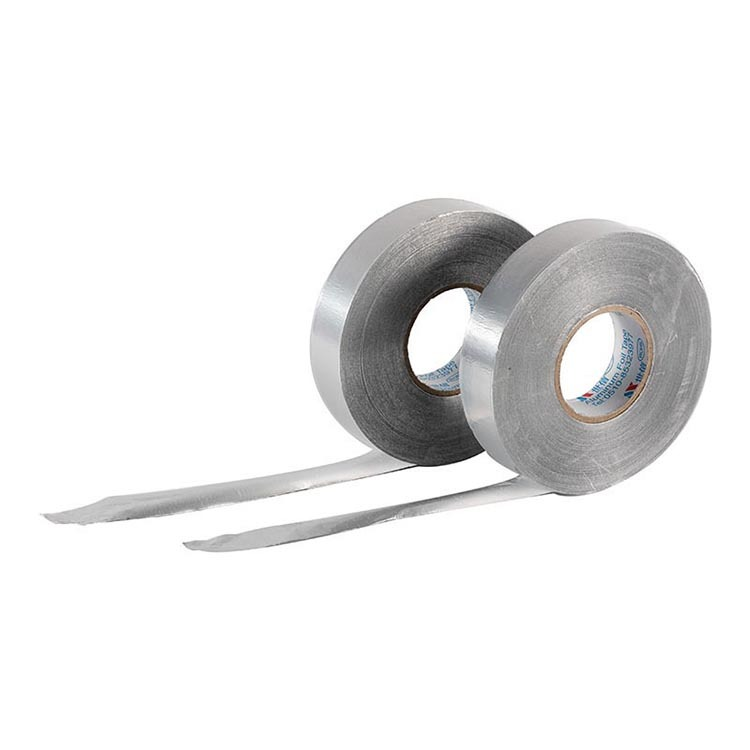
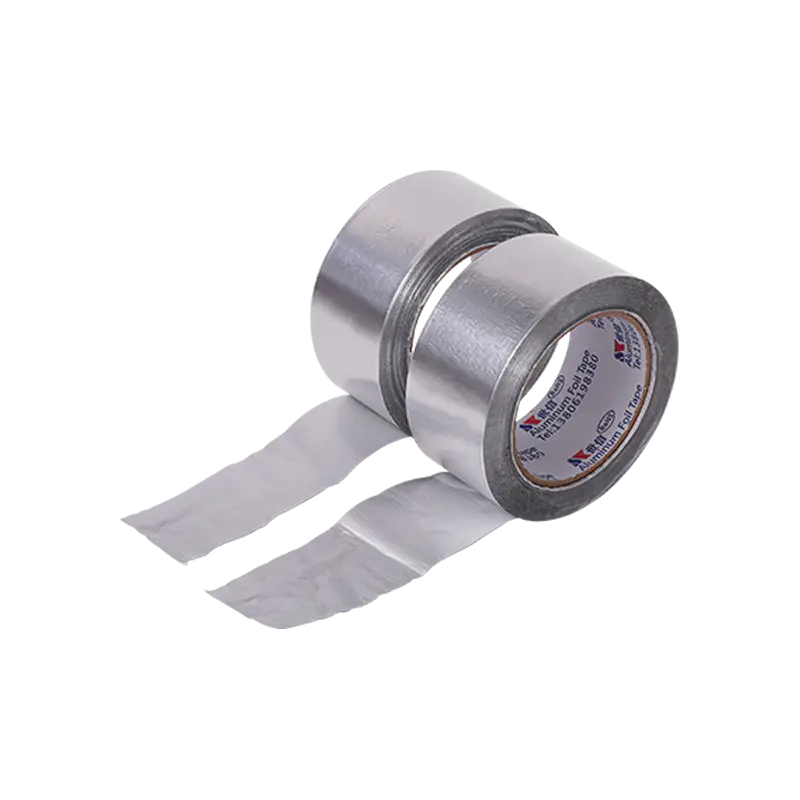
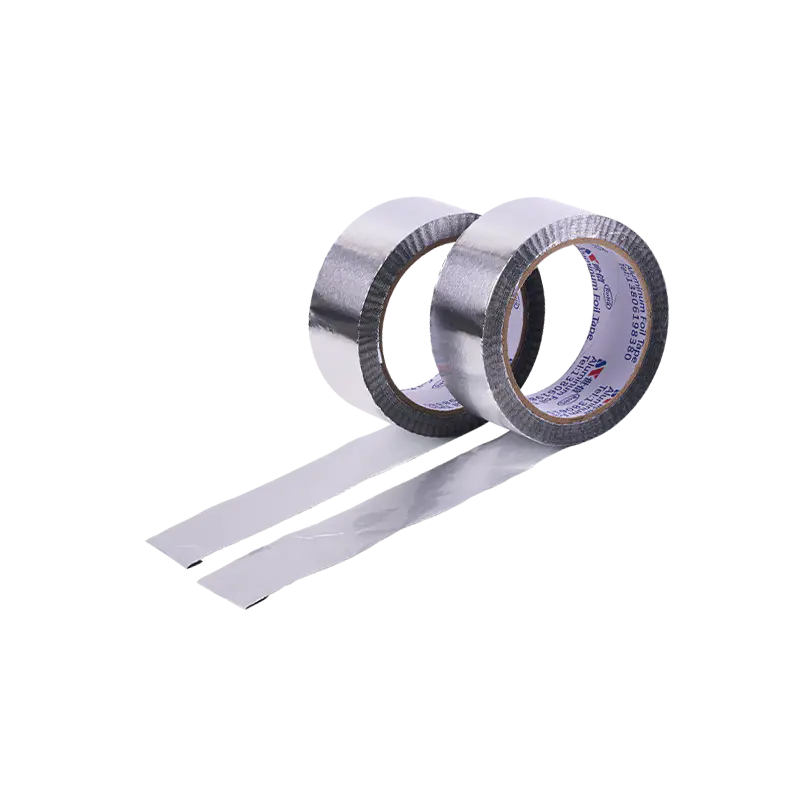
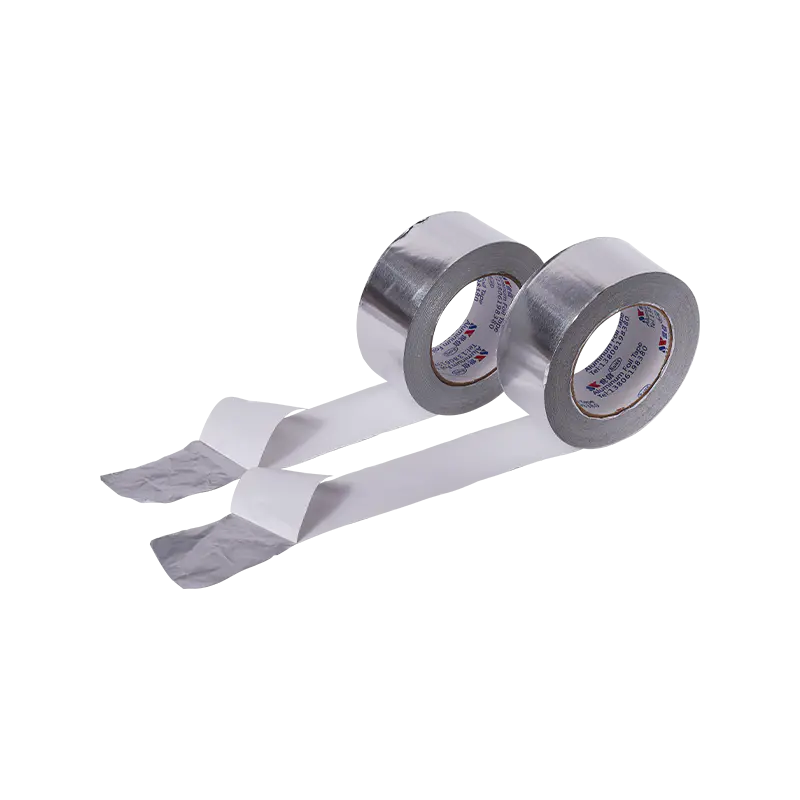
In the complex world of construction, manufacturing, and repair, the integrity of a system often hinges on a component that receives little fanfare: the adhesive tape. Specifically, Aluminum Foil Adhesive Tape is a critical engineered material that performs far beyond simple sticking. It acts as a durable moisture barrier, a reflective thermal shield, a conductive electrical path, and a robust sealing agent. However, treating it as a generic commodity is a significant technical and financial risk. The failure of a tape under thermal stress, UV exposure, or mechanical load can lead to energy loss, water ingress, electrical malfunction, or even fire safety hazards. The key to reliability lies in understanding that this tape is a composite system—a precise marriage of metal foil, polymer adhesive, and sometimes reinforcing carriers—each element engineered for specific performance criteria. For procurement managers, design engineers, and project leads, navigating this landscape requires moving past price-per-roll to a specification-driven approach. This guide provides a foundational framework for selecting the correct tape by dissecting its material science, decoding performance standards, and aligning properties with application demands. Whether you are sealing an HVAC duct, repairing a roof, shielding an electronic component, or insulating high-temperature machinery, the choice between a standard and a specialized aluminum foil tape for HVAC duct sealing or a high temperature resistant foil adhesive tape has profound implications for project success and long-term value.
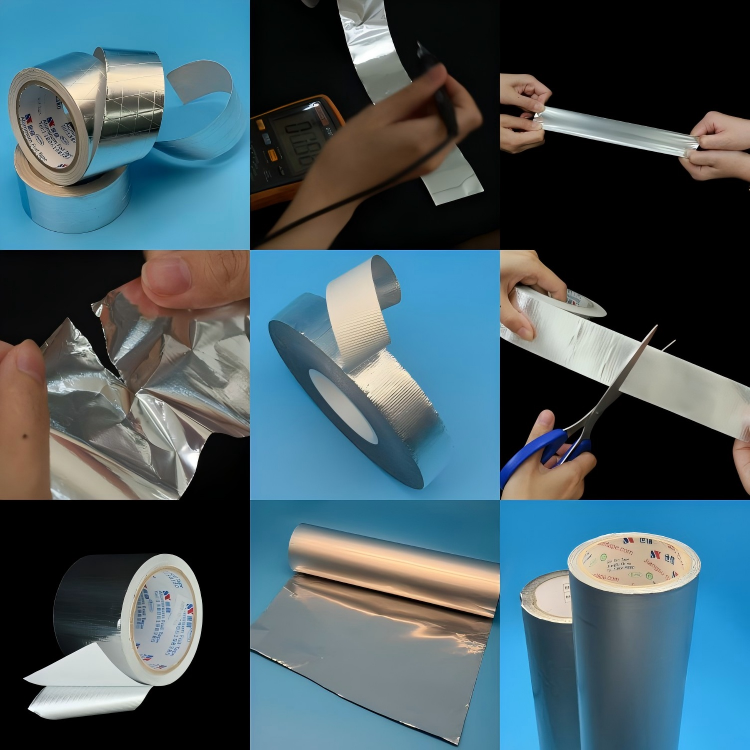
To specify the right tape, one must first understand its core components and the language of its performance data. The aluminum foil backing is not just "metal"; it is a specific alloy (commonly 1100 or 3003 series) chosen for its balance of tensile strength, dead-fold characteristics, and corrosion resistance. Its thickness, measured in mils or microns, directly impacts puncture resistance and conformability. The adhesive layer is the heart of the system, typically based on either acrylic or rubber (synthetic or silicone) chemistry. Acrylic adhesives are renowned for their excellent aging properties, strong UV resistance, and good high-temperature performance (often up to 150°C/300°F continuous), making them ideal for long-term outdoor applications like waterproof foil tape for roofing repair. Rubber-based adhesives offer superior initial tack and flexibility at lower temperatures but may degrade faster under UV exposure. For extreme environments, silicone adhesives are used to create a true high temperature resistant foil adhesive tape, withstanding continuous service above 200°C/390°F. Performance is quantified through standardized tests: Peel Adhesion (ASTM D3330) measures the force required to remove the tape; Shear Strength (ASTM D3654) indicates resistance to static load; and Tack refers to instantaneous "stickiness." Beyond adhesion, specifications like a tape's Water Vapor Transmission Rate (WVTR) define its barrier properties, while UL, RoHS, and REACH certifications are non-negotiable for regulatory compliance in many industries.
| Component & Property | Typical Options & Characteristics | Primary Impact on Application |
| Foil Backing (Alloy/Thickness) | 1100 (softer, more conformable), 3003 (stronger, more corrosion-resistant); 2-5 mil thickness. | Durability, puncture resistance, ease of hand-tearing, dead-fold for sealing. |
| Adhesive Chemistry | Acrylic (excellent aging, UV/heat resistance), Rubber (high initial tack, flexibility), Silicone (extreme high-temp). | Long-term bond strength, application temperature range, resistance to environmental aging. |
| Reinforcement/Carrier | None, Fiberglass Scrim, Polyester Film, Foam. | Tensile strength, dimensional stability, impact resistance, added functionality (cushioning, sealing). |
| Key Performance Metric | Peel Adhesion (oz/in or N/cm), Shear Strength (hours), Service Temperature Range (°C/°F). | How well it sticks initially, how long it holds under load, where it can be safely used. |
The true test of an aluminum foil tape occurs in its end-use environment. In HVAC and building construction, the primary function is creating and maintaining airtight and vapor-retardant seals. For this, a UL-listed product is essential. aluminum foil tape for HVAC duct sealing must comply with UL 181, which includes tests for flame penetration and smoke density. The "P" (Pressure Sensitive) or "FX" (Factory Applied) designation indicates its suitability for sealing rigid ducts or flexible air connectors, respectively. Using a non-listed tape can violate building codes and compromise system efficiency. On building exteriors, a waterproof foil tape for roofing repair must combat different enemies: solar UV radiation, thermal cycling, and water. Here, a UV-resistant, thick acrylic adhesive paired with a robust foil facing is critical to prevent adhesive degradation and foil delamination. In industrial settings, thermal management is paramount. A high temperature resistant foil adhesive tape for automotive exhaust heat shields or industrial oven gaskets requires a silicone adhesive system capable of maintaining adhesion while exposed to oils, fuels, and temperatures exceeding 200°C. For electrical applications, purpose is key. Shielding sensitive electronics from electromagnetic interference (EMI) requires a tape with a conductive adhesive to ensure a 360-degree electrical connection. Conversely, creating a simple grounding strap may only require a tape designed to make solid metal-to-metal contact through the foil, not necessarily through the adhesive, differentiating it from a true all-surface electrically conductive aluminum foil tape.
| Application Sector | Primary Function & Challenge | Recommended Tape Specifications | Critical Standards/Certifications |
| HVAC & Ductwork | Airtight sealing, condensation barrier, durability under system pressure/vibration. | Acrylic adhesive, UL 181A-P or B-FX listed, good conformability. | UL 181, ASTM E84 (Flame/Smoke). |
| Building Envelope & Roofing | Waterproofing, UV resistance, bridging gaps in weather-resistant barriers. | Thick UV-resistant acrylic adhesive, heavyweight foil (3+ mil), high moisture barrier. | High Peel Adhesion (>60 oz/in), Low WVTR. |
| Industrial High-Temp | Insulation jacketing, heat shield assembly, gasketing in high-heat areas. | Silicone adhesive, potentially fiberglass reinforced for integrity. | Continuous Service Temp rating (e.g., 200°C+, 400°F+). |
| Electrical & Electronics | EMI/RFI shielding, static charge dissipation, grounding. | Conductive adhesive (carbon/nickel) or designed for metal contact; specific volume resistivity (< 1.0 ohm-cm). | RoHS, REACH, MIL-STD for shielding effectiveness. |
Specifying the correct tape is only half the battle; ensuring it performs as expected requires a disciplined process from selection through application. The procurement conversation must move beyond price to a technical dialogue. A qualified supplier should be able to provide detailed technical datasheets, certification documents, and even sample rolls for prototyping. Essential questions include: "What is the batch-to-batch consistency protocol?" and "Can you provide test data for adhesion to my specific substrate (e.g., galvanized steel, polyethylene foam) under my service conditions?" Once the right tape is sourced, application integrity is paramount. Surface preparation is the most frequently overlooked yet critical step. The substrate must be clean, dry, and free of dust, oil, oxidation, and loose particles. On metals, an isopropyl alcohol wipe is often necessary; on plastics, surface energy must be considered. Applying the tape at the recommended temperature (usually above 10°C/50°F) and using firm, consistent pressure—often with a J-roller—ensures optimal adhesive wet-out and bond formation. For quality assurance, implementing simple incoming inspection checks, such as verifying thickness, peel adhesion on a control panel, and checking for visual defects, can prevent field failures. For long-term partnerships, tracking performance KPIs, such as "seam failures per 1,000 feet applied" or "shelf-life consistency," validates the supplier's quality claims and ensures the Aluminum Foil Adhesive Tape continues to meet the demanding specifications of the job.
These are specific listings within the UL 181 standard for closure systems used with air ducts and connectors. UL 181A-P designates "Pressure-Sensitive" tape suitable for sealing and assembling rigid air ducts (sheet metal). UL 181B-FX designates "Factory-Applied" closure systems, which include tapes used on the jackets of flexible air ducts. The key difference is in the testing: a B-FX listed tape is evaluated for its performance on the specific flexible substrate. Using the correct listing is a code requirement for ensuring a safe, durable, and efficient HVAC system.
No, this is a common and potentially dangerous misconception. A standard Aluminum Foil Adhesive Tape uses a non-conductive acrylic or rubber adhesive. Even though the foil is conductive, the adhesive layer acts as an insulator, preventing a reliable low-resistance electrical connection. For proper grounding or bonding, you must use a specifically engineered electrically conductive aluminum foil tape that features a conductive adhesive (filled with materials like carbon or nickel) to ensure electrical continuity through the tape itself.
Temperature dramatically impacts adhesive performance. Rubber-based adhesives soften and lose shear strength at moderately high temperatures (above 70-80°C / 158-176°F) but remain flexible at very low temps. Acrylic adhesives offer a wider operating range with better high-temperature resistance (typically up to 150°C / 300°F continuous) and do not become brittle as quickly in the cold. Silicone adhesives are the gold standard for extremes, functioning from below -50°C/-58°F to over 200°C/392°F. Always choose a tape with a rated service temperature range that exceeds your application's maximum and minimum expected temperatures.
Consider a reinforced heavy duty aluminum foil tape for insulation when your application involves: 1) High Tensile Load: The tape will bear weight or stress, such as seaming heavy duct board or bundling cables. 2) Bridging Movement Joints: The tape must span gaps where substrate movement is expected, requiring high tear resistance. 3) Mechanical Abuse: The area is prone to punctures or abrasion. The embedded fiberglass or polyester scrim provides exceptional longitudinal strength, preventing the foil from tearing easily and allowing the tape to function as a structural component, not just a seal.
High initial tack helps a tape make contact, but long-term adhesion depends on the formation of a strong bond between the adhesive and the substrate. Contaminants like dust, oil, rust, or release agents create a weak boundary layer. The adhesive sticks to the contaminant, not the substrate, leading to premature failure. Proper cleaning removes this layer, allowing for maximum surface contact and chemical bonding. For optimal performance, clean with a solvent like isopropyl alcohol, abrade smooth surfaces lightly if possible, and ensure the surface is completely dry before applying any Aluminum Foil Adhesive Tape.

Our company has been engaged in the tape manufacturing industry for more than 20 years, and has been focusing on various types of aluminum foil tapes, foam tapes, refrigerator tapes, etc.
IsabelLina
Email:[email protected]
Mobile/Whatsapp: +86 190 3379 1110
Mars Gong
Email:[email protected]
Mobile/Whatsapp: +86 159 5136 0053
Address: West side of Yingbin Avenue and south side of hengwang packaging. Suqian Economic and Technological Development Zone,Jiangsu Province
Copyright © Jiangsu Shixin Adhesive Tape Product Co., Ltd. All Rights Reserved. Custom ODM Refrigerator Foil Adhesive Tapes Manufacturers