2026-10-15
For example, two foil tape samples may look identical but behave differently on a production line: one wrinkles during unwinding, while another uses a release liner incompatible with the customer's converting equipment. An ODM aluminum foil tape manufacturer helps buyers evaluate these practical differences before volume production.
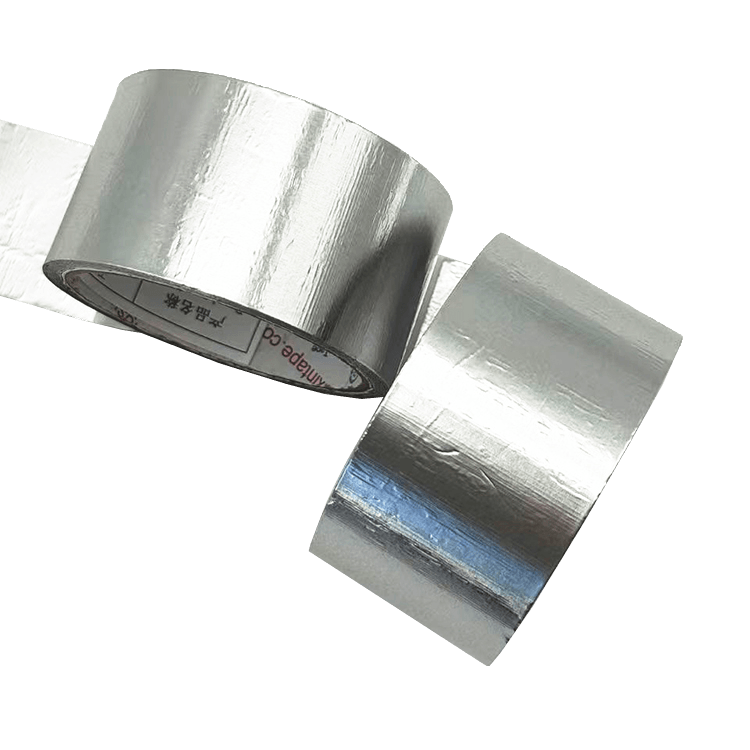
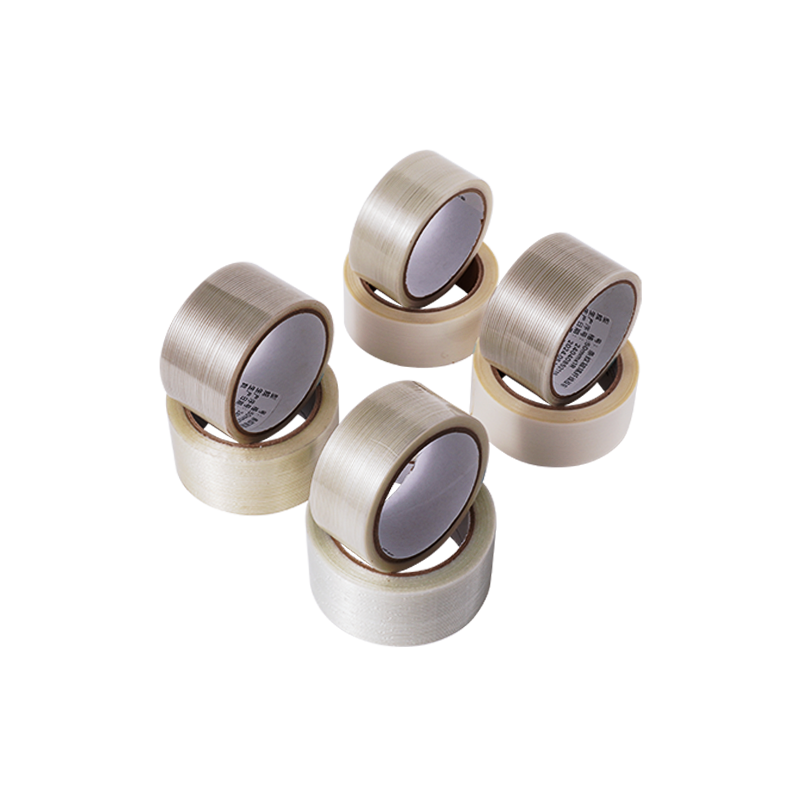
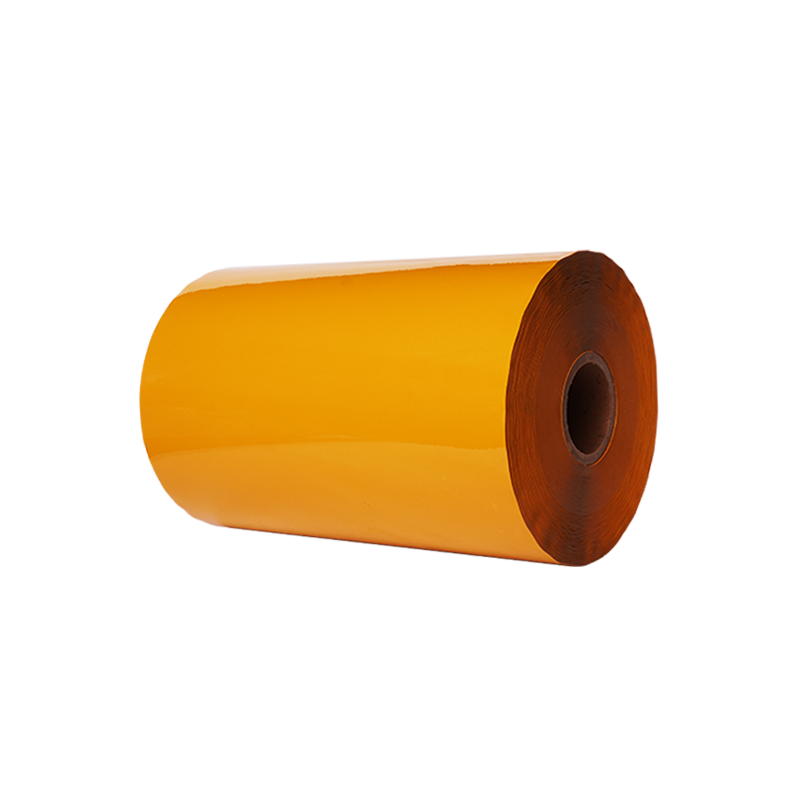
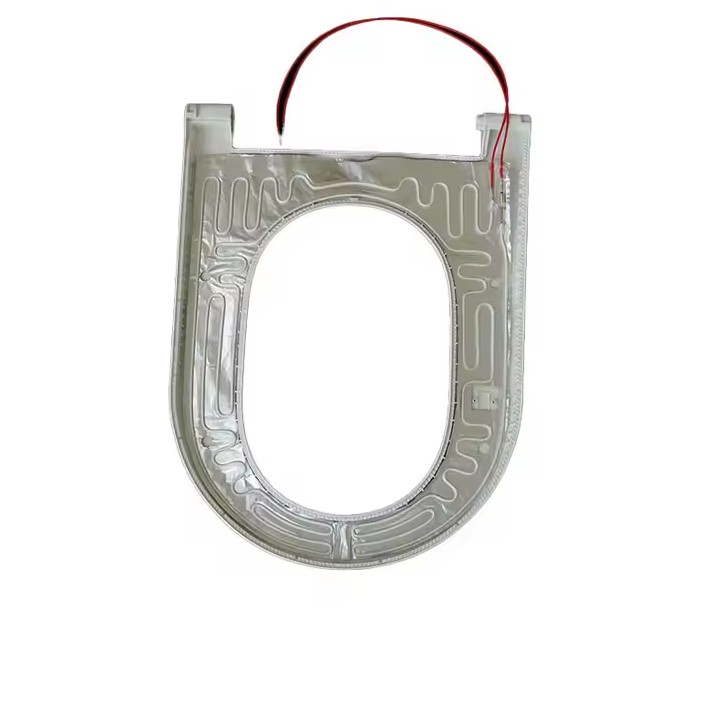
Aluminum foil tape selection goes beyond a catalogue description. Foil thickness and temper, adhesive system, reinforcement, release liner and roll format should be matched to the application and the buyer's assembly process. Shixin began manufacturing adhesive tapes in Wuxi in 2005 and developed its manufacturing base in Suqian, Jiangsu. Today, Jiangsu Shixin Adhesive Tape Product Co., Ltd. supplies aluminum foil tape and other industrial adhesive tapes with options for customized constructions and roll dimensions.
What an ODM Aluminum Foil Tape Manufacturer Actually Controls
An ODM aluminum foil tape manufacturer can propose a suitable tape construction, including foil, adhesive, release liner and roll format, based on the buyer's application. In an OEM arrangement, the buyer typically defines more of the specification, while the supplier manufactures to the agreed requirements.
The difference is mainly in how product requirements are developed and verified. OEM projects normally start with a defined specification; ODM projects may begin with an application challenge and involve joint material selection and sampling. Distributors may also provide valuable sourcing and technical support, but buyers should confirm product traceability and consistency regardless of purchasing channel.
|
Sourcing model |
Who defines the specification |
What you receive |
Best fit |
|
OEM, build to print |
Your engineering team |
Tape matched to your drawing |
You already know the exact construction |
|
ODM, design and build |
Buyer and supplier agree the proposal |
Approved construction and supporting records |
An application need requires material selection |
|
Distributor or reseller |
Varies by service arrangement |
Specified grade and sourcing documents |
Catalogue purchasing or managed sourcing |
In a typical ODM project, the manufacturer proposes a construction and the buyer validates it against agreed performance and production criteria. The goal is not simply an acceptable sample, but a documented construction that can be reproduced for subsequent orders.
Five Variables an ODM Partner Can Actually Change
Depending on the product series, a manufacturer may adjust five areas: foil thickness and temper, adhesive system and coating, reinforcement, release liner, and roll format. Available options should always be checked against the actual product model.
Where practical, change one material or process variable at a time during troubleshooting. If several variables must change together, record the differences and compare them against agreed acceptance criteria.
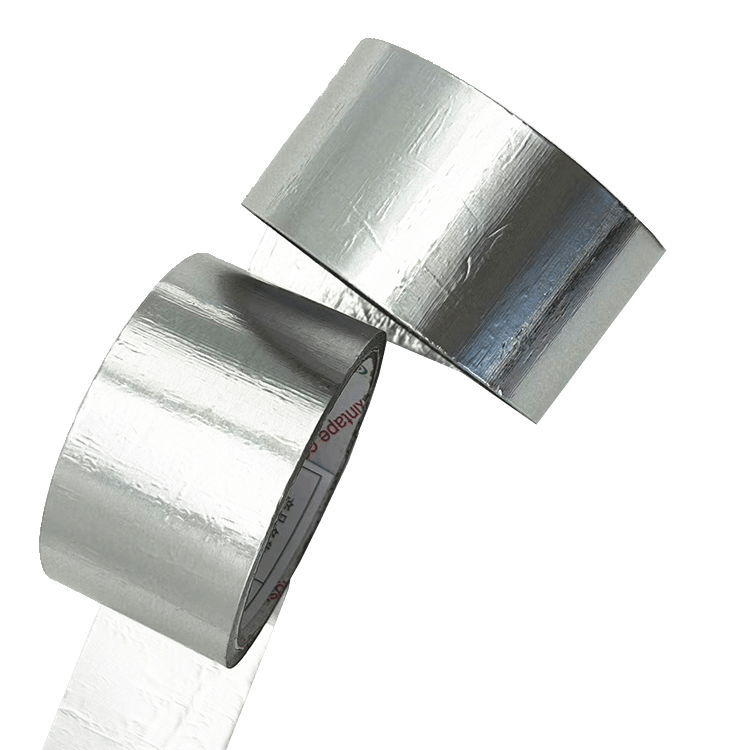 Review adhesion, foil construction, temperature, release/unwind performance, line compatibility, roll dimensions and product-specific documentation. These checks can be used as a first-round qualification record without inventing fixed percentage weights.View Product →
How to Write an ODM Brief That Survives the Sample Room
A useful ODM brief documents the material, application and verification requirements before samples are made. The following seven points reduce avoidable clarification rounds, although the number of sampling rounds depends on the project.
A clear brief can reduce unnecessary sample revisions, but no fixed saving or one-round outcome should be promised. Confirm the construction, test conditions and acceptance criteria before approving mass production.
Seven Practical Checks for Qualifying a Custom Foil Tape Sample
Instead of relying on an unexplained weighted score, buyers can review seven practical items against documented acceptance criteria. A sample should be checked both for tape performance and for compatibility with the buyer's process.
The seven checks are: (1) adhesion to the specified substrate; (2) foil construction and dimensional consistency; (3) required temperature performance; (4) unwind or liner-release behaviour; (5) cutting, die-cutting or application compatibility; (6) roll dimensions and repeatability; and (7) applicable documentation and traceability. Record a pass, fail or further-test decision for each.
First-Round ODM Tape Evaluation Checklist
Use buyer-defined acceptance limits and test methods for each item; do not assign universal percentage weights without a validated qualification model.
Treat safety, regulatory and critical line-compatibility requirements as mandatory where applicable. An overall score should never override a failed essential specification.
Liner and Adhesive Choices Most ODM Briefs Get Wrong
Release-liner requirements are sometimes decided late, while adhesive selection may rely too heavily on a product label. Both should be verified using the actual substrate and processing conditions.
Linerless Aluminum Foil Tape vs. Aluminum Foil Tape With Liner
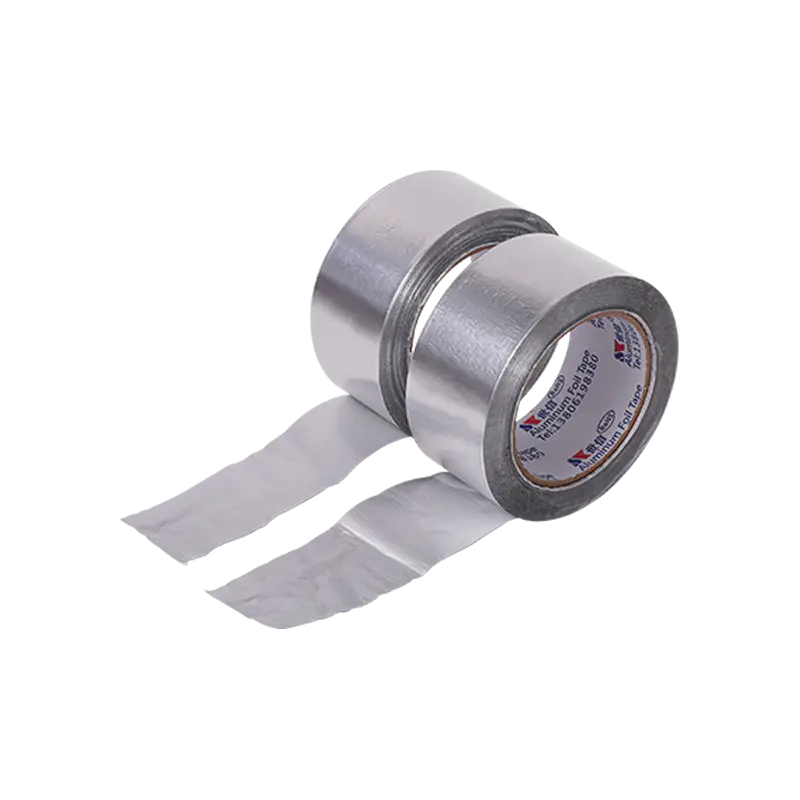
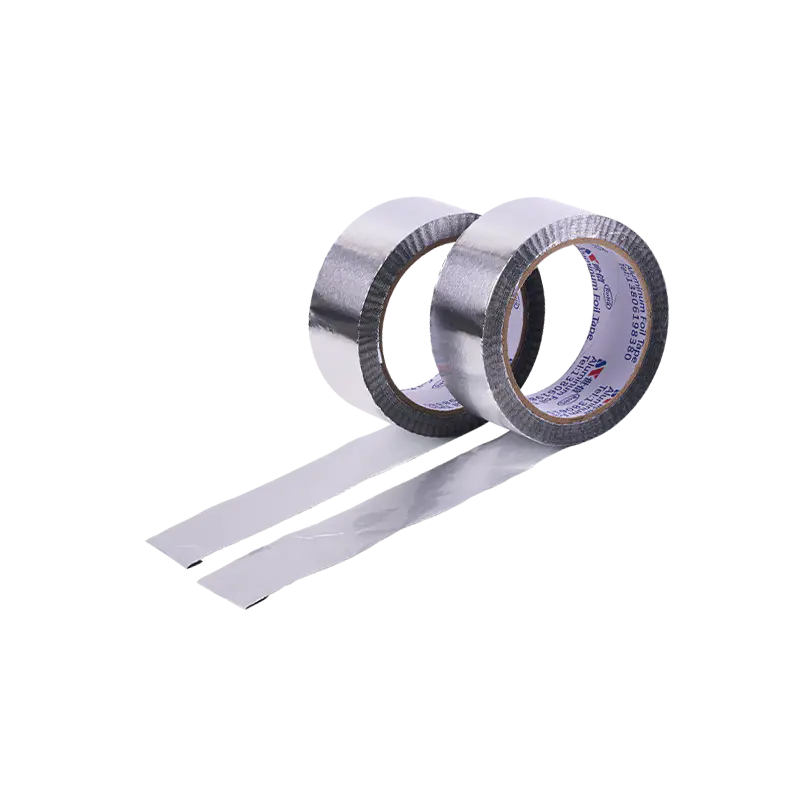
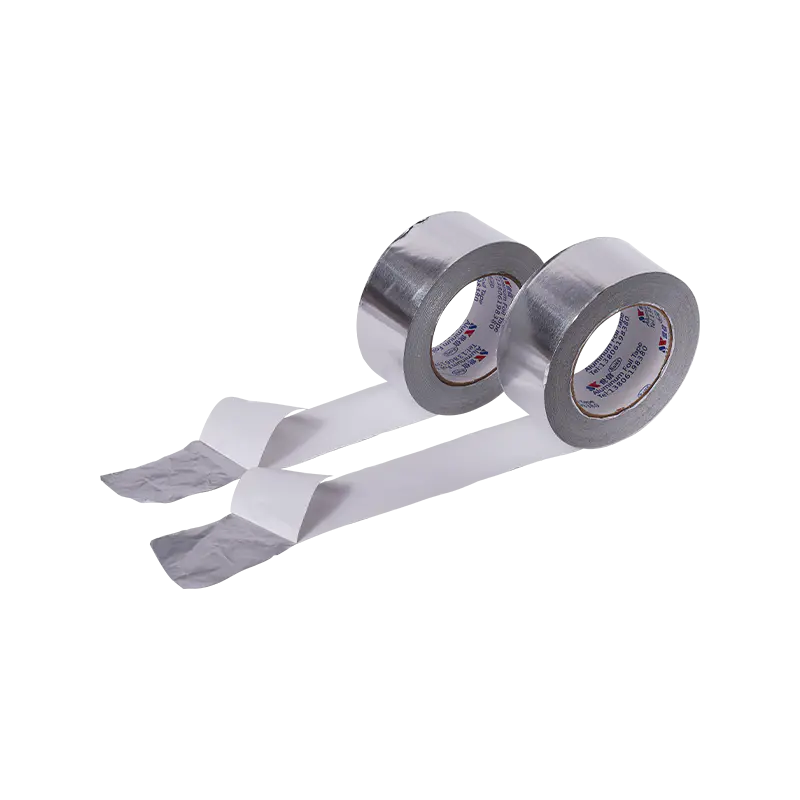
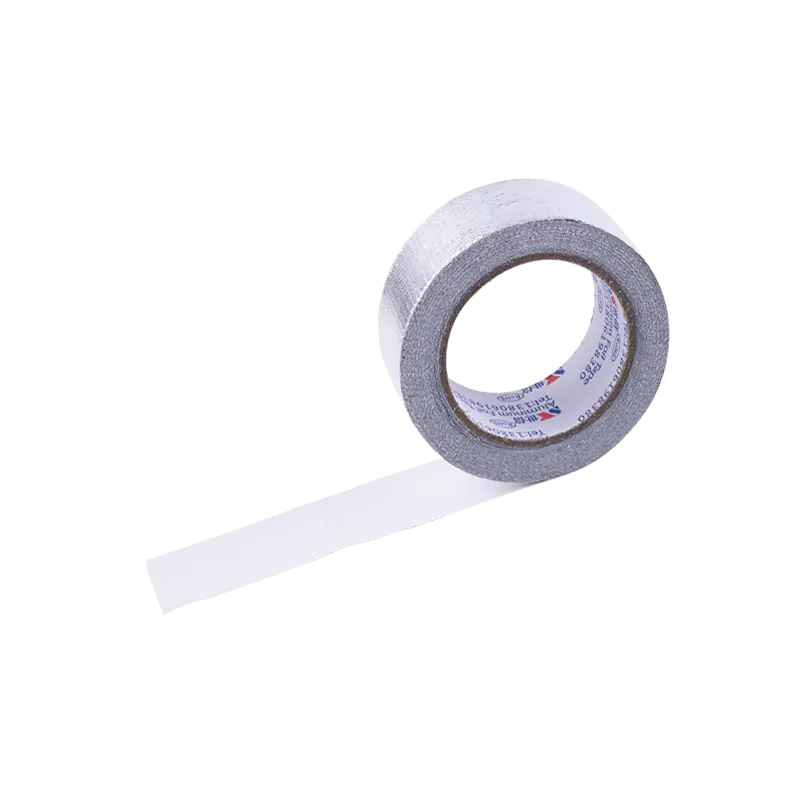
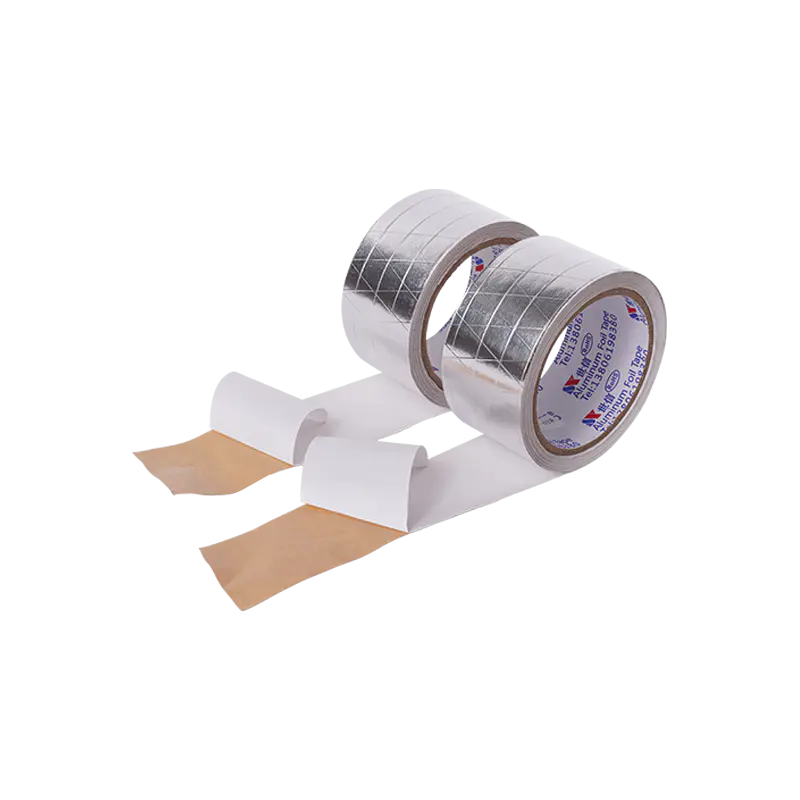
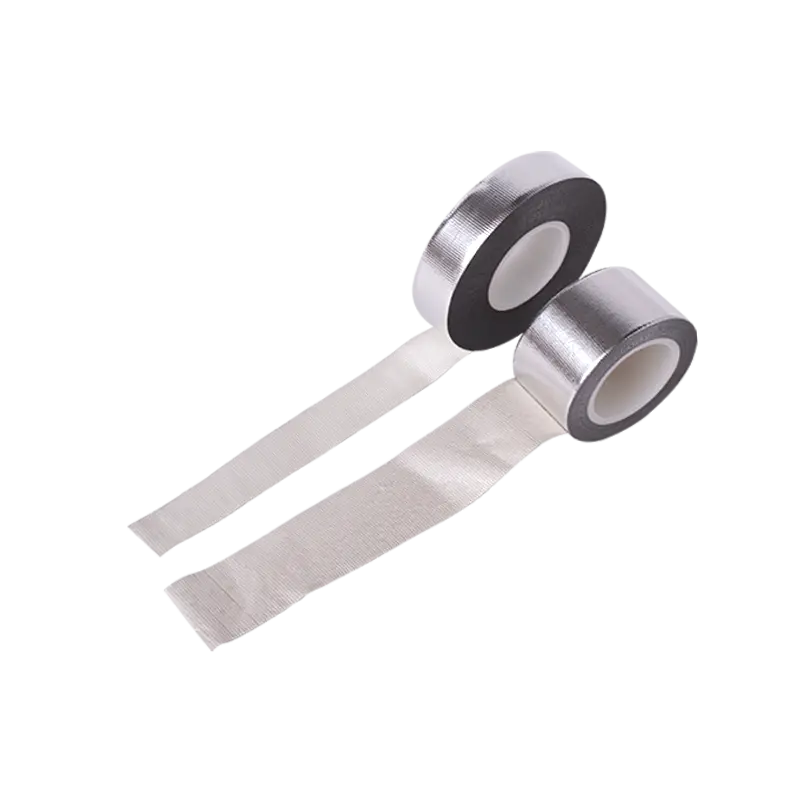
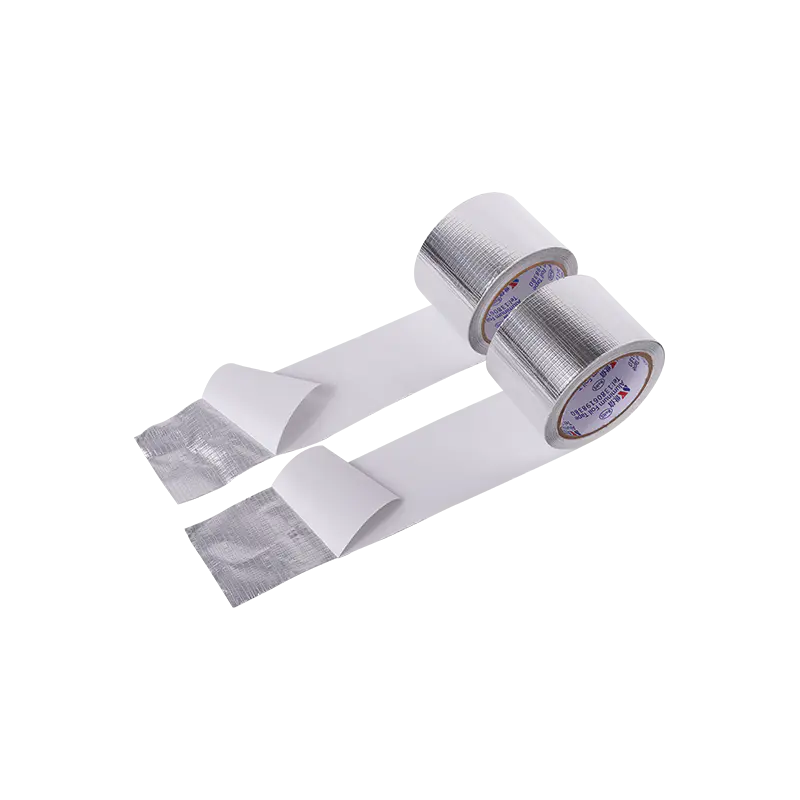
Choose the liner format to match the process. Shixin supplies linerless foil tape and liner-backed foil tape. The latter includes a release paper or film that protects the adhesive before application and can support specific cutting or positioning steps; linerless constructions avoid removing a separate liner. Neither format is universally faster or better. For a detailed comparison, see the site's linerless-versus-linered foil tape selection guide.
Adhesive selection should follow application testing rather than a generic ranking. Water-based acrylic, solvent-based acrylic, rubber and other systems available for specific Shixin models have different performance profiles. Confirm the actual adhesive type, substrate, application temperature and service conditions with the technical team before final approval.
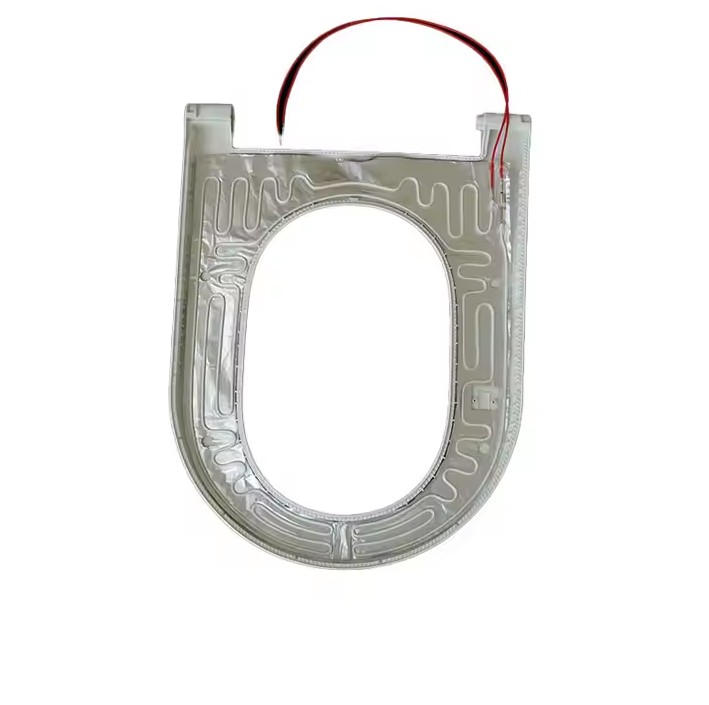 For temperature-sensitive projects, review Shixin's relevant aluminum foil tape range. Confirm the exact model, adhesive system and tested temperature rating before specifying the grade.View Product →
Compliance Documentation That Decides a Cross-Border Order
Cross-border buyers may request several types of documentation, depending on the destination market and product application. Common examples include product-specific RoHS test evidence, REACH-related declarations or reports, ISO 9001/ISO 14001 management-system certificates and third-party test reports. These are different forms of evidence, not five universal mandatory certifications for every tape order.
|
Document or evidence |
Typical requester |
What to verify |
|
RoHS |
OEM quality and compliance teams |
Applicable restricted-substance evidence for the supplied product and its intended use |
|
REACH |
EU importers and customer compliance teams |
Relevant REACH obligations and any requested SVHC declarations or reports |
|
ISO 9001 |
Buyer quality departments |
Valid quality-management-system scope covering the relevant entity and activity |
|
ISO 14001 |
Procurement and ESG reviews |
Valid environmental-management-system scope covering the relevant entity and activity |
|
Third-party test report |
Buyer quality or engineering teams |
Identified sample, test items, methods, results and issuing laboratory |
Check that the issuing entity, scope, dates and product identification in each document match the relevant manufacturing site or supplied tape. Where a third-party report is provided, confirm the tested sample and exact test items rather than assuming the report covers every specification.
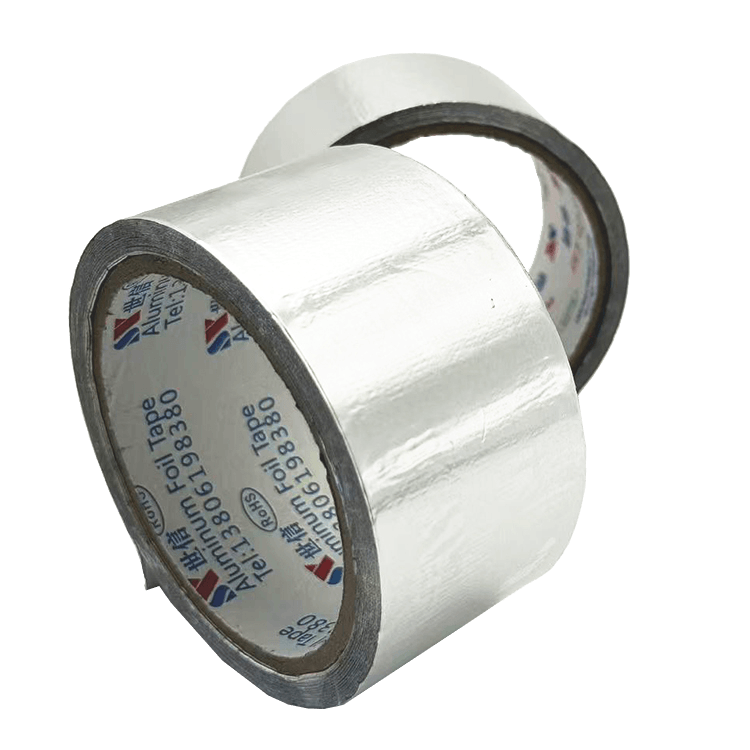 High-Temperature Aluminum Foil Tape with Acrylic AdhesiveFor projects requiring a specified temperature range, check the relevant Shixin grade and request its technical data. Do not assume that all lined or linerless versions share identical adhesive or temperature ratings.View Product →
Scale Signals Worth Verifying Before You Commit Volume
Before committing to volume, assess the manufacturer's production site, coating and slitting capabilities, quality-control process, material traceability and ability to maintain the approved specification across repeat orders.
Shixin's corporate materials describe an approximately 11,000-square-metre manufacturing site in Jiangsu and production capabilities covering coating, converting and slitting. Buyers should confirm current lead times, available materials and quotation terms for each customized order.
Shixin's company materials identify appliance-industry customers including Midea, TCL, Skyworth, KONKA, Vestel, Zoppas and KOREL. This reflects experience supplying adhesive tape to appliance-related applications, but each new buyer should still verify the proposed grade, relevant test data and any required supplier-qualification procedures.
Before agreeing to monthly volume, request the product catalogue and confirm available jumbo-roll widths, slit formats, cores, lead times and sampling arrangements. Non-standard constructions or formats should be assessed separately before inclusion in a production forecast.
FAQ: Working With ODM Aluminum Foil Tape Manufacturers
What does ODM mean for aluminum foil tape?
In ODM sourcing, the manufacturer may recommend a construction based on the application, while the buyer validates the sample and approves the agreed requirements. In OEM sourcing, the buyer generally provides a more complete specification. Exact responsibilities depend on the contract and project.
How many sample rounds should a custom foil tape project take?
There is no universal number. A straightforward change may need one validation round; a new construction or automated process may require additional sampling, line trials and repeatability checks.
Do I have to order a full jumbo roll to start?
Not necessarily, but the trial format and the production format should be agreed in the same conversation. A sample that runs perfectly by hand proves little if the volume supply arrives as a jumbo roll the buyer cannot slit. Ask which formats the plant supplies before the first shipment, not after.
Which certifications should an ODM aluminum foil tape manufacturer hold?
Ask for the documents that apply to the product, customer and destination market. These may include relevant RoHS and REACH evidence, ISO management-system certificates and reports from third-party laboratories such as SGS. Always verify their scope, validity and relationship to the supplied tape.
For a custom aluminum foil tape project, share the intended substrate, dimensions, roll format, temperature requirements and sample-test conditions with Shixin. The technical and sales teams can review feasible constructions and documentation for the specified application.

Our company has been engaged in the tape manufacturing industry for more than 20 years, and has been focusing on various types of aluminum foil tapes, foam tapes, refrigerator tapes, etc.
IsabelLina
Email:[email protected]
Mobile/Whatsapp: +86 190 3379 1110
Mars Gong
Email:[email protected]
Mobile/Whatsapp: +86 159 5136 0053
Address: West side of Yingbin Avenue and south side of hengwang packaging. Suqian Economic and Technological Development Zone,Jiangsu Province
Copyright © Jiangsu Shixin Adhesive Tape Product Co., Ltd. All Rights Reserved. Custom ODM Refrigerator Foil Adhesive Tapes Manufacturers