2026-09-30
What a Custom Heat-Seal Aluminum Foil Tape Contains
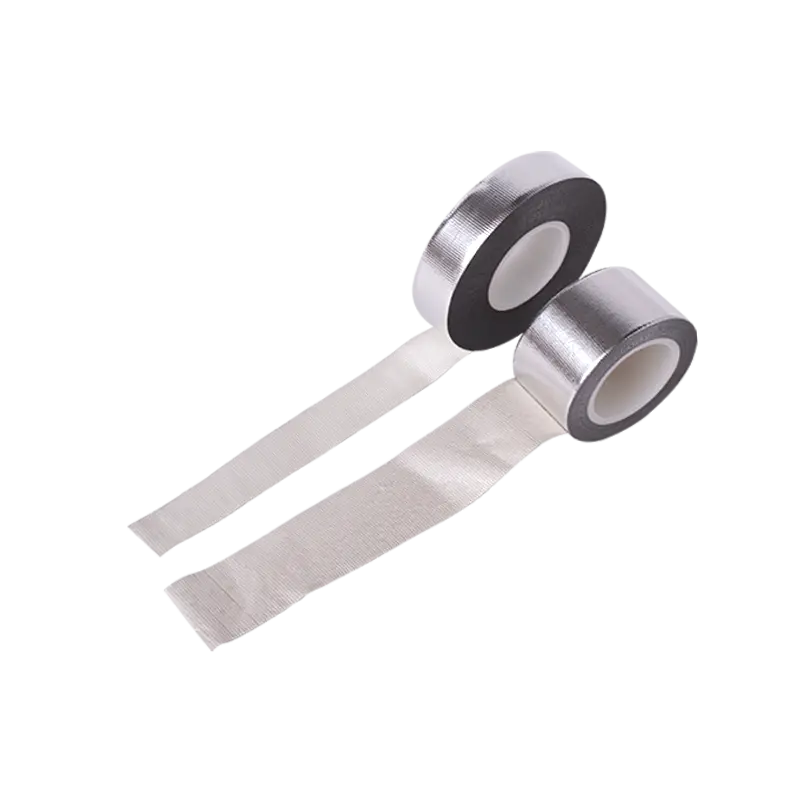
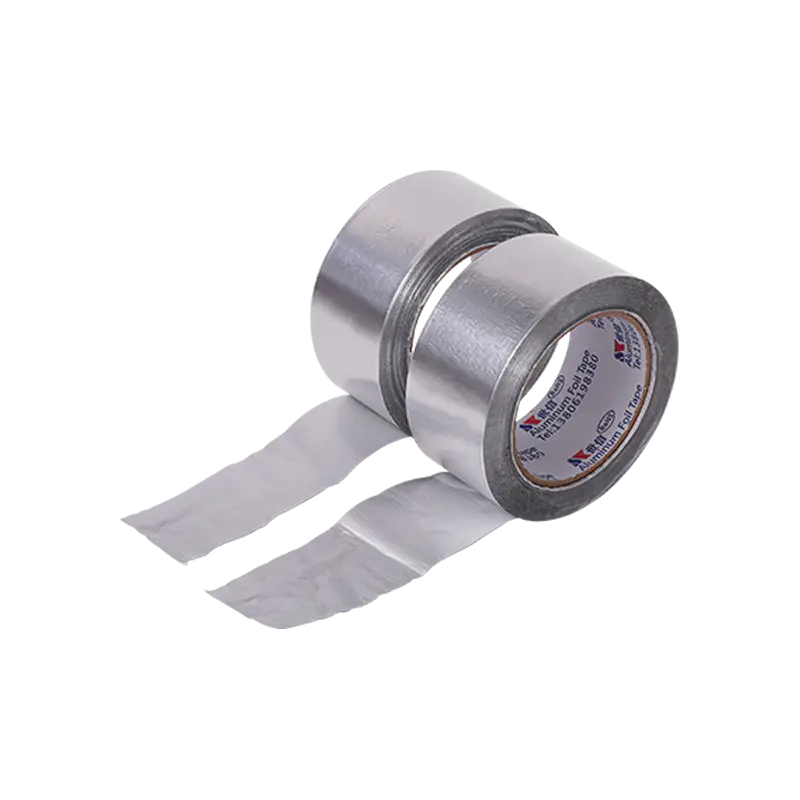
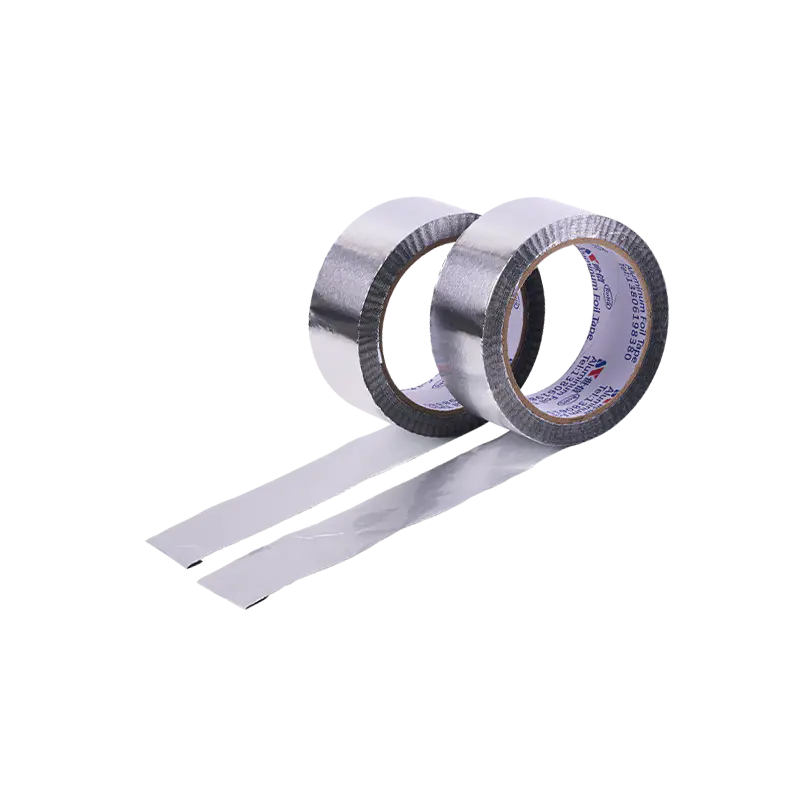
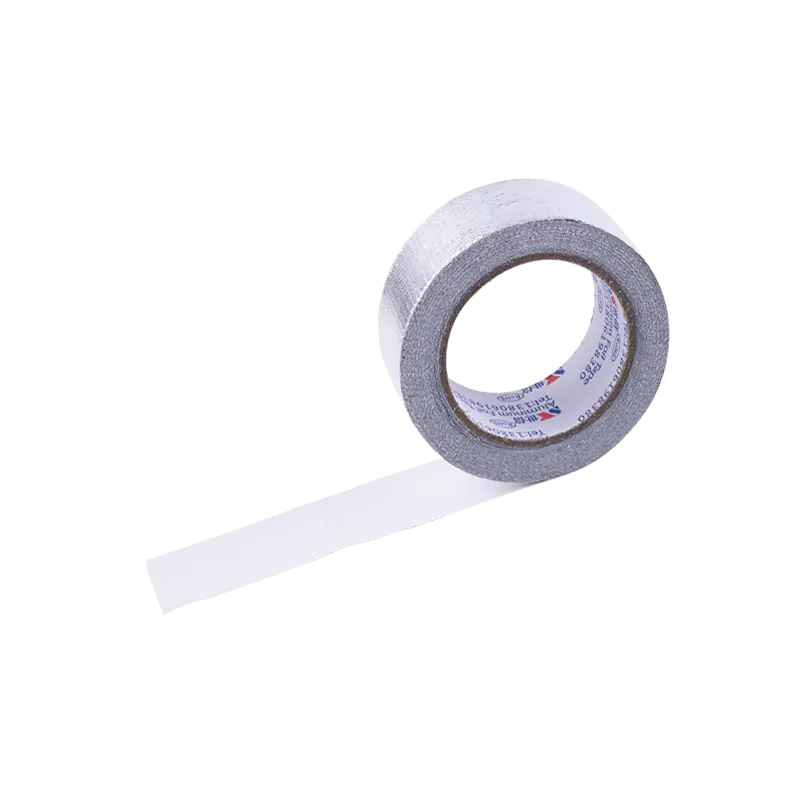
A custom heat-seal aluminum foil tape for heating-wire assembly is built around an aluminum foil carrier and a heat-activated bonding layer. Depending on the process, the structure may be linerless (foil + heat-seal adhesive) or linered, with a second pressure-sensitive adhesive and release paper or film for positioning on another surface. The heating wire or heater generates the heat; the foil tape fixes the wire, supports heat spreading, and helps keep the assembly stable during thermal cycling.
Three parts of the specification should be confirmed before an ODM sample is made:
For refrigerator, freezer, and other household-heating applications, the key question is not simply which tape has the highest temperature number. The more useful question is whether the selected construction can keep the heating wire bonded after the customer's actual activation and aging cycle.
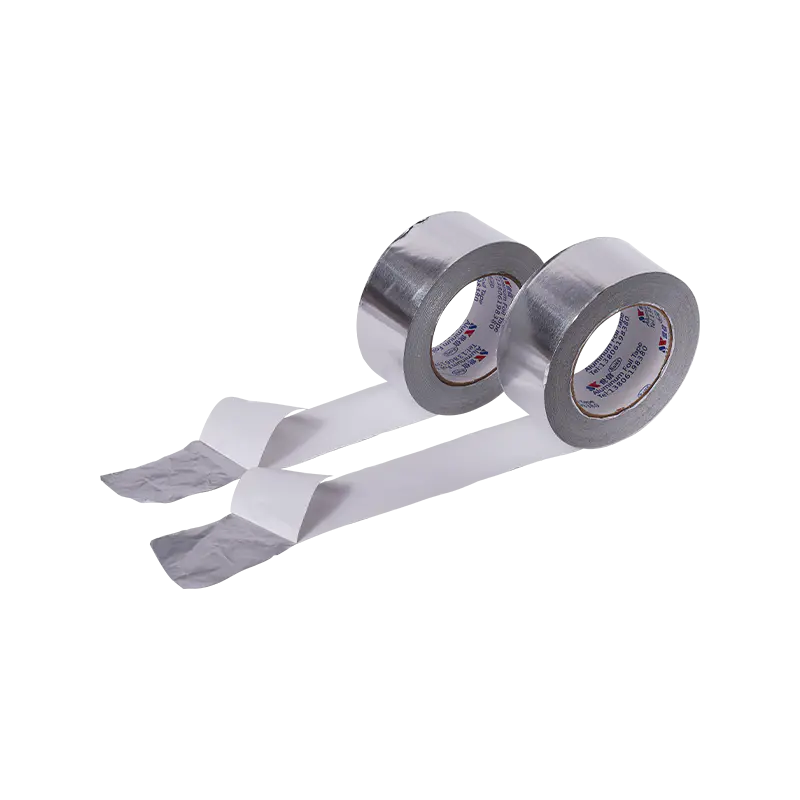
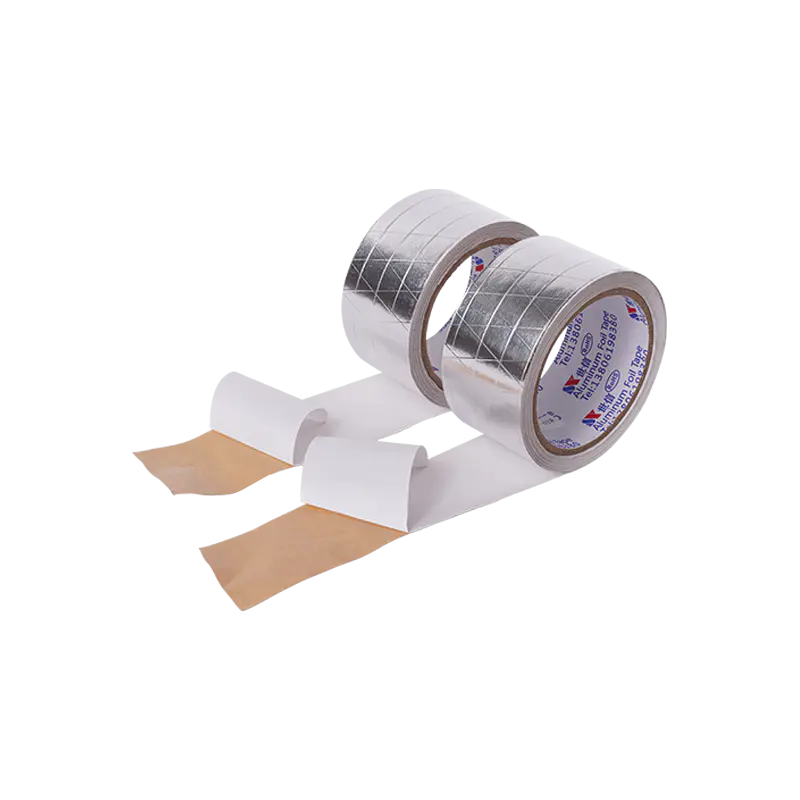
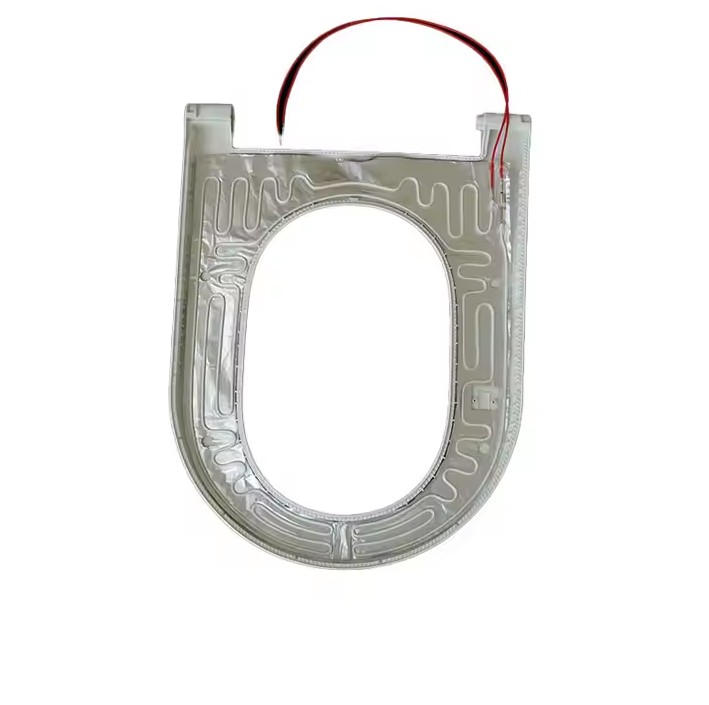 Heat-Seal Aluminum Foil Tape with Release LinerA linered construction can combine a heat-seal side with a pressure-sensitive second bonding side and release paper or film, supporting accurate positioning when an assembly needs two different bonding interfaces. Final adhesive chemistry and process conditions are confirmed by application.View Product →
In these assemblies, the foil tape is not a stand-alone electrical heater. Heat comes from the heating wire or heater element. The aluminum foil provides a broad contact surface, while the heat-seal adhesive fixes the wire to the foil or target component. This distinction matters when engineers set electrical insulation, temperature, and safety requirements.
How Heat-Seal Aluminum Foil Tape Works in Heating-Wire Assemblies
The tape performs two linked functions: fixation and heat distribution. During heat sealing, the heat-activated adhesive softens under a defined combination of temperature, pressure, and dwell time, then forms the bond as the assembly cools. Once bonded, the foil can help distribute heat over a wider area while keeping the heating wire in the intended position.
That mechanism is different from a resistive foil heater, where a patterned metal circuit is designed to generate heat when current passes through it. Shixin's heat-seal aluminum foil tape is a bonding and assembly material; it should not be specified as the electrical heating circuit itself.
Pressure-Sensitive Secondary Bonding
Some linered grades use a pressure-sensitive adhesive on the second side so the foil structure can be positioned or bonded to another component at room temperature. Shixin can use water-based acrylic, solvent-based acrylic, or rubber-based PSA depending on the grade and substrate. Actual adhesion should be checked on the customer's production material.
Heat-Seal Bonding
The heat-seal side is activated by the customer's defined process. For Shixin's linerless heat-seal aluminum foil tape, internal application data show that PVC heating wire remained bonded after 100°C for 100 hours, and the tape passed a 72-hour boiling-water resistance test. These results apply to the tested construction and process rather than every heat-seal grade.
Build Parameters You Must Specify for Custom Heat-Seal Foil Tape
A useful RFQ should define the bonding interfaces and qualification method, not only the tape width. The five fields below are the minimum starting point for an engineering recommendation.
|
Parameter |
What to confirm |
Why it matters |
|
Tape structure |
Linerless or linered |
Defines the bonding interfaces and handling method. |
|
Heating wire & substrate |
PVC heating wire; actual component material |
Confirms compatibility with the real assembly surfaces. |
|
Heat-seal process |
Temperature, pressure, dwell time |
Controls adhesive activation and bond formation. |
|
Qualification condition |
Thermal aging, humidity, boiling-water or customer-defined test |
Turns the customer's acceptance standard into a validation plan. |
|
Roll format |
Width, length, liner/release and unwind requirements |
Matches manual or automated production. |
For heating-wire fixing, gaps, wrinkles, and incomplete heat-seal contact can create local weak points. Sample qualification should therefore reproduce the actual wire, substrate, press conditions, and aging cycle used in production.
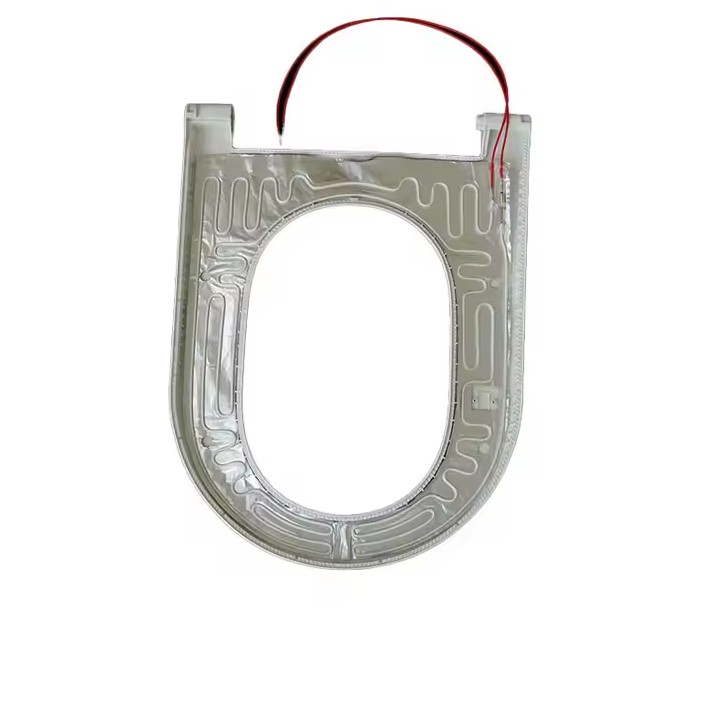
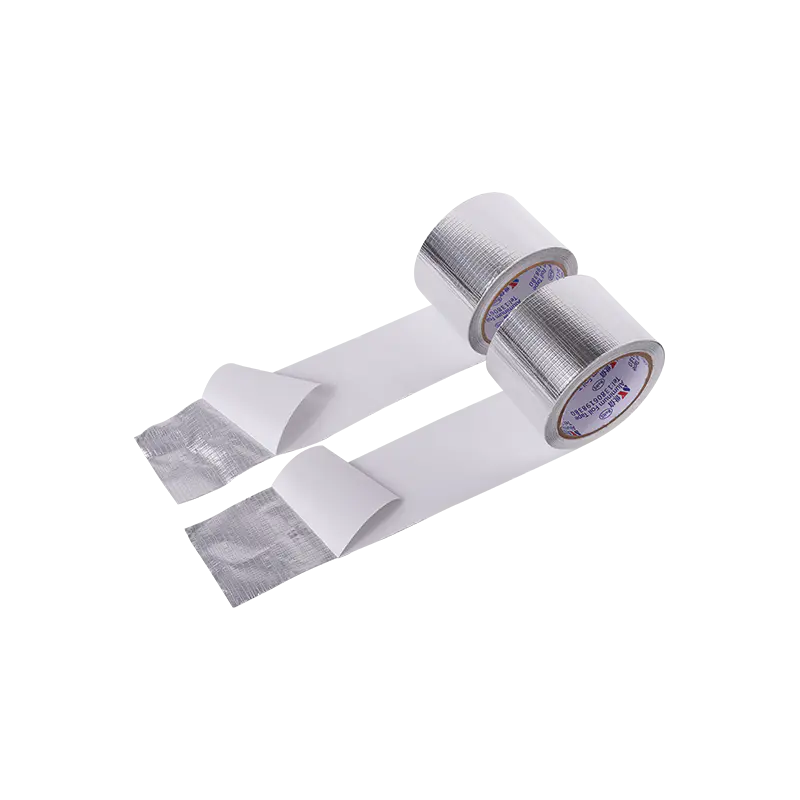
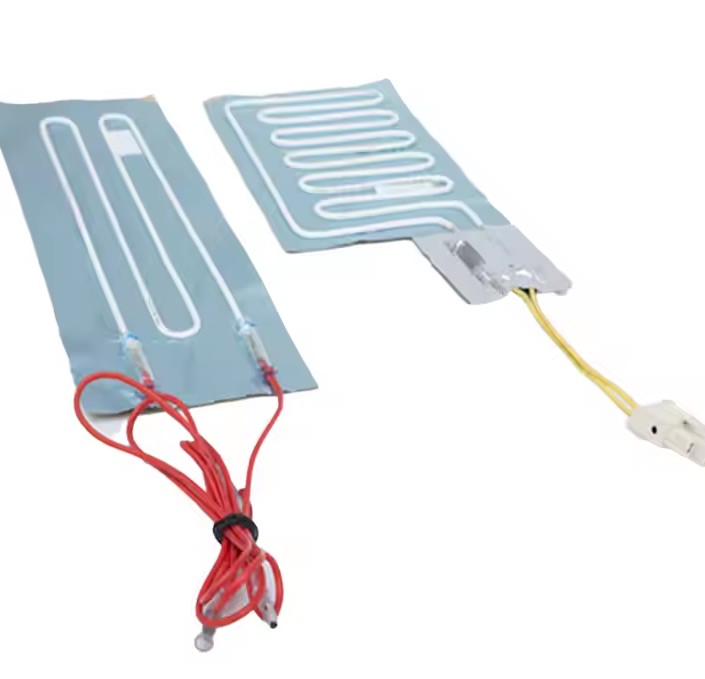 Heat-Seal Foil Tape for PVC Heating-Wire FixingDesigned for assemblies where PVC heating wire must remain fixed to aluminum foil or another component through a controlled heat-seal process. Typical applications include refrigerator/freezer heating components, toilet-seat heaters, and other household-heating products. Final process settings should be validated on the customer's assembly.View Product →
Temperature and Bonding Validation for Heat-Seal Foil Tape
The maximum working condition cannot be read from the aluminum foil alone, and it should not be assigned only from an adhesive family name. Bonding performance depends on the complete tape structure, the wire and substrate, the heat-seal process, and the required aging environment.
A practical example comes from a refrigerator project that began in 2023. The customer required the heat-fusion layer used with PVC heating wire to withstand 100°C for 96 hours. Jiangsu Shixin Adhesive Tape Product Co., Ltd. (Shixin Tape) worked with an adhesive partner to develop a heat-seal solution for that requirement. Current Shixin product data also record 100°C × 100 h bond retention for PVC heating wire and 72 h boiling-water resistance on the tested linerless construction. These conditions are useful qualification references, but the buyer should still validate the final assembly.
From Application Requirement to Finished Roll: The Custom Tape Process
A custom heat-seal tape project is easier to control when the engineering requirement is translated into a repeatable sample and production specification.
Compliance and Supply Assurance from a Foil Tape Manufacturer
ISO 9001 and ISO 14001 describe Shixin Tape's management systems, while RoHS, REACH, and SGS documentation applies to specific materials, grades, or test scopes. Buyers should request the document set that matches their market and application instead of treating every certificate as interchangeable.
Founded in 2005, Shixin Tape supports OEM/ODM industrial-tape projects. For heat-seal aluminum foil tape, Shixin can adjust structure, adhesive combination, and converting format around a defined customer process, then supply samples for validation.
For heating-wire assemblies, there is no single best structure. Use linerless tape when only a heat-activated interface is needed; use a linered structure when a second pressure-sensitive bonding surface or controlled release is required.
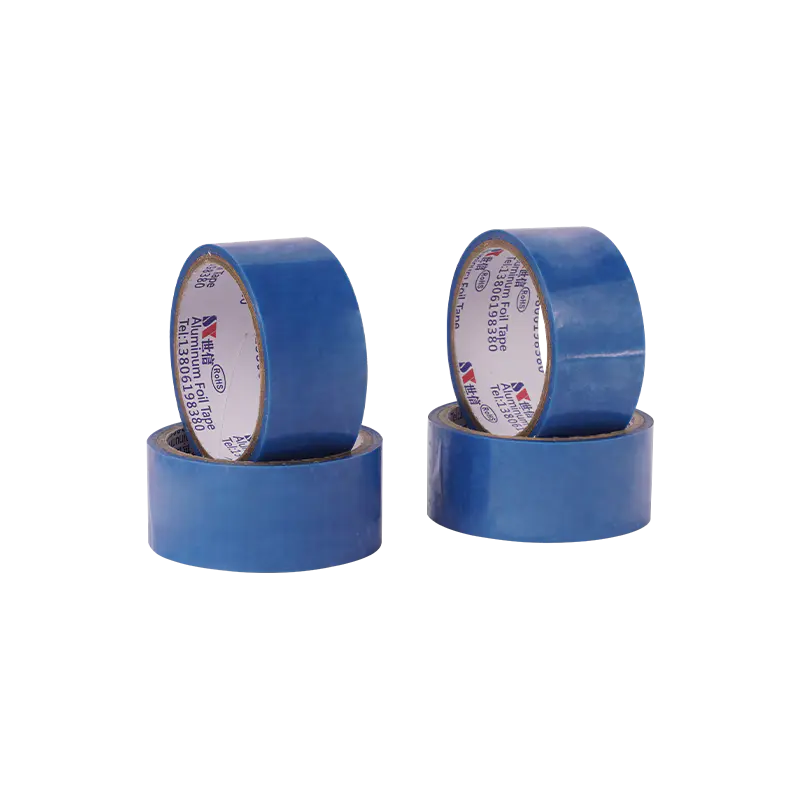
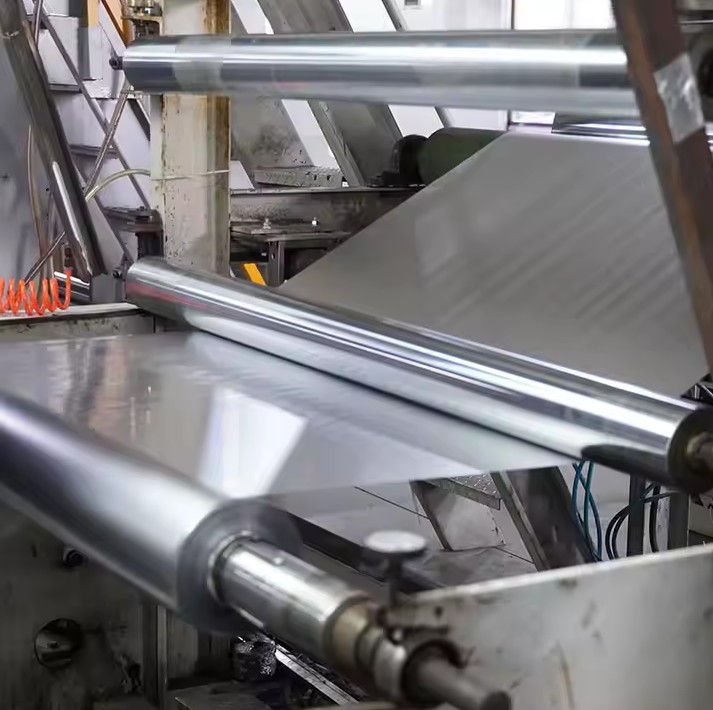 Heat-Seal Aluminum Foil Tape for Refrigerator and Household Heating AssembliesShixin supplies linerless and linered heat-seal foil tape for PVC heating-wire fixing in refrigerator/freezer, toilet-seat, and related household-heating assemblies. Structure selection follows the substrate, qualification condition, and production method.View Product →
Frequently Asked Questions
What temperature should be used to specify a custom heat-seal aluminum foil tape?
Use the customer's qualification condition, not a generic adhesive ceiling. Shixin has data for 100°C × 100 h PVC-wire bond retention and 72 h boiling-water resistance; one refrigerator project required 100°C × 96 h. Final validation must use the actual assembly.
Can custom widths and roll formats be produced for production lines?
Yes. Width, length, and roll format can be customized for manual or automated assembly. Feasible dimensions depend on the selected structure and equipment.
What is the difference between pressure-sensitive and heat-seal bonding in these assemblies?
A pressure-sensitive adhesive bonds at room temperature under pressure; a heat-seal adhesive requires controlled heat and pressure. Some linered Shixin constructions combine both interfaces.
Does Shixin provide samples for custom heat-seal aluminum foil tape?
Yes. Shixin can prepare trial samples before mass production. Provide the heating-wire material, substrate, tape size, sealing conditions, and required aging or moisture test.

Our company has been engaged in the tape manufacturing industry for more than 20 years, and has been focusing on various types of aluminum foil tapes, foam tapes, refrigerator tapes, etc.
IsabelLina
Email:[email protected]
Mobile/Whatsapp: +86 190 3379 1110
Mars Gong
Email:[email protected]
Mobile/Whatsapp: +86 159 5136 0053
Address: West side of Yingbin Avenue and south side of hengwang packaging. Suqian Economic and Technological Development Zone,Jiangsu Province
Copyright © Jiangsu Shixin Adhesive Tape Product Co., Ltd. All Rights Reserved. Custom ODM Refrigerator Foil Adhesive Tapes Manufacturers