2026-09-30
Jiangsu Shixin Adhesive Tape Product Co., Ltd. (Shixin Tape), founded in 2005, manufactures industrial adhesive tapes for appliance, automotive, and other OEM applications. This guide focuses on SXGAL-90G, a high-temperature fiberglass aluminum foil tape used where automotive wire harnesses or nearby components need a heat-reflective, reinforced protective layer. It is not intended to replace every conventional harness-wrapping tape.
What High-Temperature Wire Harness Heat-Shielding Tape Must Withstand
In high-heat routing zones, tape must remain stable under thermal exposure, vibration, abrasion, and contact with moisture or automotive fluids. Failure can cause a heat-shielding layer to lift, shift, or expose the harness, even if the underlying cable bundle remains electrically intact.
Vehicle harness conditions vary by routing. A material used for general cabin bundling may not be appropriate beside engine components, exhaust-adjacent areas, or other hot surfaces. In these locations, the selection question changes from 'what wraps the bundle?' to 'what structure can reflect heat, resist tearing, and remain bonded under the project's actual temperature cycle?'
Four exposures should be checked:
For this application, aluminum foil and fiberglass cloth work as a composite: the foil provides a reflective surface, the fiberglass reinforces the structure, and the adhesive keeps the material in position. None of these layers should be evaluated in isolation.
General Harness Wrapping vs. Fiberglass Aluminum Foil Heat Shielding
Conventional harness-wrapping tapes are primarily selected for bundling, abrasion control, handling, and sometimes noise management. Fiberglass aluminum foil tape is selected when the harness or component also needs a reinforced, heat-reflective surface near a thermal source.
General wrapping tapes may use cloth or film backings and are chosen for conformability, unwind behavior, and compatibility with manual or automatic wrapping. They can be the correct choice for routine routing where high radiant heat is not the dominant risk.
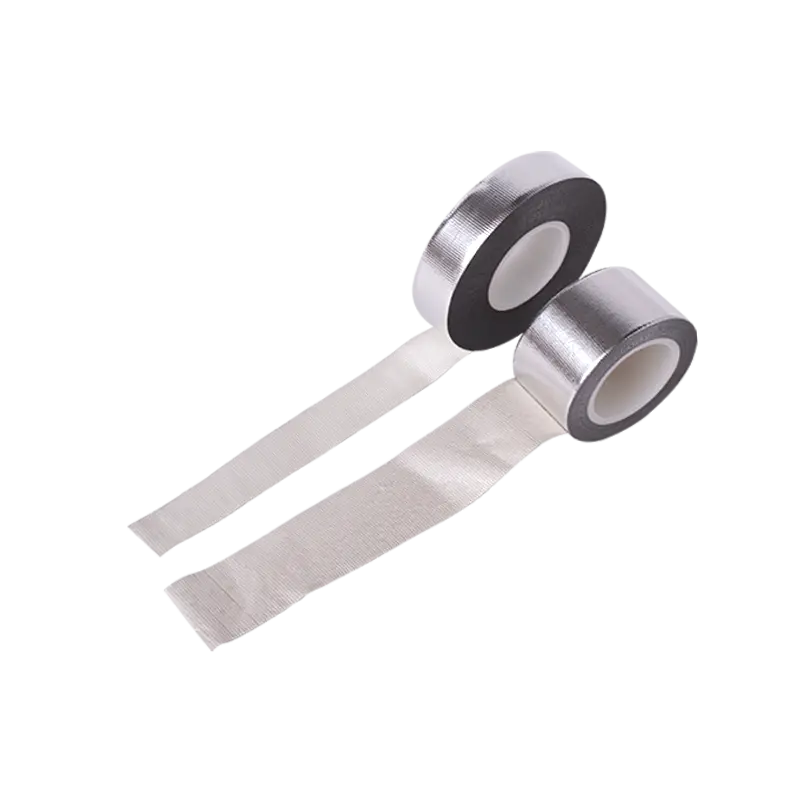
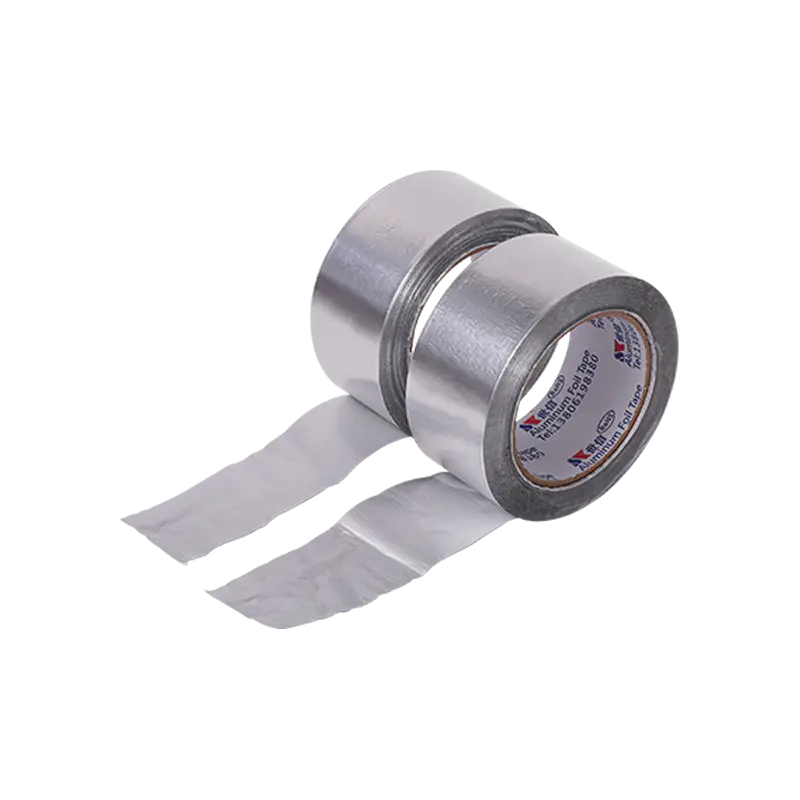
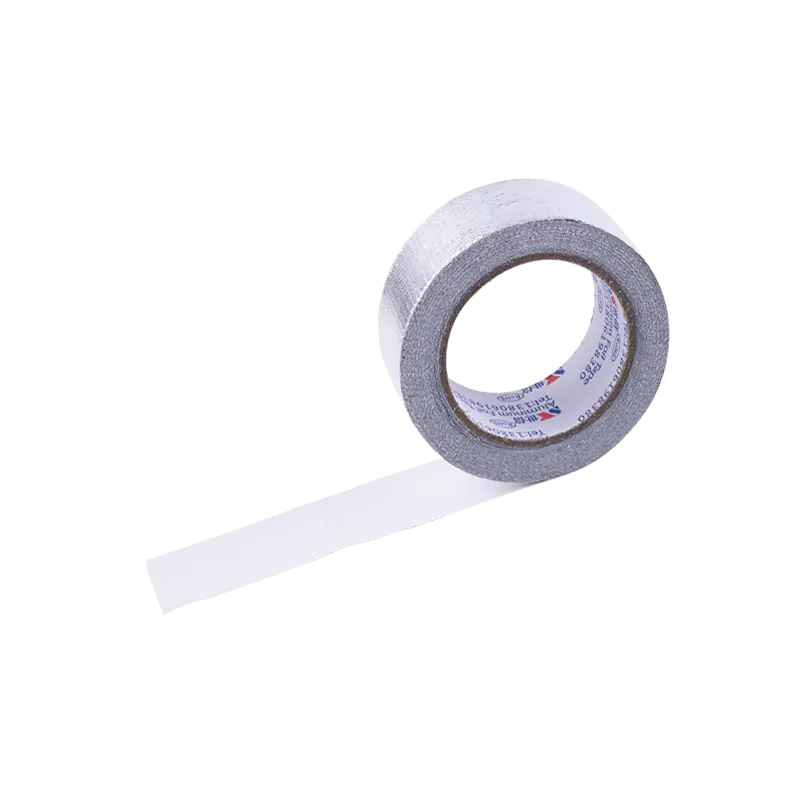
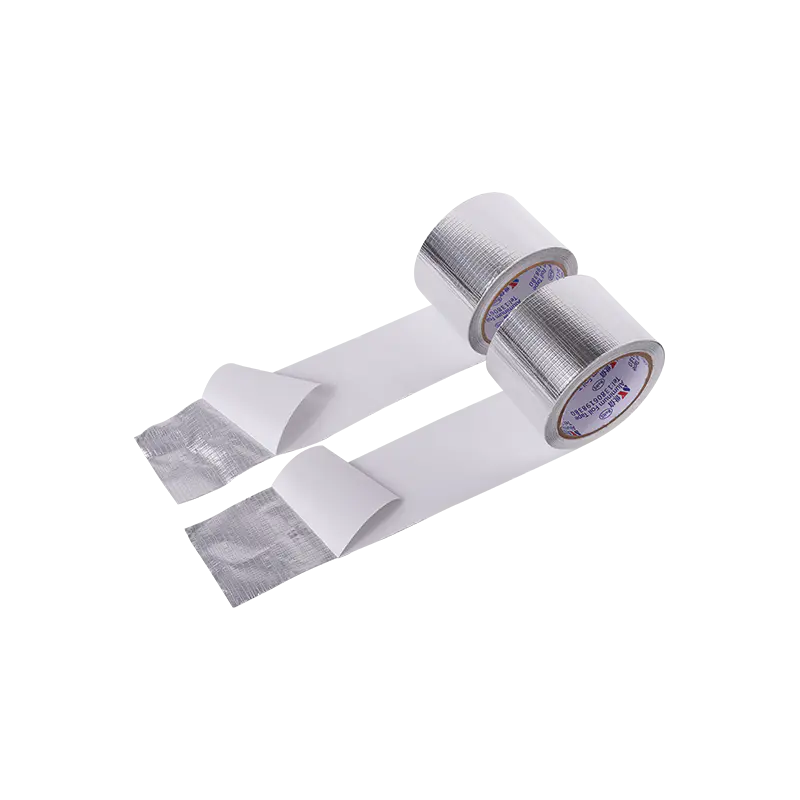
Shixin SXGAL-90G uses an aluminum foil + fiberglass cloth + silicone adhesive construction. The foil helps reflect radiant heat, the fiberglass layer improves mechanical reinforcement, and the silicone adhesive is used for the high-temperature application. Shixin's current product data list up to 260°C instantaneous heat resistance; this is not a continuous operating rating and must not be used as one.
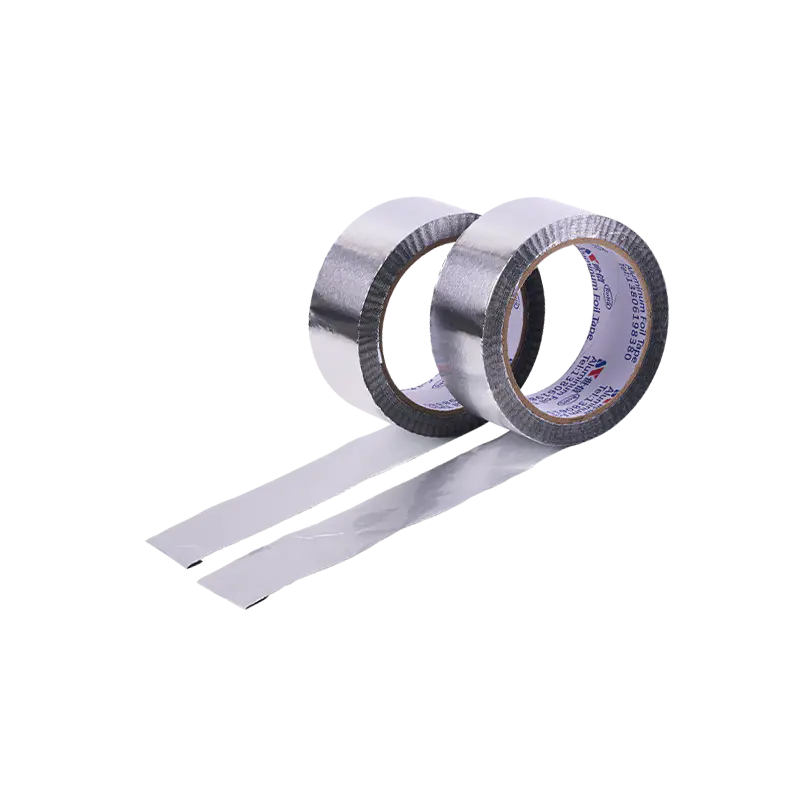
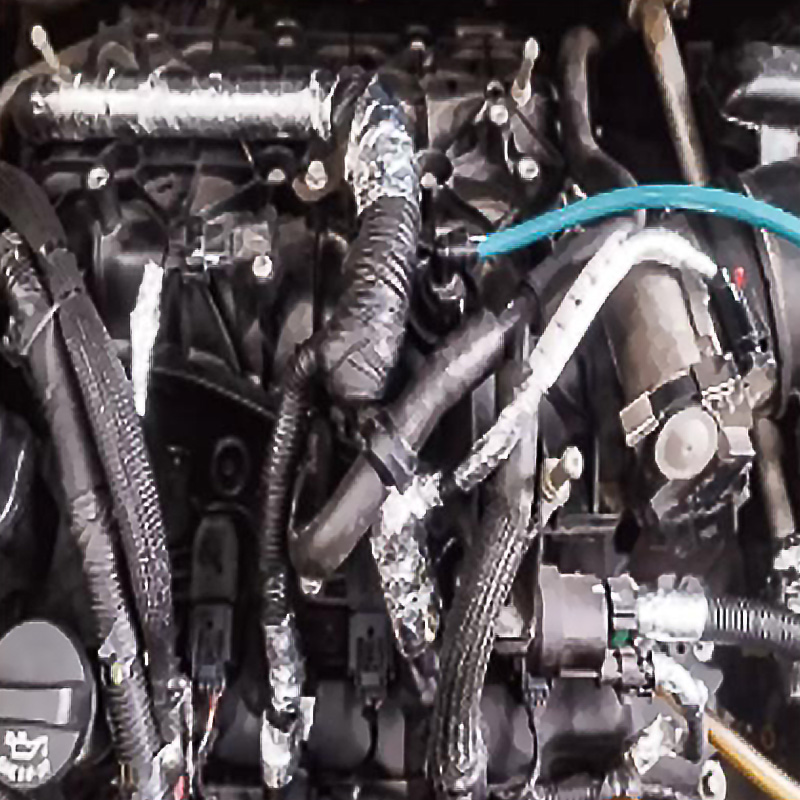 SXGAL-90G High-Temperature Fiberglass Aluminum Foil TapeA linerless, single-sided composite of aluminum foil, fiberglass cloth, and silicone adhesive for automotive wire-harness and engine-area heat protection. Current Shixin product data list 260°C instantaneous heat resistance. Confirm the approved datasheet and project-specific aging conditions before qualification.View Product →
|
Parameter |
Conventional harness wrapping tape |
High-temperature fiberglass aluminum foil tape |
|
Primary function |
Bundling, abrasion control, handling |
Heat reflection and reinforced protection |
|
Typical backing |
Cloth or film, depending on grade |
Aluminum foil laminated with fiberglass cloth |
|
Radiant heat reflection |
Limited unless a reflective layer is added |
High from the aluminum foil surface |
|
Conformability |
Often prioritized for tight routing |
Balanced against the stiffness of the reinforced composite |
|
Typical use zone |
General harness routing |
Engine bay and other heat-adjacent zones |
Composite Structure and Adhesive Set the Thermal Performance
A 260°C instantaneous rating does not mean the complete tape can operate continuously at 260°C. Thermal performance depends on the foil/fiberglass composite, adhesive, dwell time at temperature, substrate, and the failure criterion used in the test.
SXGAL-90G uses silicone adhesive for its high-temperature application. Rather than assigning a universal temperature ceiling to every acrylic, rubber, or silicone adhesive, buyers should compare the approved grade datasheet with the OEM's actual aging method. This prevents a momentary heat-resistance number from being mistaken for a continuous-service limit.
If the program also requires flame performance, electrical insulation, or EMI shielding, list those as separate qualification items. Aluminum foil may contribute to heat reflection, but a foil surface alone does not prove UL, EMC, or electrical-insulation performance.
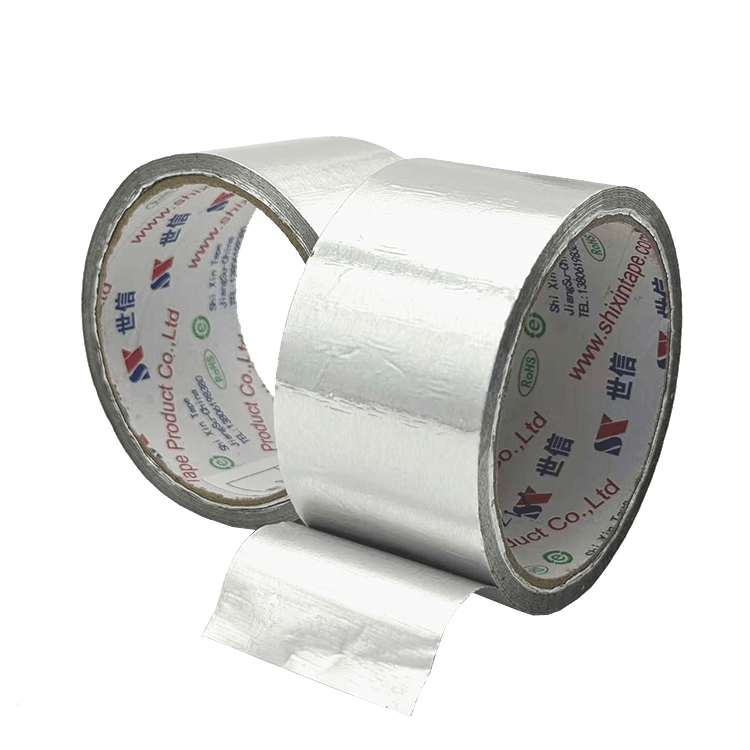 High-Temperature Fiberglass Aluminum Foil Tape for Heat ShieldingFor projects requiring a reinforced reflective barrier, specify the tape structure, adhesive, instantaneous or aging temperature requirement, and the actual harness zone. Any flame, EMI, or electrical-insulation requirement should be supported by the relevant grade-specific test report.View Product →
The values used in qualification should come from the current grade datasheet and agreed test method. Industry reference ranges are useful for screening, but they should not replace product-specific data or an OEM validation test.
Spec-Sheet Parameters That Matter in Qualification
For SXGAL-90G and similar heat-shielding tapes, the most useful parameters are construction and total thickness, peel adhesion, instantaneous versus aged heat resistance, width and roll format, and any project-specific environmental test requirements.
Shixin's current SXGAL-90G product information lists a 170 μm construction, 4 N/cm peel adhesion, and up to 260°C instantaneous heat resistance. Because temperature data can be reported under different test durations and methods, the approved datasheet should state the exact aging condition used for qualification.
These parameters interact. A thicker reinforced composite can improve handling and tear resistance but may reduce conformability around small radii. Adhesion should be checked on the actual cable jacket, metal shield, or other contact surface. For automatic use, clean slitting, unwind behavior, roll dimensions, and splice control become production parameters as well as material parameters.
Buyer's Checklist for Automotive Fiberglass Aluminum Foil Tape
Before placing a volume order, verify the exact grade, obtain the current datasheet and relevant reports, test the tape on the real harness zone, and confirm roll format or converted-part requirements for the production process.
For volume programs, also confirm MOQ, lead time, batch consistency, and pre-shipment sample requirements. Keep this page focused on high-temperature heat shielding, while a separate general wire-harness tape guide can cover routine bundling and wrapping materials.
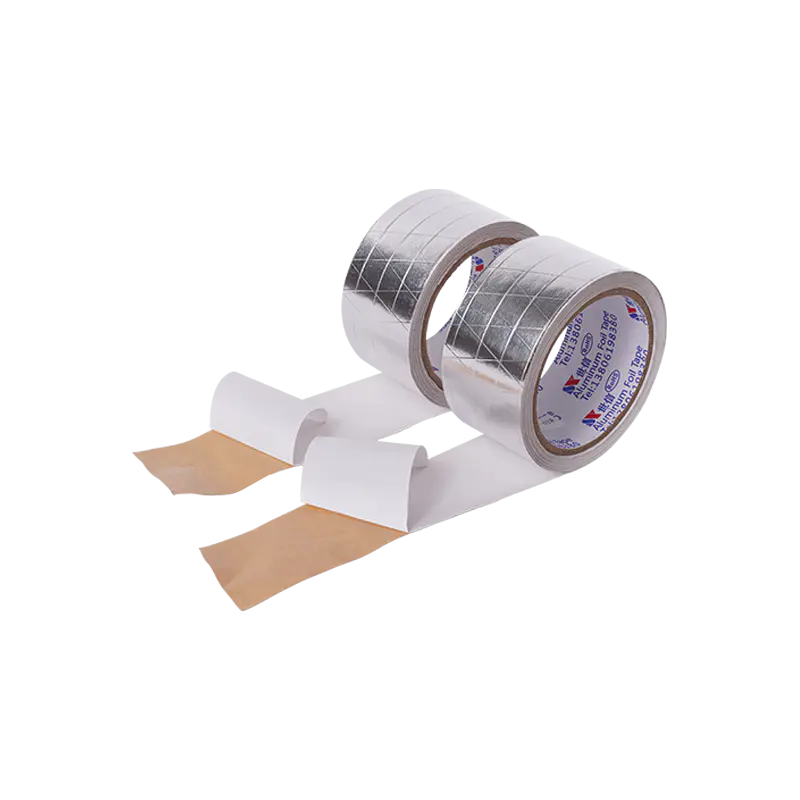
For die-cut shields or protective pads that require exposed-adhesive handling control, a linered high-temperature aluminum foil tape may be useful. The adhesive chemistry and temperature performance should be confirmed for that separate grade rather than borrowed from SXGAL-90G.
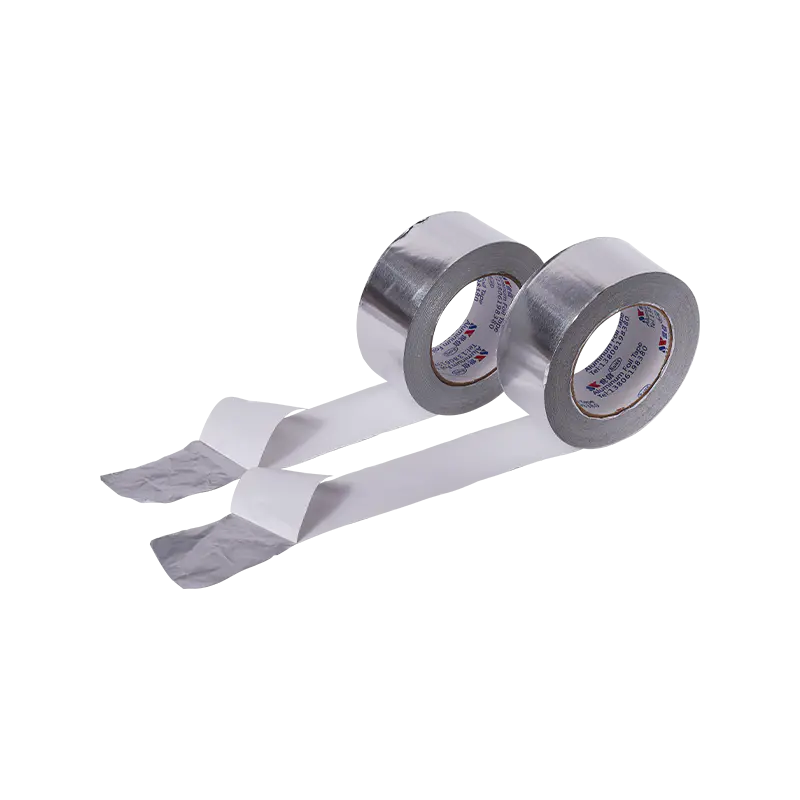
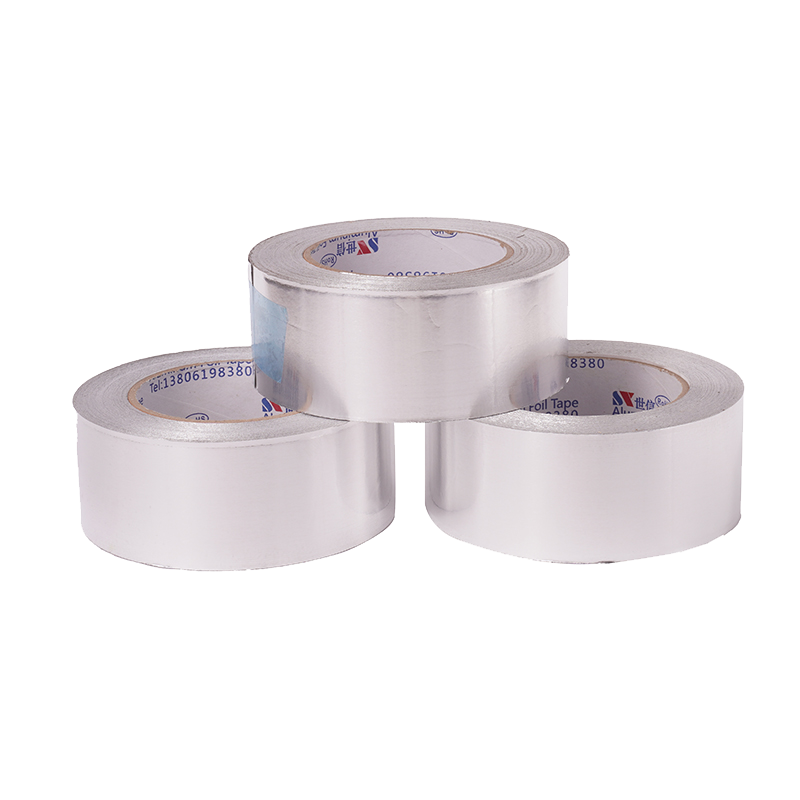 High-Temperature Aluminum Foil Tape with Release LinerA linered construction can support die-cut heat shields and protective pads where precise positioning is required. Select the adhesive and temperature grade for the actual substrate; do not assume the SXGAL-90G rating applies to a different linered product.View Product →
Frequently Asked Questions
What temperature can SXGAL-90G automotive fiberglass aluminum foil tape withstand?
Shixin's current product information lists up to 260°C instantaneous heat resistance. Instantaneous and continuous ratings are not the same. Use the approved datasheet and the OEM or customer aging condition to determine the qualified service window.
Is fiberglass aluminum foil tape the same as a general wire-harness wrapping tape?
No. General wrapping tape is mainly used for bundling, abrasion control, and handling. Fiberglass aluminum foil tape adds a heat-reflective, reinforced composite and is better treated as a heat-shielding or protective material for heat-adjacent zones.
Can it be used on automatic wrapping machines?
Possibly, but machine fit depends on width tolerance, unwind behavior, roll format, splice limits, and the stiffness of the composite. A production-format sample should be tested on the actual equipment before approval.
How can I verify a supplier's temperature claim before ordering?
Ask for the exact grade datasheet, test method, duration, and failure criterion behind the temperature value. Then reproduce the OEM or customer aging condition on the real harness or shield assembly and inspect adhesion, delamination, and coverage after aging.

Our company has been engaged in the tape manufacturing industry for more than 20 years, and has been focusing on various types of aluminum foil tapes, foam tapes, refrigerator tapes, etc.
IsabelLina
Email:[email protected]
Mobile/Whatsapp: +86 190 3379 1110
Mars Gong
Email:[email protected]
Mobile/Whatsapp: +86 159 5136 0053
Address: West side of Yingbin Avenue and south side of hengwang packaging. Suqian Economic and Technological Development Zone,Jiangsu Province
Copyright © Jiangsu Shixin Adhesive Tape Product Co., Ltd. All Rights Reserved. Custom ODM Refrigerator Foil Adhesive Tapes Manufacturers