2026-10-23
Content
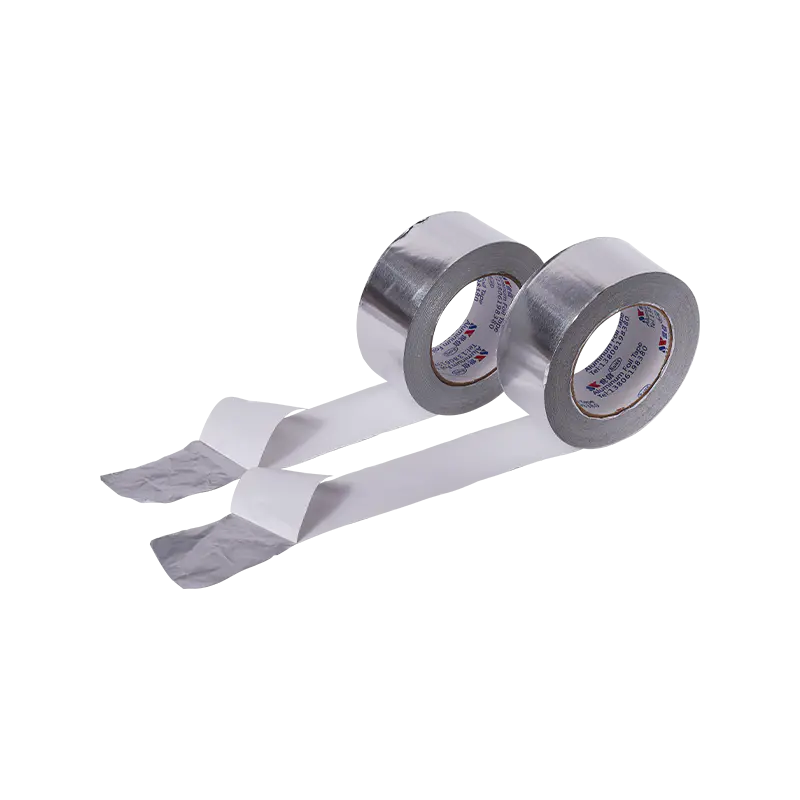
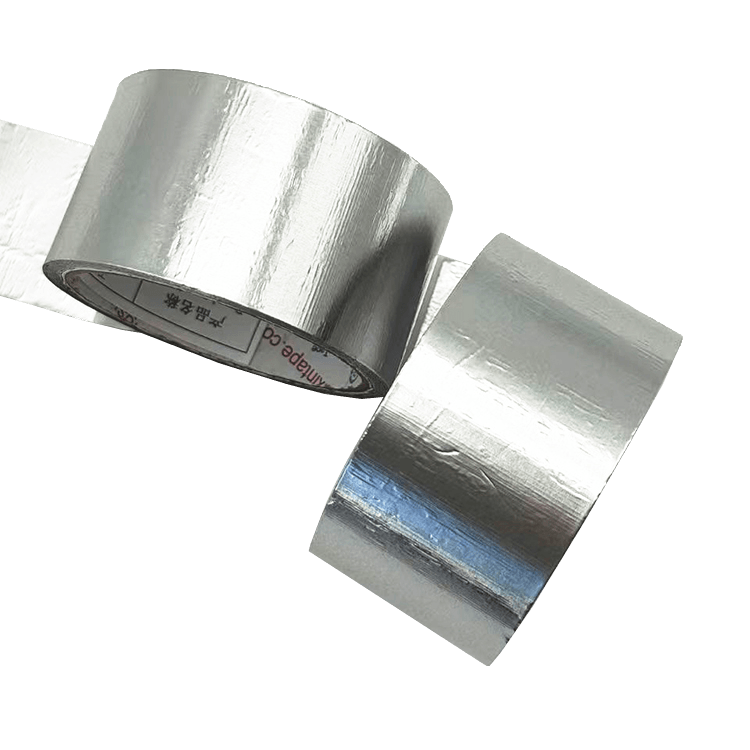
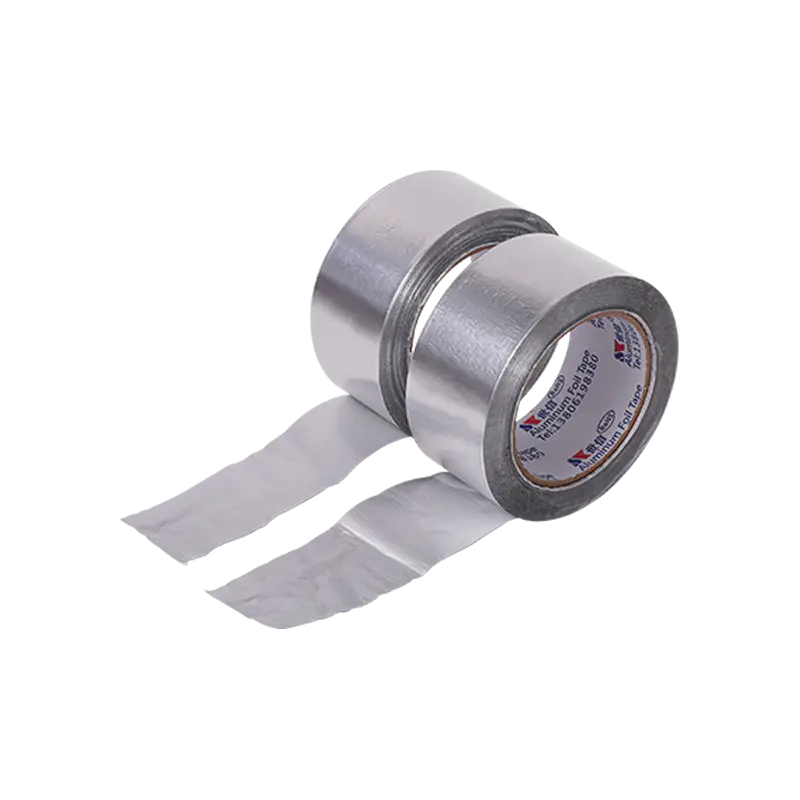
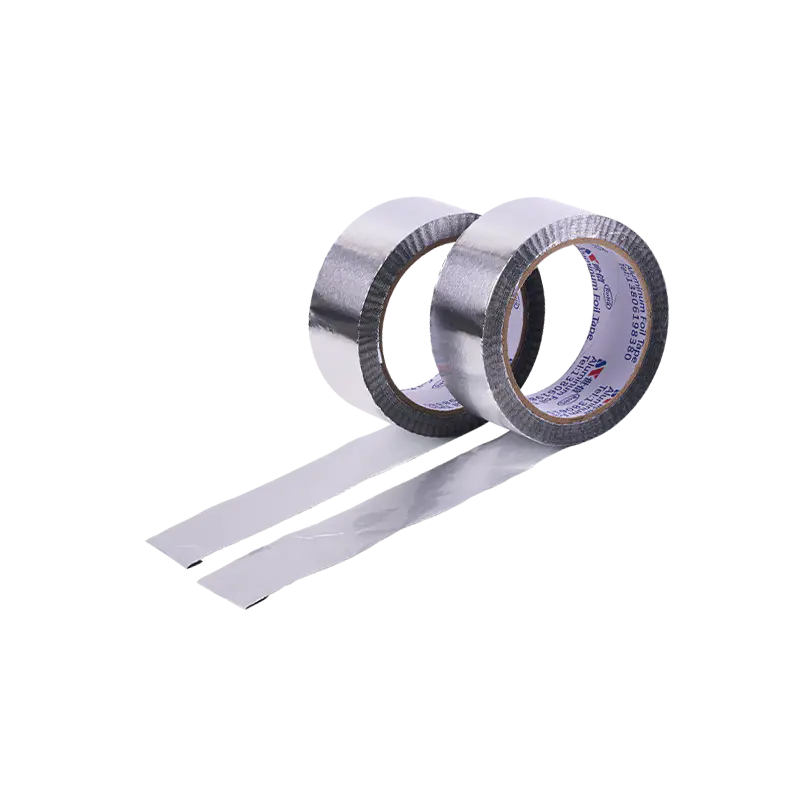
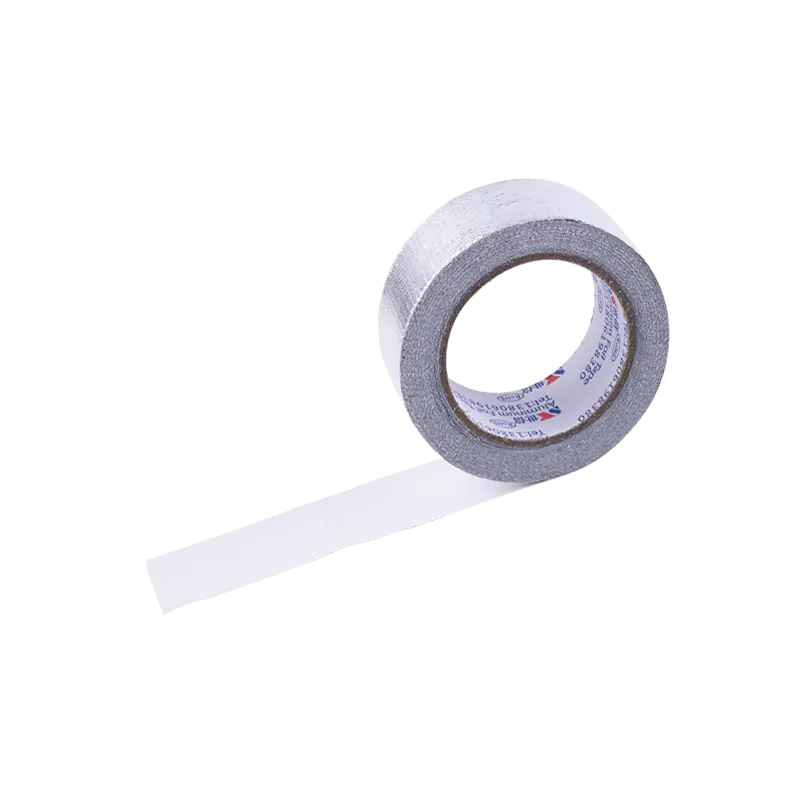
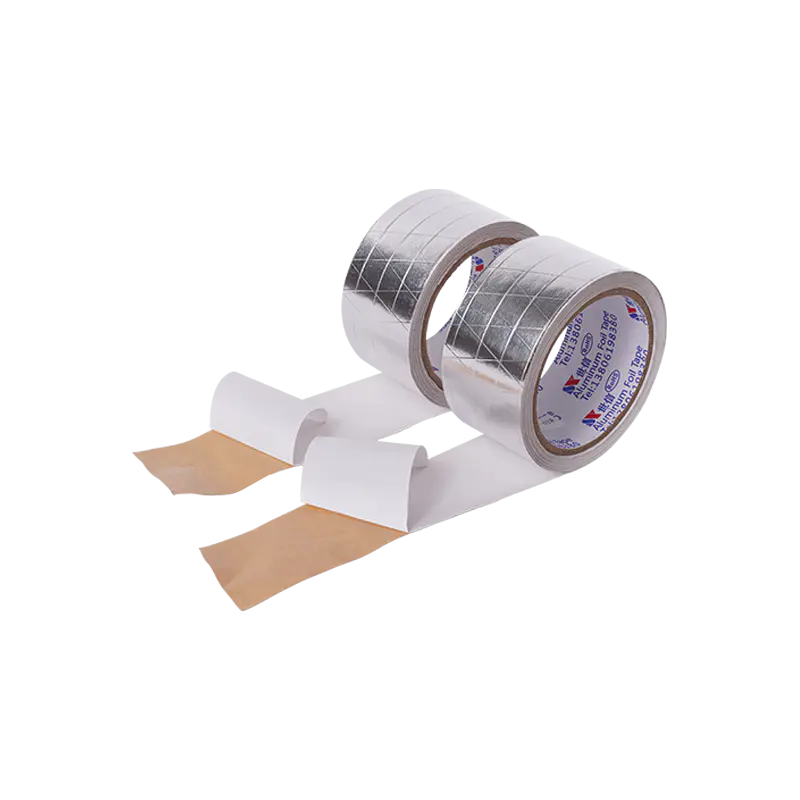
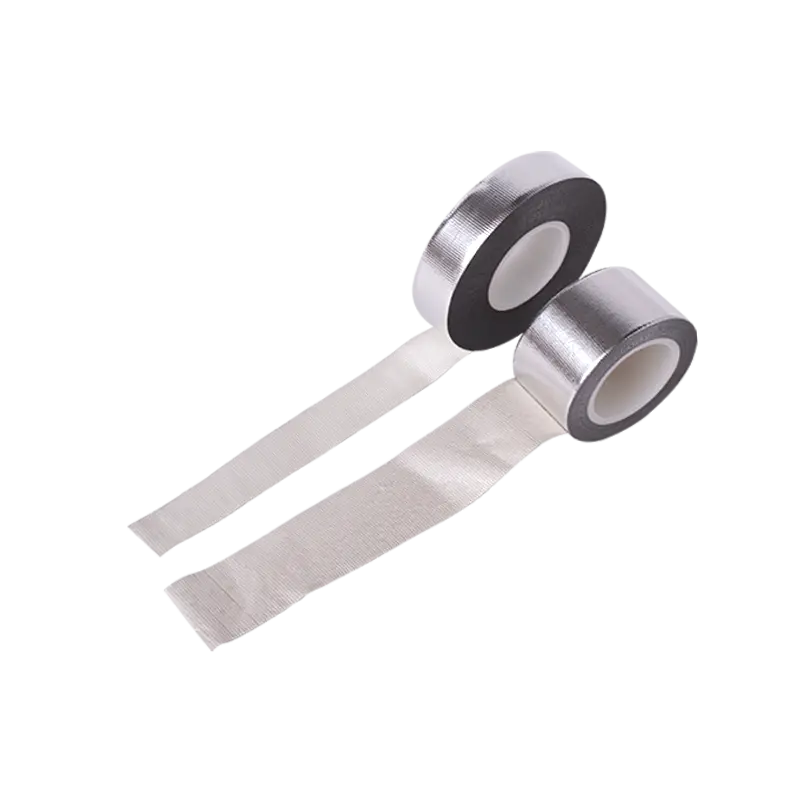
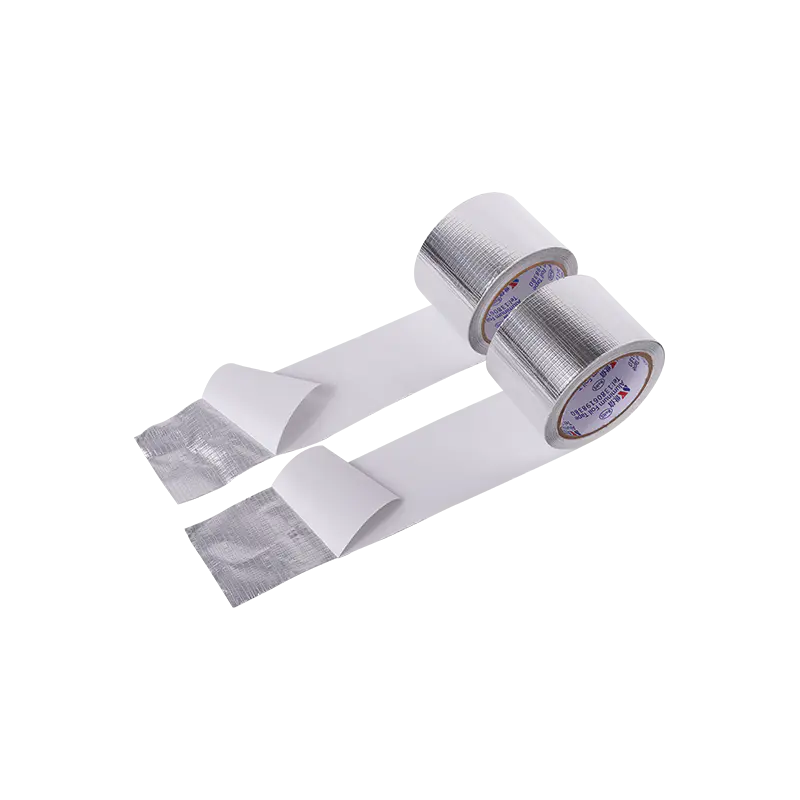
Refrigerator foil tape is a high-performance sealing solution designed for insulation joints, panel seams, and HVAC ducts in refrigeration systems. Its main function is to maintain thermal efficiency, prevent heat leakage, and provide strong adhesion over the service life of the appliance or industrial installation.
Thermal efficiency and adhesion performance are critical for energy conservation, operational reliability, and long-term durability.
|
Parameter |
Typical Range |
Impact on Performance |
|
Aluminum Foil Thickness |
15–50 μm |
Thicker foils improve thermal reflection and mechanical strength; thinner foils enhance flexibility for curved surfaces |
|
Thermal Conductivity of Foil |
≈235 W/m·K |
High conductivity distributes heat evenly, supporting energy efficiency and preventing localized thermal stress |
|
Reflectivity |
≥85% |
Higher reflectivity reduces heat transfer into the insulated area, improving refrigeration efficiency |
|
Temperature Resistance |
-40°C to 150°C |
Maintains adhesion and foil integrity under extreme cold or heat cycles |
|
Parameter |
Typical Range |
Impact on Performance |
|
Peel Strength (180°) |
2–5 N/cm |
Indicates bond reliability on metal and insulated surfaces |
|
Peel Strength (90°) |
1.8–4 N/cm |
Assesses adhesion on low-energy or flexible substrates |
|
Shear Strength |
≥1.5 hours at 25°C load test |
Demonstrates long-term resistance to sliding under sustained stress |
|
Elongation at Break |
2–8% |
Ensures tape flexibility during installation without tearing |
Producers of refrigerator foil tape ensure thermal efficiency and adhesion performance through careful selection of foil thickness, material properties, and adhesive formulation. Optimized manufacturing processes, surface treatments, and compatibility with substrates allow the tape to provide long-lasting sealing, energy efficiency, and mechanical reliability in refrigeration systems.
The aluminum foil forms the structural backbone of refrigerator foil tape. Its quality directly affects thermal performance, mechanical strength, corrosion resistance, and flexibility during installation.
|
Property |
Typical Range / Value |
Impact on Performance |
|
Thickness |
15–50 μm |
Thicker foils improve thermal reflection and mechanical strength; thinner foils increase flexibility for corners and curved surfaces |
|
Purity |
≥99% Aluminum |
Higher purity reduces oxidation, ensures consistent thermal conductivity and reflective performance |
|
Surface Treatment |
Untreated or anodized |
Anodized surfaces enhance corrosion resistance; untreated surfaces allow better adhesive bonding but may oxidize over time |
|
Thermal Conductivity |
≈235 W/m·K |
Efficient heat distribution supports energy efficiency and reduces local thermal stress |
Adhesives provide the bond between the aluminum foil and the substrate, affecting peel strength, shear resistance, and performance under temperature cycles.
|
Type |
Characteristics |
Typical Applications |
|
Acrylic |
High temperature resistance, UV stability, moderate peel strength |
Permanent sealing in refrigeration units, long-term durability |
|
Rubber-Based |
High initial tack, flexible at low temperatures, moderate heat resistance |
Temporary seals, low-energy surfaces, flexible panels |
|
Silicone |
Wide temperature range (-60°C to 250°C), chemical and UV resistance |
Extreme temperature applications, industrial refrigeration, HVAC ducts |
Release liners protect the adhesive during storage and handling, while backing materials support precise application and tape dimensional stability.
The choice of raw materials—aluminum foil, adhesives, and release liners—plays a decisive role in refrigerator foil tape performance. Careful selection and engineering ensure optimal thermal efficiency, adhesion reliability, and long-term durability in both industrial and domestic refrigeration applications.
Manufacturing refrigerator foil tape requires precise control over materials, lamination processes, adhesive coating, and finishing steps. Proper process engineering ensures consistent tape thickness, adhesion performance, thermal efficiency, and long-term durability.
Lamination combines aluminum foil with adhesive to create a uniform, high-performance tape. Two main techniques are used:
|
Process |
Description |
Typical Parameters |
Performance Impact |
|
Cold Lamination |
Pressure applied at room temperature to bond foil and adhesive |
Pressure: 2–5 MPa |
Minimizes thermal stress, suitable for heat-sensitive adhesives, provides precise adhesive thickness |
|
Hot Lamination |
Heat and pressure applied to activate adhesive bonding |
Temperature: 60–120°C |
Stronger bond, better uniformity for viscous adhesives, reduces risk of delamination under stress |
The adhesive layer is applied to ensure consistent peel strength and uniform bonding.
|
Technique |
Description |
Control Parameters |
Impact on Performance |
|
Roll Coating |
Adhesive applied via precision roller |
Coating thickness: 20–50 μm |
Provides uniform adhesive layer, ensures consistent peel strength |
|
Slot-Die Coating |
Adhesive extruded through a narrow slit onto foil |
Thickness tolerance: ±2 μm |
High precision, minimal waste, ideal for high-performance tapes |
|
Knife-Over-Roll Coating |
Adhesive spread over foil using controlled blade |
Coating thickness: 25–60 μm |
Suitable for variable viscosity adhesives, allows rapid adjustments |
Consistent quality and durability in refrigerator foil tape production are achieved through controlled lamination, precise adhesive coating, and accurate slitting and finishing. Inline quality monitoring and adherence to process parameters ensure the tape meets thermal efficiency, adhesion reliability, and long-term durability requirements for industrial and domestic refrigeration systems.
Quality control (QC) is essential in refrigerator foil tape production to ensure adhesion reliability, thermal performance, and long-term durability. Systematic testing identifies defects, confirms material performance, and guarantees consistency for industrial and domestic applications.
Peel strength measures the tape’s ability to maintain a secure bond under stress. It is a primary indicator of reliability on metal, insulation, or low-energy substrates.
|
Test Method |
Parameters |
Performance Target |
|
180° Peel Test |
Substrate: Aluminum |
2–5 N/cm |
|
90° Peel Test |
Substrate: Polyurethane insulation |
1.8–4 N/cm |
|
Shear Test |
Load: 1 kg/cm², Temperature: 25°C |
≥1.5 hours hold without sliding |
Tests simulate real-world conditions to ensure tape maintains performance under temperature cycling and high humidity.
|
Test |
Condition |
Acceptable Result |
|
Low Temperature Test |
-40°C for 24 hours |
No adhesive cracking or loss of peel strength |
|
High Temperature Test |
150°C for 2 hours |
Peel strength retention ≥90% |
|
Humidity Test |
95% RH at 40°C for 72 hours |
No delamination or corrosion |
Foil and adhesive durability under environmental stress is evaluated using accelerated aging tests.
|
Test |
Method |
Performance Criteria |
|
Salt Spray Test |
ASTM B117, 5% NaCl solution, 48 hours |
No corrosion or adhesion loss |
|
UV Exposure |
UV-A 340 nm, 500 hours |
No discoloration, adhesive degradation, or brittleness |
|
Thermal Cycling |
-40°C to 150°C, 10 cycles |
Adhesion remains ≥85% of initial peel strength |
Comprehensive quality control—including adhesion testing, thermal and humidity resistance, corrosion evaluation, and dimensional inspection—ensures that refrigerator foil tape maintains high performance throughout its service life. Strict adherence to QC protocols minimizes failures and preserves energy efficiency in refrigeration systems.
Environmental and regulatory compliance is a critical consideration for refrigerator foil tape producers. Materials selection, adhesive formulation, and manufacturing processes must meet global regulations to minimize ecological impact, ensure safety, and maintain long-term product reliability.
|
Standard |
Requirement |
Impact on Production and Performance |
|
REACH (EU) |
Prohibits harmful substances including certain heavy metals, phthalates, and toxic chemicals |
Ensures adhesives and coatings are safe for human contact; forces material reformulation if restricted substances are detected |
|
RoHS (EU) |
Restricts lead, mercury, cadmium, hexavalent chromium, and certain flame retardants |
Promotes use of non-toxic materials in foil, adhesive, and liners, ensuring compliance with electronic and appliance regulations |
|
ISO 14001 |
Requires an environmental management system for waste, energy, and emissions control |
Encourages sustainable manufacturing practices, minimizes environmental footprint, and optimizes resource usage |
|
UL GREENGUARD / Low VOC Standards |
Limits volatile organic compound emissions |
Reduces indoor air contamination; ensures tape is safe for enclosed refrigeration environments |
|
Parameter |
Recommended Range |
Environmental Benefit |
|
Aluminum Reflectivity |
≥85% |
Reduces heat ingress into refrigerated compartments, lowering energy consumption |
|
Adhesive VOC Content |
<1% |
Minimizes harmful emissions during manufacturing and application |
|
Tape Thickness |
15–50 μm foil + 20–50 μm adhesive |
Optimized material usage reduces waste without compromising performance |
Environmental and regulatory standards significantly influence refrigerator foil tape production. Compliance with REACH, RoHS, ISO 14001, and low-VOC requirements ensures safe, sustainable, and energy-efficient products. Thoughtful material selection, emission control, and recycling practices not only protect the environment but also enhance tape performance and longevity in refrigeration applications.

Our company has been engaged in the tape manufacturing industry for more than 20 years, and has been focusing on various types of aluminum foil tapes, foam tapes, refrigerator tapes, etc.
IsabelLina
Email:[email protected]
Mobile/Whatsapp: +86 190 3379 1110
Mars Gong
Email:[email protected]
Mobile/Whatsapp: +86 159 5136 0053
Address: West side of Yingbin Avenue and south side of hengwang packaging. Suqian Economic and Technological Development Zone,Jiangsu Province
Copyright © Jiangsu Shixin Adhesive Tape Product Co., Ltd. All Rights Reserved. Custom ODM Refrigerator Foil Adhesive Tapes Manufacturers