2026-09-20
Content
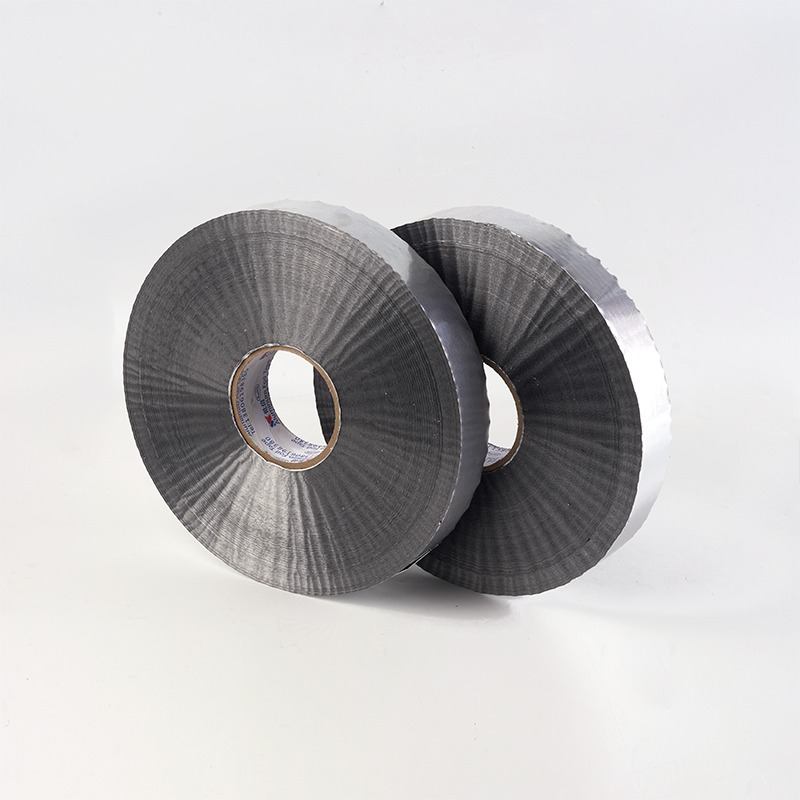
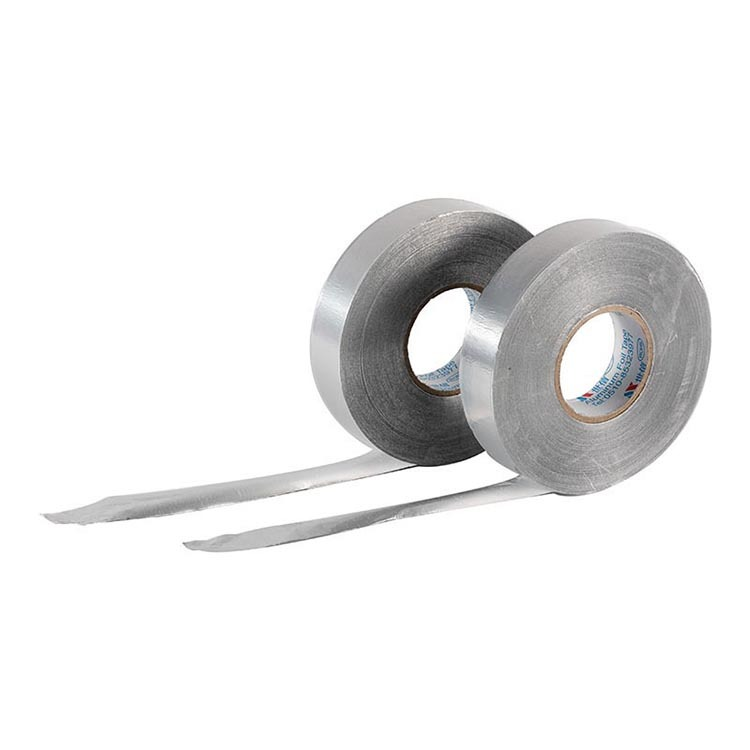
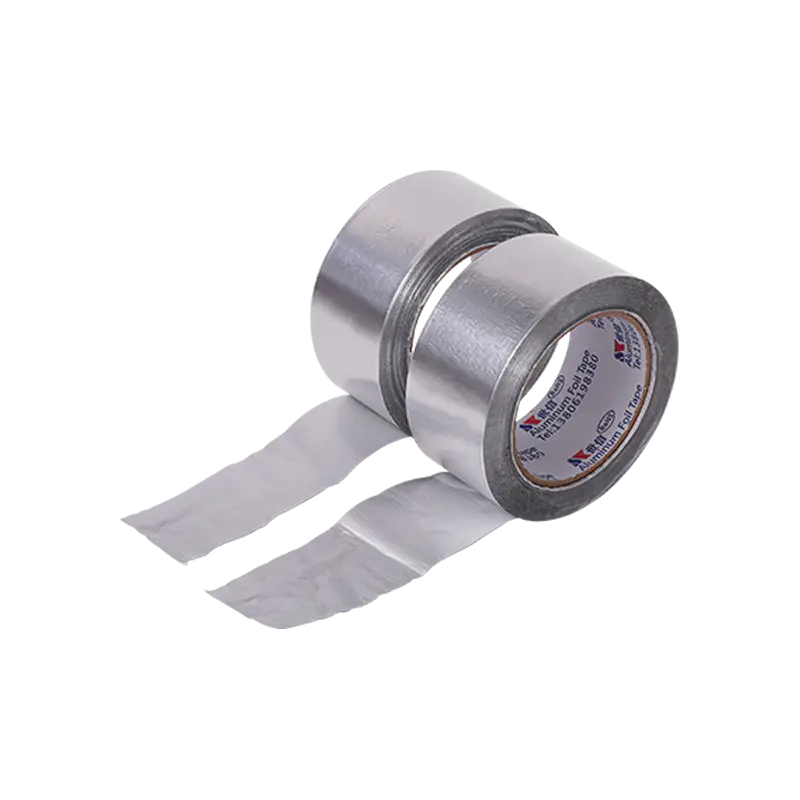
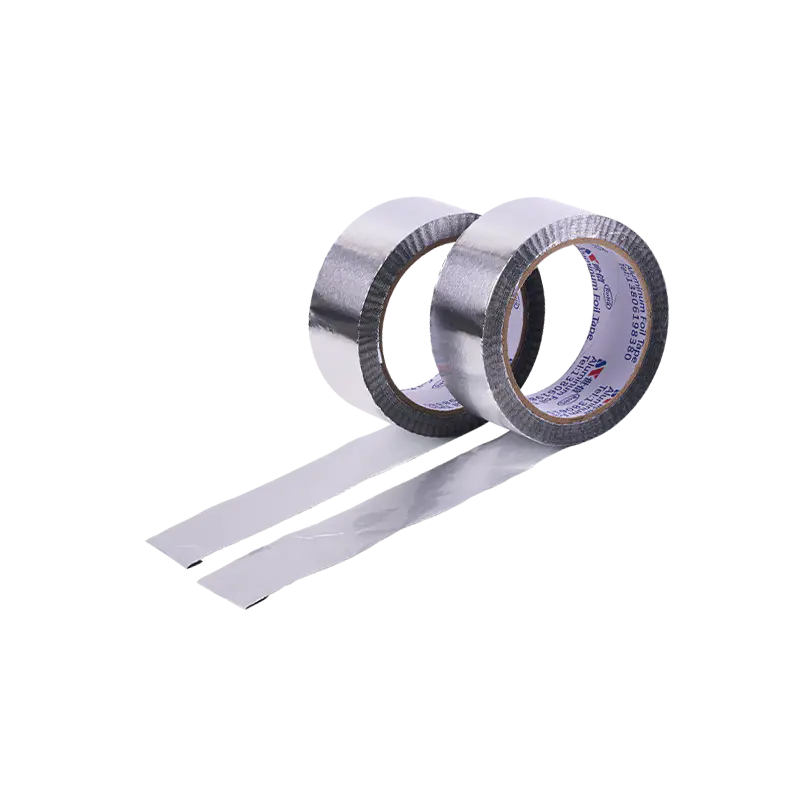
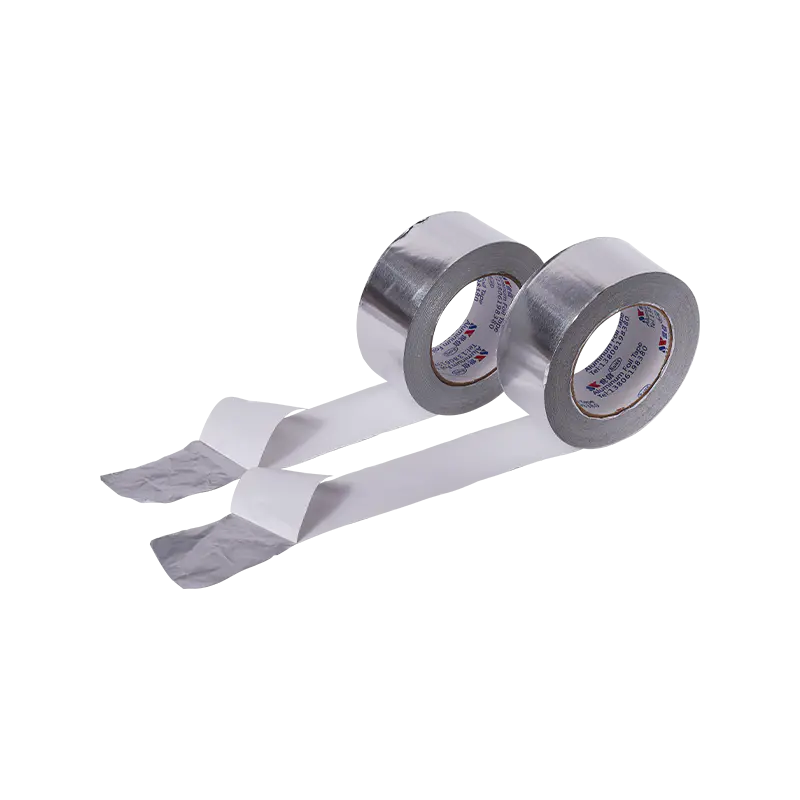
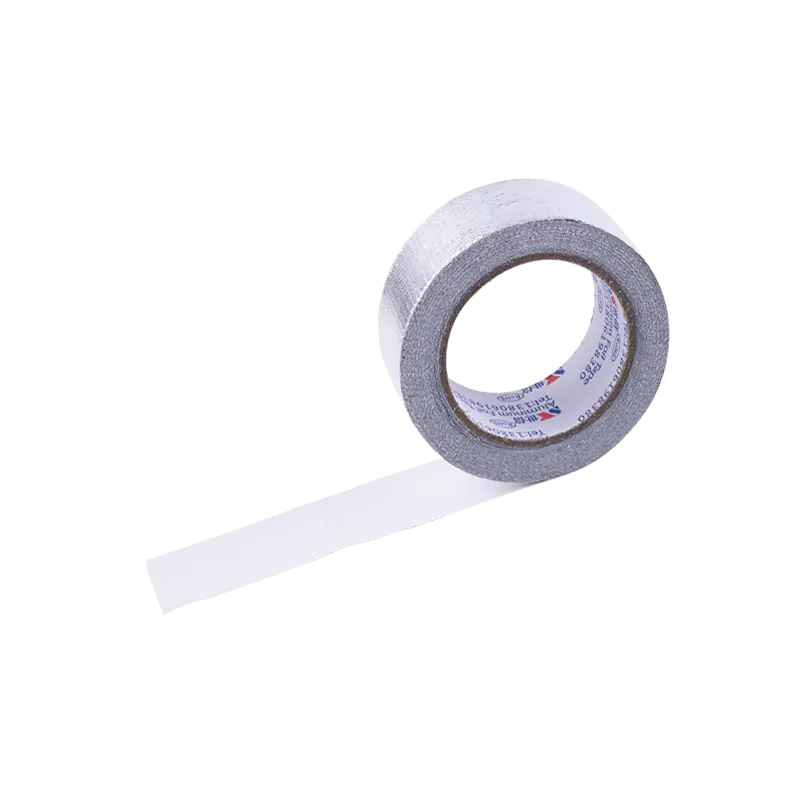
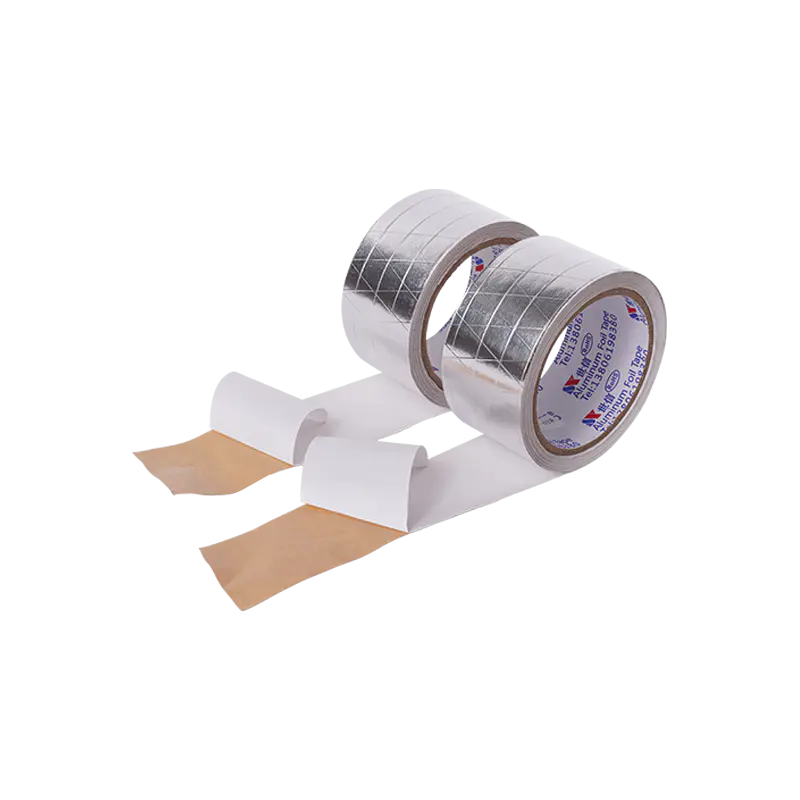
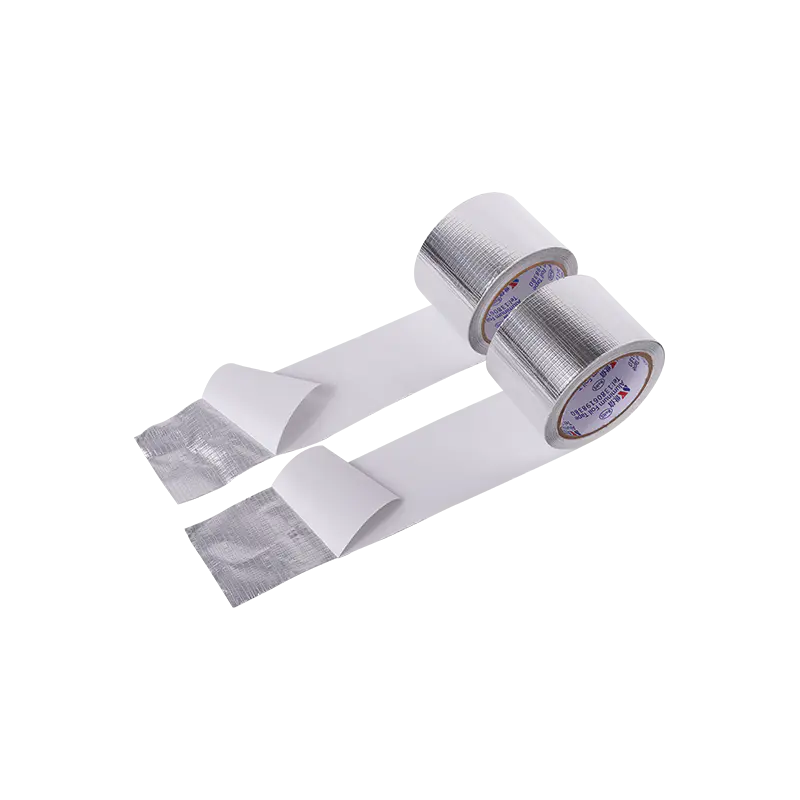
Self Adhesive Heat Seal Foil Tape with CCK Liner is a specialized industrial adhesive material designed to combine the convenience of pressure-sensitive bonding with the durability of heat sealing. It consists of an aluminum foil backing, a pressure-sensitive adhesive layer, a heat-activated sealing layer, and a CCK (Clay Coated Kraft) release liner. This multilayer construction enables the tape to deliver reliable initial positioning while providing a permanent, high-strength seal after heat and pressure are applied.
Unlike conventional foil tapes that rely solely on pressure-sensitive adhesives, this type of tape incorporates a heat seal coating that becomes active during thermal processing. The result is a stronger and more durable bond that can withstand demanding manufacturing conditions, including elevated temperatures, moisture exposure, and long-term storage. Because of these characteristics, Self Adhesive Heat Seal Foil Tape with CCK Liner is widely used in flexible packaging, industrial labeling, insulation systems, electronic components, and laminated composite materials.
The CCK release liner plays an equally important role in product performance. Manufactured from clay-coated kraft paper, it provides a smooth and dimensionally stable release surface that supports precision die cutting, automated converting, and high-speed production lines. Compared with conventional release papers, CCK liners maintain better flatness under changing temperature and humidity conditions, helping improve manufacturing consistency.
|
Component |
Primary Function |
|
Aluminum Foil |
Provides moisture resistance, vapor barrier properties, heat reflection, and mechanical protection. |
|
Pressure-Sensitive Adhesive |
Allows immediate positioning and bonding before the heat sealing process. |
|
Heat Seal Coating |
Forms a permanent bond when activated by controlled heat and pressure. |
|
CCK Release Liner |
Protects the adhesive layer while ensuring clean release, stable die cutting, and efficient automated processing. |
Although both products use aluminum foil as the primary backing material, their bonding mechanisms and intended applications differ significantly.
|
Feature |
Self Adhesive Heat Seal Foil Tape with CCK Liner |
Conventional Foil Tape |
|
Bonding Method |
Pressure-sensitive adhesion combined with heat sealing |
Pressure-sensitive adhesion only |
|
Final Bond Strength |
Higher after heat activation |
Depends entirely on adhesive performance |
|
Processing Method |
Suitable for automated heat sealing and laminating processes |
Mainly manual or pressure bonding applications |
|
Production Efficiency |
Compatible with high-speed converting and packaging equipment |
Typically used in general assembly and repair applications |
|
Release Liner |
CCK liner with high dimensional stability |
Various liner materials depending on application |
A CCK (Clay Coated Kraft) liner is engineered to provide a uniform release surface with excellent dimensional stability. Its rigid paper structure minimizes curling and deformation during converting, making it well suited for precision die cutting, slitting, and automated application. The clay-coated surface also delivers consistent release characteristics, helping maintain product quality across high-volume manufacturing operations.
In industrial production, stable liner performance can directly influence processing efficiency, material utilization, and finished product consistency. For applications that require accurate registration, repeatable die cutting, or continuous roll-to-roll processing, a CCK liner offers reliable handling characteristics while protecting the adhesive system until final application.
By integrating aluminum foil, pressure-sensitive adhesion, heat-activated sealing technology, and a dimensionally stable CCK release liner into a single construction, Self Adhesive Heat Seal Foil Tape with CCK Liner provides manufacturers with a versatile material that supports efficient processing while delivering dependable long-term sealing performance across a wide range of industrial applications.
Self Adhesive Heat Seal Foil Tape with CCK Liner combines two complementary bonding technologies: pressure-sensitive adhesion and heat-activated sealing. This dual-function design allows the tape to provide immediate positioning during assembly while achieving a stronger and more durable bond after the application of controlled heat and pressure.
Unlike conventional adhesive tapes that rely entirely on pressure-sensitive adhesives, heat seal foil tape incorporates a heat seal coating that softens or melts when exposed to a specified sealing temperature. During the heating process, the coating flows into the surface structure of the substrate, creating a continuous bond that offers improved sealing integrity, mechanical strength, and resistance to environmental factors.
The combination of these two bonding mechanisms makes Self Adhesive Heat Seal Foil Tape suitable for automated manufacturing processes where accurate positioning, reliable sealing, and consistent production quality are required.
The bonding process consists of two distinct stages, each serving a different purpose during manufacturing.
|
Bonding Stage |
Function |
Primary Benefit |
|
Pressure-Sensitive Adhesion |
Provides instant tack for temporary positioning before heat sealing. |
Improves assembly efficiency and positioning accuracy. |
|
Heat-Activated Sealing |
Forms a permanent bond after applying controlled heat and pressure. |
Enhances sealing strength, durability, and long-term reliability. |
This two-stage bonding process enables manufacturers to accurately position materials before permanent sealing, reducing alignment errors and improving overall production efficiency.
The CCK (Clay Coated Kraft) release liner protects the adhesive surface during storage and transportation. Before application, the liner is peeled away to expose the pressure-sensitive adhesive without contaminating the bonding surface.
The pressure-sensitive adhesive immediately bonds to the target substrate with light pressure. At this stage, the adhesive primarily functions to hold the material securely in place before thermal processing begins.
Heat is applied using equipment such as a heat press, laminating machine, impulse sealer, or continuous heat sealing system. The heat seal coating becomes active as the temperature increases, allowing it to flow and conform to the surface of the mating material.
During heating, controlled pressure promotes intimate contact between the tape and the substrate. Proper pressure minimizes air pockets and ensures uniform heat transfer across the sealing area.
After the heating cycle is completed, the bonded materials are allowed to cool under pressure. As the heat seal coating solidifies, a stable and durable bond is formed that is capable of withstanding mechanical stress and environmental exposure.
The pressure-sensitive adhesive and heat seal coating perform different but complementary functions throughout the bonding process.
|
Layer |
Primary Function |
When It Works |
|
Pressure-Sensitive Adhesive |
Provides immediate adhesion for positioning and handling. |
Immediately after application. |
|
Heat Seal Coating |
Creates the permanent bond after thermal activation. |
During and after the heat sealing cycle. |
|
Aluminum Foil |
Acts as the carrier while providing barrier and thermal conductivity properties. |
Throughout the product lifecycle. |
|
CCK Release Liner |
Protects the adhesive system until application and supports precision converting. |
Before installation. |
The exact processing conditions depend on the adhesive formulation, substrate material, and production equipment. The following values represent commonly encountered industrial operating ranges.
|
Parameter |
Typical Industrial Range |
|
Heat Sealing Temperature |
100–220°C |
|
Applied Pressure |
0.2–0.6 MPa |
|
Dwell Time |
0.5–5 seconds |
|
Cooling Time |
1–10 seconds |
|
Application Method |
Heat press, laminating machine, continuous sealing equipment |
Optimizing these parameters helps achieve uniform sealing quality while minimizing the risk of under-sealing, overheating, or material deformation.
Because of its stable construction and CCK release liner, Self Adhesive Heat Seal Foil Tape integrates well with various industrial converting and packaging operations.
The dimensional stability of the CCK liner helps maintain accurate web alignment during high-speed processing, while the aluminum foil backing provides consistent support throughout converting and sealing operations.
Achieving reliable heat sealing depends on balancing several processing variables rather than relying on temperature alone.
|
Factor |
Influence on Bond Quality |
|
Heat Sealing Temperature |
Determines activation of the heat seal coating. |
|
Applied Pressure |
Ensures complete surface contact during sealing. |
|
Dwell Time |
Controls the duration of thermal activation. |
|
Substrate Surface Cleanliness |
Improves adhesive wetting and bonding consistency. |
|
Surface Energy of Materials |
Affects adhesion between the tape and substrate. |
|
Cooling Conditions |
Influence the final bond stability and sealing strength. |
When the heat sealing process is properly controlled, Self Adhesive Heat Seal Foil Tape with CCK Liner provides accurate positioning during assembly, reliable thermal bonding, and stable sealing performance suitable for demanding industrial manufacturing and packaging applications.
The CCK (Clay Coated Kraft) release liner is a critical component of Self Adhesive Heat Seal Foil Tape because it protects the adhesive system before application while supporting efficient manufacturing and converting processes. Although the release liner is removed during installation, its quality directly influences die cutting accuracy, roll stability, processing efficiency, and the overall consistency of the finished tape.
Unlike standard release papers, a CCK liner is manufactured from high-strength kraft paper coated with a smooth clay layer and a silicone release coating. This engineered construction provides a flat, rigid, and dimensionally stable surface that allows the adhesive to release cleanly while maintaining excellent handling characteristics during high-speed industrial production.
For manufacturers that rely on automated converting equipment, selecting an appropriate release liner is just as important as selecting the adhesive or aluminum foil itself. A stable liner helps reduce production interruptions, minimizes material waste, and improves registration accuracy throughout the manufacturing process.
CCK stands for Clay Coated Kraft, a release liner made by applying a clay coating to high-density kraft paper before adding a silicone release layer. The clay coating creates a smoother and more uniform surface than untreated kraft paper, resulting in consistent adhesive release and improved dimensional stability.
The multilayer construction of a typical CCK liner includes:
This combination makes CCK liners particularly suitable for precision adhesive products that require accurate converting and stable roll performance.
The release liner prevents contamination from dust, moisture, oils, and other environmental factors during storage and transportation. It also protects the adhesive from accidental contact before installation, helping maintain its designed bonding performance.
A high-quality silicone release coating enables the tape to peel away smoothly without damaging or transferring adhesive. Consistent release force improves production efficiency while reducing waste during manual and automated application.
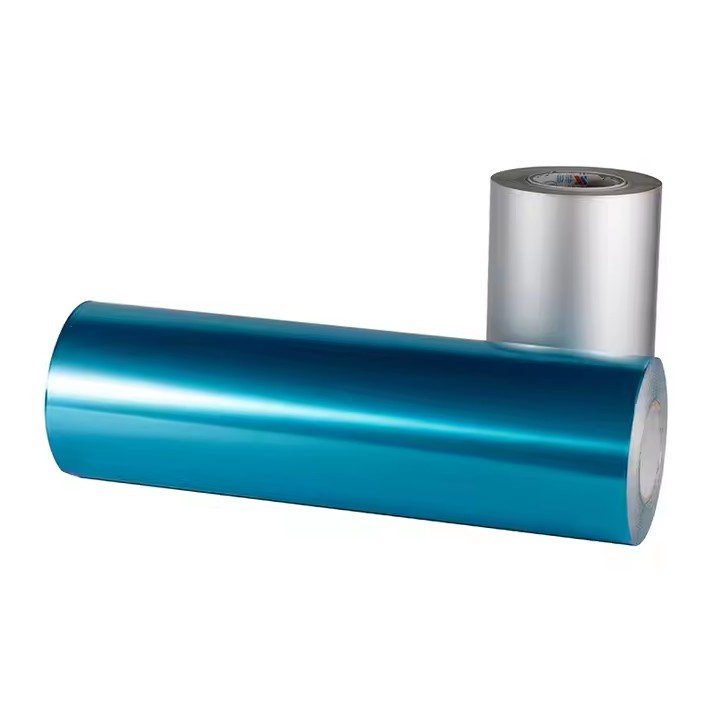
Because CCK liners have excellent rigidity and flatness, they provide stable support during rotary and flat-bed die cutting operations. This reduces liner deformation and helps achieve accurate cutting profiles, especially for narrow-width tapes and intricate shapes.
Industrial converting operations often involve changes in temperature, humidity, and web tension. The dense kraft paper structure of CCK liners minimizes expansion, shrinkage, and curling, contributing to consistent registration during high-speed processing.
|
Advantage |
Benefit in Manufacturing |
|
Excellent Release Consistency |
Provides smooth liner removal with stable release force. |
|
High Dimensional Stability |
Reduces stretching and shrinkage during converting. |
|
Smooth Surface Finish |
Improves coating uniformity and die cutting precision. |
|
Good Mechanical Strength |
Resists tearing during slitting and automated processing. |
|
Moisture Resistance |
Maintains liner stability in changing production environments. |
|
Heat Resistance |
Supports manufacturing processes involving elevated temperatures. |
Different release liner materials offer different processing characteristics. The choice depends on production speed, converting accuracy, environmental conditions, and product requirements.
|
Property |
CCK Liner |
Glassine Liner |
PE-Coated Paper |
|
Surface Smoothness |
Excellent |
Very Good |
Good |
|
Dimensional Stability |
Excellent |
Good |
Moderate |
|
Die Cutting Performance |
Excellent |
Good |
Moderate |
|
Rigidity |
High |
Medium |
Medium |
|
Moisture Resistance |
Good |
Moderate |
Good |
|
Suitability for High-Speed Converting |
Excellent |
Good |
Moderate |
Even slight dimensional changes in a release liner can affect converting accuracy. Expansion or shrinkage may cause registration errors during die cutting, slitting, laminating, or printing. Because CCK liners exhibit excellent resistance to deformation, they help maintain consistent web alignment throughout production.
This stability becomes increasingly important for:
Actual specifications vary according to product design and application requirements, but CCK liners are commonly available within the following ranges.
|
Characteristic |
Typical Range |
|
Basis Weight |
80–140 g/m² |
|
Thickness |
80–150 μm |
|
Release Coating |
Single-sided or double-sided silicone |
|
Surface Finish |
Clay-coated smooth surface |
|
Release Force |
Engineered according to adhesive formulation |
|
Processing Compatibility |
Slitting, die cutting, laminating, automated application |
During industrial converting, a stable release liner contributes to more than adhesive protection. It helps maintain smooth web movement, reduces downtime caused by liner breakage or curling, and supports consistent product quality throughout long production runs. These advantages are especially valuable in automated manufacturing environments where repeatability and precision directly influence production efficiency.
By combining mechanical strength, dimensional stability, clean release characteristics, and excellent converting performance, the CCK liner becomes an essential component of Self Adhesive Heat Seal Foil Tape, ensuring reliable processing from manufacturing through final application.
The performance of Self Adhesive Heat Seal Foil Tape with CCK Liner is determined by the combination of its structural design, material selection, and processing characteristics. For industrial applications, technical specifications such as foil thickness, total thickness, adhesive performance, heat resistance, sealing strength, and liner properties directly influence bonding reliability, production efficiency, and long-term service performance.
Understanding these key specifications helps engineers and procurement teams select suitable tape constructions according to application requirements, including sealing temperature, substrate compatibility, environmental exposure, and manufacturing process conditions.
Self Adhesive Heat Seal Foil Tape generally consists of multiple functional layers. Each layer contributes specific performance characteristics to the final material.
|
Layer |
Typical Material |
Main Function |
|
Backing Layer |
Aluminum Foil |
Provides mechanical support, thermal conductivity, moisture barrier properties, and reflective performance. |
|
Adhesive Layer |
Pressure-Sensitive Adhesive |
Provides initial tack and temporary positioning before heat activation. |
|
Heat Seal Layer |
Heat-Activated Polymer Coating |
Creates a permanent bond after exposure to controlled heat and pressure. |
|
Release Liner |
CCK (Clay Coated Kraft) Paper |
Protects the adhesive surface and supports precision converting processes. |
The thickness of the aluminum foil layer affects mechanical strength, flexibility, heat transfer efficiency, and barrier performance. Thicker foil generally provides higher durability and improved protection, while thinner foil offers better flexibility for complex surfaces.
|
Foil Thickness |
Typical Characteristics |
Common Application Consideration |
|
15–20 μm |
Higher flexibility and easier conformability |
Suitable for lightweight structures and flexible laminations |
|
25–30 μm |
Balanced strength and flexibility |
Suitable for general industrial sealing applications |
|
40–50 μm |
Higher mechanical protection and durability |
Suitable for applications requiring stronger barrier performance |
Total thickness includes the aluminum foil, adhesive layers, heat seal coating, and release liner. It influences handling properties, bonding pressure requirements, and compatibility with converting equipment.
|
Total Thickness Range |
Performance Characteristics |
|
50–80 μm |
Thin construction with improved flexibility and easy processing. |
|
80–150 μm |
Balanced structure for general industrial sealing and lamination. |
|
150–250 μm |
Higher structural strength for demanding applications. |
The pressure-sensitive adhesive layer provides initial bonding before the heat sealing process. Important adhesive characteristics include tack, peel strength, shear resistance, and aging stability.
|
Adhesive Property |
Typical Evaluation Method |
Impact on Application |
|
Initial Tack |
Immediate adhesion after contact |
Determines positioning ability during assembly. |
|
Peel Adhesion |
Force required to remove the tape from a substrate |
Indicates bonding strength during use. |
|
Shear Resistance |
Resistance against sliding under load |
Supports long-term attachment stability. |
|
Aging Resistance |
Performance after environmental exposure |
Influences service life and reliability. |
The heat seal layer determines the final bonding performance after thermal activation. Processing parameters must be adjusted according to substrate type and production requirements.
|
Parameter |
Typical Range |
Influence on Bonding |
|
Activation Temperature |
100–220°C |
Controls softening and activation of the heat seal layer. |
|
Pressure |
0.2–0.6 MPa |
Improves contact between materials during sealing. |
|
Dwell Time |
0.5–5 seconds |
Determines the duration of heat transfer and bonding formation. |
The CCK liner affects production efficiency, especially in die cutting, slitting, and automated application processes.
|
Liner Parameter |
Typical Range |
Function |
|
Basis Weight |
80–140 g/m² |
Provides mechanical support and handling strength. |
|
Thickness |
80–150 μm |
Influences rigidity and converting performance. |
|
Release Level |
Customized according to adhesive system |
Controls peeling force and application efficiency. |
|
Surface Finish |
Clay-coated smooth surface |
Improves coating uniformity and dimensional stability. |
Different application requirements may require different tape constructions. The following comparison shows how specification adjustments influence performance.
|
Specification Factor |
Lower Range Selection |
Higher Range Selection |
|
Foil Thickness |
Better flexibility and easier shaping |
Higher mechanical strength and barrier performance |
|
Total Thickness |
Improved processing flexibility |
Enhanced structural support |
|
Adhesive Strength |
Suitable for lightweight bonding requirements |
Suitable for higher load and long-term attachment |
|
Heat Resistance |
Suitable for moderate temperature processes |
Suitable for higher-temperature sealing environments |
|
Liner Strength |
Suitable for standard converting operations |
Better for precision die cutting and automated production |
When selecting Self Adhesive Heat Seal Foil Tape with CCK Liner, technical specifications should be evaluated together rather than individually. A suitable construction depends on the interaction between the adhesive system, heat sealing conditions, substrate properties, and production method.
By evaluating foil thickness, adhesive properties, heat sealing parameters, and CCK liner characteristics together, manufacturers can achieve a balanced tape construction that meets specific industrial requirements while maintaining reliable bonding performance and processing efficiency.
Self Adhesive Heat Seal Foil Tape with CCK Liner is designed for industrial applications that require a combination of immediate positioning, thermal sealing performance, and long-term bonding reliability. The integration of aluminum foil, heat-activated adhesive technology, and a stable CCK release liner allows the tape to support applications where traditional pressure-sensitive tapes may not provide sufficient sealing strength or environmental resistance.
Because of its barrier properties, thermal performance, and compatibility with automated manufacturing processes, this material is commonly used in flexible packaging, industrial sealing, thermal insulation, electronic protection, and composite material applications. The final application depends on factors such as substrate type, sealing temperature, environmental conditions, and required mechanical performance.
Flexible packaging is one of the major application areas for heat seal foil tape. The aluminum foil layer provides excellent barrier protection against moisture, oxygen, light, and external contamination, while the heat seal coating creates a reliable closure after thermal activation.
Typical applications include:
Compared with standard adhesive bonding methods, heat sealing provides stronger structural integration because the adhesive layer becomes part of the sealed interface after activation.
|
Application Requirement |
Contribution of Heat Seal Foil Tape |
|
Moisture Protection |
Aluminum foil provides a strong barrier against moisture transmission. |
|
Packaging Integrity |
Heat-activated sealing improves closure reliability. |
|
Production Efficiency |
Supports continuous sealing and automated packaging processes. |
|
Material Protection |
Reduces exposure to oxygen, light, and external contamination. |
Food packaging requires materials that maintain product protection while supporting efficient production. Self Adhesive Heat Seal Foil Tape with CCK Liner can be used in packaging structures where thermal sealing, barrier protection, and clean processing are required.
Common applications include:
The aluminum foil layer helps limit moisture and oxygen penetration, while the heat seal layer creates a stable bond between compatible packaging materials.
Pharmaceutical and medical packaging systems often require strict control of contamination risks, moisture protection, and sealing consistency. Heat seal foil tape can support packaging structures where controlled sealing performance is necessary.
Potential applications include:
The combination of aluminum foil barrier properties and heat-activated bonding technology helps improve package reliability during storage and transportation.
Electronic components often require protection from moisture, electromagnetic interference, heat exposure, and environmental contamination. Aluminum foil-based adhesive materials can provide both mechanical support and shielding characteristics.
Typical applications include:
|
Performance Requirement |
Role of Aluminum Foil Layer |
|
Heat Reflection |
Reflects radiant heat and helps manage thermal exposure. |
|
Moisture Barrier |
Reduces moisture penetration into protected areas. |
|
Mechanical Protection |
Provides additional structural support. |
|
Shielding Performance |
Supports applications requiring conductive metal layers. |
Due to the thermal properties of aluminum foil, Self Adhesive Heat Seal Foil Tape with CCK Liner is also used in insulation-related applications. The foil backing helps reflect radiant heat, while the adhesive system enables secure attachment to insulation materials.
Typical uses include:
The tape helps maintain insulation system integrity by sealing joints, reinforcing connections, and reducing potential gaps between insulation materials.
Many industrial products use multilayer structures that require reliable bonding between different materials. Heat seal foil tape provides a convenient solution by combining adhesive positioning with thermal bonding capability.
Applications include:
The CCK liner provides stable support during slitting, die cutting, and roll-to-roll processing, making the tape suitable for high-volume manufacturing environments.
|
Industry |
Main Requirement |
Key Tape Function |
|
Flexible Packaging |
Barrier protection and sealing reliability |
Heat sealing and moisture resistance |
|
Food Packaging |
Package integrity and contamination protection |
Thermal sealing and barrier performance |
|
Medical Packaging |
Stable sealing and environmental protection |
Controlled bonding performance |
|
Electronics |
Thermal and environmental protection |
Metal foil support and shielding capability |
|
Insulation Systems |
Heat management and structural attachment |
Reflective foil layer and secure bonding |
|
Composite Manufacturing |
Material integration and processing efficiency |
Reliable lamination and converting performance |
The suitable specification of Self Adhesive Heat Seal Foil Tape depends on the application environment and production requirements. Important considerations include:
With its combination of heat-activated sealing capability, aluminum foil barrier properties, and CCK liner processing stability, Self Adhesive Heat Seal Foil Tape provides a versatile solution for industries that require reliable bonding, efficient manufacturing, and consistent performance under demanding conditions.

Our company has been engaged in the tape manufacturing industry for more than 20 years, and has been focusing on various types of aluminum foil tapes, foam tapes, refrigerator tapes, etc.
IsabelLina
Email:[email protected]
Mobile/Whatsapp: +86 190 3379 1110
Mars Gong
Email:[email protected]
Mobile/Whatsapp: +86 159 5136 0053
Address: West side of Yingbin Avenue and south side of hengwang packaging. Suqian Economic and Technological Development Zone,Jiangsu Province
Copyright © Jiangsu Shixin Adhesive Tape Product Co., Ltd. All Rights Reserved. Custom ODM Refrigerator Foil Adhesive Tapes Manufacturers