2026-11-06
Content
Machine compatibility is not established by a machine brand or model alone. A candidate heat-seal aluminum foil tape must be checked against the actual interface temperature, dwell, pressure, liner-removal sequence and web handling on the production line. This guide provides a practical qualification approach without assuming a universal machine list or activation temperature.
Heat-seal tape is compatible with a production line when its product-specific activation conditions, liner handling and web stability can be maintained by the actual equipment under the intended production conditions.
The same machine model can produce different results when dwell, pressure, temperature control, tooling, substrate or line speed changes. Routine measurement and a controlled trial are more reliable than assuming compatibility from the equipment model or a seasonal temperature estimate.
Check five factors together: the temperature at the bonding interface; dwell time at the planned line speed; pressure and contact uniformity across the bond area; the sequence and consistency of liner removal; and web stability, including tension, feeding and registration. A mismatch in any one factor can affect production or bond quality.
The liner does not necessarily remain in the heated zone. In some assembly processes it is removed before heat sealing; in others it supports die-cutting, positioning or feeding. Confirm the actual process sequence before assessing the liner's exposure to heat.
Liner selection is therefore both a material and an equipment decision. The relevant questions are whether the liner releases at the required point, whether the tape can be positioned consistently, and whether the roll or die-cut part can be fed without tearing, curling or shifting.
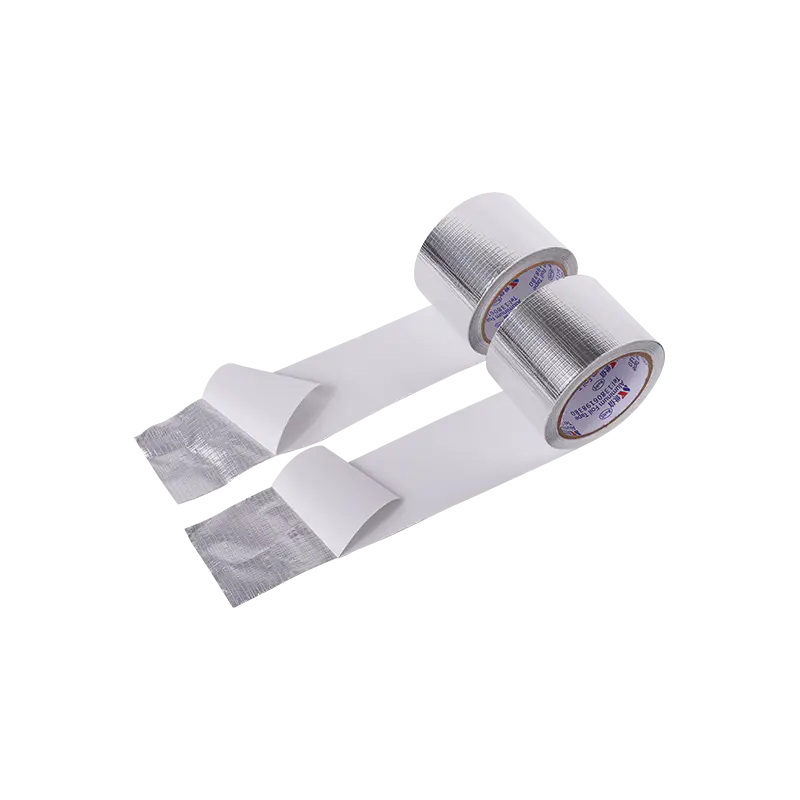
For construction details, see Heat Seal Aluminum (HSL) Foil Tape With Liner; for the linerless format, see Comprehensive Guide to HSL Foil Tape Without Liner.
|
Liner type |
Handling on the line |
Checks before approval |
|
|
PET film liner |
Film liner can support consistent handling and die-cutting, depending on the grade. |
Check release force, static, curl, tension and registration at production speed. |
|
|
Kraft paper liner |
Paper liner may suit manual or semi-automatic handling and converting. |
Check moisture condition, edge tearing, release and feeding at the intended speed. |
|
|
CCK liner |
Clay-coated surface offers a smooth release face; grade-specific release behavior must be confirmed. |
Check release-force consistency, die-cut quality, storage and liner removal. |
|
|
No liner |
Removes the liner-removal step, but leaves the construction without a release backing. |
Check winding, blocking, surface protection, web tension, feeding and registration. |
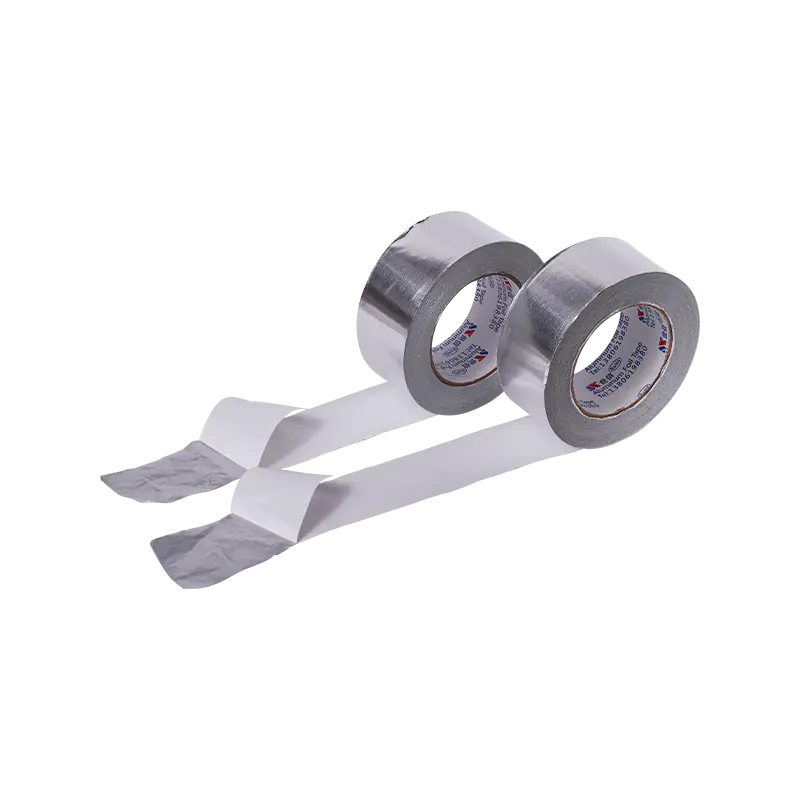
 HSL Foil Tape With Liner for Heat-Seal Bonding
Different equipment layouts place different demands on heat transfer, pressure, liner removal and web handling. Review the process actually used rather than relying on a generic machine-brand compatibility list.
Heated platen or press. The tape is placed at the specified interface, then heat and pressure are applied for the validated dwell. Check fixture support, alignment and pressure distribution, and confirm when the release liner is removed.
Continuous heated roller or lamination equipment. If the application uses a moving web, dwell is influenced by heated-zone length and line speed. Confirm that the adhesive can reach its required activation conditions while web tension and contact remain stable.
Automated placement or converting line. Check die-cut release, liner removal, feed path, registration and roll stability. For linerless constructions, also check winding, storage, blocking and exposed-surface protection.
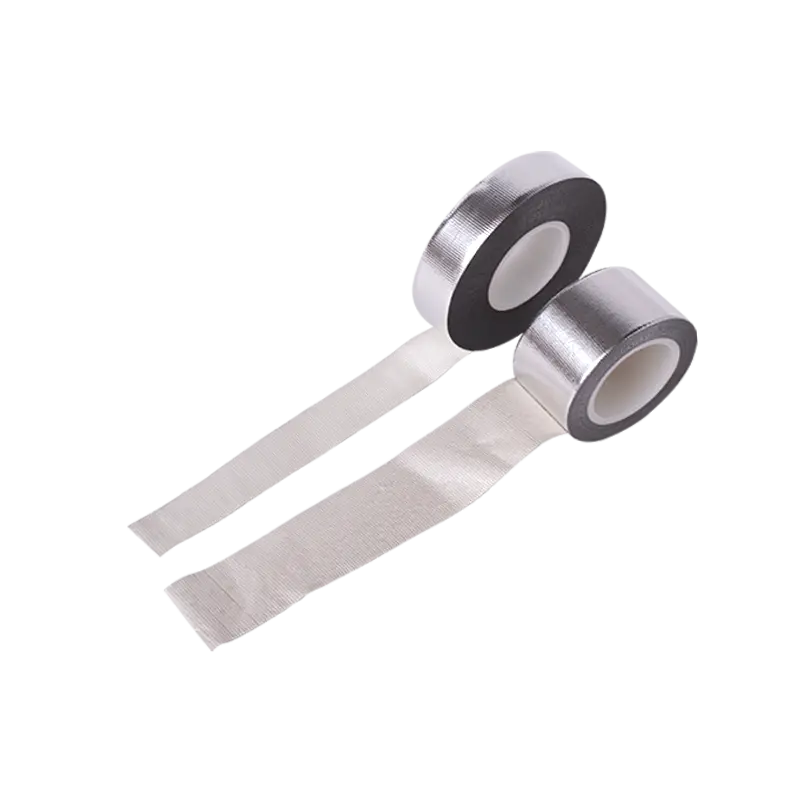
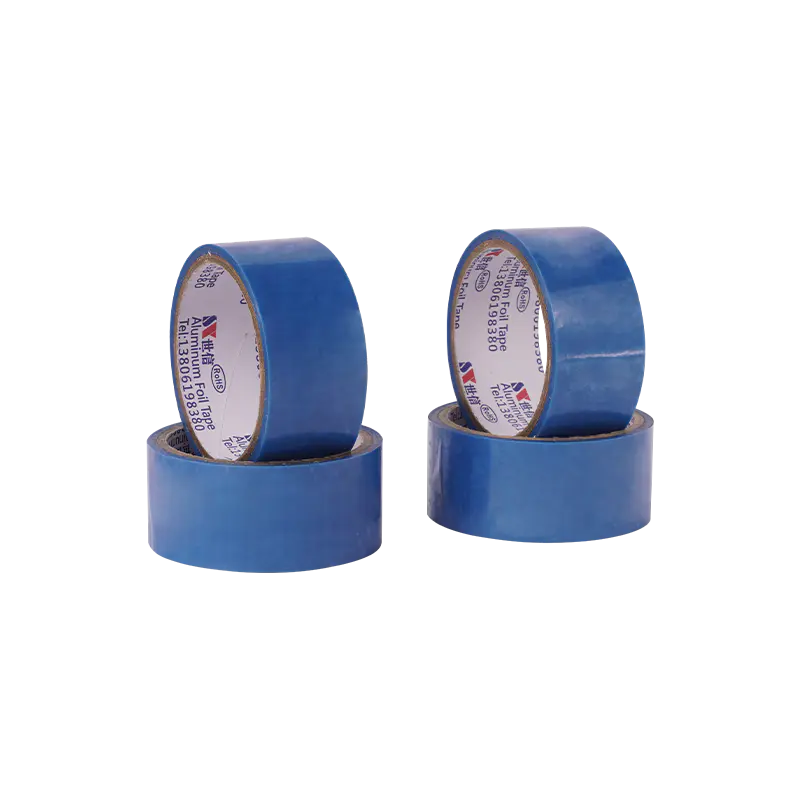
 Linerless HSL Foil Tape for Automated Handling
A tape is compatible only when its product-specific activation conditions can be met consistently by the machine. The equipment must also control contact, handling and line speed. A wider activation window may provide more process tolerance, but the exact grade and actual trial determine whether the combination is suitable.
The diagram illustrates the principle of an operating-window overlap. It is conceptual only and does not represent activation temperatures for any Shixin product. Use the technical data for the selected grade and measurements from the actual bonding interface.
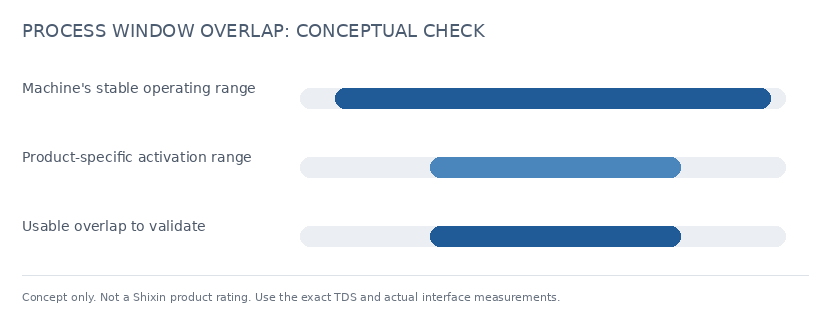
Figure 1: Conceptual illustration of the overlap between machine capability and a product-specific activation range. It is not a product specification.
Plan the trial around the actual tape grade, substrate, equipment and acceptance criteria. The sample quantity and trial duration should be agreed according to the production process rather than set as a universal minimum.
Record interface temperature, equipment setpoint, dwell, pressure, line speed, liner-removal sequence and web tension. Use suitable measurement methods and keep the same substrate and fixture conditions during comparison.
Compare the measured machine conditions with the activation requirements in the technical data for the exact tape grade. If the conditions do not overlap reliably or leave too little process margin, review the measurement method, tooling, settings or tape construction with the supplier before production.
Where the supplier defines an activation range, run trials at appropriate points within that approved range. Inspect bond quality and test peel or holding performance after the customer-defined conditioning. Do not operate outside the product guidance simply to force a bond.
Record jams, tears, curl, liner-release interruptions, registration shifts and the downtime they cause. These observations help identify handling and feeding issues that a peel test alone may not reveal.
Test the tape on the actual PP, PE, ABS or other substrate used on the line, and condition the assembly according to the application requirements. Substrate compatibility and machine compatibility are separate checks. For broader material selection and grade-specific validation, see Heat-Seal Aluminum Foil Tape for Heating Elements.
The following symptoms can result from the material, equipment settings, substrate or interaction between them. Treat them as diagnostic clues, not proof that the tape itself is defective.
Raise compatibility questions during quotation and sampling, while the construction and converting format can still be reviewed before production approval.
A supplier who can provide product-specific data and support a controlled trial makes qualification more efficient. Jiangsu Shixin Adhesive Tape Product Co., Ltd. (Shixin Tape) manufactures heat-seal aluminum foil tape in linerless and liner-backed constructions. Selected liner-backed designs may combine a heat-seal adhesive on one face with a pressure-sensitive adhesive on the other; the release paper or film protects the pressure-sensitive face. Custom widths and roll formats can be discussed according to the project. ISO 9001 is management-system certifications; applicable RoHS/REACH declarations and SGS test reports must be matched to the exact product and test scope.
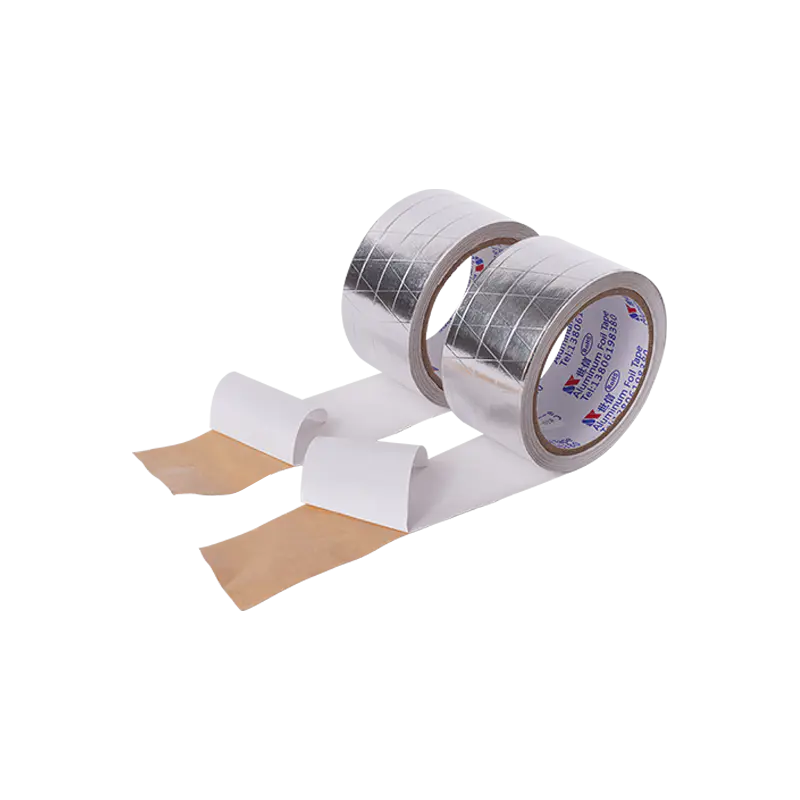
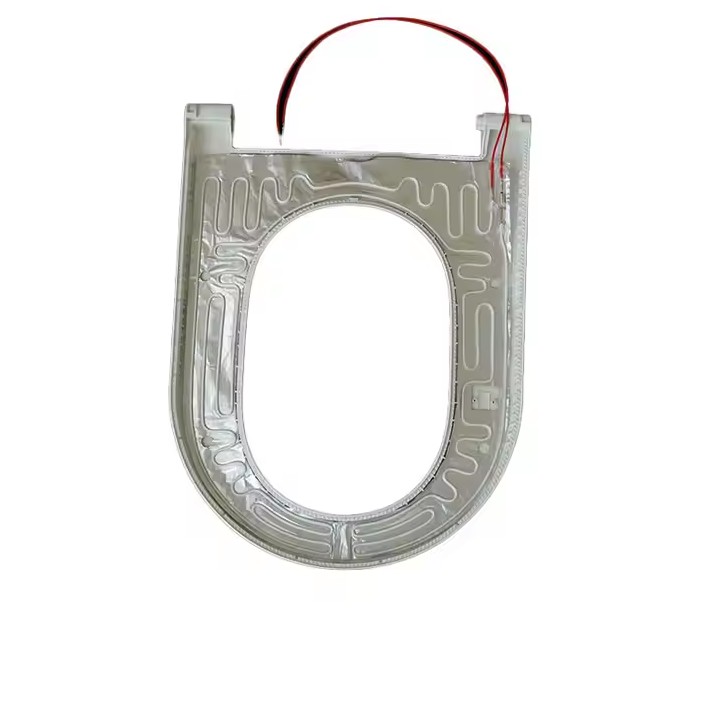 Custom HSL Foil Tape With PET Liner
Can one heat-seal foil tape run on different types of production equipment?
Sometimes, but only if each process meets the requirements of the selected construction. A liner-backed tape may require a defined liner-removal step, while a linerless tape needs suitable winding and web control. Qualify each line separately using its actual substrate, settings and acceptance criteria.
Does a wider activation window always mean better compatibility?
A wider window may give the process more tolerance to normal variation, but it does not guarantee bond strength or end-use performance. Confirm the actual machine conditions, substrate and finished-assembly test results for the selected grade.
Is linerless heat-seal tape faster on every machine?
No. Linerless tape removes the liner-removal step, but it does not automatically increase throughput. The equipment must still control winding, web tension, feeding, surface protection and registration. For linerless construction details, see our HSL foil tape without liner guide.
How much sample tape does a compatibility trial need?
There is no universal sample length. Agree the quantity with the supplier based on setup waste, trial duration, the number of process conditions, repeat tests and the production format. High-speed or extended trials may require additional material to confirm consistent handling across rolls.

Our company has been engaged in the tape manufacturing industry for more than 20 years, and has been focusing on various types of aluminum foil tapes, foam tapes, refrigerator tapes, etc.
IsabelLina
Email:[email protected]
Mobile/Whatsapp: +86-153-0151-5119
Mars Gong
Email:[email protected]
Mobile/Whatsapp: +86-159-5136-0053
Address: West side of Yingbin Avenue and south side of hengwang packaging. Suqian Economic and Technological Development Zone,Jiangsu Province
Copyright © Jiangsu Shixin Adhesive Tape Product Co., Ltd. All Rights Reserved. Custom ODM Refrigerator Foil Adhesive Tapes Manufacturers