
2026-11-05
Content
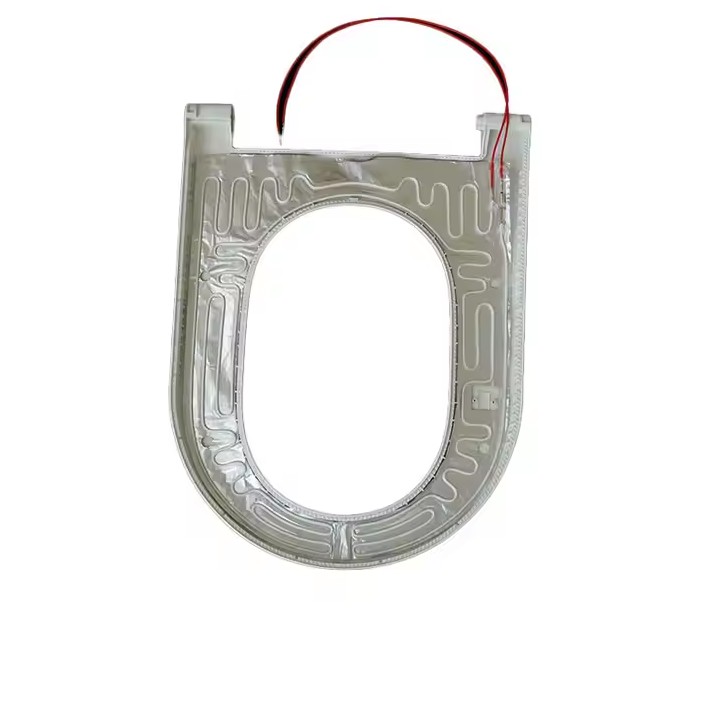
For a defrost-heater assembly, tape selection should be based on the bonding interfaces, heat-seal process, liner arrangement and production checks—not foil thickness or price alone. This guide focuses on liner handling and incoming quality checks for defrost-heater applications. For broader material selection and product-specific validation, see our existing heating-element guide.
A defrost-heater assembly may experience low-temperature storage, localized heating and repeated thermal cycling. The actual temperature profile depends on the appliance design and the customer's test method. The tape should therefore be qualified against the documented conditions of the complete assembly, rather than against a generic temperature claim.
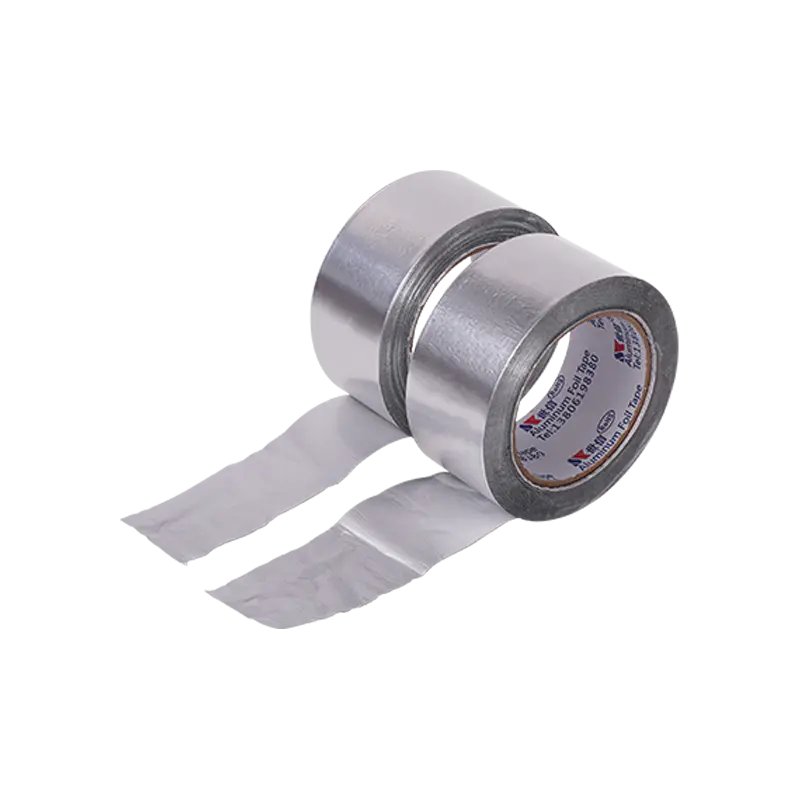
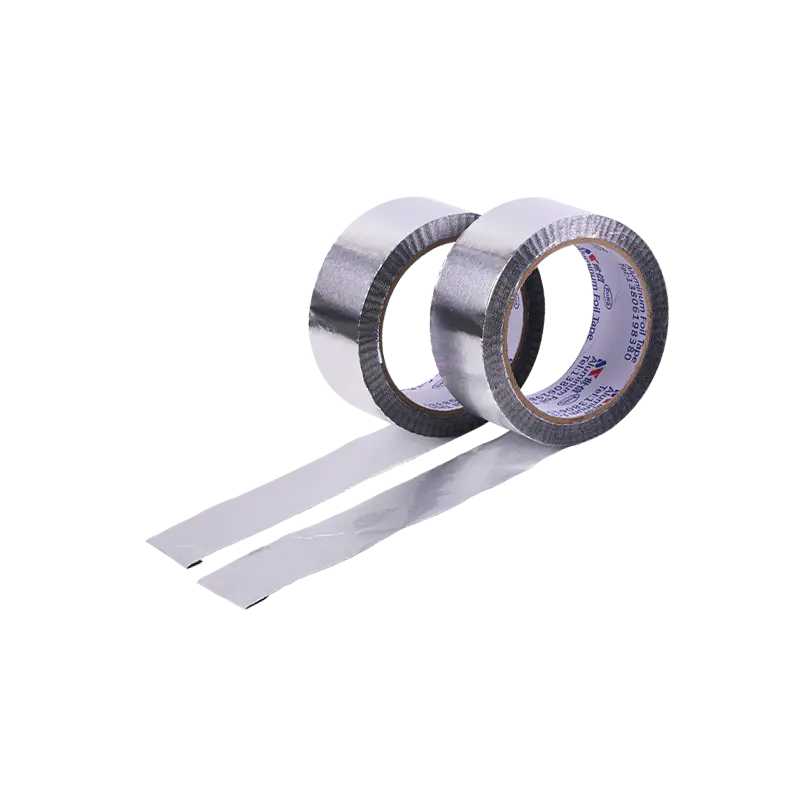
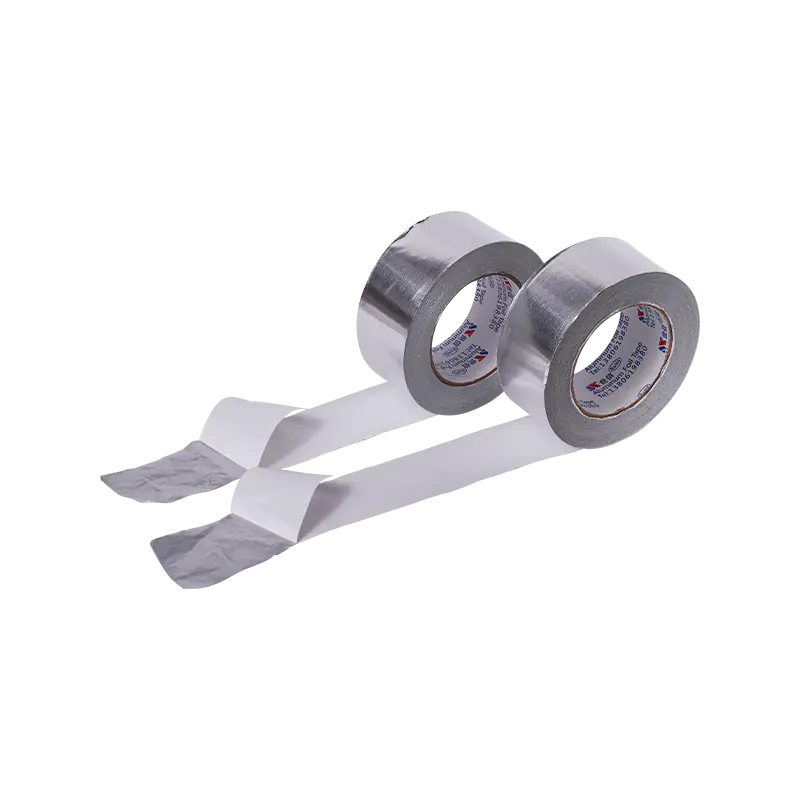
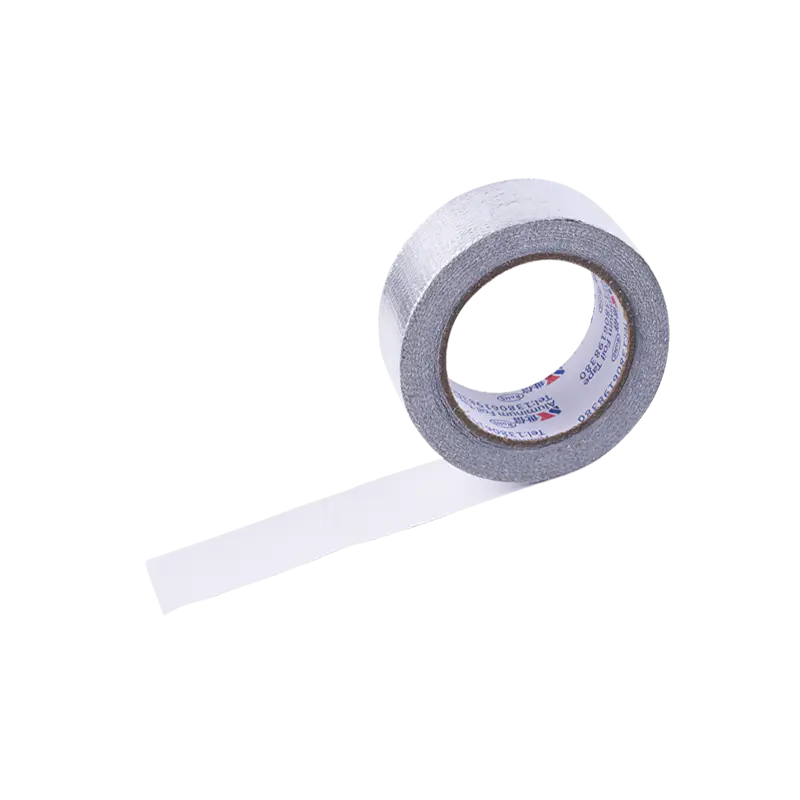
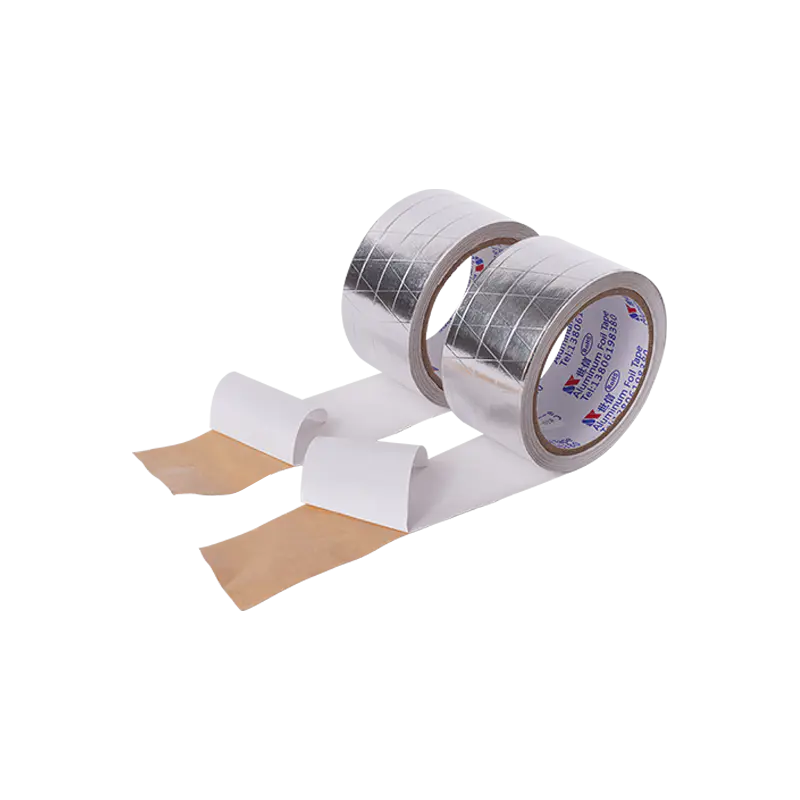
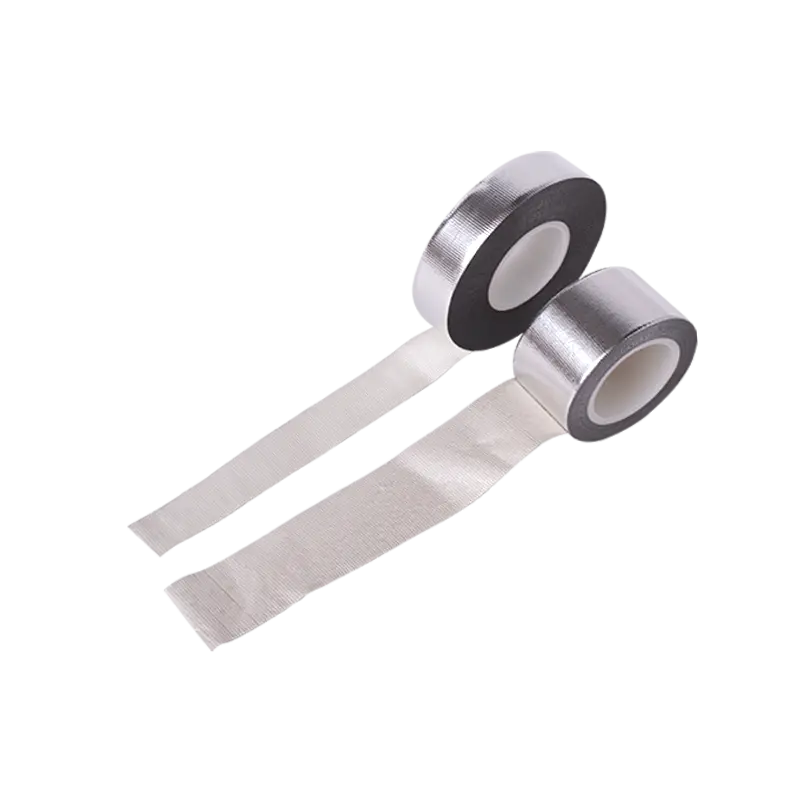
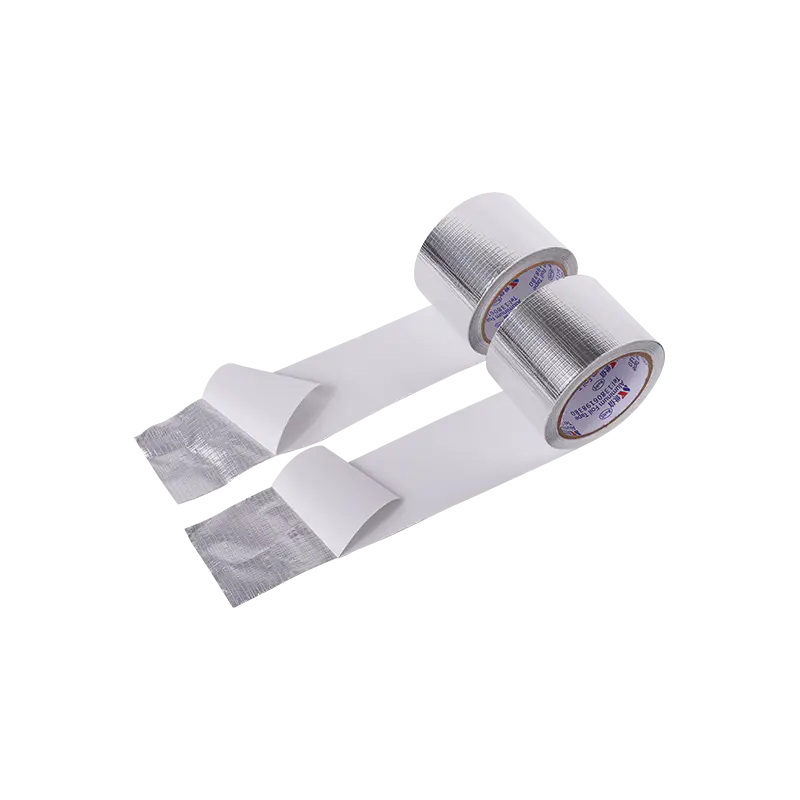
Heat-seal aluminum foil tape combines an aluminum foil carrier with a heat-activated adhesive designed to bond under specified heat and pressure. Depending on the grade, the construction may be linerless or liner-backed; selected liner-backed versions may also include a pressure-sensitive adhesive on the opposite face.
The heat-seal face is activated during assembly. If the design includes a second pressure-sensitive face, that side is already tacky at room temperature and is protected by release paper or film. Confirm the layer sequence and bonding faces for the exact grade.
Depending on the product grade, the construction may include the following functional layers. Not every HSL tape uses the same layer sequence:
Heat-seal adhesive and pressure-sensitive adhesive are different bonding systems. Heat-seal adhesive is activated by specified heat and pressure; pressure-sensitive adhesive bonds under pressure at ambient conditions. Some liner-backed HSL grades combine both systems on different faces, so identify the bonding face for each component before assembly.
Pressure-sensitive adhesives form a bond under pressure at ambient conditions. Their elevated-temperature performance varies with adhesive chemistry, coat weight, substrate, load and exposure time. A single temperature threshold should not be applied to all pressure-sensitive foil tapes.
A room-temperature peel result alone cannot predict bond retention after heating or repeated thermal cycling. Test the complete assembly using the actual heater wire, substrate, application pressure and customer-defined conditioning.
Pressure-sensitive foil tape
Bonds under pressure at ambient conditions, without a heat-seal step. It may be suitable where the process and substrate call for a pressure-sensitive bond and the selected grade meets the service requirements.
Typical fit: applications requiring ambient-pressure bonding, such as certain duct, panel or service applications. Select the adhesive for the actual substrate, temperature profile and exposure conditions.
Heat-seal foil tape
Requires a controlled heat-and-pressure step at the specified bonding interface. Consistency depends on the adhesive grade, substrate preparation, contact and process control. Do not assume that every HSL construction has the same activation conditions.
Best fit: PVC heating-wire fixation, defrost-heater assemblies and other appliance heating applications where the specified construction is qualified for the interface and process.
Plan the fixture and placement sequence before production. Once a heat-seal bond is formed, the part may not be repositioned by simply pressing it again at room temperature. Rework depends on the adhesive chemistry and assembly design, so confirm the process with the supplier before tooling is finalized.
Record the temperature at the bonding interface, equipment setpoint, dwell, pressure, substrate, foil construction and line speed. The process should be qualified as a complete set of conditions, not by the controller display alone.
The controller setpoint is not necessarily the adhesive-interface temperature. Heat transfer depends on the foil and adhesive construction, tool design, contact, dwell and substrate. Measure or verify the interface using an appropriate method and follow the technical data for the exact grade.
Use the supplier-confirmed activation conditions and adjust one variable at a time during trials. Insufficient heat or dwell may leave an incomplete bond; excessive heat or pressure may damage the substrate or cause adhesive squeeze-out. Pressure improves contact but cannot replace activation.
The liner affects storage, die-cutting, positioning, feeding and line handling. In some processes it is removed before heat sealing, so confirm the assembly sequence before assuming that the liner is exposed to the heated tool.
If release is too easy, a die-cut part or tape strip may shift during handling. If release force is too high, liner removal can slow the line or disturb placement. Check release behavior at the actual peel angle, speed and storage condition.
The table summarizes common handling considerations, not universal rankings. For broader heating-element material selection and grade-specific validation, see Heat-Seal Aluminum Foil Tape for Heating Elements. For construction details, see Heat Seal Aluminum (HSL) Foil Tape With Liner.
|
Liner type |
Handling considerations |
Application fit |
Checks before approval |
|
|
PET film |
Film support can assist dimensional stability during converting and part handling. |
Consider when film-backed handling, die-cutting or positioning is required. |
Check release force, static, curl and dimensional stability at the actual process speed. |
|
|
Kraft paper |
Paper-based liner may suit applications where a paper backing is preferred for handling or converting. |
Consider for manual or semi-automatic handling where the grade and part format are suitable. |
Protect from moisture; check tearing, release force and die-cut quality. |
|
|
CCK liner |
Clay-coated paper provides a smooth release surface; performance varies by grade. |
Consider where a smooth release surface is needed for converting or die-cut parts. |
Check release-force consistency, die-cut quality and storage conditions. |
|
|
Linerless |
No release liner is supplied, so there is no liner-removal step. |
Consider only when the process can handle the construction during winding, slitting and application. |
Check blocking, unwind, surface protection, storage and feed control. |
Approve a sample against a written specification and the actual assembly process. A hand-pressed laboratory sample alone does not establish production performance; document the equipment, substrate, settings and acceptance criteria used in the trial.
Incoming checks can include slit-width measurement at several points, visual inspection, roll-winding and edge condition, liner release, and a sample heat-seal trial at approved settings. Record results against the agreed specification; do not apply an arbitrary universal squeeze-out limit.
Screen for adhesive squeeze-out, foil cracking at folds, liner-removal or feeding problems, and delamination after the required conditioning. These are diagnostic symptoms; investigate the material, substrate and process together before assigning a root cause.
Qualify the tape as a complete construction, not as a catalogue description. Lock the foil, adhesive faces, liner, width, roll format and process conditions before production. A change to any of these may affect the validated assembly and require requalification.
Jiangsu Shixin Adhesive Tape Product Co., Ltd. (Shixin Tape) has manufactured industrial adhesive tapes since 2005, including heat-seal aluminum foil constructions for appliance heating applications. Its factory in Jiangsu covers nearly 12,000 square meters and employs about 100 people. Shixin can discuss linerless and liner-backed formats, customized widths and roll formats, subject to the selected construction and production requirements. ISO 9001 is management-system certifications; applicable RoHS/REACH declarations and SGS test reports should be checked against the exact product and test scope. For a technical review, share the heater-wire or component material, bonding faces, required dimensions, process conditions and customer-defined validation tests.
If the defrost heater is still at the design stage, share the assembly drawing, heater-wire material, substrate, bonding faces and available process conditions with Shixin Tape before finalizing the fixture or die-cut format. This helps identify construction and handling requirements before production approval.
What activation temperature does defrost-heater heat-seal aluminum foil tape need?
There is no universal activation temperature or dwell time for all HSL tapes. The required conditions depend on the exact heat-seal adhesive, foil construction, substrate, tooling, contact and process. Use the product-specific technical data and confirm the bond on the actual assembly under the customer-defined acceptance test.
Can heat-seal foil tape replace the pressure-sensitive foil tape already used on the line?
Only after engineering review and a production trial. A pressure-sensitive tape bonds under ambient pressure, while HSL requires heat and pressure at the specified interface. Some liner-backed HSL grades also include a separate pressure-sensitive face. Confirm which face bonds to each component, then test the complete assembly against the actual operating and aging requirements. Do not substitute based only on initial tack or price.
Which liner suits an automated defrost-heater assembly line?
There is no universal default. Select PET film, paper or another release liner according to the required converting, die-cutting, positioning, peel force and storage conditions. Confirm the exact liner option available for the selected grade and validate it at the intended line speed. Linerless HSL may suit processes that do not need a release liner, but it requires appropriate handling and winding controls.
Do European appliance programs require RoHS and REACH documents for defrost-heater tape?
Buyers may request RoHS/REACH declarations or other compliance documents for materials used in European appliance programs. Check that each declaration or test report covers the exact tape grade, material scope and applicable revision; request lot traceability if required by the qualification process. ISO management-system certificates do not replace product-specific compliance documents.

Our company has been engaged in the tape manufacturing industry for more than 20 years, and has been focusing on various types of aluminum foil tapes, foam tapes, refrigerator tapes, etc.
IsabelLina
Email:[email protected]
Mobile/Whatsapp: +86-153-0151-5119
Mars Gong
Email:[email protected]
Mobile/Whatsapp: +86-159-5136-0053
Address: West side of Yingbin Avenue and south side of hengwang packaging. Suqian Economic and Technological Development Zone,Jiangsu Province
Copyright © Jiangsu Shixin Adhesive Tape Product Co., Ltd. All Rights Reserved. Custom ODM Refrigerator Foil Adhesive Tapes Manufacturers