2026-10-30
Industrial buyers often group fiberglass reinforcing tape and fiberglass aluminum foil tape under one name, although they solve different problems. Unidirectional glass fibers primarily support lengthwise reinforcement; fiberglass-cloth aluminum foil laminates combine a reflective foil surface with fabric reinforcement. Jiangsu Shixin Adhesive Tape Product Co., Ltd. (Shixin Tape) supplies relevant industrial tape grades. This guide compares their structures, selection priorities, validation methods and RFQ requirements without assuming that every grade shares the same adhesive or temperature rating.
Fiberglass Reinforcement and Fiberglass Foil: What Is the Difference?
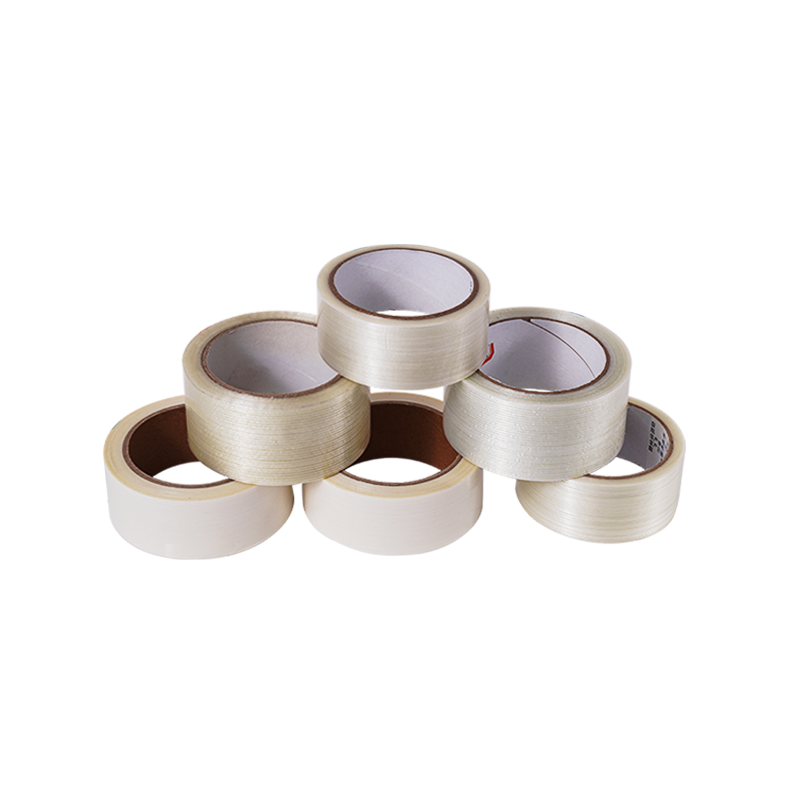
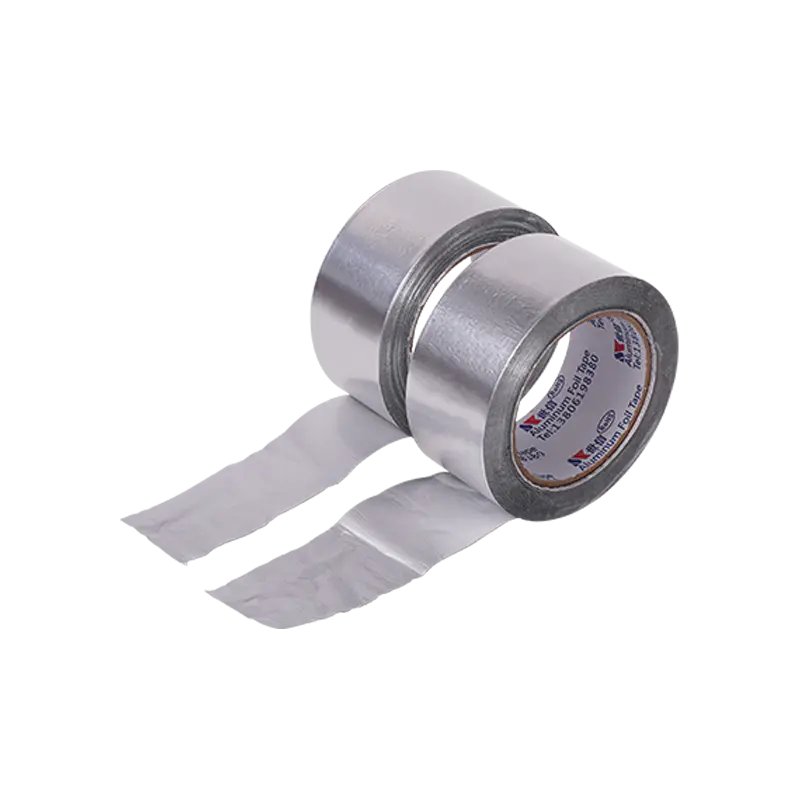
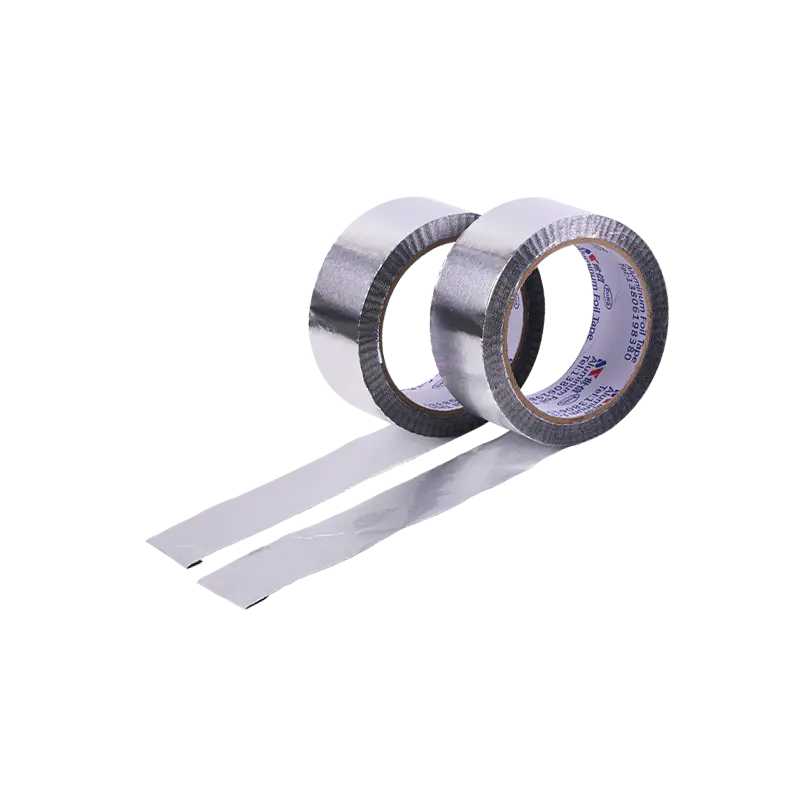
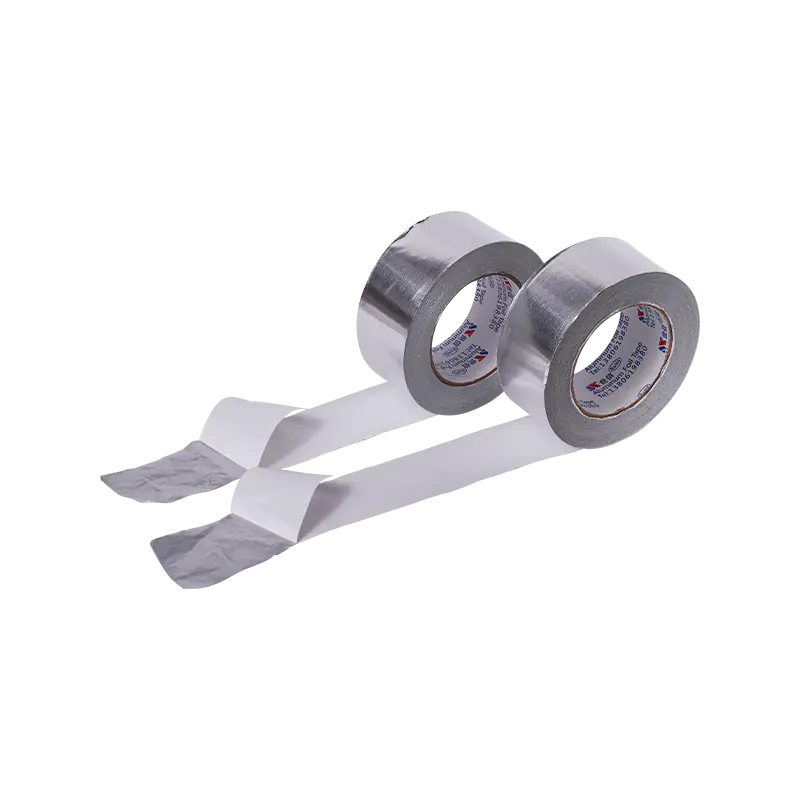
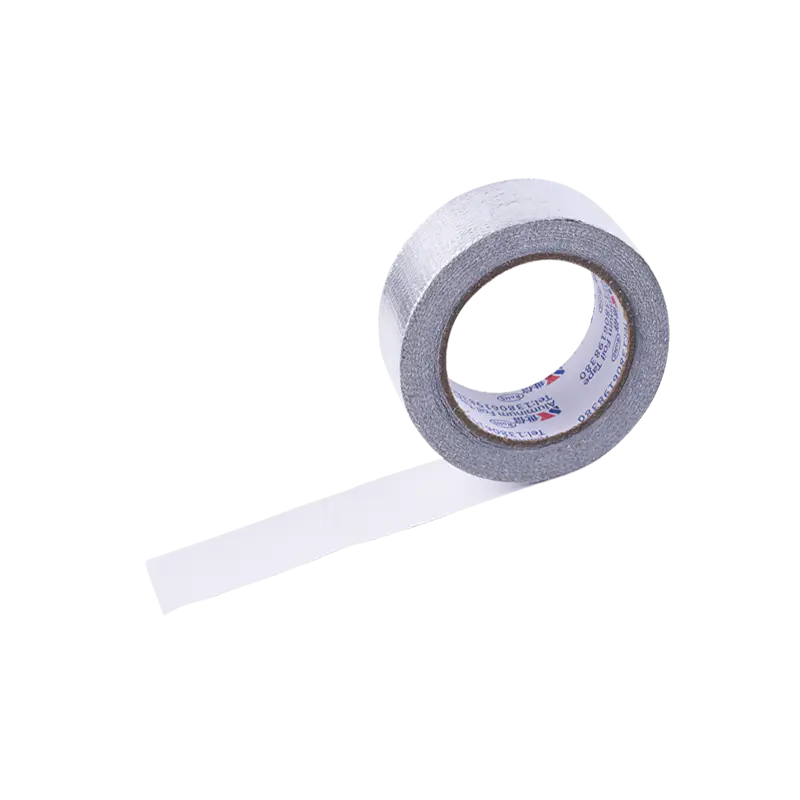
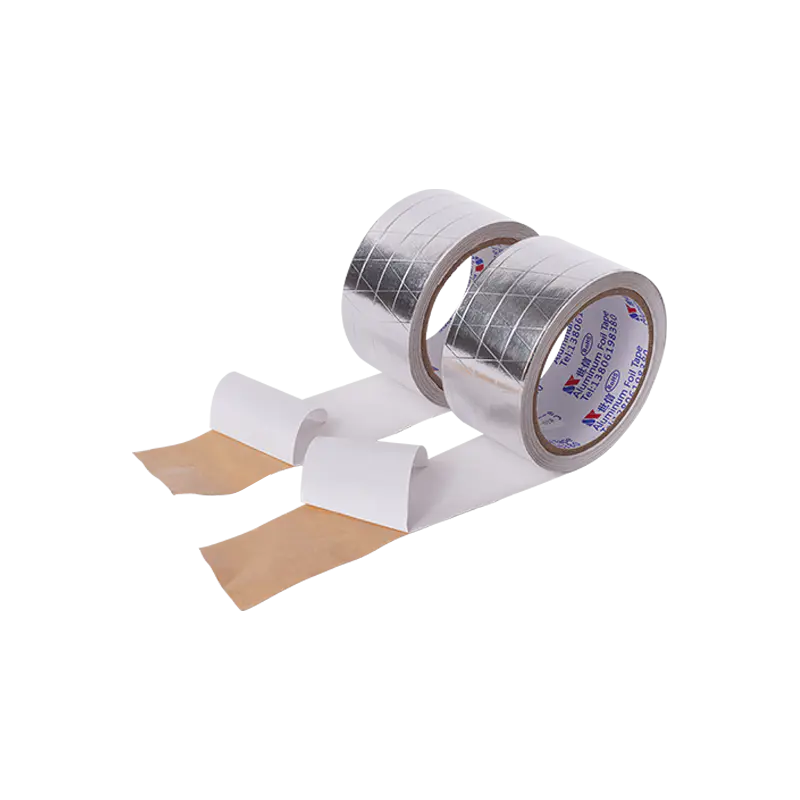
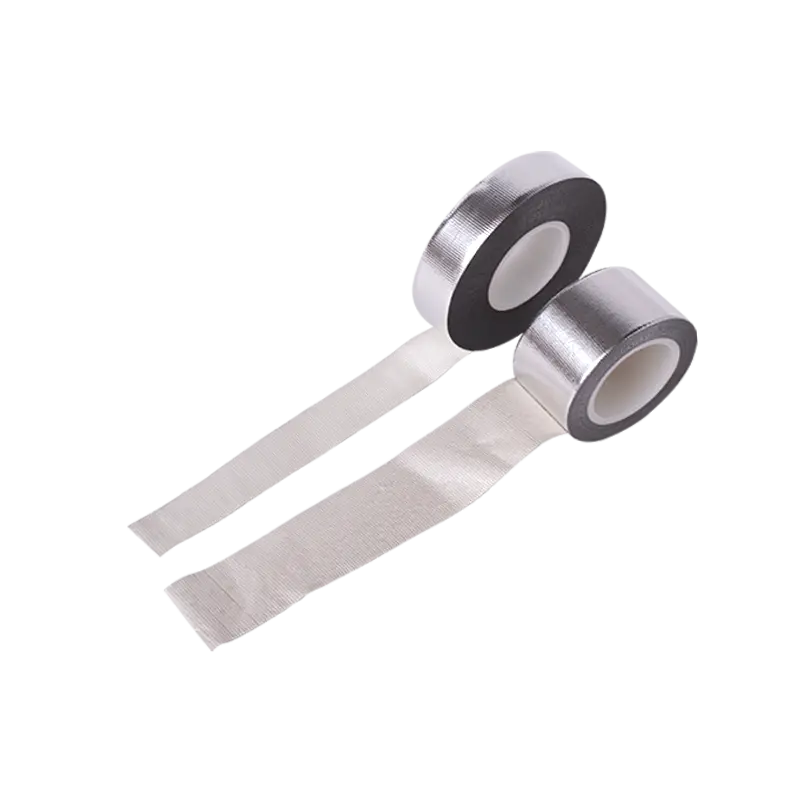
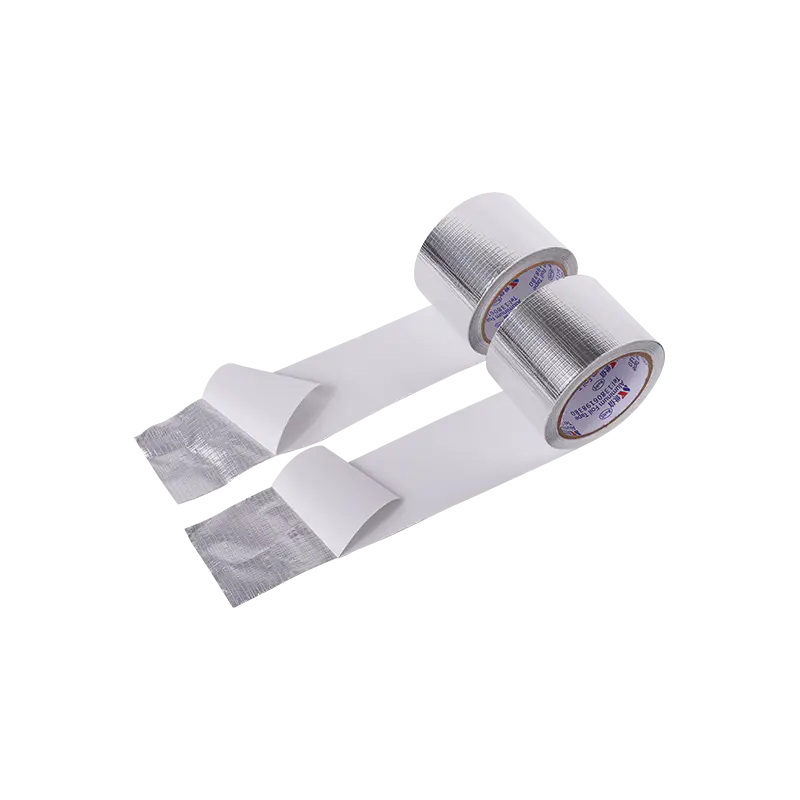
The distinction begins with the backing. In a unidirectional reinforcing tape, glass yarns are mainly aligned along the tape length to carry loads in that direction. In fiberglass-cloth aluminum foil tape, an aluminum foil layer is laminated to glass fabric, adding a reflective facing and providing reinforcement for insulation or protective applications. The two structures should be evaluated for different functions, not treated as interchangeable catalog rolls.
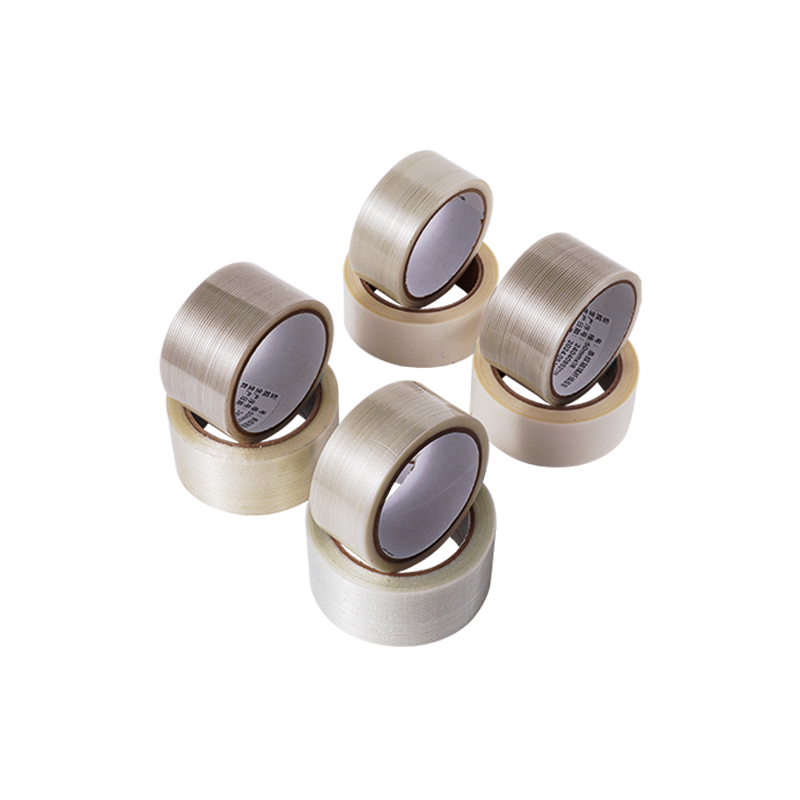 For model-level properties, consult the Unidirectional Fiberglass Reinforcing Tape selection guide. Confirm the exact model and adhesive.
A tensile-strength result for a reinforcing tape does not establish the foil-laminate’s sealing performance, and a reflective foil surface does not prove that a tape is suitable for a load-bearing joint. Compare the actual substrate, direction of force, required barrier or reflection function, adhesive and operating environment before selecting a construction.
Which Construction Fits the Application?
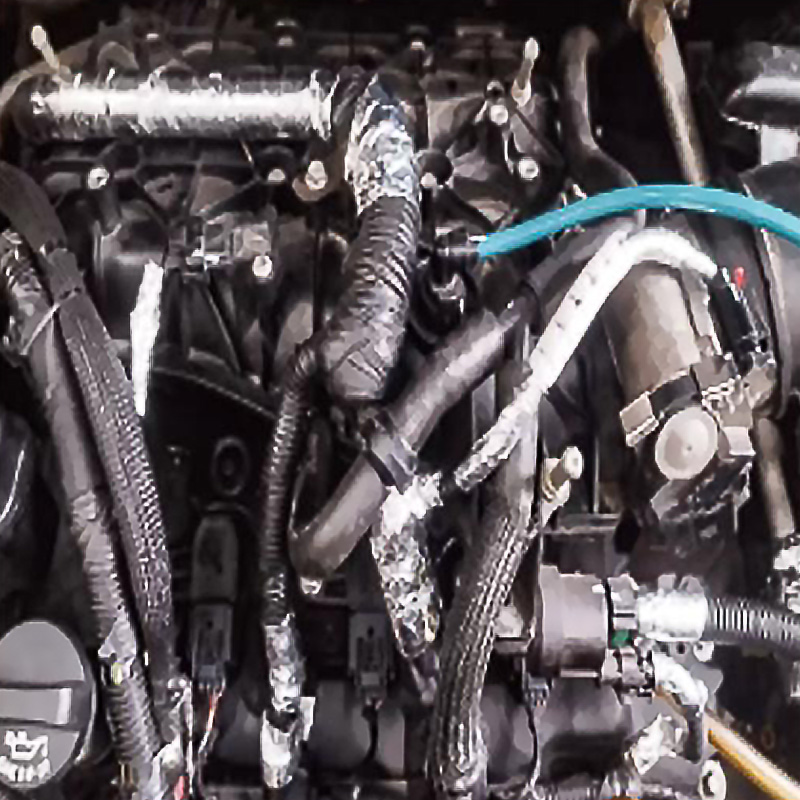
Start with the function. Choose unidirectional fiberglass tape where mainly lengthwise restraint or reinforcement is required. Consider a fiberglass-cloth aluminum foil laminate where the application needs a reflective metal surface together with a tougher composite backing. For automotive exposure near hot components, assess a dedicated high-temperature foil/fiberglass construction and its specified adhesive rather than assigning its properties to other fiberglass tapes.
The table distinguishes reinforcement functions from foil-facing functions. Product availability and exact structures must be confirmed against the relevant Shixin Tape grade; woven glass-cloth tape is included for technical comparison, not as a blanket claim of stock availability.
|
Structure |
Main function |
What to specify |
Key selection risk |
|
Unidirectional fiberglass reinforcement |
Mainly lengthwise tensile restraint or reinforcement |
Fiber direction, tensile test, adhesive, slit width |
Off-axis loads and edge damage |
|
Woven fiberglass cloth (comparison) |
Reinforcement in multiple directions; verify available grade |
Cloth weave, thickness, adhesive and flexibility |
Unverified stock availability and poor bend conformity |
|
Fiberglass-cloth aluminum foil laminate |
Foil facing plus fabric reinforcement for insulation/protection |
Foil build, adhesive, seam/peel tests, roll format |
Laminate failure or insufficient seam bonding |
|
Automotive high-temperature fiberglass foil |
Reflective and protective composite near hot components |
Model-specific adhesive, thermal exposure, geometry |
Using temperature claims from a different grade |
Five Checks That Matter More Than the Product Name
For both families, define the substrate, service conditions and required product function before requesting a custom width. The following checks help prevent confusion between mechanical reinforcement, surface protection and insulation-facing applications.
Standard grade evaluation
Project-specific conversion
Shixin’s unidirectional fiberglass reinforcing tape guide provides deeper model-level selection details. For foil-facing applications, evaluate the actual fiberglass aluminum foil tape grade and supporting technical data instead of copying a reinforcing-tape specification.
How to Qualify Fiberglass Tape for a Production Order
Use a four-part qualification record: (1) the application drawing and required function; (2) the model-specific material and adhesive specification; (3) agreed test methods and results; and (4) a representative application or line-trial report. For automated feeding, include core size, winding direction and release behavior if applicable.
The engineering priorities differ by construction. Unidirectional reinforcement requires particular attention to load direction, tensile behavior and bonded-joint performance. Fiberglass foil laminates require attention to foil integrity, laminate bonding, flexibility, temperature exposure and seam performance. The same single ranking of “engineering impact” would be misleading for both.
For compliance review, distinguish ISO 9001 management-system certificates from product-related RoHS/REACH information and third-party test reports. Request current documentation that applies to the selected materials and grade; an unrelated product report is not evidence for every tape in the range.
What Buyers Gain From Choosing the Right Construction
The main benefit is matching the material to the failure mode. A unidirectional reinforcing tape can help where the load follows the fiber direction. A fiberglass-cloth aluminum foil laminate may be more appropriate for a mechanically reinforced insulation facing, duct joint or reflective protective layer. Incorrect selection can create unnecessary rework, poor conformability or application failures.

Custom converting is also a purchasing decision. Shixin Tape can discuss selected width and roll-format requirements, but buyers should compare total landed cost, machine compatibility, approval effort and expected production yield, not an unsupported percentage saving versus another region. MOQ, lead time and feasible converting options must be confirmed for the exact grade and drawing.
Frequently Asked Questions
Can I replace fiberglass aluminum foil tape with unidirectional reinforcing tape?
Not without requalification. A unidirectional reinforcing tape is intended mainly for reinforcement along its fiber orientation, while a fiberglass foil laminate adds a metal facing for different protective or insulation-related functions. Define the required function and test the proposed substitute.
Are all fiberglass foil tapes suitable for high-temperature automotive applications?
No. Adhesive type and temperature performance vary. A dedicated automotive high-temperature fiberglass aluminum foil grade should be checked against its own technical data; a general acrylic-adhesive fiberglass foil tape should not inherit a silicone-grade temperature claim.
How should I compare single-yarn fiberglass and woven fiberglass cloth?
Single-yarn or unidirectional reinforcement concentrates strength mainly along the fiber direction. Woven fiberglass cloth distributes reinforcement in more than one direction but has a different thickness and flexibility profile. Confirm whether the corresponding tape construction is actually available and suitable for the application.
What should I request for RoHS, REACH and quality documentation?
Ask for the applicable, current ISO management-system certificate and product-specific compliance or test records where required. The documentation should correspond to the selected construction and material, not simply to an unrelated product family.
Need to compare fiberglass reinforcement with a fiberglass foil laminate? Share the substrate, load direction, temperature conditions, tape dimensions and projected quantity through our contact page. Shixin Tape can discuss suitable grade options and sample requirements.

Our company has been engaged in the tape manufacturing industry for more than 20 years, and has been focusing on various types of aluminum foil tapes, foam tapes, refrigerator tapes, etc.
IsabelLina
Email:[email protected]
Mobile/Whatsapp: +86-153-0151-5119
Mars Gong
Email:[email protected]
Mobile/Whatsapp: +86-159-5136-0053
Address: West side of Yingbin Avenue and south side of hengwang packaging. Suqian Economic and Technological Development Zone,Jiangsu Province
Copyright © Jiangsu Shixin Adhesive Tape Product Co., Ltd. All Rights Reserved. Custom ODM Refrigerator Foil Adhesive Tapes Manufacturers