2026-10-23
Content
Quick answer: When linerless aluminum foil tape is hard to unwind, wrinkles or transfers adhesive, examine the release-treated foil backside, adhesive grade, roll condition, storage and dispenser settings together. For OEM buyers, the most useful incoming checks are roll traceability, width and edge condition, unwind consistency and adhesion on the real substrate. Cost savings should be calculated from actual production records, not a universal percentage.
A typical linerless or self-wound aluminum foil tape combines a treated foil backside, aluminum foil carrier and pressure-sensitive adhesive. The adhesive rests against the treated foil backside in the wound roll, so there is no separate paper or film liner to remove during application.
This design removes a liner-handling step, but it also makes the coating and winding system critical. Different adhesive chemistries and backside treatments must be evaluated as a matched construction. Shixin offers selected linerless foil tape grades with water-based acrylic, solvent-based acrylic or rubber-based systems, depending on the application.
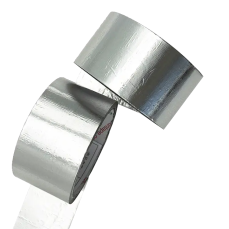
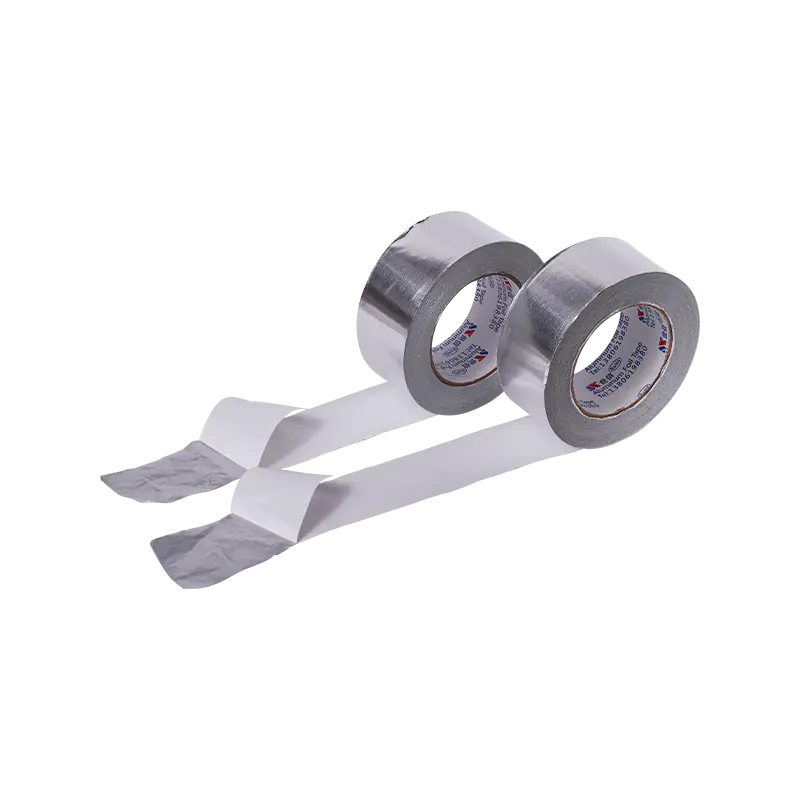
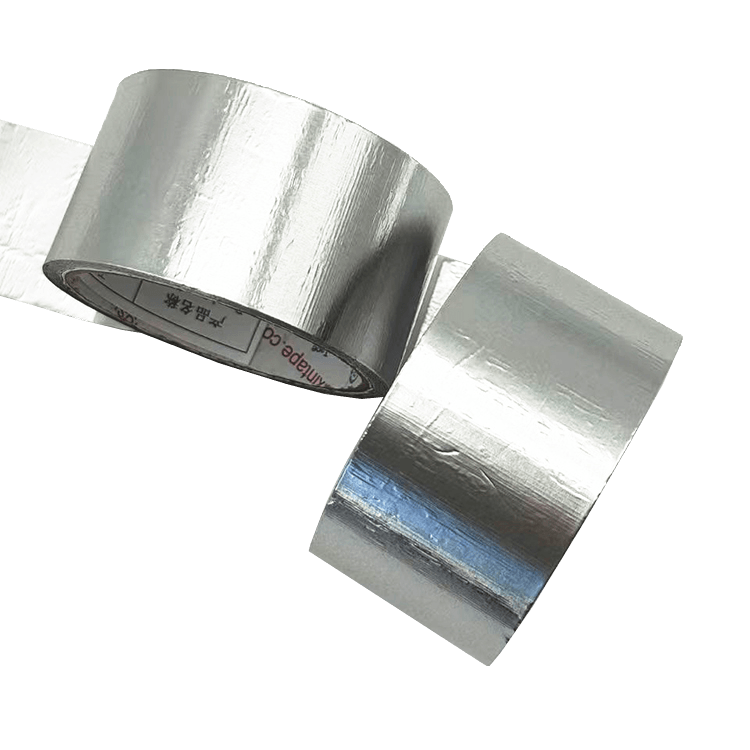
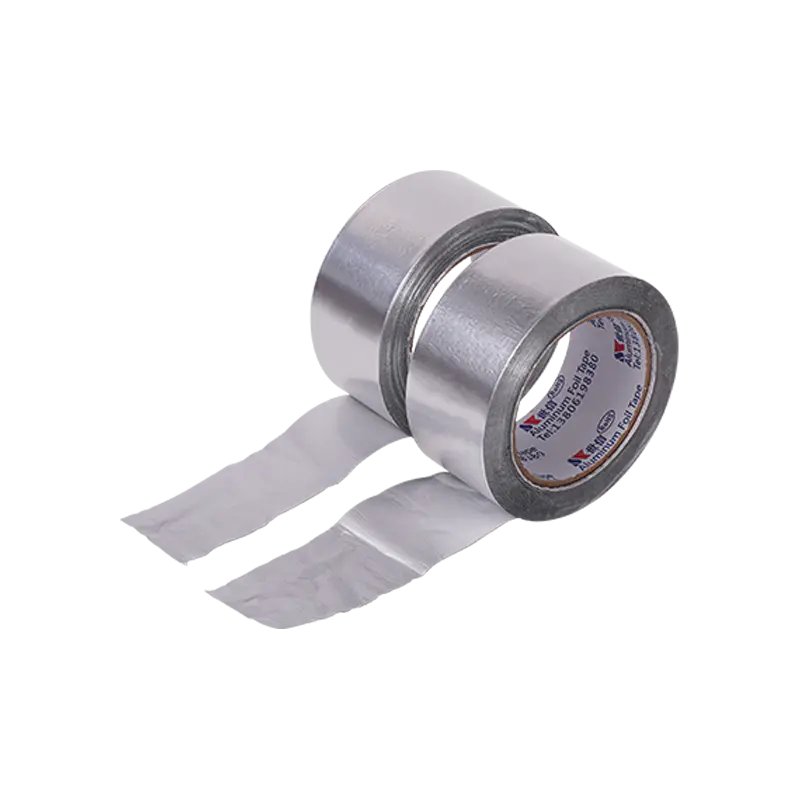
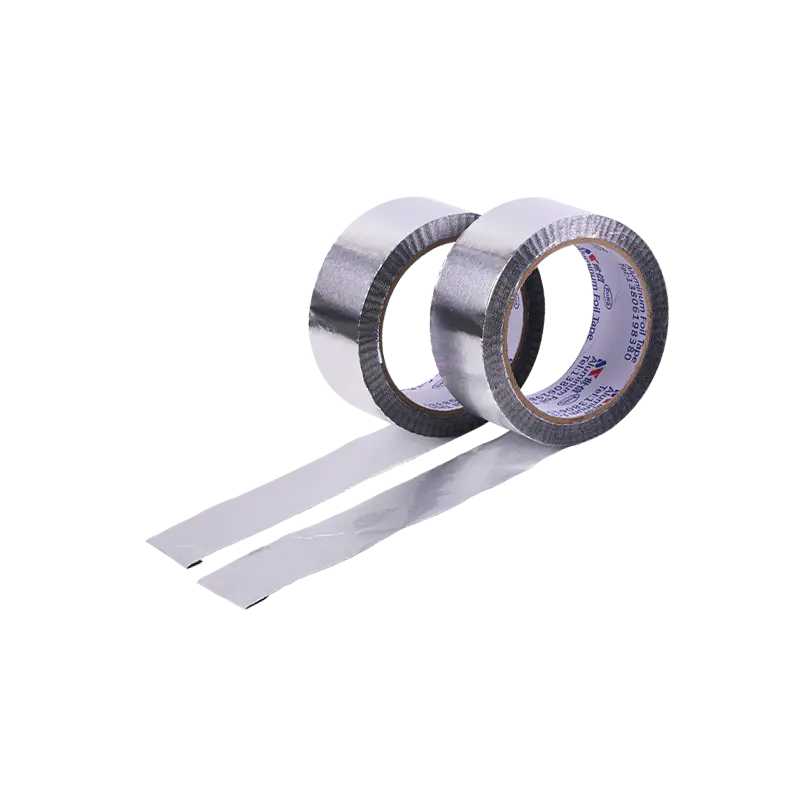
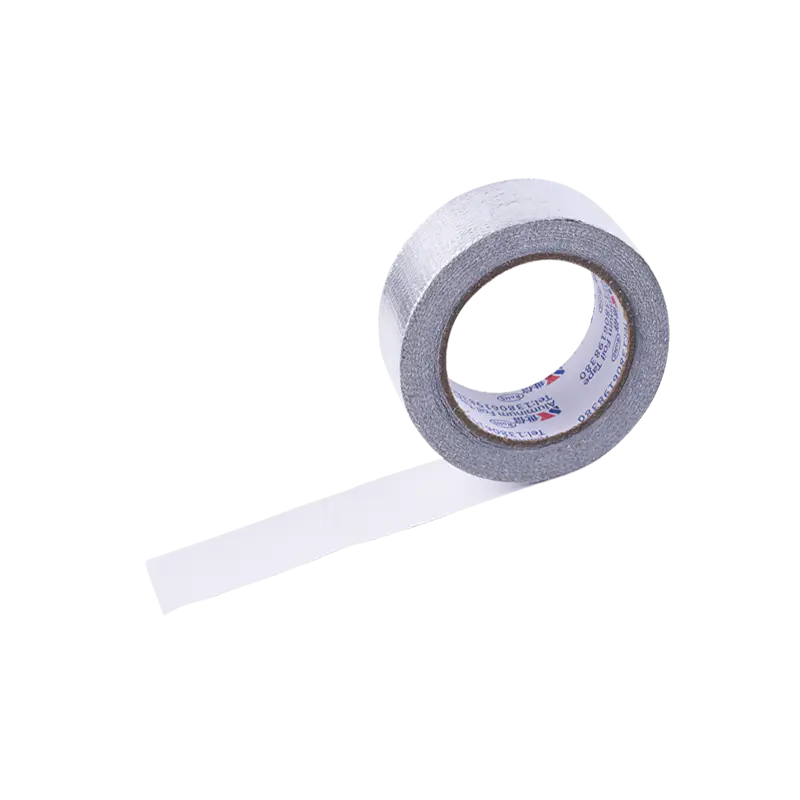
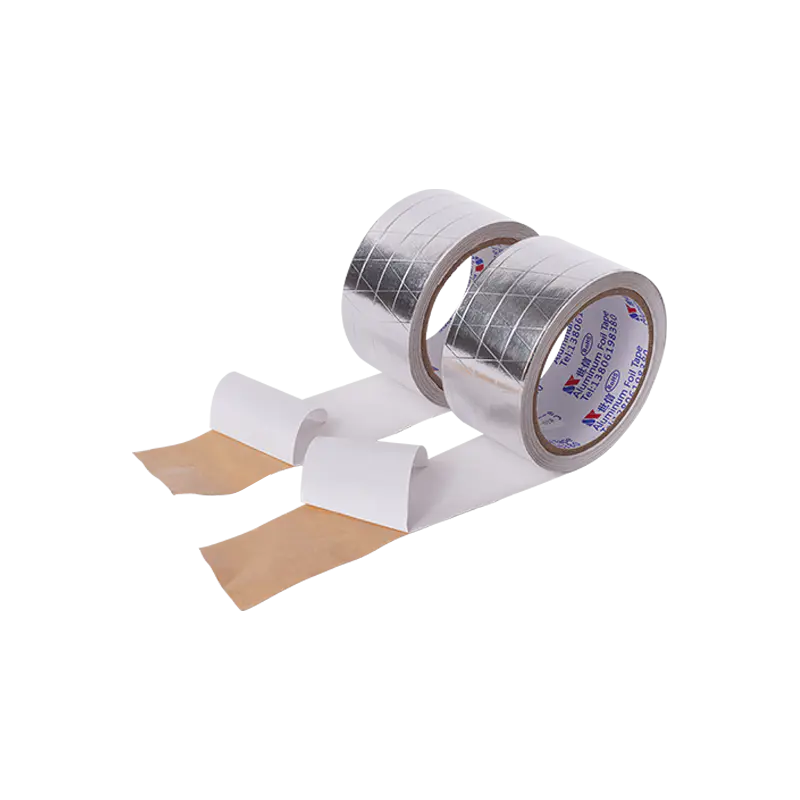
Linerless aluminum foil tape roll. Final structure and specifications depend on the selected grade.
Compare unwind behavior near the outside, middle and core of the roll with the same test method. Look for release-treatment issues, winding pressure, contamination and temperature history. Record angle, speed, conditioning and test location; a single measured value without method details cannot be used to compare lots reliably.
Inspect the roll face and core alignment, then observe the machine web path and tension control. Tracking problems may reflect converting quality, equipment setup or both. Photograph the roll before installation so transport damage is not confused with an operating issue.
Check when the defect first appears: on opening, during unwind or at the application head. Storage heat, release-coating compatibility, slitting damage and winding conditions are different possible contributors. Keep the packaging label and lot number for investigation.
Unwind quality and final service performance are separate. For refrigeration tubing, determine whether PU foaming or another downstream process follows tape placement. A pure-foil grade and a film-laminated linerless grade may interact differently with the actual process and must be evaluated separately.
|
Check point |
What to record |
Why it matters |
|
Identification |
Grade, batch, width, length, core, packing date |
Traceability and correct sourcing |
|
Dimensions |
Foil gauge vs total thickness; finished width |
Machine fit and accurate specification |
|
Roll condition |
Edge quality, telescoping, crushed faces, contamination |
Handling and transport integrity |
|
Unwind test |
Observation or measured force at several roll positions using one method |
Consistency across the roll |
|
Adhesion |
Actual substrate, conditioning, peel or holding method |
Application suitability |
|
Downstream process |
PU foaming or thermal / lamination step if applicable |
Compatibility of the completed assembly |
Set the acceptable limits together with the supplier using the approved trial construction and equipment. Example speeds, core sizes or splice limits from unrelated processes are not universal specifications.
A roll with no disposable liner may reduce liner handling and waste, but there is no fixed saving across factories. The correct comparison is on the same accepted production output, with differences in tape grade, line speed, operator time, scrap and rejection rates included.
Use the same currency on both sides. For global buyers, the table can be completed in their operating currency; Chinese factories may choose CNY (RMB). The values below are deliberately left blank rather than presenting illustrative numbers as Shixin quotations.
|
Cost item per 1,000 applied meters |
With release liner |
Linerless |
|
Tape purchased and consumed |
Actual cost |
Actual cost |
|
Liner handling and disposal |
Actual cost |
Not applicable to separate liner |
|
Labor and roll changes |
Recorded cost |
Recorded cost |
|
Scrap and rework |
Recorded cost |
Recorded cost |
|
Other verified process costs |
Recorded cost |
Recorded cost |
|
Total |
Sum of actual costs |
Sum of actual costs |
Total cost per 1,000 applied meters = tape consumption + liner handling/disposal + labor/changeovers + scrap/rework + other verified process costs. If defect rates differ, compare cost per accepted finished unit as well. Avoid counting a liner’s purchase cost twice if it is already included in the supplier’s tape price.
Linerless tape can be applied manually or through suitable machinery. It is worth evaluating for repetitive refrigeration tube fixing and other continuous applications where the liner-removal step is a bottleneck. Liner-backed tape can offer advantages for pre-cut pieces, staged handling and precision placement.
For refrigerator and freezer manufacturing, the backing construction matters beyond the label “linerless.” Pure aluminum foil and film-laminated linerless foil are different materials. A change in backside treatment, film layer or adhesive should trigger a check against the actual production sequence, including PU foaming when relevant.
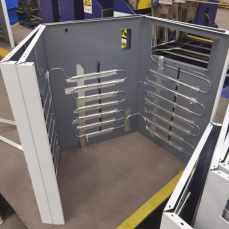
Example of tubing in a refrigeration cabinet. Tape selection must be qualified for the actual production process.
Jiangsu Shixin Adhesive Tape Product Co., Ltd. (Shixin Tape) manufactures linerless aluminum foil tapes and offers custom slitting and roll configurations for industrial applications. Sharing an existing tape sample or line problem allows Shixin to discuss the relevant adhesive family, backing construction, roll dimensions and pilot-run plan. The approved grade and project test results should determine final purchasing limits.
No. It eliminates separate release-liner handling, but total application cost also depends on the tape, production time and reject rate.
Yes, when the selected construction and handling procedure suit the job. It is not limited to automated lines.
Record the behavior at different roll diameters with a consistent method, then review backside treatment, winding, storage and dispenser tension with the supplier.
Only after evaluating the new structure in the real process, including downstream foaming or bonding where relevant.
Send Shixin Tape your application, material, roll specifications, machine details and observations. The team can help assess a suitable grade and trial-roll format.
Pure aluminum foil tape without liner | Linerless vs. liner-backed foil tape guide | Jumbo-roll OEM specification guide

Our company has been engaged in the tape manufacturing industry for more than 20 years, and has been focusing on various types of aluminum foil tapes, foam tapes, refrigerator tapes, etc.
IsabelLina
Email:[email protected]
Mobile/Whatsapp: +86 190 3379 1110
Mars Gong
Email:[email protected]
Mobile/Whatsapp: +86 159 5136 0053
Address: West side of Yingbin Avenue and south side of hengwang packaging. Suqian Economic and Technological Development Zone,Jiangsu Province
Copyright © Jiangsu Shixin Adhesive Tape Product Co., Ltd. All Rights Reserved. Custom ODM Refrigerator Foil Adhesive Tapes Manufacturers