2026-10-22
Content
Quick answer: Heated toilet seat manufacturers should qualify HSL (heat-seal) aluminum foil tape as part of the complete heater assembly. Check which adhesive face bonds to each component, the plastic substrate, heat-seal process, thermal-aging evidence and line handling. Aluminum foil can help distribute heat, but it is electrically conductive and cannot replace a designed insulation layer.
A heated toilet seat contains a plastic seat ring, a heater, bonded interfaces and electrical protection components. The tape may appear to be a small consumable, yet an unsuitable adhesive or processing condition can contribute to edge lift, heater displacement, wrinkles and uneven contact after repeated warm-up cycles.
For purchasing and engineering teams, a useful qualification process starts with an assembly drawing. Identify the heater material, the seat-ring substrate, every surface touched by the tape and the sequence in which pressure, heat and liner removal are applied.
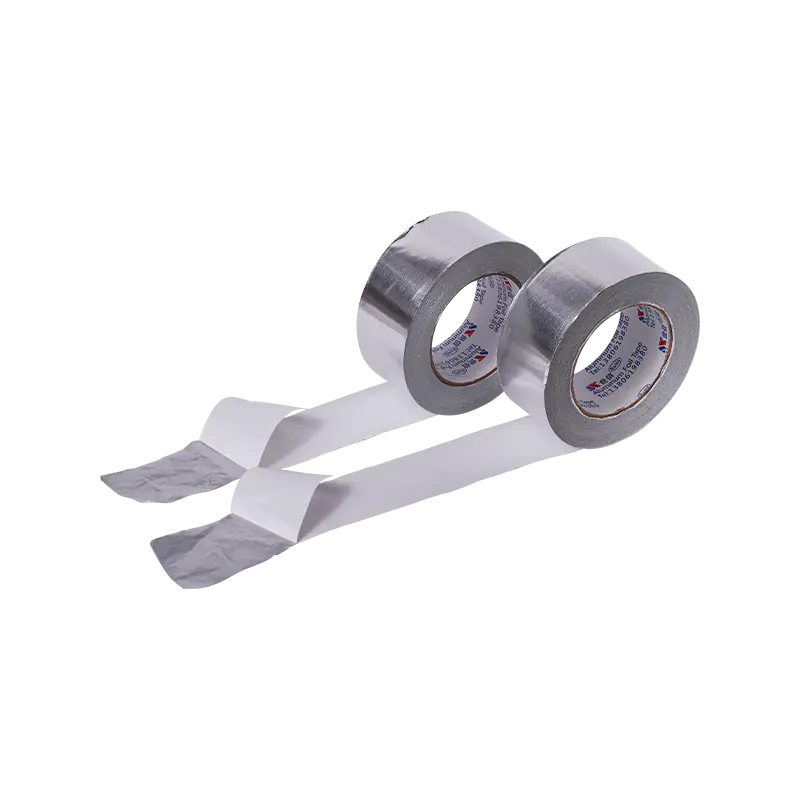
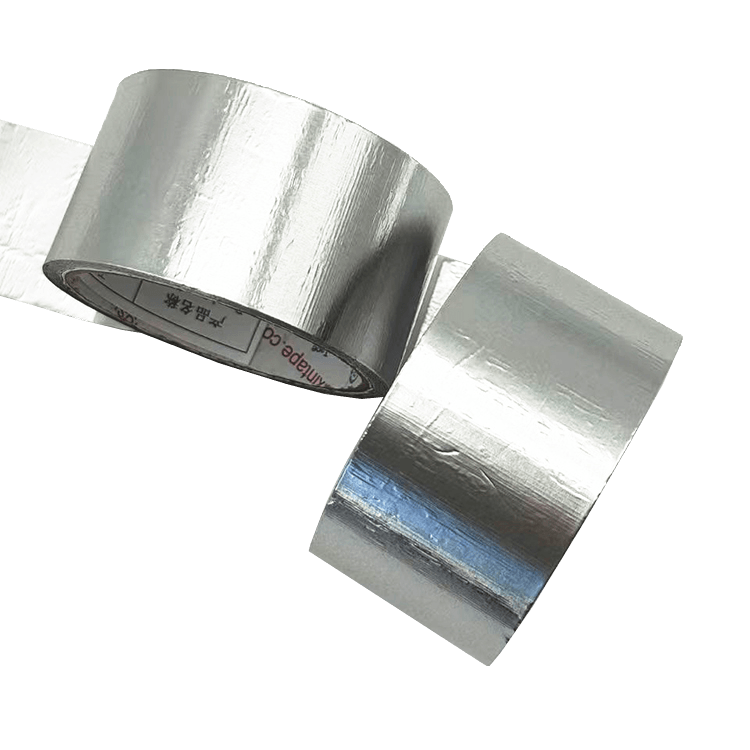
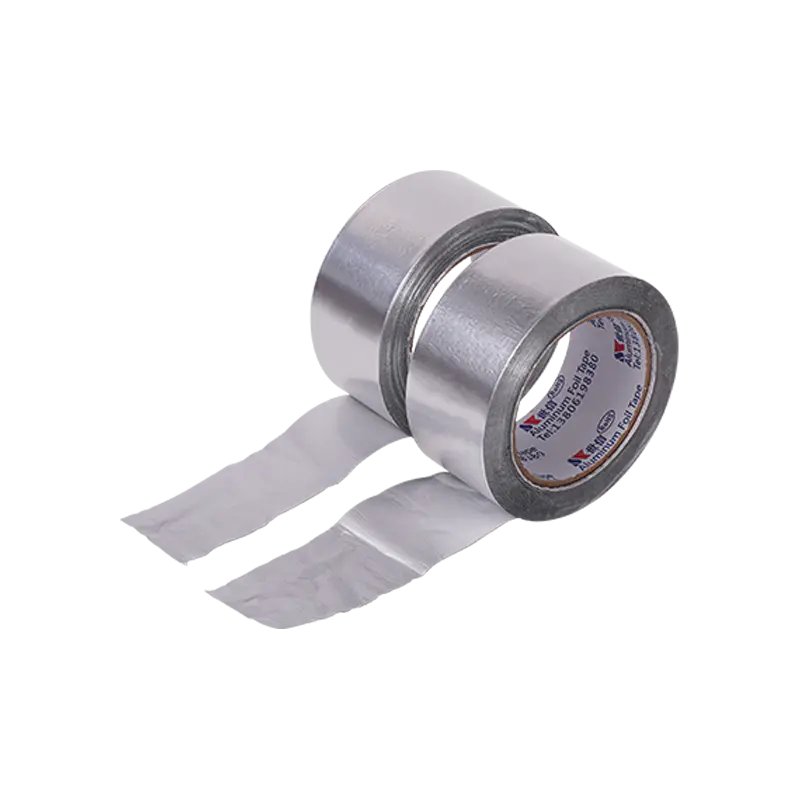
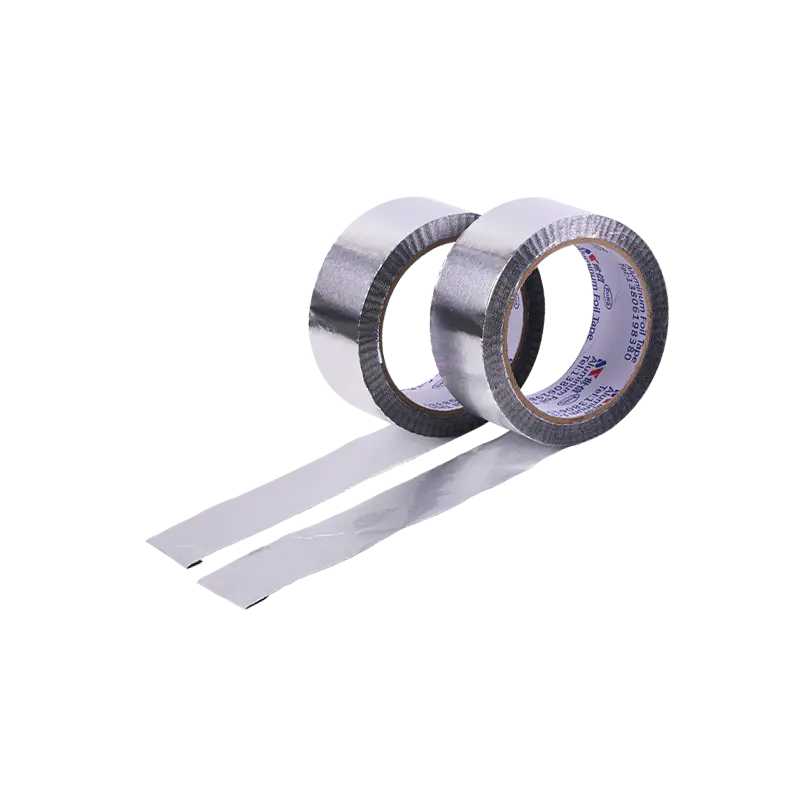
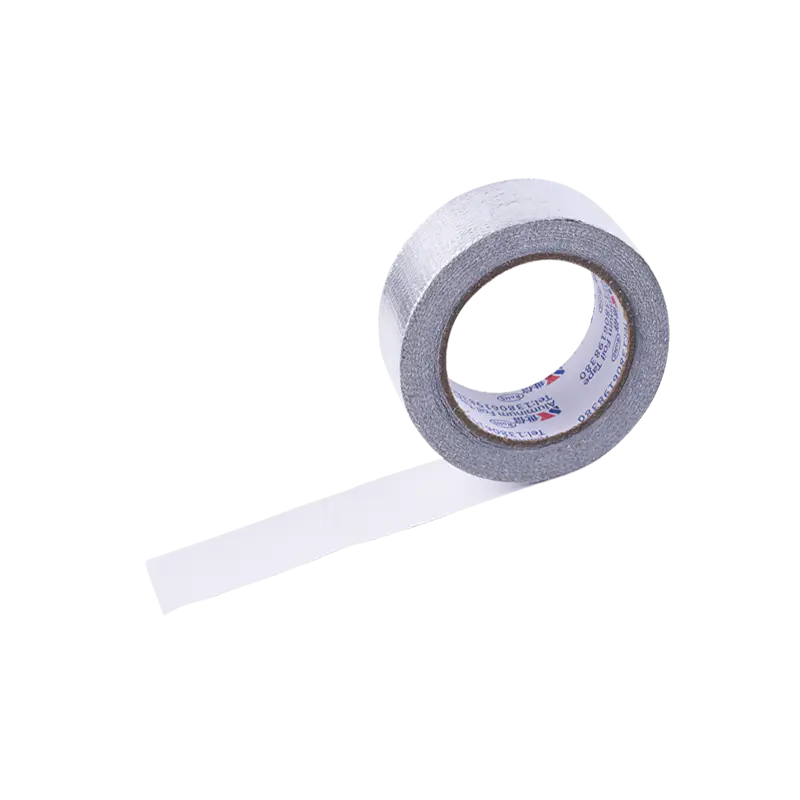
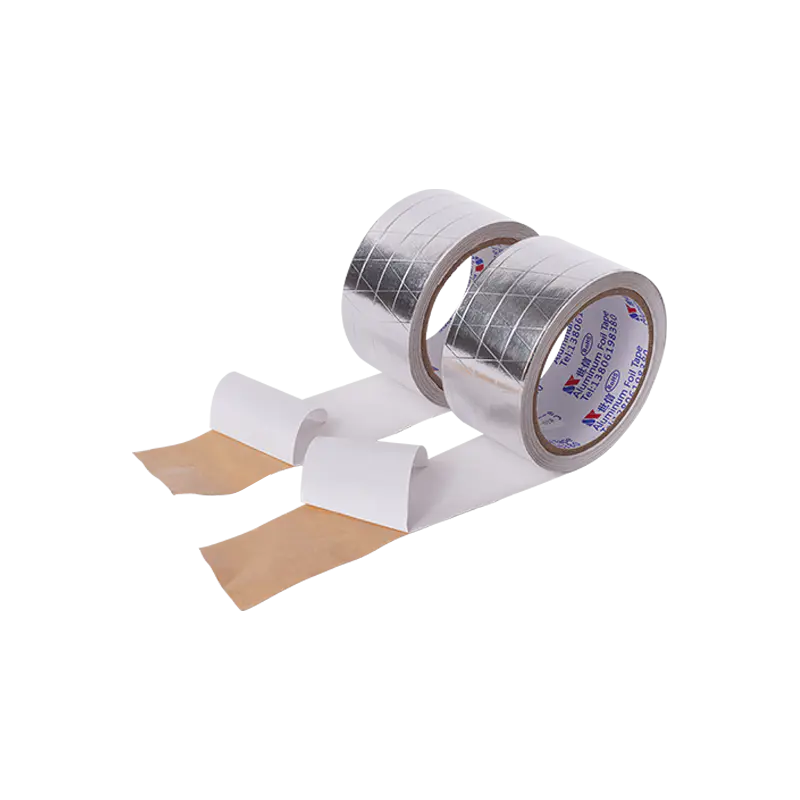
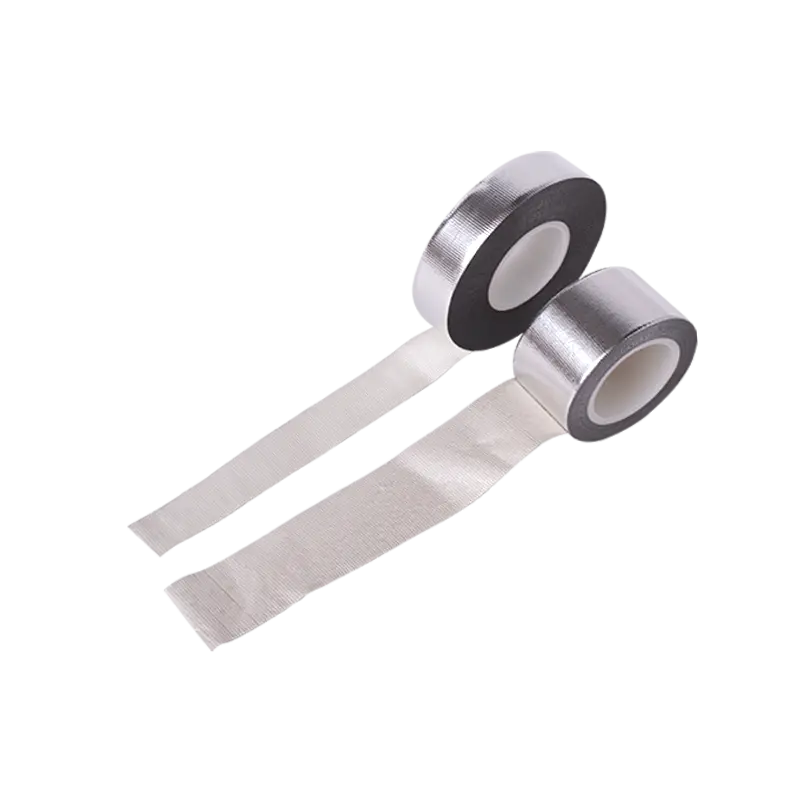
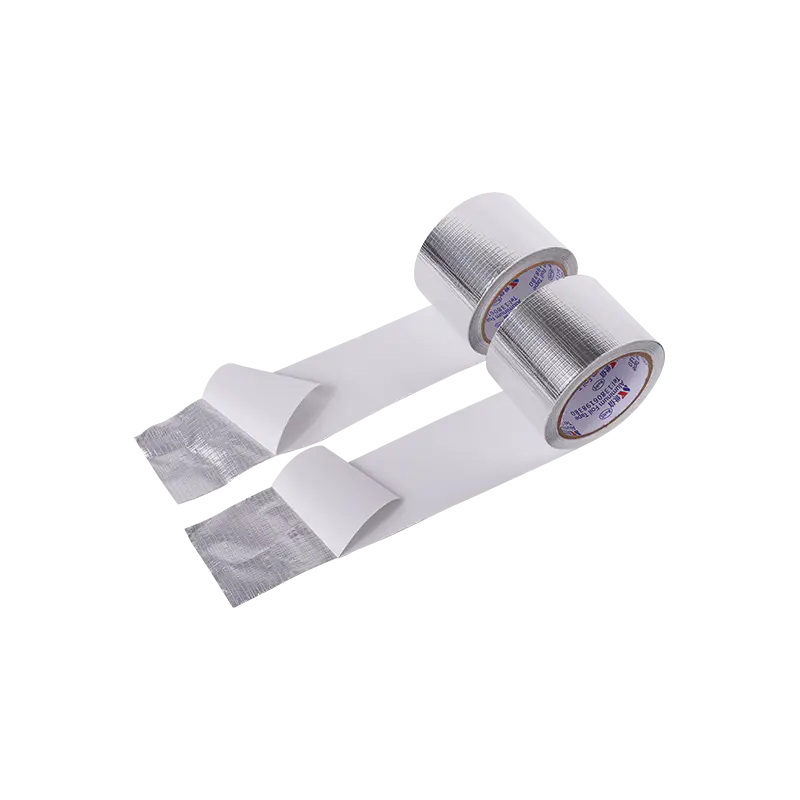
The heated toilet seat HSL construction described in Shixin’s product range uses an aluminum foil carrier with a heat-seal adhesive on one face and a pressure-sensitive adhesive on the other. Release paper or film protects the pressure-sensitive face before use. Depending on the selected grade, that adhesive system may be solvent-based acrylic or rubber-based.
|
Layer / interface |
Function |
What to confirm |
|
Heat-seal adhesive |
Bonds the specified heater-side interface when heat and pressure are applied |
Heater material; temperature, pressure and dwell time |
|
Aluminum foil |
Formable metallic carrier that can spread heat |
Foil gauge, geometry and electrical separation |
|
Pressure-sensitive adhesive |
Bonds the mating component during assembly |
Adhesion to actual PP, filled PP, ABS or coated surface |
|
Release paper or film |
Protects the pressure-sensitive face until application |
Peel behavior, die-cut handling and line compatibility |
This two-sided format is not interchangeable with a single-sided linerless HSL product. PET, kraft paper and other liner materials should be treated as grade-specific options, not assumed universal choices.
Example of a heated toilet seat component. The final tape position depends on the OEM assembly design.
The aluminum carrier can help spread heat around a heater assembly. It is also conductive. It should never be described as an electrical-insulation barrier by itself. Insulation resistance, leakage protection and overall electrical safety must be evaluated on the finished assembly, including its actual insulating layers and component layout.
A basic room-temperature peel result does not settle an elevated-temperature bonding application. Testing should match the selected tape grade, actual substrate and project acceptance requirements.
|
Qualification topic |
Suggested evidence |
Typical decision question |
|
Bonding process |
Trial log of heat-seal temperature, pressure and dwell time |
Does the interface bond consistently at production settings? |
|
Material compatibility |
Adhesion test on actual seat-ring plastic and heater material |
Does the bond remain stable on the real components? |
|
Thermal durability |
Project-defined heat aging and warm-up/cool-down cycles |
Are lift, wrinkles or displacement observed? |
|
Humidity / water exposure |
Conditioned samples and relevant test results |
Does the bonded assembly meet the OEM acceptance criteria? |
|
Electrical safety |
Complete-heater test report under applicable requirements |
Is electrical insulation demonstrated by the full assembly? |
|
Line handling |
Die-cut, liner removal and placement trials |
Can the approved roll be handled consistently? |
Shixin’s published product descriptions mention boiling-water resistance, high-humidity testing, thermal shock and prolonged high-temperature exposure for selected HSL constructions. These statements are not blanket guarantees for every adhesive grade or seat design. Buyers should request the test report, method and acceptance criterion for the precise grade being considered.
|
RFQ item |
Information to provide |
|
Application |
Heated toilet seat; heater type and component drawings |
|
Materials |
Seat-ring grade (PP, ABS, filled PP, etc.), heater insulation and surface finish |
|
Bonding process |
Heat-seal temperature/pressure/dwell time; manual or automated assembly |
|
Tape specification |
Width, foil thickness or total thickness, die-cut geometry and liner handling |
|
Validation |
Required aging cycles, humidity exposure, acceptance criteria and documentation |
|
Supply |
Trial quantity, forecast, delivery requirements and required compliance files |
Jiangsu Shixin Adhesive Tape Product Co., Ltd. (Shixin Tape) develops and manufactures industrial adhesive tapes, including HSL foil constructions for heating applications. Shixin can discuss adhesive selection, converted dimensions, liner handling and sample requirements around the buyer’s real heater design. Production approval should be based on the agreed specification and supporting grade-specific evidence.
Not without requalification. A heat-seal interface uses defined heat and pressure, while ordinary pressure-sensitive foil tape may have different bonding and aging behavior.
No. Aluminum is conductive. The completed heater design, not the bare foil layer, must demonstrate electrical insulation and safety.
Select the liner specified for the approved tape grade and verify die-cut release and removal at actual production speed.
No. Confirm the exact grade, test setup and acceptance criteria before using any published result in a purchasing specification.
Share your seat-ring material, heater design, required tape dimensions, bonding conditions and approval tests with Shixin Tape. The engineering and sales team can help review a suitable construction and sample plan.
HSL foil tape for toilet seat covers | Technical introduction to HSL heater tape

Our company has been engaged in the tape manufacturing industry for more than 20 years, and has been focusing on various types of aluminum foil tapes, foam tapes, refrigerator tapes, etc.
IsabelLina
Email:[email protected]
Mobile/Whatsapp: +86 190 3379 1110
Mars Gong
Email:[email protected]
Mobile/Whatsapp: +86 159 5136 0053
Address: West side of Yingbin Avenue and south side of hengwang packaging. Suqian Economic and Technological Development Zone,Jiangsu Province
Copyright © Jiangsu Shixin Adhesive Tape Product Co., Ltd. All Rights Reserved. Custom ODM Refrigerator Foil Adhesive Tapes Manufacturers