2026-10-16
Buyers often specify aluminum foil thickness and adhesive type while giving less attention to the release liner. Yet the liner affects handling, die-cutting and how smoothly the adhesive is exposed during assembly. For an automated line, suitable release behaviour and dimensional stability can be as important as the foil and adhesive specification. These requirements should be confirmed using the actual product grade and equipment.
What a Release Liner Controls in Pure Aluminum Foil Tape
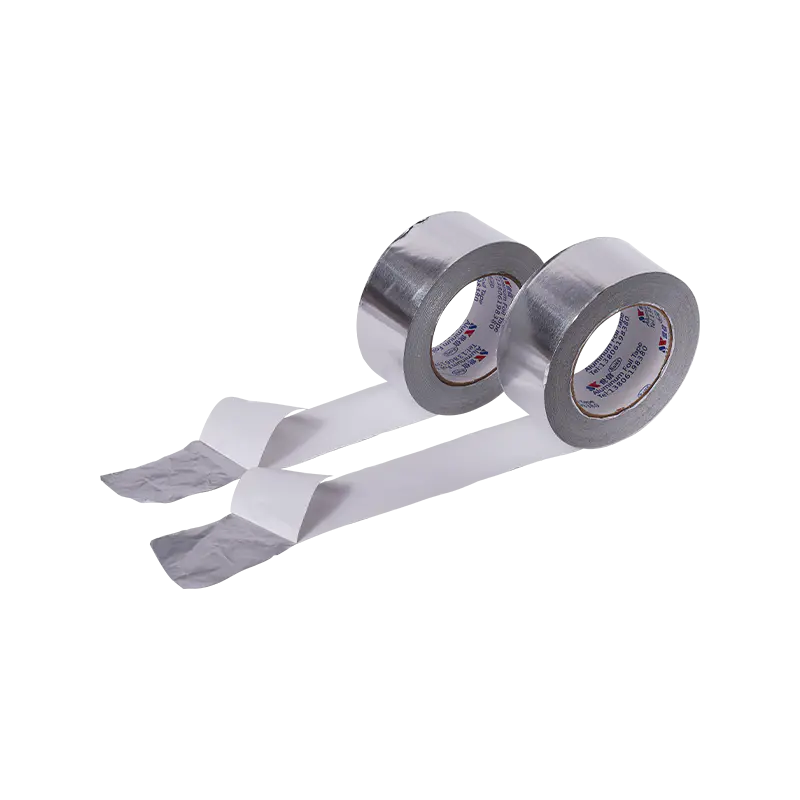
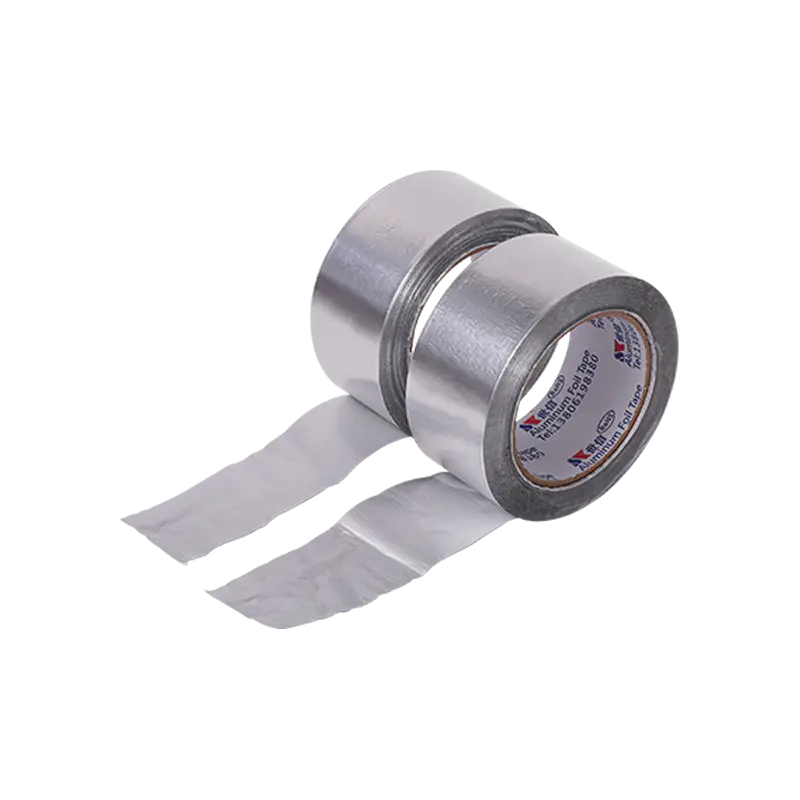
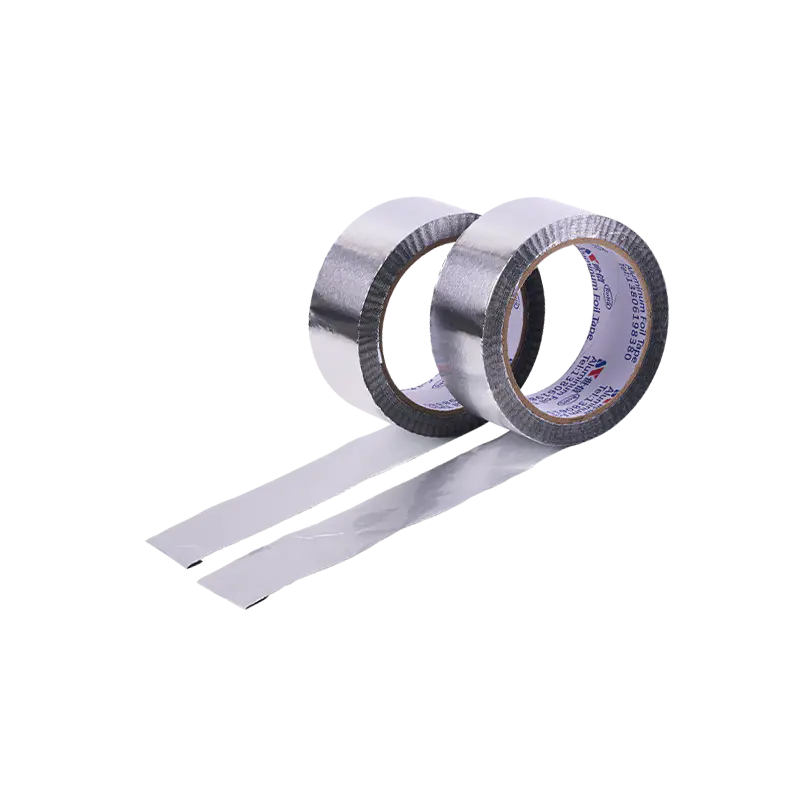
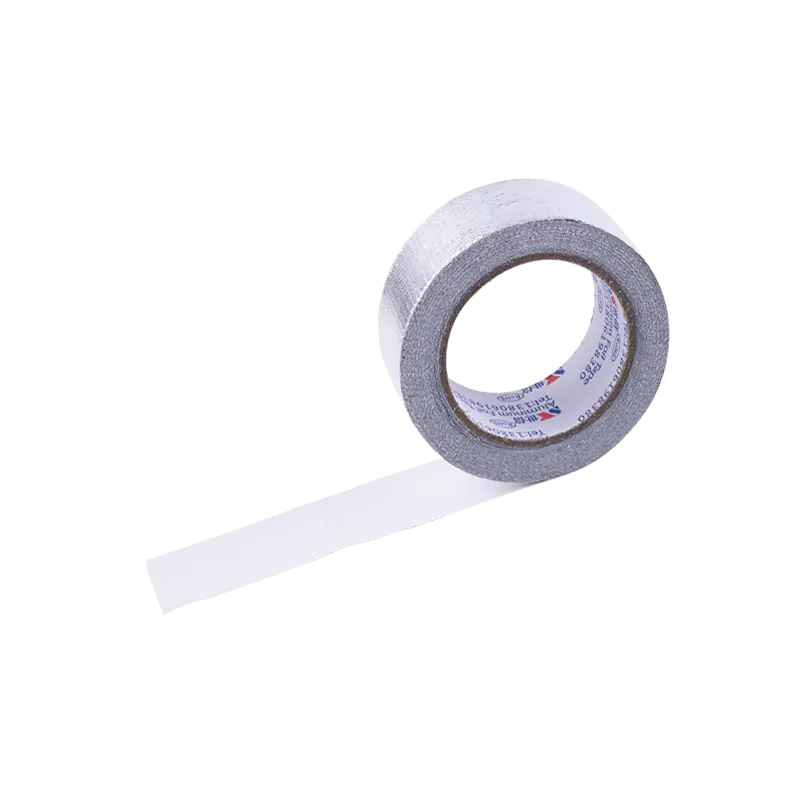
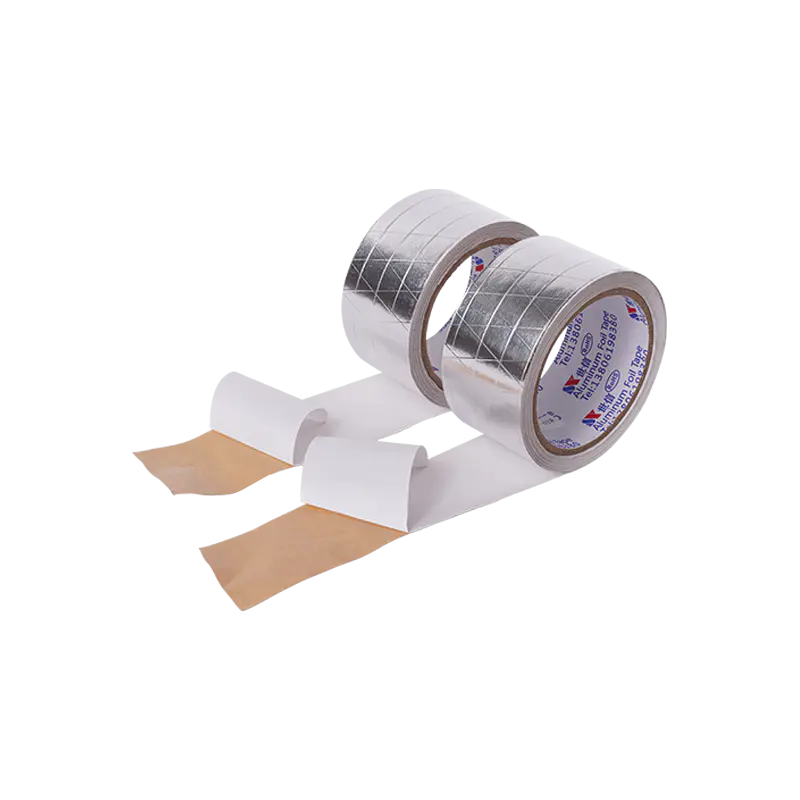
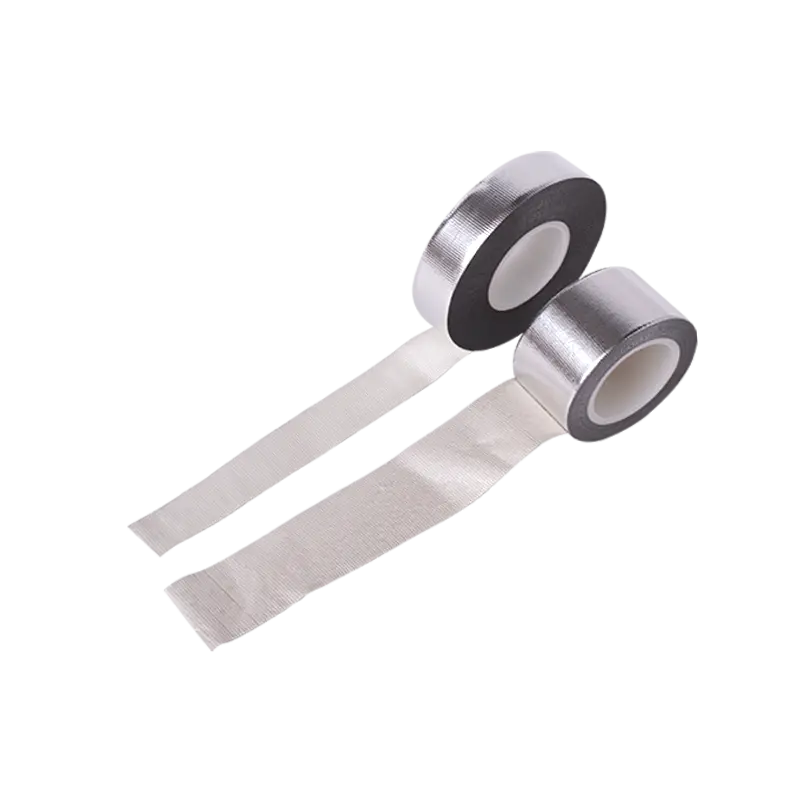
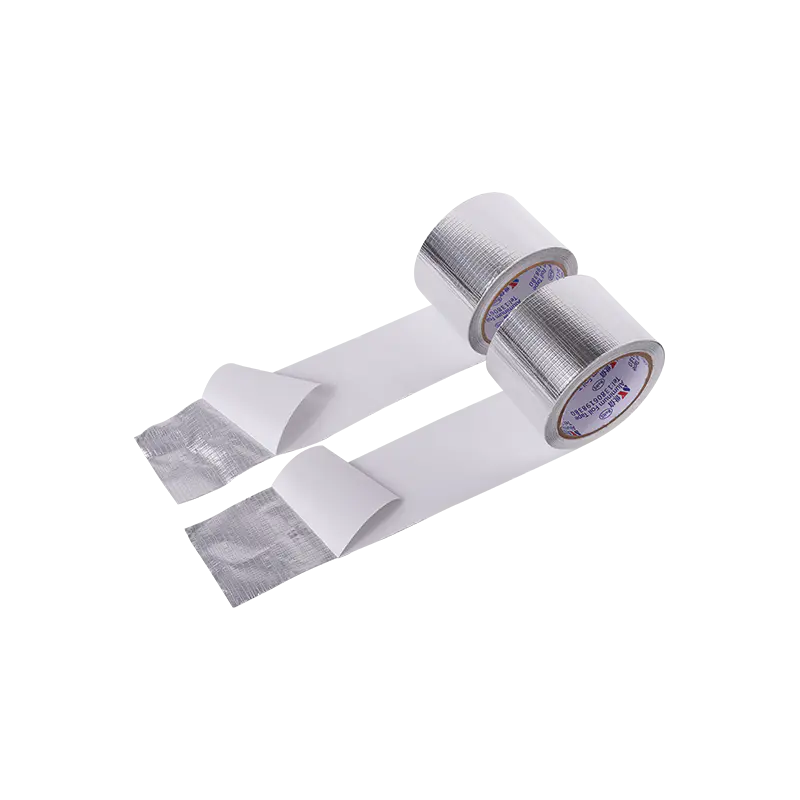
In Shixin's liner-backed aluminum foil tape, the construction consists of aluminum foil, a pressure-sensitive adhesive and a release paper or film. The liner protects the adhesive before use and separates from it during application.
Beyond surface protection, three liner-related properties deserve attention during selection.
Release Liner Options for Aluminum Foil Tape: PET Film, Kraft-Based Paper and Silicone Paper
Shixin's product information lists PET film, kraft-based release paper and white silicone release paper among the options for liner-backed aluminum foil tape. These labels describe different backing materials or release constructions, so the exact substrate and release coating should be confirmed by grade. Material choice should follow equipment and end-use requirements, not a universal ranking.
The comparison below highlights selection considerations rather than guaranteed performance values. For more background, see Shixin's linerless-versus-linered aluminum foil tape selection guide.
|
Liner option |
Selection considerations |
Processing considerations |
Potential applications |
|
|
PET release film |
Film backing; confirm release coating, peel force and stiffness by grade |
Check web flatness, feeding and die-cutting under production conditions |
Precision converting and automated appliance assembly |
|
|
Kraft-based paper |
Paper backing; check release coating and humidity response |
Verify curling, liner stripping and manual handling |
Manual application and selected cutting processes |
|
|
White silicone paper |
Release-coated paper option; confirm base paper and coating specification |
Evaluate release behaviour, slitting and die-cutting suitability |
Liner-backed foil grades subject to model confirmation |
Three Processing Issues Linked to Release Liner Choice
Release-liner problems can appear as web instability, inconsistent liner peeling or unwanted transfer at the adhesive surface. Distinguish liner-release force from the force required to unwind the entire roll.
Matching Release Liner Type to Application and Equipment
Choose the liner together with the processing method. Hand application, slitting, die-cutting and automated placement can require different liner stiffness, release characteristics and roll configurations.
Hand Application and Site Work
Automated and High-Volume Assembly
Checklist Before Approving a Release Liner Sample
Approve the liner using defined specifications and practical line trials, not a general-purpose number taken from another construction.
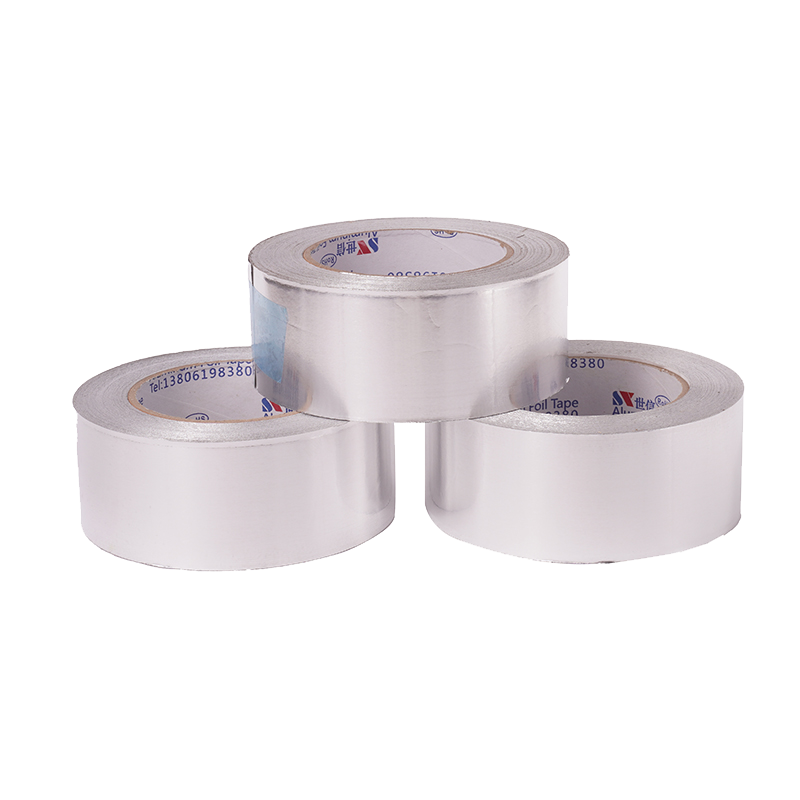
An approved sample should be supported by a consistent purchasing specification for the foil, adhesive, liner and roll dimensions. Jiangsu Shixin Adhesive Tape Product Co., Ltd. lists liner-backed foil tape grades such as SXATP-01W, SXATP-01S and SXATP-01H, with selectable liner materials and custom sizes subject to confirmation. Ask the team for the relevant technical data and available compliance documents for the grade being considered.
 High-Temperature Aluminum Foil Tape With Release Liner
Frequently Asked Questions About Release Liner Selection
Does Pure Aluminum Foil Tape With Liner Bond Differently From a Linerless Version?
Not necessarily. Liner-backed and linerless grades may differ in adhesive formulation, release construction and intended application. Their bonding performance must be compared using the actual grade and substrate. A removable liner can protect the adhesive before placement, whereas a linerless tape avoids a separate liner-removal step.
Can I Replace a Paper Liner With PET Film Without Requalification?
Do not assume so. A liner substitution can change release force, stiffness and feeding behaviour. Confirm the revised construction with the supplier and repeat the relevant processing and bonding checks before production approval.
What Release Force Should I Specify?
Specify a tested operating range, not a universal number. State the test method, peel angle, speed and conditioning conditions, then confirm the limits that work on your own equipment with the selected Shixin grade.
How Should Liner-Backed Aluminum Foil Tape Be Stored?
Keep rolls in their original packaging in a clean, dry environment and follow the storage conditions and shelf-life guidance for the specified grade. Protect paper-based liners from excessive moisture and temperature changes, and recheck any material that shows curling or release irregularities before use. For inquiries regarding release materials and specifications, please contact Shixin.

Our company has been engaged in the tape manufacturing industry for more than 20 years, and has been focusing on various types of aluminum foil tapes, foam tapes, refrigerator tapes, etc.
IsabelLina
Email:[email protected]
Mobile/Whatsapp: +86 190 3379 1110
Mars Gong
Email:[email protected]
Mobile/Whatsapp: +86 159 5136 0053
Address: West side of Yingbin Avenue and south side of hengwang packaging. Suqian Economic and Technological Development Zone,Jiangsu Province
Copyright © Jiangsu Shixin Adhesive Tape Product Co., Ltd. All Rights Reserved. Custom ODM Refrigerator Foil Adhesive Tapes Manufacturers