2026-10-23
Content
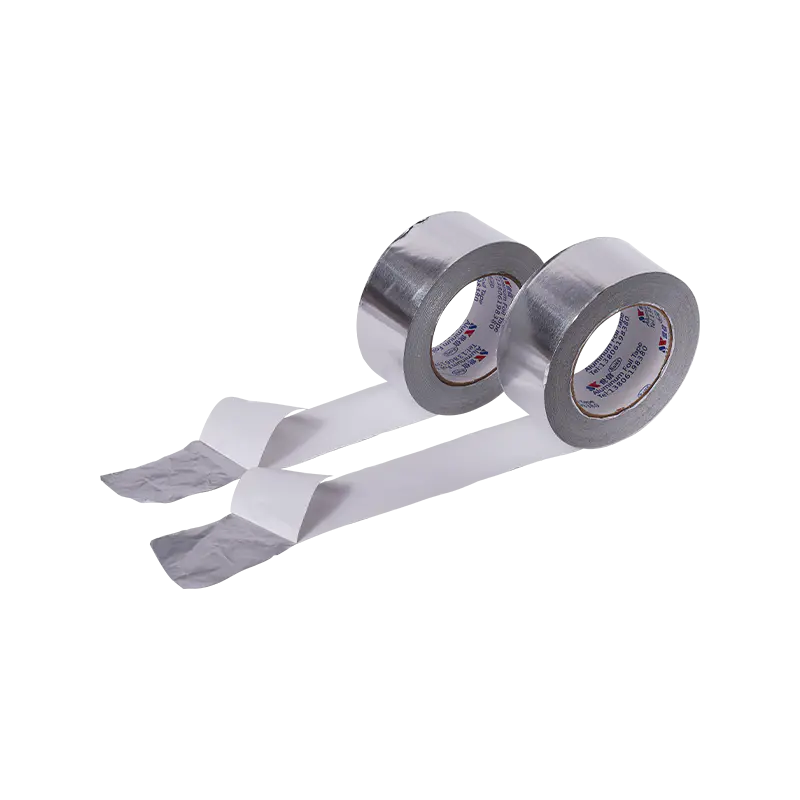
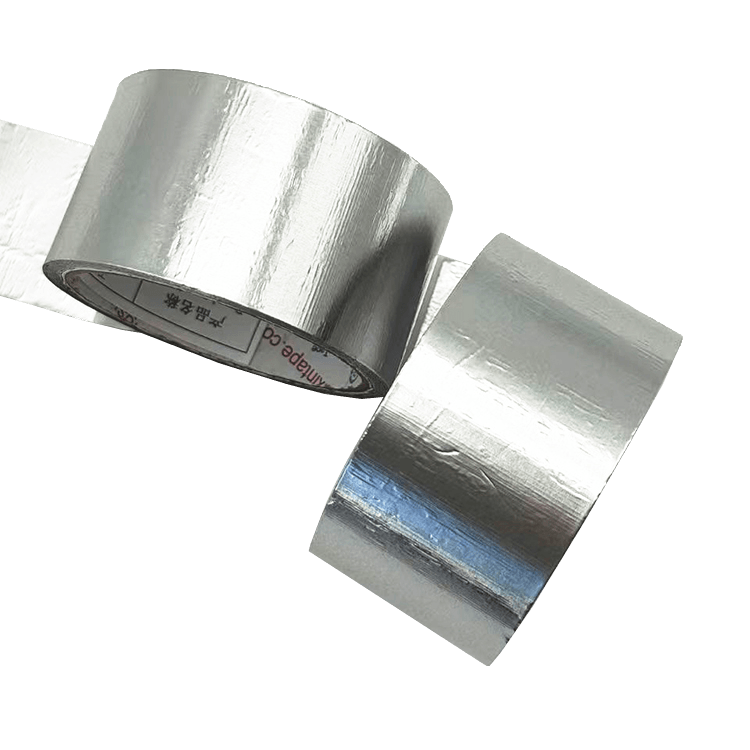
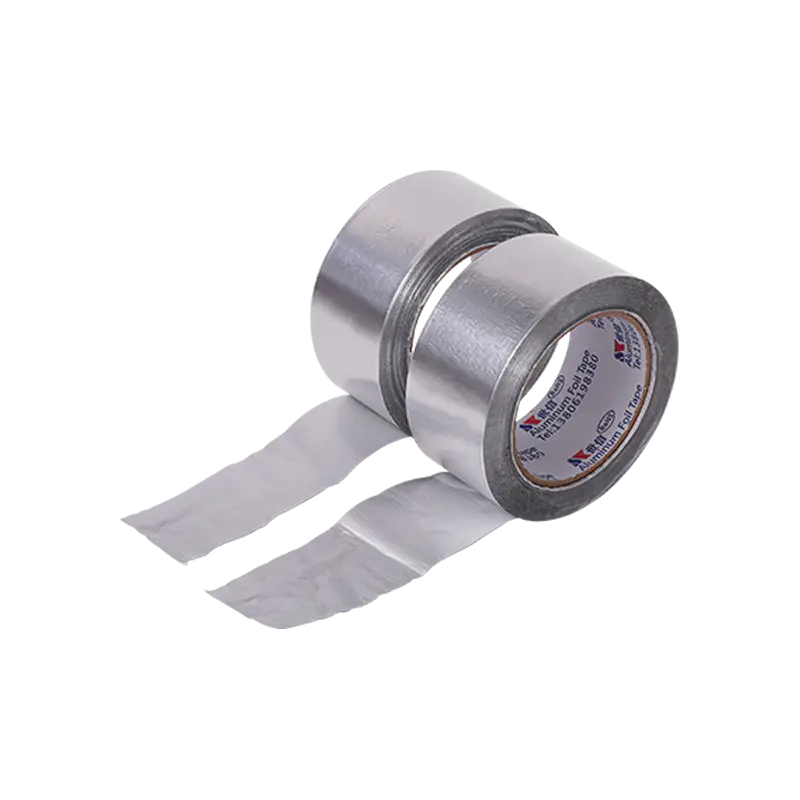
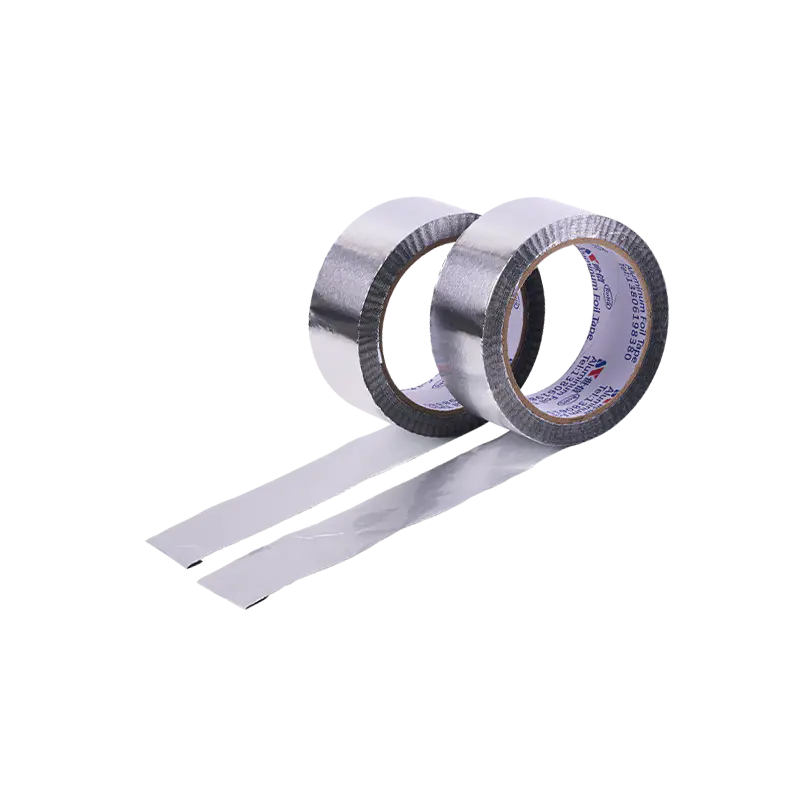
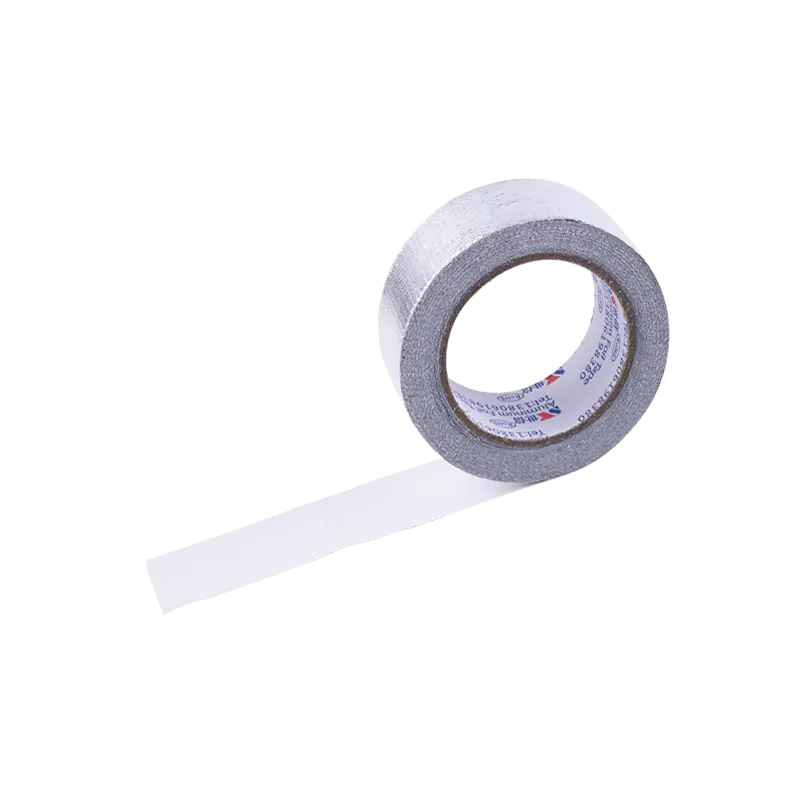
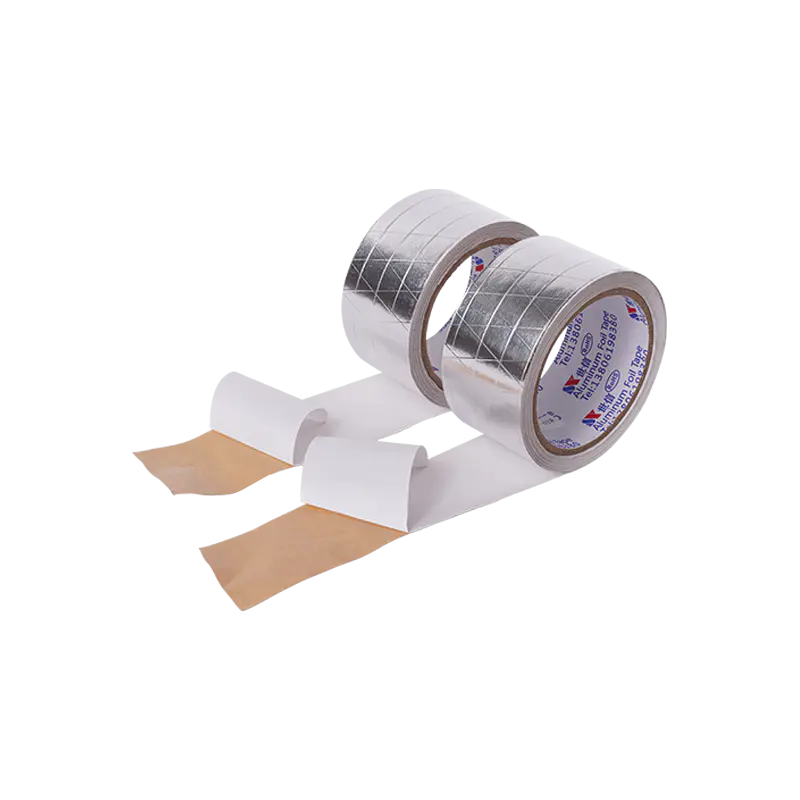
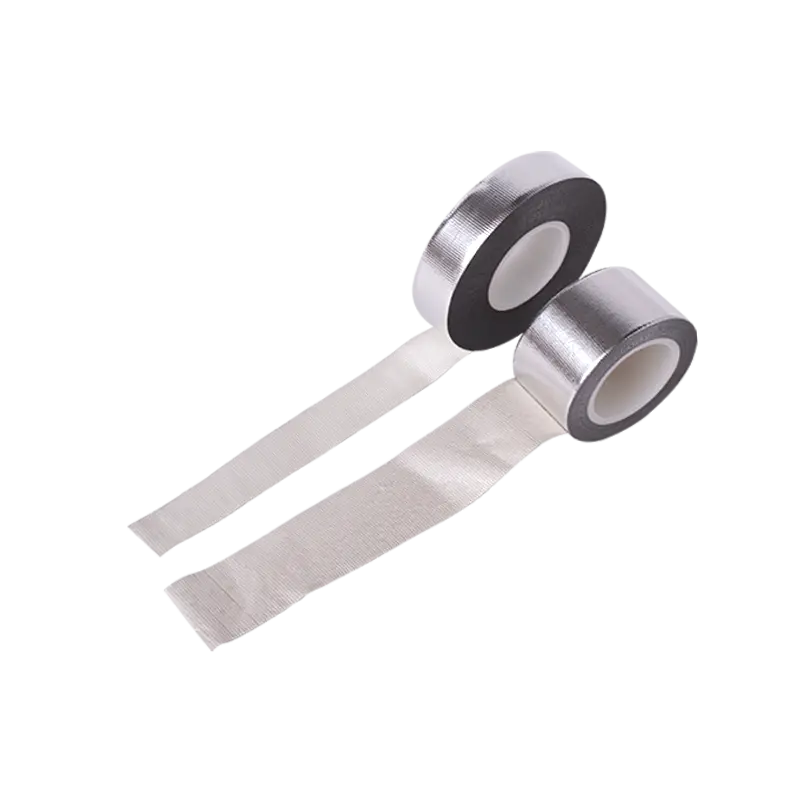
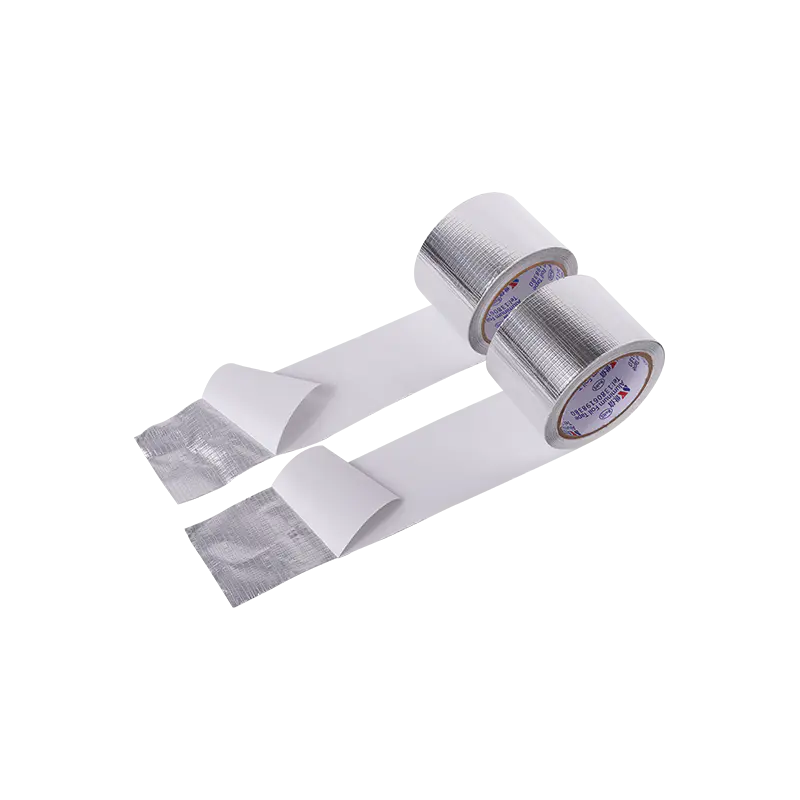
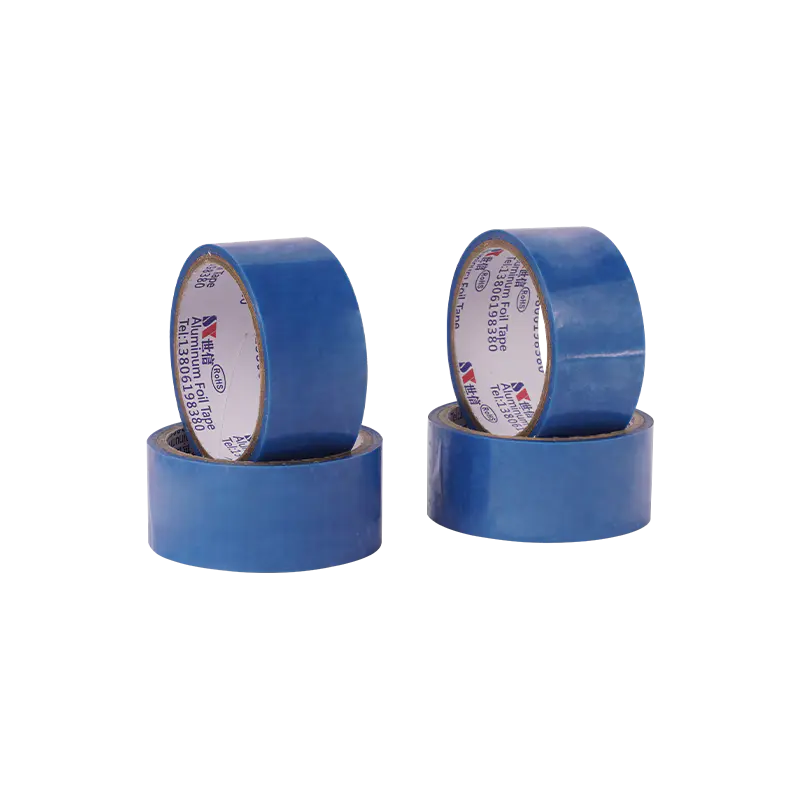
Heated toilet seats have become a hallmark of comfort and convenience in modern bathroom design, but ensuring the reliable performance of these devices requires specialized materials. Heat Seal Aluminum (HSL) Foil Tape is specifically engineered for use in toilet seat heaters, providing superior adhesion, thermal resistance, and long-term reliability under challenging conditions.
Unlike standard adhesive tapes, HSL foil tape is designed to withstand continuous heat exposure, moisture, and mechanical stress. Its dual-sided heat-seal adhesive system ensures a secure bond to a variety of substrates, including low-surface-energy materials like polypropylene (PP), which are commonly used in toilet seat manufacturing.
Heated toilet seats generate localized heat that can weaken standard adhesives over time, leading to peeling, reduced thermal efficiency, or even component failure. The HSL foil tape addresses these challenges by combining a thermally stable aluminum foil base with a high-performance heat-seal adhesive layer. This structure ensures that the tape maintains integrity even during prolonged exposure to elevated temperatures.
|
Property |
Standard Aluminum Foil Tape |
HSL Heat Seal Aluminum Foil Tape |
|
Continuous Heat Resistance |
Up to 70℃ |
100℃ for 100 hours |
|
Boiling Water Test (72h) |
Fails or adhesive softening |
Passes, maintains adhesion |
|
Temperature Cycling / Shock |
Limited tolerance, prone to peeling |
Passes high-low temperature shock tests |
|
Adhesion to PP Plastic |
Poor to moderate |
High, maintains bond integrity |
By addressing the unique thermal and mechanical demands of heated toilet seats, HSL foil tape provides manufacturers with a reliable solution that enhances both product longevity and user safety. Its design ensures that critical components remain securely bonded, even under continuous heat and moisture exposure.
The performance of Heat Seal Aluminum (HSL) Foil Tape is built upon a carefully engineered multilayer construction designed specifically for heated toilet seat applications. By combining aluminum foil, heat seal adhesive technology, and high-performance secondary adhesive systems, the tape delivers reliable bonding, thermal stability, and long-term durability under demanding operating conditions.
Unlike conventional double-sided tapes, HSL foil tape is developed to withstand continuous heat exposure, humidity, temperature fluctuations, and repeated daily use. Its unique structure allows manufacturers to achieve secure assembly while maintaining excellent thermal conductivity and strong adhesion to challenging substrates such as polypropylene (PP).
Heat Seal Aluminum (HSL) Foil Tape typically consists of the following layers:
|
Layer Position |
Material |
Function |
|
Top Layer |
Aluminum Foil |
Heat transfer, thermal conductivity, moisture barrier |
|
Primary Adhesive Layer |
Heat Seal Adhesive |
Heat-activated bonding to heater components |
|
Secondary Adhesive Layer |
Solvent Acrylic or Rubber Adhesive |
Provides strong adhesion to plastic surfaces |
|
Bottom Layer |
Release Paper or Release Film |
Protects adhesive before installation |
The aluminum foil serves as the foundation of the tape structure. In heated toilet seat systems, efficient heat distribution is essential for ensuring consistent surface temperatures and maximizing energy efficiency.
The foil layer helps transfer and distribute heat generated by the heating element while also providing dimensional stability throughout the product's service life.
|
Property |
Contribution to Toilet Seat Heater Performance |
|
Thermal Conductivity |
Promotes even heat transfer |
|
Heat Resistance |
Supports long-term heating operation |
|
Barrier Protection |
Prevents moisture penetration |
|
Dimensional Stability |
Reduces deformation under heat |
The primary bonding layer utilizes heat seal adhesive technology. During manufacturing, heat and pressure activate the adhesive, creating a strong and permanent bond between components.
Compared with conventional pressure-sensitive adhesives, heat seal adhesives provide superior resistance to heat, moisture, and long-term aging, making them particularly suitable for heated toilet seat assemblies.
This adhesive layer plays a critical role in enabling the tape to pass demanding environmental tests such as boiling water resistance and high-temperature aging evaluations.
To achieve strong adhesion to various plastic substrates, especially low-surface-energy materials, HSL foil tape can incorporate either solvent acrylic adhesive or rubber adhesive as a secondary bonding system.
Solvent acrylic adhesives are commonly selected when long-term durability and environmental resistance are priorities.
Rubber-based adhesives are designed to provide aggressive initial tack and excellent bonding performance on difficult surfaces.
|
Property |
Solvent Acrylic Adhesive |
Rubber Adhesive |
|
Initial Tack |
Good |
Excellent |
|
Long-Term Adhesion |
Excellent |
Good |
|
Heat Resistance |
Excellent |
Moderate |
|
Humidity Resistance |
Excellent |
Good |
|
Adhesion to PP Plastic |
Very Good |
Excellent |
The release liner or release film protects the adhesive layers before installation and ensures smooth processing during manufacturing.
Depending on production requirements, different liner materials may be selected to improve die-cutting efficiency, handling performance, and automated assembly compatibility.
Each layer of the HSL foil tape contributes to overall system performance. The aluminum foil manages heat transfer and moisture protection, the heat seal adhesive creates a permanent bond, the secondary adhesive ensures strong attachment to plastic components, and the release liner supports efficient manufacturing.
Together, these layers create a high-performance bonding solution capable of meeting the demanding requirements of modern heated toilet seat systems.
|
Performance Requirement |
Structural Component Responsible |
|
Heat Distribution |
Aluminum Foil |
|
Permanent Bonding |
Heat Seal Adhesive |
|
PP Plastic Adhesion |
Secondary Adhesive Layer |
|
Moisture Protection |
Aluminum Foil Barrier |
|
Manufacturing Efficiency |
Release Liner / Film |
The advanced multilayer construction of Heat Seal Aluminum (HSL) Foil Tape is specifically engineered to meet the demanding requirements of heated toilet seat manufacturing. By integrating aluminum foil, heat seal adhesive technology, high-performance secondary adhesives, and protective release liners, the tape provides excellent thermal conductivity, reliable adhesion, environmental durability, and long-term performance. This optimized structure makes it an ideal bonding solution for modern toilet seat heater assemblies.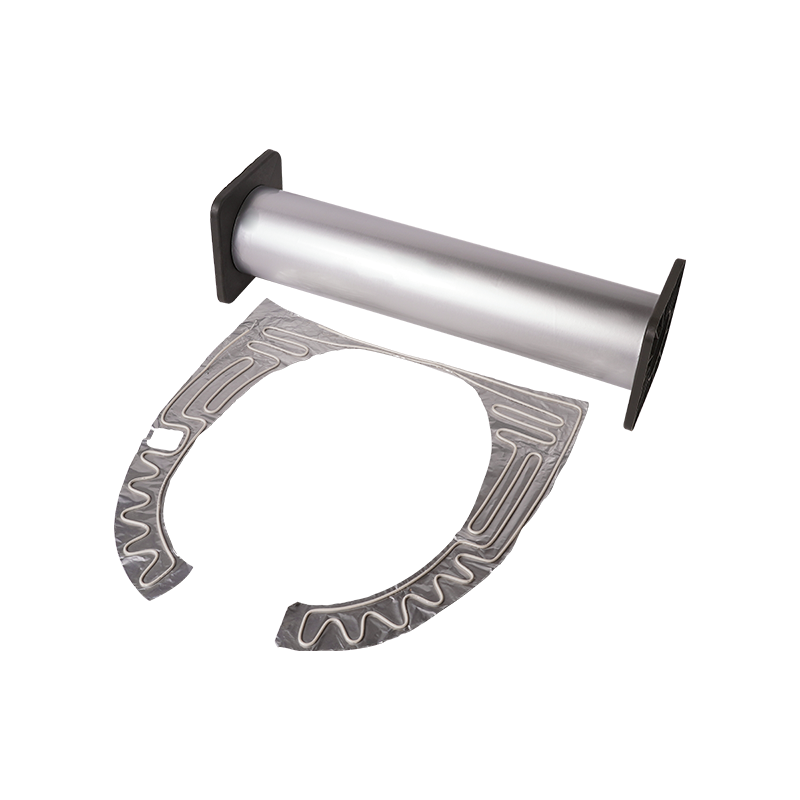
In heated toilet seat applications, adhesive materials are continuously exposed to elevated temperatures, high humidity, water vapor, and repeated thermal cycling. These demanding conditions require a bonding solution capable of maintaining long-term performance without degradation.
Heat Seal Aluminum (HSL) Foil Tape is specifically engineered to withstand these challenges. Through a combination of aluminum foil construction, heat seal adhesive technology, and high-performance secondary adhesives, the tape delivers exceptional thermal stability and environmental durability. It has been designed and tested to meet the rigorous requirements of modern toilet seat heater manufacturing.
Unlike standard electronic assemblies, heated toilet seats operate in one of the most challenging household environments. The tape used inside the heating system must endure:
Any loss of adhesion may affect heater positioning, thermal efficiency, product safety, and overall service life. Therefore, thermal and environmental performance is a critical selection factor.
One of the most demanding evaluations for adhesive performance is prolonged boiling water exposure. This test simulates extreme moisture penetration and high-temperature conditions that may occur during the product lifecycle.
Heat Seal Aluminum (HSL) Foil Tape successfully passes a 72-hour boiling water resistance test, demonstrating outstanding adhesive stability and structural integrity.
|
Evaluation Item |
Performance Result |
|
Boiling Water Exposure |
72 Hours |
|
Adhesive Integrity |
Maintained |
|
Foil Structure Stability |
Maintained |
|
Delamination Resistance |
Excellent |
This performance demonstrates the tape's ability to withstand severe moisture exposure while maintaining reliable bonding strength.
The Dual 85 test, commonly referred to as the 85°C / 85% Relative Humidity test, is widely used to evaluate the long-term environmental durability of adhesive materials and electronic assemblies.
The test subjects bonded components to high temperature and high humidity simultaneously for an extended period.
|
Test Condition |
Requirement |
|
Temperature |
85°C |
|
Relative Humidity |
85% |
|
Adhesion Retention |
Excellent |
|
Structural Stability |
Maintained |
Passing the Dual 85 test demonstrates the tape's capability to operate reliably in humid bathroom environments over extended periods.
Toilet seat products often experience significant temperature fluctuations during manufacturing, transportation, storage, and daily operation. Rapid changes in temperature can create mechanical stress between bonded materials due to different thermal expansion rates.
Heat Seal Aluminum (HSL) Foil Tape is designed to accommodate these stresses without adhesive failure or material deformation.
|
Performance Factor |
Result |
|
High Temperature Exposure |
Stable |
|
Low Temperature Exposure |
Stable |
|
Rapid Thermal Cycling |
Pass |
|
Bond Integrity |
Maintained |
One of the most important performance indicators for heated toilet seat applications is the ability to maintain adhesion during prolonged heat exposure.
Heat Seal Aluminum (HSL) Foil Tape has been verified to maintain stable bonding performance during continuous operation at 100°C for 100 hours.
This level of thermal stability ensures that the tape remains functional even under conditions significantly more severe than typical toilet seat operating temperatures.
|
Test Item |
Performance |
|
Continuous Temperature |
100°C |
|
Test Duration |
100 Hours |
|
Adhesion Retention |
Excellent |
|
Structural Stability |
Maintained |
The following table summarizes the key environmental durability characteristics of Heat Seal Aluminum (HSL) Foil Tape for toilet seat heater applications.
|
Environmental Test |
Performance Result |
|
72-Hour Boiling Water Test |
Pass |
|
85°C / 85% RH Test |
Pass |
|
High-Low Temperature Shock Test |
Pass |
|
100°C Continuous Operation (100 Hours) |
Pass |
|
Humidity Resistance |
Excellent |
|
Heat Resistance |
Excellent |
|
Adhesion Stability |
Excellent |
Bathroom environments present a unique combination of heat, humidity, and frequent temperature fluctuations. Materials used inside heated toilet seat systems must provide dependable performance under these conditions for many years.
The proven resistance of Heat Seal Aluminum (HSL) Foil Tape to boiling water exposure, high humidity, thermal shock, and prolonged heat aging makes it a highly reliable solution for demanding toilet seat heater assemblies.
Heat Seal Aluminum (HSL) Foil Tape delivers exceptional thermal and environmental performance through a combination of advanced adhesive technology and aluminum foil construction. Its ability to pass 72-hour boiling water testing, Dual 85 environmental testing, high-low temperature shock evaluations, and continuous 100°C operation demonstrates its suitability for long-term use in heated toilet seat applications. These performance characteristics help manufacturers improve product durability, maintain heater efficiency, and ensure consistent operation throughout the product lifecycle.
For heated toilet seat applications, the adhesive performance and compatibility with different substrates are critical for ensuring long-term reliability and user safety. Heat Seal Aluminum (HSL) Foil Tape has been engineered to provide strong adhesion on a wide variety of surfaces, including low-surface-energy plastics such as polypropylene (PP), which are commonly used in toilet seat heaters.
The heat seal adhesive layer is activated during manufacturing by applying controlled heat and pressure, creating a durable and permanent bond. This adhesive forms a molecular-level connection with the substrate, providing higher thermal and mechanical resistance compared to standard pressure-sensitive adhesives.
To further enhance substrate compatibility, the tape can include a secondary adhesive layer made from either solvent acrylic or rubber-based adhesives. This layer improves adhesion to plastics and other low-energy surfaces, ensuring that even smooth or chemically resistant materials are securely bonded.
|
Adhesive Type |
Best For |
Key Characteristics |
|
Solvent Acrylic |
Long-term environmental exposure |
Excellent heat and humidity resistance, long-term adhesion stability |
|
Rubber-Based |
Immediate bond and low-surface-energy plastics |
High initial tack, fast bonding, good adhesion to PP and similar plastics |
HSL foil tape demonstrates strong adhesion on a wide range of materials commonly used in toilet seat heaters:
|
Substrate |
Standard Aluminum Foil Tape |
HSL Heat Seal Foil Tape |
|
PP Plastic |
Poor to moderate adhesion |
Excellent adhesion, maintains bond at 100°C |
|
ABS Plastic |
Moderate adhesion, may delaminate under heat |
Strong and stable adhesion, resists thermal stress |
|
Metal Surfaces |
Good adhesion, may degrade with moisture |
Excellent adhesion, moisture-resistant |
|
Composite Surfaces |
Variable adhesion depending on surface texture |
Consistent adhesion with heat seal and secondary adhesive combination |
Thermal expansion and contraction of toilet seat materials during repeated heating and cooling cycles can stress adhesive bonds. HSL foil tape maintains consistent adhesion due to its combination of heat seal and secondary adhesives, which allow some flexibility while preserving bond strength.
The adhesion characteristics and substrate compatibility of Heat Seal Aluminum (HSL) Foil Tape make it a reliable choice for heated toilet seat assemblies. Its dual adhesive system ensures strong bonding to plastics, metals, and composite materials while maintaining performance under heat, moisture, and thermal cycling. This combination of properties provides manufacturers with a robust and long-lasting solution for securing heating elements and related components.
As heated toilet seats continue to evolve toward higher levels of comfort, durability, and energy efficiency, the selection of bonding materials has become increasingly important. Heat Seal Aluminum (HSL) Foil Tape is specifically developed to meet the demanding requirements of toilet seat heater assembly, providing reliable bonding, thermal stability, and long-term performance under challenging operating conditions.
Its unique combination of aluminum foil, heat seal adhesive technology, and high-performance secondary adhesive systems makes it an ideal solution for securing heating elements, thermal insulation components, and structural assemblies within modern toilet seat products.
One of the most critical applications of HSL foil tape is securing heating elements within the toilet seat structure. Proper positioning of the heating element is essential for achieving uniform heat distribution and maintaining user comfort.
The tape creates a stable bond between the heater and substrate while maintaining its adhesive properties during continuous thermal operation.
The aluminum foil layer helps distribute heat more evenly throughout the seating surface. This contributes to faster heat transfer and reduces localized hot spots that may negatively affect comfort or component lifespan.
|
Function |
Benefit |
|
Heat Distribution |
More uniform seat temperature |
|
Thermal Conductivity |
Improved heating efficiency |
|
Temperature Stability |
Enhanced user comfort |
Polypropylene (PP) is one of the most commonly used materials in toilet seat manufacturing due to its durability, lightweight properties, and cost efficiency. However, PP is also known as a low-surface-energy material that can be difficult to bond.
Heat Seal Aluminum (HSL) Foil Tape is specifically designed to provide strong adhesion to PP surfaces, helping manufacturers achieve reliable assembly without compromising long-term performance.
Compared with traditional adhesive tapes and general-purpose bonding materials, HSL foil tape offers significant advantages for heated toilet seat applications.
|
Performance Factor |
Conventional Tape |
HSL Foil Tape |
|
Heat Resistance |
Moderate |
Excellent |
|
Boiling Water Resistance |
Limited |
72-Hour Pass |
|
PP Plastic Adhesion |
Moderate |
Excellent |
|
Humidity Resistance |
Moderate |
Excellent |
|
Thermal Shock Resistance |
Average |
Excellent |
|
Long-Term Stability |
Average |
Excellent |
Modern toilet seat heaters are expected to operate reliably for many years while being exposed to heat, humidity, and frequent daily use. The durability of internal bonding materials directly impacts product quality and customer satisfaction.
HSL foil tape contributes to product reliability by maintaining adhesive integrity throughout the service life of the toilet seat assembly.
In addition to performance benefits, HSL foil tape can improve production efficiency during assembly operations. The heat seal process allows manufacturers to achieve repeatable bonding quality while supporting automated or semi-automated production lines.
|
Manufacturing Benefit |
Impact |
|
Consistent Bond Quality |
Reduced assembly variation |
|
Efficient Processing |
Improved production speed |
|
Stable Heat Sealing |
Reliable product performance |
|
Lower Rework Rate |
Reduced manufacturing costs |
Safety is a key consideration in heated toilet seat design. Internal components must remain securely positioned throughout the product lifecycle to prevent performance issues or potential safety concerns.
The excellent thermal resistance and adhesion stability of HSL foil tape help ensure that heating elements remain properly fixed, even after prolonged exposure to heat and humidity.
|
Performance Attribute |
Benefit for Toilet Seat Manufacturing |
|
Heat Seal Adhesive Technology |
Strong and permanent bonding |
|
Aluminum Foil Construction |
Efficient heat transfer and moisture protection |
|
PP Plastic Compatibility |
Excellent adhesion to low-surface-energy materials |
|
72-Hour Boiling Water Resistance |
Outstanding moisture durability |
|
85°C / 85% RH Resistance |
Long-term environmental stability |
|
100°C Continuous Operation |
Reliable high-temperature performance |
|
Thermal Shock Resistance |
Excellent durability during temperature cycling |
Heat Seal Aluminum (HSL) Foil Tape is specifically engineered to meet the unique demands of heated toilet seat manufacturing. Its ability to provide strong adhesion to PP plastics, excellent thermal conductivity, outstanding environmental resistance, and long-term bonding reliability makes it a highly effective solution for heater assembly applications. By improving product durability, manufacturing consistency, thermal performance, and operational safety, HSL foil tape plays a critical role in the development of high-quality heated toilet seat systems.

Our company has been engaged in the tape manufacturing industry for more than 20 years, and has been focusing on various types of aluminum foil tapes, foam tapes, refrigerator tapes, etc.
IsabelLina
Email:[email protected]
Mobile/Whatsapp: +86 190 3379 1110
Mars Gong
Email:[email protected]
Mobile/Whatsapp: +86 159 5136 0053
Address: West side of Yingbin Avenue and south side of hengwang packaging. Suqian Economic and Technological Development Zone,Jiangsu Province
Copyright © Jiangsu Shixin Adhesive Tape Product Co., Ltd. All Rights Reserved. Custom ODM Refrigerator Foil Adhesive Tapes Manufacturers