2026-09-20
Content
High-Elasticity And Sound-Insulating PU Foam Sealing Tape is a flexible sealing material made from polyurethane foam with pressure-sensitive adhesive technology. It is designed to provide reliable gap sealing, vibration damping, cushioning, and acoustic noise reduction through the unique properties of polyurethane foam structure.
Unlike rigid sealing materials that mainly provide physical blocking, PU foam sealing tape uses a highly flexible cellular structure that can compress, recover, and adapt to irregular surfaces. This allows the tape to maintain continuous contact pressure even when substrates experience vibration, dimensional changes, or minor surface unevenness.
The combination of high elasticity and sound insulation capability makes PU foam sealing tape suitable for applications where sealing performance and noise control are both required. It is commonly used in automotive components, electronic equipment, industrial machinery, construction assemblies, and various applications requiring protection against air leakage, vibration transmission, and acoustic interference.
High-Elasticity And Sound-Insulating PU Foam Sealing Tape usually consists of three main functional layers. Each layer contributes to the overall sealing performance and application reliability.
|
Component |
Material |
Main Function |
|
Foam Carrier |
Polyurethane Foam |
Provides elasticity, compression recovery, cushioning, and sound absorption. |
|
Adhesive Layer |
Pressure-Sensitive Adhesive |
Provides initial bonding and maintains attachment to different substrates. |
|
Release Liner |
Silicone-Coated Release Paper or Film |
Protects the adhesive surface before application. |
The high elasticity of PU foam sealing tape comes from its three-dimensional cellular structure. When external pressure is applied, the foam cells compress and store mechanical energy. After the pressure is released, the foam gradually returns to its original thickness, helping maintain sealing contact over extended periods.
This compression recovery capability allows the tape to compensate for:
|
Performance Characteristic |
Impact on Application |
|
High Compression Recovery |
Maintains sealing pressure after repeated compression cycles. |
|
Low Compression Set |
Helps prevent permanent deformation during long-term use. |
|
Flexible Foam Structure |
Allows adaptation to curved and uneven surfaces. |
|
Lightweight Construction |
Reduces additional weight in assembled systems. |
The sound-insulating performance of PU foam sealing tape is mainly achieved through the absorption and reduction of sound energy within the foam structure. The air-filled cells inside polyurethane foam interrupt sound wave transmission and reduce vibration propagation.
The acoustic performance mainly comes from three mechanisms:
The porous foam structure absorbs sound energy by causing air movement within the cells. Part of the sound energy is converted into low-level heat energy, reducing reflected noise.
The flexible foam layer absorbs mechanical vibration between connected components, helping reduce structure-borne noise.
Small gaps between components can become paths for sound leakage. PU foam sealing tape fills these spaces and improves overall acoustic isolation.
Different sealing materials have different performance characteristics. PU foam sealing tape is selected when flexibility, vibration control, and acoustic performance are required together.
|
Feature |
PU Foam Sealing Tape |
Rigid Sealing Material |
Traditional Rubber Seal |
|
Elastic Recovery |
High |
Low |
High |
|
Surface Adaptability |
Excellent |
Limited |
Good |
|
Sound Absorption |
Good |
Limited |
Moderate |
|
Vibration Damping |
Excellent |
Low |
Good |
|
Installation Method |
Adhesive bonding |
Mechanical fixing |
Compression installation |
|
Weight |
Lightweight |
Higher |
Medium |
The internal foam structure influences sealing performance, compression behavior, and acoustic characteristics.
|
Foam Structure |
Main Characteristics |
Typical Application Consideration |
|
Open-Cell PU Foam |
Higher air permeability and sound absorption capability. |
Suitable for acoustic damping and vibration control applications. |
|
Closed-Cell PU Foam |
Better moisture resistance and sealing performance. |
Suitable for environmental sealing and protection applications. |
|
Mixed Cell Structure |
Balanced flexibility, sealing, and acoustic performance. |
Suitable for applications requiring multiple functions. |
Actual specifications may vary depending on application requirements, but common industrial ranges include:
|
Parameter |
Typical Range |
|
Foam Thickness |
0.5–10 mm |
|
Foam Density |
30–300 kg/m³ |
|
Temperature Resistance |
-40°C to 120°C |
|
Compression Range |
20%–80% depending on structure design |
|
Adhesive Type |
Acrylic, rubber-based, or customized adhesive systems |
Modern industrial assemblies increasingly require materials that can provide multiple functions within limited installation space. PU foam sealing tape combines sealing, cushioning, vibration reduction, and acoustic control in a lightweight structure.
Its ability to maintain contact pressure, absorb vibration energy, and adapt to different surfaces makes it suitable for applications where long-term sealing reliability and noise reduction are important performance requirements.
High-Elasticity PU Foam Sealing Tape works through the combination of polyurethane foam elasticity, pressure-sensitive adhesive bonding, and cellular structure performance. The tape is designed to maintain continuous contact between assembled surfaces by compressing under external force and recovering its original shape after deformation. This dynamic sealing capability allows it to compensate for surface irregularities, mechanical movement, vibration, and dimensional changes during long-term use.
Unlike rigid sealing materials that rely mainly on physical blocking, PU foam sealing tape uses a flexible foam structure to create a resilient sealing interface. When installed between two surfaces, the foam layer compresses and generates a continuous sealing force. At the same time, the cellular structure helps absorb vibration energy and reduce sound transmission.
The working performance of PU foam sealing tape mainly depends on three mechanisms:
The most important function of high-elasticity PU foam sealing tape is its ability to maintain sealing pressure after installation. During assembly, the foam layer is compressed between two surfaces. The internal cell structure stores mechanical energy and produces a restoring force that pushes against the surrounding surfaces.
This recovery force allows the tape to adapt to changes caused by:
|
Performance Factor |
Working Principle |
Application Benefit |
|
Compression Recovery |
Foam cells return toward their original shape after pressure release. |
Maintains long-term sealing contact. |
|
Elastic Deformation |
Foam structure absorbs mechanical movement without permanent damage. |
Improves vibration resistance. |
|
Low Compression Set |
Reduces permanent thickness loss after long-term compression. |
Supports durable sealing performance. |
|
Flexible Structure |
Allows adaptation to irregular surfaces. |
Improves contact quality between components. |
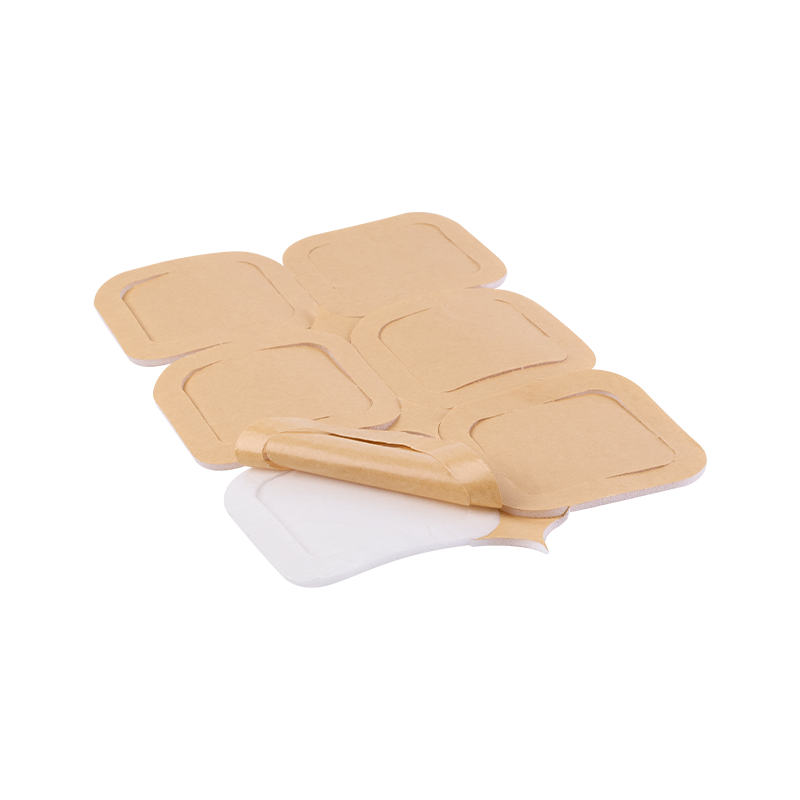
The pressure-sensitive adhesive layer provides the initial and long-term attachment between the PU foam tape and the substrate. When the tape is applied, pressure activates the adhesive by increasing contact between the adhesive layer and the surface.
The bonding process generally includes the following steps:
The adhesive layer contacts the substrate surface. The soft foam backing allows the tape to conform to small surface variations, increasing the effective bonding area.
The adhesive gradually flows into microscopic surface irregularities, improving mechanical interlocking and increasing bonding strength.
After application, the adhesive continues to develop strength over time as the contact area increases and the adhesive interface becomes more stable.
|
Bonding Stage |
Main Function |
|
Initial Contact |
Provides quick positioning during installation. |
|
Adhesive Wetting |
Improves surface contact and bonding efficiency. |
|
Long-Term Adhesion |
Maintains attachment under environmental stress. |
The sound-insulating performance of PU foam sealing tape comes from its cellular structure. The small air spaces inside the foam interrupt sound wave transmission and absorb vibration energy.
The acoustic reduction process includes:
When sound waves enter the porous foam structure, air movement inside the cells creates resistance. This converts part of the sound energy into low-level heat energy, reducing reflected noise.
The flexible foam layer acts as a damping interface between components. It reduces direct contact vibration transfer and helps control mechanical noise.
Small gaps between assembled parts can become sound leakage paths. PU foam sealing tape fills these spaces and improves overall acoustic performance.
|
Noise Reduction Mechanism |
Function |
|
Cellular Absorption |
Absorbs sound energy through internal foam structure. |
|
Vibration Damping |
Reduces mechanical vibration transmission. |
|
Gap Filling |
Blocks air paths that allow sound leakage. |
Foam density is an important factor affecting elasticity, support strength, and acoustic behavior. Different density levels provide different performance balances.
|
Foam Density |
Main Characteristics |
Typical Application Requirements |
|
Low Density |
Soft, flexible, and highly compressible. |
Suitable for lightweight sealing and sound absorption. |
|
Medium Density |
Balanced elasticity, support, and compression recovery. |
Suitable for general industrial sealing applications. |
|
High Density |
Higher mechanical strength and load resistance. |
Suitable for applications requiring stronger support and durability. |
The sealing effectiveness of PU foam tape depends greatly on selecting the correct compression range. Proper compression allows the foam to maintain contact pressure without excessive deformation.
|
Parameter |
Typical Range |
Effect on Performance |
|
Compression Ratio |
20%–80% |
Determines sealing pressure and gap compensation ability. |
|
Compression Recovery |
High recovery capability depending on foam structure |
Maintains sealing force after deformation. |
|
Compression Set |
Low values preferred |
Reduces permanent thickness loss during long-term use. |
|
Factor |
Impact on Performance |
|
Surface Condition |
Clean and dry surfaces improve adhesive bonding. |
|
Compression Level |
Proper compression improves sealing and vibration control. |
|
Temperature Exposure |
Affects adhesive stability and foam aging behavior. |
|
Foam Density |
Influences flexibility, support strength, and sound absorption. |
|
Environmental Conditions |
Humidity and chemical exposure may influence service life. |
The combination of elastic polyurethane foam, stable adhesive bonding, and acoustic damping capability allows PU foam sealing tape to perform reliably in applications where components experience movement, vibration, or environmental changes.
By continuously adapting to surface conditions, maintaining compression recovery, and reducing vibration transmission, High-Elasticity PU Foam Sealing Tape provides an effective solution for sealing, cushioning, and sound control requirements across various industrial applications.
The performance of High-Elasticity And Sound-Insulating PU Foam Sealing Tape depends on several technical factors, including foam structure, density, thickness, compression characteristics, adhesive performance, and environmental resistance. For industrial applications, these specifications determine how effectively the tape can provide sealing, vibration damping, sound reduction, and long-term bonding stability.
Unlike simple adhesive materials, PU foam sealing tape is a functional composite material. The polyurethane foam layer provides elasticity and gap compensation, while the adhesive layer ensures stable attachment to different substrates. Selecting the correct specifications requires a balance between flexibility, support strength, sealing requirements, and environmental conditions.
High-performance PU foam sealing tape generally consists of multiple layers, with each layer contributing to overall product performance.
|
Layer |
Typical Material |
Main Function |
|
Foam Carrier |
Polyurethane Foam |
Provides elasticity, compression recovery, cushioning, and sound absorption. |
|
Adhesive Layer |
Pressure-Sensitive Adhesive |
Provides initial bonding and long-term attachment to substrates. |
|
Release Liner |
Silicone-Coated Paper or Film |
Protects adhesive performance before application. |
Foam density is one of the most important parameters affecting the mechanical strength, flexibility, compression behavior, and acoustic performance of PU foam sealing tape.
Lower-density foam generally provides better softness and adaptability, while higher-density foam provides stronger support and durability.
|
Density Range |
Main Characteristics |
Suitable Requirement |
|
30–80 kg/m³ |
Soft structure, high flexibility, easy compression. |
Applications requiring surface conformity and lightweight sealing. |
|
80–150 kg/m³ |
Balanced elasticity, support strength, and recovery performance. |
General industrial sealing and vibration reduction applications. |
|
150–300 kg/m³ |
Higher mechanical strength and load resistance. |
Applications requiring stronger support and durability. |
The thickness of PU foam sealing tape determines its ability to fill gaps, absorb vibration, and compensate for assembly tolerances. Thicker foam layers provide greater compression distance, while thinner structures offer better precision and easier integration into compact assemblies.
|
Thickness Range |
Performance Characteristics |
|
0.5–1 mm |
Suitable for small gaps, thin assembly structures, and precision sealing. |
|
1–3 mm |
Balanced sealing, cushioning, and vibration reduction performance. |
|
3–6 mm |
Higher gap filling capability and improved impact absorption. |
|
6–10 mm |
Suitable for larger gaps requiring greater compression recovery. |
The compression characteristics of PU foam determine how effectively the tape maintains sealing pressure after installation. Proper compression allows the foam to adapt to surface variations while avoiding excessive deformation.
|
Parameter |
Typical Range |
Performance Influence |
|
Compression Ratio |
20%–80% |
Determines gap compensation ability and sealing pressure. |
|
Compression Recovery |
High recovery capability depending on foam structure |
Maintains long-term contact after deformation. |
|
Compression Set |
Low permanent deformation preferred |
Improves long-term sealing reliability. |
The adhesive layer determines how securely the foam tape bonds to different substrates. Adhesive performance depends on factors such as surface material, temperature conditions, and environmental exposure.
|
Adhesive Parameter |
Description |
Application Impact |
|
Initial Tack |
Immediate bonding ability after contact. |
Improves positioning efficiency during installation. |
|
Peel Adhesion |
Force required to remove the tape from a surface. |
Indicates bonding strength. |
|
Shear Resistance |
Ability to resist sliding under continuous load. |
Supports long-term attachment stability. |
|
Aging Resistance |
Ability to maintain performance over time. |
Improves service reliability in demanding environments. |
Temperature resistance determines whether PU foam sealing tape can maintain its elasticity and adhesive performance under different operating conditions.
|
Temperature Range |
Performance Consideration |
|
-40°C to 80°C |
Suitable for general indoor and moderate environmental applications. |
|
-40°C to 120°C |
Suitable for applications requiring wider temperature tolerance. |
|
Above 120°C |
Requires specialized material design and adhesive selection. |
The acoustic performance of PU foam sealing tape is influenced by foam cell structure, thickness, density, and installation conditions. A properly selected foam structure can help reduce airborne noise leakage and vibration transmission.
|
Factor |
Influence on Sound Performance |
|
Foam Cell Structure |
Controls sound absorption and air movement within the foam. |
|
Foam Thickness |
Greater thickness generally improves sound absorption capability. |
|
Density |
Affects vibration damping and mechanical energy absorption. |
|
Installation Compression |
Influences sealing effectiveness and sound leakage prevention. |
Different applications require different balances between softness, strength, and sealing performance.
|
Specification Focus |
Lower Specification Range |
Higher Specification Range |
|
Foam Density |
Higher flexibility and softness |
Higher support strength and durability |
|
Foam Thickness |
Better for compact assemblies |
Better for large gaps and cushioning |
|
Compression Recovery |
Suitable for light sealing requirements |
Suitable for repeated compression environments |
|
Adhesive Strength |
Suitable for low-load applications |
Suitable for long-term attachment requirements |
|
Cell Structure |
Improved flexibility and air movement |
Enhanced sealing and moisture resistance |
By evaluating foam density, thickness, compression behavior, adhesive properties, and environmental resistance together, manufacturers can select the appropriate PU foam sealing tape structure for reliable sealing, vibration control, and sound insulation performance in industrial applications.
Polyurethane (PU) foam provides sound insulation performance because of its unique cellular structure, flexible mechanical properties, and ability to absorb vibration energy. In High-Elasticity And Sound-Insulating PU Foam Sealing Tape, the foam layer does more than fill gaps between components. It also acts as an acoustic damping layer that reduces noise transmission by absorbing sound waves, limiting vibration transfer, and preventing sound leakage through small openings.
Unlike rigid sealing materials that mainly block physical gaps, PU foam works through a combination of sound absorption, vibration damping, and air sealing. These characteristics make it suitable for applications where reducing operational noise, mechanical vibration, and acoustic leakage is required.
The sound insulation performance of PU foam mainly comes from its internal cellular structure. The foam contains numerous small air-filled cells that interact with incoming sound waves. When sound energy enters the foam, the air movement inside the cells creates friction and resistance, converting part of the acoustic energy into a small amount of heat energy.
This process reduces the intensity of sound waves passing through the material and improves the overall acoustic performance of the assembled structure.
|
Acoustic Mechanism |
Working Principle |
Performance Effect |
|
Sound Absorption |
Sound waves enter the porous foam structure and lose energy through internal friction. |
Reduces reflected noise and improves acoustic comfort. |
|
Vibration Damping |
Flexible foam absorbs mechanical movement between connected components. |
Reduces structure-borne noise transmission. |
|
Gap Sealing |
Foam fills small spaces where sound can pass through. |
Reduces airborne noise leakage. |
The internal cell structure of PU foam directly affects its acoustic behavior. Different foam structures provide different balances between air permeability, flexibility, sealing ability, and sound absorption.
|
Foam Structure |
Main Characteristics |
Acoustic Performance |
|
Open-Cell PU Foam |
Contains interconnected air pathways that allow sound energy to enter the foam. |
Generally provides stronger sound absorption performance. |
|
Closed-Cell PU Foam |
Contains sealed cells with lower air permeability. |
Provides stronger sealing and moisture resistance. |
|
Mixed-Cell PU Foam |
Combines characteristics of open and closed structures. |
Provides balanced sound absorption and sealing performance. |
Foam thickness is an important factor influencing acoustic performance. A thicker foam layer provides a longer path for sound energy transmission, allowing more energy to be absorbed within the cellular structure.
|
Foam Thickness |
Acoustic Characteristics |
|
0.5–1 mm |
Suitable for basic gap sealing and limited vibration reduction. |
|
1–3 mm |
Provides balanced sealing and noise reduction performance. |
|
3–6 mm |
Improves gap filling ability and vibration absorption. |
|
6–10 mm |
Suitable for applications requiring greater acoustic isolation and compression capability. |
Foam density affects both mechanical damping and sound absorption behavior. Lower-density foam usually provides greater flexibility and sound absorption, while higher-density foam offers stronger mechanical support and vibration control.
|
Density Range |
Mechanical Characteristics |
Acoustic Application |
|
Low Density |
Soft structure with high flexibility. |
Suitable for absorbing airborne sound and filling irregular gaps. |
|
Medium Density |
Balanced elasticity and support. |
Suitable for general noise reduction and vibration damping. |
|
High Density |
Higher stiffness and mechanical strength. |
Suitable for controlling vibration transmission in structural assemblies. |
Many industrial noise problems are caused by mechanical vibration transferred between connected components. PU foam sealing tape works as a flexible isolation layer that reduces direct contact between rigid parts.
The vibration reduction process includes:
|
Vibration Factor |
Effect on Performance |
|
Foam Elasticity |
Higher elasticity improves recovery after repeated vibration cycles. |
|
Foam Thickness |
Greater thickness increases the isolation distance between components. |
|
Density Selection |
Controls the balance between softness and damping strength. |
|
Compression Level |
Proper compression improves contact stability and vibration control. |
|
Feature |
PU Foam Sealing Tape |
Rigid Plastic Seal |
Metal Seal |
|
Sound Absorption |
Good due to porous foam structure |
Limited |
Low |
|
Vibration Damping |
Excellent |
Low |
Limited |
|
Gap Adaptability |
Excellent |
Low |
Limited |
|
Flexibility |
High |
Low |
Low |
|
Weight |
Lightweight |
Medium |
Higher |
The actual noise reduction performance of PU foam sealing tape depends on the complete assembly design rather than the foam material alone. Important factors include:
Because of its combination of sealing and sound reduction capabilities, High-Elasticity And Sound-Insulating PU Foam Sealing Tape is commonly applied in areas where noise control and mechanical protection are required.
Through its flexible cellular structure, PU foam sealing tape provides an effective approach for controlling noise transmission, reducing vibration, and improving sealing performance. By selecting suitable foam thickness, density, and cell structure, manufacturers can achieve a balanced solution for acoustic control and long-term assembly reliability.
High-Elasticity And Sound-Insulating PU Foam Sealing Tape is widely used in applications that require reliable sealing, vibration control, cushioning, and acoustic performance. Due to its flexible polyurethane foam structure, the tape can adapt to irregular surfaces, compensate for assembly gaps, reduce vibration transmission, and improve noise control in various industrial environments.
Compared with rigid sealing solutions, PU foam sealing tape provides additional functional benefits by combining sealing and damping performance in one lightweight material. This makes it suitable for applications where components experience movement, vibration, temperature changes, or acoustic challenges.
The automotive industry is one of the major application areas for PU foam sealing tape because vehicles contain numerous components that require vibration reduction, noise control, and reliable gap sealing.
Typical applications include:
During vehicle operation, vibration generated by engines, road conditions, and mechanical movement can transfer through connected components. PU foam sealing tape works as a flexible buffer layer that reduces direct contact vibration and helps prevent unwanted noise caused by component movement.
|
Automotive Requirement |
PU Foam Tape Function |
|
Noise Reduction |
Absorbs vibration energy and reduces sound transmission between components. |
|
Gap Compensation |
Fills irregular spaces caused by assembly tolerance differences. |
|
Vibration Control |
Creates a flexible isolation layer between rigid parts. |
|
Surface Protection |
Prevents direct contact damage between assembled components. |
Electronic equipment often requires sealing materials that can provide both protection and vibration control. PU foam sealing tape is used in equipment assemblies where components need protection from movement, noise, dust, and minor impact.
Common applications include:
The flexible foam structure allows the tape to maintain contact between components while reducing mechanical stress caused by vibration or transportation impact.
|
Application Requirement |
Performance Contribution |
|
Shock Protection |
Foam structure absorbs impact energy and reduces mechanical stress. |
|
Noise Control |
Reduces vibration-related operational noise. |
|
Component Fixing |
Provides stable attachment without rigid mechanical fastening. |
|
Gap Sealing |
Prevents dust and air leakage through small spaces. |
In building systems, sealing materials are required to maintain airtightness, reduce sound transmission, and compensate for movement caused by temperature changes. PU foam sealing tape is commonly applied in areas where flexible sealing performance is needed.
Typical applications include:
The elastic foam layer allows the tape to accommodate small movements between construction materials while maintaining a continuous sealing interface.
|
Building Requirement |
PU Foam Sealing Performance |
|
Air Leakage Control |
Fills gaps and reduces unwanted air passage. |
|
Sound Isolation |
Helps reduce noise transmission through joints. |
|
Movement Compensation |
Maintains sealing performance during material expansion and contraction. |
Industrial machinery and equipment often generate vibration during operation. PU foam sealing tape can be used as a damping and sealing interface between components to improve equipment stability and reduce operational noise.
Typical industrial applications include:
The combination of elasticity and vibration damping makes PU foam sealing tape suitable for equipment exposed to repeated mechanical movement.
|
Industrial Challenge |
PU Foam Solution |
|
Mechanical Vibration |
Absorbs vibration energy and reduces transmission. |
|
Component Movement |
Maintains contact through elastic recovery. |
|
Surface Irregularity |
Adapts to uneven assembly surfaces. |
|
Noise Generation |
Provides acoustic damping between components. |
Household and commercial equipment often requires sealing materials that reduce operating noise while improving assembly reliability. PU foam sealing tape is used in various equipment structures where flexible bonding and vibration control are required.
Common applications include:
The foam structure helps reduce rattling noise caused by component movement while maintaining a clean and efficient assembly process.
|
Industry |
Main Requirement |
Key PU Foam Tape Function |
|
Automotive |
Noise reduction, vibration control, gap sealing |
Acoustic damping and flexible sealing |
|
Electronics |
Component protection and assembly stability |
Cushioning and vibration isolation |
|
Construction |
Joint sealing and sound control |
Gap filling and movement compensation |
|
Industrial Equipment |
Mechanical vibration reduction |
Shock absorption and sealing support |
|
Appliances |
Noise reduction and component fixing |
Flexible bonding and vibration damping |
The correct PU foam sealing tape specification depends on the working environment, assembly structure, and performance requirements.
Modern industrial assemblies increasingly require materials that provide multiple functions while reducing installation complexity. High-Elasticity And Sound-Insulating PU Foam Sealing Tape combines sealing, cushioning, vibration damping, and acoustic control within a flexible structure.
Its ability to maintain compression recovery, adapt to uneven surfaces, and reduce noise transmission makes it a practical solution for industries requiring reliable performance under dynamic operating conditions.

Our company has been engaged in the tape manufacturing industry for more than 20 years, and has been focusing on various types of aluminum foil tapes, foam tapes, refrigerator tapes, etc.
IsabelLina
Email:[email protected]
Mobile/Whatsapp: +86 190 3379 1110
Mars Gong
Email:[email protected]
Mobile/Whatsapp: +86 159 5136 0053
Address: West side of Yingbin Avenue and south side of hengwang packaging. Suqian Economic and Technological Development Zone,Jiangsu Province
Copyright © Jiangsu Shixin Adhesive Tape Product Co., Ltd. All Rights Reserved. Custom ODM Refrigerator Foil Adhesive Tapes Manufacturers