2026-10-23
Content
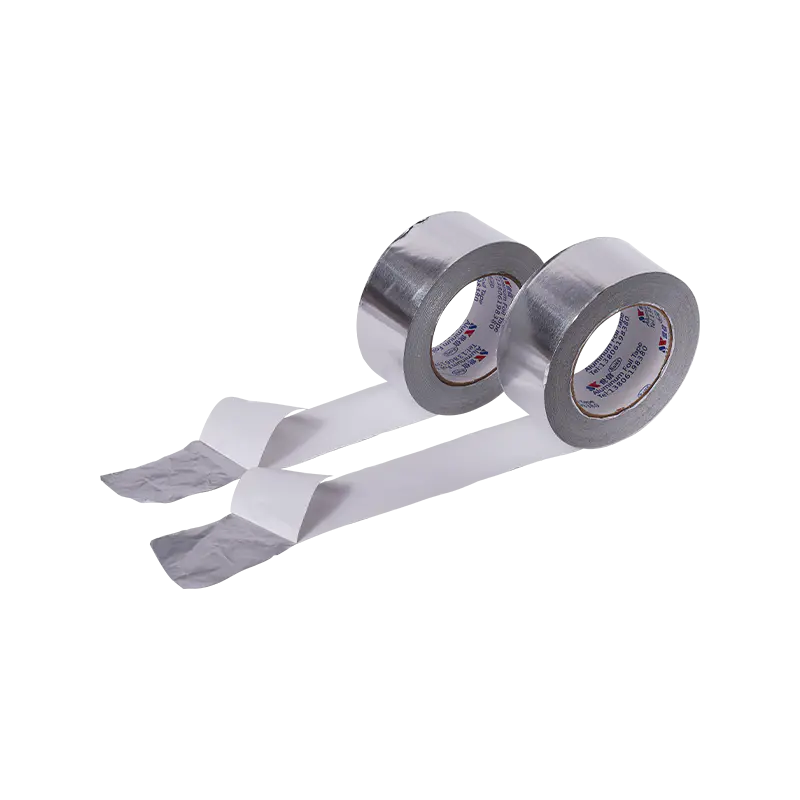
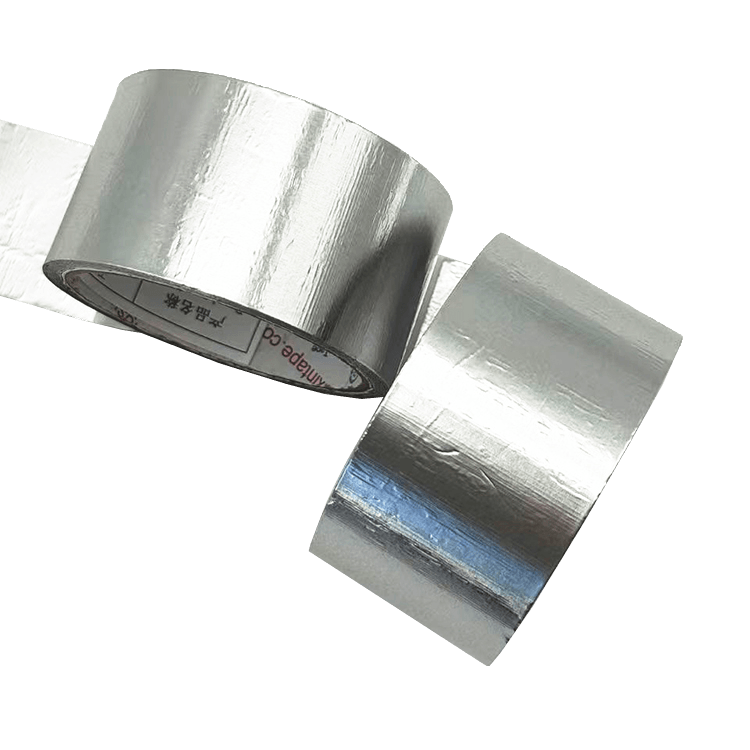
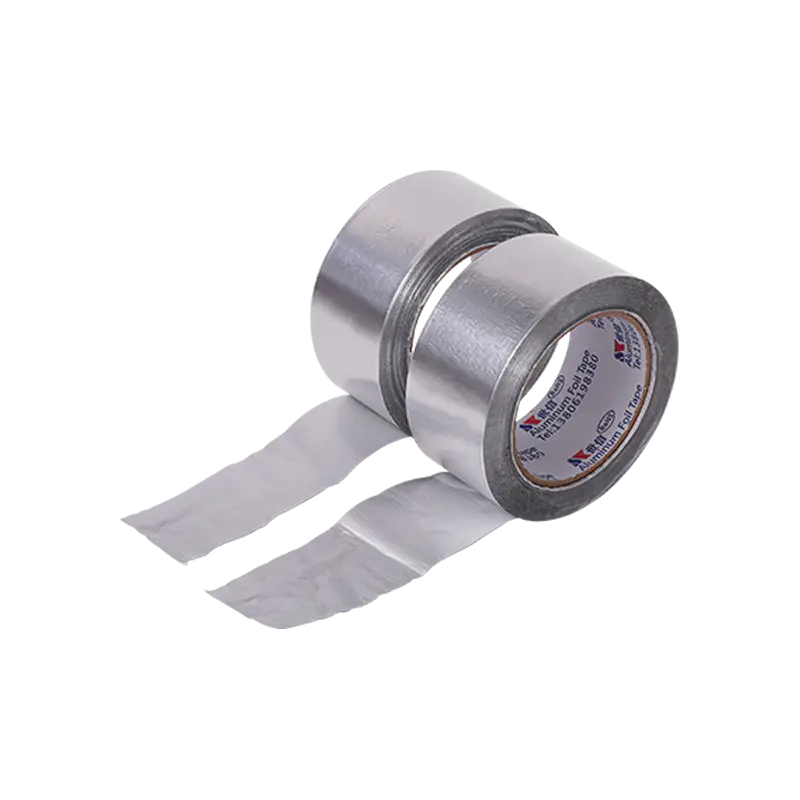
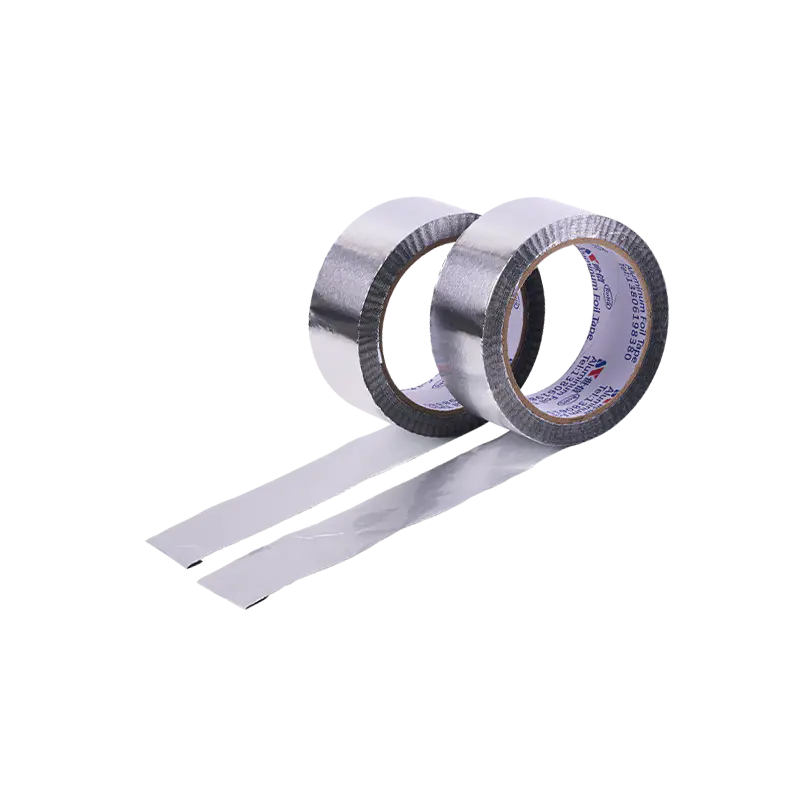
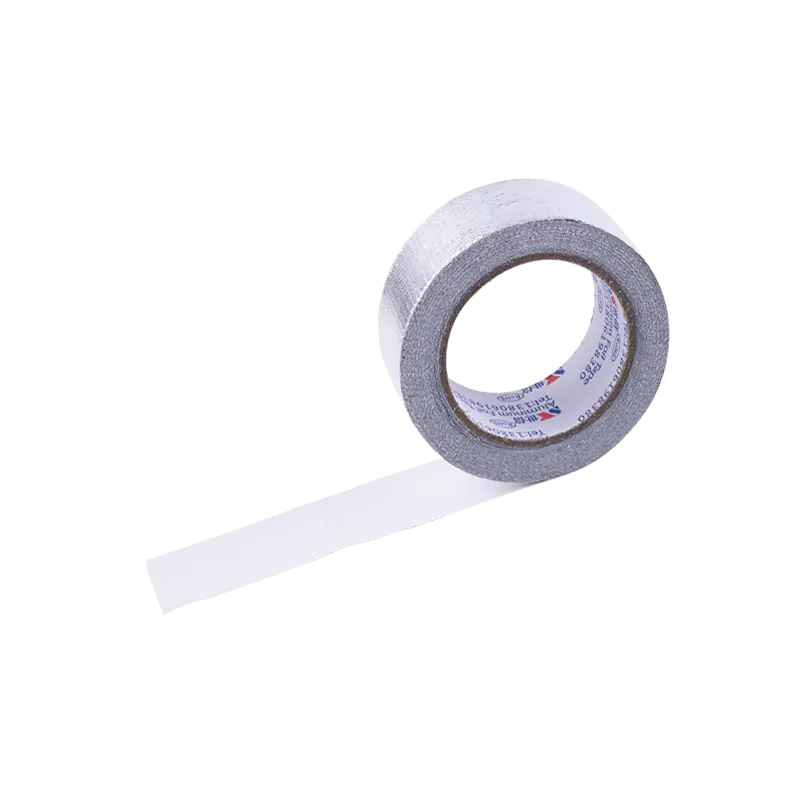
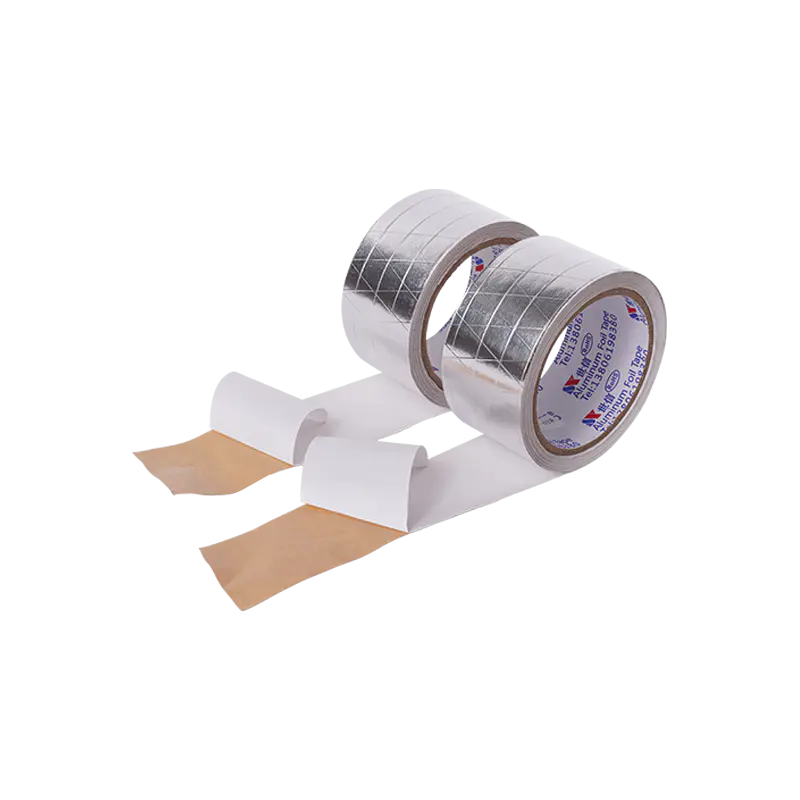
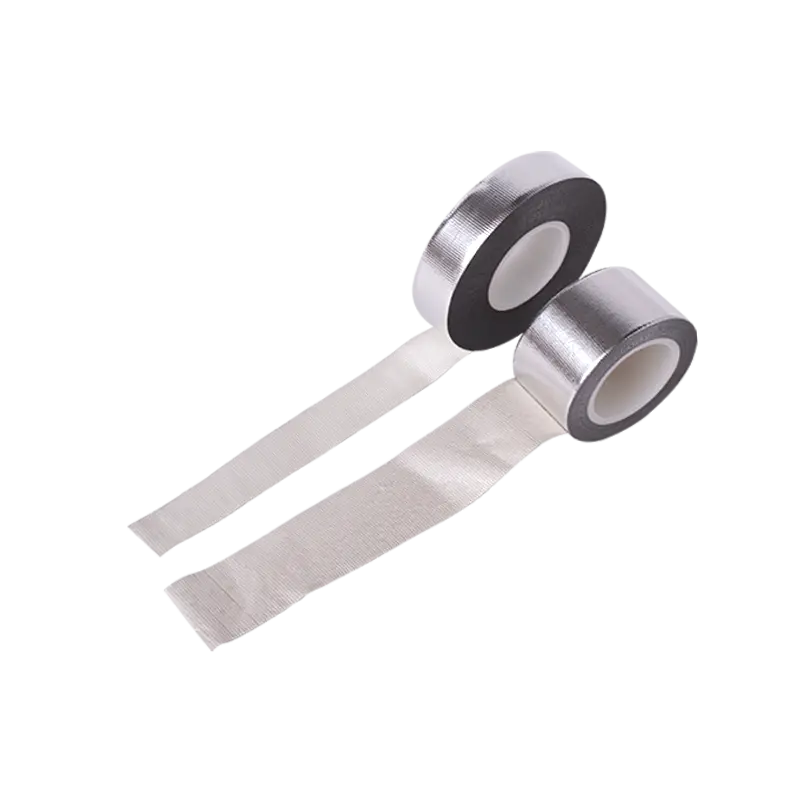
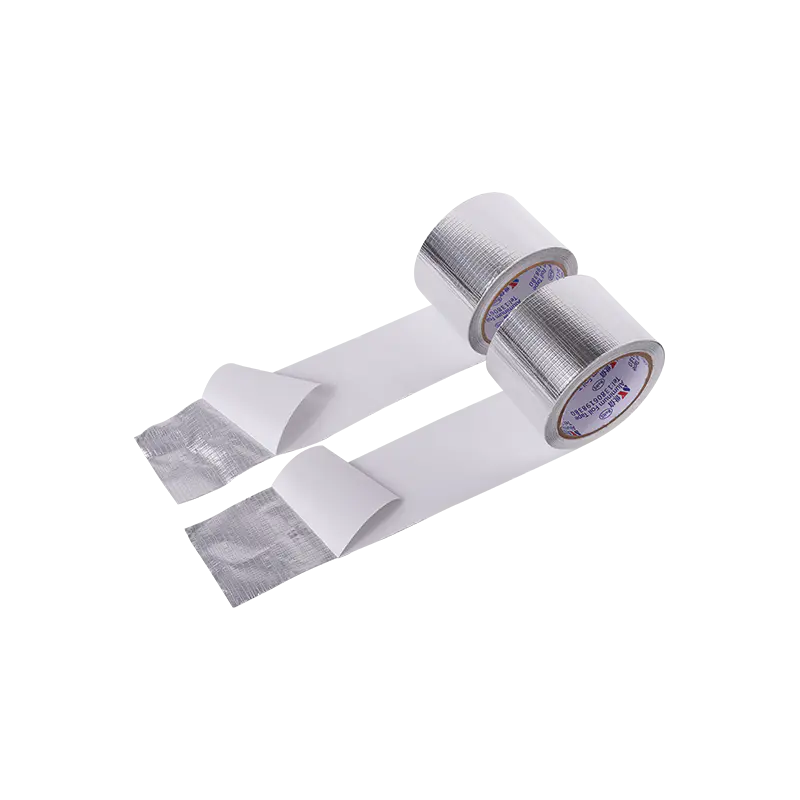
Aluminum foil adhesive tapes are far more than just shiny, sticky strips. They are engineered composite materials designed to solve specific industrial and construction challenges. At its core, this tape consists of a backing of aluminum foil laminated to a high-performance pressure-sensitive adhesive. The aluminum foil provides an impermeable barrier against moisture, gases, and UV light, while also offering excellent heat reflectivity and flame resistance. The adhesive layer, typically made from acrylic or rubber-based compounds, is formulated for strong initial tack and long-term bond durability, often under extreme temperatures and environmental conditions. This combination creates a versatile tool that seals, protects, insulates, and shields. Unlike common cloth or plastic tapes, aluminum foil adhesive tape works by creating a continuous, sealed surface that reflects radiant heat, contains airborne particles, and prevents corrosion, making it indispensable in fields from HVAC to automotive manufacturing.
The unique properties of aluminum foil adhesive tapes make them critical in numerous professional sectors. Their ability to withstand temperature fluctuations, resist environmental degradation, and provide a reliable seal translates into enhanced safety, efficiency, and longevity for various systems and structures. From ensuring the airtight integrity of a building's ventilation to protecting sensitive electronics, these tapes are a go-to solution for engineers and tradespeople. Understanding these applications is key to selecting the right product for the job, as specific formulations are optimized for different challenges such as extreme heat, continuous water exposure, or critical fire safety standards.
In heating, ventilation, and air conditioning (HVAC) systems, airtight ductwork is essential for energy efficiency and indoor air quality. Aluminum foil tape for HVAC duct sealing is specifically designed for this purpose. It permanently seals seams and joints on rigid metal ductwork and fiberglass duct board, preventing loss of conditioned air. Its foil backing is non-absorbent and resistant to mold, while the adhesive maintains its bond despite temperature cycling and vibration from airflow. Using the correct foil tape is often mandated by building codes for proper HVAC installation.
Life safety in construction depends on containing fire and smoke. Fire resistant aluminum foil adhesive tape is a key component in passive fire protection systems. It is used to seal penetrations and seams in fire-rated drywall, ductwork, and other assemblies. When exposed to high heat, the intumescent adhesive (in some specialized tapes) expands to close off gaps, while the aluminum foil backing helps reflect heat and maintain the integrity of the barrier, slowing the spread of flames and toxic smoke.
The automotive environment, especially under the hood, subjects materials to intense heat, oil, and vibration. High temperature aluminum foil tape for automotive use is engineered to withstand this punishment. It is used to wrap wiring harnesses, protect hoses and lines from radiant heat from exhaust components, and patch heat shields. The adhesive is formulated not to melt, ooze, or lose bond under continuous exposure to temperatures often exceeding 150°C (302°F), ensuring critical components are protected.
For industrial and technical applications, the demand is for uncompromising performance. Professional grade aluminum foil duct tape refers to heavy-duty variants used in manufacturing, plumbing, and electrical work. These tapes feature thicker foil backings and aggressive adhesives for permanent bonding to rough surfaces like wood, masonry, and certain plastics. They are used for sealing vapor barriers in construction, creating electromagnetic interference (EMI) or radio frequency interference (RFI) shields in electronics enclosures, and protecting surfaces during painting or abrasive processes.
Exterior repairs demand materials that can battle the elements. Waterproof aluminum foil tape for roofing is designed with a tough, weather-resistant adhesive and a durable foil backing that won't crack from UV exposure. It is used for emergency patches on metal roofs, sealing flashing around vents and chimneys, and repairing cracks in gutters and downspouts. It provides a quick, watertight seal that can serve as a temporary fix or a long-term solution for hard-to-reach areas, resisting rain, snow, and sun.
Selecting the correct aluminum foil adhesive tape is crucial for project success and longevity. A tape chosen for its waterproof claim may fail in a high-temperature automotive application, while a general-purpose tape may not meet fire code requirements. The choice hinges on three main pillars: the backing material, the adhesive chemistry, and the relevant industry certifications. By systematically evaluating your project's specific demands against these product specifications, you can ensure optimal performance, safety, and compliance. This guide breaks down the key factors to consider, transforming a simple purchase into an informed engineering decision.
The following table contrasts the two primary adhesive types to guide your selection:
| Feature | Acrylic Adhesive | Rubber-Based Adhesive |
| Temperature Resistance | Excellent (Long-term up to 150°C/300°F+) | Good (Up to ~93°C/200°F) |
| UV & Aging Resistance | Superior, does not yellow or degrade quickly | Fair to Poor, can oxidize and become brittle |
| Initial Tack | Good, builds strength over time | Excellent, sticks quickly to many surfaces |
| Chemical/Solvent Resistance | Very Good | Variable, can be softened by oils |
| Ideal For | Outdoor, automotive, HVAC, permanent installations | Indoor, temporary holds, uneven surfaces, packaging |
Even the best aluminum foil adhesive tape will underperform if applied incorrectly. Professional results depend on meticulous surface preparation, proper application technique, and an understanding of the curing process. The goal is to achieve a complete, uninterrupted bond between the adhesive and the substrate, allowing the tape to perform its sealing or shielding function as designed. This process is particularly important for demanding applications like HVAC duct sealing or creating a waterproof roof patch. Skipping steps like cleaning or applying sufficient pressure is a common cause of premature failure, leading to leaks, detachment, or compromised performance.
It is crucial to distinguish between "fire-resistant" and "fireproof." Standard aluminum foil adhesive tape has inherent fire-resistant properties because aluminum foil does not burn. However, the adhesive component can be compromised by high heat. For certified fire protection, you must use a specific fire resistant aluminum foil adhesive tape that carries a UL listing or similar certification. These specialized tapes are tested as part of an entire fire-stop assembly (e.g., sealing a pipe penetration in a wall) and are designed to maintain the fire rating of that assembly by preventing the passage of flames and hot gases for a rated period (e.g., 1, 2, or 3 hours). Always check the product's specific fire performance ratings for your application.
No, it is not recommended. For a waterproof aluminum foil tape for roofing or plumbing to form a permanent, reliable seal, the surface must be completely dry at the time of application. Moisture creates a barrier that prevents the adhesive from making direct contact with the substrate, leading to a weak bond and eventual failure. The proper procedure is to first stop the active leak, thoroughly dry the area, and then apply the tape as a sealant and patch. Aluminum foil tape is excellent for creating a watertight barrier over a prepared, dry surface but is not an effective plug for actively flowing water.
Removal difficulty depends on the adhesive type, surface, and exposure time. Acrylic adhesives, common in professional grade aluminum foil duct tape, are designed for permanence and are more challenging to remove. Start by slowly peeling the tape back at a 180-degree angle, close to the surface. Heat from a hairdryer or heat gun can soften the adhesive and ease removal. Any remaining residue can often be dissolved using an adhesive remover, isopropyl alcohol, or a citrus-based oil cleaner, followed by gentle scraping with a plastic putty knife. Always test any solvent on a small, inconspicuous area first to ensure it does not damage the underlying surface.
This is a critical distinction. Standard cloth-backed "duct tape" is not suitable or code-compliant for sealing modern HVAC ductwork. It dries out, cracks, and loses adhesion over time due to temperature cycling and vibration, leading to significant air leakage. True aluminum foil tape for HVAC duct sealing is specifically engineered for this task. Its foil backing and stable adhesive are non-organic, meaning they won't dry out or support mold growth, and they maintain a flexible, airtight seal for the life of the duct system. Building codes and HVAC professionals specifically require foil tape, not general-purpose cloth duct tape, for sealing ducts.
Aluminum foil adhesive tape is conductive and should NOT be used as primary electrical insulation. The aluminum foil layer can carry current, creating a serious shock or short-circuit hazard if it contacts live wires. Its primary use in electrical contexts is for shielding—creating a grounded Faraday cage to block electromagnetic interference (EMI/RFI) around cables or enclosures. For actual insulation of wires, you must use tapes rated for electrical insulation, such as vinyl (PVC) or fiberglass cloth tapes, which are non-conductive and designed to withstand specific voltage levels.

Our company has been engaged in the tape manufacturing industry for more than 20 years, and has been focusing on various types of aluminum foil tapes, foam tapes, refrigerator tapes, etc.
IsabelLina
Email:[email protected]
Mobile/Whatsapp: +86 190 3379 1110
Mars Gong
Email:[email protected]
Mobile/Whatsapp: +86 159 5136 0053
Address: West side of Yingbin Avenue and south side of hengwang packaging. Suqian Economic and Technological Development Zone,Jiangsu Province
Copyright © Jiangsu Shixin Adhesive Tape Product Co., Ltd. All Rights Reserved. Custom ODM Refrigerator Foil Adhesive Tapes Manufacturers