2026-09-24
Content
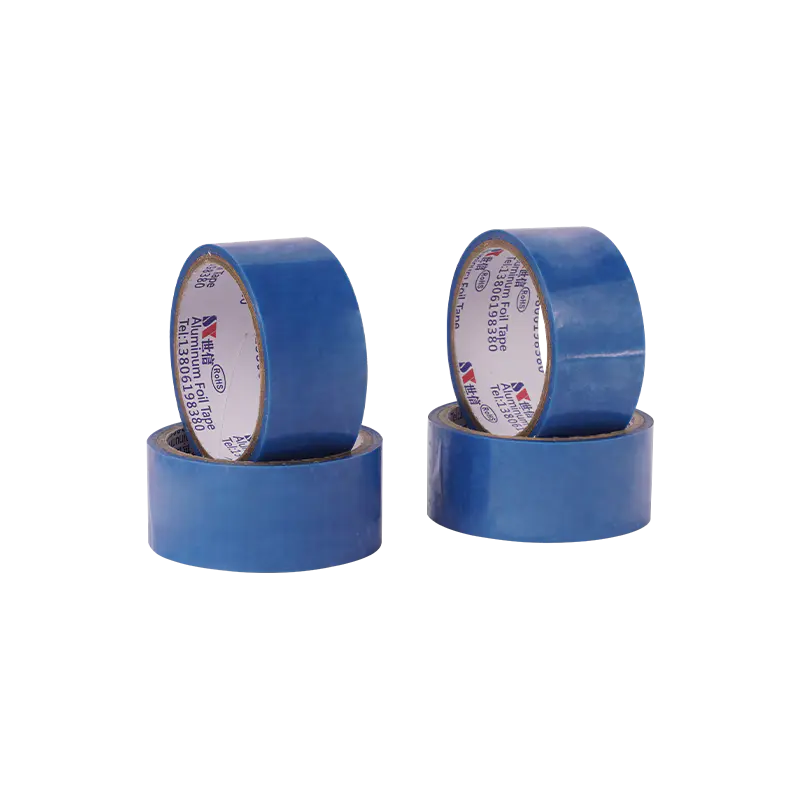
PP packaging adhesive tapes, with MOPP being a prominent variant, are a fundamental component in modern logistics, manufacturing, and retail. "PP" stands for polypropylene, a versatile plastic polymer that forms the tape's backing or film. This film is often uniaxially stretched (oriented) to create a strong yet lightweight base material known for its exceptional tensile strength, clarity, and resistance to moisture and abrasion[citation:10]. The "adhesive" refers to the layer of pressure-sensitive glue, commonly made from natural rubber or synthetic compounds like acrylic, coated onto one side of this film. When combined, these elements create a durable, flexible, and instantly bonding tape designed to secure, seal, and protect products through complex supply chains. Its reliability and cost-effectiveness have made it an indispensable tool across diverse industries, from securing cardboard boxes in e-commerce warehouses to bundling components on automotive assembly lines.
The utility of PP packaging adhesive tapes extends far beyond simple box sealing. Their balance of strength, clarity, and user-friendliness allows them to solve a variety of functional challenges in professional settings. A major trend driving their adoption is the need for secure and tamper-evident packaging in e-commerce and logistics, where the tape's integrity directly correlates with product safety and customer trust[citation:10]. Furthermore, their compatibility with automated dispensers makes them a key component in high-speed packaging lines, enhancing operational efficiency.
| Industry | Primary Applications | Key Tape Requirements |
| Logistics & E-commerce | Carton sealing, box reinforcement, pallet wrapping, parcel bundling. | High initial tack, strong shear strength, good temperature resistance for varied transit conditions. |
| Manufacturing & Electronics | Bundling wires and components, part masking during painting, temporary fixation on assembly lines[citation:2][citation:10]. | Clean removal without residue, static control properties, specific chemical resistance. |
| Food & Beverage Packaging | Secondary packaging (case sealing), labeling, bundling multi-packs. | Compliance with relevant safety regulations, good adhesion to corrugated and plastic surfaces. |
| Retail & Graphics | Price tagging, promotional displays, light-duty mounting, and finishing for printed materials[citation:5][citation:10]. | Excellent clarity, printability, and aesthetic finish; easy hand tear. |
Choosing the right PP packaging adhesive tape is not a one-size-fits-all decision. Selecting an inappropriate tape can lead to packaging failures, product damage, and increased operational costs. Key performance parameters must be evaluated against the specific demands of the application, including the surface type of the package, environmental exposure, required handling strength, and the packaging process itself (manual vs. automated). A thorough understanding of these criteria ensures reliability and cost-efficiency in the long run.
The adhesive is the heart of the tape's functionality. Its performance is measured by several technical factors:
The PP packaging adhesive tapes market is evolving in response to global economic and consumer trends. Manufacturers are innovating not just in product performance but also in aligning with broader societal values. The push for sustainability is leading to significant R&D investments, while the demand for smarter packaging solutions is creating new functional categories. These trends indicate a shift from viewing tape as a simple commodity to recognizing it as a value-added component that can enhance brand reputation, supply chain security, and environmental stewardship.
PP (Polypropylene) and PVC (Polyvinyl Chloride) tapes are both common but have distinct differences. PP packaging adhesive tapes are generally lighter, more cost-effective, and offer excellent clarity. They are preferred for general carton sealing and applications where recyclability is a concern, as PP is more easily recycled than PVC. PVC tapes are typically heavier, have higher tensile and tear strength, and offer superior weather and UV resistance, making them better for long-term outdoor use or heavy-duty palletizing. PVC tapes also tend to have a softer, more conformable hand feel compared to the crisper feel of PP.
Tape failure can stem from several factors:
Yes, printing on PP packaging adhesive tapes is a common and effective branding or operational practice[citation:10]. The clear and consistent surface of polypropylene film is ideal for flexographic or digital printing. Companies often print their logo, handling instructions ("Fragile," "This Side Up"), or even sequential tracking numbers directly onto the tape. This transforms a utilitarian item into a brand reinforcement tool and can add logistical functionality without requiring separate labels, streamlining the packaging process.
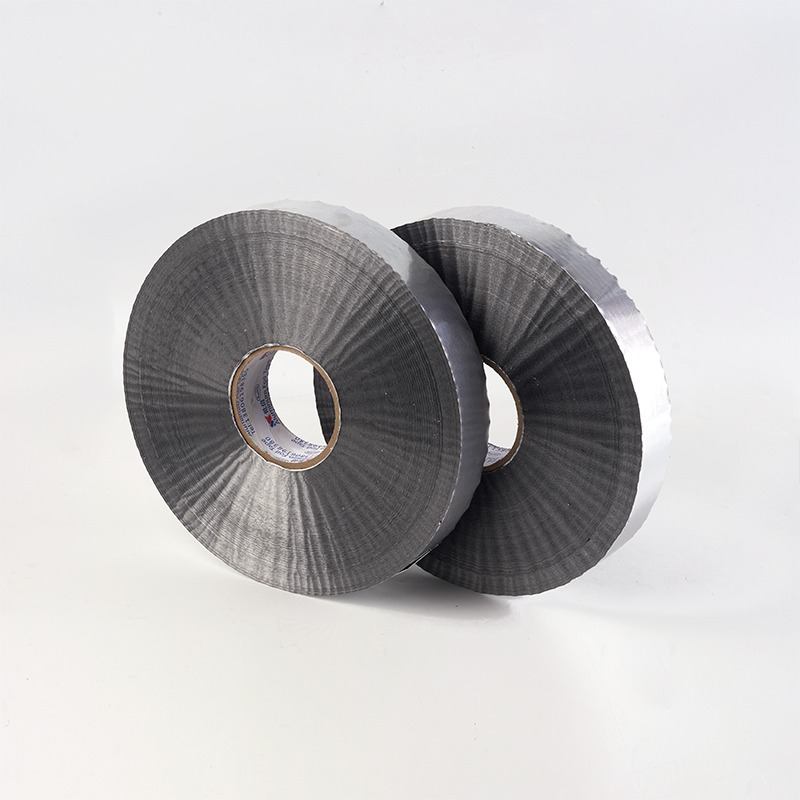
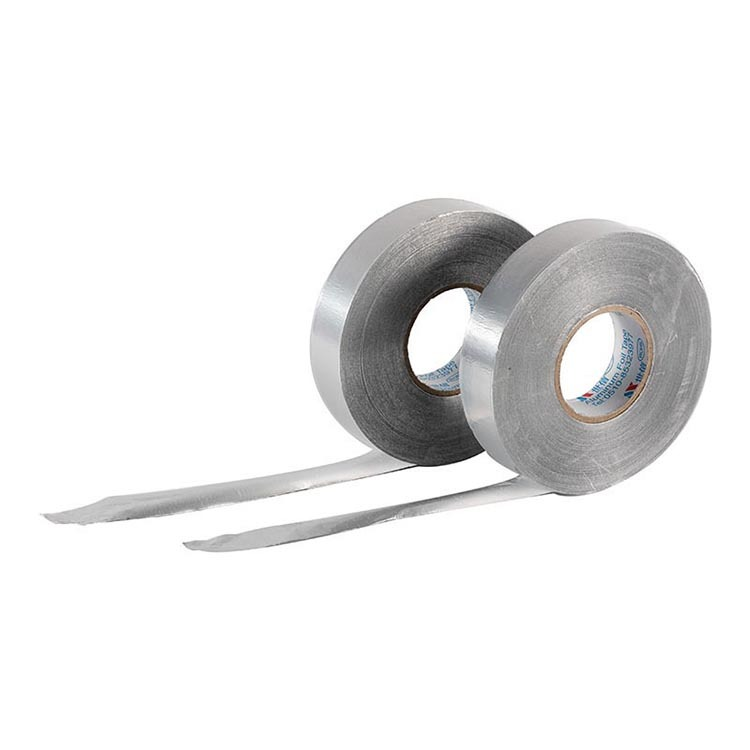
MOPP is a specific type of PP packaging adhesive tape. It typically stands for "Metallized Oriented Polypropylene"[citation:10]. The "oriented" refers to the stretching process that aligns the polymer molecules, increasing strength. The "metallized" aspect often means a thin layer of metal (like aluminum) has been vacuum-deposited onto the film. This gives the tape a distinctive silvery appearance and can enhance certain properties like moisture barrier or aesthetic appeal. In common industrial parlance, "MOPP tape" is sometimes used broadly to refer to high-grade, machine-direction oriented polypropylene tapes, even if they are not metallized.

Our company has been engaged in the tape manufacturing industry for more than 20 years, and has been focusing on various types of aluminum foil tapes, foam tapes, refrigerator tapes, etc.
IsabelLina
Email:[email protected]
Mobile/Whatsapp: +86 190 3379 1110
Mars Gong
Email:[email protected]
Mobile/Whatsapp: +86 159 5136 0053
Address: West side of Yingbin Avenue and south side of hengwang packaging. Suqian Economic and Technological Development Zone,Jiangsu Province
Copyright © Jiangsu Shixin Adhesive Tape Product Co., Ltd. All Rights Reserved. Custom ODM Refrigerator Foil Adhesive Tapes Manufacturers