2026-09-24
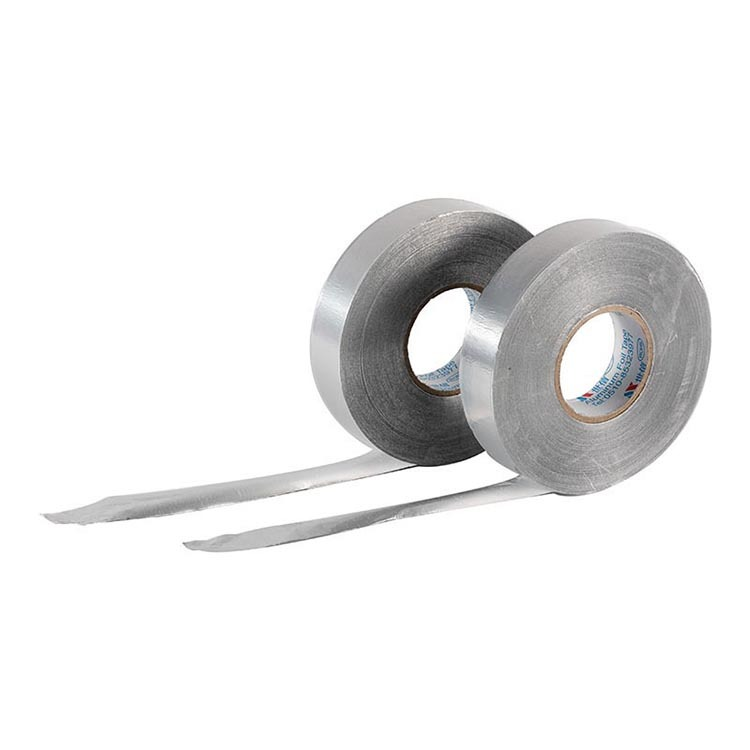
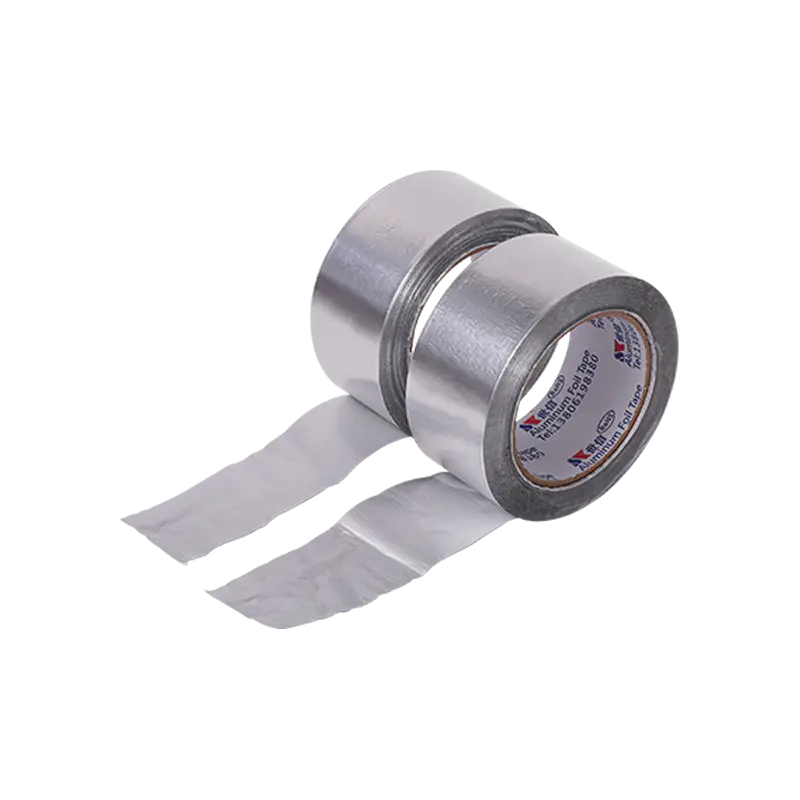
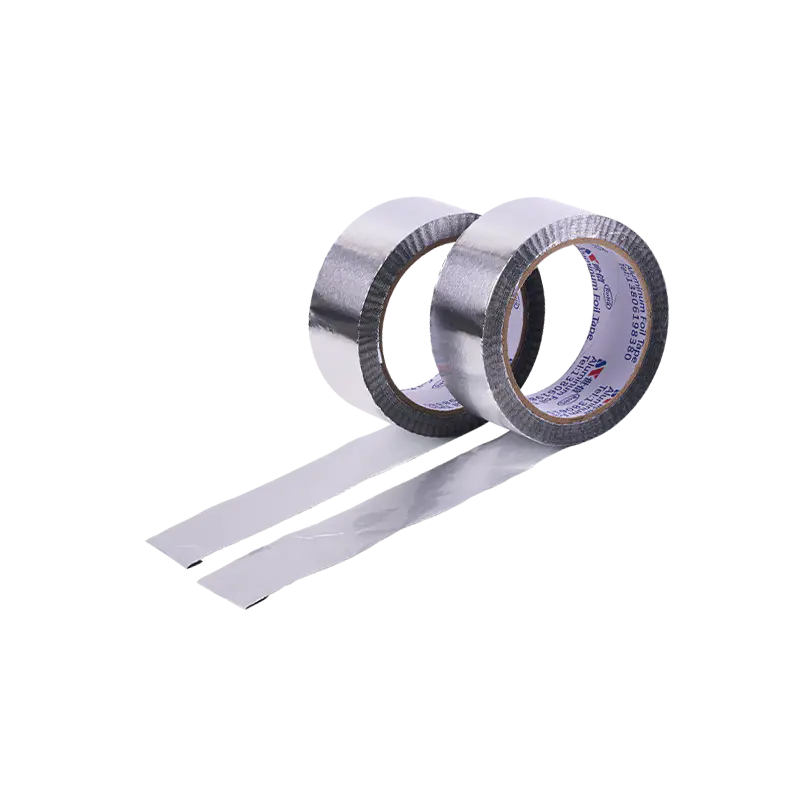
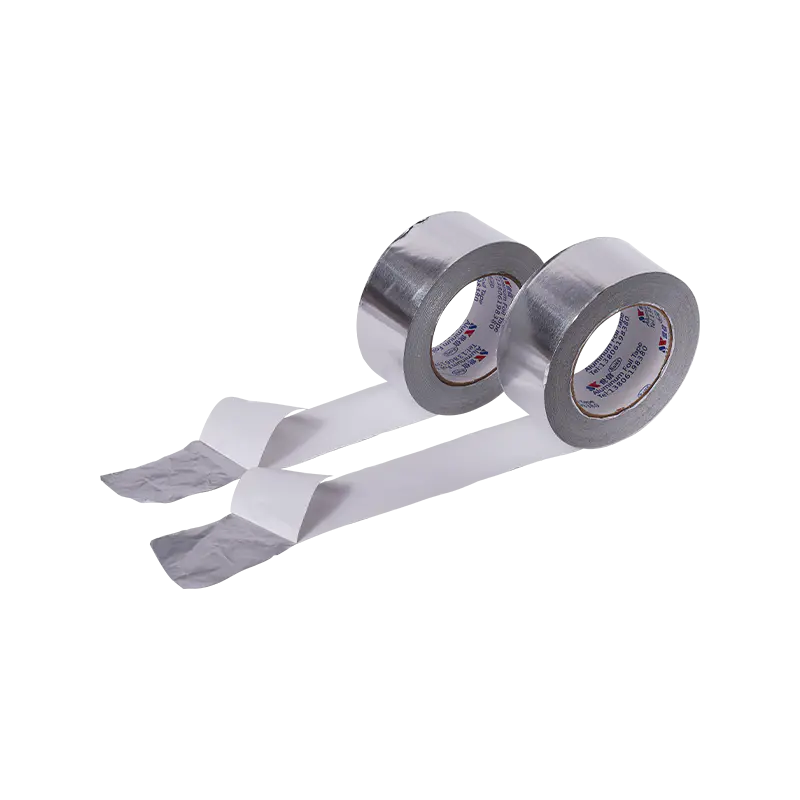
Aluminum foil adhesive tapes are far more than simple metallic strips; they are highly engineered, multi-purpose solutions designed to meet the rigorous demands of various industrial, commercial, and even residential applications. Constructed from a resilient foil backing and coated with a powerful, pressure-sensitive adhesive, these tapes excel in environments that require durability, thermal conductivity, and resistance to harsh conditions. Their unique combination of properties—such as reflecting heat and light, blocking moisture and vapors, and conforming to irregular surfaces—makes them an indispensable tool in countless scenarios. From sealing critical joints in an HVAC system to providing high-temperature protection in an automotive engine bay, the applications are both vast and specific. This comprehensive guide delves into the primary use cases for aluminum foil adhesive tapes, exploring the distinct scenarios where specialized variants like high temperature aluminum foil adhesive tape, heavy duty aluminum foil adhesive tape, and others prove their exceptional value. Understanding these applications is key to selecting the right tape for the job, ensuring safety, efficiency, and long-lasting performance.
The true strength of aluminum foil adhesive tapes lies in their versatility. They are not a one-size-fits-all product but rather a category of specialized tools, each engineered to solve a particular set of challenges. This adaptability stems from the tape's core characteristics: the aluminum foil provides an excellent barrier against moisture, vapors, and gases, while also reflecting up to 97% of radiant heat. The adhesive layer is formulated for strong, long-term bonding to a variety of substrates, including metal, glass, and many plastics. This synergy allows these tapes to perform critical functions across a multitude of industries. In the following sections, we will explore the most prominent application areas, detailing how specific tape properties are leveraged to provide effective and reliable solutions in demanding real-world conditions. The focus will be on practical, in-depth scenarios to illustrate the profound impact these tapes have on operational efficiency and product integrity.
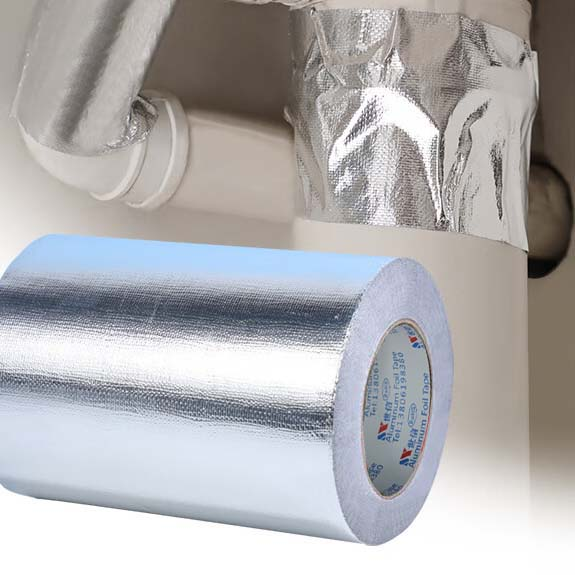
Applications that involve extreme heat demand materials that can maintain their integrity and adhesive properties without degrading. This is where high temperature aluminum foil adhesive tape becomes essential. Unlike standard tapes, these are manufactured with specialized adhesives, often acrylic or silicone-based, that can withstand continuous exposure to temperatures that would cause others to melt, soften, or lose their bond. The aluminum foil itself acts as a heat shield, protecting underlying components from thermal damage and dissipating heat across its surface. This makes it a critical component in settings where thermal management and safety are paramount. The tape's ability to create a durable, heat-resistant seal prevents energy loss, protects sensitive wiring, and ensures the longevity of equipment operating under thermal stress.
| Application | Primary Function | Key Benefit |
| Automotive Wire Harnessing | Thermal and abrasion protection | Prevents electrical failure, enhances safety |
| Industrial Oven Sealing | Creating heat-proof seams | Improves energy efficiency, temperature stability |
In the Heating, Ventilation, and Air Conditioning (HVAC) industry, system efficiency is directly tied to the integrity of the ductwork. Any leaks, no matter how small, can lead to significant energy loss, reduced heating or cooling capacity, and higher utility bills. aluminum foil tape for HVAC ductwork is the industry-standard solution for creating airtight seals. Its highly reflective surface also serves a secondary purpose: it acts as a vapor barrier, preventing moisture from infiltrating the insulation and causing mold growth or structural damage. The tape's strong adhesive ensures a permanent bond on sheet metal ducts, flexible ducts, and insulation facing, even in fluctuating temperatures. By ensuring that conditioned air reaches its destination without escape, this tape is a small but crucial component in the overall performance and energy rating of an HVAC system.
| Task | Recommended Tape Type | Outcome |
| Sealing Metal Duct Seams | Standard Aluminum Foil Tape | Permanent airtight and vapor-proof seal |
| Securing Duct Insulation | Foil-Scrim-Kraft (FSK) Tape | Durable bond for reinforced insulation facing |
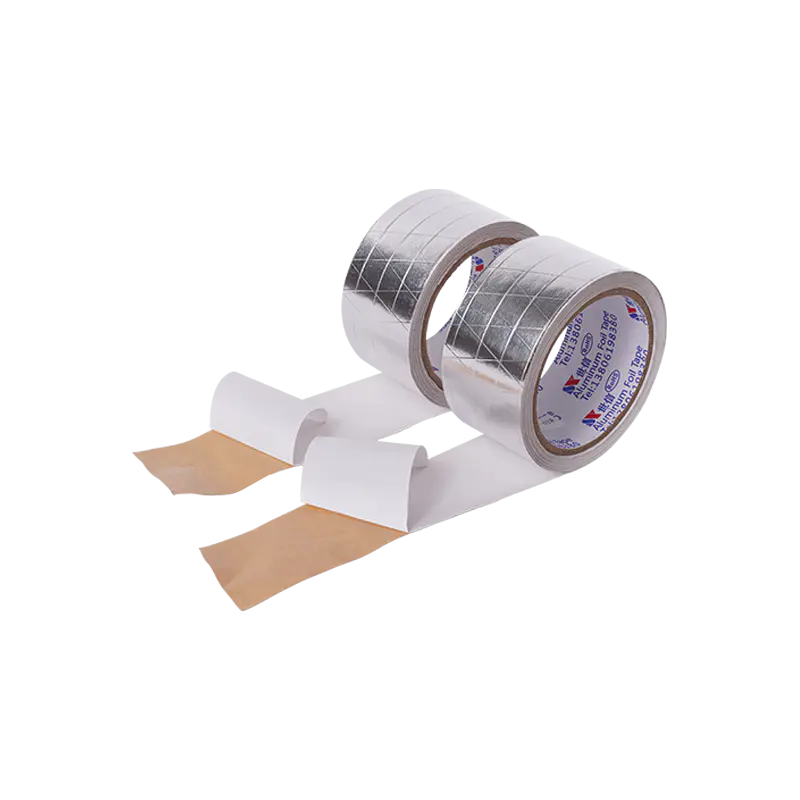
Industrial environments present some of the toughest challenges for any material. Constant exposure to abrasion, chemicals, UV radiation, and physical impact requires a product that can withstand significant wear and tear. This is the domain of heavy duty aluminum foil adhesive tape. These tapes are often reinforced with materials like fiberglass or polyester scrim, which are laminated between layers of foil. This reinforcement dramatically increases tensile strength and resistance to tearing, making it suitable for applications that demand more than just a simple seal. The robust adhesive formulation ensures a powerful bond even on dirty or uneven surfaces, making it a go-to solution for repairs, reinforcement, and demanding industrial fabrication tasks where failure is not an option.
| Feature | Standard Foil Tape | Heavy Duty Foil Tape |
| Backing | Plain Aluminum Foil | Foil reinforced with Scrim (Fiberglass/Polyester) |
| Tensile Strength | Moderate | High |
| Tear Resistance | Can tear easily | Excellent, resists ripping |
Moisture is one of the most destructive forces in construction and manufacturing. It can lead to mold, rot, corrosion, and structural failure. Waterproof aluminum foil adhesive tape provides a highly effective and easy-to-apply barrier against water and moisture vapor. The foil itself is completely non-porous, and when combined with a high-performance adhesive, it creates a continuous, waterproof seal over joints, seams, and penetrations. This makes it an essential material for both interior and exterior applications where keeping water out is critical. Its use extends from sealing building envelopes to protecting sensitive electronic components, making it a versatile tool for moisture management in a wide array of projects.
| Application Area | Problem Solved | Long-Term Advantage |
| Building Envelope (Window/Door Sealing) | Air and Water Leaks | Enhanced building durability, lower energy costs |
| Outdoor Electrical Enclosures | Moisture Ingress | Prevents corrosion, extends equipment lifespan |
Effective thermal management is crucial for energy conservation and process control. Aluminum foil tape for thermal insulation plays a dual role in this domain. Firstly, it is used to secure and seal insulation materials, such as fiberglass or foam boards, ensuring there are no gaps for heat to pass through. Secondly, the foil's highly reflective surface is used as a radiant barrier. When installed with an air gap, it reflects radiant heat away from a living space in the summer and back into the space during the winter. This significantly reduces the load on heating and cooling systems. The tape is therefore not just a fastener but an active component of the insulation system, enhancing its overall R-value and performance.
| Insulation Task | Tape's Contribution | Energy Impact |
| Sealing Pipe Insulation | Creates a vapor-proof, airtight seal | Reduces standby heat loss by up to 80% |
| Joining Radiant Barrier Sheets | Maintains a continuous reflective surface | Can lower attic temperatures by over 20°F |
The sophisticated range of applications for these tapes underscores the importance of sourcing from a technically proficient manufacturer. A prime example is Jiangsu Shixin Adhesive Tape Product Co., Ltd. Established in 2005 and covering a factory area of nearly 11,000 square meters with 100 employees. Over two decades of dedicated growth, they have evolved into a high-tech enterprise integrating R&D, production, and sales. Upholding quality and reputation as the cornerstone of their business, they specialize in premium adhesive solutions, including a comprehensive range of Aluminum Foil Tapes such as Aluminum Foil Tape Without Liner, Laminated Aluminum foil tape without liner, Fiber Glass Aluminum Foil Tape, FSK Reinforced Aluminum Foil Tape, and Automotive High Temperature Resistance Fiberglass Aluminum Foil Tape. Their commitment to excellence is demonstrated by certifications like RoHS, REACH, ISO 9001, and ISO 14001, and they are trusted by global leaders like Midea, KOREL, TCL, and Vestel. By leveraging scale production and a localized supply chain, they offer pragmatic, cost-effective solutions, delivering 10%-15% cost savings compared to EU suppliers, thus aiming to deepen collaborations and foster mutual growth with global partners.
Absolutely. Many types of aluminum foil adhesive tapes are specifically designed for outdoor use. The key is to select a tape with a UV-resistant adhesive and a durable backing. Waterproof aluminum foil adhesive tape is an excellent choice for exterior applications as it can withstand exposure to rain, sunlight, and temperature fluctuations without degrading. It is commonly used for sealing exterior joints on buildings, protecting outdoor wiring, and patching metal surfaces. Always check the product specifications to ensure it is rated for UV and weather exposure to guarantee long-term performance.
The difference is significant, especially for critical applications. Standard duct tape typically has a cloth or polyethylene scrim backing and a rubber-based adhesive. It is not designed to be a permanent seal and can degrade over time, especially when exposed to temperature changes or UV light. In contrast, aluminum foil tape for HVAC ductwork features a metal foil backing and a powerful, often acrylic-based adhesive. It creates a permanent, airtight, and vapor-proof seal that is fire-rated and resistant to temperature extremes. For any HVAC or insulation work, building codes often mandate the use of foil tape over duct tape for safety and efficiency.
Removing the adhesive residue from aluminum foil adhesive tapes can be challenging due to its strong bond, but it is manageable. First, try to peel the tape off slowly at a 180-degree angle. For any remaining residue, you can apply a small amount of a citrus-based cleaner, rubbing alcohol, or a specialized adhesive remover to a cloth and gently rub the area. Let the solvent sit for a few minutes to break down the adhesive. For sensitive surfaces, test the solvent on an inconspicuous area first. In some industrial settings, applying gentle heat with a heat gun can soften the adhesive, making it easier to peel away.
While all aluminum foil adhesive tapes have some degree of heat resistance due to the foil backing, they are not all equal. The limiting factor is the adhesive. Standard tapes might be rated for temperatures up to around 150°F (65°C). For high-temperature applications, you must use a specialized high temperature aluminum foil adhesive tape. These tapes use adhesives like silicone or high-performance acrylic that can withstand continuous temperatures of 300°F (149°C) or more, with some specialty tapes tolerating even higher temperatures. Always verify the tape's temperature rating to ensure it matches the requirements of your application.
Using aluminum foil adhesive tape on a radiator hose should be considered strictly as a temporary, emergency repair to get you to a service station. While a high temperature aluminum foil adhesive tape can withstand the heat and pressure to some extent, it is not a permanent solution for a flexible, pressurized component like a radiator hose. The constant expansion and contraction of the hose, combined with the hot coolant and pressure, will eventually cause the tape to fail. For a safe and reliable repair, the damaged hose must be replaced with a new one.

Our company has been engaged in the tape manufacturing industry for more than 20 years, and has been focusing on various types of aluminum foil tapes, foam tapes, refrigerator tapes, etc.
IsabelLina
Email:[email protected]
Mobile/Whatsapp: +86 190 3379 1110
Mars Gong
Email:[email protected]
Mobile/Whatsapp: +86 159 5136 0053
Address: West side of Yingbin Avenue and south side of hengwang packaging. Suqian Economic and Technological Development Zone,Jiangsu Province
Copyright © Jiangsu Shixin Adhesive Tape Product Co., Ltd. All Rights Reserved. Custom ODM Refrigerator Foil Adhesive Tapes Manufacturers