2026-09-24
Content
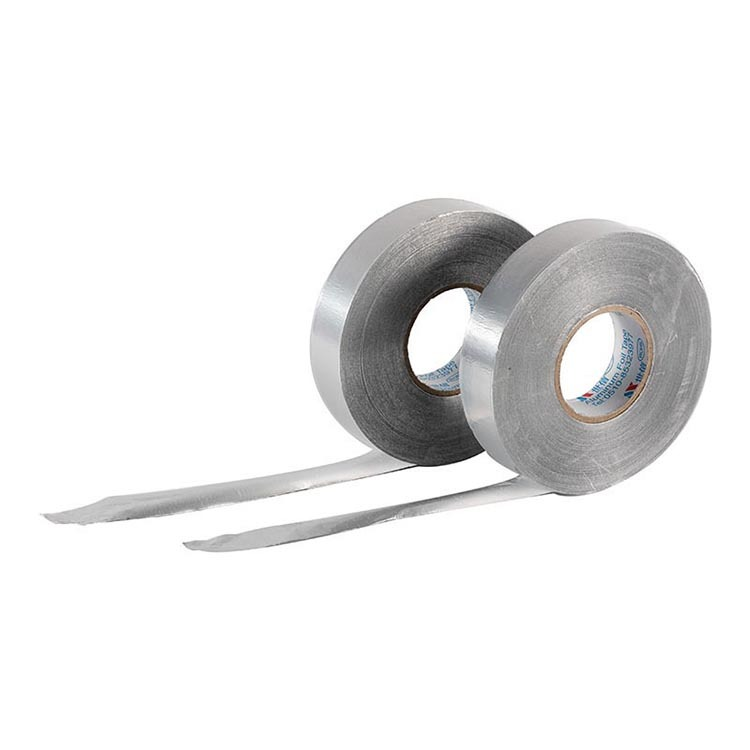
When you think of Aluminum Foil Adhesive Tapes, a simple roll of shiny, metallic tape might come to mind. However, this perception vastly underestimates its capabilities. Far beyond basic repairs, aluminum foil tape is a high-performance engineered material designed to solve complex problems across numerous industries. Its unique combination of a metal foil backing and a specialized pressure-sensitive adhesive creates a product that seals, protects, shields, and reinforces in ways few other materials can. From ensuring the efficiency of the air circulating in your home to protecting sensitive electronic signals, its applications are vast and critical. This article delves deep into the practical, real-world applications of aluminum foil tape, moving past generic descriptions to provide a detailed guide on how and why it is specified for specific scenarios. Understanding these uses is key to selecting the right tape, whether you are a DIY enthusiast tackling a home project or a procurement specialist for a manufacturing firm.
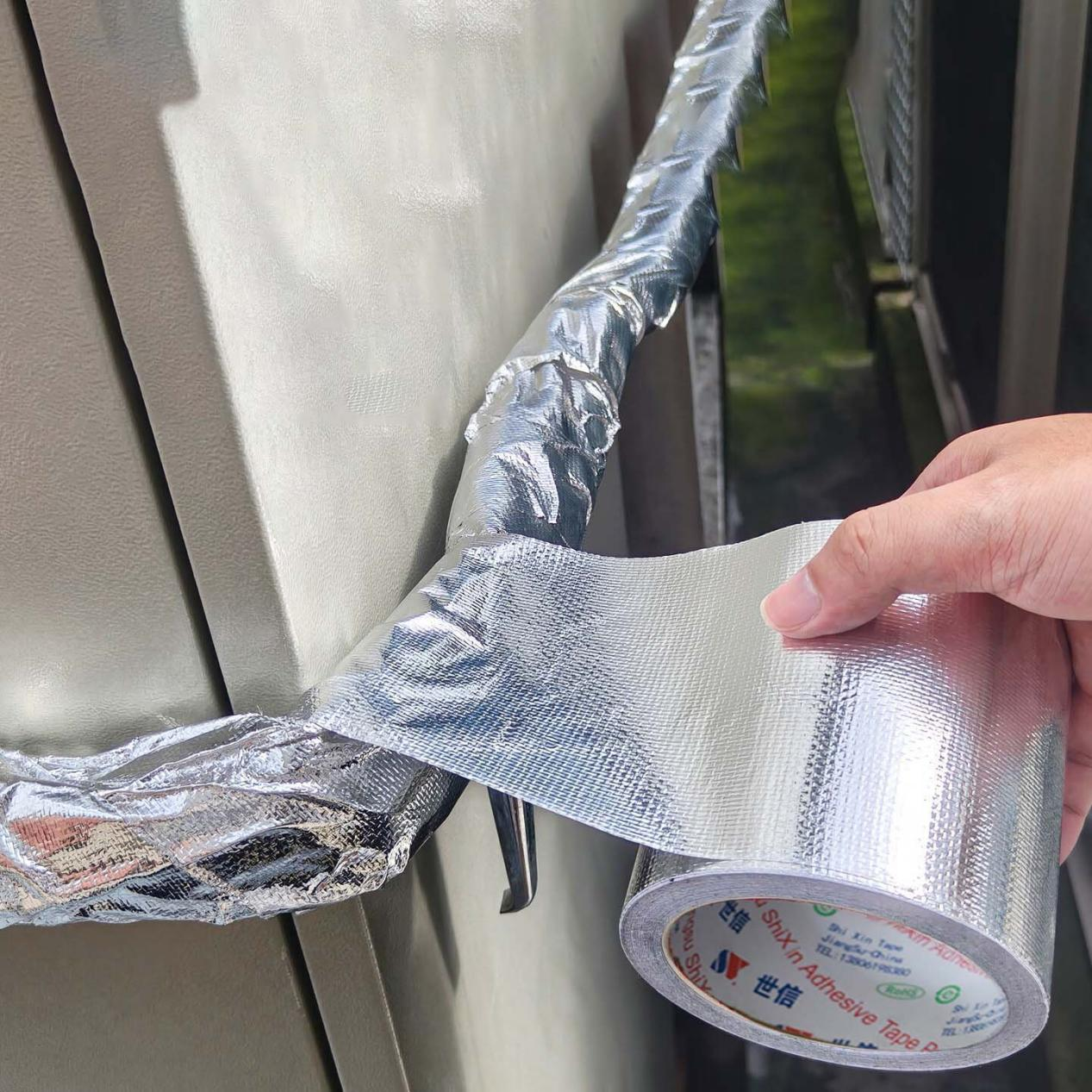
The versatility of Aluminum Foil Adhesive Tapes stems from their core properties: excellent moisture and chemical resistance, reliable thermal conductivity and reflectivity, effective barrier qualities, and inherent durability. These properties are leveraged differently depending on the industry's needs. Professionals don't just use "aluminum foil tape"; they select a specific type engineered for their unique environmental and performance demands. The following sections break down the five primary arenas where this product transitions from a simple supply to an essential component of system integrity, safety, and performance.
This is the most classic and widespread application. In heating, ventilation, and air conditioning (HVAC) systems, maintaining sealed air ducts is paramount for energy efficiency, indoor air quality, and system performance. Heat resistant aluminum foil tape for ductwork is specifically formulated for this environment. Unlike conventional cloth or plastic tapes, it withstands temperature fluctuations from the conditioned air and nearby equipment without degrading, drying out, or losing adhesion. Its aluminum surface also acts as a vapor barrier, preventing condensation within insulation, which can lead to mold growth and material breakdown.
For contractors and homeowners, aluminum foil tape serves as a robust, multi-purpose repair and sealing solution. Its strength, weather resistance, and malleability make it ideal for a variety of challenging fixes that require more durability than standard tape.
In the electronics world, aluminum foil tape performs two sophisticated functions: controlling electromagnetic interference and managing thermal energy. This requires tapes with specific conductive or insulating properties.
The under-hood and marine environments are punishing, subjecting materials to extreme temperatures, vibration, fuels, oils, and moisture. Specialty aluminum foil tapes are engineered to survive here.
The utility of aluminum foil tape extends into specialized industrial processes and even creative pursuits.
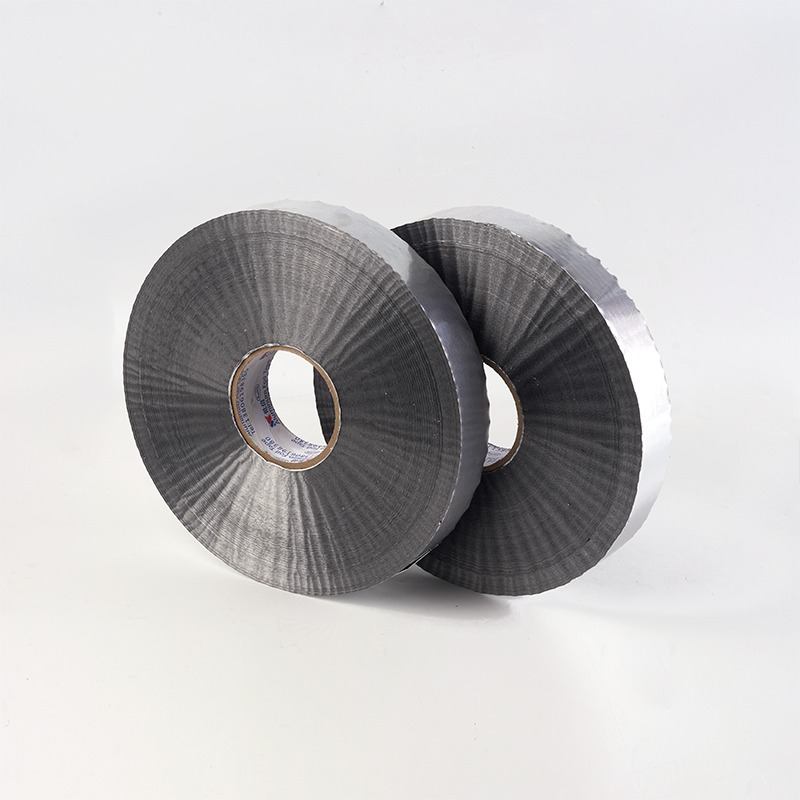
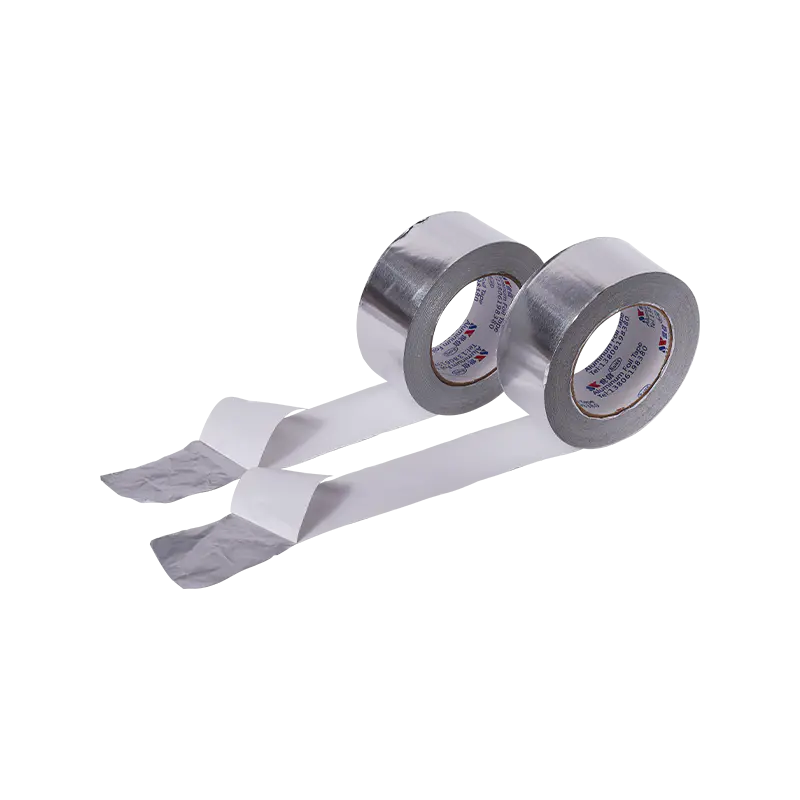
Selecting the correct Aluminum Foil Adhesive Tapes is not a one-size-fits-all decision. Using a tape designed for household repairs on an HVAC duct or an EMI shielding project will lead to failure. The key lies in understanding three fundamental components: the foil backing, the adhesive, and any reinforcements or treatments. For instance, a company like Jiangsu Shixin Adhesive Tape Product Co., Ltd., with nearly two decades of specialization, offers a range that includes everything from standard Aluminum Foil Tape With Liner to specialized Automotive High Temperature Resistance Fiberglass Aluminum Foil Tape and FSK Reinforced Aluminum Foil Tape. This variety exists to meet precise technical requirements. The following guide helps navigate these specifications.
Every performance characteristic traces back to the tape's construction. The foil backing (typically aluminum alloy) provides tensile strength and environmental protection. Its thickness (measured in mils or microns) correlates with durability and puncture resistance. The adhesive, however, is the true differentiator. Acrylic adhesives offer an excellent balance of initial tack, UV resistance, and aging performance for most general-purpose and HVAC applications. For extreme high-temperature or chemical exposure scenarios, silicone-based adhesives are necessary, as they maintain adhesion and flexibility at temperatures where acrylics would break down. Furthermore, reinforcements like fiberglass scrim (in Fiber Glass Aluminum Foil Tape) or other fabrics are laminated between foil layers to provide exceptional tensile strength and tear resistance for demanding sealing jobs on ducts or insulation.
Use the table below as a starting point to correlate your application needs with the critical properties of the tape. This pragmatic approach ensures performance and cost-effectiveness.
| Primary Application Need | Critical Tape Properties | Recommended Tape Type Focus |
| HVAC Duct Sealing & Insulation | High tack, good conformability, UL 181A-P or B-FX listing, temperature resistance, vapor barrier | Standard or reinforced aluminum foil tape for hvac insulation with acrylic adhesive. |
| Outdoor/Waterproof Patching | Very aggressive adhesive, excellent UV and weather resistance, thick backing | Heavy duty foil tape with a weather-resistant acrylic or rubber-based adhesive. |
| EMI/RFI Shielding | Electrically conductive backing AND adhesive (low ohms per square), good solderability | Specialty EMI shielding aluminum foil tape with conductive polymer adhesive. |
| High-Temperature Masking (>150°C/300°F) | Silicone adhesive, high-temperature film or foil carrier, clean removal | Silicone adhesive-based foil tapes or high-temperature masking tapes. |
| Automotive Under-hood | Resistance to oils, fuels, and continuous high heat, high tensile strength | Automotive High Temperature Resistance Fiberglass Aluminum Foil Tape. |
Even the best tape will underperform if applied incorrectly. Proper surface preparation and technique are non-negotiable for a permanent bond. As a manufacturer dedicated to quality, Jiangsu Shixin Adhesive Tape Product Co., Ltd. emphasizes that their products, backed by ISO 9001 certification, perform optimally when used correctly. The following guidelines ensure you get the full value from your Aluminum Foil Adhesive Tapes.
From securing the complex ductwork in a skyscraper to shielding a delicate circuit board, Aluminum Foil Adhesive Tapes prove to be a critical component in modern construction, manufacturing, and maintenance. Their value lies not in being a generic commodity, but in being a precisely specifiable material where performance is dictated by its construction. Understanding the "why" behind its use in scenarios like heat resistant aluminum foil tape for ductwork or emi shielding aluminum foil tape empowers professionals and DIYers alike to make informed decisions that ensure safety, efficiency, and durability. As industries advance, so too do these adhesive solutions, with companies like Jiangsu Shixin Adhesive Tape Product Co., Ltd. continuously innovating—developing new laminates like SS Reinforced Aluminum Foil Tape and specialized Heat Seal Aluminum Tapes—to solve ever more complex challenges with pragmatic, high-quality adhesive solutions.
Most standard aluminum foil tape for hvac insulation with an acrylic adhesive has a functional service temperature range of approximately -30°C to 120°C (-22°F to 250°F). This covers the vast majority of air conditioning and heating duct applications. For situations involving higher temperatures near boilers, heaters, or exhaust systems, a foil tape with a silicone-based adhesive is required, which can often withstand temperatures from -70°C to 260°C (-94°F to 500°F) continuously. Always check the manufacturer's technical data sheet for the specific tape's rated temperature range.
While aluminum foil tape waterproof sealing properties are excellent for a heavy duty temporary or emergency repair, it is not generally recommended as a permanent roof repair solution. Permanent exposure to UV radiation, thermal cycling, and physical weathering will eventually degrade the adhesive backing. For a permanent fix, the damaged roofing material should be properly replaced. However, foil tape is highly effective for sealing flashings, vent pipes, or small holes in metal roofing as a medium-term solution and is ideal for interior moisture barrier applications where it is protected from direct sunlight.
This is a critical distinction for electronic applications. Standard Aluminum Foil Adhesive Tapes have a non-conductive adhesive; the foil backing conducts electricity, but the adhesive layer acts as an insulator. EMI shielding aluminum foil tape, however, uses a conductive adhesive (often filled with nickel or carbon). This ensures both the foil and the adhesive path are electrically conductive, creating a continuous 360-degree shield when wrapped around a cable or seam. Using a non-conductive tape for an EMI shielding task will result in poor shielding effectiveness because gaps in conductivity exist at the overlaps.
Removing cured adhesive residue from Aluminum Foil Adhesive Tapes can be challenging. The most effective method is to use a dedicated adhesive remover or citrus-based solvent. Apply the remover, allow it to penetrate and soften the residue for several minutes, then gently scrape with a plastic putty knife to avoid damaging the underlying surface. For metal surfaces, a small amount of heat from a heat gun can soften the adhesive for easier removal, but exercise caution to avoid overheating or creating a fire hazard. Always test any remover on a small, inconspicuous area first.
Generally, no. These are two distinct product categories designed for different primary functions. HVAC tapes prioritize aggressive adhesion to various substrates (sheet metal, insulation), environmental seal, and flexibility. EMI shielding tapes prioritize bulk electrical conductivity and specific surface resistivity. While an EMI tape might physically stick to a duct, it may not have the aggressive tack or UL fire-rating required for HVAC. Conversely, a standard HVAC tape will not provide reliable EMI shielding due to its non-conductive adhesive. It is always best to select a tape engineered for your specific primary application.

Our company has been engaged in the tape manufacturing industry for more than 20 years, and has been focusing on various types of aluminum foil tapes, foam tapes, refrigerator tapes, etc.
IsabelLina
Email:[email protected]
Mobile/Whatsapp: +86 190 3379 1110
Mars Gong
Email:[email protected]
Mobile/Whatsapp: +86 159 5136 0053
Address: West side of Yingbin Avenue and south side of hengwang packaging. Suqian Economic and Technological Development Zone,Jiangsu Province
Copyright © Jiangsu Shixin Adhesive Tape Product Co., Ltd. All Rights Reserved. Custom ODM Refrigerator Foil Adhesive Tapes Manufacturers