
Non-Corrosive Adhesives
-- Steady & Reliable Manufacturer --
Technical Overview
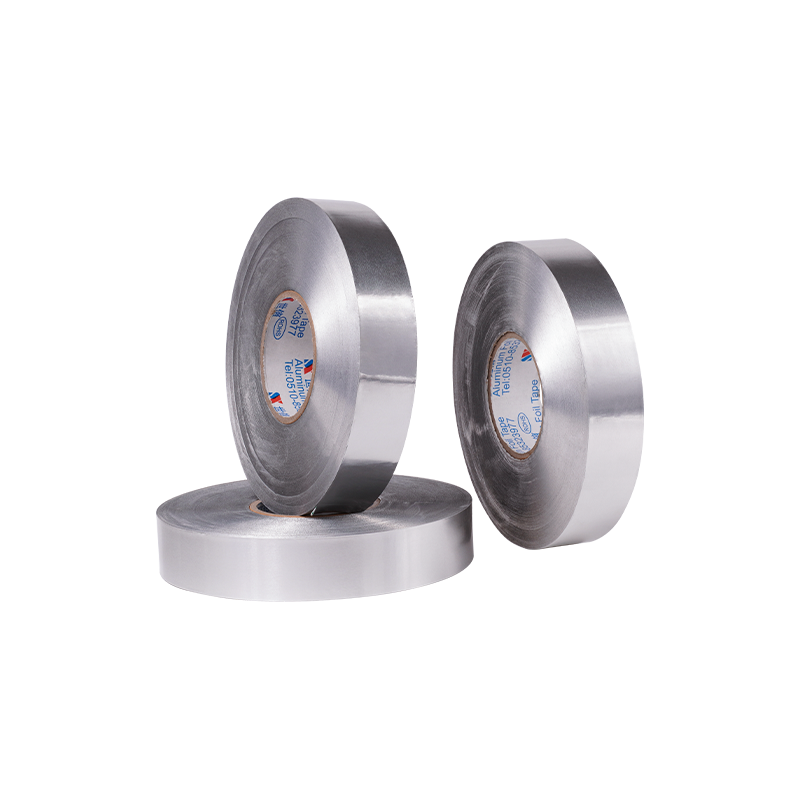
Non-corrosive adhesives are specialized pressure-sensitive tapes formulated to eliminate or minimize the presence of chemical agents (such as sulfur, chlorides, and certain organic acids) that can initiate corrosion, particularly on sensitive metals like copper, brass, and aluminum. These tapes are essential in electronics, automotive, and aerospace applications where even trace contaminants can lead to component failure or reduced lifespan.
The non-corrosive characteristic is achieved through the careful selection of high-purity acrylic, silicone, or specially stabilized synthetic rubber adhesive systems and carriers. Key tests involve industry-standard corrosion tests (e.g., MIL-STD tests or specific copper mirror corrosion tests) to verify the adhesive's neutrality toward the substrate over time and under high temperature/humidity conditions.
Why Choose Us
Differentiating Attributes
- Protects Metal Integrity: Specifically formulated to be chemically neutral, preventing the leaching of corrosive ions that cause pitting, discoloration, or failure of sensitive electronic and mechanical metal parts.
- High-Purity Adhesive System: Utilizes purified acrylic or silicone systems, meticulously controlled to eliminate common corrosive contaminants like sulfur and chlorine.
- Reliable Long-Term Stability: Ensures that the tape bond remains inert and does not degrade the substrate over the product's intended lifespan, even under high heat and humidity cycling.
- Prevents Galvanic Corrosion: When used as a gasket or spacer between dissimilar metals (e.g., aluminum and steel), the tape acts as an inert insulator, preventing electrochemical reaction.
- Wide Compatibility: Essential for bonding to substrates used in modern electronics, including flexible circuits, bare copper, and plated components.
- Regulatory Compliance: The absence of heavy metals and corrosive agents supports compliance with strict environmental regulations like RoHS and REACH.
Core Features
Applications
- Circuit Board Masking/Protection: Protecting sensitive copper traces, gold contacts, and electronic components during wave soldering, cleaning, or handling.
- Automotive Electronics Assembly: Bonding sensors, displays, and wiring harnesses within vehicles, ensuring long-term connection integrity in demanding environments.
- Aerospace and Defense: Sealing and bonding metal structures where long-term stability and non-reactivity with aluminum alloys are critical.
- HVAC and Refrigeration: Sealing aluminum and copper coils or components where moisture and chemical contact could lead to corrosion.
- Sensitive Metal Gasketing: Used as gasketing material between dissimilar metals to prevent galvanic corrosion.
Technical Specifications
Introduction
Non-corrosive adhesives are critical safety measures for bonding sensitive components, ensuring that the adhesive layer itself does not initiate galvanic corrosion or chemical degradation of metal parts over the product's lifespan.
Company Profile
Jiangsu Shixin Adhesive Tape Product Co., Ltd. applies stringent material purity controls in our production of specialized film and foam tapes for electronics. Our R&D team works to eliminate reactive contaminants, certifying our adhesives for non-corrosive use under ISO and environmental compliance standards (RoHS, REACH).
We are committed to delivering chemically inert bonding solutions that protect the integrity and functionality of high-value electronic and mechanical assemblies.
Usage Guide
| Property | Test Standard | Typical Value Range |
| Corrosive Agents | Internal/ASTM D1500 | Free of Sulfur, Chlorides, and Halogens |
| Corrosion Test (Copper Mirror) | MIL-STD-883 | No observable corrosion |
| Adhesive Type | Internal Test Method | Non-Corrosive Acrylic, Purified Silicone |
| pH Level | Internal Test Method | Near Neutral (pH 6.5 - 7.5) |
| Service Temperature | Varies by adhesive | Typically up to 150°C (Acrylic) |
| Substrate Compatibility | Internal Test Method | Copper, Brass, Gold, Aluminum |
About
Jiangsu Shixin Adhesive Tape Product Co., Ltd.
Our company was registered and established in Wuxi, Jiangsu in 2005, Wuxi Shixin Adhesive Tape Products Co., Ltd., mainly engaged in various adhesive tape products; We are Wholesale Non-Corrosive Adhesives Suppliers andChina ODM Non-Corrosive Adhesives Factory and Producer, after nearly 20 years of persistence and struggle, the company has grown vigorously and gradually expanded in scale. In 2018, we invested in a new factory in Suqian, Jiangsu, and established Jiangsu Shixin Adhesive Tape Products Co., Ltd.; At present, our company has become a high-tech enterprise integrating R&D, production and sales. The company has always firmly believed in the belief that "quality and reputation are the foundation of survival", continuously cultivating technical personnel, strengthening the development of new products, improving sales support, and striving to provide customers with better products and services.
Frequently Asked Questions
Frequently Asked Questions (FAQs)
- Q: What are the most common corrosive elements in adhesive tapes?
- A: The most common corrosive elements are sulfur (often found in low-grade rubber adhesives), chlorine/chlorides, and trace amounts of acidic components that can form during the degradation of organic materials.
- Q: Does "non-corrosive" mean it can bond any metal?
- A: It means the adhesive itself will not initiate corrosion. However, the tape cannot stop external factors (like moisture ingress or acidic environmental contamination) from causing corrosion. Proper sealing technique is still required.
- Q: What test confirms the non-corrosive nature of a tape?
- A: The Copper Mirror Corrosion Test (often adapted from MIL-STD standards) is commonly used. The tape is applied to a copper surface, exposed to elevated temperature and humidity, and then inspected for evidence of copper degradation or corrosion.
- Q: Are non-corrosive tapes more expensive?
- A: Yes, due to the need for high-purity raw materials and highly controlled manufacturing processes to eliminate contaminants. However, the cost is offset by the reduced risk of expensive component failure in high-value assemblies.
Request a Specification Sheet or Sample
Contact our engineering team today to discuss your high reflectance project requirements.
