2026-11-26
Quick Engineering Takeaway: A custom industrial seal adhesive tape is not a catalog roll slit to a new width—it is an engineered system combining substrate, adhesive chemistry, release liner, slit tolerance, roll geometry, and acceptance testing. Start every specification with a sealing map and dominant failure mode, validate rolls on production application equipment, and audit suppliers on formal change control rather than roll price alone.
A 0.5 mm slit-width drift or a liner that releases too quickly can stop an appliance sealing line before anyone questions the adhesive price. Custom industrial seal adhesive tapes are specified at that level of detail: substrate, adhesive, liner, slit tolerance, roll geometry, and acceptance test operate as one system.
A custom industrial seal adhesive tape is a pressure-sensitive tape engineered for a defined sealing, fixing, or shielding step in an OEM process. Specification starts with the receiving surface, the mechanical movement it sees, the temperature cycle it must survive, and how the production line applies it. From our manufacturing base in Jiangsu, China, Jiangsu Shixin Adhesive Tape Product Co., Ltd. (Shixin Tape) engineers custom programs across aluminum foil, cloth, fiberglass reinforced tapes, PET industrial fixing tapes, foam, and conductive cloth constructions.
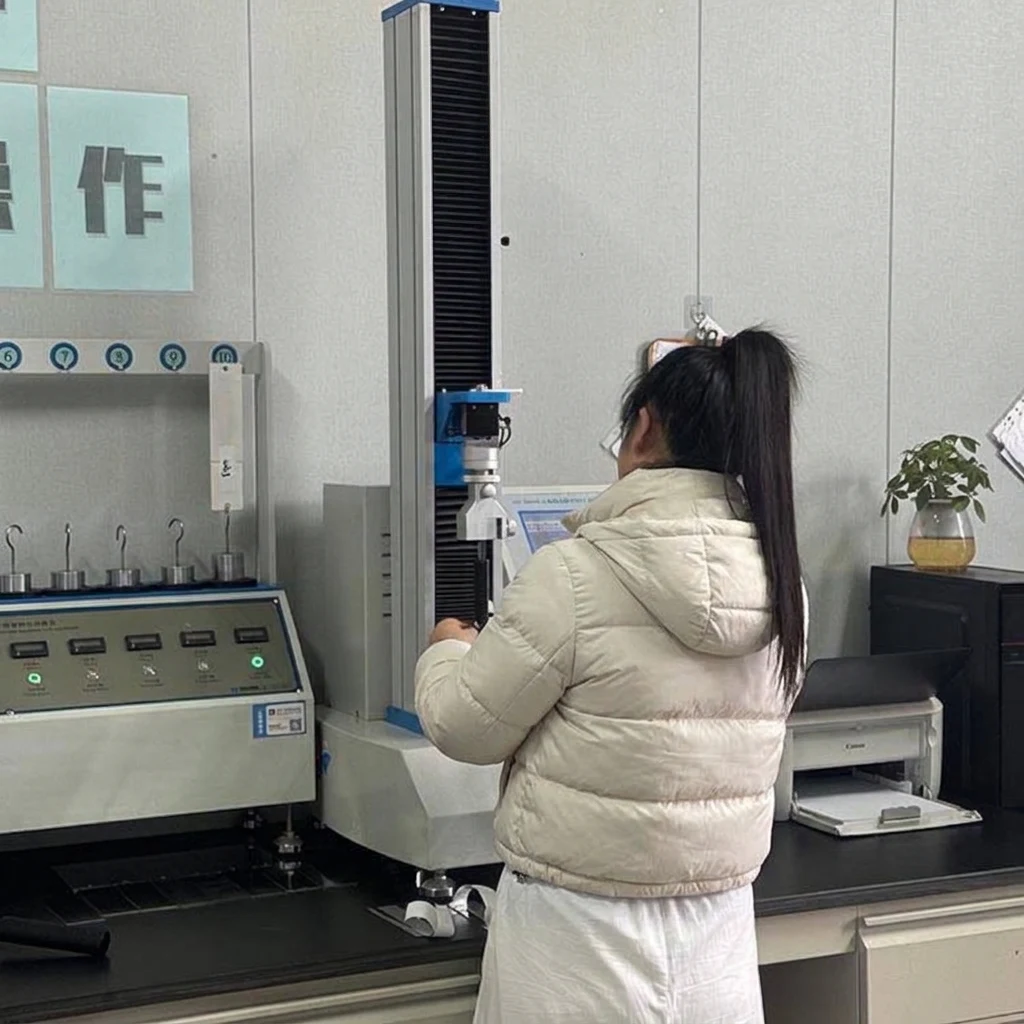
The most expensive custom tape is the one that passes the sample room and fails on the production line. Every sealing tape program should be approved on actual application equipment—not on a stainless-steel lab panel alone.
The fastest way to specify custom industrial seal adhesive tapes is to map each sealing point by substrate, surface energy, movement, temperature cycle, line format, and failure consequence. A material list starts with foil, cloth, or foam; a sealing map starts with the engineering problem the tape must solve, which is the only reliable route to a repeatable construction.
Procurement requests often arrive as a short brief: strong adhesion, heat resistance, clean removal. That forces the manufacturer to guess the receiving surface, liner type, slit width, coat weight, and qualification method. Capturing the five inputs below before ordering samples aligns engineering, quality, and purchasing on clear pass/fail criteria from day one.
Table 1: Five Core Specification Inputs for Custom Industrial Seal Tapes
|
Specification Input |
Why It Changes Tape Design |
Question to Answer Before Sampling |
|
Substrate & Surface Energy |
Low-energy plastics, oily steel, powder coat, glass, and foam behave differently under the same adhesive. |
Will the adhesive wet out cleanly, or is surface cleaning or a primer required? |
|
Temperature & Aging Cycle |
Continuous heat, peak spikes, defrost cycles, and ambient humidity alter adhesive flow and carrier stability. |
Which adhesive chemistry and carrier survive the real thermal aging profile? |
|
Movement & Stress |
Peel, shear, vibration, and thermal expansion load different layers of the tape construction. |
Does the joint require cloth, fiberglass, or aluminum foil reinforcement? |
|
Line Format |
Hand application, automated placement, jumbo rolls, and narrow slit rolls demand different liners and winding tension. |
What core ID, splice limit, winding direction, and slit tolerance does the line require? |
|
Acceptance Test |
A tape that passes a peel target can still fail a leak, edge-flagging, or high-speed unwind check. |
Which lot-level pass/fail data must ship with every production batch? |
Price comparisons only make sense after competing constructions match the dominant failure mode: peel, shear, edge flagging, contamination, or thermal aging. Two suppliers can quote identical widths and roll lengths while using different backing gauges, adhesive coat weights, and release liners—meaning the lower quote is often attached to a fundamentally different product.
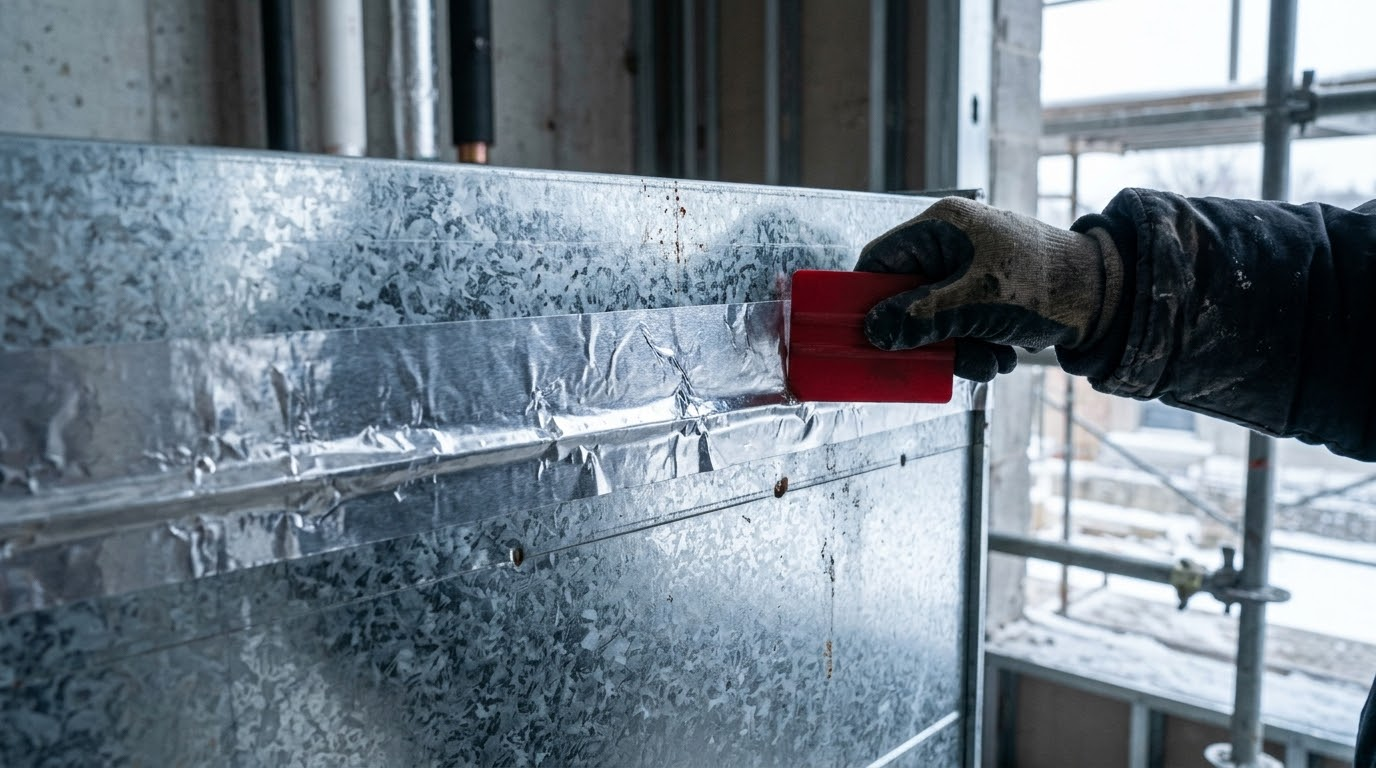
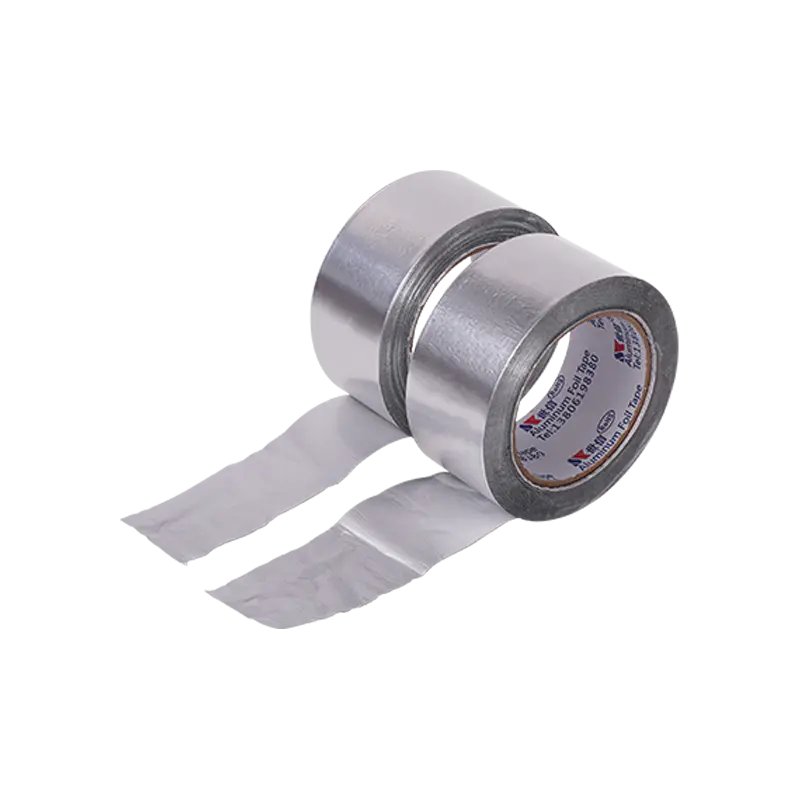
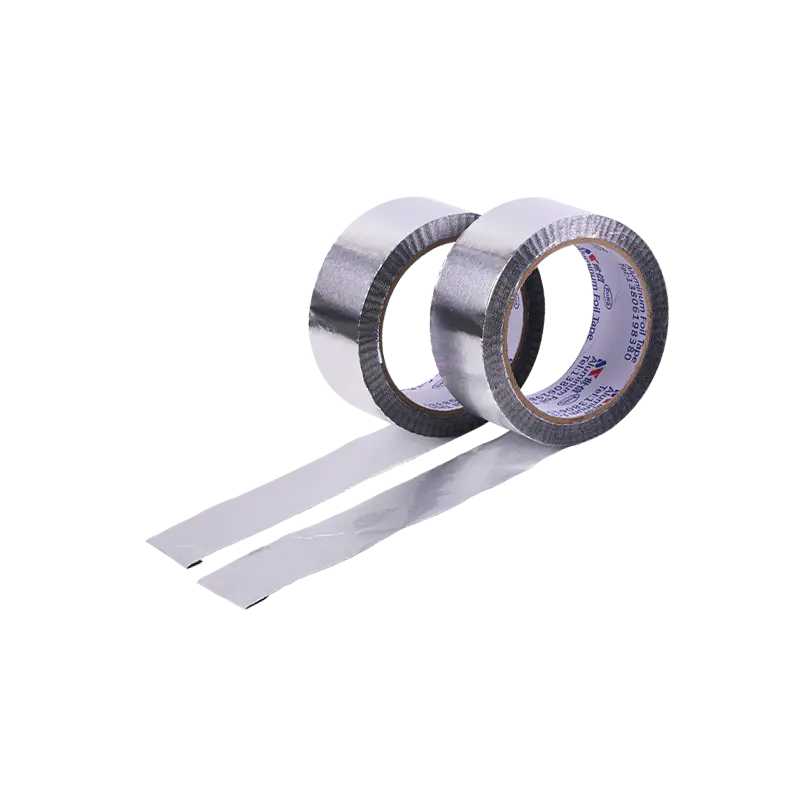
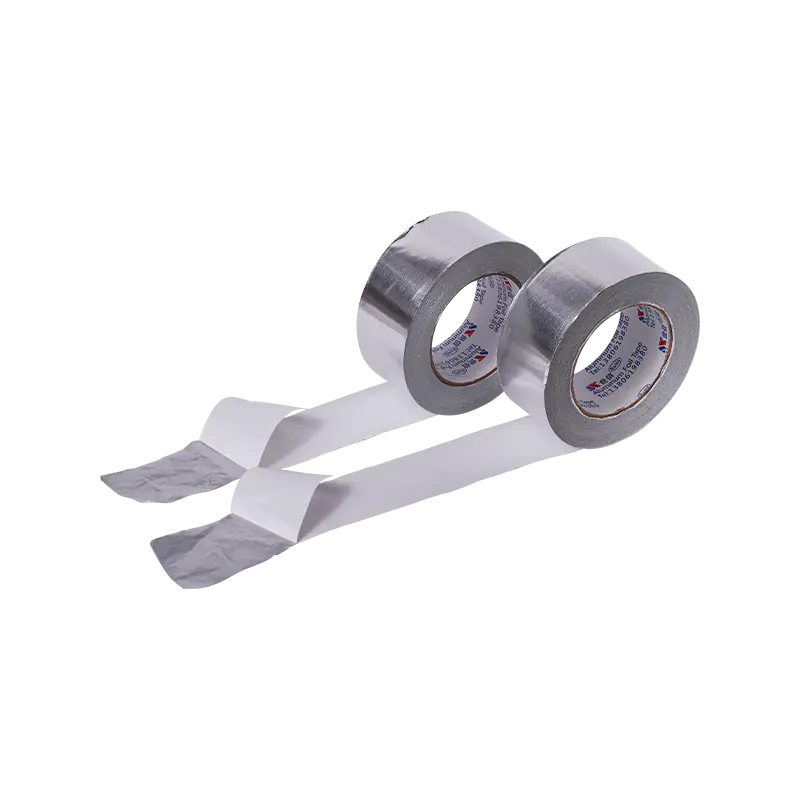
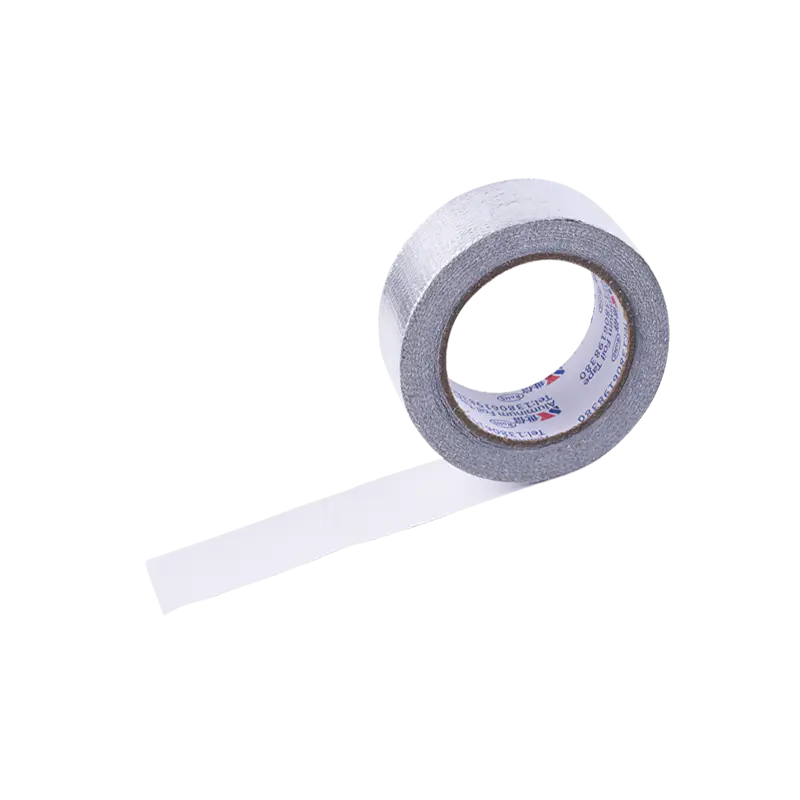
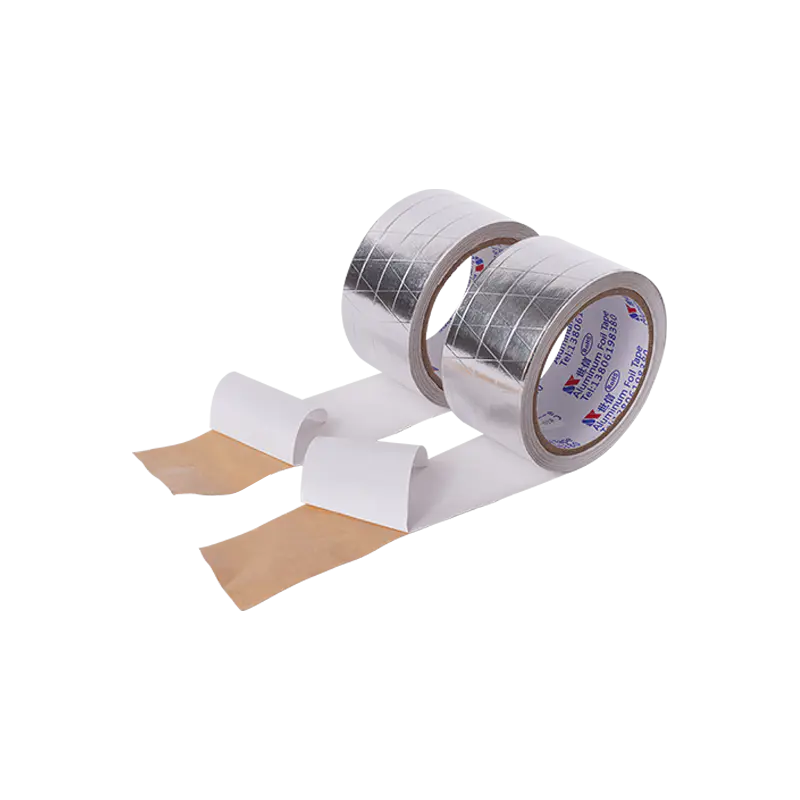
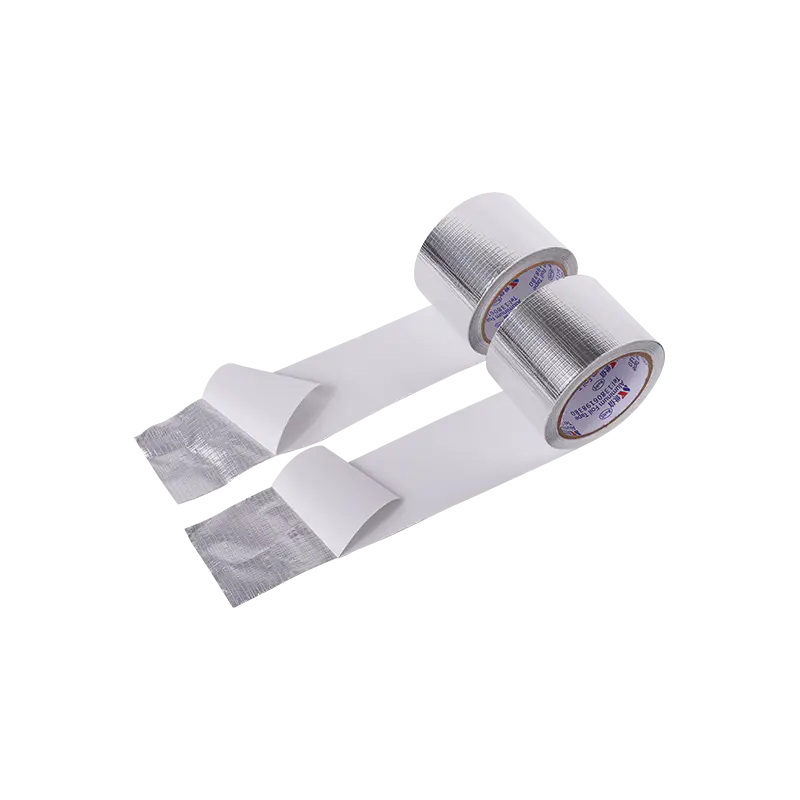
For high-temperature duct, pipe, and appliance sealing points, a foil carrier paired with a controlled-release liner delivers clean automated unwind alongside a reflective thermal barrier. Explore Shixin's industrial pure aluminum foil sealing tapes for baseline constructions that can be adapted to your thermal profile.
Table 2: Five Dominant Failure Modes and Specification Countermeasures
|
Failure Mode |
Field or Line Symptom |
Root Engineering Cause |
Specification Countermeasure |
|
Peel Failure |
Weak initial bond or localized lifting |
Insufficient wet-out on low-energy or contaminated surfaces |
Qualify peel on actual production substrates and define surface prep |
|
Shear Failure |
Gradual tape creep under load |
Low internal adhesive cohesion, especially at elevated temperatures |
Specify higher-cohesion adhesive and verify elevated-temp shear holding |
|
Edge Flagging |
Tape edges lift after application |
Mismatched liner release, poor slit edge, or improper winding tension |
Lock liner release window, slit-edge quality, and roll tension limits |
|
Thermal Aging |
Carrier or adhesive embrittles over time |
Insufficient thermal-oxidative stability across heat cycles |
Run post-aging peel and visual checks matching real thermal cycles |
|
Application Failure |
Works by hand but jams in dispensers |
Inadequate liner stiffness, width wander, or telescoping rolls |
Make production-speed machine trials mandatory prior to sign-off |
A low price per square meter is meaningless if the liner triggers line stops, rework, or field leaks. Benchmark suppliers on total applied cost, never on roll price alone.
Most custom tape failures appear as line stoppages, rework, or field leaks rather than clean laboratory adhesion failures. The breakdown usually lives in the gap between a coupon that passed on a steel panel and a roll that must run at full line speed, target slit width, and continuous tension.
A two-hour specification review costs far less than a production-line correction. Minor shifts in liner release force, slit width, or winding tension can push a stable construction out of control on a high-speed station:
Validate every custom construction directly on the application equipment. A lab pass does not guarantee stable unwind at production speed or survival across a full shift.
Liner selection and roll geometry are not secondary packaging details; they govern dispensing accuracy, registration, and line uptime. A tape with the right adhesive and the wrong liner is still the wrong tape for an automated sealing station.
For converters and OEM lines seeking fewer roll changeovers and in-house slitting control, Shixin supplies custom-size water-based linerless foil tape in jumbo roll format, eliminating liner waste while supporting long continuous runs.
Write roll geometry directly into the purchase specification. Core inner diameter, outer roll diameter, winding direction, maximum splice count, slit tolerance, and moisture-barrier packaging all dictate how the roll behaves on arrival. A jumbo or slit roll specification is incomplete until every one of those variables is locked.
Audit a custom industrial tape manufacturer on change control, coating consistency, precision slitting capability, and lot-level test traceability. A broad catalog shows versatility, but it does not prove a plant can hold tight slit tolerances or maintain batch consistency across liner or raw-material transitions.
Jiangsu Shixin Adhesive Tape Product Co., Ltd. operates a nearly 12,000-square-meter facility in Jiangsu with approximately 100 production and technical staff, backed by ISO 9001 and ISO 14001 management systems alongside RoHS, REACH, and model-specific SGS compliance support. We supply leading home-appliance manufacturers including Midea, TCL, Skyworth, KONKA, Vestel, and Zoppas—leveraging integrated coating and slitting lines to help global buyers optimize total applied cost without sacrificing line stability.
Use these five audit points before releasing a mass-production PO:
Change control is the quiet test of any custom tape supplier. If a plant can swap liners, adhesive batches, or slitting parameters without formal re-approval, the specification is not under control.
What makes an industrial seal adhesive tape truly custom?
A tape is custom when its substrate, adhesive chemistry, release liner, slit tolerance, roll format, and test methods are engineered around a specific sealing process. Slitting a catalog roll to a new width is a converted size, not a custom construction.
What should be included in a custom tape sample request?
Include the receiving substrate, surface condition, temperature cycle, line speed, manual or automated application method, target slit width, roll geometry, and explicit pass/fail criteria. Photos of the sealing point and any failed sample roll are often more useful than a lengthy written description.
How should a custom seal tape be validated before mass production?
Test sample rolls on the actual application equipment at production speed, then repeat checks after heat aging, cold exposure, and a full roll changeover. Verify unwind force, adhesion to the real substrate, edge flagging, and any leak or shielding requirements.
Can a supplier change the release liner or adhesive without a new approval?
No. Any change to the liner, adhesive batch chemistry, or carrier can shift release force, wet-out, and aging behavior. Even a seemingly minor paper change should trigger formal sample re-approval and a documented line trial.
Request Application-Matched Samples & Engineering Review
Share your sealing map, target substrate, line speed, temperature cycle, and roll format—our application team will engineer the construction around your process. Include this RFQ Checklist with your inquiry for a 24-hour engineering response:
Contact Shixin's Application Engineering Team to Discuss Your Custom Tape Program →

Our company has been engaged in the tape manufacturing industry for more than 20 years, and has been focusing on various types of aluminum foil tapes, foam tapes, refrigerator tapes, etc.
IsabelLina
Email:[email protected]
Mobile/Whatsapp: +86-153-0151-5119
Mars Gong
Email:[email protected]
Mobile/Whatsapp: +86-159-5136-0053
Address: West side of Yingbin Avenue and south side of hengwang packaging. Suqian Economic and Technological Development Zone,Jiangsu Province
Copyright © Jiangsu Shixin Adhesive Tape Product Co., Ltd. All Rights Reserved. Custom ODM Refrigerator Foil Adhesive Tapes Manufacturers