2026-11-20
Content
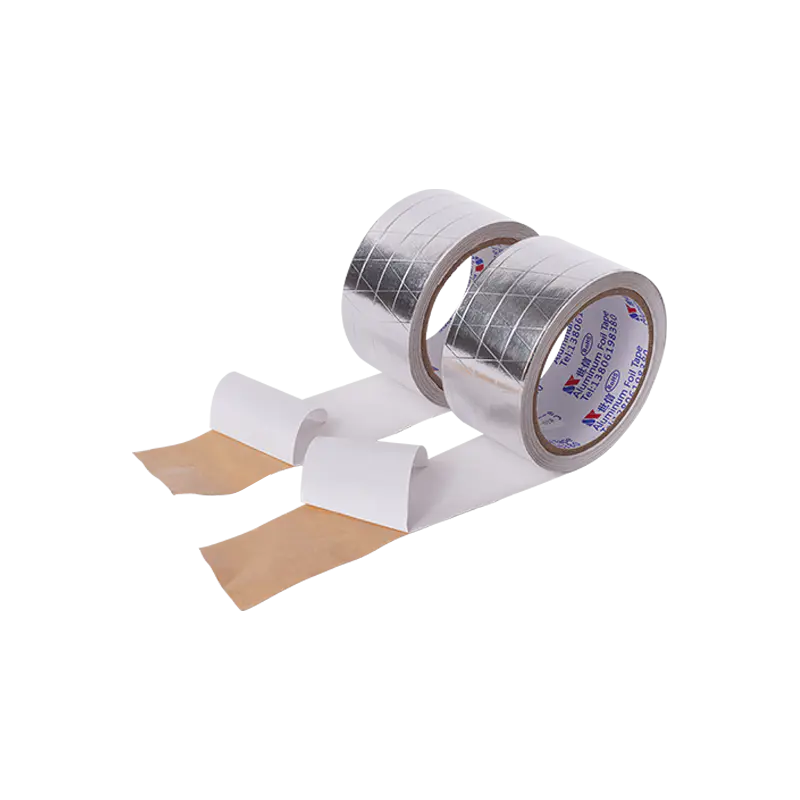
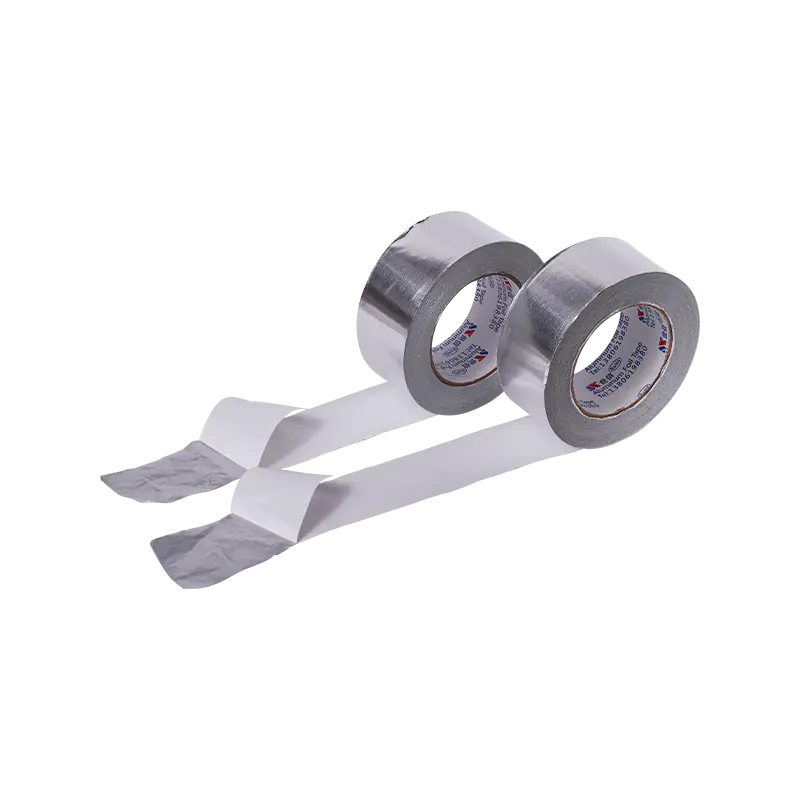
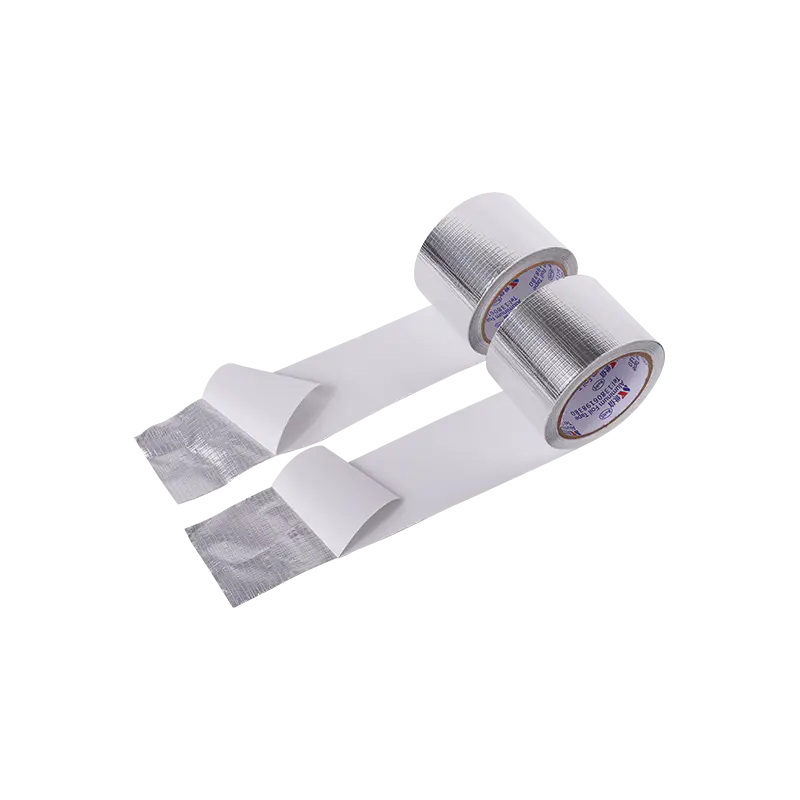
Quick answer: A liner-backed heat-seal aluminum foil tape can pass a basic material check yet cause feeder stops because of release-force variation, slit-edge defects, winding or splice problems. This guide focuses on slit-roll inspection and production trials rather than repeating general liner-selection advice. In Shixin’s published liner-backed HSL construction, the foil has a heat-seal layer on one face and a pressure-sensitive adhesive protected by a release liner on the other. Confirm the layer sequence for the exact grade before assessing which liner is being removed and when.
Document the checks the converter and assembly line can actually measure. The four groups below cover liner release, slit quality, bond-process conditions and roll handling; none can be judged from a nominal tape description alone.
For the broader adhesive, foil and liner selection process, see Shixin’s existing custom aluminum foil heating element tape guide. This checklist instead addresses finished slit-roll quality and line acceptance. Heating-element specification guide
PET film, kraft-based paper, CCK and glassine have different stiffness, humidity response and release characteristics. These are comparison categories, not a statement that every option is available for every Shixin HSL model. Confirm the approved liner supplier, treatment and target release-force range before changing material.
Use the following matrix to plan trials, not as a universal ranking of liner materials. For related selection principles, refer to the existing custom heating-element tape guide.
|
Liner |
Handling benefit |
Risk to verify |
Best fit |
|
|
PET film |
Potentially stable dimensions for die-cutting; check actual release behavior. |
Static, curl, peel force and cost. |
Automated converting after successful trial. |
|
|
Kraft paper |
Stiffer paper web; grade-dependent cost and handling. |
Humidity effects, fiber tear and release consistency. |
Manual or semi-automatic handling where qualified. |
|
|
CCK paper |
Coated paper with a defined release surface. |
Edge dust, stiffness and release-force consistency. |
Processes needing a paper carrier after validation. |
|
|
Glassine paper |
Smooth, dense paper surface with selectable release coatings. |
Curl, wrinkles and release variation on narrow rolls. |
Processes requiring a qualified paper-based release system. |
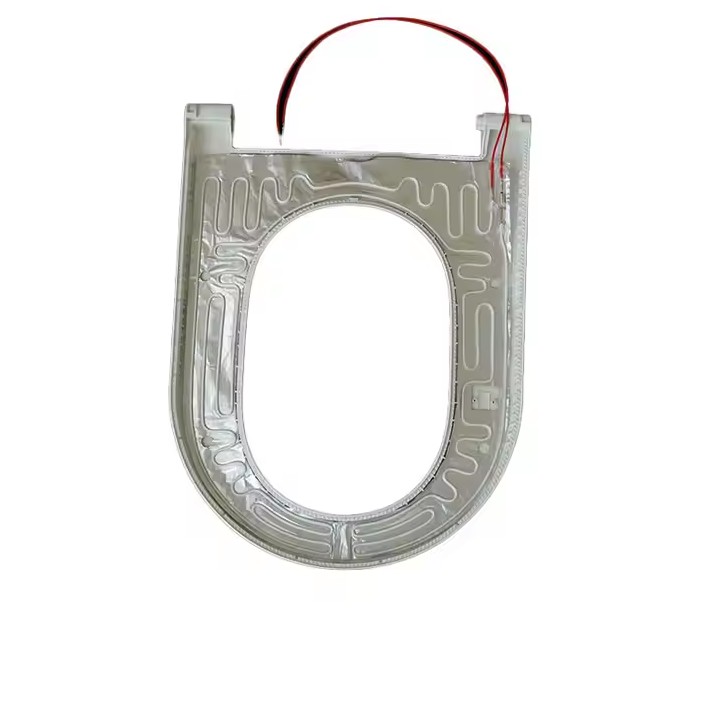 For Shixin’s documented construction and available liner options, review the liner-backed heat-seal aluminum foil tape product page.HSL product details
Slitting quality can determine whether an approved laminate feeds smoothly. Inspect measured width and width variation, edge quality, winding profile and splice identification. A roll may satisfy average width requirements yet still cause problems because of a wavy edge, adhesive smear or liner wrinkles.
Acceptable roll characteristics to verify
Common rejection or investigation signs
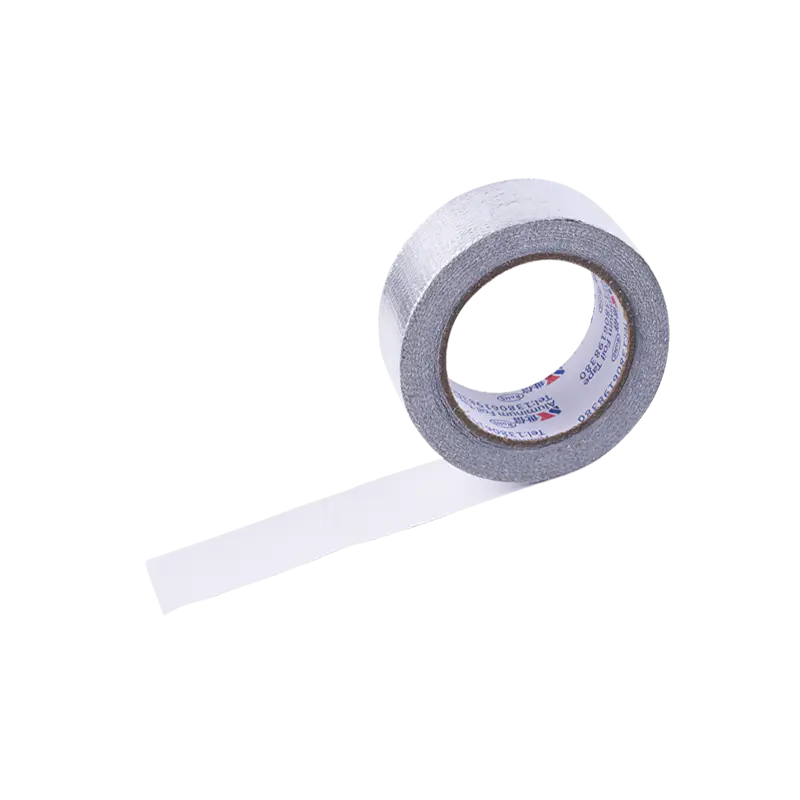
 Heat Seal Aluminum Foil Tape with Liner
Qualify the relevant functions separately: liner release on a sheet sample, feed behavior on a representative slit roll, and final bonding in a heat-seal trial. Passing one check does not prove the other two. Agree the test conditions, sample size and acceptance limits before approving the production lot.
Cost and Supply: Compare the Cost of Accepted Assemblies
A lower roll price does not always mean a lower cost per accepted part. Compare price together with downtime, scrap, changeovers and qualification costs. Use actual plant data rather than assuming one liner material always provides a better yield.
Which adhesive face does the liner protect?
On Shixin’s published liner-backed HSL product, the heat-seal adhesive is on one side of the foil, while the opposite pressure-sensitive adhesive face is protected by release paper or film. The liner is removed from the protected face at the relevant assembly step. Verify the exact model’s structure before designing a peel station.
Is PET film always the best liner for automated die-cutting?
No. PET can provide dimensional stability, but release-force behavior, liner stiffness, static, storage conditions and machine compatibility determine suitability. Confirm which liner options are available for the specified tape grade and validate them on the actual equipment.
What dimensions and tolerances belong on the roll drawing?
Include width and width tolerance, edge quality or camber limits, release-force test conditions, core ID, roll outside diameter, winding direction, roll-edge alignment, splice allowance and the applicable heat-seal qualification conditions.
Can a buyer slit jumbo rolls in-house?
Yes, if the buyer’s equipment can maintain the required liner and adhesive integrity, tension control, edge quality and traceability. Compare in-house converting cost and downtime with qualified finished slit rolls. Use the actual liner-backed HSL construction in the trial.
For a production trial, send the drawing, bonding faces, line speed, peel conditions, heat-seal settings and roll specifications to Jiangsu Shixin Adhesive Tape Product Co., Ltd. (Shixin Tape). The team can discuss model-specific liner options, trial rolls, acceptance criteria and documentation before volume orders. Request a technical review

Our company has been engaged in the tape manufacturing industry for more than 20 years, and has been focusing on various types of aluminum foil tapes, foam tapes, refrigerator tapes, etc.
IsabelLina
Email:[email protected]
Mobile/Whatsapp: +86-153-0151-5119
Mars Gong
Email:[email protected]
Mobile/Whatsapp: +86-159-5136-0053
Address: West side of Yingbin Avenue and south side of hengwang packaging. Suqian Economic and Technological Development Zone,Jiangsu Province
Copyright © Jiangsu Shixin Adhesive Tape Product Co., Ltd. All Rights Reserved. Custom ODM Refrigerator Foil Adhesive Tapes Manufacturers