2026-11-13
Content
A catalog SKU answers one question at a time. A heater assembly that is heat-sealed to a PP housing, cycles between room temperature and a few hundred degrees, and runs on an automated peel station needs four answers together. Custom aluminum foil heating element tapes are built around exactly those four questions: which adhesive chemistry, which foil construction, which release liner, and which delivery format.
This guide is written for the people who have to close that gap: appliance design engineers, process engineers setting press parameters, and buyers comparing a European converter with an Asian tape source such as Jiangsu Shixin Adhesive Tape Product Co., Ltd.
A custom order changes four variables at once, and it should lock only the ones your design cannot move. Everything else stays standard, which is what keeps cost and lead time under control.
The trade is straightforward. A custom build adds one sample cycle; it removes the rework that comes from forcing a stocked product onto a design it was never made for.
The adhesive that survives a heating element assembly is the one matched to the dominant failure mode. In practice that is rarely peak temperature alone; it is sustained heat combined with plasticizer migration, humidity, or repeated thermal cycling.
|
Adhesive or coating |
Where it fits |
Typical failure if misapplied |
Test to request |
|
|
Solvent acrylic |
Heater pads and sealed assemblies with long dwell at moderate heat |
Softens when sustained service heat exceeds its design window |
Static shear at service temperature |
|
|
Water-based acrylic |
High-volume appliance assembly where odor and unit cost matter |
Cohesion loss in hot, humid conditions |
Peel and shear after humid aging |
|
|
Silicone |
Seals and radiant heaters with the highest surface temperatures |
Lower initial tack, higher cost, needs a clean substrate |
Adhesion retention after thermal cycling |
|
|
Heat-seal coating (HSL) |
Foil bonded to PP or PE housings under heat and pressure |
Weak seal when platen temperature, pressure or dwell drifts |
Seal strength across platen settings |
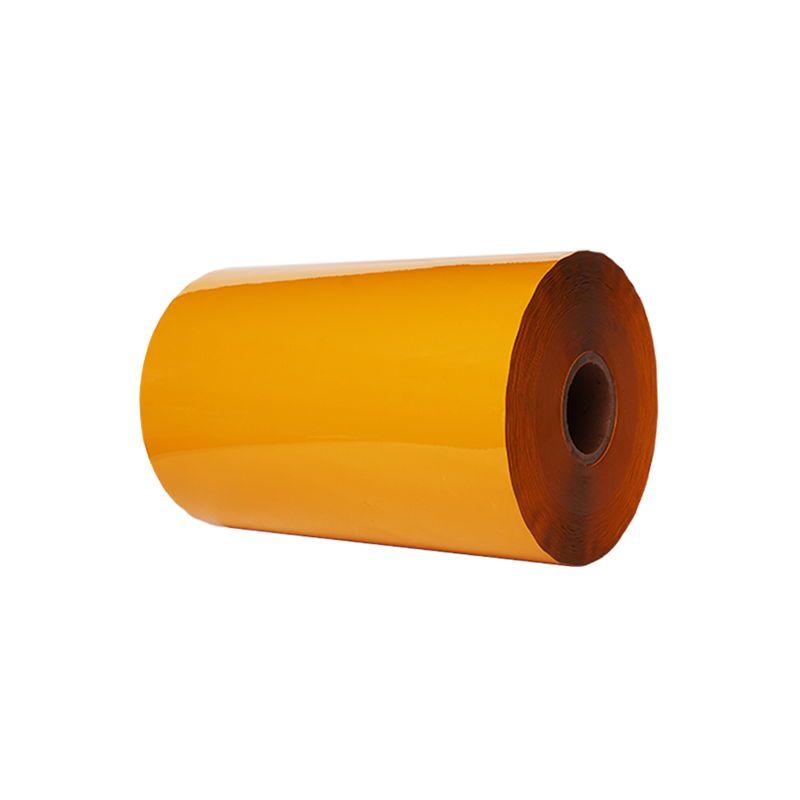
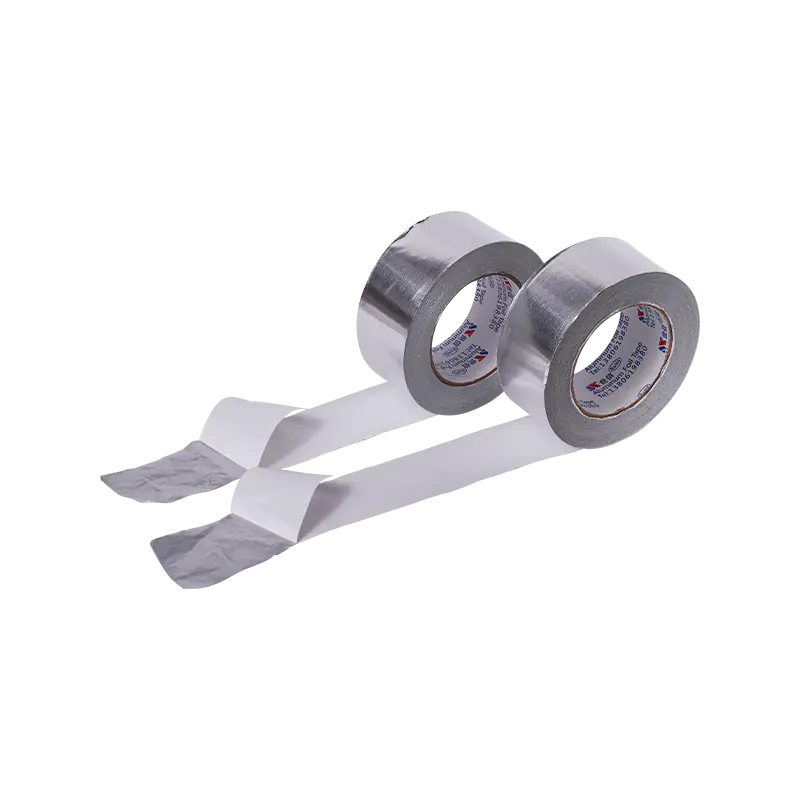
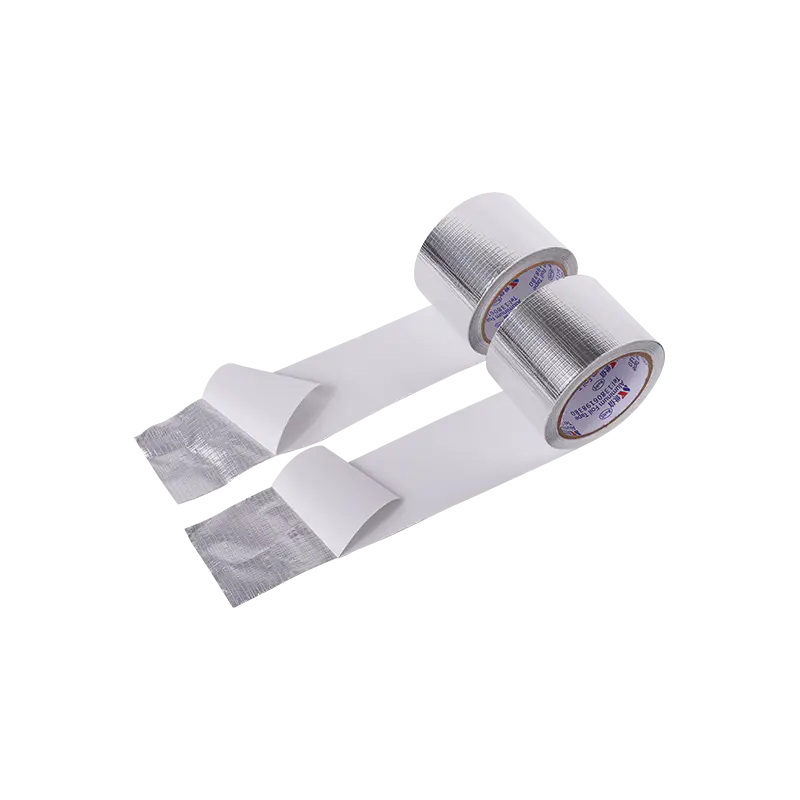
 Aluminum Foil Heat Seal Tape Heater Pads and Sealing Assemblies
Choose the liner from the peel station, not from the price list. The liner sets how the tape behaves in an operator's hand and in a dispenser head, and that behavior moves scrap rate more than liner cost does.
The list below focuses on how each liner behaves at the peel station; for a broader comparison of liner types and release-force windows, see our release liner selection guide.
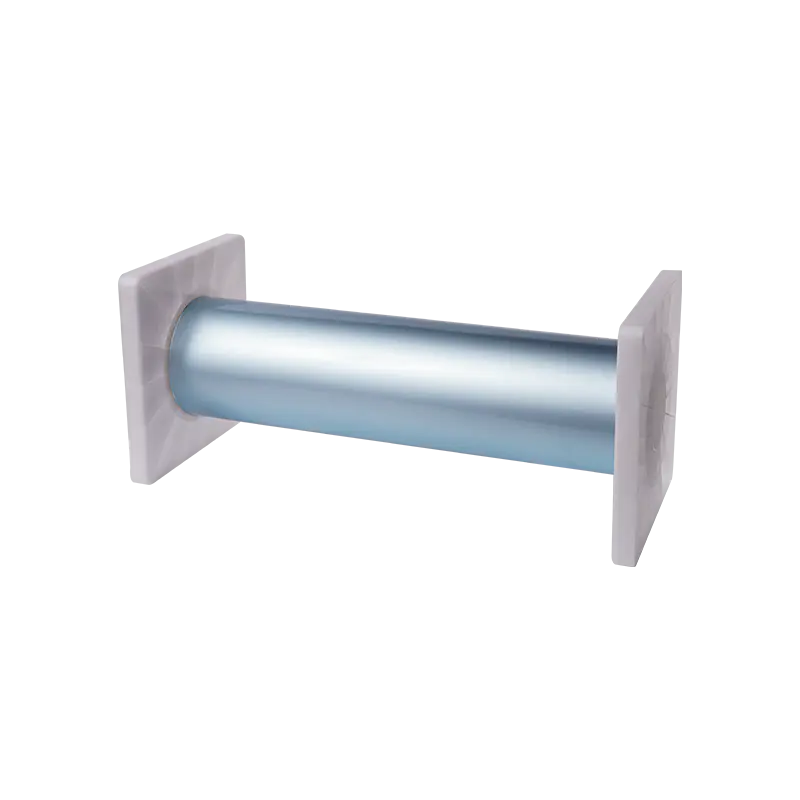
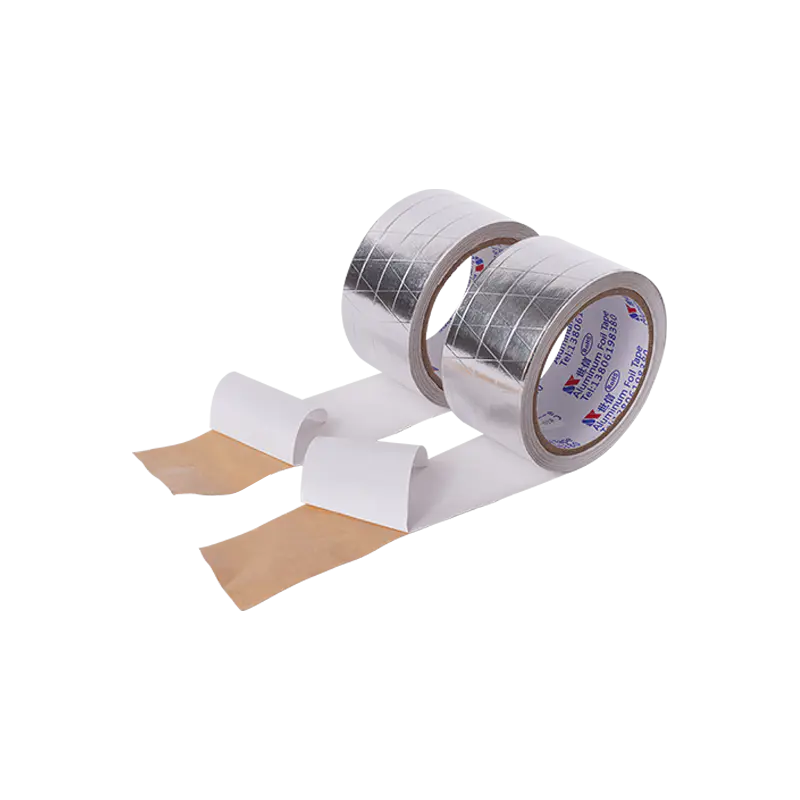
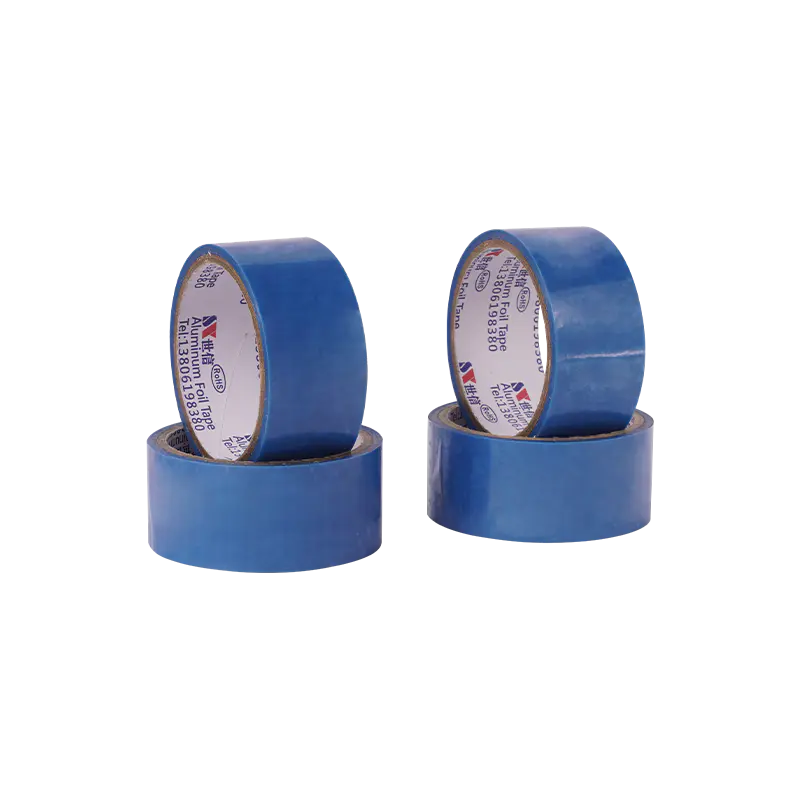
 Customized Heat Seal Foil Tape with Strong Adhesive PET Liner
For a small heater pad that is heat-sealed to a plastic housing, registration matters more than peel force. A strong-adhesive heat-seal grade on a PET liner holds the die-cut shape flat through the press cycle, which is why that combination dominates compact appliance builds.
Set the die-cut tolerance from the thermal growth of the part, not from the default tolerance of the cutting machine. Aluminum moves under heat, and a tape that fits perfectly at 23 C can buckle at operating temperature.
Across a 200 mm heater pad, a 200 C rise pushes each edge roughly half a millimeter outward. On a narrow strip that is negligible. On a die-cut window with a snug slot, it is the difference between a flat bond line and a lifted corner.
The five steps below are specific to heating element assemblies; for a general custom tape workflow, see our custom aluminum foil heating element tape engineering guide. Approve a custom heating element tape with five checks, in this order, because a skipped step invalidates the results of every step after it.
Jiangsu Shixin Adhesive Tape Product Co., Ltd. operates a factory of nearly 12,000 square meters with about 100 employees and supplies custom slit and jumbo roll formats, which is how a high-volume appliance line keeps changeovers inside the shift plan instead of inside the scrap report. The company states that large-scale production and a localized supply chain deliver 10 to 15 percent cost savings against EU suppliers, and lists appliance manufacturers including Midea, KOREL, TCL, Zoppas, Skyworth, Vestel, KEGHICON and KONKA among its customers. As an aluminum foil tape manufacturer, the plant also runs RoHS, REACH, ISO 9001 and ISO 14001 certified production with third-party SGS testing.
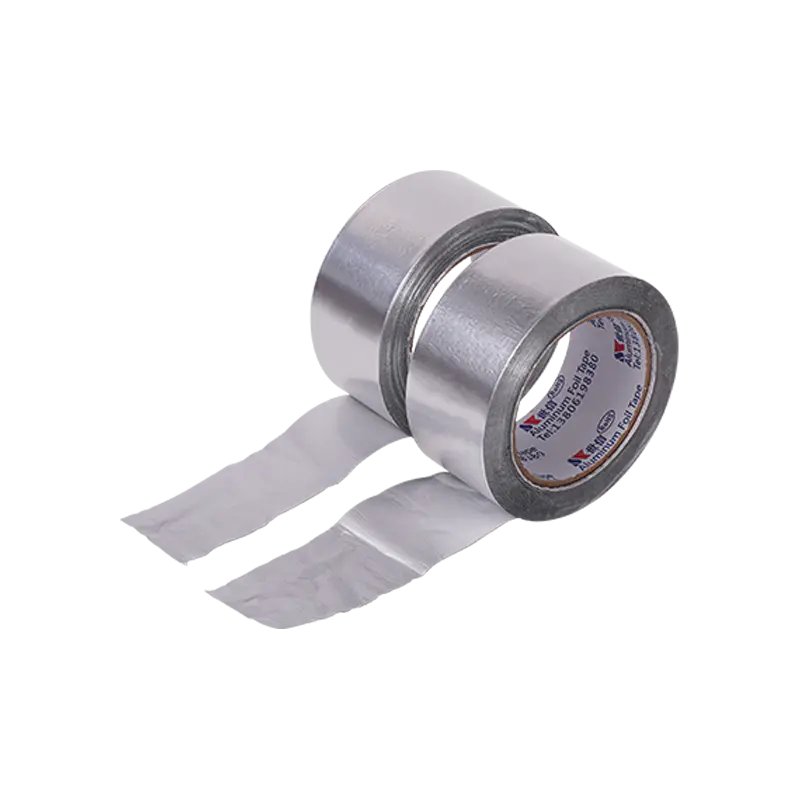
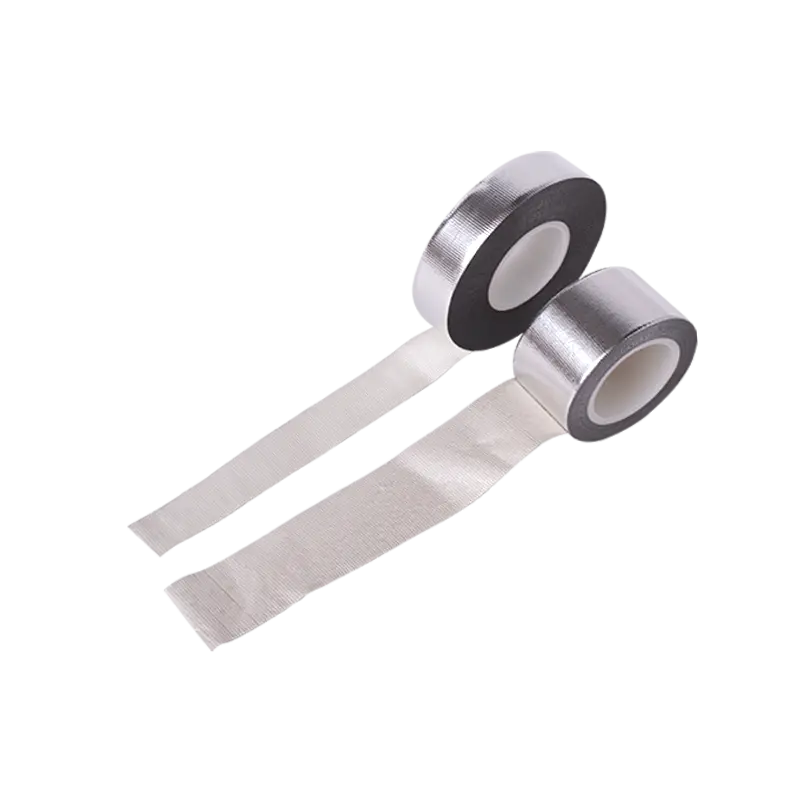
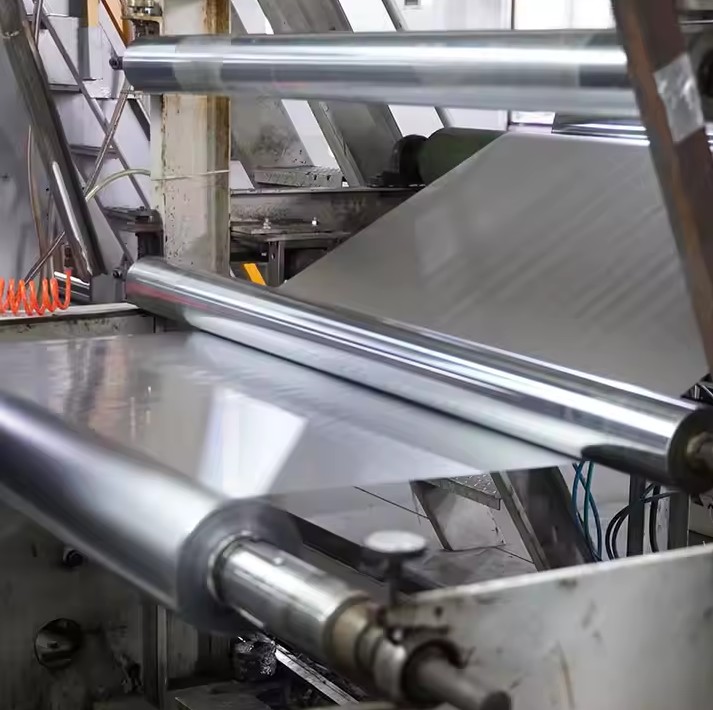
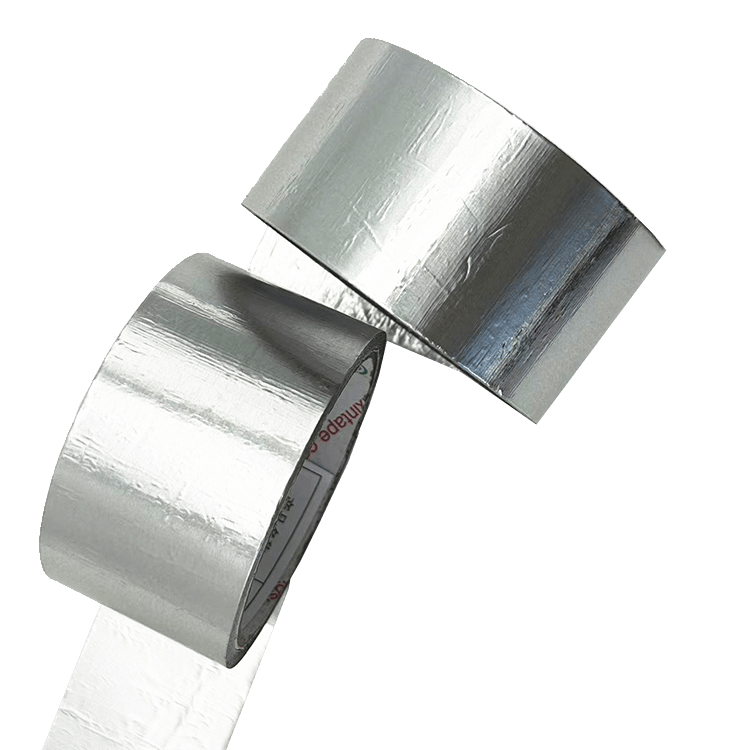 Custom-Size Water-Base Linerless Foil Tape(Jumbo Roll)
A complete RFQ shortens the sample cycle more than any price negotiation. Send these eight items in the first message.
Requests that carry all eight items come back with a first sample that is close. Requests missing three of them come back with a sample that is close in the wrong direction, and the second cycle costs more than the first. To shorten that path, send the drawing and substrate details to the technical team before the sample is cut. For a more detailed ODM brief template, see our ODM aluminum foil tape guide.
A heat-seal tape carries a coating that is activated by platen temperature, pressure and dwell, so the bond forms only after the press cycle and is typically used to seal foil to PP or PE housings. A pressure-sensitive tape bonds on contact and is chosen where hand lay-up or a dispenser applies the part without heat.
Yes. Die-cut parts are normally supplied on PET film or kraft liner, in sheets or on reels, with the liner window sized wider than the part so peeling stays clean at the press.
RoHS and REACH declarations, ISO 9001 and ISO 14001 certificates, and third-party test reports such as SGS on the exact construction being delivered, not on a generic product family.
It works when the dispenser holds steady unwind tension and the adhesive is matched to that release behavior. Where tension drifts or the pad is small and registration-critical, a PET-lined construction remains the safer choice.

Our company has been engaged in the tape manufacturing industry for more than 20 years, and has been focusing on various types of aluminum foil tapes, foam tapes, refrigerator tapes, etc.
IsabelLina
Email:[email protected]
Mobile/Whatsapp: +86-153-0151-5119
Mars Gong
Email:[email protected]
Mobile/Whatsapp: +86-159-5136-0053
Address: West side of Yingbin Avenue and south side of hengwang packaging. Suqian Economic and Technological Development Zone,Jiangsu Province
Copyright © Jiangsu Shixin Adhesive Tape Product Co., Ltd. All Rights Reserved. Custom ODM Refrigerator Foil Adhesive Tapes Manufacturers