2026-11-12
Content
A 92 kg side-by-side refrigerator leaves the assembly line standing on a bottom flap held shut by about 1.5 metres of pressure-sensitive tape. This guide focuses on specifying bottom tape by unit weight and shipping load; for a broader comparison of adhesive chemistry and cold-route performance, see our electricity home appliance bottom packaged tape guide. The top seam keeps dust out. The bottom seam carries the entire unit through forklift handling, double stacking and six weeks of container humidity. That asymmetry is the reason electricity home appliance bottom packaged tape is bought to a different specification than the top-sealing tape on the very same carton, and the reason most transit claims that trace back to packaging begin at the bottom flap rather than the top.
This guide is written for packaging engineers and buyers who already know the carton. It covers how to specify bottom-packaged tape by unit weight, which line-side settings create bottom-flap pop-open, and what to confirm before the first pallet ships.
The bottom seal fails by shear creep, not by peeling, and that single fact reshapes every specification decision that follows.
A carton base is two flaps meeting at a centre seam. Under load the flaps try to rotate outward, so the tape is loaded in shear along almost its full length and in peel only at the two ends. That is why a tape can pass a standard 180 degree peel test on steel and still lift at the seam after three weeks at 40 degrees C: sustained shear on a dusty recycled board is a completely different test.
Bottom packaged tape is the pressure-sensitive tape applied to the bottom centre seam and base flaps of an appliance carton so the base stays closed while the unit stands on it during palletising, storage and transport. In appliance plants it is normally a BOPP or MOPP film with an acrylic or rubber-resin adhesive, supplied in widths from 48 to 72 mm. For a broader definition and adhesive comparison, see our electricity home appliance bottom packaged tape guide.
A bottom seal is a structural joint. Specify it by unit mass, board type, container duration and dock temperature, and treat everything else as secondary.
Specify bottom tape from unit mass and shipping duration first, then choose film thickness, adhesive chemistry and slit width. Price per roll is the last variable to compare, not the first.
|
Unit mass |
Typical appliances |
Construction |
Thickness |
Width |
Adhesion target |
|
Up to 30 kg |
Microwaves, range hoods, compact ovens |
BOPP, water-based acrylic |
40-45 um |
48 mm |
12-16 N/25mm |
|
30-70 kg |
Washers, dishwashers, standard refrigerators |
BOPP, solvent acrylic |
45-50 um |
60 mm |
18-22 N/25mm |
|
70-120 kg |
Side-by-side refrigerators, double ovens |
Heavy BOPP or PET film |
50-60 um |
72 mm |
22-25 N/25mm |
|
Above 120 kg |
Multi-door and commercial refrigeration |
MOPP or reinforced film |
50 um |
72 mm |
25 N/25mm and above |
|
Sea freight over 45 days |
Export appliances of any mass |
MOPP plus strapping as the primary load path |
50 um |
72 mm |
25 N/25mm and above |
Treat this table as a trial starting point, not a catalogue answer. Final thickness and adhesion must be re-validated on your own board, base pad design and sealing head, and checked against the datasheet of the tape you actually buy.
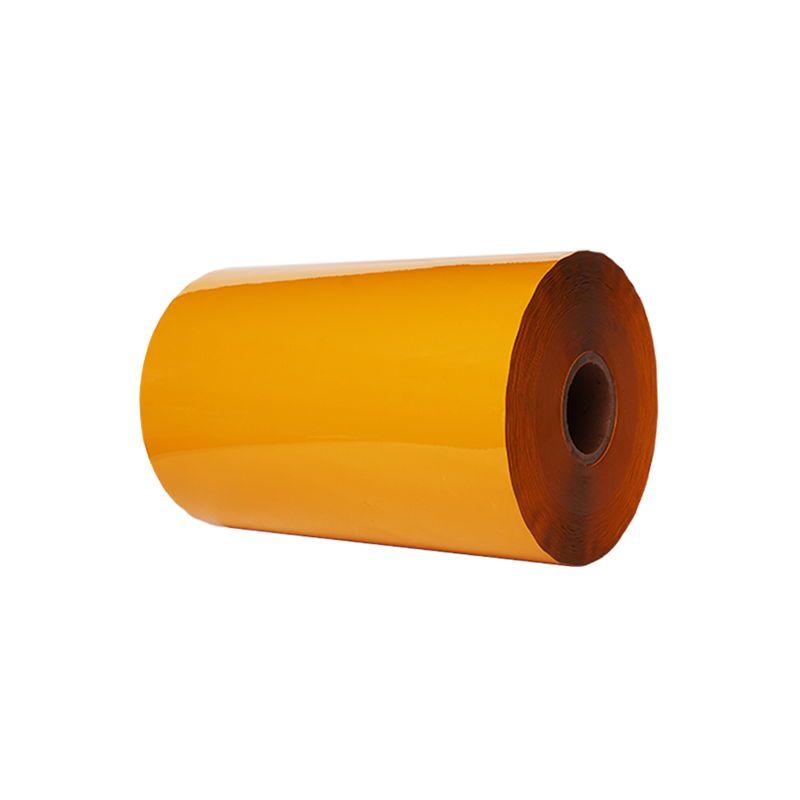
For bottom-of-carton sealing on appliance lines, the dedicated build uses a heavier coat weight and a wider slit than general carton tape:
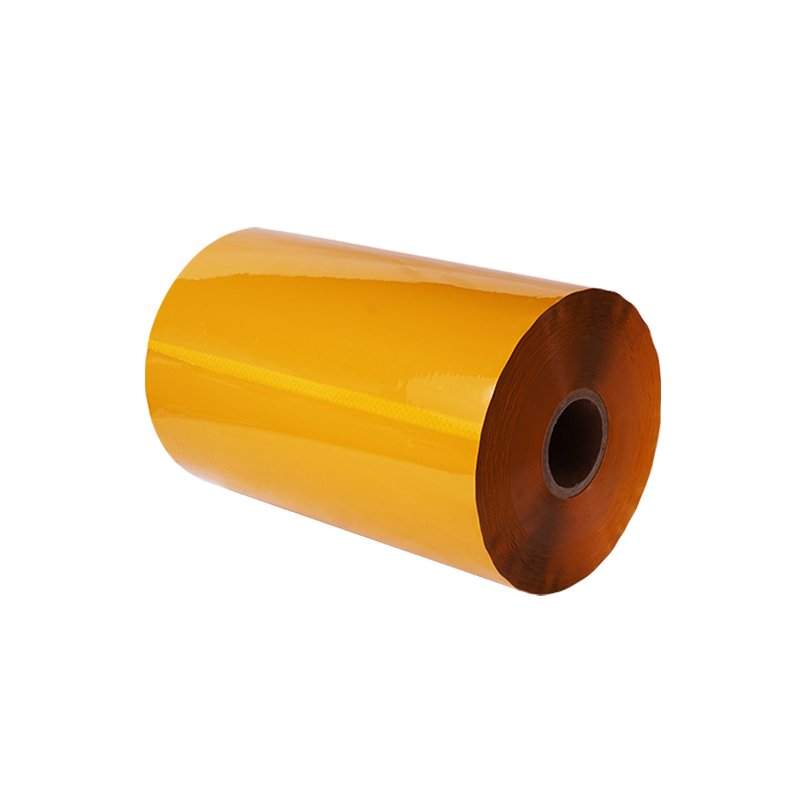 For this construction, see our Appliance Bottom Packaging Tape product page. Confirm model number and parameters with the supplier.
BOPP covers most appliance bottoms; MOPP and PET film take over once a unit passes roughly 100 kg or the container runs longer than six weeks.
BOPP is chosen for cost and clean unwind, but it stretches and thins under sustained load, so the bonded area creeps outward and the flap edge eventually lifts. MOPP carries higher machine-direction tensile strength with far less elongation, so the same width holds more load with less creep. PET film adds stiffness and heat resistance for units packed warm. Reinforced film resists cross-direction tearing where a flap edge cuts into the tape during a drop.
Two tapes can share an identical index and behave very differently on a board with high dust content. Always run the board, not the brochure.
Where unit mass climbs above 100 kg or the container sits for weeks in humid heat, the heavy-duty route is the safer base:
 Heavy-Duty MOPP Fixing Tape for Appliance TransportHigh-tensile MOPP tape for temporary appliance fixation and metal bundling, suited to heavy units or long humid container runs where secure, residue-free holding matters.
Using one tape for both seams usually overspends at the top and underspends at the bottom, because the two joints fail in different modes.
Bottom seam
Top seam
Most bottom-flap failures found in the warehouse were created at the sealing head, not at the tape plant.
Dispenser tension. Over-tensioned tape stretches as it is applied, then relaxes and lifts at both ends. Set tension so the tape lies flat with no visible stretch line along the seam.
Head alignment and overlap. The centre seam should sit in the middle of the tape width. A 10 mm offset on a 60 mm tape removes a third of the bonded width on one flap.
Flap gap and board dust. Gaps wider than 3 mm cannot be bridged by 48 mm tape without a fold. Blow dust off the seam before sealing, because recycled board sheds fibre continuously.
Head temperature and dwell. Below 10 degrees C, water-based acrylic will not wet out at line speed. Warm the head, slow the line, or move to a rubber-resin adhesive for winter production.
One shift of misaligned applicator heads generates more claims than a full year of tape price negotiation saves.
Roll format is a cost decision. On a high-speed line the changeover minutes usually cost more than the tape itself, so length per roll and splice quality matter as much as adhesion.
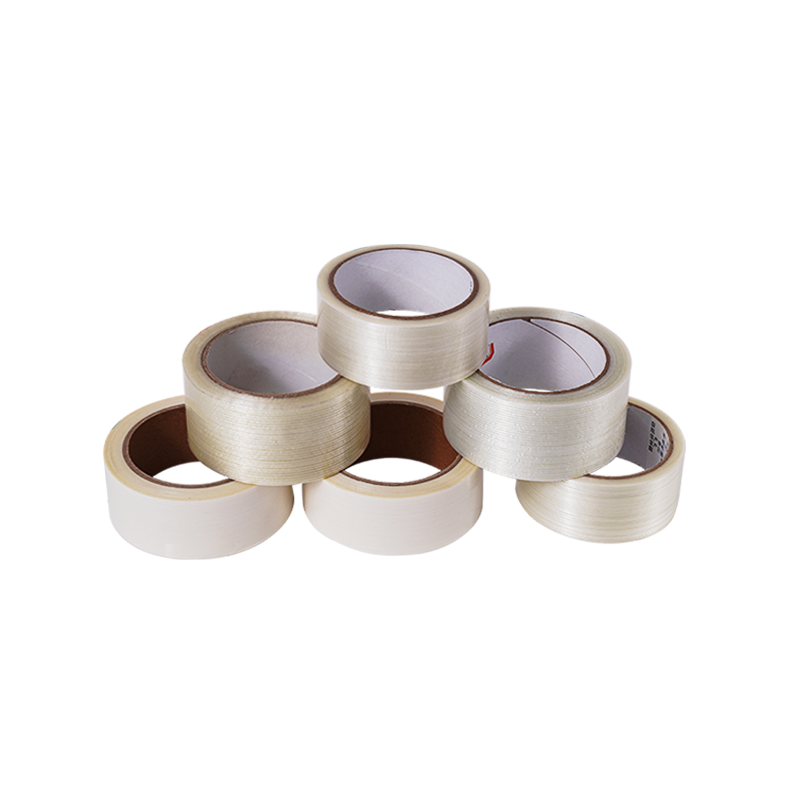
Most bottom-packaged tape for appliances is a BOPP film, the same family used across general carton sealing, with the differences sitting in coat weight, slit width and roll length. Buyers comparing the main uses of PP packaging tapes usually find that the bottom-sealing grade is the heaviest specification in that family:
 BOPP Carton Sealing Tape for General PackagingCrack- and fold-resistant BOPP tape for carton sealing, strapping, bonding and fixation, offering strong adhesion and tensile strength for everyday packaging use.
Crack- and fold-resistant BOPP tape for carton sealing, strapping, bonding and fixation, offering strong adhesion and tensile strength for everyday packaging use.
Send the carton and the packed unit data, not just a tape width, because a tape that works on one board can fail on another of the same weight class.
Jiangsu Shixin Adhesive Tape Product Co., Ltd. has supplied pressure-sensitive tapes to appliance manufacturers since 2005 from a factory of nearly 12,000 square meters with 100 employees, with RoHS, REACH, ISO 9001, ISO 14001 and SGS documentation, and counts Midea, KOREL, TCL, Zoppas, Skyworth, Vestel, KEGHICON and KONKA among its appliance customers. Buyers can send the base-sealing specification to the Shixin team together with board samples for a matched trial roll.
A trial without a packed-unit drop test on your own pallet pattern is a guess, not a qualification. Run the drop before the purchase order, not after the first claim.
What thickness of bottom packaged tape does a refrigerator line need?
Most standard refrigerators between 60 and 90 kg run a 45 to 50 um BOPP film at 60 to 72 mm width, with an 18 to 25 N/25mm adhesion target on board. Side-by-side and multi-door units above 100 kg usually move to MOPP or PET film. Confirm on your own board, because fibre quality changes the result.
Can the same tape seal the top and the bottom of an appliance carton?
It can close the top, but it is rarely the cheapest way to do it. The bottom seam needs shear strength and a wide bond line, while the top seam needs clean removal, print quality and quiet unwind. Splitting the two specifications normally lowers total tape spend.
Why does bottom tape lift in winter even though it passes the lab peel test?
Water-based acrylic adhesive needs warmth and dwell time to wet out a dusty board. On a cold dock the same tape builds bond over hours instead of seconds, so it lifts at the seam ends first. Warm the sealing head, slow the line, or switch to a rubber-resin adhesive for winter production.
Is a jumbo roll always cheaper for bottom sealing?
Only when the line runs long enough to use the length before the roll ages, and when splice quality matches line speed. On a low-volume line a jumbo roll can sit for months and lose tack at the edges. Compare cost per sealed carton, not cost per roll.

Our company has been engaged in the tape manufacturing industry for more than 20 years, and has been focusing on various types of aluminum foil tapes, foam tapes, refrigerator tapes, etc.
IsabelLina
Email:[email protected]
Mobile/Whatsapp: +86-153-0151-5119
Mars Gong
Email:[email protected]
Mobile/Whatsapp: +86-159-5136-0053
Address: West side of Yingbin Avenue and south side of hengwang packaging. Suqian Economic and Technological Development Zone,Jiangsu Province
Copyright © Jiangsu Shixin Adhesive Tape Product Co., Ltd. All Rights Reserved. Custom ODM Refrigerator Foil Adhesive Tapes Manufacturers