2026-11-19
Content
Quick answer: A custom FSK tape specification should define the three-part foil–scrim–kraft backing, adhesive system, release liner (where applicable), roll dimensions and acceptance tests. Jiangsu Shixin Adhesive Tape Product Co., Ltd. (Shixin Tape) has manufactured industrial adhesive tapes since 2005 and can review these requirements for a proposed FSK construction before sampling.
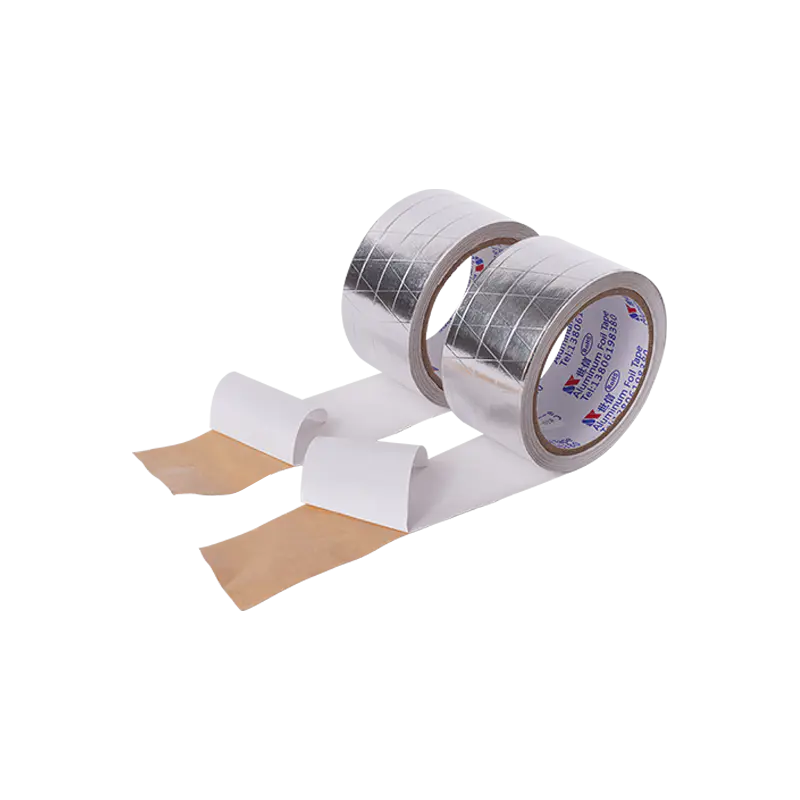
Some FSK tape problems begin with an incomplete laminate specification. FSK means foil–scrim–kraft: the aluminum foil provides a reflective, moisture-resistant facing; fiberglass scrim reinforces the backing; and kraft paper contributes stiffness. A separate pressure-sensitive adhesive forms the bond, while some grades also use a removable release liner. If a drawing says only “FSK tape,” buyers cannot reliably compare constructions or qualification results.
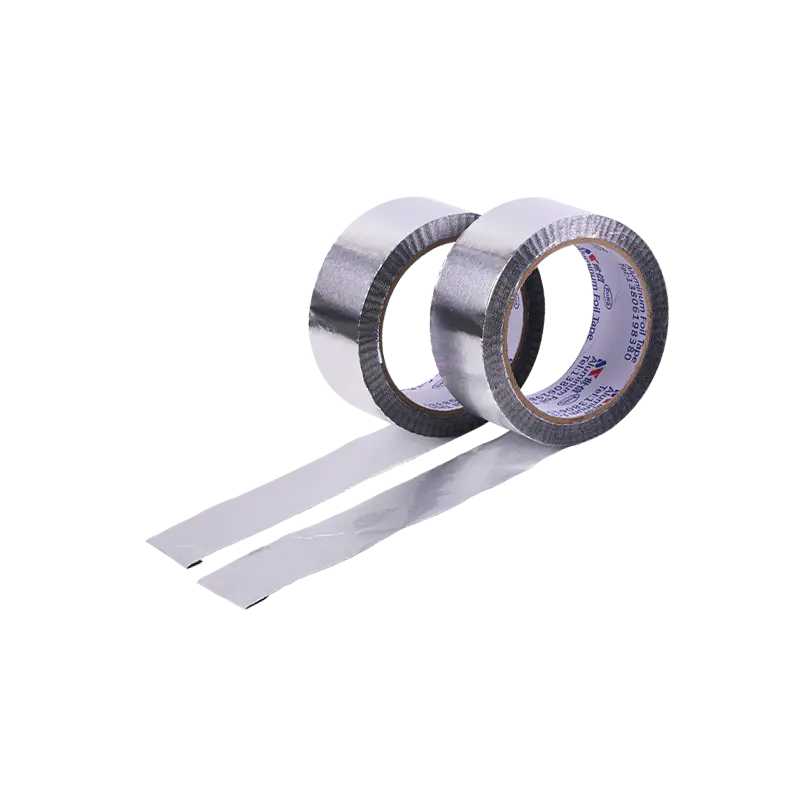
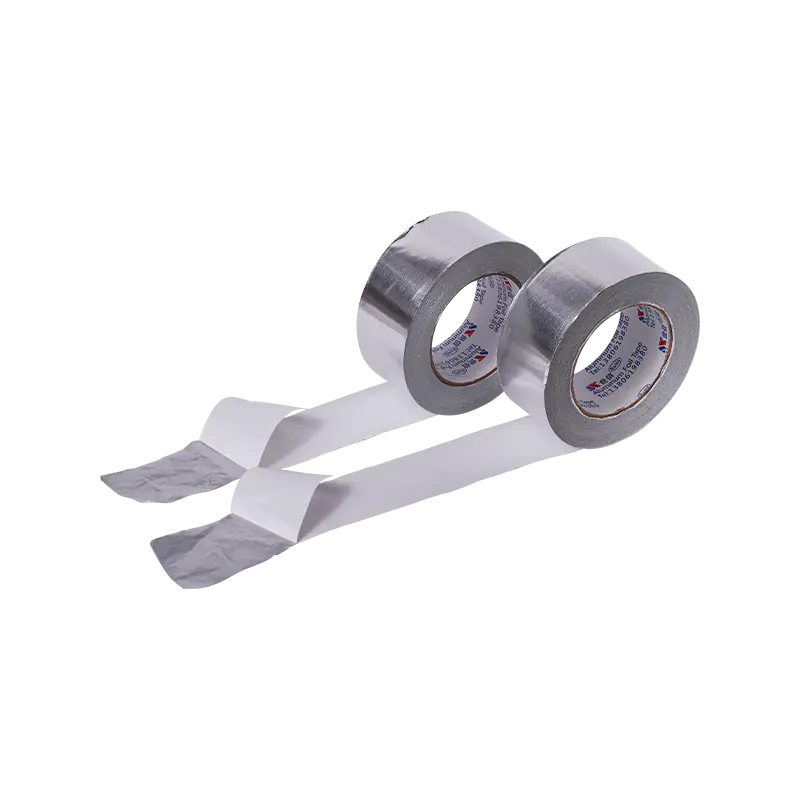
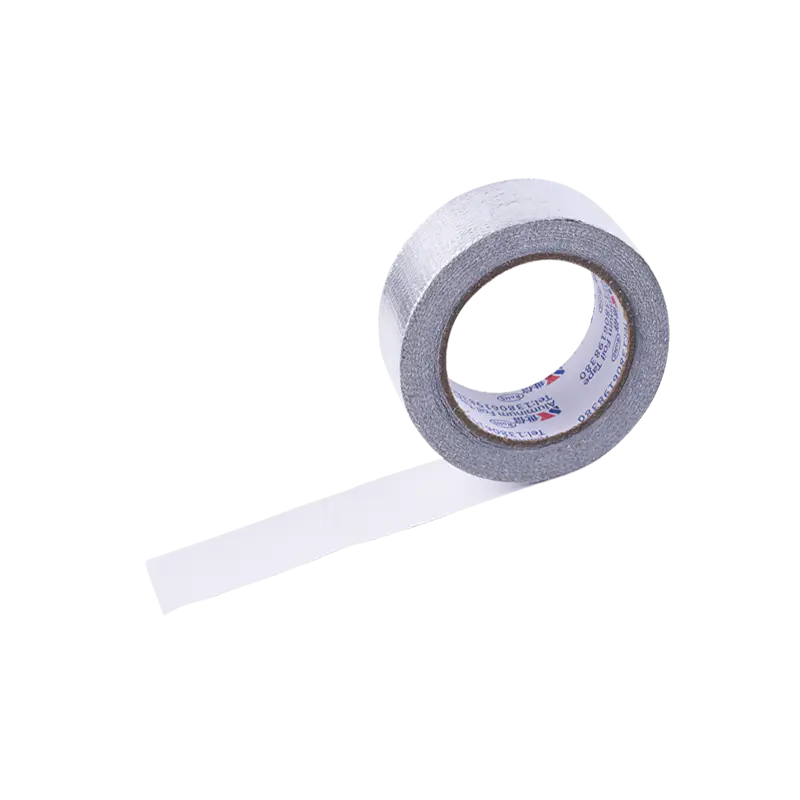
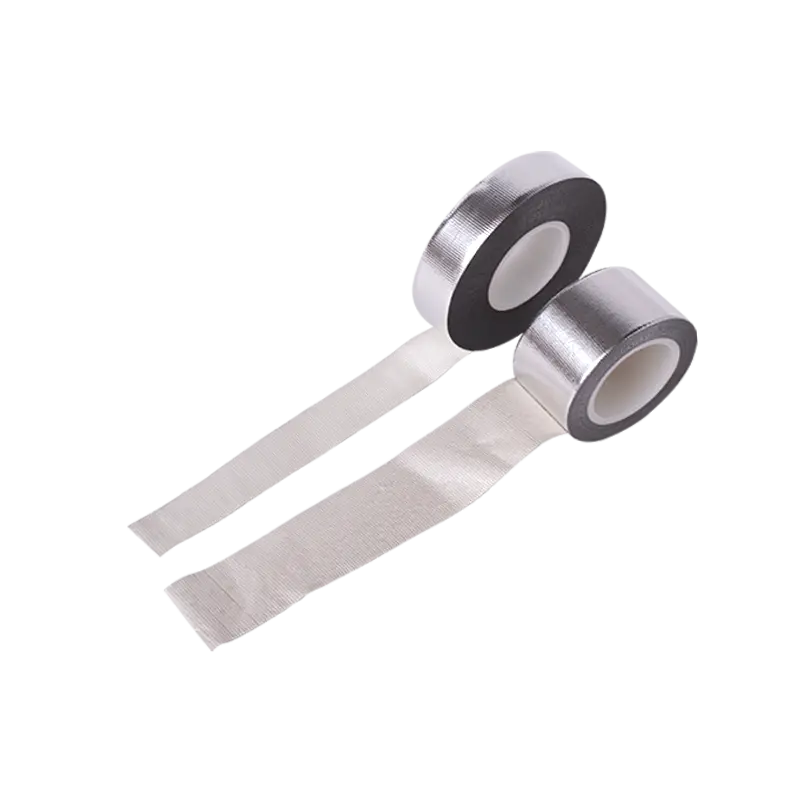
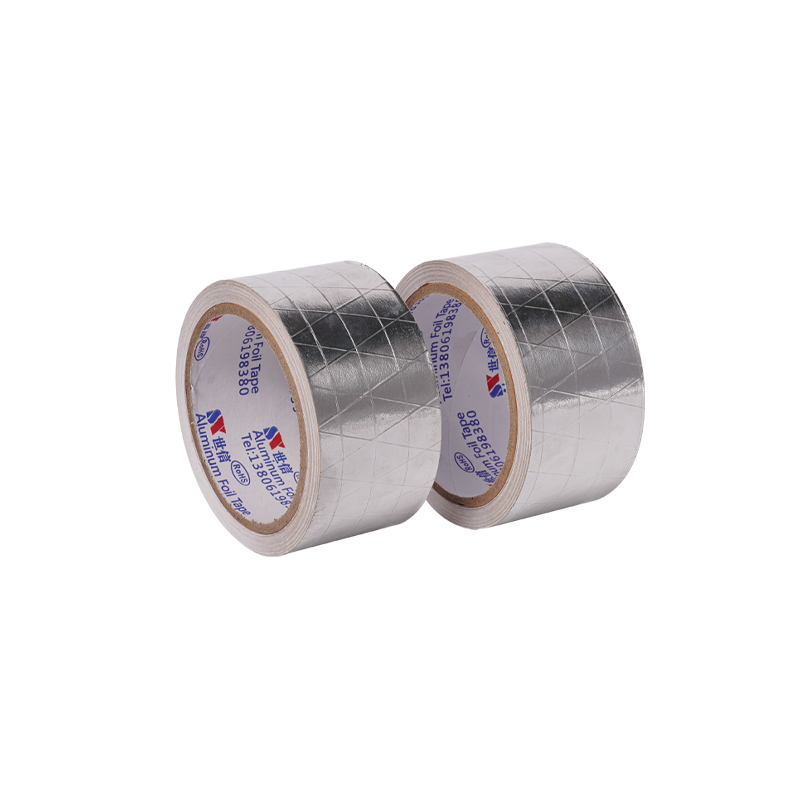 FSK reinforced aluminum foil tape: confirm the specific adhesive, liner and roll options with Shixin Tape. FSK product page
A practical FSK specification defines the three backing constituents, the adhesive layer, any release liner, roll format and the test method for each critical acceptance requirement.
For illustration, one quotation might specify 20 μm foil with a lighter scrim, while another specifies 30 μm foil with a heavier mesh. These are comparison examples, not confirmed Shixin standard grades. The buyer should compare the total laminate, not just roll width or unit price. Record the following variables so samples can be evaluated on the same basis.
|
Specification variable |
Why it changes field performance |
Put this on the drawing |
|
Foil |
Foil thickness and temper affect handling, stiffness and puncture risk. |
Nominal thickness, tolerance and temper if controlled. |
|
Fiberglass scrim |
Yarn count, orientation and bonding affect tensile and tear behavior. |
Scrim pattern, yarn specification and basis weight if controlled. |
|
Kraft backing |
Kraft paper influences stiffness and laminate integrity. |
Kraft basis weight, grade and bonding requirements. |
|
Pressure-sensitive adhesive |
Adhesive and coat weight affect peel and shear on the specified substrate. |
Adhesive family or grade, coat weight if controlled, test conditions and acceptance limits. |
|
Release liner (if supplied) |
The liner protects the adhesive and affects die-cutting and positioning. |
Confirmed liner material, thickness, release-force window and splice requirements. |
|
Roll format |
Roll dimensions and winding affect dispensing and line compatibility. |
Width tolerance, length, core ID, maximum OD and winding direction. |
Do not treat “reinforced” as a complete specification. Ask for the full construction and confirm the relevant measurement or test method for every critical requirement.
Choose a construction that passes the actual handling, tear and puncture requirements rather than automatically ordering the thickest foil. At equal area, 20 μm aluminum foil contains about one-third less aluminum mass than 30 μm foil; this comparison applies only to the foil component, not necessarily to total tape weight or delivered cost. A lighter construction still needs successful laminate and application tests.
Foil thickness alone cannot compensate for weak interlayer bonding. Compare completed tape samples after handling and conditioning, including the risk of delamination, puncture and edge damage.
Select a release-liner arrangement according to converting, dispensing and positioning requirements. Shixin’s published FSK product information describes a liner-backed pressure-sensitive tape. Do not assume that a linerless FSK version is available or interchangeable without model-specific confirmation. For broader liner-handling principles, see the related guide on release liners for aluminum foil tape. Liner handling guide
With a release liner
A removable liner can protect the pressure-sensitive adhesive during storage, die-cutting and precise placement. Specify liner material, release-force range and whether the chosen grade supports the intended converting operation.
Without a release liner (only if confirmed available)
A linerless configuration may reduce the peel-off step but requires an appropriate release system and unwind controls. Blocking, adhesive transfer and edge sticking must be assessed; availability for the selected FSK grade should be confirmed with the manufacturer.
For liner-backed grades, test release force at the actual peel angle and line speed. A liner that works during manual handling may behave differently in automated feeding.
Roll geometry can affect the customer’s dispensing process. Even a 0.5 mm width deviation may matter where machine guides have tight clearances; it is not a universal failure threshold. Specify width tolerance, roll length, core size, maximum outside diameter and winding requirements, then verify them on a production-representative trial roll.
Agree the winding direction, roll orientation and allowed splice count in writing. Check whether the trial roll reflects the proposed production supply format.
A qualification plan should start with the intended application and finish with evidence from a production-representative sample. The following checkpoints focus on the FSK laminate and its conversion. A broader supplier-qualification process is covered in Shixin’s ODM aluminum foil tape guide. ODM qualification guide
A sample should meet both the agreed material performance criteria and the intended production process. Bench results alone cannot establish line compatibility.
The drawing should help multiple suppliers quote the same construction and should identify the acceptance methods. Add an application photo showing where and how the tape is bonded.
Before the first trial, send the application drawing, required roll dimensions and testing criteria to Shixin Tape. The technical team can discuss feasible constructions, sample quantities and the documents needed for qualification. Contact Shixin
Match the purchase specification to the actual application and measurable acceptance criteria.
What does FSK mean in reinforced aluminum foil tape?
FSK means foil–scrim–kraft, the three constituents of the reinforced backing. Pressure-sensitive adhesive and an optional release liner are additional elements of the complete tape construction.
Is thicker aluminum foil always the better choice?
No. Select a grade that passes the required puncture, tear, laminate-integrity and handling tests. Thicker foil increases the mass of the foil component but does not, by itself, correct poor scrim bonding.
When should a custom FSK tape use a release liner?
A liner is useful where the adhesive needs protection for die-cutting, controlled placement or storage. The appropriate type and release-force range depend on the selected product and process; confirm availability before assuming a linerless substitute.
What should be tested before approving an FSK sample?
Evaluate adhesion on the actual substrate, laminate integrity, tear and puncture resistance, edge lift after relevant conditioning and roll handling. For liner-backed grades, include release-force testing; for converting operations, check splice and unwind performance. Document test methods and acceptance limits.

Our company has been engaged in the tape manufacturing industry for more than 20 years, and has been focusing on various types of aluminum foil tapes, foam tapes, refrigerator tapes, etc.
IsabelLina
Email:[email protected]
Mobile/Whatsapp: +86-153-0151-5119
Mars Gong
Email:[email protected]
Mobile/Whatsapp: +86-159-5136-0053
Address: West side of Yingbin Avenue and south side of hengwang packaging. Suqian Economic and Technological Development Zone,Jiangsu Province
Copyright © Jiangsu Shixin Adhesive Tape Product Co., Ltd. All Rights Reserved. Custom ODM Refrigerator Foil Adhesive Tapes Manufacturers