2026-05-27
Content
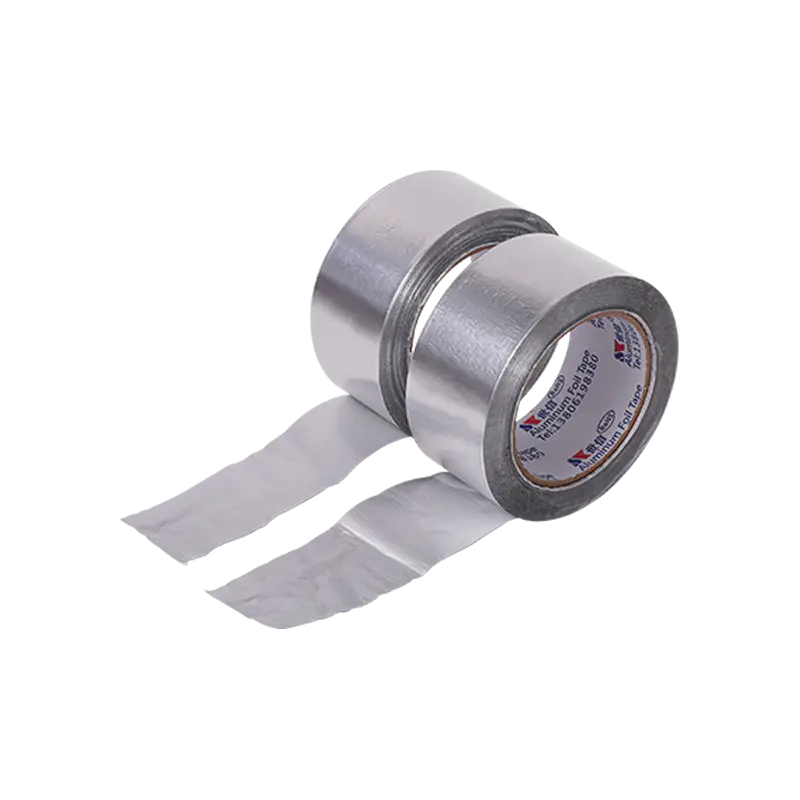
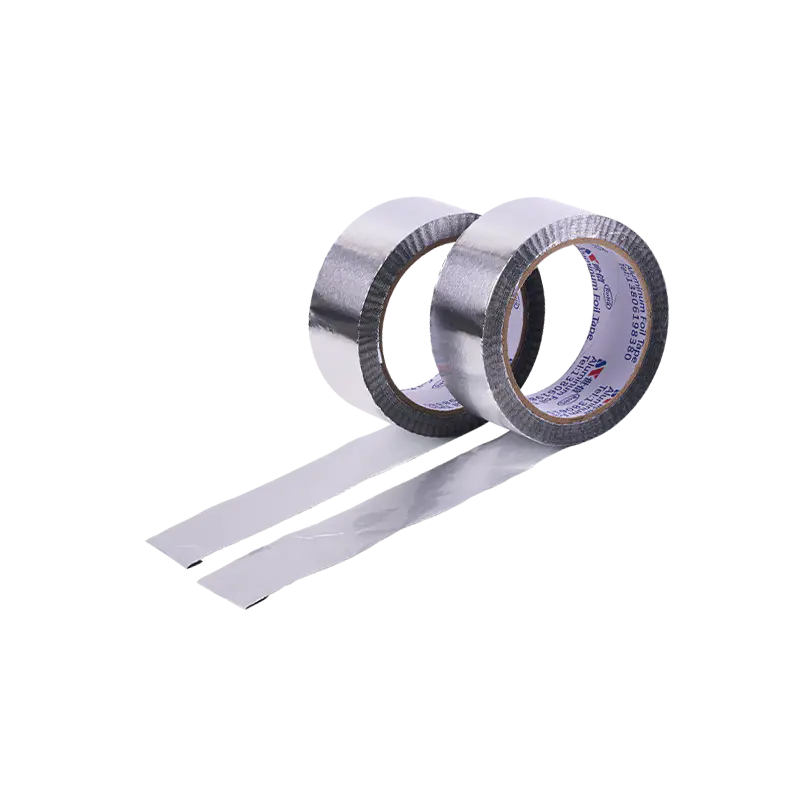
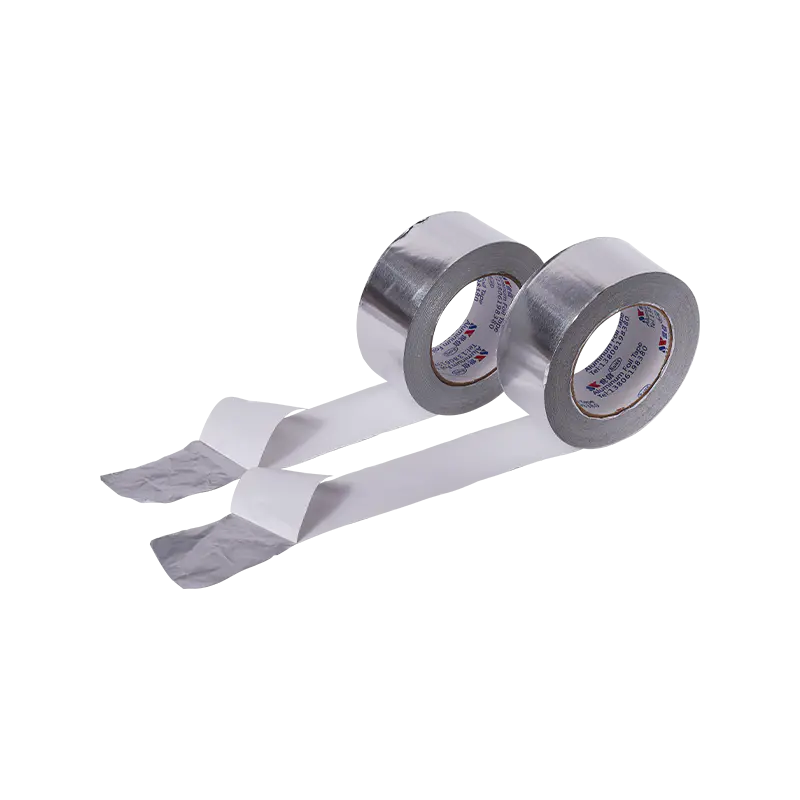
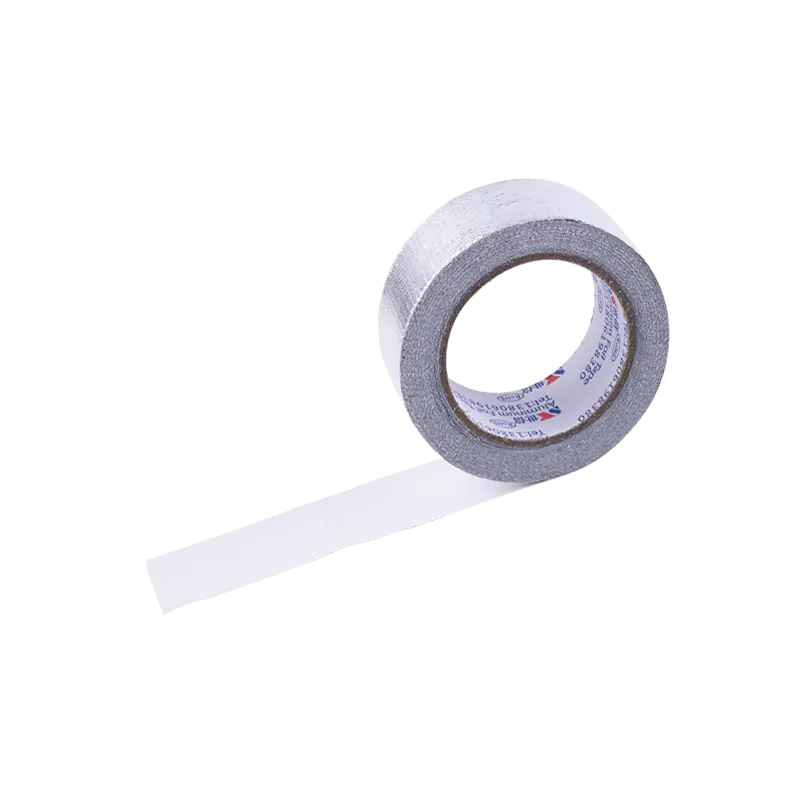
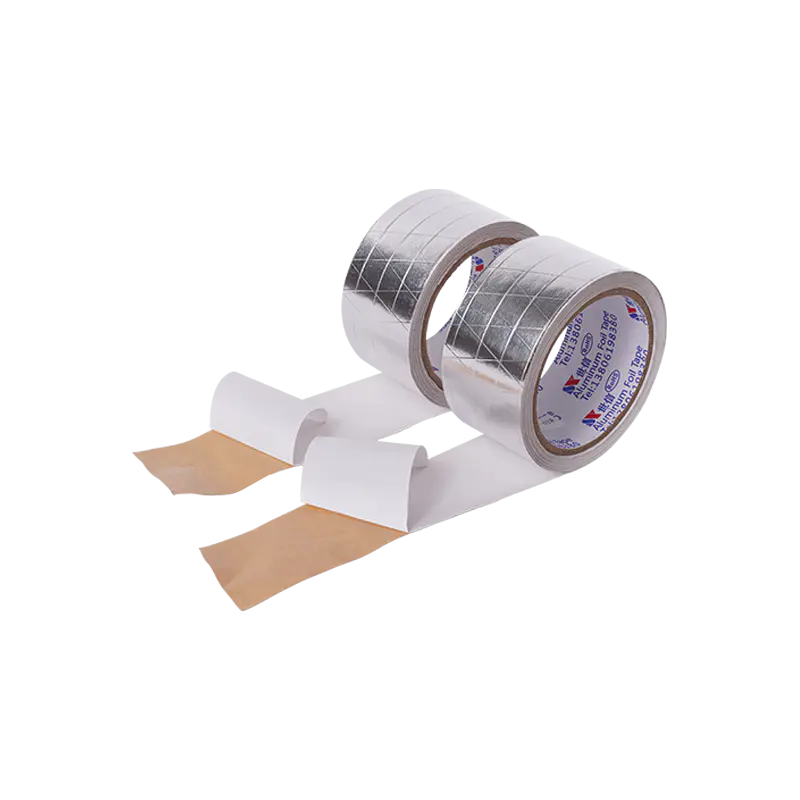
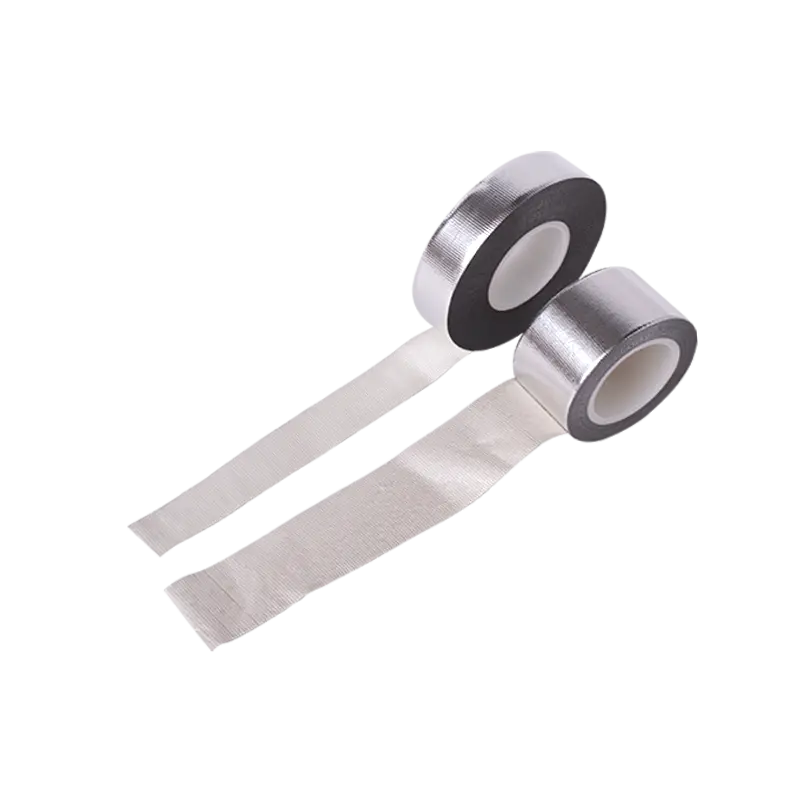
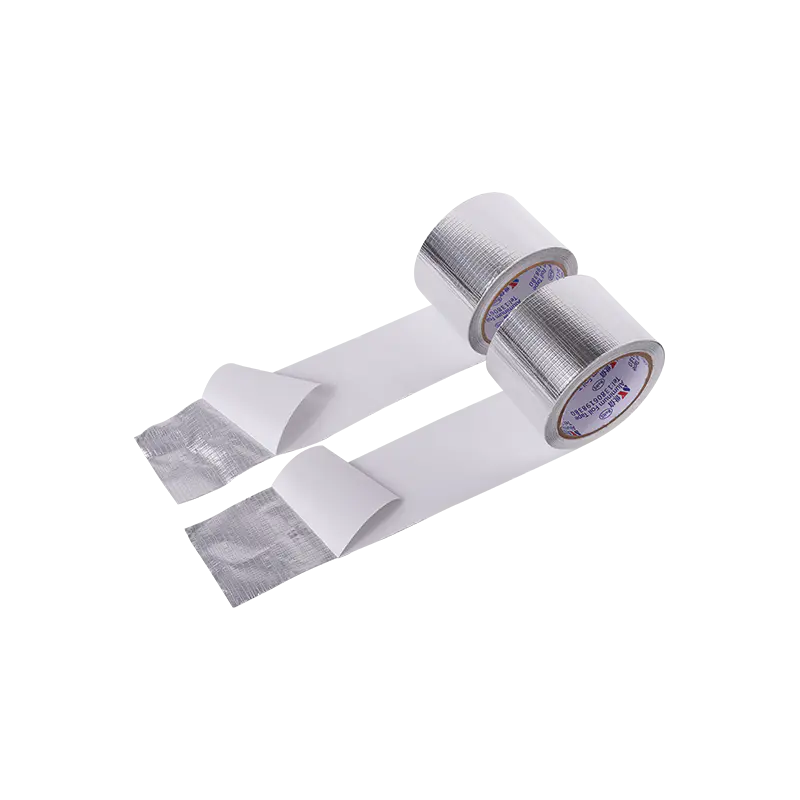
Heat Seal Aluminum (HSL) Foil Tape With Liner is a high-performance industrial sealing and insulation material designed for applications requiring thermal conductivity, heat reflection, vapor sealing, and resistance to extreme temperatures. The tape consists of an aluminum foil backing coated with a pressure-sensitive silicone adhesive and protected by a removable release liner for easier handling and installation.
Due to its excellent thermal stability and environmental resistance, HSL foil tape is widely used in refrigeration systems, HVAC ducting, industrial piping insulation, condensers, evaporators, and heat shielding assemblies. The combination of metallic foil and silicone adhesive enables reliable long-term bonding under demanding operating conditions.
|
Layer |
Material |
Primary Function |
|
Top Layer |
Aluminum Foil |
Heat reflection, thermal conductivity, moisture barrier, flame resistance |
|
Middle Layer |
Silicone Pressure-Sensitive Adhesive |
High-temperature bonding and environmental durability |
|
Bottom Layer |
Release Liner |
Protects adhesive before installation and improves application efficiency |
The aluminum foil substrate acts as a thermal management barrier by reflecting radiant heat while also assisting thermal transfer where conductive contact is required. The silicone adhesive forms a stable bond even when exposed to high operating temperatures, cold environments, humidity, or thermal cycling.
During installation, the release liner protects the adhesive surface from contamination and premature bonding. Once removed, the tape can be manually applied or integrated into machine-assisted assembly processes for improved production efficiency.
|
Property |
HSL Foil Tape With Silicone Adhesive |
Conventional Acrylic Foil Tape |
|
Operating Temperature Range |
-30°C to 250°C |
-10°C to 120°C |
|
Thermal Aging Resistance |
Excellent |
Moderate |
|
Weather Resistance |
Excellent |
Good |
|
Cold Environment Stability |
Excellent |
Limited |
|
Heat Shielding Capability |
High |
Moderate |
|
Application Environment |
Industrial high-temperature systems |
General HVAC and sealing applications |
The release liner is an important structural component in HSL foil tape systems. It prevents adhesive contamination during transportation and storage while also simplifying installation. In automated production environments, the liner supports precise positioning and smoother feeding during machine-assisted tape application.
For manual installation, the liner helps operators achieve cleaner alignment and reduces the risk of adhesive wrinkling or accidental bonding. This becomes particularly important in narrow duct sealing, refrigeration assembly lines, and insulated piping systems.
|
Parameter |
Typical Range |
|
Foil Thickness |
30 μm – 100 μm |
|
Total Tape Thickness |
60 μm – 180 μm |
|
Operating Temperature |
-30°C to 250°C |
|
Adhesive Type |
Silicone PSA |
|
Adhesive Side |
Single-sided |
|
Release Liner Type |
Paper or Film Liner |
|
Application Method |
Manual or Machine-Assisted |
HSL aluminum foil tape with liner combines thermal management performance, environmental durability, and installation efficiency into a single engineered material system. Its ability to maintain adhesion and structural integrity across extreme temperatures makes it suitable for demanding industrial insulation and sealing applications.
Silicone pressure-sensitive adhesive (PSA) plays a critical role in the overall performance of Heat Seal Aluminum (HSL) Foil Tape With Liner. Compared with conventional adhesive systems, silicone adhesive provides superior thermal stability, environmental resistance, and long-term bonding reliability under extreme operating conditions.
In industrial insulation and sealing applications, adhesive failure is often caused by continuous heat exposure, thermal cycling, moisture penetration, or low-temperature brittleness. Silicone adhesive is specifically engineered to maintain stable adhesion and flexibility across a broad temperature range, making it highly suitable for refrigeration systems, HVAC equipment, industrial piping, and thermal shielding assemblies.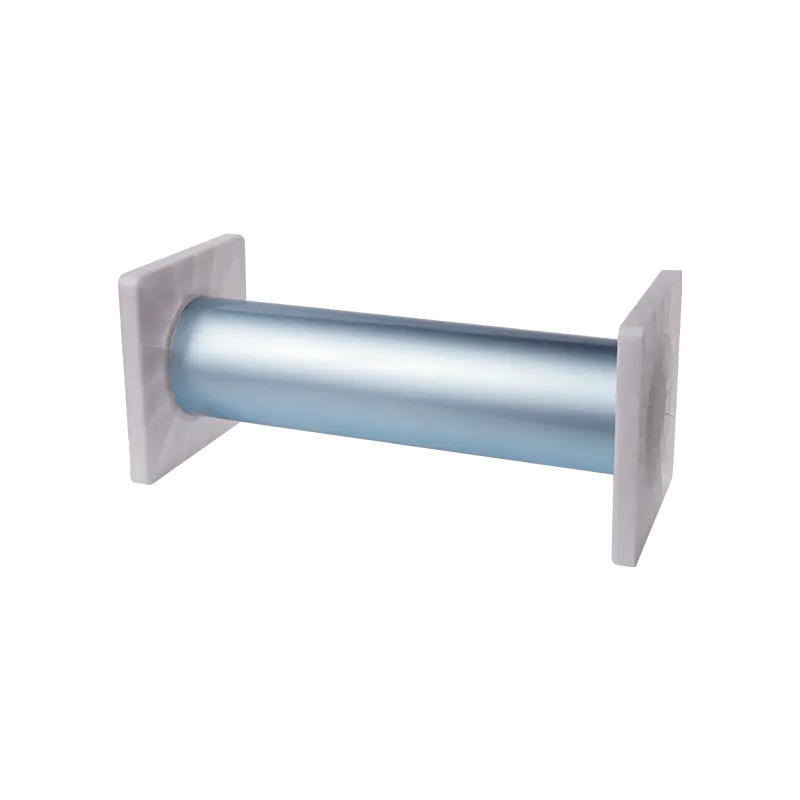
One of the most important advantages of silicone adhesive is its ability to withstand both high and low temperatures without significant degradation. Unlike standard acrylic or rubber-based adhesives, silicone PSA maintains bonding strength even during repeated thermal expansion and contraction cycles.
|
Adhesive Type |
Typical Operating Temperature |
Thermal Aging Resistance |
Low-Temperature Flexibility |
|
Silicone PSA |
-30°C to 250°C |
Excellent |
Excellent |
|
Solvent-Based Acrylic PSA |
-20°C to 150°C |
Good |
Good |
|
Water-Based Acrylic PSA |
-10°C to 120°C |
Moderate |
Moderate |
|
Rubber-Based PSA |
-10°C to 90°C |
Limited |
Moderate |
This wide operating range allows silicone adhesive to perform reliably in both high-temperature industrial systems and low-temperature refrigeration environments.
Silicone PSA demonstrates excellent adhesion stability on metal surfaces, insulated panels, coated substrates, and irregular geometries. Even under continuous exposure to heat, humidity, and vibration, the adhesive layer remains flexible and resistant to cracking or adhesive transfer.
In refrigeration and HVAC systems, temperature fluctuations can generate expansion stress between metal components and insulation materials. Silicone adhesive absorbs these stresses more effectively than rigid adhesive systems, reducing the risk of edge lifting and seal failure.
Environmental durability is another major advantage of silicone adhesive technology. Industrial sealing materials are frequently exposed to ultraviolet radiation, moisture, oxygen, chemicals, and outdoor weather conditions. Silicone PSA maintains structural integrity under prolonged environmental exposure.
|
Performance Property |
Silicone PSA |
Acrylic PSA |
Rubber PSA |
|
UV Resistance |
Excellent |
Good |
Limited |
|
Moisture Resistance |
Excellent |
Good |
Moderate |
|
Oxidation Resistance |
Excellent |
Good |
Limited |
|
Long-Term Outdoor Stability |
Excellent |
Moderate |
Poor |
|
Thermal Cycling Durability |
Excellent |
Good |
Moderate |
These characteristics are especially important for industrial insulation systems operating continuously in demanding environmental conditions.
In refrigerator evaporators, condensers, and freezer assemblies, adhesives are continuously exposed to cold temperatures and moisture condensation. Standard adhesives may become brittle or lose bonding strength under these conditions. Silicone adhesive maintains flexibility and adhesion even in sub-zero environments, improving sealing reliability and reducing maintenance frequency.
For HVAC duct systems and hot piping insulation, silicone PSA resists heat aging and maintains stable bonding during long-term exposure to elevated temperatures. This helps prevent insulation gaps, vapor leakage, and thermal efficiency loss.
Silicone adhesive possesses excellent elastic recovery and surface wetting characteristics, allowing the foil tape to conform closely to curved pipes, corners, joints, and uneven surfaces. This improves overall sealing quality and minimizes air gaps that could affect thermal insulation performance.
|
Application Environment |
Recommended Adhesive Type |
Reason |
|
High-Temperature Piping |
Silicone PSA |
Excellent heat resistance and aging stability |
|
Refrigeration Equipment |
Silicone PSA |
Strong low-temperature flexibility and moisture resistance |
|
General HVAC Sealing |
Acrylic PSA |
Balanced cost and performance |
|
Short-Term Indoor Bonding |
Rubber PSA |
High initial tack for temporary applications |
The durability of silicone adhesive significantly extends the service life of HSL foil tape systems. Stable adhesive performance helps maintain consistent thermal insulation, vapor sealing, and heat shielding properties throughout prolonged operating cycles.
By minimizing adhesive degradation, edge separation, and thermal fatigue, silicone PSA contributes to lower maintenance requirements and improved operational reliability in industrial thermal management applications.
Heat Seal Aluminum (HSL) Foil Tape With Liner is engineered to provide stable thermal management, environmental sealing, and mechanical durability in industrial applications. Its performance is determined by the combined characteristics of the aluminum foil substrate, silicone pressure-sensitive adhesive, and release liner system.
The tape is widely used in refrigeration systems, HVAC insulation, industrial piping, and thermal shielding because it can maintain structural integrity under extreme temperatures, humidity, and mechanical stress. Understanding its thermal and mechanical properties is essential for selecting the appropriate tape configuration for specific operating conditions.
The aluminum foil layer provides excellent thermal conductivity and radiant heat reflection. This allows the tape to efficiently distribute heat across bonded surfaces while simultaneously reflecting external thermal radiation.
In refrigeration systems, thermal conductivity helps improve heat transfer efficiency around evaporators and condensers. In insulation systems, reflective foil surfaces reduce heat gain and improve energy efficiency.
|
Thermal Property |
Typical Performance |
Industrial Function |
|
Thermal Conductivity |
High |
Supports heat transfer efficiency |
|
Heat Reflectivity |
Up to 95% |
Reduces radiant heat absorption |
|
Thermal Stability |
-30°C to 250°C |
Maintains performance under temperature variation |
|
Heat Shielding Capability |
Excellent |
Protects nearby components from thermal exposure |
Although aluminum itself is thermally conductive, the foil surface also functions as a highly effective thermal barrier by reflecting radiant energy. When combined with insulation materials, HSL foil tape improves overall system insulation efficiency.
The aluminum substrate is naturally flame resistant and does not easily ignite under elevated temperatures. This characteristic improves operational safety in industrial piping systems, HVAC ducts, and heating equipment.
One of the key functions of HSL foil tape is preventing moisture penetration and vapor leakage. Aluminum foil provides an effective barrier against water vapor, helping protect insulation systems from condensation damage and thermal efficiency loss.
In refrigeration and cold-chain systems, vapor sealing is critical because moisture infiltration can reduce insulation performance and accelerate corrosion.
|
Barrier Property |
Performance Level |
Application Benefit |
|
Water Vapor Resistance |
Excellent |
Prevents condensation penetration |
|
Moisture Resistance |
Excellent |
Protects insulation systems |
|
Air Leakage Resistance |
High |
Improves HVAC sealing efficiency |
|
Corrosion Protection |
Good |
Reduces metal surface exposure |
The mechanical stability of HSL foil tape is influenced by foil thickness, adhesive elasticity, and substrate flexibility. Industrial-grade aluminum foil provides strong tensile strength while maintaining enough flexibility for installation on curved or irregular surfaces.
The tape must withstand vibration, thermal expansion, mechanical handling, and long-term environmental stress without tearing or delaminating.
|
Mechanical Property |
Typical Characteristic |
Functional Advantage |
|
Tensile Strength |
High |
Resists tearing during installation |
|
Elongation |
Moderate |
Allows limited surface movement |
|
Flexibility |
Excellent |
Conforms to curved surfaces |
|
Dimensional Stability |
Excellent |
Maintains shape during thermal cycling |
|
Puncture Resistance |
Good |
Improves durability during handling |
Low-temperature flexibility is essential for refrigeration and freezer applications. Many conventional adhesive tapes become brittle under cold conditions, resulting in cracking or seal failure.
HSL foil tape with silicone adhesive maintains adhesion and flexibility even in freezing environments, ensuring long-term sealing performance around evaporators, condensers, and insulated refrigeration lines.
Industrial systems frequently experience continuous temperature fluctuations caused by startup, shutdown, load variation, and environmental exposure. These thermal cycles generate expansion and contraction stresses that can weaken low-performance tapes over time.
HSL foil tape is designed to tolerate repeated thermal cycling while maintaining adhesive integrity, dimensional stability, and surface sealing performance.
|
Environmental Condition |
Performance Response |
|
Repeated Heating and Cooling |
Stable adhesion retention |
|
High Humidity Exposure |
Low moisture penetration |
|
Continuous Heat Exposure |
Minimal adhesive degradation |
|
Cold Environment Operation |
Maintains flexibility and seal integrity |
The effectiveness of HSL foil tape depends on achieving a balance between thermal management capability and mechanical durability. High thermal conductivity alone is insufficient if the tape cannot resist mechanical stress, environmental aging, or adhesive degradation.
By combining reflective aluminum foil, high-temperature silicone adhesive, and durable structural design, HSL foil tape provides reliable long-term performance in demanding industrial insulation and sealing applications.
Heat Seal Aluminum (HSL) Foil Tape With Liner is widely used in industrial environments that require reliable thermal insulation, vapor sealing, heat reflection, and long-term resistance to extreme temperatures. Its combination of aluminum foil substrate and silicone pressure-sensitive adhesive makes it suitable for applications exposed to heat, cold, humidity, and thermal cycling.
Because of its strong adhesion stability and environmental durability, HSL foil tape is commonly applied in refrigeration systems, HVAC equipment, industrial piping, thermal shielding assemblies, and insulated mechanical systems.
One of the primary applications of HSL foil tape is sealing refrigerator evaporators and condensers. These systems operate under continuous thermal cycling and are frequently exposed to condensation, low temperatures, and vibration.
The tape helps secure insulation materials, seal joints, and reduce thermal leakage around cooling components. Silicone adhesive maintains flexibility even in freezing environments, reducing the risk of cracking or adhesive failure.
|
Application Area |
Functional Requirement |
Benefit of HSL Foil Tape |
|
Evaporator Assembly |
Cold resistance and vapor sealing |
Stable sealing under low temperatures |
|
Condenser Insulation |
Heat management and durability |
Improved thermal efficiency |
|
Refrigeration Pipe Joints |
Moisture protection |
Reduced condensation penetration |
In HVAC systems, HSL foil tape is commonly used for sealing air ducts, insulation joints, and ventilation connections. Proper duct sealing improves airflow efficiency while reducing energy loss caused by air leakage.
The reflective aluminum surface also contributes to improved thermal insulation by minimizing radiant heat transfer within heating and cooling systems.
|
HVAC Requirement |
Performance Contribution |
|
Air Leakage Prevention |
High sealing integrity |
|
Thermal Reflection |
Reduced heat transfer |
|
Humidity Resistance |
Protection against moisture damage |
|
Temperature Stability |
Reliable performance under thermal fluctuation |
Industrial pipelines carrying steam, hot liquids, or heated gases require insulation systems capable of withstanding elevated temperatures. HSL foil tape is frequently used to secure insulation layers and provide external heat shielding on these piping systems.
The silicone adhesive maintains bonding performance even under prolonged heat exposure, while the aluminum foil surface reflects radiant heat and improves overall thermal retention efficiency.
|
Piping Condition |
Required Property |
HSL Tape Advantage |
|
High Surface Temperature |
Heat resistance |
Stable adhesion up to 250°C |
|
Outdoor Exposure |
Weather resistance |
Long-term environmental durability |
|
Thermal Cycling |
Dimensional stability |
Reduced edge lifting and cracking |
Water heaters and thermal storage systems often require insulation sealing materials capable of maintaining long-term performance under elevated operating temperatures and humid conditions.
HSL foil tape is used to reinforce insulation seams, reduce thermal leakage, and improve the overall efficiency of heating systems. Its moisture resistance also helps protect insulation materials from degradation over time.
Cold-chain logistics systems and industrial freezer equipment require sealing materials that remain flexible and durable under freezing conditions. Conventional adhesive tapes may become brittle or lose adhesion at low temperatures.
Silicone-based HSL foil tape maintains flexibility and bonding stability in cold environments, making it suitable for freezer insulation panels, refrigerated transport systems, and low-temperature storage equipment.
|
Cold-Chain Environment |
Operational Challenge |
HSL Tape Performance |
|
Freezer Systems |
Low-temperature brittleness |
Maintains flexibility |
|
Condensation Areas |
Moisture penetration |
Strong vapor barrier performance |
|
Continuous Cooling Cycles |
Thermal fatigue |
Stable adhesive integrity |
The reflective surface of aluminum foil makes HSL tape suitable for heat shielding applications where radiant heat reduction is important. It is commonly used around heating equipment, insulated enclosures, and industrial thermal barriers.
By reflecting radiant heat away from sensitive components, the tape helps reduce thermal stress and improve equipment protection.
The versatility of HSL foil tape comes from its ability to combine thermal management, vapor sealing, mechanical flexibility, and environmental durability in a single material system.
|
Industrial Requirement |
HSL Foil Tape Capability |
|
Extreme Temperature Resistance |
-30°C to 250°C operational stability |
|
Moisture Protection |
Excellent vapor barrier performance |
|
Thermal Efficiency |
High heat reflection capability |
|
Long-Term Durability |
Resistance to aging and weather exposure |
|
Installation Flexibility |
Suitable for manual and automated application |
These characteristics make HSL aluminum foil tape with liner an effective solution for demanding industrial insulation, sealing, refrigeration, and thermal management systems.
Selecting the appropriate Heat Seal Aluminum (HSL) Foil Tape With Liner requires evaluating multiple technical factors, including operating temperature, environmental exposure, insulation requirements, mechanical stress, and installation methods. Different industrial systems place different demands on foil thickness, adhesive formulation, and liner structure.
A properly selected HSL foil tape can improve thermal efficiency, sealing reliability, and long-term durability, while an unsuitable tape may lead to adhesive failure, insulation degradation, or reduced operational performance.
Temperature range is one of the most important selection criteria. Industrial environments may involve continuous high temperatures, freezing conditions, or rapid thermal cycling. Silicone adhesive systems are generally preferred for extreme temperature applications because they maintain stable adhesion across a broad operating range.
|
Application Environment |
Typical Temperature Range |
Recommended Adhesive System |
|
Refrigeration Equipment |
-30°C to 10°C |
Silicone PSA |
|
HVAC Duct Systems |
-10°C to 120°C |
Acrylic or Silicone PSA |
|
Industrial Hot Piping |
120°C to 250°C |
Silicone PSA |
|
Indoor General Sealing |
0°C to 80°C |
Water-Based Acrylic PSA |
For systems exposed to continuous heat or freezing temperatures, silicone adhesive provides superior long-term reliability compared to standard acrylic or rubber-based adhesives.
Foil thickness directly affects mechanical strength, puncture resistance, flexibility, and heat reflection capability. Thicker aluminum foil generally offers better durability and thermal shielding, while thinner foil provides greater flexibility for complex surface applications.
|
Foil Thickness |
Typical Characteristics |
Recommended Applications |
|
30–50 μm |
High flexibility and conformability |
Curved ducts and irregular surfaces |
|
50–80 μm |
Balanced strength and flexibility |
General HVAC and refrigeration systems |
|
80–100 μm |
Higher mechanical durability |
Industrial piping and heat shielding |
The selection should balance mechanical durability with installation flexibility based on the complexity of the application surface.
Industrial insulation systems are often exposed to humidity, ultraviolet radiation, chemical vapors, and outdoor weather conditions. Environmental exposure significantly influences adhesive aging and long-term sealing performance.
|
Environmental Factor |
Required Tape Property |
|
Moisture Exposure |
Excellent vapor sealing capability |
|
Outdoor Weathering |
UV and oxidation resistance |
|
Continuous Thermal Cycling |
Stable adhesive flexibility |
|
Industrial Heat Exposure |
High-temperature aging resistance |
The geometry of the installation surface also affects tape selection. Flat metal panels typically require less conformability, while curved pipes, corners, and irregular insulation surfaces require higher flexibility and elastic recovery.
For complex surfaces, thinner foil combined with flexible silicone adhesive improves surface contact and reduces the risk of air gaps or edge lifting.
|
Surface Type |
Recommended Tape Characteristic |
|
Flat Metal Panels |
Higher thickness for durability |
|
Curved Pipes |
High flexibility and conformability |
|
Textured Insulation Surfaces |
Strong adhesive wetting performance |
|
Vibration-Prone Systems |
Elastic adhesive stability |
The release liner influences installation efficiency, storage stability, and handling performance. Different liner materials provide different levels of stiffness, release force, and machine compatibility.
Machine-assisted industrial production lines generally require consistent liner release characteristics for stable automated feeding and application accuracy.
|
Liner Type |
Main Characteristic |
Typical Use |
|
Paper Release Liner |
Cost-effective and stable handling |
Manual application systems |
|
Film Release Liner |
Higher dimensional stability |
Automated production environments |
Installation conditions directly affect tape selection. Manual installation often prioritizes flexibility and ease of handling, while automated manufacturing environments require stable liner release, dimensional consistency, and controlled adhesive behavior.
Industrial users should evaluate both initial performance and long-term operational stability. Higher-performance foil tapes may provide longer service life, lower maintenance frequency, and improved insulation reliability in demanding environments.
|
Selection Priority |
Recommended Focus |
|
High Temperature Resistance |
Silicone adhesive stability |
|
Mechanical Durability |
Thicker aluminum foil |
|
Low-Temperature Flexibility |
Elastic adhesive performance |
|
Energy Efficiency |
High heat reflectivity |
|
Long-Term Reliability |
Environmental aging resistance |
The optimal HSL aluminum foil tape should be selected based on a combination of thermal requirements, environmental conditions, surface geometry, and installation methods rather than relying on a single performance parameter.
By carefully matching adhesive system, foil thickness, liner structure, and application environment, industrial users can improve sealing performance, thermal efficiency, and long-term operational reliability across a wide range of insulation and thermal management systems.

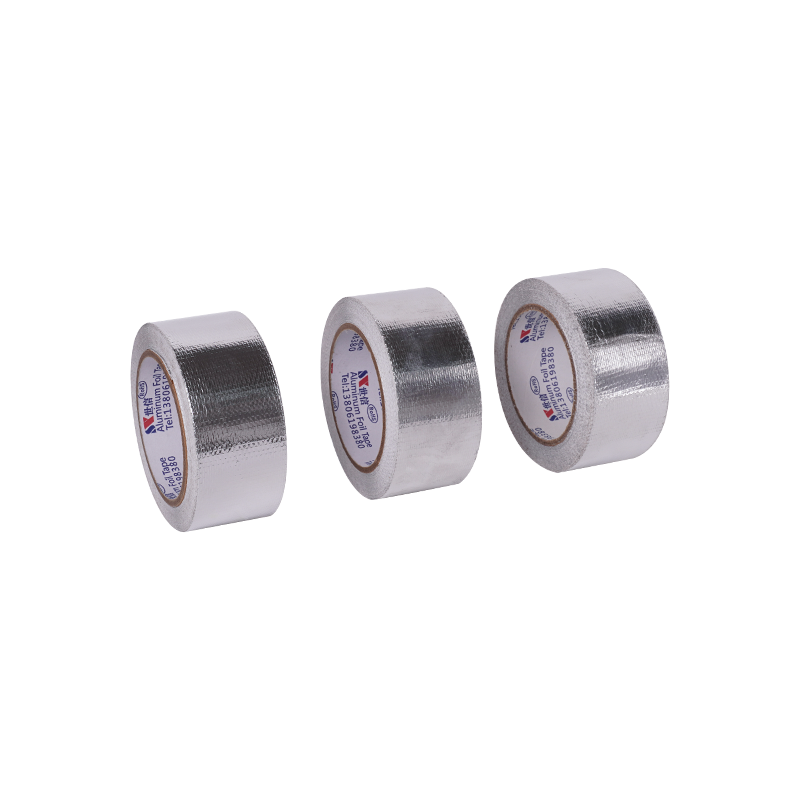
Our company has been engaged in the tape manufacturing industry for more than 20 years, and has been focusing on various types of aluminum foil tapes, foam tapes, refrigerator tapes, etc.
Miya Miao
Email:[email protected]
Mobile/Whatsapp: +86 190 3379 1110
Mars Gong
Email:[email protected]
Mobile/Whatsapp: +86 159 5136 0053
Address: West side of Yingbin Avenue and south side of hengwang packaging. Suqian Economic and Technological Development Zone,Jiangsu Province
Copyright © Jiangsu Shixin Adhesive Tape Product Co., Ltd. All Rights Reserved. Custom ODM Refrigerator Foil Adhesive Tapes Manufacturers