2026-05-27
Content
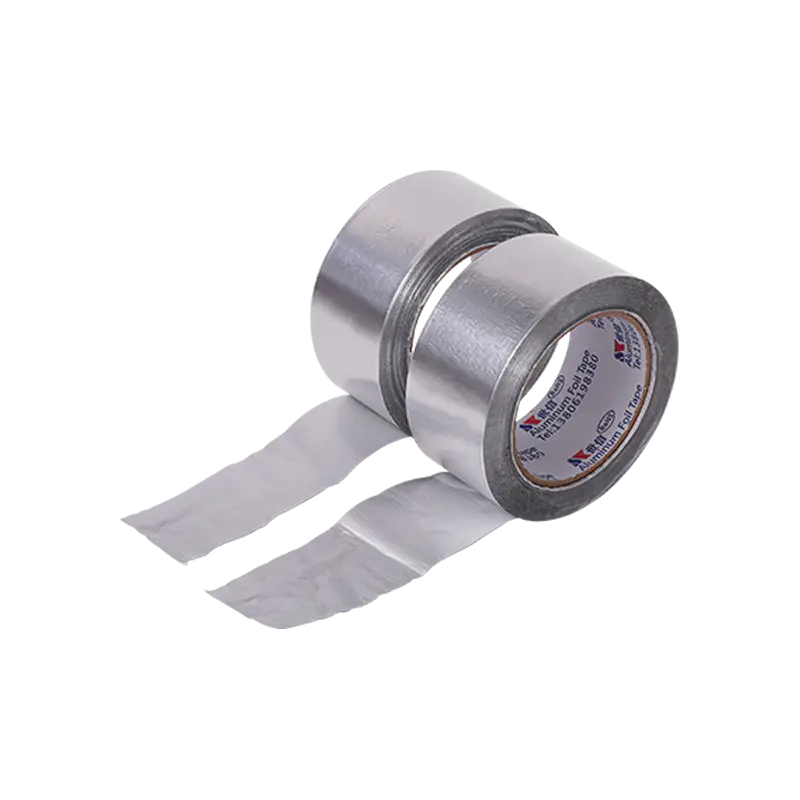
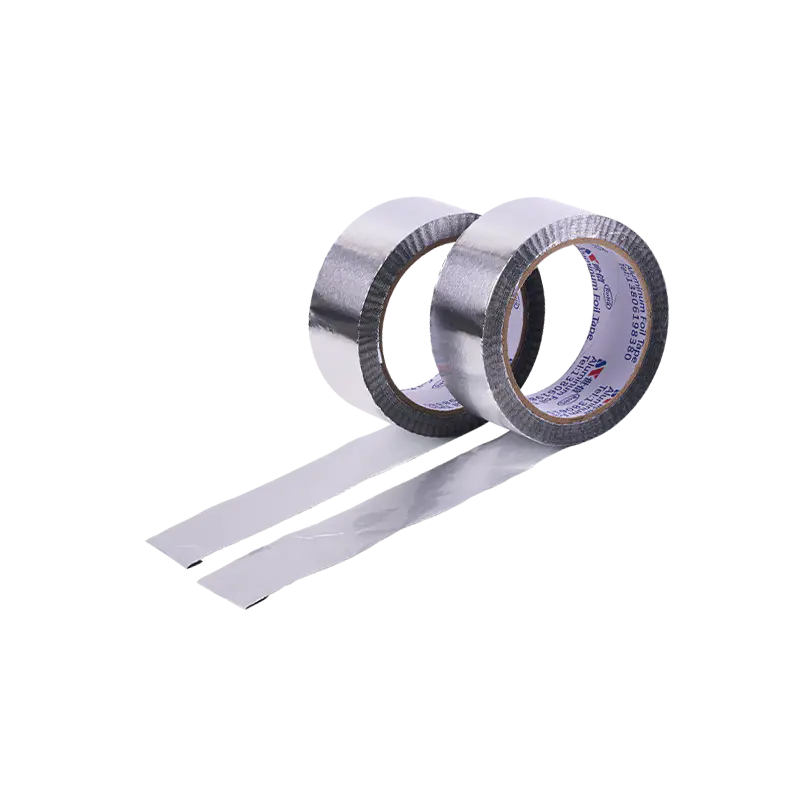
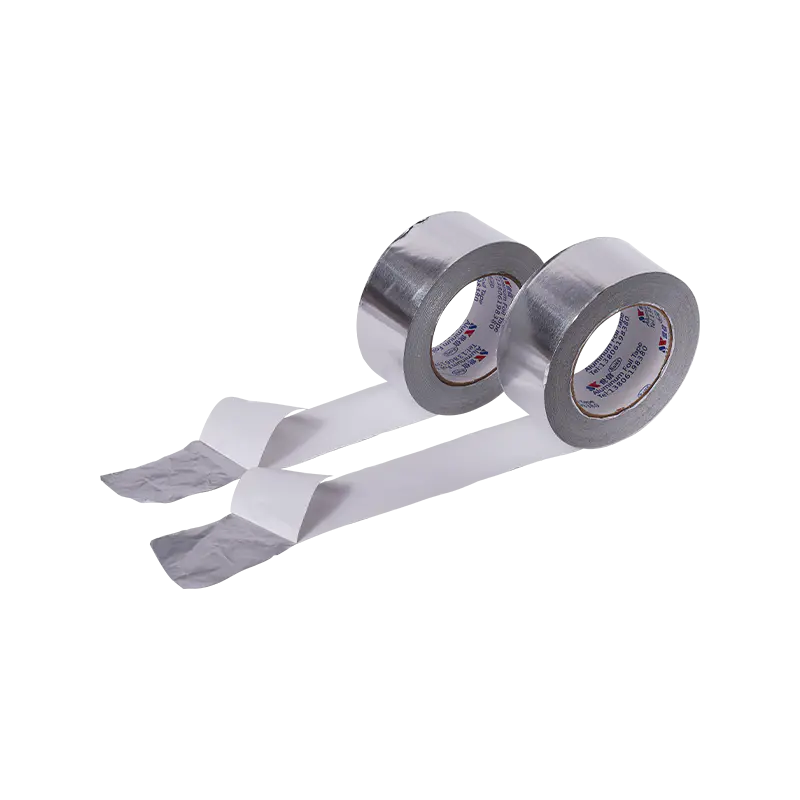
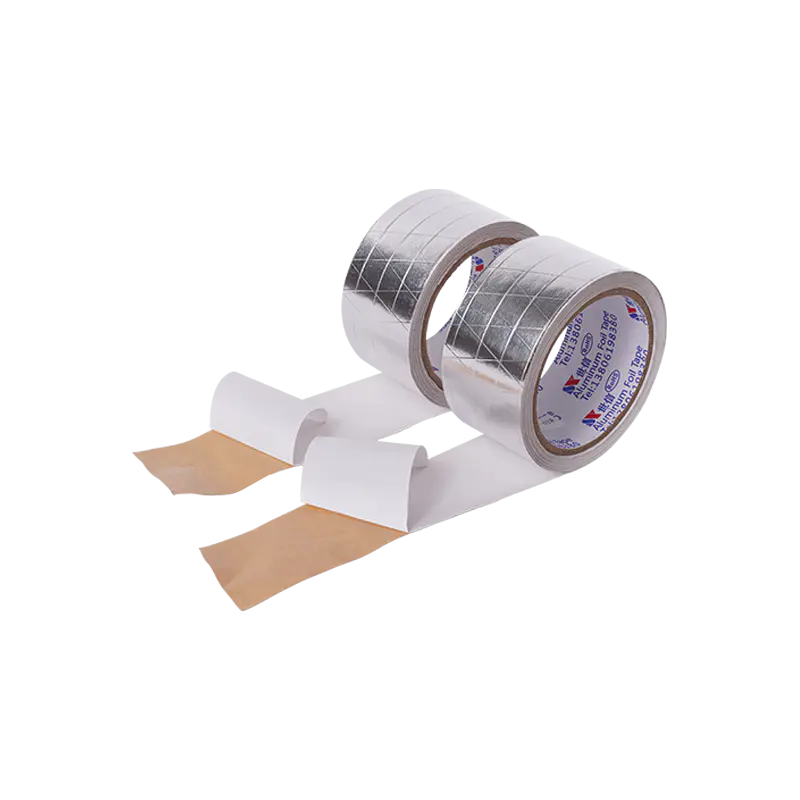
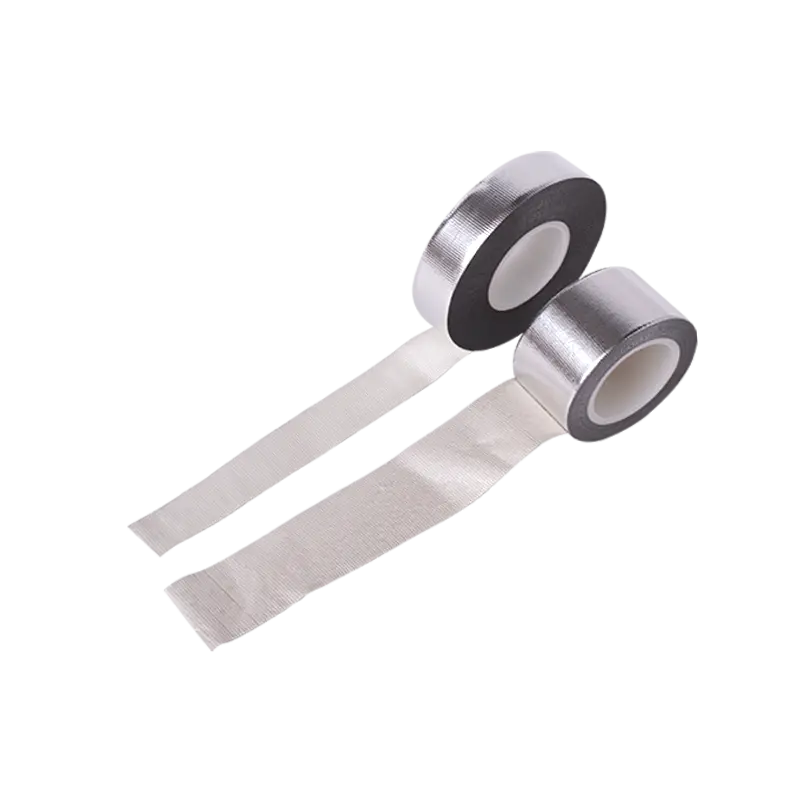
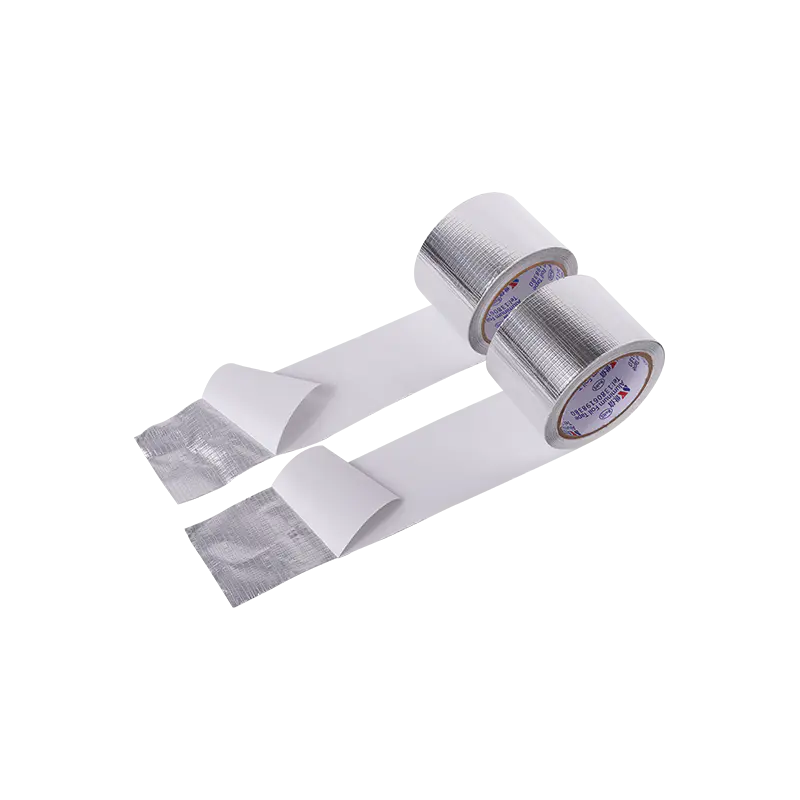
Fiberglass Cloth Aluminum Foil Tape is a high-strength composite industrial tape designed for applications requiring thermal insulation, flame resistance, vapor sealing, mechanical reinforcement, and long-term durability under demanding environmental conditions.
Unlike conventional aluminum foil tape, this reinforced structure integrates fiberglass cloth between the aluminum foil and adhesive layers, significantly improving tensile strength, tear resistance, puncture resistance, and dimensional stability. The tape is widely used in industrial insulation systems, HVAC installations, roofing protection, fireproof coverings, pipe wrapping, and heavy-duty packaging applications.
The performance of fiberglass cloth aluminum foil tape is determined by its multilayer composite construction. Each layer contributes specific thermal, mechanical, and environmental protection properties.
|
Layer Structure |
Material |
Primary Function |
|
Top Layer |
Aluminum Foil |
Heat reflection, moisture barrier, flame resistance |
|
Middle Reinforcement Layer |
Fiberglass Cloth |
Mechanical reinforcement and dimensional stability |
|
Adhesive Layer |
Composite Adhesive |
Surface bonding and environmental durability |
|
Bottom Protection Layer |
Release Paper |
Protects adhesive before installation |
This composite structure combines the thermal efficiency of aluminum foil with the structural strength of fiberglass reinforcement, creating a tape system capable of operating under heavy mechanical and thermal stress.
The aluminum foil surface provides several important functional characteristics:
The foil layer also contributes to thermal conductivity in heat transfer applications while maintaining low permeability against water vapor and air leakage.
Fiberglass cloth is the key reinforcement component that differentiates this tape from ordinary aluminum foil tape. The woven fiberglass structure significantly improves mechanical durability and structural integrity.
Under industrial conditions involving vibration, thermal expansion, bending, or physical impact, fiberglass reinforcement helps prevent tearing, puncture damage, and deformation.
|
Mechanical Property |
Fiberglass Reinforced Tape |
Standard Aluminum Foil Tape |
|
Tensile Strength |
High |
Moderate |
|
Tear Resistance |
Excellent |
Limited |
|
Puncture Resistance |
Excellent |
Moderate |
|
Thermal Cycling Stability |
High |
Moderate |
|
Dimensional Stability |
Excellent |
Moderate |
These improvements make fiberglass cloth aluminum foil tape suitable for demanding industrial sealing and reinforcement applications.
The tape may use different adhesive systems depending on the intended application environment. Common adhesive types include water-based acrylic, solvent-based acrylic, and hot melt adhesives.
|
Adhesive Type |
Main Characteristics |
Typical Application Environment |
|
Water-Based Acrylic |
Balanced cost and environmental stability |
General insulation and indoor sealing |
|
Solvent-Based Acrylic |
Improved temperature and weather resistance |
Industrial and outdoor applications |
|
Hot Melt Adhesive |
High initial tack and fast bonding |
Packaging and rapid assembly operations |
The adhesive layer ensures stable bonding performance across metal surfaces, insulation materials, roofing structures, and industrial substrates.
Fiberglass cloth aluminum foil tape uses a single-sided adhesive design, allowing controlled bonding to target surfaces while preserving the exposed aluminum surface for heat reflection and environmental protection.
The release paper protects the adhesive during storage and transportation and improves installation efficiency during manual or machine-assisted application.
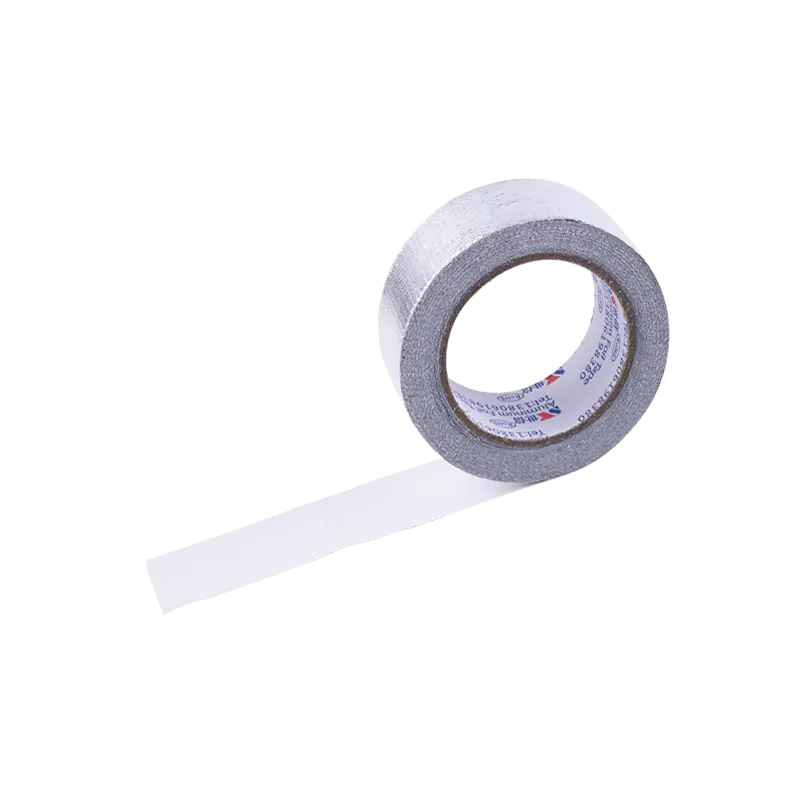
Compared with ordinary foil tape, fiberglass reinforced aluminum foil tape provides improved resistance to thermal cycling, flame exposure, humidity, and chemical environments.
Industrial systems frequently experience repeated expansion and contraction caused by temperature variation. The fiberglass reinforcement helps maintain dimensional stability and reduces the risk of cracking or edge lifting under these conditions.
|
Environmental Property |
Performance Level |
|
Heat Resistance |
Excellent |
|
Flame Retardancy |
High |
|
Moisture Resistance |
Excellent |
|
Chemical Corrosion Resistance |
Good |
|
Thermal Cycling Stability |
Excellent |
Because of its balanced thermal and mechanical properties, fiberglass cloth aluminum foil tape is used across multiple industrial sectors.
|
Technical Parameter |
Typical Range |
|
Total Thickness |
120 μm – 300 μm |
|
Foil Thickness |
18 μm – 80 μm |
|
Adhesive Type |
Acrylic / Solvent / Hot Melt |
|
Bonding Surface |
Single-sided |
|
Reinforcement Material |
Fiberglass Cloth |
|
Release Layer |
Release Paper |
Fiberglass cloth aluminum foil tape combines thermal insulation capability, mechanical reinforcement, environmental durability, and flame-resistant performance into a single engineered composite system, making it suitable for demanding industrial insulation and protection applications.
Fiberglass reinforcement is one of the most important structural features in Fiberglass Cloth Aluminum Foil Tape. By integrating woven fiberglass cloth into the composite structure, the tape achieves significantly higher mechanical strength, dimensional stability, and resistance to physical damage compared with conventional aluminum foil tape.
Industrial insulation and sealing systems are frequently exposed to vibration, thermal expansion, bending stress, puncture hazards, and environmental aging. Standard foil tapes may tear, wrinkle, or lose structural integrity under these conditions. Fiberglass reinforcement helps overcome these limitations by providing a stable load-bearing layer within the tape structure.
The fiberglass cloth layer acts as a structural skeleton embedded within the tape. The woven glass fibers distribute mechanical stress more evenly across the tape surface, reducing localized deformation and improving overall durability.
When the tape experiences pulling force, bending, or thermal movement, the fiberglass reinforcement helps maintain dimensional stability while minimizing tearing and cracking.
|
Structural Component |
Main Mechanical Function |
|
Aluminum Foil |
Surface barrier and thermal reflection |
|
Fiberglass Cloth |
Tensile reinforcement and tear resistance |
|
Composite Adhesive |
Surface bonding and flexibility |
|
Release Paper |
Adhesive protection during handling |
Tensile strength refers to the tape's ability to resist pulling forces without breaking. Fiberglass cloth reinforcement substantially increases tensile performance, making the tape suitable for heavy-duty industrial applications.
This characteristic is especially important in pipe wrapping, insulation board reinforcement, and industrial packaging systems where the tape may experience continuous mechanical stress during installation or operation.
|
Property |
Fiberglass Reinforced Tape |
Ordinary Aluminum Foil Tape |
|
Tensile Strength |
High |
Moderate |
|
Load Distribution |
Excellent |
Limited |
|
Resistance to Stretching |
Excellent |
Moderate |
|
Dimensional Stability |
High |
Moderate |
The reinforced structure allows the tape to maintain its integrity even when exposed to tension generated by thermal movement or mechanical vibration.
Ordinary aluminum foil tape can tear relatively easily once a small cut or edge defect forms. Fiberglass reinforcement significantly improves tear propagation resistance by preventing cracks from spreading through the tape structure.
The woven fiberglass network acts as a mechanical barrier that interrupts tearing pathways and distributes stress across multiple fiber directions.
Industrial insulation systems are frequently exposed to sharp edges, rough metal surfaces, fasteners, and mechanical impact during installation and maintenance. Fiberglass cloth reinforcement improves puncture resistance by increasing structural rigidity and impact distribution capability.
|
Mechanical Challenge |
Reinforced Tape Response |
|
Sharp Surface Contact |
Reduced puncture penetration |
|
Mechanical Handling Damage |
Improved structural protection |
|
Pipe Surface Friction |
Higher abrasion resistance |
|
Industrial Packaging Stress |
Enhanced load-bearing capability |
This property is particularly valuable for heavy-duty packaging, industrial pipe insulation, and protective wrapping systems.
Thermal cycling occurs when materials repeatedly expand and contract due to changing temperatures. Conventional foil tapes may wrinkle, deform, or lift at the edges under continuous thermal movement.
Fiberglass reinforcement stabilizes the tape structure and minimizes dimensional changes during heating and cooling cycles. This improves sealing reliability and extends service life in environments exposed to fluctuating temperatures.
|
Thermal Cycling Property |
Fiberglass Reinforced Tape |
Standard Foil Tape |
|
Expansion Stability |
Excellent |
Moderate |
|
Resistance to Wrinkling |
High |
Moderate |
|
Edge Lifting Resistance |
Excellent |
Limited |
|
Long-Term Structural Integrity |
High |
Moderate |
Mechanical stress, thermal aging, and repeated bending can cause ordinary foil tapes to crack or deform over time. Fiberglass cloth reinforcement improves flexibility while simultaneously maintaining structural stability.
This balance between flexibility and strength allows the tape to conform to curved or uneven surfaces without losing integrity during long-term operation.
The reinforced structure makes fiberglass cloth aluminum foil tape suitable for industrial environments requiring higher mechanical reliability than conventional foil tape can provide.
|
Application Area |
Mechanical Requirement |
Reinforcement Benefit |
|
Industrial Piping |
Thermal movement resistance |
Improved dimensional stability |
|
Roof Insulation |
Weather and stress resistance |
Enhanced durability |
|
Fireproof Covers |
Structural stability under heat |
Reduced cracking risk |
|
Heavy Packaging |
Puncture and tear resistance |
Higher mechanical strength |
|
Insulation Boards |
Long-term adhesion stability |
Reduced edge deformation |
Mechanical durability directly affects the long-term reliability of insulation and sealing systems. Fiberglass reinforcement improves the tape's resistance to physical damage, thermal fatigue, and environmental stress, reducing maintenance requirements and extending operational life.
By combining aluminum foil thermal performance with fiberglass structural reinforcement, fiberglass cloth aluminum foil tape provides a balanced solution for demanding industrial applications requiring both thermal efficiency and high mechanical strength.
Fiberglass Cloth Aluminum Foil Tape is engineered to provide a combination of thermal insulation, flame resistance, vapor sealing, and environmental durability in demanding industrial environments. Its multilayer composite structure integrates aluminum foil, fiberglass cloth reinforcement, and industrial adhesive systems to achieve stable performance under heat, moisture, thermal cycling, and chemical exposure.
Compared with ordinary aluminum foil tape, fiberglass reinforced foil tape demonstrates improved stability under extreme operating conditions due to its reinforced mechanical structure and enhanced resistance to thermal deformation.
The aluminum foil surface provides excellent radiant heat reflection capability. By reflecting thermal radiation away from insulated surfaces, the tape helps reduce heat transfer and improve energy efficiency in insulation systems.
In industrial piping, HVAC systems, and insulation boards, reflective foil surfaces contribute to thermal stability by minimizing heat gain and heat loss.
|
Thermal Property |
Typical Performance |
Industrial Benefit |
|
Radiant Heat Reflectivity |
Up to 95% |
Reduces external heat absorption |
|
Thermal Conductivity |
High |
Supports heat distribution efficiency |
|
Thermal Shielding |
Excellent |
Protects surrounding components |
|
Heat Retention Stability |
High |
Improves insulation efficiency |
The reflective aluminum surface also helps stabilize system temperature and improve operational energy efficiency in thermal management applications.
Fiberglass cloth reinforcement improves the tape's structural stability under elevated temperatures. Unlike ordinary foil tapes that may wrinkle or weaken during heat exposure, reinforced tape maintains dimensional integrity during prolonged thermal loading.
The maximum operating temperature depends on the adhesive system used, including water-based acrylic, solvent-based acrylic, or hot melt adhesive formulations.
|
Adhesive Type |
Typical Temperature Resistance |
Application Environment |
|
Water-Based Acrylic |
-10°C to 120°C |
General indoor insulation systems |
|
Solvent-Based Acrylic |
-20°C to 150°C |
Industrial and outdoor applications |
|
Hot Melt Adhesive |
0°C to 80°C |
Packaging and temporary sealing |
The fiberglass cloth layer helps prevent structural deformation caused by thermal expansion and contraction during repeated heating cycles.
Aluminum foil and fiberglass materials are both naturally resistant to flame propagation. This makes fiberglass cloth aluminum foil tape suitable for applications requiring enhanced fire protection and thermal shielding.
The tape is commonly used around fireproof covers, insulated mechanical systems, and industrial equipment exposed to elevated temperatures.
|
Property |
Fiberglass Reinforced Tape |
Ordinary Foil Tape |
|
Flame Resistance |
Excellent |
Moderate |
|
Thermal Deformation Resistance |
High |
Moderate |
|
Heat Exposure Stability |
Excellent |
Limited |
|
Structural Integrity Under Heat |
High |
Moderate |
Moisture protection is a critical requirement in insulation systems, refrigeration equipment, roofing structures, and HVAC ducting. The aluminum foil surface functions as a highly effective vapor barrier, helping prevent moisture penetration and condensation damage.
The reinforced structure also helps maintain sealing integrity during long-term humidity exposure and thermal cycling.
|
Barrier Property |
Performance Level |
Application Benefit |
|
Water Vapor Resistance |
Excellent |
Prevents insulation moisture absorption |
|
Humidity Resistance |
Excellent |
Improves long-term durability |
|
Air Leakage Resistance |
High |
Enhances HVAC sealing efficiency |
|
Condensation Protection |
Excellent |
Reduces corrosion risk |
Industrial environments may expose sealing materials to oils, cleaning agents, mild acids, alkalis, and chemical vapors. Fiberglass cloth aluminum foil tape provides improved resistance to environmental degradation caused by chemical exposure.
The aluminum surface acts as a protective barrier, while fiberglass reinforcement helps preserve structural stability under harsh operating conditions.
Thermal cycling refers to repeated heating and cooling that causes expansion and contraction stress in insulation systems. Ordinary foil tape may wrinkle, crack, or experience adhesive lifting under these conditions.
Fiberglass reinforcement improves dimensional stability and reduces mechanical stress concentration, making the tape more reliable during long-term thermal cycling exposure.
|
Thermal Cycling Property |
Fiberglass Reinforced Tape |
Standard Foil Tape |
|
Dimensional Stability |
Excellent |
Moderate |
|
Resistance to Wrinkling |
High |
Moderate |
|
Edge Lifting Resistance |
Excellent |
Limited |
|
Long-Term Seal Integrity |
High |
Moderate |
Outdoor industrial systems often experience ultraviolet radiation, rain exposure, temperature fluctuation, and environmental contamination. Fiberglass reinforced foil tape provides improved weather resistance compared with conventional foil tape structures.
The reinforced composite structure maintains sealing integrity and mechanical stability during long-term environmental exposure, making it suitable for roof insulation, outdoor duct systems, and industrial protective wrapping.
|
Environmental Factor |
Performance Characteristic |
|
UV Exposure |
Good weather resistance |
|
Humidity |
Stable vapor barrier protection |
|
Temperature Fluctuation |
High dimensional stability |
|
Outdoor Aging |
Improved structural durability |
The effectiveness of fiberglass cloth aluminum foil tape depends on balancing thermal insulation, flame resistance, vapor sealing, and structural durability within a single composite system.
By combining reflective aluminum foil, fiberglass reinforcement, and industrial adhesive technologies, the tape provides reliable long-term performance in demanding thermal insulation, fire protection, and industrial sealing applications.
Fiberglass Cloth Aluminum Foil Tape is widely used in industrial environments that require high mechanical strength, thermal insulation, vapor sealing, flame resistance, and long-term durability under demanding operating conditions. Its reinforced composite structure makes it suitable for applications where ordinary aluminum foil tape may fail due to tearing, puncture damage, thermal cycling, or environmental exposure.
The combination of aluminum foil, fiberglass cloth reinforcement, and industrial adhesive systems allows the tape to perform reliably across insulation systems, heavy-duty sealing operations, roofing structures, fireproof assemblies, and industrial packaging applications.
One of the most common applications for fiberglass cloth aluminum foil tape is industrial pipe insulation. Pipes carrying steam, hot fluids, chilled liquids, or industrial gases require sealing materials capable of resisting heat, moisture, vibration, and mechanical stress.
The reinforced structure improves dimensional stability during thermal expansion and contraction, helping maintain long-term insulation integrity.
|
Pipe System Requirement |
Functional Benefit of Reinforced Foil Tape |
|
Thermal Insulation Retention |
Reduces heat loss and thermal leakage |
|
Vibration Resistance |
Improves mechanical durability |
|
Moisture Protection |
Provides vapor barrier sealing |
|
Thermal Cycling Stability |
Reduces edge lifting and cracking |
Roof insulation systems are exposed to continuous ultraviolet radiation, rain, humidity, and temperature fluctuations. Fiberglass cloth aluminum foil tape is used to reinforce insulation seams, repair reflective insulation surfaces, and improve moisture resistance in roofing structures.
The fiberglass reinforcement improves structural stability under outdoor conditions, while the aluminum foil surface reflects radiant heat and enhances thermal insulation performance.
|
Roofing Challenge |
Reinforced Tape Performance |
|
UV Exposure |
Improved environmental durability |
|
Rain and Humidity |
Strong moisture barrier protection |
|
Thermal Expansion |
Enhanced dimensional stability |
|
Surface Cracking Risk |
High tear resistance |
The tape is commonly used in reflective roof insulation systems where both waterproofing and thermal management are required.
Fiberglass cloth aluminum foil tape is frequently used in fireproof protective covers and thermal shielding systems because both aluminum foil and fiberglass materials exhibit strong flame-resistant characteristics.
The reinforced structure helps maintain integrity under elevated temperatures and protects insulation materials from direct heat exposure.
|
Fire Protection Requirement |
Performance Contribution |
|
Heat Shielding |
Reflective aluminum surface reduces radiant heat |
|
Flame Resistance |
Improved thermal protection capability |
|
Structural Stability |
Fiberglass reinforcement resists deformation |
|
Long-Term Heat Exposure |
Maintains dimensional integrity |
Insulation boards used in industrial buildings, HVAC systems, and thermal management assemblies often require durable joint sealing materials capable of resisting moisture penetration and mechanical movement.
Fiberglass reinforced foil tape provides stable adhesion and improved mechanical strength compared with standard foil tapes, helping prevent insulation separation and edge damage over time.
|
Insulation Board Requirement |
Reinforced Tape Advantage |
|
Joint Sealing |
Improved airtight performance |
|
Mechanical Reinforcement |
Higher tear resistance |
|
Moisture Protection |
Excellent vapor barrier capability |
|
Dimensional Stability |
Reduced deformation under temperature variation |
The reinforced structure also improves long-term reliability in large insulation panel systems exposed to continuous environmental stress.
Compared with ordinary aluminum foil tape, fiberglass reinforced tape provides superior puncture resistance and tensile strength, making it suitable for heavy-duty packaging and industrial protective wrapping applications.
Industrial packaging systems often involve rough handling, mechanical friction, and heavy loads. The fiberglass cloth layer improves the tape's ability to withstand these stresses without tearing.
|
Mechanical Requirement |
Fiberglass Reinforced Tape |
Ordinary Foil Tape |
|
Tear Resistance |
Excellent |
Moderate |
|
Puncture Resistance |
High |
Limited |
|
Heavy Load Stability |
Excellent |
Moderate |
|
Abrasion Resistance |
High |
Moderate |
HVAC systems require durable sealing materials capable of maintaining airtight performance under vibration, temperature fluctuation, and long-term airflow exposure.
Fiberglass cloth aluminum foil tape is used to seal duct joints, reinforce insulation layers, and improve thermal efficiency in ventilation systems.
|
HVAC Requirement |
Functional Benefit |
|
Air Leakage Prevention |
Improved sealing performance |
|
Thermal Efficiency |
Reflective insulation support |
|
Vibration Resistance |
Stable structural integrity |
|
Humidity Protection |
Strong vapor barrier capability |
The versatility of fiberglass cloth aluminum foil tape comes from its ability to combine thermal insulation, mechanical reinforcement, flame resistance, and environmental durability within a single composite structure.
|
Industrial Requirement |
Composite Tape Capability |
|
Thermal Insulation |
High heat reflection performance |
|
Mechanical Strength |
Excellent tear and puncture resistance |
|
Moisture Protection |
Effective vapor barrier sealing |
|
Fire Protection |
Enhanced flame retardant performance |
|
Long-Term Stability |
Improved resistance to thermal cycling |
These balanced performance characteristics make fiberglass cloth aluminum foil tape suitable for demanding industrial insulation, sealing, fireproofing, and protection systems where both thermal and mechanical reliability are critical.
Selecting the appropriate Fiberglass Cloth Aluminum Foil Tape requires careful evaluation of operating temperature, mechanical stress, environmental exposure, adhesive compatibility, and installation conditions. Different industrial systems place different performance demands on reinforcement strength, thermal stability, vapor sealing capability, and long-term durability.
A properly selected reinforced foil tape can improve insulation efficiency, structural reliability, fire protection performance, and service life, while incorrect material selection may lead to adhesive failure, cracking, moisture penetration, or insulation degradation.
The adhesive system directly affects bonding strength, temperature resistance, environmental durability, and installation behavior. Fiberglass cloth aluminum foil tape commonly uses water-based acrylic, solvent-based acrylic, or hot melt adhesive systems.
|
Adhesive Type |
Main Characteristics |
Recommended Application Environment |
|
Water-Based Acrylic |
Balanced cost and environmental stability |
General indoor insulation and HVAC systems |
|
Solvent-Based Acrylic |
Higher heat and weather resistance |
Industrial piping and outdoor applications |
|
Hot Melt Adhesive |
Strong initial tack and rapid bonding |
Heavy-duty packaging and temporary sealing |
For high-temperature systems and outdoor environments, solvent-based acrylic adhesive generally provides improved long-term stability. For standard indoor insulation systems, water-based acrylic adhesive offers a balanced performance-to-cost ratio.
Industrial systems may experience continuous heat exposure, freezing temperatures, or repeated thermal cycling. The selected tape must maintain adhesion, flexibility, and dimensional stability throughout the operating temperature range.
|
Application Environment |
Typical Temperature Range |
Recommended Tape Configuration |
|
HVAC Duct Systems |
-10°C to 120°C |
Water-based or solvent-based acrylic |
|
Industrial Hot Pipes |
80°C to 150°C |
Solvent-based acrylic reinforced tape |
|
Roof Insulation Systems |
-20°C to 120°C |
Weather-resistant reinforced structure |
|
Packaging Applications |
0°C to 80°C |
Hot melt adhesive system |
Applications involving thermal cycling require reinforced tape structures with high dimensional stability to minimize edge lifting and material deformation.
Fiberglass cloth density and reinforcement thickness determine the tape's tensile strength, tear resistance, puncture resistance, and structural durability.
Higher reinforcement density improves mechanical performance but may reduce flexibility on highly curved or irregular surfaces.
|
Reinforcement Level |
Main Characteristics |
Typical Applications |
|
Light Reinforcement |
Higher flexibility and conformability |
HVAC ducts and insulation boards |
|
Medium Reinforcement |
Balanced strength and flexibility |
General industrial insulation systems |
|
Heavy Reinforcement |
Maximum tear and puncture resistance |
Heavy-duty packaging and pipe wrapping |
The optimal reinforcement level depends on the amount of mechanical stress expected during installation and long-term operation.
Aluminum foil thickness affects thermal reflection performance, puncture resistance, flexibility, and vapor barrier capability.
|
Foil Thickness |
Performance Characteristics |
Recommended Use |
|
18–30 μm |
High flexibility and easy conformability |
Curved surfaces and lightweight insulation |
|
30–60 μm |
Balanced durability and flexibility |
General industrial insulation systems |
|
60–80 μm |
Higher puncture and heat resistance |
Heavy-duty industrial protection systems |
Thicker foil structures generally provide improved mechanical protection and thermal shielding but may be less flexible for complex surface geometries.
Environmental factors such as humidity, ultraviolet radiation, chemical exposure, and outdoor weathering significantly influence long-term tape performance.
|
Environmental Factor |
Required Tape Property |
|
Moisture Exposure |
Excellent vapor sealing capability |
|
Outdoor Weathering |
UV and oxidation resistance |
|
Chemical Exposure |
Corrosion-resistant structure |
|
Thermal Cycling |
High dimensional stability |
|
Mechanical Vibration |
Strong fiberglass reinforcement |
The shape and texture of the installation surface influence tape flexibility and bonding performance. Flat surfaces may prioritize mechanical durability, while curved or irregular surfaces require higher conformability.
|
Surface Condition |
Recommended Tape Characteristic |
|
Flat Insulation Panels |
Higher reinforcement and thicker foil |
|
Curved Pipes |
Improved flexibility and conformability |
|
Textured Surfaces |
Strong adhesive wetting capability |
|
Vibration-Prone Equipment |
Enhanced structural reinforcement |
The tape should maintain close surface contact without excessive wrinkling or stress concentration during installation.
Installation methods also affect tape selection. Manual application often requires easy handling and liner removal, while automated production systems require stable dimensional accuracy and controlled release characteristics.
The best fiberglass cloth aluminum foil tape is selected by balancing thermal insulation performance, mechanical durability, environmental resistance, and installation efficiency according to the specific application environment.
|
Selection Priority |
Recommended Focus |
|
Thermal Insulation |
High heat reflectivity and vapor sealing |
|
Mechanical Durability |
Fiberglass reinforcement density |
|
Environmental Stability |
Weather and chemical resistance |
|
Installation Efficiency |
Flexible structure and release paper quality |
|
Long-Term Reliability |
Thermal cycling resistance |
Industrial insulation and sealing systems often operate under complex conditions involving temperature fluctuation, humidity, mechanical stress, and environmental exposure. Selecting the correct fiberglass cloth aluminum foil tape requires evaluating all operational factors rather than focusing on a single performance parameter.
By carefully matching adhesive type, reinforcement strength, foil thickness, and environmental durability requirements, users can improve thermal efficiency, sealing reliability, and long-term system performance across a wide range of industrial applications.

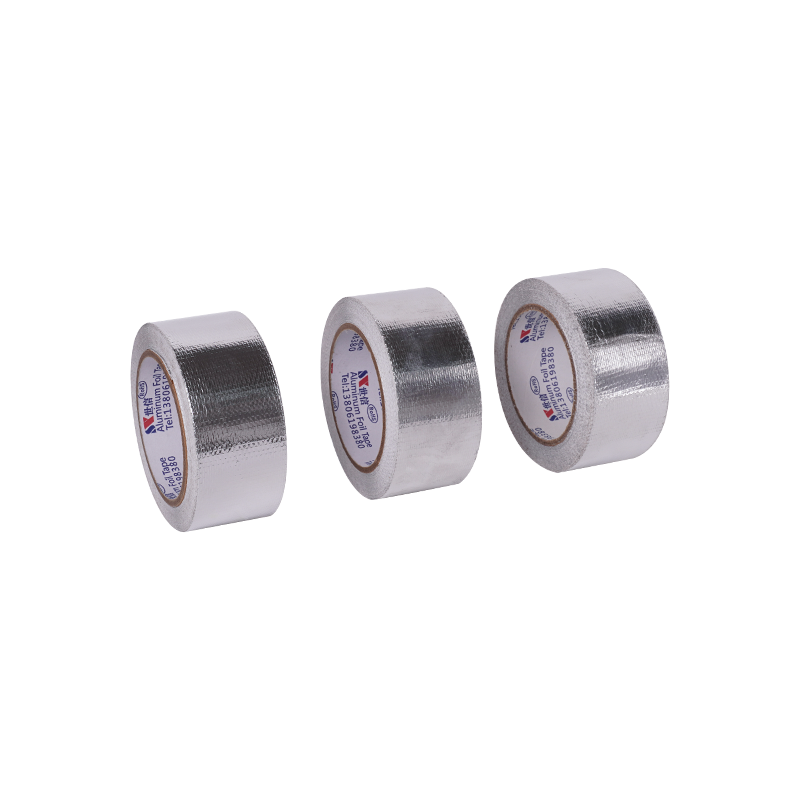
Our company has been engaged in the tape manufacturing industry for more than 20 years, and has been focusing on various types of aluminum foil tapes, foam tapes, refrigerator tapes, etc.
Miya Miao
Email:[email protected]
Mobile/Whatsapp: +86 190 3379 1110
Mars Gong
Email:[email protected]
Mobile/Whatsapp: +86 159 5136 0053
Address: West side of Yingbin Avenue and south side of hengwang packaging. Suqian Economic and Technological Development Zone,Jiangsu Province
Copyright © Jiangsu Shixin Adhesive Tape Product Co., Ltd. All Rights Reserved. Custom ODM Refrigerator Foil Adhesive Tapes Manufacturers