2026-09-24
Content
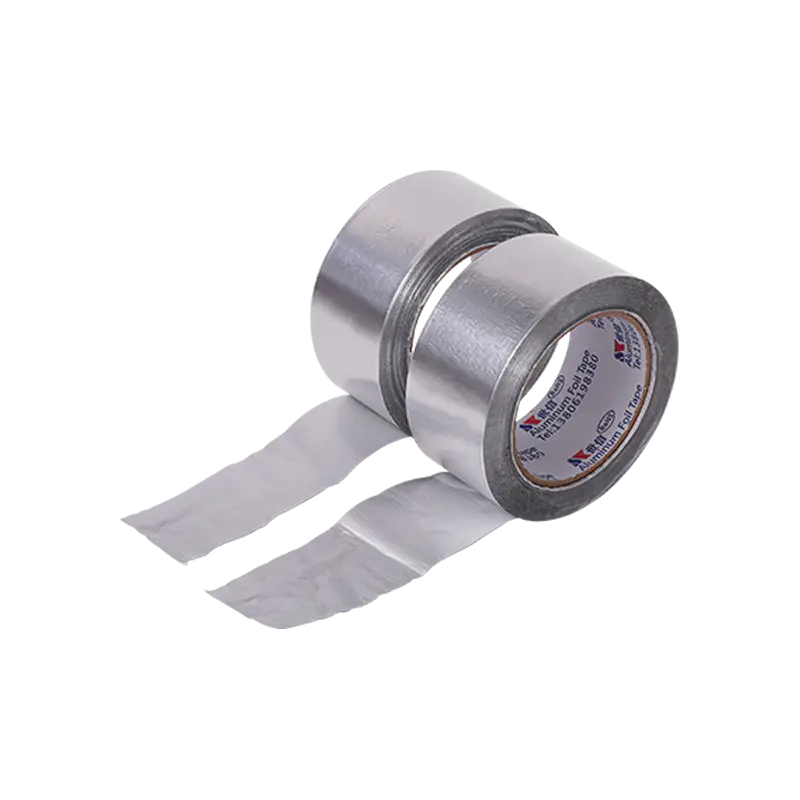
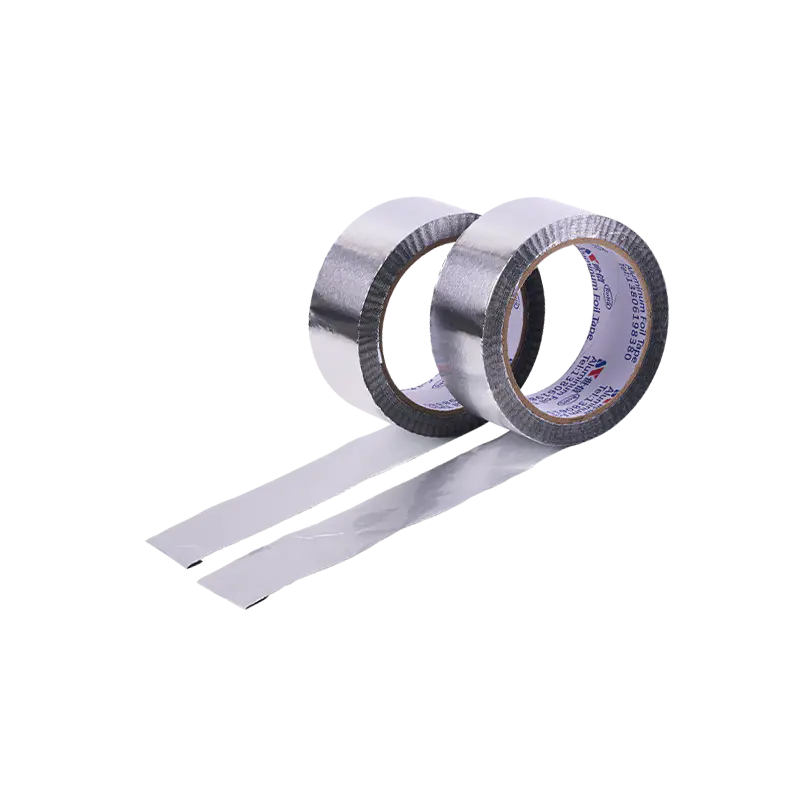
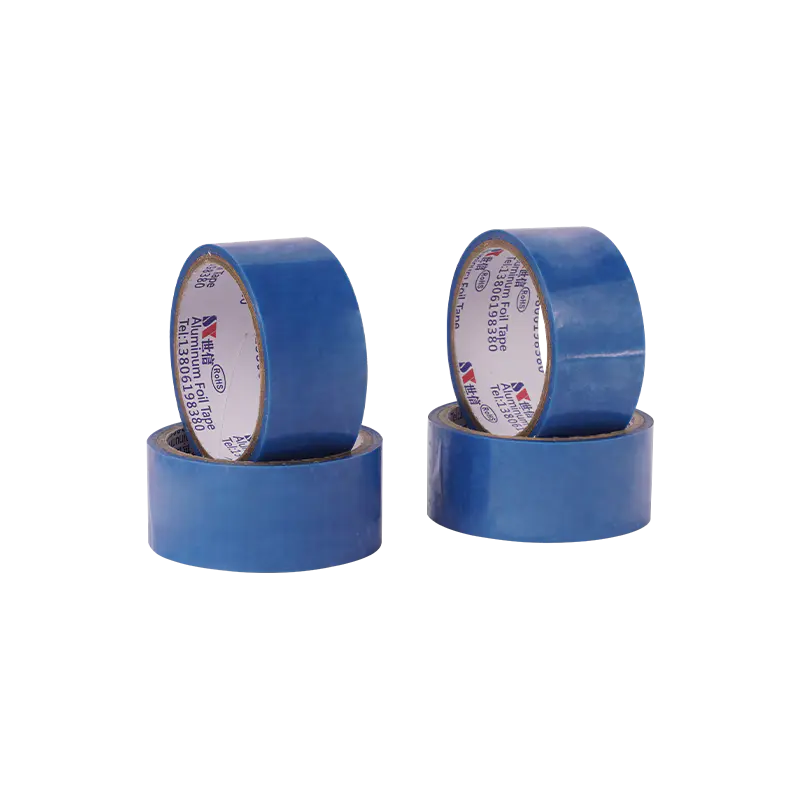
For smart toilet heating seat rings, heat-sealable aluminum foil tape must be selected by the complete application environment, not by tape thickness or initial tack alone. The adhesive system must match PP plastic bonding, the heat-sealing process parameters must align with production conditions, and the tape structure must pass humidity, thermal shock, and long-term heated-operation testing. HSL foil tape from Shixin Tape addresses heating wire fixation, heat transfer support, moisture resistance, and assembly consistency as a combined package, not as separate checkboxes.
A smart toilet heating seat ring is a compact, precision heating assembly that lives in one of the most demanding environments a consumer product can face: a bathroom. High ambient humidity, frequent cleaning with water and detergent, repeated heating and cooling cycles, and an expectation of reliable daily performance over years of use combine to create a testing environment that eliminates any tolerance for marginal tape specification.
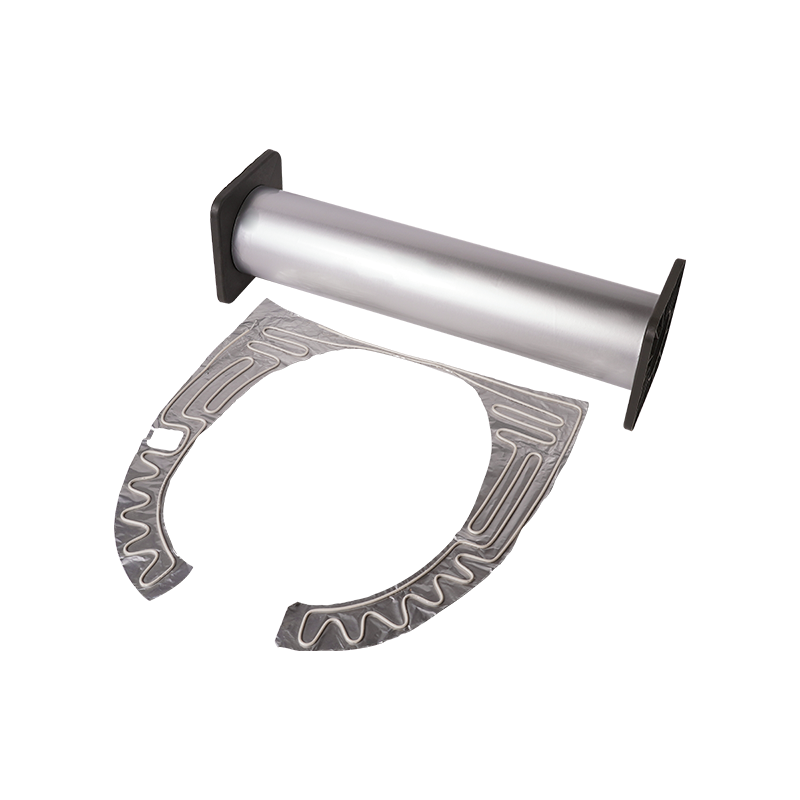
Inside the seat ring structure, PVC heating wires, flexible heating films, or customized heating modules must stay precisely positioned to ensure even heat distribution across the seating surface. If the tape holding these elements shifts, lifts at edges, wrinkles under heat, or loses adhesion after humidity exposure, the consequences cascade through the product: uneven warmth zones, heating element displacement, potential insulation compromise, and in finished products, user experience failures that generate returns and warranty claims.
This is why the tape used in toilet seat heater assemblies functions as a structural component, not simply a fastener. It must perform as a heat spreader, a moisture barrier, a positioning fixture, and a long-term bonding layer simultaneously. Standard office or general industrial aluminum foil tape is not designed for this combination of demands. A specialized tape structure — specifically HSL heat-sealable aluminum foil tape — is required to address all of them reliably.
Understanding what distinguishes HSL foil tape from general-purpose alternatives, how it interacts with PP plastic surfaces, and what validation testing is required before mass production starts gives manufacturers the framework to make a specification decision that will hold across the full service life of the product.
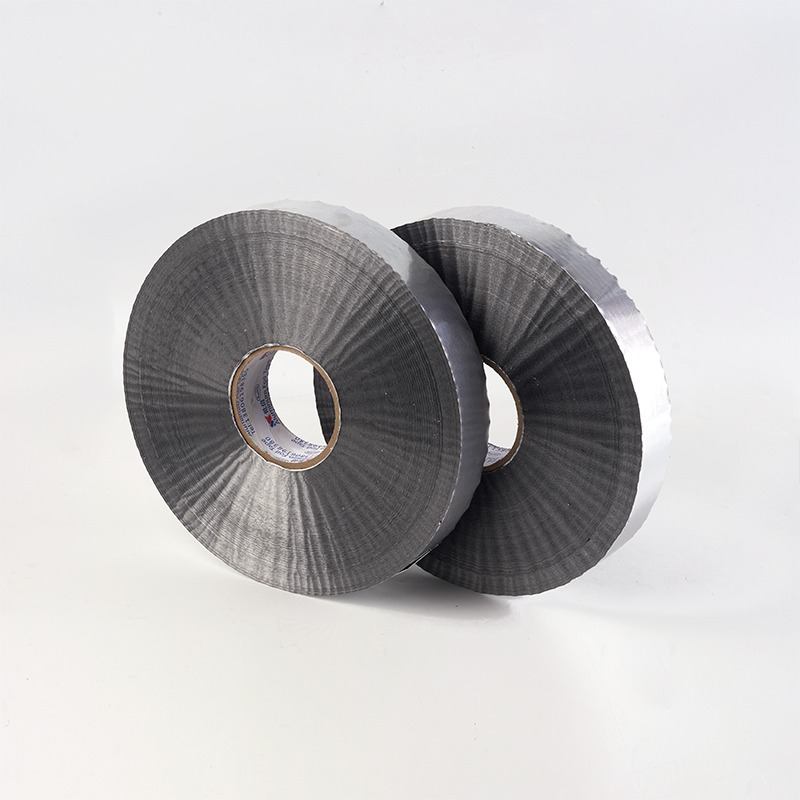
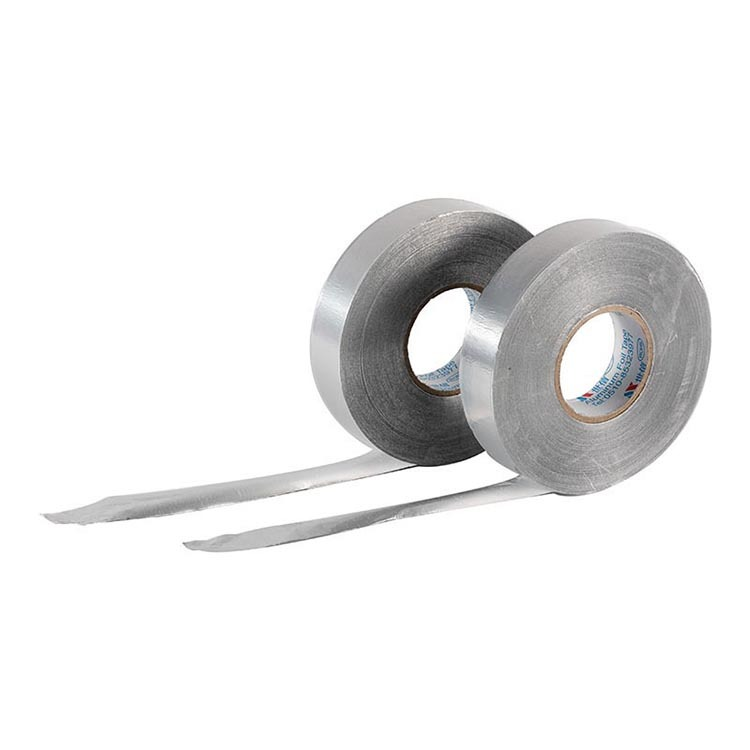
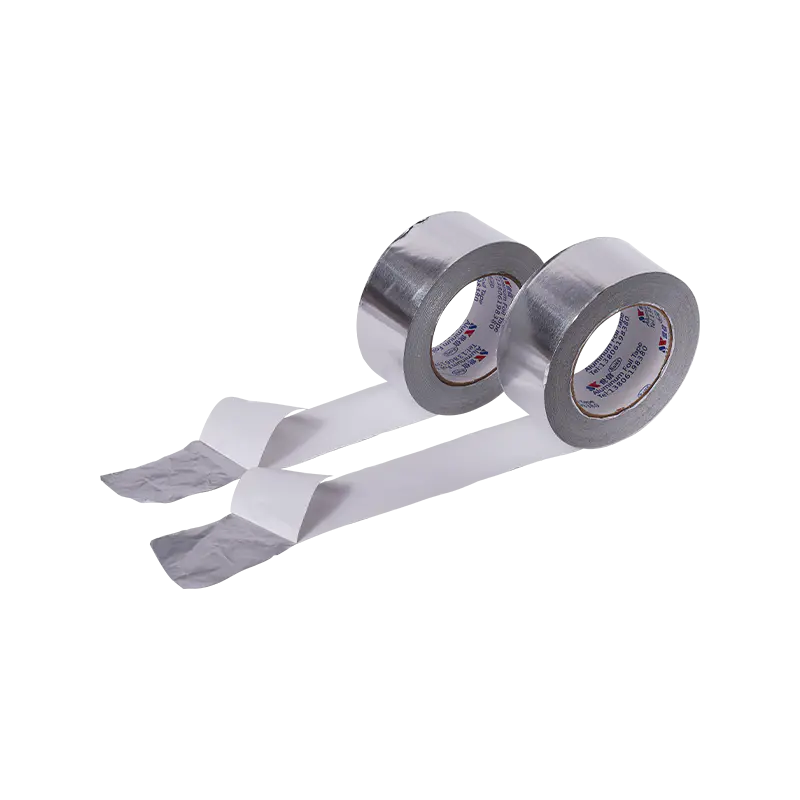
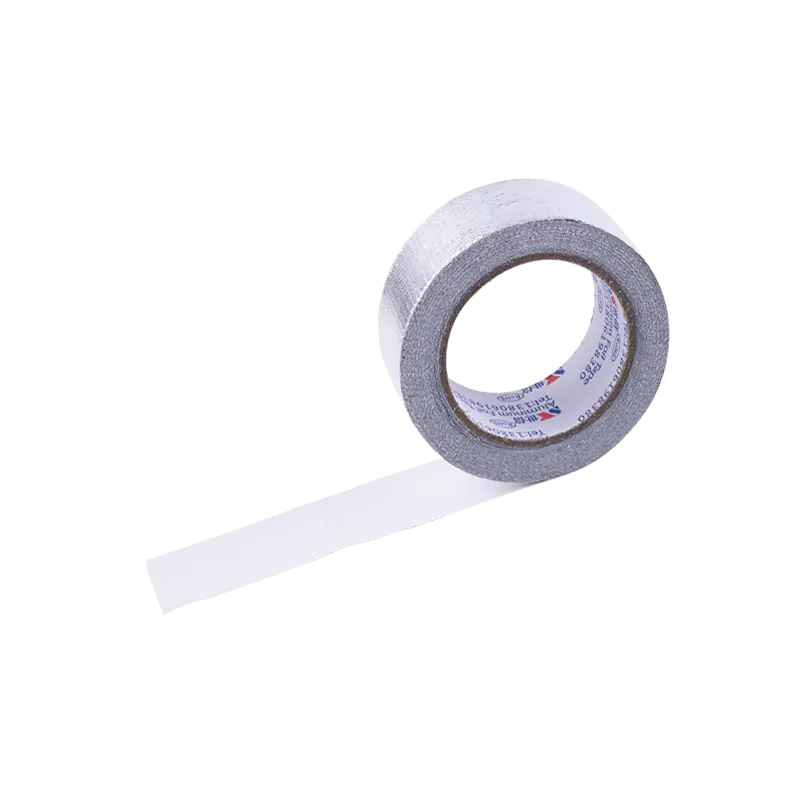
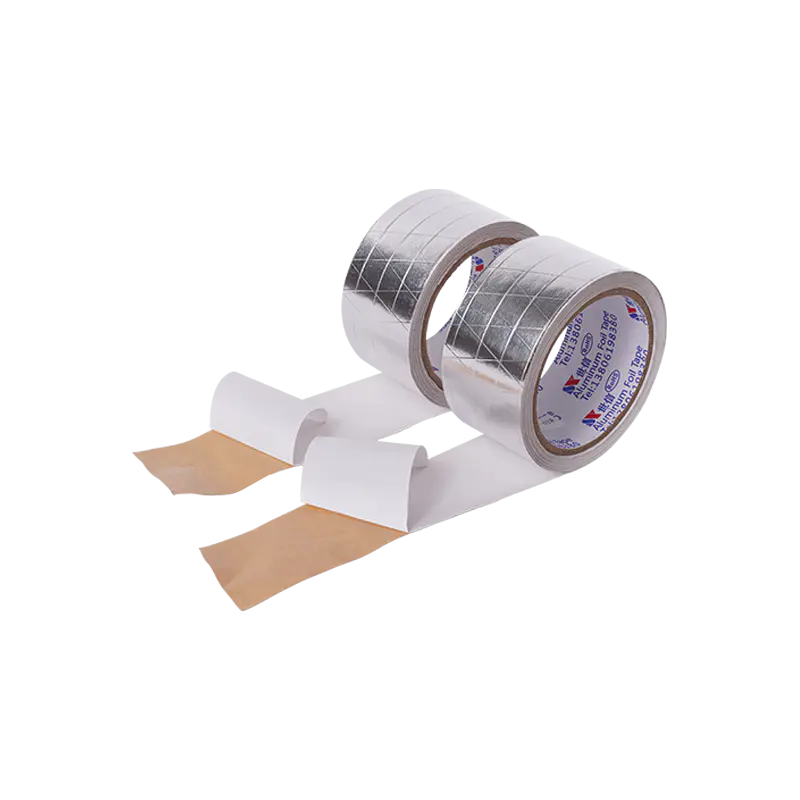
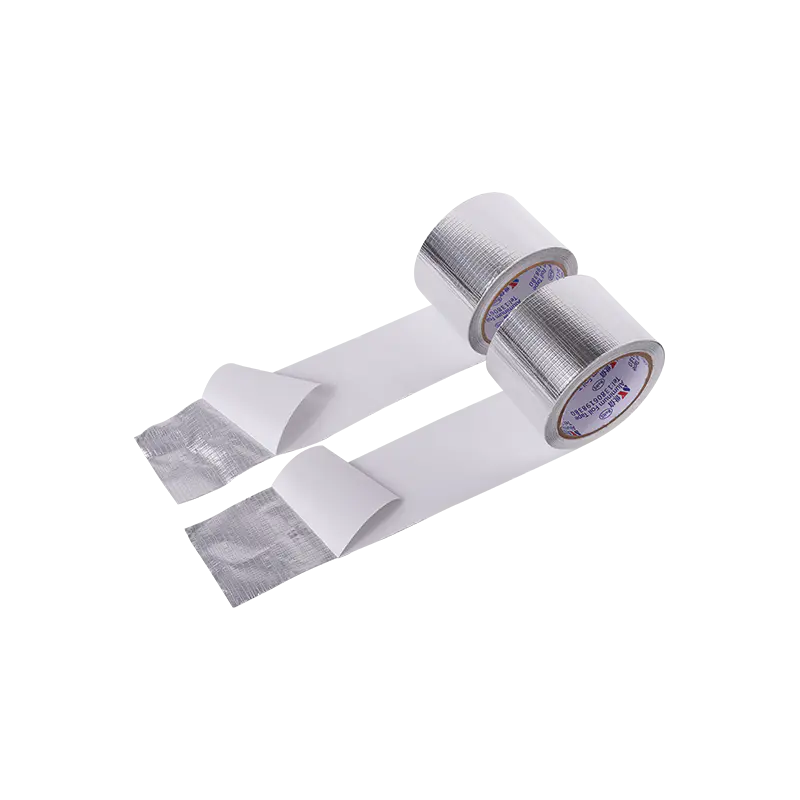
HSL heat-sealable aluminum foil tape is a multi-layer functional tape structure engineered for heating product assembly applications. The name reflects its defining characteristic: a heat-sealable adhesive layer that activates and bonds under controlled temperature, pressure, and dwell time conditions rather than relying solely on pressure-sensitive contact bonding at room temperature.
The typical HSL foil tape structure for toilet seat heater applications includes:
The distinction between this structure and a general-purpose aluminum foil tape is significant. A standard foil tape uses a single pressure-sensitive adhesive layer formulated for broad substrate compatibility and room-temperature application. HSL tape uses a deliberately engineered adhesive system where the bond to the heating element develops through the controlled energy input of the heat-sealing process, creating a bond depth and durability that PSA-only systems cannot match in heated, humid, and thermally cycled service environments.
For manufacturers new to HSL tape specification, the key practical point is this: the tape structure and the production process are interdependent. Choosing an HSL tape without confirming that the heat-sealing temperature, pressure, and dwell time parameters match the production equipment and the tape's activation requirements will produce inconsistent results regardless of tape quality.
Polypropylene is the dominant material in smart toilet seat ring construction. Its combination of lightweight processing advantages, chemical resistance, dimensional stability, and cost efficiency at scale makes it the natural choice for seat ring base structures. But PP creates a fundamental adhesion challenge that distinguishes toilet seat heater tape selection from tape selection for most other consumer electronics or appliance applications.
PP has a surface energy in the range of 29 to 32 millinewtons per meter. For comparison, many common adhesive systems are formulated to bond reliably to surfaces with surface energy above 35 to 40 millinewtons per meter. The practical consequence of this difference is that adhesives that bond well to ABS, PET, polycarbonate, metal, or glass may wet the PP surface poorly, resulting in low initial adhesion, edge lifting under minimal stress, and progressive delamination during thermal cycling and humidity exposure.
In the context of a toilet seat heating ring, the PP bonding challenge shows up in several specific failure modes:
Shixin Tape addresses the PP bonding challenge through adhesive system matching rather than a single standard adhesive formulation. For PP toilet seat cover applications, solvent acrylic adhesive and rubber adhesive options are both available for evaluation. Solvent acrylic systems offer aging resistance and consistent performance across a wide temperature range. Rubber adhesive systems offer higher initial tack and better immediate surface wetting on difficult substrates. The appropriate choice depends on the specific PP grade, any surface treatment or modification in use, the heat-sealing process parameters, and the reliability test requirements the finished product must pass.
The practical recommendation for any new PP bonding application is to test on the actual seat ring material, not on a generic PP test panel or a stainless steel standard substrate. PP surface properties vary enough between grades and production conditions that results on a test panel are not reliably predictive of real assembly performance.
The aluminum foil layer in HSL tape serves a function that is easy to overlook when evaluating tape purely as a bonding material: it acts as a thermal conductor and heat distributor within the seat ring assembly. In heated toilet seat applications, this heat spreading function directly affects the user experience and the reliability of the heating element over its service life.
Without a thermally conductive layer over the heating wire or heating film, heat dissipates unevenly. Areas directly above the heating element become warmer, while gaps between heating wire runs remain cooler. This thermal non-uniformity produces the warm and cold zones that users detect as uneven seat heating, a quality issue that affects perceived product value even when the heating element itself is functioning correctly.
The aluminum foil layer in HSL tape redistributes this localized heat laterally, smoothing the temperature gradient across the seat surface. The effectiveness of this redistribution depends on foil thickness, the contact quality between the foil and the heating element, and the thermal resistance of the adhesive layer between the foil and the heating component. This is why the heat-sealable adhesive bond quality is not only a mechanical specification — it is also a thermal interface specification. A poor bond means higher thermal resistance between the heating element and the foil, reducing the heat spreading effectiveness of the tape.
For manufacturers who have experienced complaints about uneven seat heating or thermal hot spots on the element, evaluating the thermal contact quality of the tape bond is often a productive diagnostic starting point before concluding that the heating element design is the root cause.
Initial adhesion is easy to measure and easy to pass. It tells you whether the tape holds under ideal conditions immediately after application. It tells you almost nothing about whether the tape will hold after 18 months of bathroom use, 500 heating and cooling cycles, and repeated exposure to cleaning humidity. Reliability testing is where tape specifications either qualify or fail for heated toilet seat applications.
The following testing framework covers the validation requirements that smart toilet manufacturers should include in their tape qualification process:
The specific pass-fail thresholds for each test must be aligned with the product's quality standards, the brand's warranty commitments, and any regulatory requirements applicable in the target market. Shixin Tape can advise on test protocol design and provide test data from internally validated samples to support buyer qualification processes.
The heat-sealing process is where the theoretical performance of HSL foil tape becomes actual production reality. Unlike pressure-sensitive adhesive tape application, which is essentially error-tolerant in terms of applied pressure and speed within a wide range, heat-sealing is a process-controlled bonding operation where temperature, pressure, dwell time, and fixture design all interact to determine whether the bond that forms meets performance requirements.
For toilet seat heater tape applications, the key heat-sealing process parameters and their practical implications are:
When evaluating HSL foil tape for a new toilet seat heater application, providing Shixin Tape with the current or intended sealing equipment type, temperature range, pressure capability, and dwell time range allows the tape structure and adhesive formulation to be matched to the production process rather than requiring the production process to be rebuilt around the tape specification.
Different heating seat ring structures and assembly processes have distinct tape requirements. The following table consolidates practical selection guidance based on application type, primary concern, and recommended tape direction. This is a starting framework for evaluation, not a substitute for sample testing on actual production materials and equipment.
|
Application |
Recommended Direction |
Primary Concern |
Key Validation Test |
|
Smart toilet heating seat ring, general |
HSL heat-sealable aluminum foil tape with adhesive matched to PP substrate |
Heating element fixation, heat spreading, long-term bonding stability |
Boiling water 72h, double 85, thermal shock |
|
PP or modified PP seat ring base material |
Solvent acrylic or rubber PSA option, selected by surface energy and PP grade |
Low-surface-energy bonding, edge lifting control on curved surfaces |
Peel adhesion on actual PP substrate before and after humidity conditioning |
|
PVC heating wire assembly |
HSL tape structure with sealing parameters matched to PVC jacket material |
Stable wire positioning during production and through 100h at 100 degrees C operation |
Wire pull-out force after heat aging at 100 degrees C for 100 hours |
|
Heating film (flexible heater) assembly |
Flat foil-supported tape with clean release liner, low void heat-seal bond |
Uniform contact across heating film surface, wrinkling prevention, thermal interface quality |
Peel adhesion uniformity across film area, thermal imaging after operation |
|
High-humidity bathroom environment |
Tape structure qualified through boiling water and double-85 testing |
Moisture resistance, adhesion retention after water vapor and cleaning exposure |
Boiling water 72h and double 85 at 85 degrees C / 85 percent RH |
|
Die-cut shaped tape pieces for seat ring contours |
Lined HSL tape compatible with die-cutting tooling, clean liner release |
Die-cut dimensional accuracy, clean edge, consistent liner release in production |
Die-cut piece dimensional inspection, liner release force consistency |
|
Automated production line application |
Roll or slit roll format with consistent liner release force and foil flatness |
Feed consistency, auto-dispensing compatibility, placement accuracy at production speed |
Production trial run at full speed with placement accuracy measurement |
Most bonding failures in smart toilet heating seat ring production are not caused by defective tape. They are caused by specification decisions that did not account for the full application environment. The following mistakes account for the majority of preventable tape-related failures in heated toilet seat manufacturing:
Working through the following checklist before confirming an HSL heat-sealable aluminum foil tape specification eliminates the most common sources of production failure and rework. Each item represents a question that, if left unanswered, becomes a potential failure point in the assembly process or in the finished product field performance.
Shixin Tape's approach to HSL foil tape supply for smart toilet heating seat ring applications is application-driven rather than catalog-driven. Rather than providing a standard product data sheet and leaving specification decisions to the buyer, Shixin Tape engages with the actual assembly structure, heating component type, PP substrate grade, heat-sealing process, and reliability test requirements to identify the tape structure and adhesive system that best fits the specific production environment.
For smart toilet heating seat ring projects, the support structure Shixin Tape provides includes:
For manufacturers who have experienced heating element lifting, bonding inconsistency, or reliability test failures with previous tape specifications, this structured engagement process identifies the specific gap between the previous tape specification and the application requirements, and develops a new specification that addresses it rather than simply substituting a different tape and hoping for a different result.
Yes. HSL heat-sealable aluminum foil tape is specifically designed for heating product assembly applications including smart toilet heating seat rings. It provides heating wire and heating film fixation through the heat-sealing process, aluminum foil heat spreading to improve temperature uniformity, moisture resistance appropriate for bathroom environments, and adhesive options matched to PP and modified PP seat ring substrates. Final tape structure and adhesive selection should be confirmed through sample testing on the actual seat ring material and with the actual heat-sealing process parameters in use.
PP has a surface energy of approximately 29 to 32 millinewtons per meter, significantly lower than most other plastics used in consumer products. This low surface energy means that adhesives formulated for general substrate compatibility often wet PP surfaces poorly, producing marginal initial adhesion that fails quickly under the thermal cycling, humidity exposure, and edge stress of a bathroom heating application. PP bonding is not a secondary consideration — it is frequently the primary failure mechanism for tape in heated toilet seat applications, and it requires adhesive system selection specifically confirmed for PP compatibility through testing on the actual material.
The standard reliability test protocol for toilet seat heater tape includes: 72-hour boiling water resistance at 100 degrees C, double-85 testing at 85 degrees C and 85 percent relative humidity for 500 to 1000 hours, high-low temperature thermal shock testing cycling between approximately -20 degrees C and +80 degrees C for 100 or more cycles, and continuous operation at 100 degrees C for 100 hours. Post-conditioning adhesion measurement comparing retained peel strength to initial values is included in all protocols. Specific pass-fail thresholds should be aligned with the product's quality standards and warranty commitments.
Standard pressure-sensitive aluminum foil tape bonds by contact pressure at room temperature and relies on the PSA adhesive's ambient tack for all bonding. HSL heat-sealable aluminum foil tape includes a heat-activated adhesive layer that bonds under controlled temperature, pressure, and dwell time conditions. The heat-activated bond develops greater depth and durability in thermally cycled, high-humidity environments because the bond forms through a controlled energy-input process rather than room-temperature contact. For heated bathroom product applications, HSL tape's bond durability under thermal and moisture stress significantly exceeds what PSA-only tape can provide.
To match HSL tape samples to a toilet seat heater application accurately, provide: the seat ring base material and PP grade, the heating element type and jacket material, the heat-sealing equipment's temperature range, maximum pressure, and dwell time capability, whether application is manual or automated, the required tape geometry (slit roll, die-cut shape, or both), the reliability tests the tape must pass with pass-fail criteria, the operating temperature range of the seat ring, any chemical or cleaning agent exposure, and any certification requirements. More complete application information results in more precisely matched samples and reduces the number of sample iterations required before reaching a confirmed specification.
Not necessarily. PVC heating wire and flexible heating film (typically polyester or polyimide based) have different surface chemistry and different contact geometry with the tape. A heat-sealable adhesive formulation and activation condition optimized for bonding to a PVC wire jacket may not produce the same bond quality on a polyester film surface. The heat-sealing process parameters also differ — wire assemblies have irregular contact geometry requiring different tooling than flat film assemblies. Confirming tape suitability for each specific heating element type through separate sample testing is recommended rather than assuming a single tape specification covers both.
Conclusion
For smart toilet heating seat ring manufacturing, the selection of heat-sealable aluminum foil tape determines whether the heating assembly performs reliably over years of bathroom service or fails at the first reliability test gate. HSL foil tape addresses the unique combination of demands in this application — PP plastic bonding on a low-surface-energy substrate, heat-activated fixation of PVC heating wires or flexible heating films, aluminum foil heat spreading for temperature uniformity, and resistance to the humidity, thermal cycling, and chemical exposure of bathroom environments. Success requires matching the tape structure and adhesive system to the actual PP grade, confirming heat-sealing process parameters against production equipment capability, validating through boiling water, double-85, thermal shock, and long-term heated-operation testing, and confirming die-cut and roll format specifications against production line requirements. Shixin Tape supports this process from initial application review through sample testing to bulk supply, reducing the specification risk that causes assembly failures, rework, and field returns in heated toilet seat product lines.

Our company has been engaged in the tape manufacturing industry for more than 20 years, and has been focusing on various types of aluminum foil tapes, foam tapes, refrigerator tapes, etc.
IsabelLina
Email:[email protected]
Mobile/Whatsapp: +86 190 3379 1110
Mars Gong
Email:[email protected]
Mobile/Whatsapp: +86 159 5136 0053
Address: West side of Yingbin Avenue and south side of hengwang packaging. Suqian Economic and Technological Development Zone,Jiangsu Province
Copyright © Jiangsu Shixin Adhesive Tape Product Co., Ltd. All Rights Reserved. Custom ODM Refrigerator Foil Adhesive Tapes Manufacturers