2026-09-20
Content
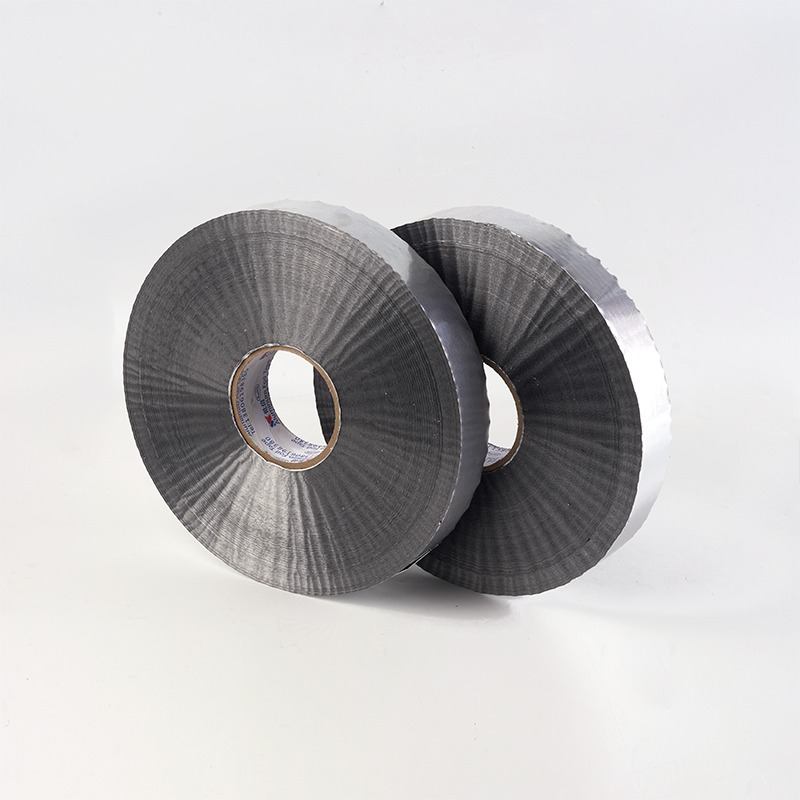
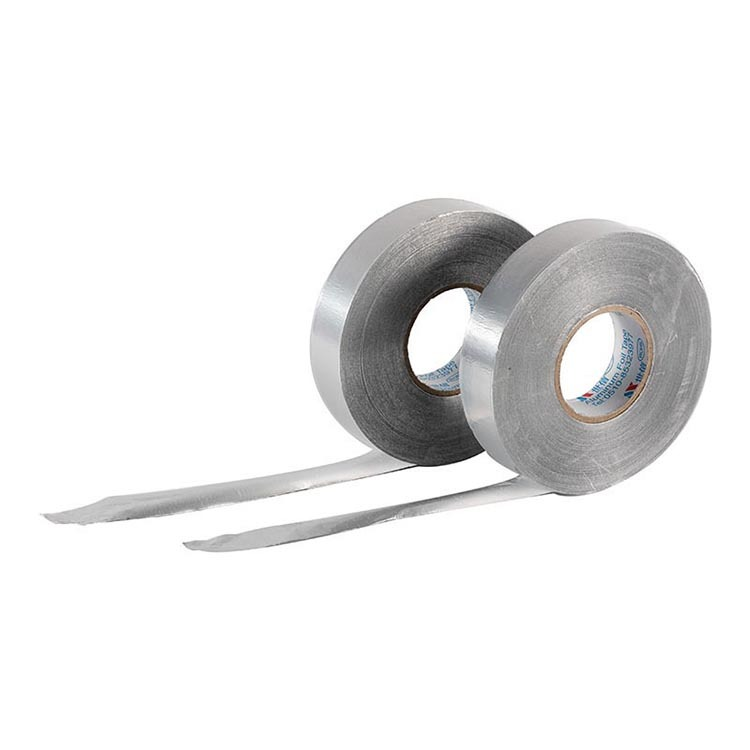
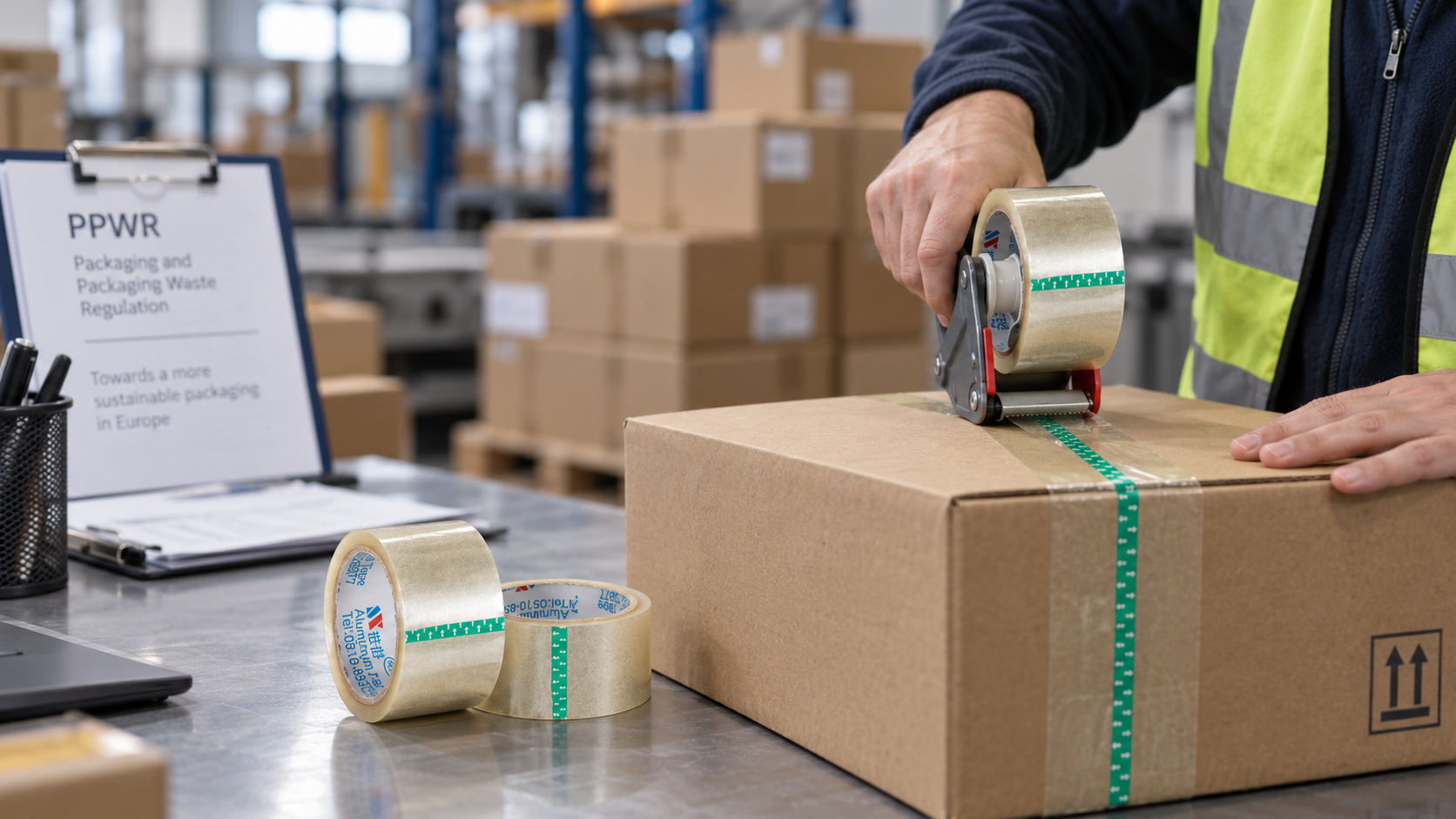
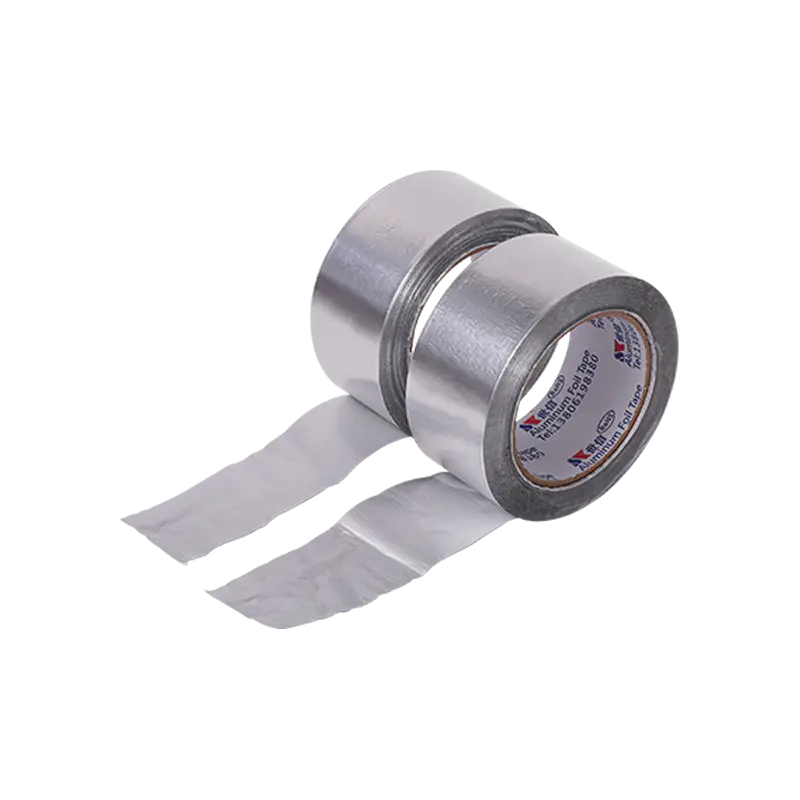
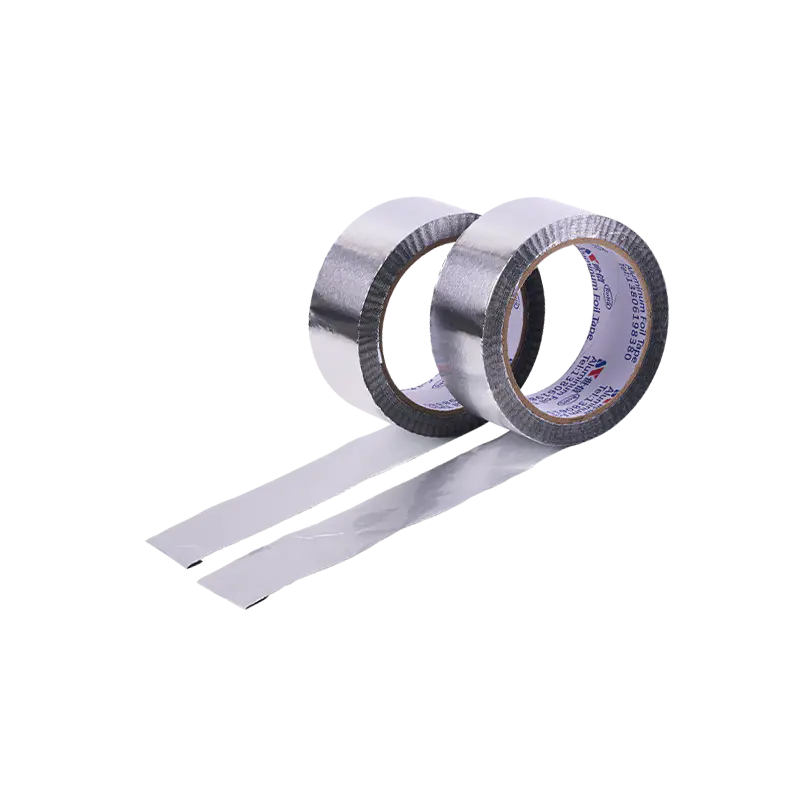
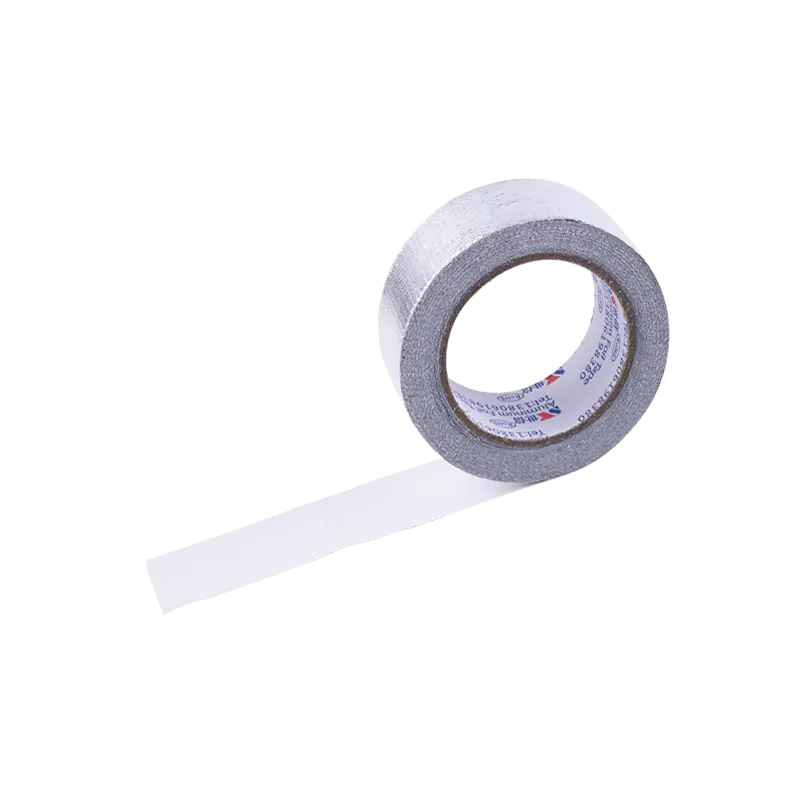
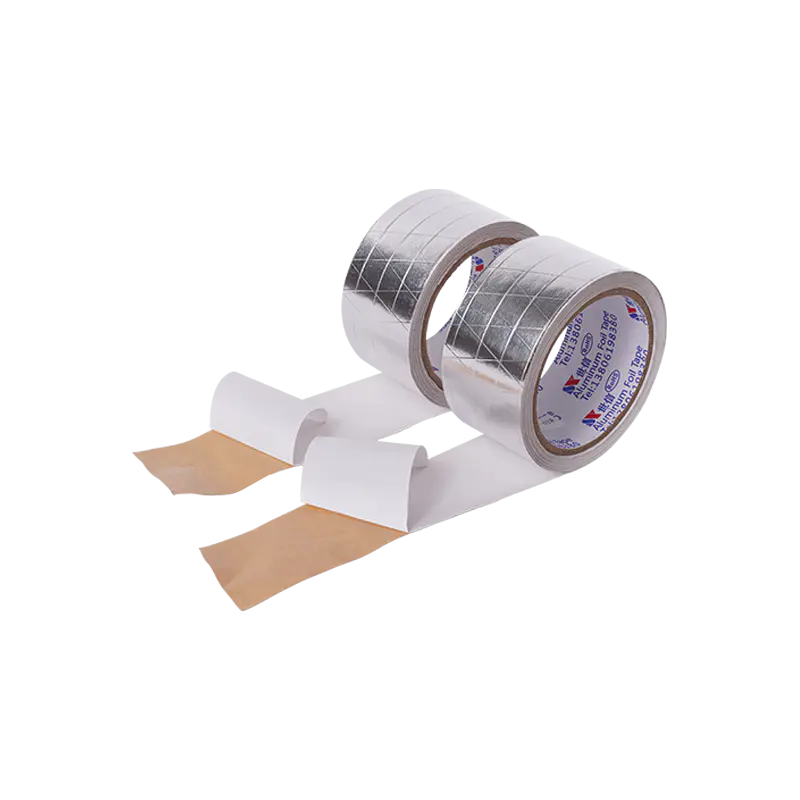
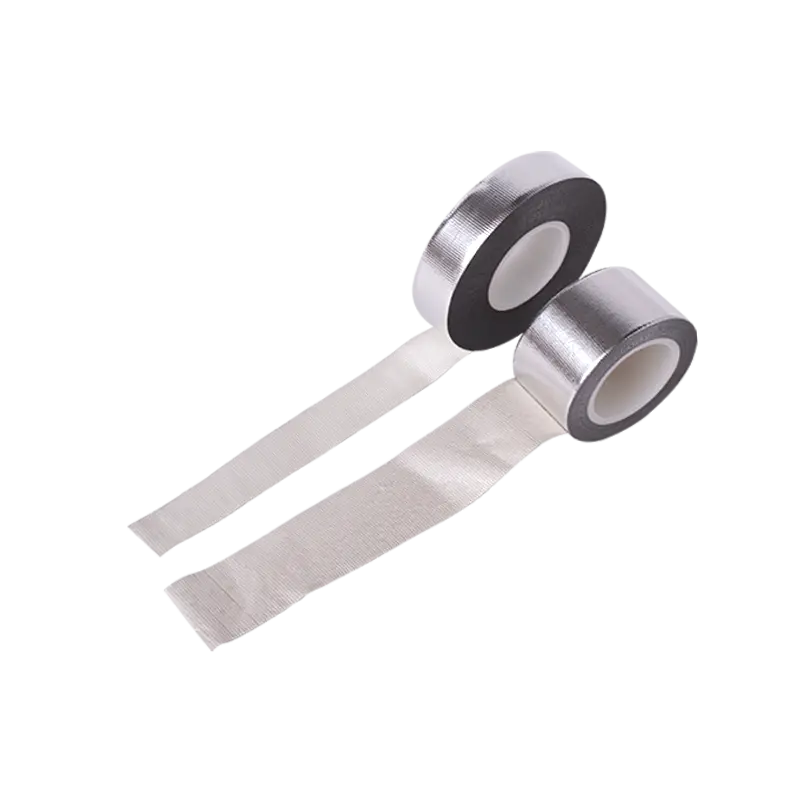
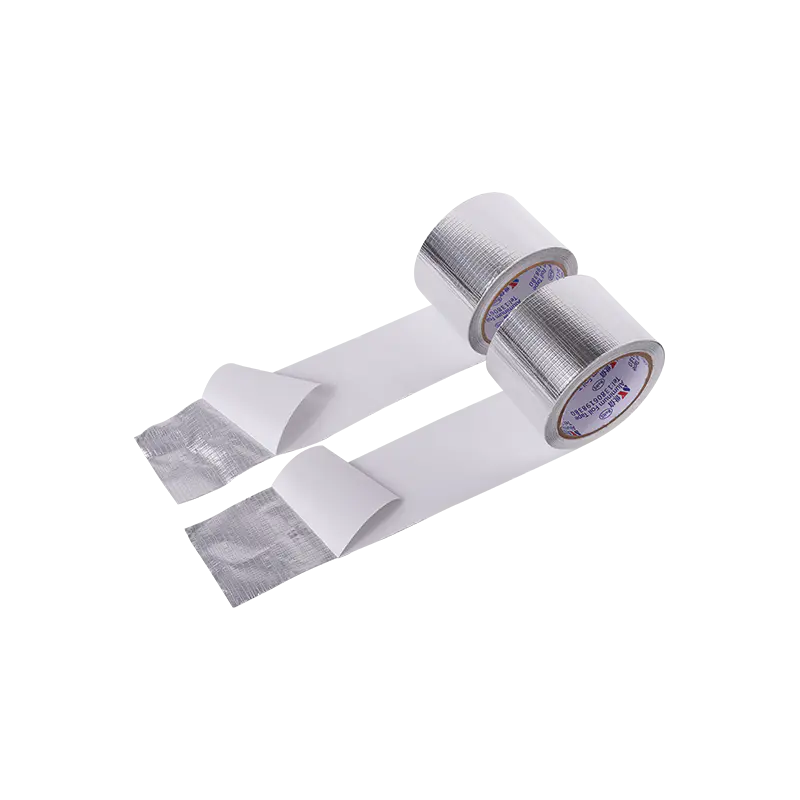
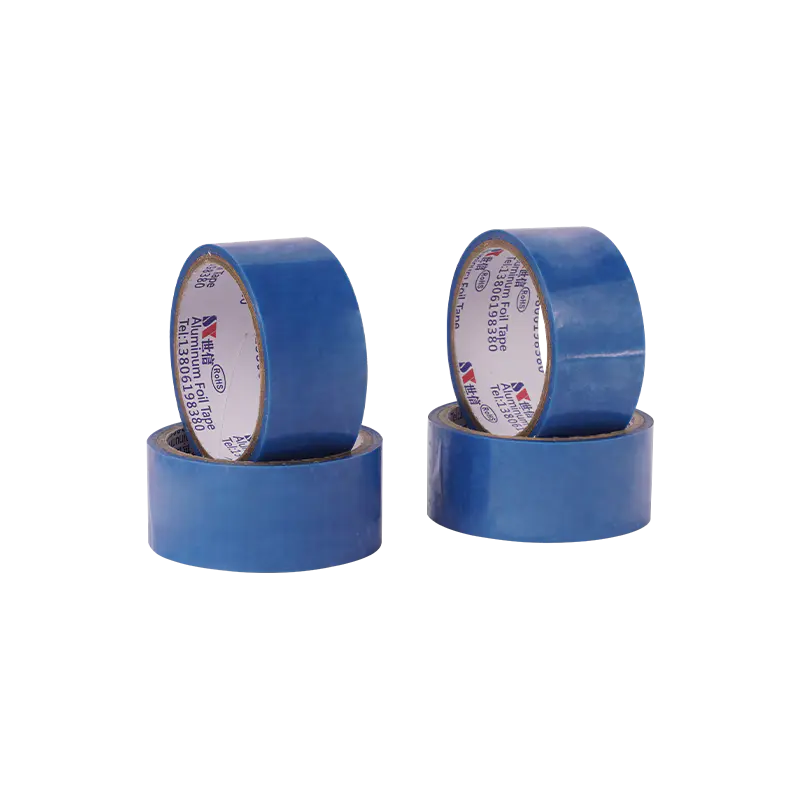
Electricity Home Appliance Bottom Packaged Tape is an industrial packaging tape designed for fixing, securing, and protecting household electrical appliances during manufacturing, storage, and transportation processes. It is mainly applied to the bottom areas or structural parts of appliances where additional reinforcement is required to prevent movement, impact damage, or packaging instability.
Unlike general-purpose packaging tapes, bottom packaged tape for home appliances is developed according to the specific requirements of appliance manufacturing environments. It needs to provide stable adhesion, sufficient holding force, controlled removal performance, and compatibility with different packaging materials such as corrugated cartons, protective films, foam components, plastic parts, and coated surfaces.
During appliance production and logistics, products may experience vibration, stacking pressure, handling impacts, and temperature changes. A suitable bottom packaging tape helps maintain component positioning and packaging integrity, reducing the risk of damage caused by movement during transportation.
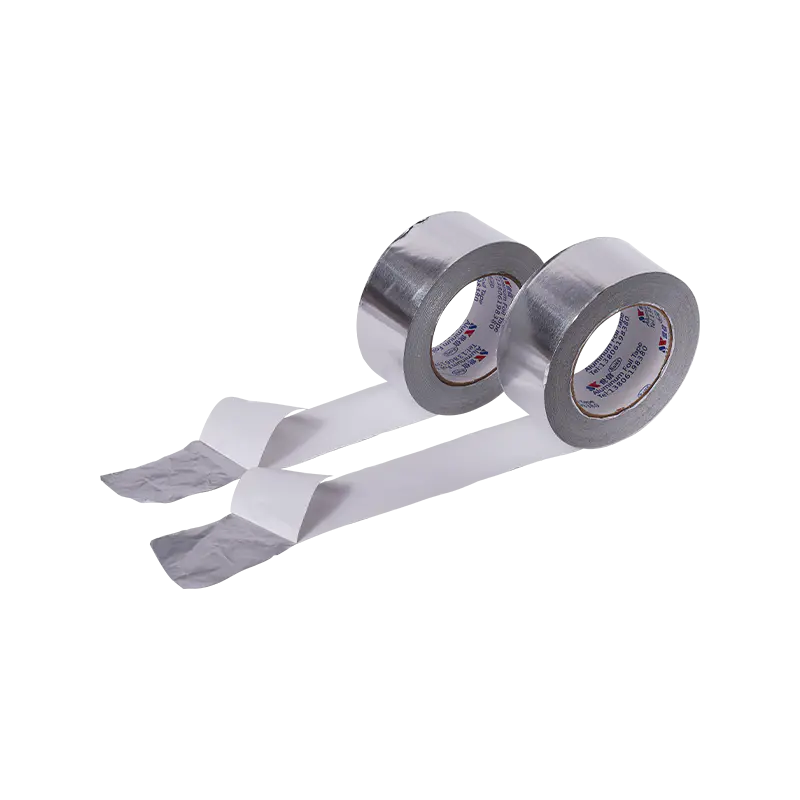
The performance of Electricity Home Appliance Bottom Packaged Tape depends on the combination of backing material, adhesive layer, and release liner. Each structural component contributes to mechanical strength, bonding performance, and processing efficiency.
|
Structural Component |
Main Function |
Performance Influence |
|
Backing Material |
Provides mechanical support, tensile strength, and dimensional stability during application and transportation. |
Determines resistance to tearing, stretching, and external forces. |
|
Adhesive Layer |
Creates bonding force between the tape and packaging surfaces. |
Affects initial tack, holding strength, residue performance, and surface compatibility. |
|
Release Liner |
Protects the adhesive surface before use and improves handling efficiency. |
Supports clean application during manufacturing operations. |
The backing material is an important factor affecting the mechanical performance of packaging tape. Different backing structures provide different levels of strength, flexibility, and application suitability.
|
Backing Material Type |
Main Characteristics |
Application Considerations |
|
Film-Based Structure |
Provides good tensile strength, flexibility, and resistance to stretching. |
Suitable for applications requiring stable fixation during transportation. |
|
Paper-Based Structure |
Provides easy handling, good printability, and convenient tearing. |
Suitable for general packaging and short-term fixation applications. |
|
Reinforced Structure |
Provides enhanced mechanical strength and load-bearing capability. |
Suitable for heavier appliances or demanding transportation conditions. |
The adhesive layer determines how effectively the tape bonds with different packaging materials. For home appliance packaging applications, the adhesive system needs to balance strong holding performance with controlled removal characteristics.
A suitable adhesive layer should provide:
Household appliances often require secure packaging because they may experience vibration, stacking pressure, and repeated handling during logistics. Electricity Home Appliance Bottom Packaged Tape provides temporary fixation and reinforcement to help prevent movement between appliance components and packaging materials.
The holding capability depends on several factors, including adhesive strength, tape thickness, backing material strength, and contact area.
|
Performance Factor |
Impact on Transportation Protection |
|
Adhesive Strength |
Determines how firmly the tape attaches to packaging surfaces. |
|
Tensile Strength |
Influences resistance against pulling and stretching forces. |
|
Thickness |
Affects durability, handling performance, and stress distribution. |
|
Flexibility |
Helps maintain contact with different surface shapes. |
In appliance manufacturing factories, packaging efficiency is an important factor affecting production capacity. Bottom packaged tape is designed for convenient application during manual or automated packaging processes.
During storage and transportation, appliances may be exposed to different environmental conditions, including temperature changes, humidity variations, and long-distance logistics environments. Packaging tape needs to maintain stable performance under these conditions.
|
Environmental Condition |
Required Tape Performance |
|
Low Temperature Storage |
Maintains flexibility and sufficient adhesion during cold conditions. |
|
High Temperature Environment |
Maintains holding strength without excessive adhesive deformation. |
|
High Humidity Conditions |
Provides stable bonding performance with reduced moisture influence. |
Home appliances usually involve multiple packaging materials. The tape must provide reliable bonding performance across different surfaces while maintaining clean removal characteristics when required.
|
Packaging Material |
Bonding Considerations |
|
Corrugated Cardboard |
Requires stable adhesion to maintain carton reinforcement and sealing performance. |
|
Foam Protection Materials |
Requires flexible bonding to prevent movement of protective components. |
|
Plastic Packaging Films |
Requires suitable adhesive compatibility with smooth surfaces. |
|
Painted or Coated Surfaces |
Requires controlled adhesion to reduce surface damage during removal. |
|
Evaluation Factor |
Film-Based Tape |
Paper-Based Tape |
Reinforced Tape |
|
Tensile Strength |
High resistance to stretching and tearing. |
Moderate mechanical strength. |
Higher strength for demanding applications. |
|
Flexibility |
Good flexibility for different packaging shapes. |
Good handling flexibility. |
Depends on reinforcement structure. |
|
Transportation Protection |
Suitable for general appliance transportation requirements. |
Suitable for lighter packaging requirements. |
Suitable for heavier loads and higher stress conditions. |
|
Processing Convenience |
Suitable for production line applications. |
Easy manual operation. |
Requires consideration of application conditions. |
As household appliances become larger, heavier, and more complex, packaging requirements continue to increase. Manufacturers need packaging materials that can improve transportation reliability while maintaining production efficiency.
Electricity Home Appliance Bottom Packaged Tape provides a practical solution by combining mechanical support, adhesive performance, and application convenience. It helps manufacturers improve packaging stability, reduce transportation risks, and optimize production processes.
By understanding its structure, material composition, and performance characteristics, manufacturers can select suitable packaging tape solutions according to appliance size, transportation conditions, and packaging requirements.
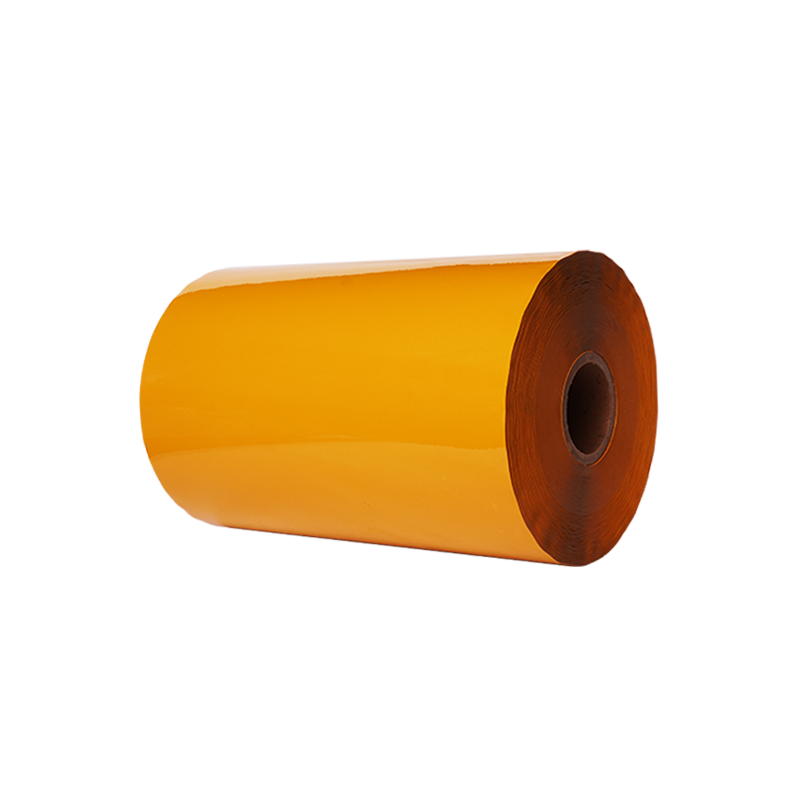
Electricity Home Appliance Bottom Packaged Tape works through a combination of adhesive bonding, mechanical reinforcement, and surface contact technology to provide stable fixation during appliance packaging, handling, storage, and transportation. The tape creates a secure connection between packaging materials and appliance components by allowing the adhesive layer to form sufficient contact with the surface while the backing material provides structural support.
During appliance transportation, products are often exposed to vibration, impact, stacking pressure, and movement caused by logistics operations. Bottom packaged tape helps reduce unwanted displacement by maintaining the position of packaging components and reinforcing vulnerable areas. Its working performance depends on adhesive characteristics, substrate compatibility, application pressure, and environmental conditions.
The bonding mechanism of Electricity Home Appliance Bottom Packaged Tape is based on pressure-sensitive adhesive technology. Unlike liquid adhesives that require curing time, pressure-sensitive adhesive tapes create bonding through direct surface contact after application pressure is applied.
The bonding process mainly includes three stages: surface wetting, adhesive contact formation, and long-term holding performance.
|
Bonding Stage |
Working Principle |
Performance Effect |
|
Surface Wetting |
The adhesive layer flows slightly under pressure and fills microscopic surface irregularities. |
Improves contact area between the tape and packaging material. |
|
Adhesive Contact Formation |
The adhesive interacts with the surface through physical and chemical forces. |
Creates initial bonding strength after application. |
|
Long-Term Holding |
The adhesive maintains internal strength while resisting external stress. |
Provides stable fixation during storage and transportation. |
The effectiveness of bottom packaged tape depends greatly on how well the adhesive layer contacts the packaging surface. Although packaging materials may appear smooth, their surfaces contain microscopic uneven areas. A flexible adhesive layer can adapt to these small irregularities and increase the actual bonding area.
Better surface contact generally improves:
Initial tack refers to the ability of the adhesive tape to quickly establish bonding after application. In appliance packaging operations, fast initial adhesion is important because production lines require efficient fixing processes.
A suitable bottom packaged tape should provide a balance between quick attachment and controlled removal when packaging is opened after transportation.
|
Performance Factor |
Importance in Appliance Packaging |
|
Initial Tack |
Helps maintain immediate fixation after tape application. |
|
Holding Force |
Prevents movement of packaging components during transportation. |
|
Peel Performance |
Allows controlled removal when unpacking is required. |
|
Residue Control |
Helps maintain clean surfaces after tape removal. |
The main function of Electricity Home Appliance Bottom Packaged Tape is not only creating initial adhesion but also maintaining stable fixation throughout the transportation cycle. Appliances may experience repeated vibration, stacking pressure, and mechanical impact during logistics.
The tape achieves stable holding performance through the combination of adhesive strength and backing material support.
|
External Stress Condition |
Required Tape Performance |
|
Continuous Vibration |
Flexible adhesive structure helps absorb minor movement and maintain contact. |
|
Stacking Pressure |
Strong holding capability prevents packaging displacement. |
|
Handling Impact |
Sufficient tensile strength helps prevent tape breakage. |
|
Temperature Variation |
Stable adhesive performance reduces bonding degradation. |
The working performance of Electricity Home Appliance Bottom Packaged Tape is influenced by several factors during production and logistics. Proper evaluation of these factors helps manufacturers improve packaging reliability.
The surface characteristics of packaging materials directly affect adhesive bonding performance. Dust, oil, moisture, or surface contamination may reduce adhesive contact and weaken fixation.
|
Surface Condition |
Impact on Bonding Performance |
|
Clean and Dry Surface |
Provides better adhesive contact and more stable bonding. |
|
Dusty Surface |
May reduce actual contact area between adhesive and substrate. |
|
Moist Surface |
May affect adhesive interaction and long-term stability. |
|
Uneven Surface |
Requires flexible adhesive properties for better conformity. |
During storage and transportation, household appliances may pass through different climate conditions. Temperature and humidity changes can influence adhesive softness, flexibility, and holding strength.
|
Environmental Factor |
Possible Influence |
|
Low Temperature |
May reduce adhesive flexibility and slow down surface wetting. |
|
High Temperature |
May affect adhesive cohesion if the tape structure is not suitable. |
|
High Humidity |
May influence surface interaction and long-term bonding reliability. |
Application pressure is an important factor affecting the final bonding performance of packaging tape. Proper pressure allows the adhesive layer to fully contact the packaging surface and improves bonding consistency.
|
Application Condition |
Bonding Result |
|
Insufficient Pressure |
Incomplete surface contact may reduce adhesion strength. |
|
Suitable Pressure |
Improves adhesive wetting and increases bonding reliability. |
|
Excessive Pressure |
May influence certain packaging materials depending on surface structure. |
|
Requirement |
Standard Packaging Fixation |
Heavy Appliance Transportation |
Long-Distance Logistics |
|
Adhesion Strength |
Suitable for regular packaging support. |
Requires stronger holding capability. |
Requires stable performance over extended periods. |
|
Mechanical Strength |
Moderate tensile resistance. |
Higher resistance against pulling and impact forces. |
Requires durability under repeated handling. |
|
Environmental Resistance |
Suitable for normal storage conditions. |
Requires resistance to temperature and humidity changes. |
Requires stable performance under variable climates. |
Modern appliance factories increasingly use automated and semi-automated packaging systems to improve production efficiency. Electricity Home Appliance Bottom Packaged Tape needs to provide consistent application performance to support stable manufacturing operations.
The working principle of Electricity Home Appliance Bottom Packaged Tape is based on the interaction between adhesive technology, material compatibility, and mechanical reinforcement. By providing reliable fixation, reducing component movement, and improving packaging stability, it plays an important role in protecting household appliances throughout manufacturing and transportation processes.
Electricity Home Appliance Bottom Packaged Tape is designed according to the specific requirements of appliance manufacturing, packaging reinforcement, and transportation protection. When selecting suitable packaging tape, manufacturers need to evaluate multiple technical parameters, including backing material, adhesive performance, thickness, tensile strength, peel strength, holding power, temperature resistance, and application compatibility.
The technical specifications of bottom packaged tape directly influence packaging efficiency, transportation safety, and overall product protection. A suitable tape structure should provide sufficient fixation force while maintaining convenient application and controlled removal performance.
|
Parameter |
Description |
Importance in Appliance Packaging |
|
Total Thickness |
The complete thickness of the tape structure, including backing material and adhesive layer. |
Influences durability, handling performance, and packaging reinforcement capability. |
|
Backing Material |
The supporting layer that provides mechanical strength and dimensional stability. |
Determines tensile resistance, flexibility, and resistance to tearing. |
|
Adhesive Type |
The adhesive formulation used to create bonding between the tape and packaging surface. |
Affects initial tack, holding force, and compatibility with different materials. |
|
Peel Strength |
The force required to separate the tape from the bonded surface. |
Indicates the stability of attachment during transportation. |
|
Tensile Strength |
The ability of the tape to withstand pulling forces before breaking. |
Important for preventing tape failure during handling and movement. |
|
Temperature Resistance |
The ability to maintain performance under different temperature conditions. |
Supports reliable packaging during storage and transportation. |
|
Elongation |
The stretching capability of the tape before failure. |
Influences flexibility and adaptability to packaging movement. |
The thickness of Electricity Home Appliance Bottom Packaged Tape affects both mechanical performance and application efficiency. Different thickness ranges provide different balances between flexibility, strength, and material consumption.
|
Thickness Range |
Main Characteristics |
Typical Application Requirements |
|
Thin Structure |
Low material usage and good flexibility. |
Suitable for lightweight packaging and applications requiring minimal material impact. |
|
Medium Thickness Structure |
Balanced adhesion, strength, and handling performance. |
Suitable for general household appliance packaging operations. |
|
Thicker Reinforced Structure |
Higher mechanical support and stronger resistance to external forces. |
Suitable for heavier appliances and demanding transportation environments. |
The backing material provides the basic mechanical support of packaging tape. Different structures influence tensile strength, flexibility, and suitability for different appliance packaging conditions.
|
Backing Material Type |
Advantages |
Performance Characteristics |
|
Film-Based Backing |
Provides high tensile strength and stable dimensional performance. |
Suitable for applications requiring strong fixation and transportation durability. |
|
Paper-Based Backing |
Provides easy handling and convenient processing. |
Suitable for general packaging operations with moderate strength requirements. |
|
Reinforced Backing |
Provides additional mechanical support. |
Suitable for applications exposed to higher pulling forces and heavier loads. |
The adhesive layer determines how effectively the tape bonds with appliance packaging materials. Different adhesive systems provide different balances between adhesion strength, removability, and environmental resistance.
|
Adhesive Performance Factor |
Function |
Application Consideration |
|
Initial Tack |
Provides quick attachment after application. |
Important for high-efficiency production lines. |
|
Holding Strength |
Maintains fixation during transportation and storage. |
Important for vibration and impact resistance. |
|
Peel Performance |
Controls the force required for tape removal. |
Important when clean removal is required after delivery. |
|
Residue Control |
Determines surface cleanliness after removal. |
Important for protecting appliance surfaces and packaging appearance. |
Mechanical properties determine whether the tape can maintain stable performance during packaging operations and transportation conditions.
|
Mechanical Parameter |
Meaning |
Influencing Factors |
|
Tensile Strength |
Measures the maximum pulling force the tape can withstand. |
Backing material structure, thickness, and manufacturing process. |
|
Peel Strength |
Measures resistance against separation from the surface. |
Adhesive formulation and substrate condition. |
|
Shear Strength |
Measures resistance against sliding forces parallel to the surface. |
Adhesive internal strength and environmental temperature. |
|
Elongation |
Measures the ability of the tape to stretch before breaking. |
Backing material flexibility and structural design. |
During the transportation and storage of household appliances, packaging materials may experience different temperature conditions. Temperature resistance is therefore an important specification when evaluating bottom packaged tape.
|
Temperature Condition |
Performance Requirement |
|
Low Temperature Environment |
Maintains flexibility and prevents loss of bonding capability. |
|
Normal Storage Environment |
Maintains stable adhesion and handling performance. |
|
High Temperature Environment |
Maintains adhesive cohesion and prevents excessive deformation. |
Household appliances usually involve multiple packaging materials. Technical evaluation should consider the compatibility between the adhesive tape and different surfaces.
|
Packaging Material |
Important Tape Requirements |
|
Corrugated Carton |
Stable adhesion, good holding strength, and reliable sealing performance. |
|
Foam Protection Material |
Flexible bonding and good surface conformity. |
|
Plastic Film |
Suitable adhesive compatibility with smooth surfaces. |
|
Coated or Painted Surface |
Controlled adhesion to reduce surface damage during removal. |
|
Application Type |
Main Requirement |
Recommended Performance Focus |
|
Small Household Appliances |
Efficient packaging and lightweight fixation. |
Easy application, moderate adhesion, flexible structure. |
|
Medium-Sized Appliances |
Balanced protection and transportation stability. |
Good holding strength, reliable bonding, suitable thickness. |
|
Large Household Appliances |
Resistance against vibration and heavy transportation stress. |
High tensile strength, strong adhesion, reinforced structure. |
When selecting Electricity Home Appliance Bottom Packaged Tape, manufacturers should evaluate technical specifications according to actual production and logistics requirements rather than focusing on a single parameter.
The technical specifications of Electricity Home Appliance Bottom Packaged Tape determine its effectiveness in protecting appliances throughout the packaging and transportation process. By balancing adhesive performance, mechanical strength, thickness, and environmental resistance, manufacturers can achieve more reliable packaging solutions and improve overall production efficiency.
Electricity Home Appliance Bottom Packaged Tape provides important advantages for modern appliance manufacturing by improving packaging stability, simplifying assembly processes, and enhancing transportation protection. As household appliances become larger, heavier, and more complex, manufacturers require packaging materials that can provide reliable fixation while maintaining production efficiency.
Compared with traditional fixing methods, bottom packaged tape offers a flexible and efficient approach for securing appliance components and packaging structures. Its low-profile design, easy application process, and adaptable bonding performance make it suitable for different manufacturing environments.
One of the primary advantages of Electricity Home Appliance Bottom Packaged Tape is its ability to improve transportation safety. During logistics operations, appliances may experience vibration, impact, stacking pressure, and repeated handling. Without proper fixation, internal components or packaging structures may shift, increasing the risk of damage.
Bottom packaged tape helps maintain the position of packaging materials and supporting components by creating stable bonding between different surfaces. The adhesive layer distributes holding force across the contact area, reducing movement caused by external forces.
|
Transportation Challenge |
Role of Bottom Packaged Tape |
|
Vibration During Shipping |
Provides stable fixation and reduces movement between packaging components. |
|
Stacking Pressure |
Helps maintain packaging structure integrity under external loads. |
|
Handling Impact |
Improves connection stability between appliance and packaging materials. |
|
Long-Distance Transportation |
Supports consistent performance under extended logistics conditions. |
In appliance manufacturing factories, production efficiency is closely related to packaging process design. Electricity Home Appliance Bottom Packaged Tape simplifies packaging operations by reducing the need for additional fixing components and complex assembly procedures.
The tape can be applied quickly and consistently, making it suitable for production lines that require stable packaging quality and efficient workflow management.
|
Packaging Method |
Process Characteristics |
Manufacturing Impact |
|
Bottom Packaged Tape |
Direct application with simple positioning and bonding. |
Helps improve packaging efficiency and reduce operation complexity. |
|
Mechanical Fixing Components |
Requires additional parts and installation steps. |
May increase assembly time and material usage. |
|
Liquid Adhesive Application |
Requires dispensing control and possible curing processes. |
May increase process management requirements. |
During appliance packaging, movement between components and packaging materials can cause scratches, friction marks, or surface damage. Electricity Home Appliance Bottom Packaged Tape helps reduce unwanted movement by maintaining stable positioning.
The flexible adhesive layer also provides a certain level of cushioning effect compared with rigid fixing methods, helping protect surfaces during handling and transportation.
|
Protection Requirement |
Contribution of Adhesive Tape |
|
Surface Protection |
Reduces component movement that may cause friction damage. |
|
Packaging Stability |
Maintains the position of protective materials. |
|
Component Fixation |
Helps prevent displacement during transportation. |
Unlike mechanical fastening systems that require additional components, bottom packaged tape provides fixation through a thin adhesive structure. This helps manufacturers optimize packaging design and reduce unnecessary material usage.
The space-saving feature is especially valuable for appliances where packaging dimensions, storage efficiency, and transportation costs need to be carefully controlled.
|
Evaluation Factor |
Adhesive Tape Fixation |
Mechanical Fixation |
|
Installation Space |
Requires minimal additional space. |
Requires space for additional fastening components. |
|
Packaging Structure |
Supports simpler packaging designs. |
May increase structural complexity. |
|
Material Usage |
Reduces the need for extra accessories. |
Requires additional fixing materials. |
Modern appliance manufacturing increasingly focuses on automation, consistency, and production speed. Electricity Home Appliance Bottom Packaged Tape supports these goals by providing predictable handling performance and easy integration into packaging processes.
Household appliance packaging usually includes multiple materials, such as corrugated cartons, foam protection layers, plastic films, and coated surfaces. A major advantage of bottom packaged tape is its ability to adapt to different material combinations.
|
Packaging Material |
Application Advantage |
|
Corrugated Carton |
Provides reliable bonding for reinforcement and structural support. |
|
Foam Material |
Supports flexible attachment of protective components. |
|
Plastic Film |
Provides bonding capability on smooth packaging surfaces. |
|
Coated Surface |
Allows controlled adhesion when surface protection is important. |
|
Performance Aspect |
Benefit of Bottom Packaged Tape |
Manufacturing Value |
|
Assembly Efficiency |
Simple application process with fewer installation steps. |
Helps improve production speed. |
|
Transportation Stability |
Maintains packaging and component positioning. |
Reduces damage risks during logistics. |
|
Design Flexibility |
Adapts to different packaging structures. |
Allows more efficient packaging solutions. |
|
Material Optimization |
Reduces dependence on additional fixing accessories. |
Helps control packaging complexity and material usage. |
|
Surface Protection |
Reduces movement-related damage. |
Improves product delivery condition. |
For OEM and appliance manufacturers, selecting suitable packaging materials is not only related to transportation protection but also affects production efficiency, cost management, and customer satisfaction. Electricity Home Appliance Bottom Packaged Tape provides a balanced solution by combining reliable fixation with convenient processing.
By improving transportation protection, simplifying manufacturing processes, and supporting flexible packaging designs, Electricity Home Appliance Bottom Packaged Tape has become an important material for appliance manufacturers. Its combination of adhesive performance, structural flexibility, and processing convenience helps create more reliable and efficient packaging solutions for modern electrical appliances.
Electricity Home Appliance Bottom Packaged Tape is widely applied in household appliance manufacturing, packaging operations, and logistics protection processes. Its main purpose is to secure appliance components, reinforce packaging structures, and reduce movement-related damage during storage and transportation.
As household appliances vary in size, weight, structure, and packaging requirements, manufacturers need packaging tapes with different levels of adhesion, mechanical strength, flexibility, and environmental resistance. The application of bottom packaged tape depends on appliance type, packaging material, transportation conditions, and production process requirements.
Refrigerators and freezers are large household appliances that require reliable packaging protection due to their size, weight, and long-distance transportation requirements. During handling and shipping, packaging structures may experience vibration, impact, and compression forces.
Electricity Home Appliance Bottom Packaged Tape is commonly used to reinforce bottom packaging areas, secure protective materials, and maintain the stability of packaging components.
|
Application Requirement |
Required Tape Performance |
|
Heavy appliance weight |
High tensile strength and reliable holding force. |
|
Long-distance transportation |
Stable adhesion under vibration and environmental changes. |
|
Large packaging structure |
Good flexibility and surface contact capability. |
Washing machines often experience strong vibration during transportation because of their weight distribution and internal mechanical structures. Packaging systems must prevent movement of protective materials and maintain product stability throughout logistics processes.
Bottom packaged tape helps secure packaging layers and supporting components while improving the overall integrity of the packaging system.
|
Washing Machine Packaging Challenge |
Role of Bottom Packaged Tape |
|
Vibration during transportation |
Helps reduce movement between packaging components. |
|
Heavy product weight |
Provides additional fixation support. |
|
Repeated handling operations |
Maintains packaging integrity during loading and unloading. |
Air conditioning units and other large appliances usually require strong packaging structures because of their dimensions and transportation requirements. The packaging system needs to maintain stability while protecting external surfaces from damage.
Electricity Home Appliance Bottom Packaged Tape can be used in multiple areas of large appliance packaging, including bottom reinforcement, protective material fixation, and temporary component positioning.
|
Large Appliance Requirement |
Important Tape Characteristics |
|
High transportation stress |
Strong adhesion and mechanical durability. |
|
Large contact surfaces |
Consistent bonding performance over wider areas. |
|
Complex packaging structures |
Flexible application and material compatibility. |
Small household appliances generally require efficient packaging processes with accurate component protection. Although these products are lighter, they often involve delicate surfaces and compact packaging structures.
Bottom packaged tape provides convenient fixation for packaging components while helping manufacturers maintain production efficiency.
|
Small Appliance Requirement |
Tape Application Advantage |
|
Compact packaging design |
Provides fixation without adding unnecessary packaging components. |
|
High production volume |
Supports efficient application processes. |
|
Surface protection |
Helps reduce movement-related scratches. |
Kitchen appliances often combine multiple materials, including metal surfaces, plastic components, glass panels, and protective packaging materials. The tape used in these applications needs to provide reliable bonding while maintaining compatibility with different surfaces.
|
Material Combination |
Application Consideration |
|
Metal Surface and Packaging Material |
Requires stable adhesion and controlled surface interaction. |
|
Plastic Component and Protective Material |
Requires flexibility and good surface compatibility. |
|
Glass or Smooth Surface Packaging |
Requires suitable adhesive balance between fixation and removal. |
Electronic household appliances often have smaller structures but higher requirements for packaging precision. The tape needs to provide reliable fixation without affecting product appearance or surface quality.
Applications include:
|
Application Factor |
Performance Requirement |
|
Compact structure |
Low-profile tape design and easy application. |
|
Delicate components |
Controlled adhesion and surface protection. |
|
Mass production |
Consistent application performance. |
|
Appliance Category |
Main Packaging Challenge |
Important Tape Performance |
|
Refrigerators and Freezers |
Heavy weight and long-distance transportation. |
High holding force, tensile strength, environmental resistance. |
|
Washing Machines |
Vibration and movement during logistics. |
Strong adhesion and flexible bonding. |
|
Air Conditioners |
Large packaging dimensions and structural protection. |
Durability and stable surface contact. |
|
Small Appliances |
High production efficiency and compact packaging. |
Easy processing and controlled adhesion. |
|
Kitchen Appliances |
Multiple material combinations. |
Material compatibility and surface protection. |
With the development of automated production lines and global supply chains, appliance manufacturers increasingly require packaging materials that provide consistent performance and efficient processing.
Electricity Home Appliance Bottom Packaged Tape supports these requirements by offering flexible application possibilities across different appliance categories.
From large appliances such as refrigerators and washing machines to compact electronic household devices, Electricity Home Appliance Bottom Packaged Tape provides reliable packaging support across multiple manufacturing scenarios. Its combination of adhesion performance, mechanical strength, and application flexibility makes it an important material for improving appliance packaging efficiency and transportation protection.

Our company has been engaged in the tape manufacturing industry for more than 20 years, and has been focusing on various types of aluminum foil tapes, foam tapes, refrigerator tapes, etc.
IsabelLina
Email:[email protected]
Mobile/Whatsapp: +86 190 3379 1110
Mars Gong
Email:[email protected]
Mobile/Whatsapp: +86 159 5136 0053
Address: West side of Yingbin Avenue and south side of hengwang packaging. Suqian Economic and Technological Development Zone,Jiangsu Province
Copyright © Jiangsu Shixin Adhesive Tape Product Co., Ltd. All Rights Reserved. Custom ODM Refrigerator Foil Adhesive Tapes Manufacturers