2026-09-20
Content
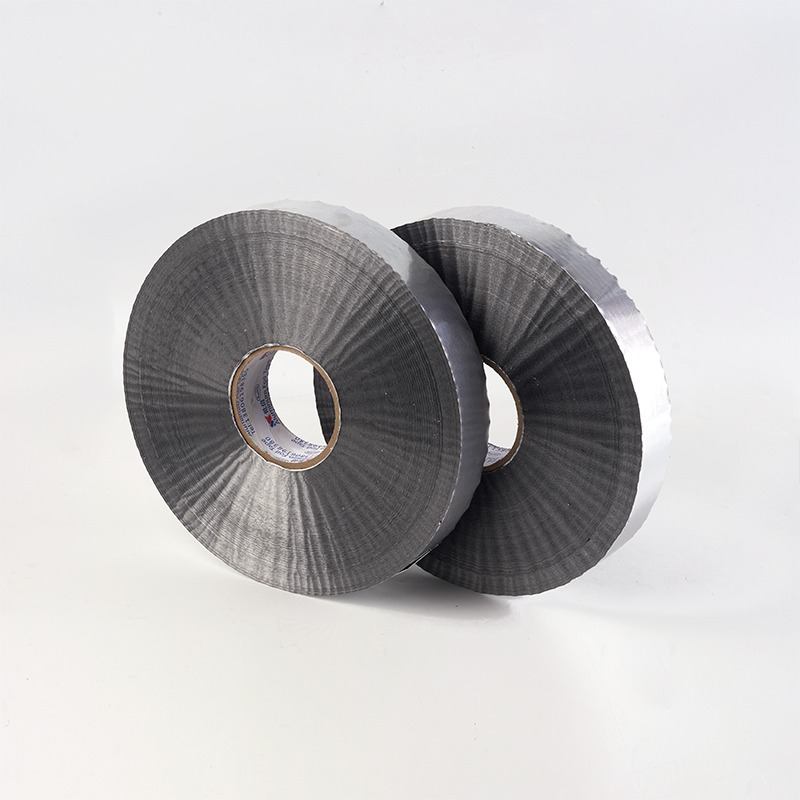
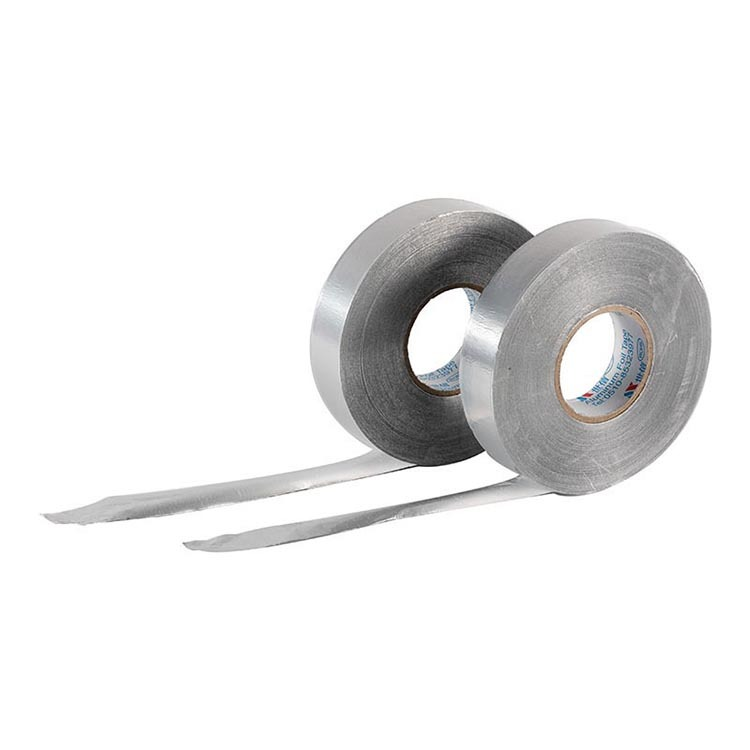
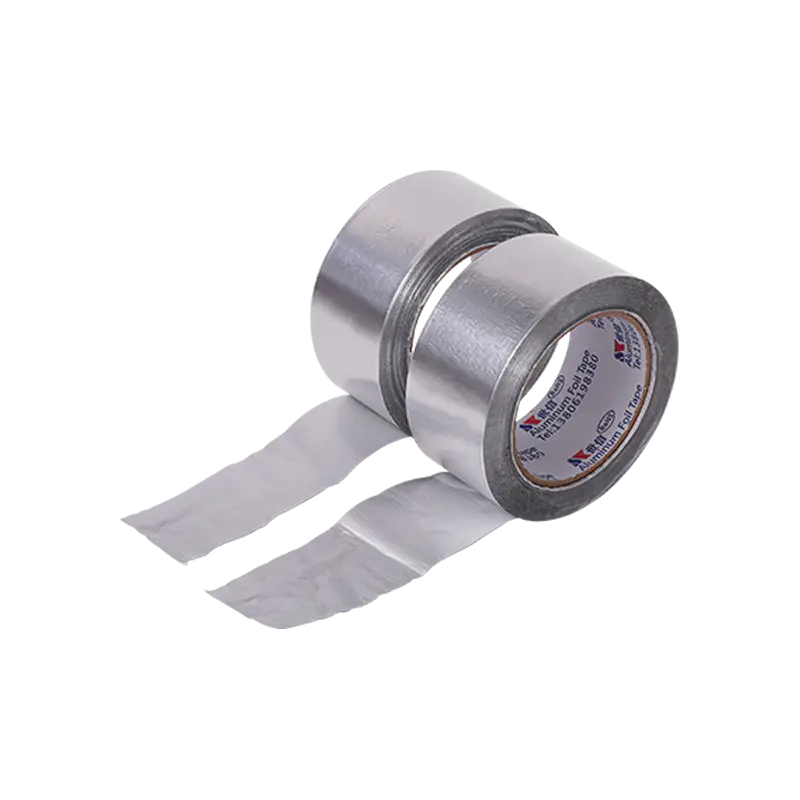
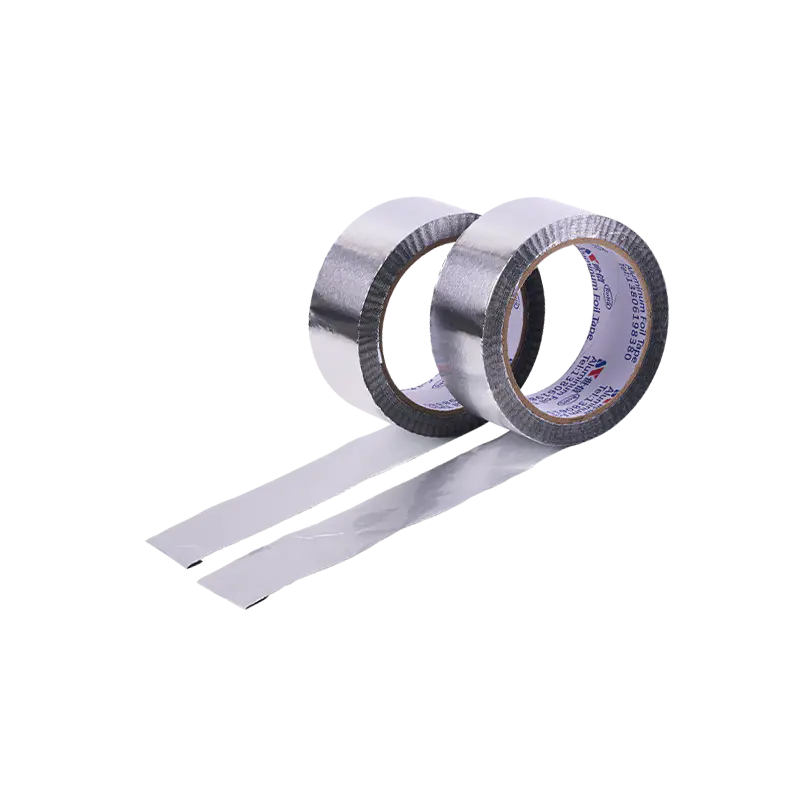
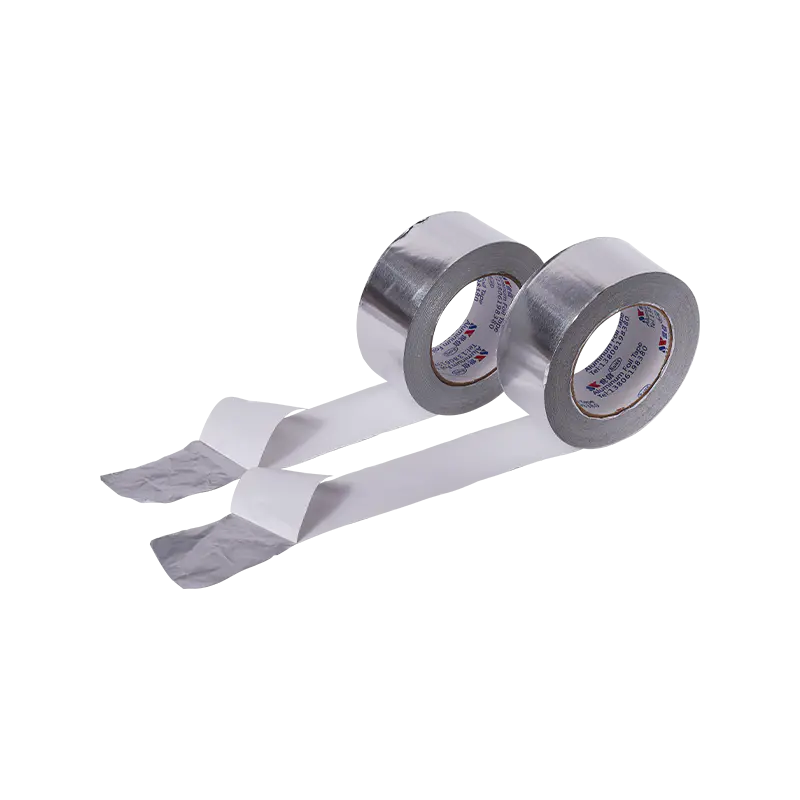
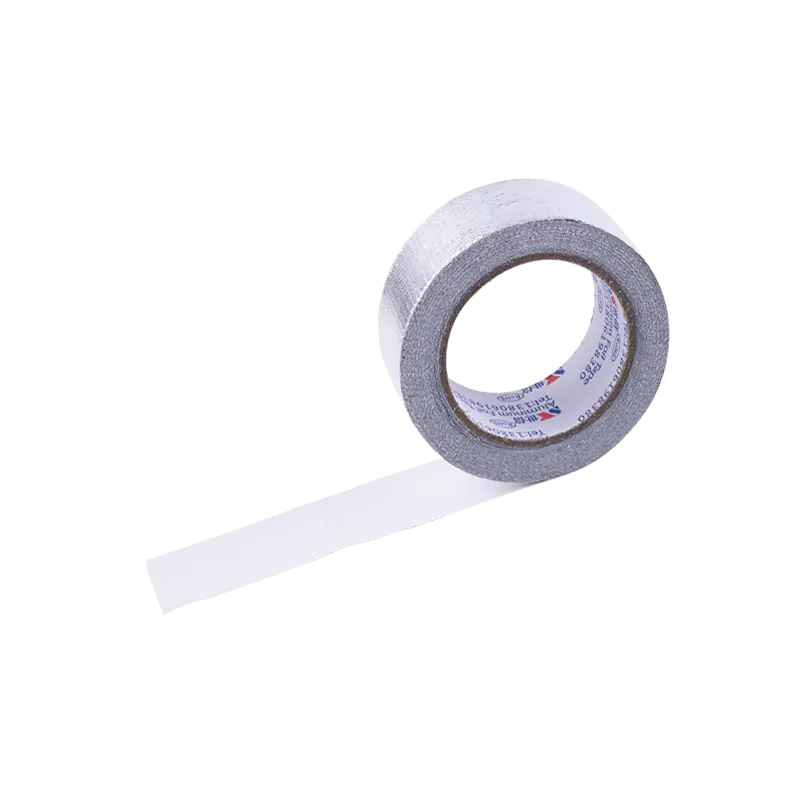
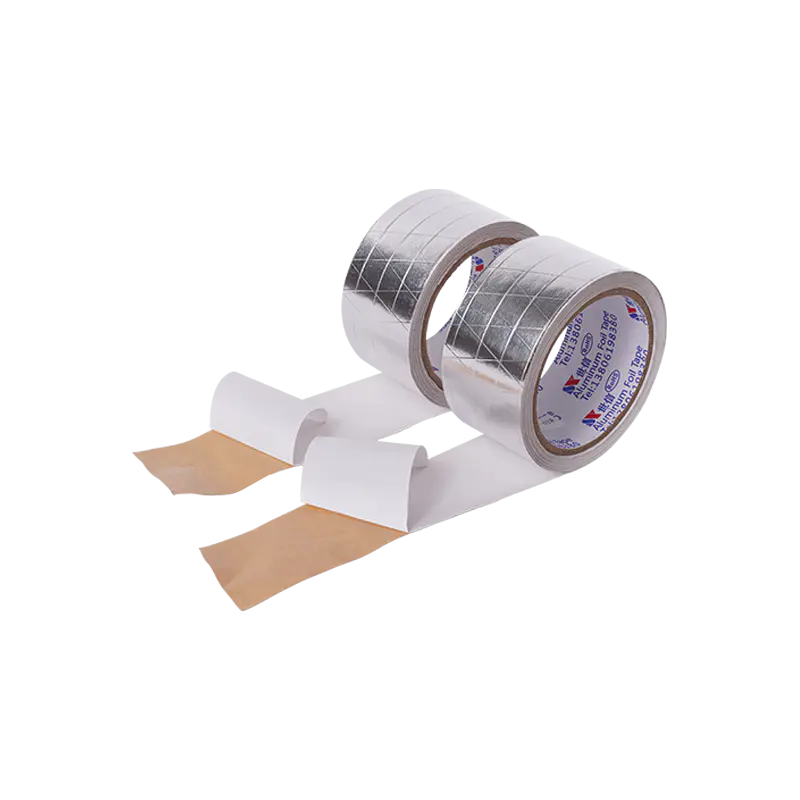
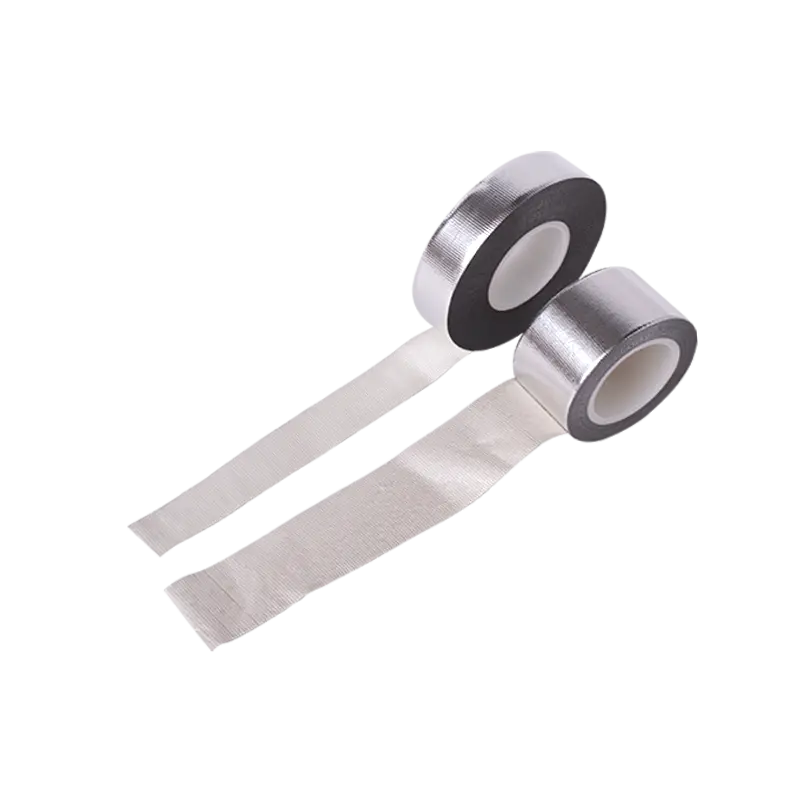
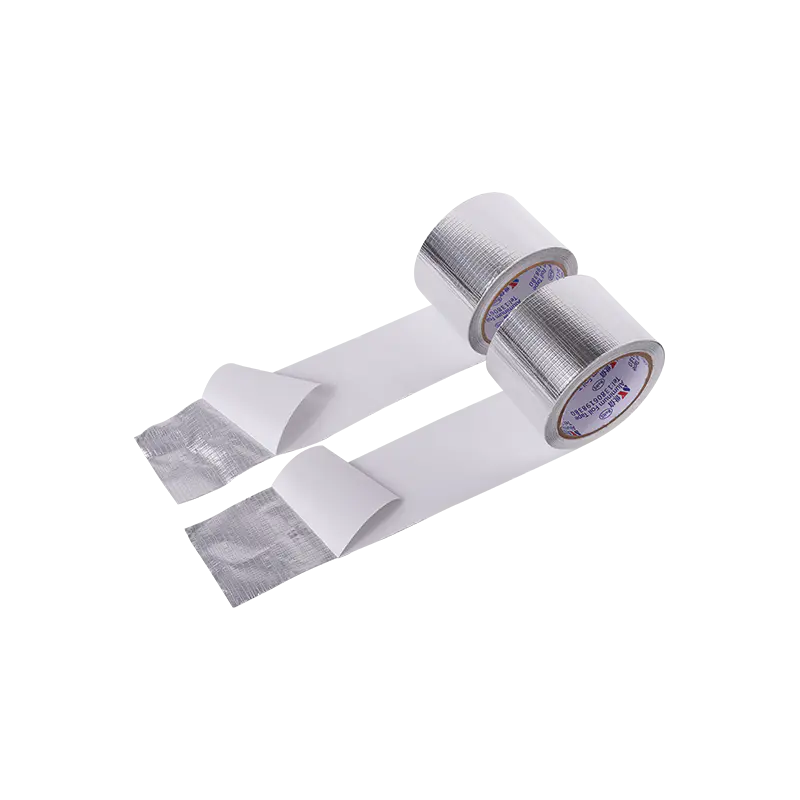
Composited Aluminum Foil Tape Without Liner is an industrial adhesive tape that combines aluminum foil with one or more reinforcing materials to create a multi-layer functional structure while eliminating the traditional release liner. Compared with single-layer aluminum foil tape, the composite structure is designed to provide improved mechanical strength, dimensional stability, durability, and application reliability.
The tape is commonly used in applications where aluminum foil alone may not provide sufficient structural support. By integrating additional layers such as polymer films, fiberglass materials, or reinforced fabrics, the composite design improves resistance to tearing, stretching, and deformation while maintaining the thermal reflection, moisture barrier, and electromagnetic shielding characteristics of aluminum foil.
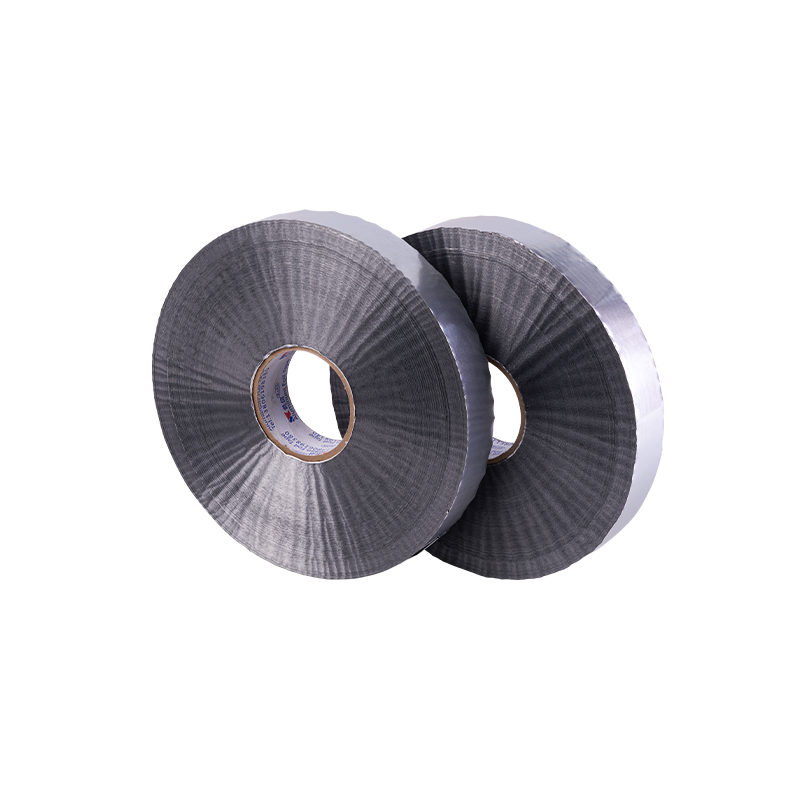
A typical linerless composite aluminum foil tape consists of three main functional layers:
The linerless design removes the release paper or film normally used to protect the adhesive surface. This simplifies the tape structure and supports more efficient processing, especially in continuous manufacturing environments.
|
Structural Layer |
Main Material Function |
Performance Contribution |
|
Aluminum foil |
Metal barrier layer |
Provides thermal reflection, moisture resistance, and shielding capability |
|
Composite reinforcement layer |
Film, fiber, or reinforced material |
Improves strength, flexibility balance, and dimensional stability |
|
Adhesive layer |
Pressure-sensitive adhesive system |
Provides fast bonding and long-term attachment |
Pure aluminum foil provides excellent thermal and barrier properties, but its thin metal structure may be vulnerable to tearing, wrinkling, or deformation during installation. A composite structure solves these limitations by adding reinforcement layers while maintaining the functional advantages of aluminum foil.
|
Performance Factor |
Single Aluminum Foil Tape |
Composited Aluminum Foil Tape |
|
Mechanical strength |
Depends mainly on foil thickness |
Enhanced through additional reinforcement layers |
|
Tear resistance |
Moderate for thin foil structures |
Improved due to composite reinforcement |
|
Dimensional stability |
More sensitive to stretching and deformation |
Better resistance to shape changes |
|
Application durability |
Suitable for general applications |
Suitable for more demanding environments |
The composite layer is the key element that differentiates composite aluminum foil tape from conventional aluminum foil tape. Different reinforcement materials can provide different performance improvements according to application requirements.
|
Composite Layer Type |
Main Characteristics |
Typical Performance Improvement |
|
Polymer film reinforcement |
Lightweight and dimensionally stable |
Improves tensile strength and resistance to deformation |
|
Fiberglass reinforcement |
High strength and temperature resistance |
Enhances durability in demanding environments |
|
Fabric reinforcement |
Flexible and mechanically strong |
Improves tear resistance and handling performance |
The main difference between linerless composite aluminum foil tape and traditional composite aluminum foil tape is the removal of the release liner. This design change improves material efficiency and simplifies application procedures.
|
Feature |
Composited Aluminum Foil Tape Without Liner |
Traditional Composite Aluminum Foil Tape With Liner |
|
Release liner |
No separate liner required |
Requires paper or film protection layer |
|
Application process |
Direct application after handling |
Requires liner removal before bonding |
|
Material waste |
Lower waste generation |
Additional liner waste after use |
|
Production efficiency |
Suitable for continuous processing |
May require additional handling steps |
The specifications of composited aluminum foil tape without liner can be customized according to industrial application requirements. Common technical parameters include:
|
Parameter |
Typical Range |
Influence on Performance |
|
Aluminum foil thickness |
18 μm – 100 μm |
Affects flexibility, strength, and shielding capability |
|
Composite layer thickness |
Customized according to structure requirements |
Determines reinforcement performance |
|
Total tape thickness |
Approximately 50 μm – 200 μm |
Influences handling and application suitability |
|
Adhesive type |
Acrylic adhesive or customized adhesive system |
Determines bonding strength and environmental resistance |
|
Temperature resistance |
Approximately -20°C to 120°C depending on adhesive design |
Defines operating temperature range |
With its combination of aluminum foil functionality, reinforced composite structure, and linerless processing advantages, Composited Aluminum Foil Tape Without Liner provides a reliable solution for industrial applications requiring stronger mechanical performance, efficient installation, and multifunctional protection.
Composited Aluminum Foil Tape Without Liner works through the coordinated performance of its multi-layer structure, where each layer performs a specific function to achieve reliable bonding, thermal protection, moisture resistance, and mechanical reinforcement. Unlike single-layer aluminum foil tape, the composite structure improves overall stability by combining the functional advantages of aluminum foil with the strength and durability provided by reinforcement materials.
The working principle of this tape mainly involves two aspects: the adhesive bonding mechanism and the functional interaction between the aluminum foil layer and composite reinforcement layer. Together, these components allow the tape to maintain stable performance under different industrial conditions.
The adhesive system of composited aluminum foil tape without liner is typically based on pressure-sensitive adhesive technology. Unlike liquid adhesives that require curing time, pressure-sensitive adhesives create bonding through applied pressure and surface contact.
The bonding process generally includes three stages:
|
Bonding Stage |
Working Process |
Performance Effect |
|
Initial contact |
Adhesive contacts the substrate surface under pressure |
Provides immediate attachment capability |
|
Surface adaptation |
Adhesive fills microscopic surface unevenness |
Improves bonding area and adhesion reliability |
|
Long-term bonding |
Adhesive maintains interaction with the substrate |
Supports durable attachment under operating conditions |
The composite structure allows each layer to contribute different performance characteristics. The aluminum foil layer provides functional protection, while the reinforcement layer improves mechanical reliability.
|
Layer |
Main Function |
Contribution to Overall Performance |
|
Aluminum foil layer |
Heat reflection, moisture barrier, conductivity |
Provides thermal management and shielding functions |
|
Composite reinforcement layer |
Strength improvement and structural support |
Reduces tearing, stretching, and deformation |
|
Adhesive layer |
Surface bonding |
Ensures stable attachment to different substrates |
The main advantage of a composite aluminum foil structure is that it overcomes some limitations of thin aluminum foil. Although aluminum foil provides excellent barrier and reflective properties, its thin metallic structure may be vulnerable to mechanical stress during handling or installation.
The reinforcement layer improves the overall structure by distributing external forces and maintaining dimensional stability.
|
Performance Factor |
Single Aluminum Foil Structure |
Composite Aluminum Foil Structure |
|
Tensile strength |
Mainly depends on foil thickness |
Enhanced through reinforcement layer support |
|
Tear resistance |
More sensitive to mechanical damage |
Improved resistance against tearing |
|
Dimensional stability |
May deform under external force |
Maintains shape more effectively |
|
Installation durability |
Suitable for general applications |
Suitable for more demanding environments |
The aluminum foil layer plays an important role in thermal management applications. Due to the reflective characteristics of aluminum, the surface can reduce radiant heat absorption and help control heat transfer.
The composite layer provides additional structural support, allowing the tape to maintain its protective function during installation and long-term use.
The continuous aluminum foil layer creates a low-permeability barrier that helps prevent moisture and vapor transmission. When combined with a suitable adhesive system, the tape can provide reliable sealing performance in insulation and protective applications.
|
Functional Requirement |
Structural Contribution |
Application Benefit |
|
Moisture protection |
Aluminum foil acts as a metal barrier layer |
Helps maintain insulation performance |
|
Joint sealing |
Adhesive creates continuous surface bonding |
Reduces gaps and improves protection |
|
Long-term durability |
Composite layer protects foil structure |
Improves resistance to environmental stress |
Because aluminum is electrically conductive, the foil layer can provide electromagnetic shielding functions when the tape is properly integrated into an application system. The metal layer reflects and reduces electromagnetic energy, helping control electromagnetic interference.
The composite layer improves physical stability, ensuring the aluminum foil remains intact during installation and operation.
|
Shielding Factor |
Influencing Parameter |
Performance Impact |
|
Electrical continuity |
Integrity of aluminum foil layer |
Affects shielding effectiveness |
|
Foil thickness |
Metal layer thickness |
Influences conductivity and shielding capability |
|
Installation quality |
Surface contact and overlap design |
Determines practical shielding performance |
|
Performance Aspect |
Pure Aluminum Foil Tape |
Composited Aluminum Foil Tape |
Composited Aluminum Foil Tape Without Liner |
|
Heat reflection |
Excellent |
Excellent |
Excellent |
|
Mechanical reinforcement |
Limited by foil thickness |
Improved by composite layer |
Improved by composite layer |
|
Processing efficiency |
Depends on structure |
Requires liner handling if protected |
Higher efficiency due to linerless design |
|
Material utilization |
Standard |
Additional liner may increase waste |
Reduced auxiliary material consumption |
The actual performance of composited aluminum foil tape without liner depends on several engineering factors:
Through the combination of aluminum foil functionality, composite reinforcement technology, and linerless adhesive design, Composited Aluminum Foil Tape Without Liner achieves a balance between protection, durability, and processing efficiency. This working principle makes it suitable for industrial applications requiring stronger structural performance and reliable multifunctional protection.
Composited Aluminum Foil Tape Without Liner combines the functional properties of aluminum foil with the structural benefits of composite reinforcement materials. Compared with conventional single-layer aluminum foil tape, the composite design provides improved mechanical strength, durability, dimensional stability, and application flexibility. The linerless structure further enhances processing efficiency by reducing additional materials and simplifying application procedures.
For industrial applications requiring thermal protection, moisture resistance, electromagnetic shielding, and long-term bonding reliability, composited aluminum foil tape without liner provides a balanced solution between functional performance and manufacturing efficiency.
One of the primary advantages of composite aluminum foil tape is the improved mechanical performance provided by the reinforcement layer. Pure aluminum foil is lightweight and highly functional, but thin foil structures may be vulnerable to tearing, wrinkling, or deformation during installation.
The composite layer acts as a supporting structure that distributes external forces and improves the overall durability of the tape. This makes the tape more suitable for applications involving handling stress, vibration, bending, or long-term exposure.
|
Performance Factor |
Single Aluminum Foil Tape |
Composited Aluminum Foil Tape Without Liner |
|
Tensile strength |
Mainly determined by aluminum foil thickness |
Improved through reinforcement layer design |
|
Tear resistance |
Moderate, especially with thinner foil |
Higher resistance due to composite structure |
|
Dimensional stability |
More sensitive to stretching and deformation |
Maintains shape better during installation |
|
Mechanical durability |
Suitable for general applications |
Suitable for more demanding industrial environments |
The aluminum foil layer provides excellent thermal reflection capability, while the composite structure helps maintain the integrity of the protective layer during operation. This combination allows the tape to provide stable thermal management performance in insulation and heat protection applications.
|
Structure Type |
Thermal Function |
Structural Performance |
|
Single aluminum foil |
High heat reflection capability |
Limited mechanical reinforcement |
|
Composite aluminum foil |
Maintains aluminum thermal properties |
Enhanced stability and durability |
Dimensional stability is important for industrial adhesive tapes because deformation can affect sealing performance, surface coverage, and installation accuracy. The composite layer helps control stretching and shrinking behavior, allowing the tape to maintain its original shape during handling.
This advantage is particularly valuable in continuous production processes where consistent tape dimensions are required.
|
Factor |
Standard Aluminum Foil Tape |
Composite Aluminum Foil Tape |
|
Resistance to stretching |
Depends on foil thickness |
Improved through reinforcement structure |
|
Shape retention |
More affected by external force |
Better dimensional control |
|
Processing consistency |
Suitable for general applications |
More suitable for precision processing |
The linerless structure eliminates the need for release paper or film, reducing auxiliary material consumption during production and application. This design helps simplify handling procedures and supports more efficient material utilization.
|
Comparison Item |
Without Liner Composite Aluminum Foil Tape |
Traditional Liner-Based Composite Aluminum Foil Tape |
|
Release liner |
No additional liner required |
Requires paper or film liner protection |
|
Application steps |
Fewer handling procedures |
Requires liner removal before use |
|
Waste generation |
Lower material waste |
Additional liner disposal required |
|
Production efficiency |
Suitable for continuous application processes |
Additional processing steps may be required |
The aluminum foil layer creates a low-permeability barrier that helps prevent moisture and vapor transmission. Combined with a stable adhesive system, the tape can provide reliable sealing performance in insulation systems, protective assemblies, and industrial equipment applications.
Because aluminum is electrically conductive, composited aluminum foil tape can provide electromagnetic shielding performance when properly integrated into system designs. The aluminum foil layer helps reflect and reduce electromagnetic interference, while the composite layer improves physical protection of the conductive surface.
|
Shielding Performance Factor |
Influencing Element |
Effect on Application |
|
Foil continuity |
Integrity of aluminum layer |
Maintains stable shielding performance |
|
Foil thickness |
Metal layer design |
Affects conductivity and shielding capability |
|
Composite reinforcement |
Physical protection of foil |
Improves long-term reliability |
Another important advantage of composited aluminum foil tape without liner is its design flexibility. Different composite structures, foil thicknesses, adhesive systems, and dimensions can be adjusted according to application requirements.
|
Customization Item |
Adjustment Purpose |
|
Aluminum foil thickness |
Balance flexibility, strength, and shielding performance |
|
Composite reinforcement type |
Improve mechanical properties for specific environments |
|
Adhesive formulation |
Match temperature, surface, and durability requirements |
|
Tape dimensions |
Adapt to different production and installation processes |
|
Performance Category |
Pure Aluminum Foil Tape |
Composited Aluminum Foil Tape Without Liner |
|
Thermal reflection |
Excellent |
Excellent |
|
Mechanical strength |
Standard |
Enhanced through composite reinforcement |
|
Tear resistance |
Moderate |
Improved |
|
Dimensional stability |
Limited by foil structure |
Higher stability |
|
Material efficiency |
Standard |
Improved through linerless design |
|
Industrial adaptability |
General applications |
Broader application range |
With enhanced mechanical strength, improved dimensional stability, efficient linerless processing, and maintained aluminum foil functionality, Composited Aluminum Foil Tape Without Liner provides a high-performance solution for industrial applications requiring reliable sealing, thermal protection, moisture resistance, and long-term durability.
Composited Aluminum Foil Tape Without Liner is designed with a multi-layer structure that combines aluminum foil, reinforcement materials, and pressure-sensitive adhesive technology. The technical specifications of the tape determine its performance in areas such as thermal protection, mechanical strength, moisture resistance, electromagnetic shielding, and industrial processing efficiency.
For engineering applications, selecting the correct specification requires evaluating several key parameters, including aluminum foil thickness, composite layer design, adhesive performance, total thickness, temperature resistance, and dimensional stability. Different structural combinations can provide different levels of flexibility, durability, and protection.
The basic structure of composited aluminum foil tape without liner typically includes three functional layers. Each layer contributes to the overall performance of the tape.
|
Structural Component |
Typical Specification |
Main Function |
|
Aluminum foil layer |
18 μm – 100 μm |
Provides thermal reflection, moisture barrier, and electrical conductivity |
|
Composite reinforcement layer |
Customized according to application requirements |
Improves tensile strength, tear resistance, and dimensional stability |
|
Adhesive layer |
Pressure-sensitive adhesive system |
Provides bonding strength and long-term attachment |
The aluminum foil thickness directly affects the balance between flexibility, strength, conductivity, and protection performance. Engineers can select different foil thicknesses according to the application environment and mechanical requirements.
|
Aluminum Foil Thickness |
Main Characteristics |
Suitable Application Considerations |
|
18–25 μm |
High flexibility and lightweight structure |
Suitable for curved surfaces and applications requiring easy installation |
|
30–50 μm |
Balanced strength and flexibility |
Suitable for general industrial insulation and sealing applications |
|
60–100 μm |
Higher mechanical strength and durability |
Suitable for environments requiring stronger protection and resistance |
The composite reinforcement layer is the key component that differentiates composited aluminum foil tape from conventional aluminum foil tape. Different reinforcement materials can modify mechanical properties and application performance.
|
Composite Structure |
Performance Characteristics |
Application Advantage |
|
Aluminum foil + polymer film |
High dimensional stability and lightweight reinforcement |
Suitable for applications requiring controlled deformation |
|
Aluminum foil + fiberglass reinforcement |
Higher strength and temperature resistance |
Suitable for demanding thermal environments |
|
Aluminum foil + fabric reinforcement |
Improved flexibility and tear resistance |
Suitable for applications requiring durability and flexibility |
The total thickness of composited aluminum foil tape without liner depends on the combination of aluminum foil, reinforcement layer, and adhesive thickness. A thicker structure generally provides higher durability, while a thinner structure offers better flexibility.
|
Total Thickness Range |
Performance Characteristics |
Application Focus |
|
50–80 μm |
Flexible and lightweight |
Applications requiring easy handling and surface conformity |
|
80–150 μm |
Balanced strength and flexibility |
General industrial applications |
|
150–200 μm |
Higher mechanical protection |
Applications requiring increased durability |
The adhesive system determines how effectively the tape bonds to different substrates and maintains performance under environmental conditions. A suitable adhesive formulation should provide strong initial adhesion, stable holding strength, and resistance to temperature and aging.
|
Adhesive Parameter |
Typical Performance Range |
Engineering Importance |
|
Initial tack |
High initial bonding capability |
Enables quick installation and immediate attachment |
|
Peel adhesion |
Customized according to substrate requirements |
Determines bonding reliability |
|
Holding strength |
Designed for long-term attachment |
Supports continuous operation conditions |
|
Temperature resistance |
Approximately -20°C to 120°C depending on adhesive system |
Defines suitable operating environments |
The aluminum foil layer provides thermal reflection capability, while the composite structure improves the durability of thermal protection systems. The final thermal performance depends on foil thickness, surface condition, and application design.
|
Performance Item |
Typical Characteristics |
Application Benefit |
|
Heat reflection |
High reflectivity aluminum surface |
Helps reduce radiant heat transfer |
|
Thermal stability |
Maintained through reinforced structure |
Improves long-term protection reliability |
|
Temperature resistance |
Determined by adhesive and composite materials |
Supports different industrial environments |
|
Performance Factor |
Pure Aluminum Foil Tape |
Composited Aluminum Foil Tape Without Liner |
|
Tensile strength |
Depends mainly on foil thickness |
Higher due to reinforcement structure |
|
Tear resistance |
More sensitive to mechanical stress |
Improved resistance against tearing |
|
Dimensional stability |
Moderate |
Enhanced by composite layer |
|
Installation durability |
Suitable for standard applications |
Suitable for more demanding conditions |
The aluminum foil layer provides electrical conductivity and electromagnetic shielding capability. The composite structure helps protect the conductive layer from mechanical damage during application.
|
Parameter |
Influencing Factor |
Performance Effect |
|
Electrical conductivity |
Aluminum foil continuity and thickness |
Affects conductive performance |
|
Shielding effectiveness |
Foil structure and installation method |
Determines electromagnetic protection capability |
|
Structural protection |
Composite reinforcement layer |
Improves long-term reliability |
Because different industries have different performance requirements, composited aluminum foil tape without liner can be customized in several technical aspects.
|
Specification Category |
Typical Range or Option |
Main Influence |
|
Aluminum foil thickness |
18–100 μm |
Controls flexibility and strength |
|
Total thickness |
50–200 μm |
Affects durability and handling |
|
Composite layer |
Film, fiberglass, fabric, or customized structure |
Improves mechanical performance |
|
Temperature resistance |
-20°C to 120°C depending on design |
Defines application range |
|
Adhesive system |
Customized pressure-sensitive adhesive |
Determines bonding reliability |
By optimizing aluminum foil thickness, composite reinforcement structure, adhesive performance, and overall dimensions, Composited Aluminum Foil Tape Without Liner can meet diverse industrial requirements while providing reliable bonding, enhanced durability, and efficient linerless processing performance.
Composited Aluminum Foil Tape Without Liner is widely applied in industries where thermal protection, moisture resistance, mechanical reinforcement, electromagnetic shielding, and efficient installation are required. The combination of aluminum foil and composite reinforcement materials allows the tape to provide stronger structural performance than conventional aluminum foil solutions while maintaining the functional advantages of aluminum.
The linerless design further improves application efficiency by eliminating the need for release liner removal, making it suitable for continuous manufacturing processes, large-area installation, and applications where material handling efficiency is important.
One of the most common applications of composited aluminum foil tape without liner is in HVAC and thermal insulation systems. In these environments, the tape is mainly used for insulation joint sealing, vapor barrier protection, and reinforcement of insulation materials.
The aluminum foil layer provides heat reflection and moisture resistance, while the composite layer improves mechanical stability during installation and long-term operation.
|
Application Area |
Main Requirement |
Performance Contribution of Composite Aluminum Foil Tape |
|
Insulation joint sealing |
Reliable bonding and barrier protection |
Creates continuous sealing and reduces moisture penetration |
|
Duct insulation systems |
Thermal reflection and durability |
Supports insulation performance and surface protection |
|
Vapor barrier applications |
Low moisture transmission |
Provides metal barrier protection |
Modern automotive systems require lightweight materials that can provide thermal protection, vibration resistance, and reliable attachment. Composited aluminum foil tape without liner is used in areas where heat control and structural stability are important.
The composite structure allows the tape to maintain performance under temperature changes, vibration, and limited installation spaces.
|
Automotive Application |
Technical Challenge |
Required Tape Performance |
|
Heat shielding components |
Exposure to high-temperature environments |
Heat reflection and temperature-resistant bonding |
|
Wire and cable protection |
Need for electromagnetic and physical protection |
Conductive aluminum layer and mechanical reinforcement |
|
Battery system insulation |
Thermal management and safety requirements |
Stable structure and reliable adhesion |
In electronic and electrical systems, electromagnetic interference control and conductive performance are important considerations. The aluminum foil layer in composited aluminum foil tape provides shielding capability, while the reinforcement layer improves durability.
The tape can be used in applications requiring flexible shielding structures, cable protection, and electrical continuity.
|
Application |
Main Function |
Important Technical Consideration |
|
EMI shielding |
Reduce electromagnetic interference |
Requires continuous aluminum foil coverage |
|
Cable wrapping |
Provide shielding and protection |
Requires flexibility and mechanical strength |
|
Electrical assembly protection |
Support insulation and environmental protection |
Requires stable adhesion performance |
Industrial equipment often operates under complex conditions involving heat, vibration, moisture, and mechanical stress. Composited aluminum foil tape without liner provides a protective solution that combines barrier properties with structural reinforcement.
Typical applications include equipment insulation, surface protection, component wrapping, and sealing systems.
|
Industrial Requirement |
Challenge |
Composite Tape Solution |
|
Surface protection |
Exposure to external environmental factors |
Provides protective aluminum barrier layer |
|
Thermal insulation reinforcement |
Heat exposure and mechanical stress |
Combines reflection and structural support |
|
Component sealing |
Need for reliable long-term attachment |
Provides stable adhesive bonding |
In specialized packaging applications, composited aluminum foil tape without liner can provide barrier protection against moisture, light, and environmental exposure. The composite structure improves durability compared with thin aluminum foil alone.
|
Packaging Requirement |
Aluminum Foil Function |
Composite Structure Benefit |
|
Moisture barrier |
Reduces vapor transmission |
Improves structural durability |
|
Protective sealing |
Creates metal barrier layer |
Reduces risk of damage during handling |
|
Flexible installation |
Provides conformability |
Maintains shape stability |
With increasing requirements for thermal management and safety protection in energy-related equipment, composited aluminum foil tape without liner can be used in applications requiring heat control, insulation reinforcement, and protective sealing.
|
Application Requirement |
Pure Aluminum Foil Tape |
Composited Aluminum Foil Tape Without Liner |
|
Thermal reflection |
Excellent |
Excellent |
|
Mechanical reinforcement |
Limited by foil structure |
Enhanced by composite layer |
|
Large-area installation |
Suitable for standard applications |
Better stability and handling performance |
|
High-stress environments |
Requires thicker foil design |
Improved through reinforcement structure |
|
Processing efficiency |
Depends on application method |
Improved through linerless design |
Choosing the appropriate composited aluminum foil tape without liner requires evaluating the specific operating conditions and performance requirements.
With its combination of aluminum foil functionality, composite reinforcement technology, and linerless processing advantages, Composited Aluminum Foil Tape Without Liner provides a versatile material solution for HVAC systems, automotive components, electronic equipment, industrial machinery, and other applications requiring reliable protection and efficient installation.

Our company has been engaged in the tape manufacturing industry for more than 20 years, and has been focusing on various types of aluminum foil tapes, foam tapes, refrigerator tapes, etc.
IsabelLina
Email:[email protected]
Mobile/Whatsapp: +86 190 3379 1110
Mars Gong
Email:[email protected]
Mobile/Whatsapp: +86 159 5136 0053
Address: West side of Yingbin Avenue and south side of hengwang packaging. Suqian Economic and Technological Development Zone,Jiangsu Province
Copyright © Jiangsu Shixin Adhesive Tape Product Co., Ltd. All Rights Reserved. Custom ODM Refrigerator Foil Adhesive Tapes Manufacturers