2026-09-20
Content
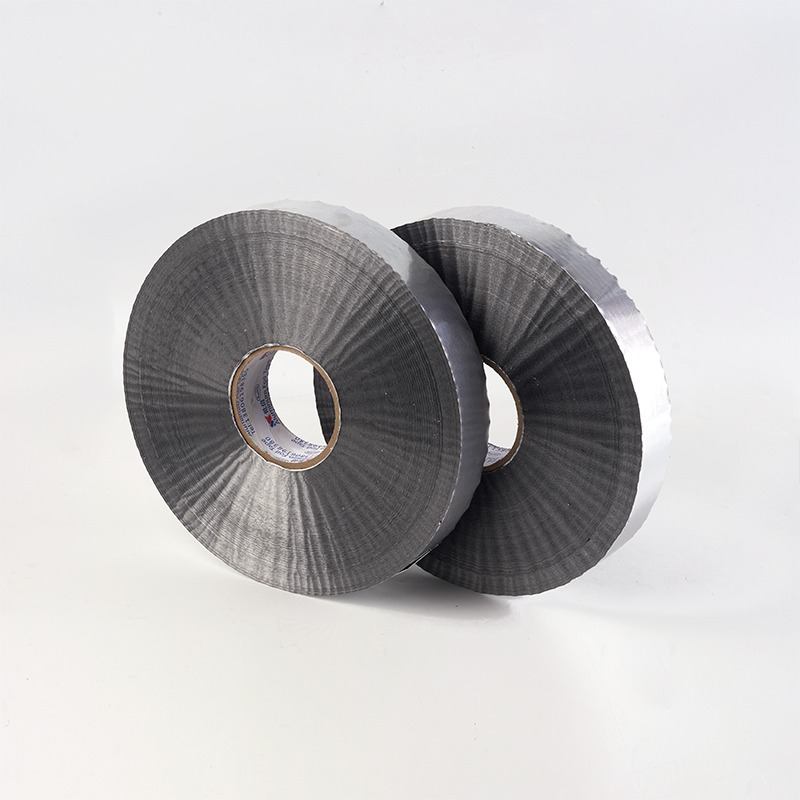
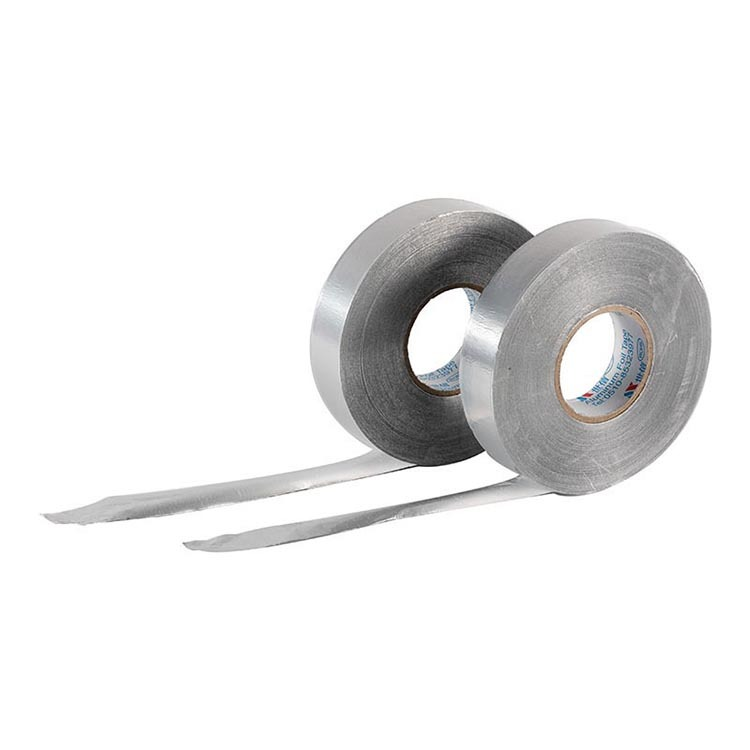
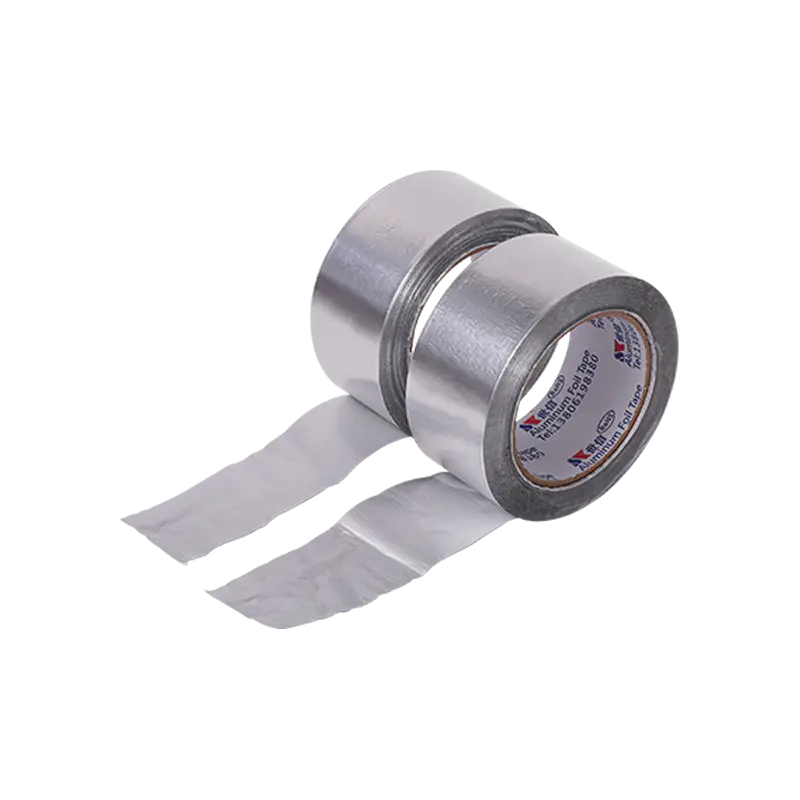
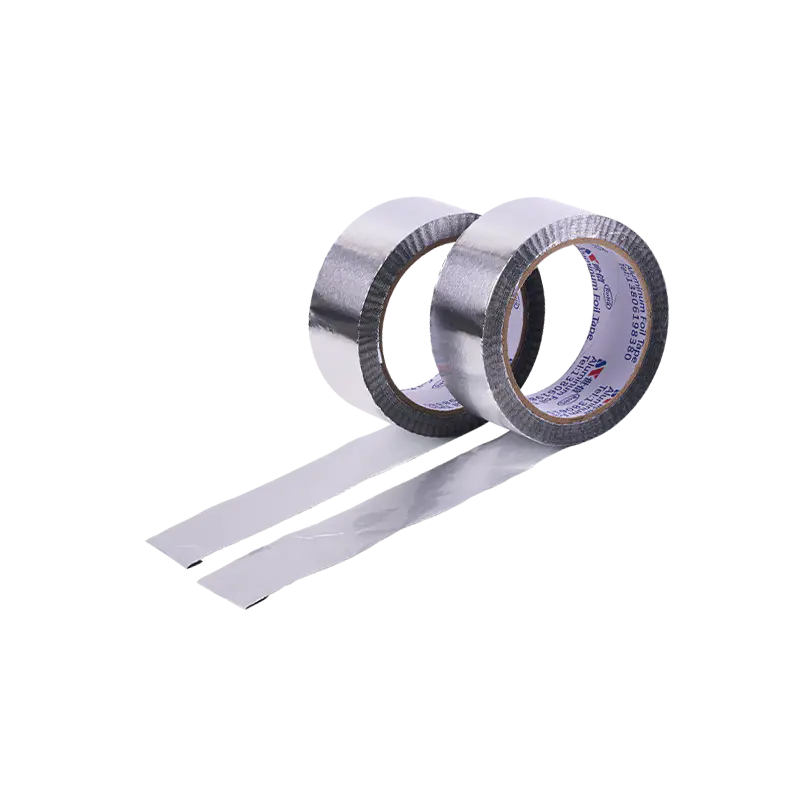
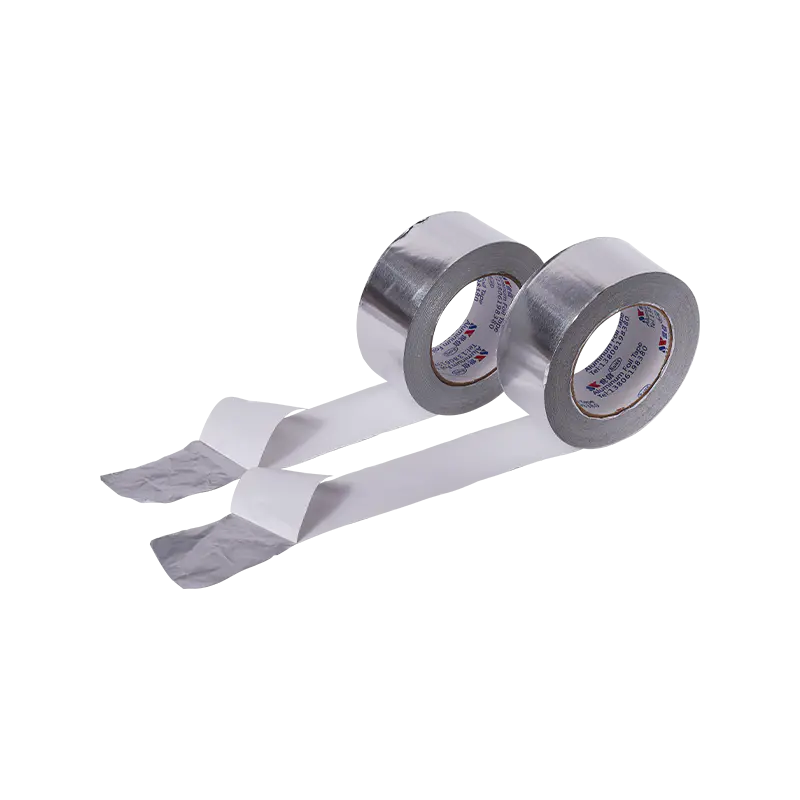
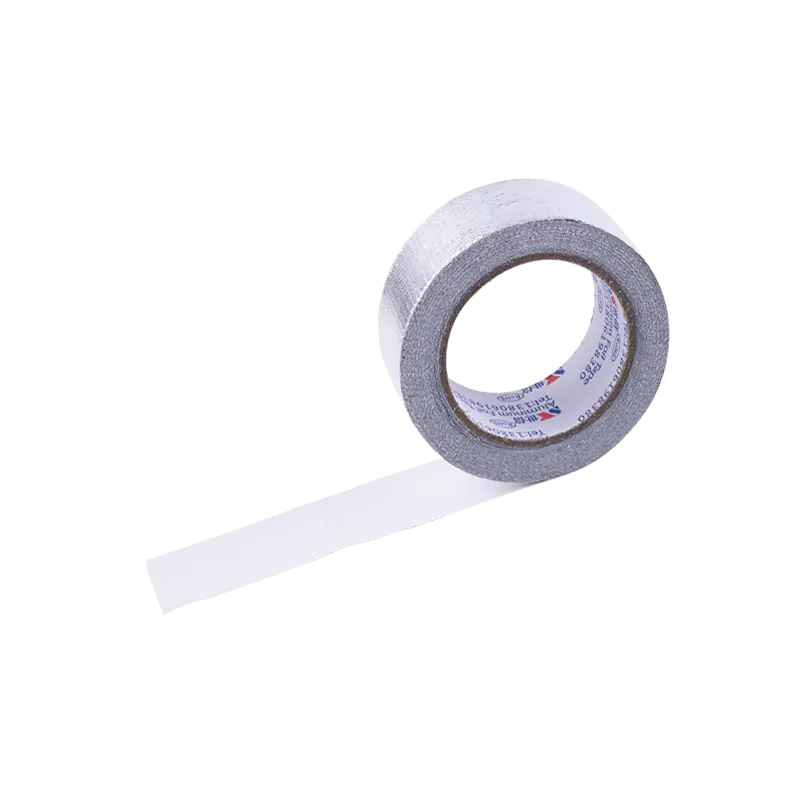
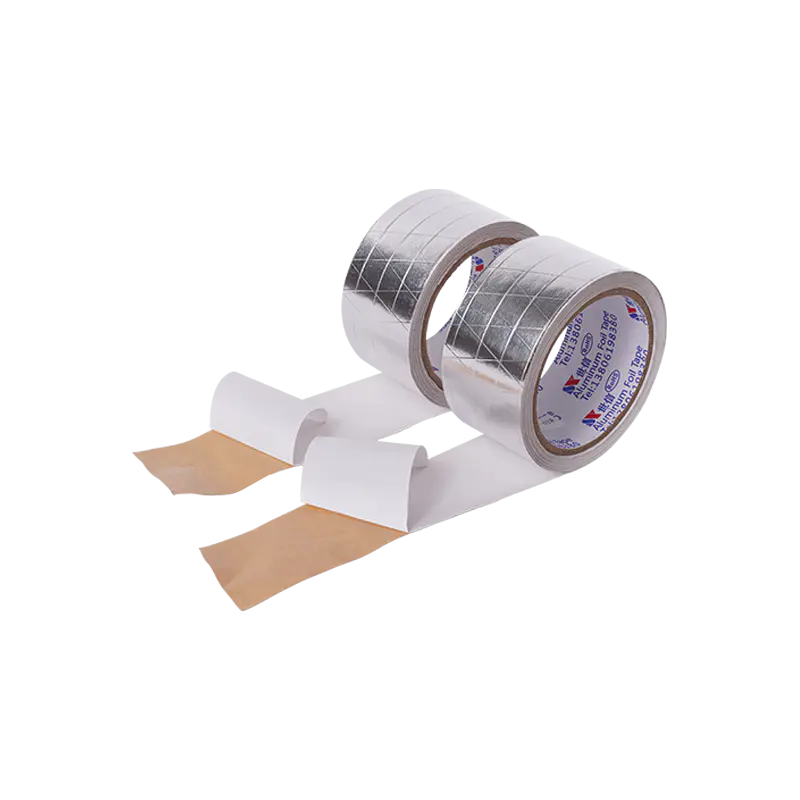
At its foundation, the tape consists of an aluminum foil backing that serves as a vapor barrier and thermal reflector. This is paired with a high-bond adhesive-typically acrylic or synthetic rubber-protected by a silicone-coated release liner. Its unique metallic properties allow it to remain stable under conditions where organic materials would degrade, making it an essential component in critical engineering and construction projects.
The significance of adhesive aluminum foil tape extends across various sectors due to its ability to solve complex environmental challenges:
To understand the depth of this material’s utility, it is necessary to compare the performance parameters based on the different adhesive systems and foil thicknesses commonly used in professional applications.
| Feature/Property | Acrylic Adhesive (Cold Weather Grade) | Synthetic Rubber Adhesive |
|---|---|---|
| Temperature Range | -35°C to +120°C | -10°C to +80°C |
| UV Resistance | Excellent (Stable for long-term outdoor use) | Moderate (May degrade over time in direct sun) |
| Initial Tack (Grab) | Moderate (Builds strength over 24 hours) | High (Immediate strong bond) |
| Moisture Resistance | Superior (Maintains bond in high humidity) | Good (Standard sealing requirements) |
| Service Life | Long-term / Permanent | Medium-term / Temporary to Semi-permanent |
When evaluating the “depth” of aluminum foil tape, the thickness of the foil itself (measured in microns or mils) dictates its application limits:
Aluminum is naturally impermeable. When applied correctly, this tape creates a hermetic seal that prevents the passage of water vapor, air, and volatile organic compounds (VOCs). This property is critical in maintaining the integrity of insulation systems and preventing corrosion under insulation (CUI).
One of the most valuable traits of aluminum foil backing is its ability to manage heat. It acts as both a thermal reflector (reflecting up to 97% of radiant heat) and a thermal conductor, helping to dissipate hotspots across a larger surface area.
Aluminum is a non-combustible material. When paired with high-performance flame-retardant acrylic adhesives, the tape meets stringent fire safety standards (such as UL 723). It does not contribute to flame spread or smoke development, which is vital for aerospace and construction safety.
The metallic nature of the foil provides electromagnetic interference (EMI) and radio frequency interference (RFI) shielding. This makes it a cost-effective solution for wrapping cables or lining electronic enclosures to prevent signal leakage or external interference.
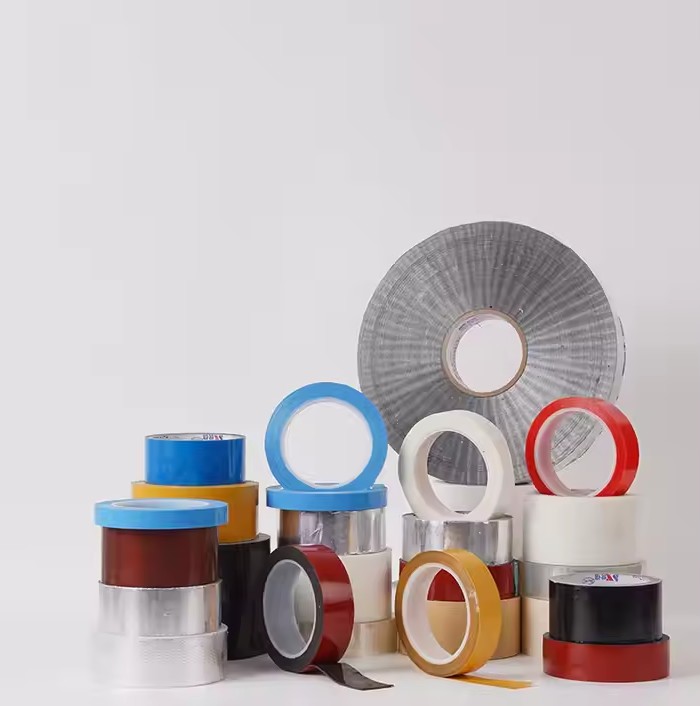
The following table details how the physical properties change based on the foil thickness, which is a primary factor in selecting the right grade for technical projects.
| Technical Property | Standard Grade (30μm / 1.2 mil) | Professional Grade (50μm / 2.0 mil) | Heavy Duty Grade (100μm / 4.0 mil) |
|---|---|---|---|
| Tensile Strength | 15 - 20 N/cm | 35 - 45 N/cm | 80 - 100 N/cm |
| Elongation at Break | ~3% | ~5% | ~8% |
| Puncture Resistance | Low | Medium-High | Excellent |
| Conformability | Excellent (Highly flexible) | Good | Low (Rigid barrier) |
| Typical Application | Domestic duct sealing | Industrial HVAC/Reflective wrapping | Structural sealing/Cryogenic pipe wrap |
The inorganic nature of the aluminum surface provides excellent resistance to UV degradation, oxidation, and many common industrial chemicals. While plastic tapes become brittle and yellow over time when exposed to sunlight, adhesive aluminum foil tape maintains its physical properties for decades, ensuring a permanent bond in outdoor environments.
Acrylic-based systems are the most prevalent in professional construction and industrial applications due to their exceptional aging resistance. Unlike organic rubbers, acrylic polymers are highly stable and do not oxidize easily when exposed to the atmosphere.
Synthetic rubber adhesives are engineered for instantaneous bonding. They possess high initial “tack,” allowing them to adhere immediately to a variety of substrates, including low-energy surfaces like certain plastics.
For specialized engineering environments, silicone adhesives are employed. These are primarily used when the tape must remain functional in extreme thermal conditions that would cause acrylic or rubber to fail completely.
The following table compares the physical performance parameters of these adhesive systems to assist in technical selection.
| Technical Property | Acrylic (Solvent-based) | Synthetic Rubber | Silicone |
|---|---|---|---|
| Operating Temperature | -35°C to +150°C | -10°C to +80°C | -70°C to +300°C |
| Initial Tack (Quick Stick) | Moderate | Very High | Low to Moderate |
| UV and Weather Resistance | Excellent | Poor | Superior |
| Chemical Resistance | High | Low | Moderate |
| Typical Application | Long-term HVAC/Construction | General repair/Packaging | Aerospace/High-heat processing |
When specifying adhesive aluminum foil tape, it is vital to match the adhesive to the surface energy of the substrate. Acrylic adhesives provide a permanent bond that strengthens over the first 72 hours, making them ideal for galvanized steel and aluminum. In contrast, rubber adhesives are preferred for rougher surfaces where high initial grab is required to hold the tape in place during installation.
The HVAC (Heating, Ventilation, and Air Conditioning) sector is the primary consumer of professional-grade foil tape. It is used to seal joints and seams in fiberglass and aluminum-backed duct boards. A proper seal is essential to maintain system pressure and prevent energy loss.
In the world of electronics, aluminium foil tape is used primarily for EMI (Electromagnetic Interference) and RFI (Radio Frequency Interference) shielding. It protects sensitive components from external signals and prevents the device itself from emitting interference.
Both automotive and aerospace engineers use foil tape for heat management. It is often applied to wire harnesses, fuel lines, and engine compartments to protect them from high-temperature environments.
The requirements for foil tape vary significantly depending on the application environment. The following table highlights the critical parameters for different sector-specific uses.
| Application Sector | Primary Requirement | Critical Parameter | Common Foil Thickness |
|---|---|---|---|
| HVAC Systems | Vapor Sealing | Water Vapor Permeance (Perms) | 30μm - 50μm |
| Electronic Shielding | EMI/RFI Protection | Electrical Conductivity / Ohms | 15μm - 25μm |
| Aerospace/Auto | Heat Shielding | Radiant Heat Reflectivity (>90%) | 75μm - 120μm |
| Appliance (Refrigeration) | Thermal Conductivity | Heat Transfer Coefficient | 40μm - 60μm |
In the production of refrigerators and freezers, adhesive aluminium foil tape is used to secure evaporator coils to the cabinet walls. Because aluminum is an excellent thermal conductor, it maximizes the heat exchange efficiency, ensuring that the appliance operates at peak energy performance levels. It also provides a robust moisture barrier in cryogenic or low-temperature storage environments.
In residential applications, duct tape is often mistakenly used for HVAC sealing. However, in professional engineering, aluminium foil tape is the only choice for permanent ductwork. Unlike the polyethylene backing and rubber adhesive of duct tape, which dry out and become brittle, aluminum foil remains stable and airtight indefinitely.
Both are used in high-temperature environments, but they serve different mechanical purposes. Polyimide is an insulator used for electrical isolation, while aluminum foil is a thermal and electrical conductor used for shielding and heat dissipation.
Metallized Polypropylene (BOPP) tape looks similar to foil tape but is actually a plastic film with a thin decorative metal coating. It lacks the dead-soft conformability and the total vapor barrier properties of genuine aluminum foil.
The following table compares adhesive aluminum foil tape against common alternatives based on standardized engineering metrics.
| Performance Metric | Aluminum Foil Tape | Traditional Duct Tape | Metallized BOPP Tape |
|---|---|---|---|
| Base Material | Solid Aluminum Foil | PE-coated Cloth | Metallized Polyester/PP |
| Flame Resistance | Class 0 / Non-combustible | Flammable | Melts / Flammable |
| Vapor Permeability | Zero (Absolute Barrier) | High (Porous over time) | Moderate to Low |
| UV Stability | Excellent (Inorganic) | Poor (Polymer degrades) | Moderate |
| Service Temperature | -35°C to +150°C+ | Up to +60°C | Up to +80°C |
| EMI Shielding | Effective | None | Minimal |
For mission-critical sealing, engineers should prioritize adhesive aluminum foil tape when long-term durability and thermal protection are required. While fabric or plastic tapes may offer lower initial costs or higher immediate tack, they fail to provide the hermetic seal and fire-safe performance necessary for modern building codes and industrial standards. When the application involves permanent HVAC installation or radiant heat shielding, the metallic integrity of aluminum is irreplaceable.

Our company has been engaged in the tape manufacturing industry for more than 20 years, and has been focusing on various types of aluminum foil tapes, foam tapes, refrigerator tapes, etc.
IsabelLina
Email:[email protected]
Mobile/Whatsapp: +86 190 3379 1110
Mars Gong
Email:[email protected]
Mobile/Whatsapp: +86 159 5136 0053
Address: West side of Yingbin Avenue and south side of hengwang packaging. Suqian Economic and Technological Development Zone,Jiangsu Province
Copyright © Jiangsu Shixin Adhesive Tape Product Co., Ltd. All Rights Reserved. Custom ODM Refrigerator Foil Adhesive Tapes Manufacturers