2026-10-23
Content
EPDM foam tape is a high-performance sealing solution engineered from ethylene propylene diene monomer rubber, offering exceptional resistance to weathering, UV exposure, and temperature fluctuations. As a critical component in modern manufacturing, this material provides long-term durability where standard rubber or plastic fails. Industries ranging from automotive to HVAC rely on its closed-cell structure to prevent moisture ingress, air leakage, and vibration damage. For procurement managers and engineers, understanding the specific properties of this material is the first step in reducing maintenance costs and improving product lifespans.
The effectiveness of any adhesive solution depends on its physical and chemical characteristics. Premium EPDM foam tape is defined by several key metrics that directly impact its performance in demanding environments.
Standard formulations typically operate effectively in temperatures ranging from -40°C to +120°C. This makes it particularly suitable for outdoor applications and engine compartments. Furthermore, its molecular structure provides outstanding resistance to ozone and UV rays, ensuring that the tape does not crack or degrade after prolonged sun exposure.
A defining feature of this material is its ability to maintain a consistent seal under continuous pressure. High-quality options exhibit a compression set of less than 10% after 22 hours at 70°C, meaning the foam returns to its original thickness once the compressive force is removed, ensuring a lasting seal.
Choosing the correct specification requires analyzing the operational environment and mechanical requirements of the project. EPDM foam tape for automotive sealing demands different thickness and density parameters compared to construction applications.
Density usually ranges from 30 kg/m³ to 120 kg/m³. Lower density options provide excellent flexibility for irregular surfaces, while high-density variants are preferred for heavy-duty gasketing. Thickness typically spans from 1mm to 10mm, dictating the maximum gap the tape can bridge.
The performance of the tape is heavily influenced by the adhesive layer. Below is a comparison of the most common adhesive backings used in industrial applications.
The choice between acrylic and rubber-based adhesives depends on the substrate and environmental exposure. Acrylic adhesives generally offer superior long-term aging and UV resistance, whereas rubber-based adhesives provide higher initial tack.
| Feature | Acrylic Adhesive | Rubber-Based Adhesive |
| Temperature Resistance | Up to +150°C | Up to +80°C |
| UV Resistance | Excellent | Poor to Moderate |
| Initial Tack | Moderate | High |
| Chemical Resistance | High | Moderate |
| Best Use Case | Outdoor and High-Temp | Indoor General Purpose |
The versatility of EPDM foam tape allows it to serve multiple sectors, each with stringent performance standards.
In vehicles, it is utilized for door seals, window channels, and HVAC unit gasketing. Its ability to absorb vibrations reduces cabin noise significantly. Weatherproof EPDM foam tape is also heavily specified in the assembly of commercial vehicles and rail cars to prevent water and dust intrusion.
Building engineers use this material for sealing window frames, curtain walls, and roofing joints. In HVAC systems, it creates airtight seals around ducts and vents, directly improving energy efficiency. Using closed cell EPDM foam tape in these systems prevents condensation and thermal bridging.
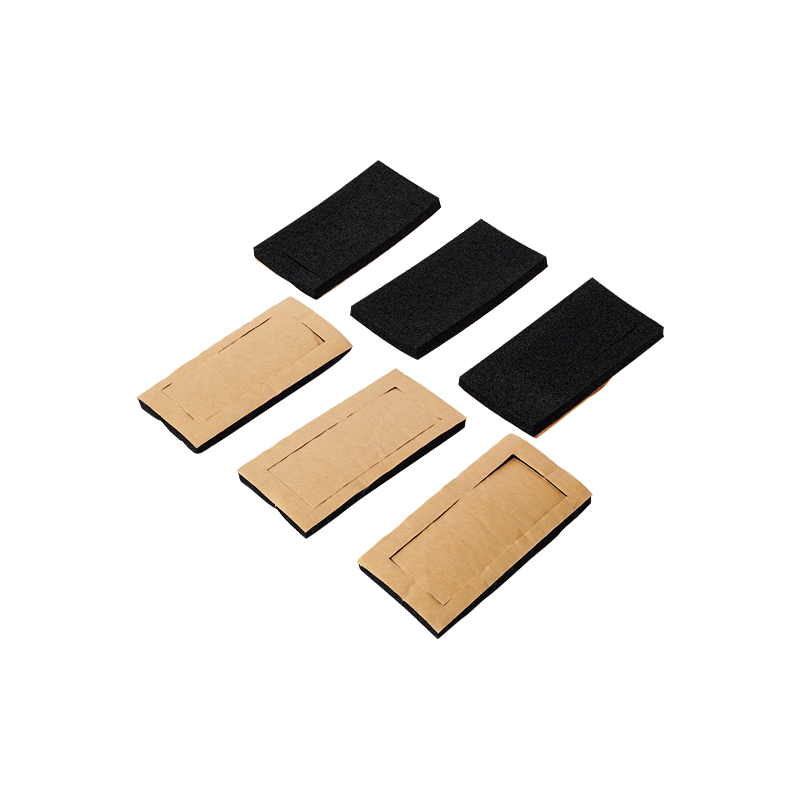
Refrigerators, washing machines, and air conditioning units require robust sealing to maintain internal temperatures and reduce motor noise. High-tech enterprises with integrated R&D and production capabilities, particularly those with over two decades of experience and large-scale factory operations, often supply these specialized solutions to global appliance leaders.
Procurement strategies directly impact the bottom line. Sourcing adhesive solutions from established high-tech enterprises integrating R&D, production, and sales offers distinct competitive advantages.
Manufacturers operating out of large-scale facilities—for instance, a nearly 11,000-square-meter factory with a dedicated workforce—are equipped to handle bulk orders while maintaining stringent quality control, a fact often validated by partnerships with recognized global brands.
For applications involving high compression loads or harsh chemical exposures, standard grades may fail prematurely. Heavy duty EPDM foam tape features higher cross-linking density, providing enhanced resistance to oils, solvents, and extreme mechanical stress. While the initial material cost is higher, the extended replacement intervals and reduced downtime result in a lower total cost of ownership for industrial machinery and outdoor enclosures.
Due to its inherent resistance to ozone, UV, and extreme temperatures, high-quality EPDM foam tape typically lasts 10 to 20 years in outdoor environments without significant degradation, making it a highly durable sealing option.
No, the surface must be clean, dry, and free of dust or oils for the adhesive to bond effectively. Moisture can prevent the adhesive from achieving proper tack and compromise the long-term integrity of the seal.
Closed-cell EPDM foam has tightly sealed cells that prevent water and air from passing through, making it ideal for waterproofing and sealing. Open-cell foam allows air and moisture to pass through, which is better suited for cushioning and sound absorption where breathability is required.

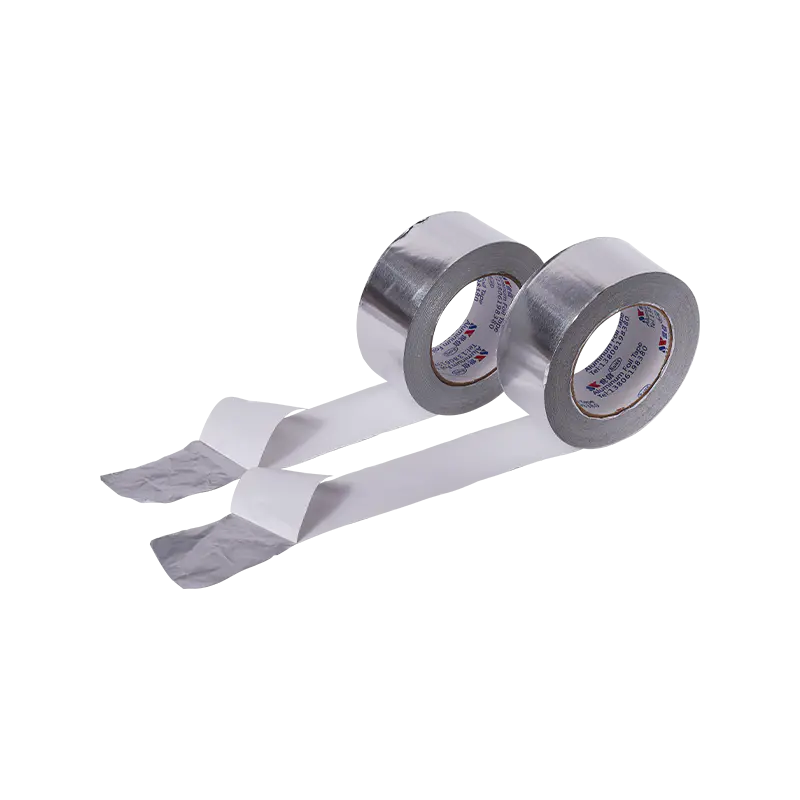
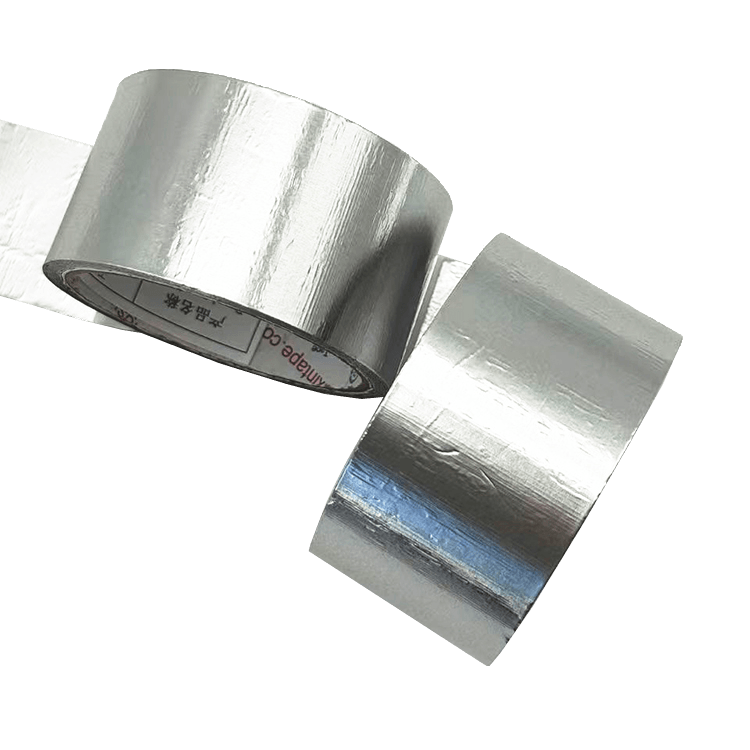
Our company has been engaged in the tape manufacturing industry for more than 20 years, and has been focusing on various types of aluminum foil tapes, foam tapes, refrigerator tapes, etc.
IsabelLina
Email:[email protected]
Mobile/Whatsapp: +86 190 3379 1110
Mars Gong
Email:[email protected]
Mobile/Whatsapp: +86 159 5136 0053
Address: West side of Yingbin Avenue and south side of hengwang packaging. Suqian Economic and Technological Development Zone,Jiangsu Province
Copyright © Jiangsu Shixin Adhesive Tape Product Co., Ltd. All Rights Reserved. Custom ODM Refrigerator Foil Adhesive Tapes Manufacturers