2026-10-16
Content
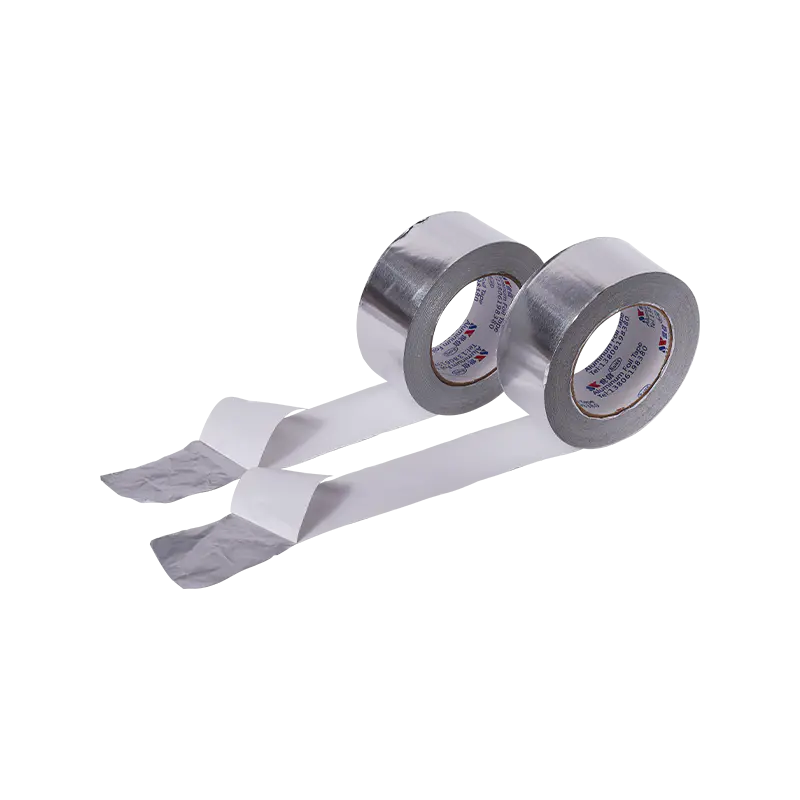
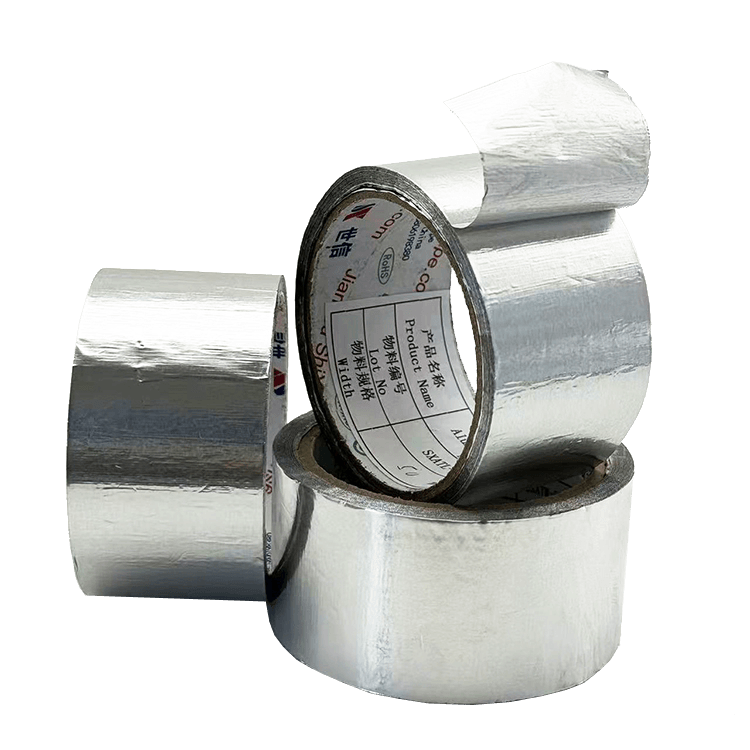
Engineers and procurement specialists often search for reliable heating solutions that combine flexibility with precision. Aluminum Foil Heating Element Tape represents a specialized category of electric heating. It is not a standard adhesive tape. Instead, it is a functional heating device. This product uses a resistive element laminated between layers of aluminum foil. It generates heat when electrical current passes through it. Understanding its construction, electrical properties, and application methods is essential for B2B buyers in industries such as semiconductor manufacturing, medical equipment, and aerospace component testing.
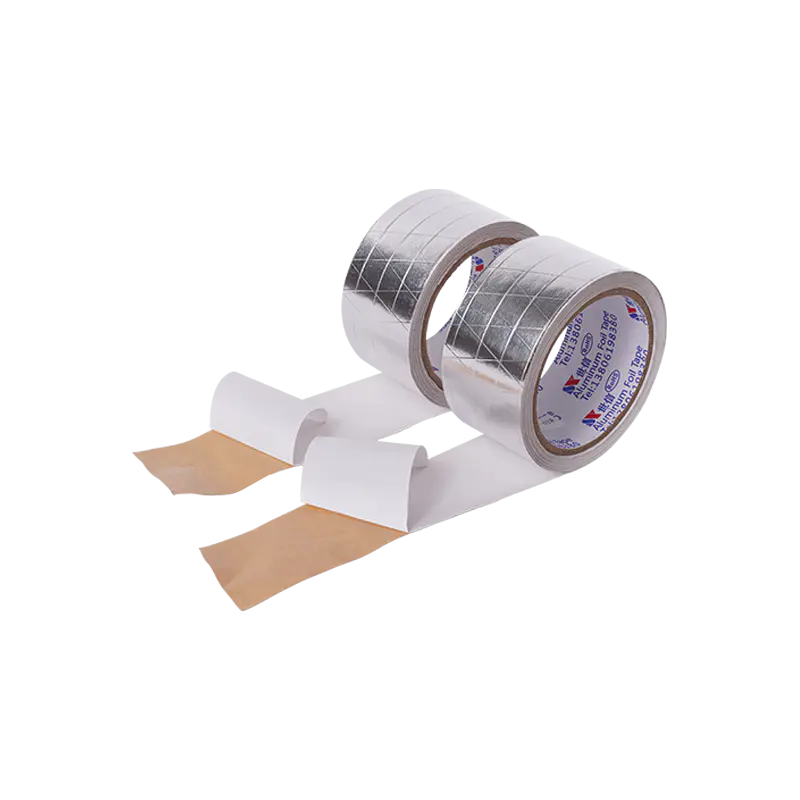
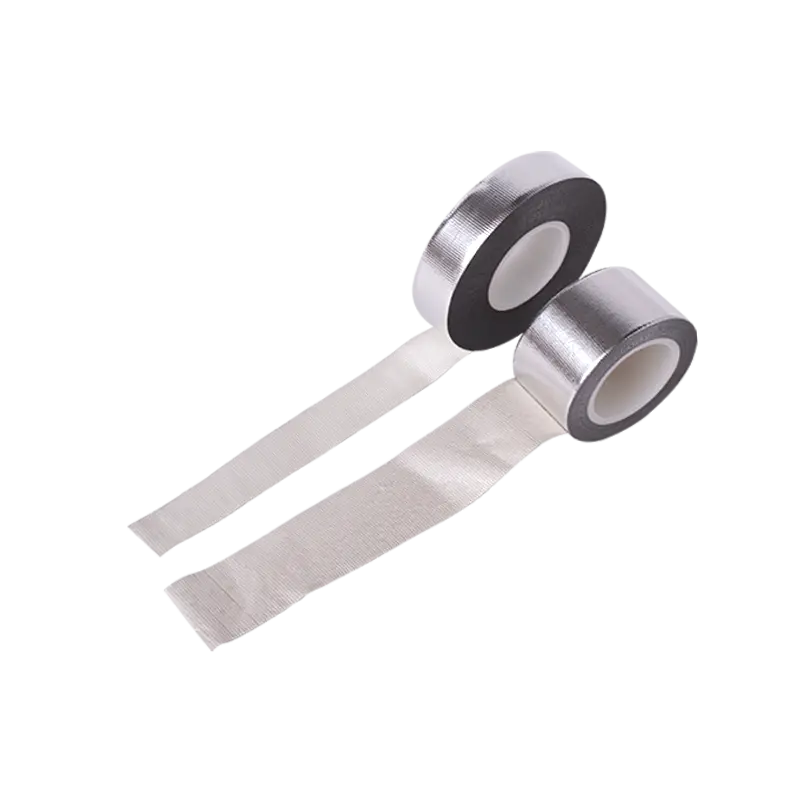
This heating tape consists of three primary layers. The top and bottom layers are aluminum foil. These layers provide mechanical protection and heat distribution. The middle layer contains a resistive heating element. This element is typically an etched foil circuit or a wire-wound core. The entire assembly is bonded with high-temperature adhesives or laminating films. This construction allows the tape to achieve uniform heat output across its surface area.
Manufacturers use two main approaches for the heating circuit. Etched foil elements offer precise watt density control. They consist of a thin metal foil pattern etched onto a dielectric substrate. Wire-wound elements use a resistance wire coiled around a fiberglass core. Each method serves different application requirements. Engineers select based on thermal uniformity needs, power requirements, and physical flexibility constraints.
When sourcing heating solutions, buyers use specific search terms to narrow their options. The following long-tail keywords reflect common procurement scenarios:
Specifying Aluminum Foil Heating Element Tape requires careful consideration of several technical parameters. The primary design variables include watt density, voltage rating, and operating temperature range. Watt density, measured in watts per square inch (W/in²), determines the surface temperature potential. Lower watt densities produce gentle, even heat. Higher densities provide rapid heating but require careful thermal management to prevent overheating.
When evaluating products for industrial applications, engineers should request the following data:
Different industries impose distinct requirements on heating tapes. In medical device manufacturing, self-adhesive heating element tape must meet biocompatibility standards. In semiconductor fabrication, cleanliness and outgassing specifications become critical. For industrial pipe tracing, the tape must resist moisture, chemicals, and physical abrasion.
Selecting the correct configuration requires matching product capabilities to application demands. The following comparison outlines typical specifications across common use cases.
Comparison of Heating Element Tape Variants:
| Application Type | Typical Watt Density | Max Temperature | Key Requirement |
|---|---|---|---|
| Pipe Freeze Protection | 3-8 W/ft | 65°C | Moisture resistance, self-regulating capability |
| Battery Heating (EV/Li-ion) | 1-3 W/in² | 85°C | Low voltage, uniform surface contact |
| Laboratory Equipment | 5-10 W/in² | 150°C | Cleanroom compatible, precise control |
| Aerospace Component Testing | 10-20 W/in² | 260°C | High temperature insulation, low outgassing |
Proper operation of low voltage heating element tape requires matching the power supply to the total resistance load. Engineers must calculate the total current draw using Ohm's Law. For long tape runs, voltage drop along the conductor length becomes significant. This can result in uneven heating. Using multiple parallel circuits or shorter tape segments often solves this issue. Temperature control typically employs PID controllers with thermocouple feedback. This maintains setpoint accuracy within ±1°C for critical processes.
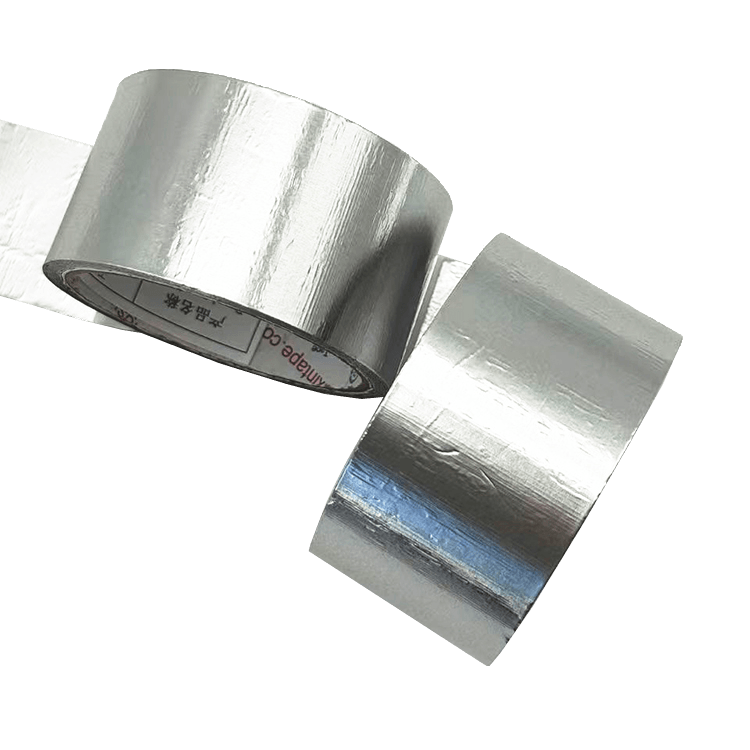
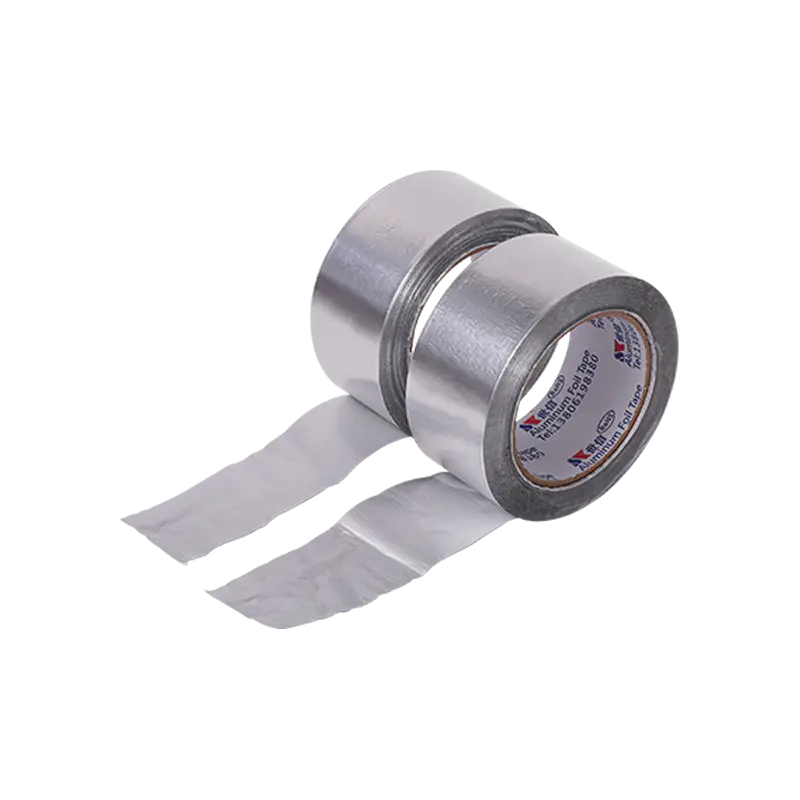
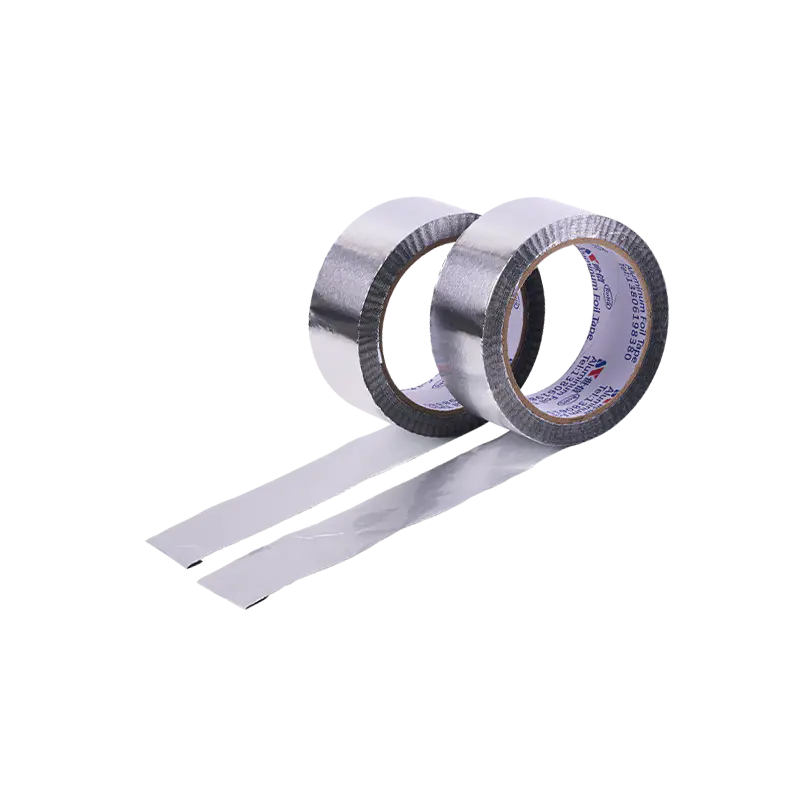
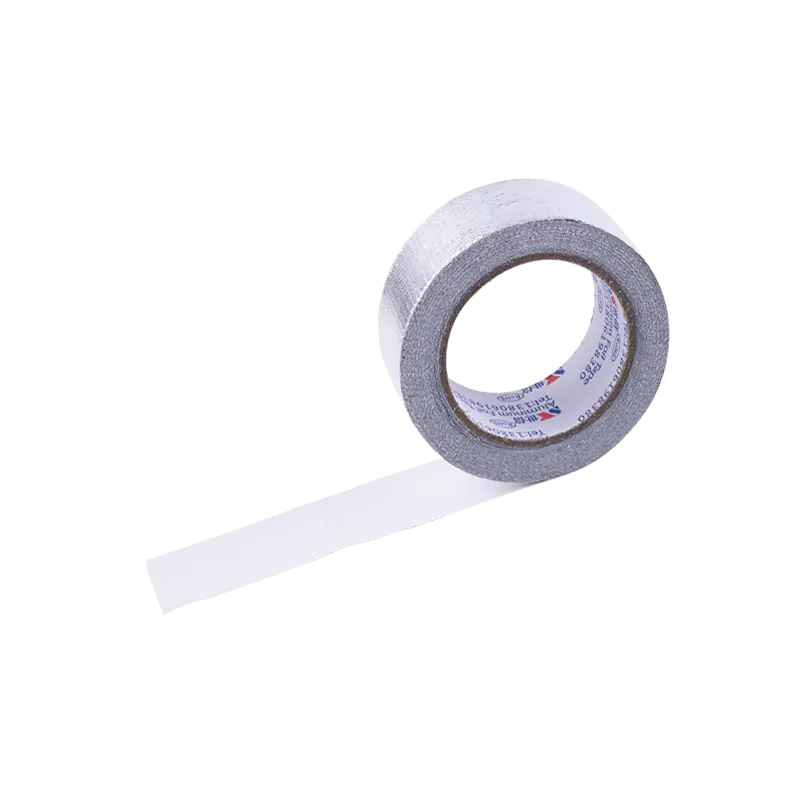
For flexible heating element tape for pipes, surface preparation directly impacts thermal transfer efficiency. The pipe surface must be clean, dry, and free of rust or coatings. Aluminum foil tape is often used as an over-wrap to improve heat distribution and provide mechanical protection. Proper insulation over the heating tape reduces heat loss to the environment by 30-50%, improving energy efficiency.
OEM buyers frequently require custom length heating element tape to fit unique product geometries. Manufacturers offer customization options including length, width, voltage rating, and lead wire configuration. Some suppliers provide integrated thermostats or RTD sensors directly laminated into the tape structure. This integration simplifies installation and improves temperature control accuracy. Minimum order quantities for custom configurations typically range from 100 to 500 units, depending on the complexity of tooling required.
Industrial buyers should verify that manufacturers perform rigorous testing. Common quality tests include:
The maximum continuous operating temperature depends on the insulation materials used. Polyimide-based constructions typically withstand 200°C continuously with peaks to 250°C. Silicone rubber constructions are rated for 200°C to 230°C continuous. Fiberglass-reinforced tapes with mica insulation can reach 450°C for specialized industrial applications. Exceeding the rated temperature causes insulation breakdown and short circuit failures.
Standard self adhesive heating tapes are not designed for submersion. The adhesive bond weakens when exposed to liquids. For wet or immersed applications, engineers must specify fully encapsulated heating elements with sealed lead entries. These are typically rated IP67 or IP68 for temporary submersion. Some manufacturers offer molded silicone construction specifically for liquid immersion applications such as aquarium heating or chemical process vessels.
The required wattage depends on pipe diameter, insulation thickness, and minimum ambient temperature. A standard formula uses: Watts per foot = (2π × ΔT × k) / ln(D_insulation / D_pipe), where ΔT is the temperature differential, k is insulation thermal conductivity, and D represents diameters. For most industrial applications, 5 to 10 watts per foot on 1-inch pipes with 1-inch insulation is adequate for -20°C ambient conditions. Engineering software tools or manufacturer sizing guides provide more precise calculations.
For North American installations, UL 499 (Electric Heating Appliances) or UL 2366 (Heating Tape) certification is standard. European markets require CE marking with compliance to EN 60335 or EN 62233. For hazardous locations, ATEX or IECEx certification may be necessary. Medical applications require ISO 13485 manufacturing compliance. Always request the specific certification documents relevant to your geographic location and application industry.

Our company has been engaged in the tape manufacturing industry for more than 20 years, and has been focusing on various types of aluminum foil tapes, foam tapes, refrigerator tapes, etc.
IsabelLina
Email:[email protected]
Mobile/Whatsapp: +86 190 3379 1110
Mars Gong
Email:[email protected]
Mobile/Whatsapp: +86 159 5136 0053
Address: West side of Yingbin Avenue and south side of hengwang packaging. Suqian Economic and Technological Development Zone,Jiangsu Province
Copyright © Jiangsu Shixin Adhesive Tape Product Co., Ltd. All Rights Reserved. Custom ODM Refrigerator Foil Adhesive Tapes Manufacturers