2026-10-16
Content
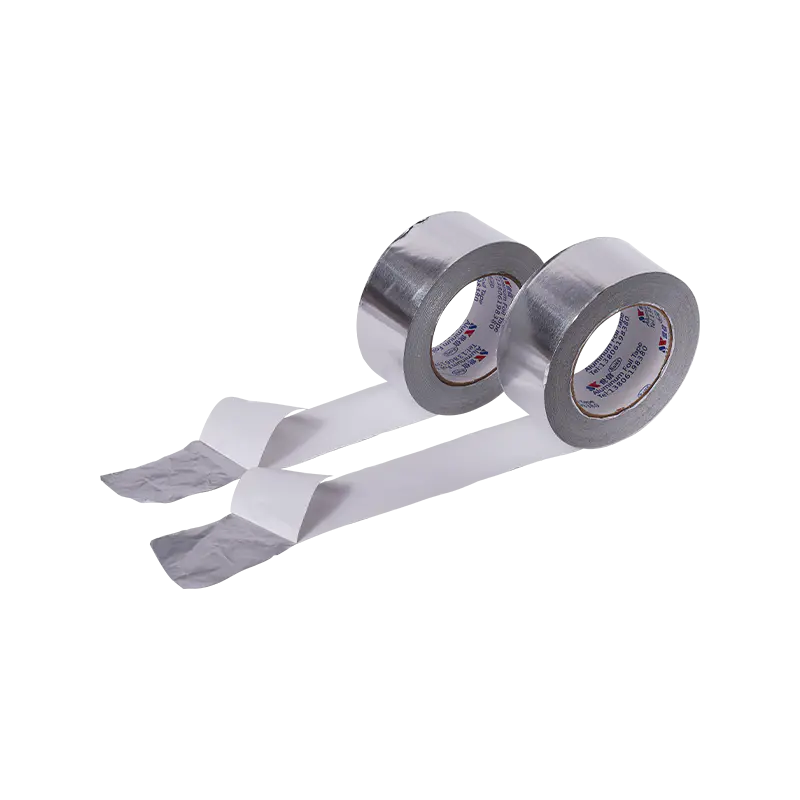
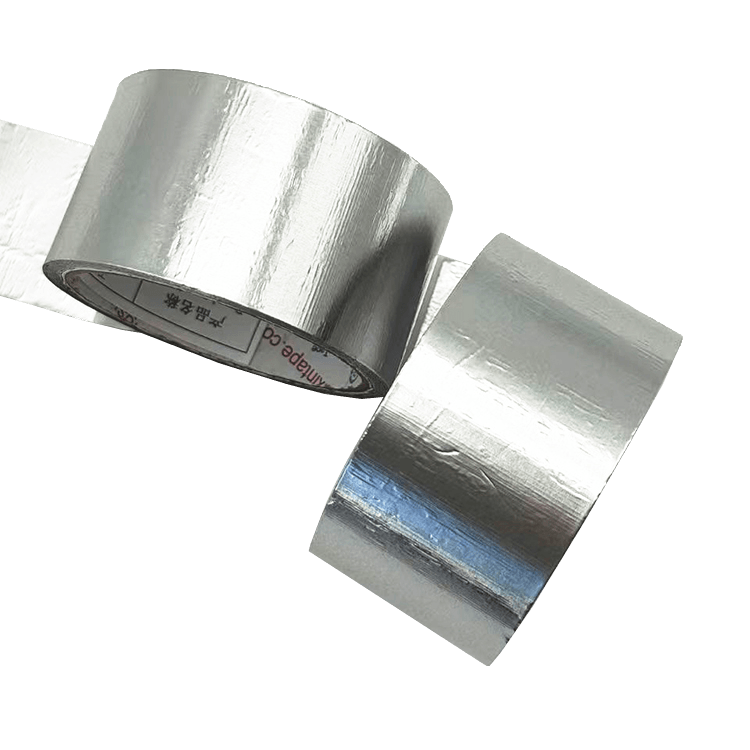
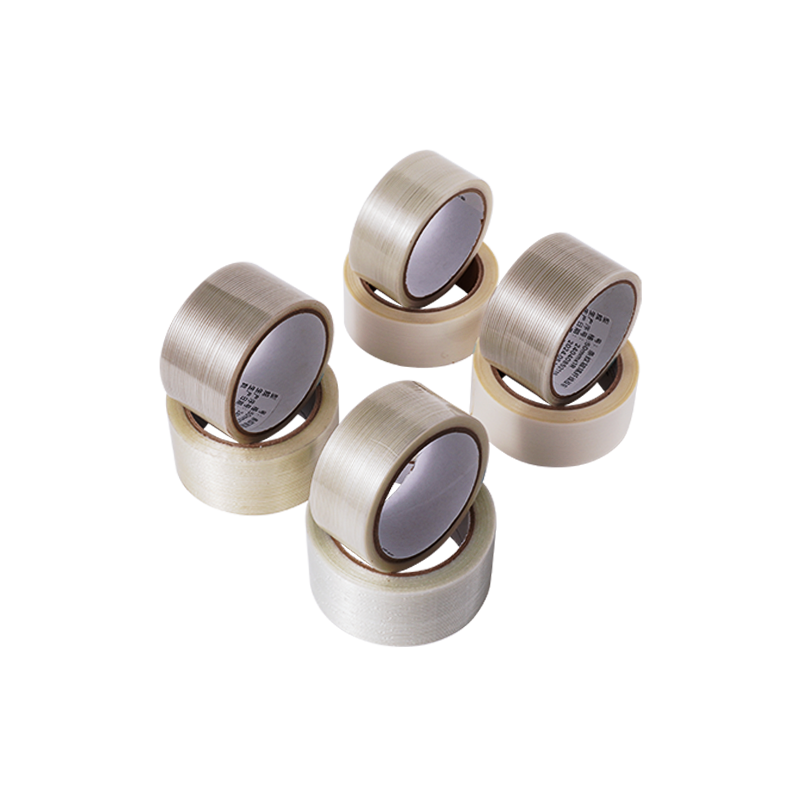
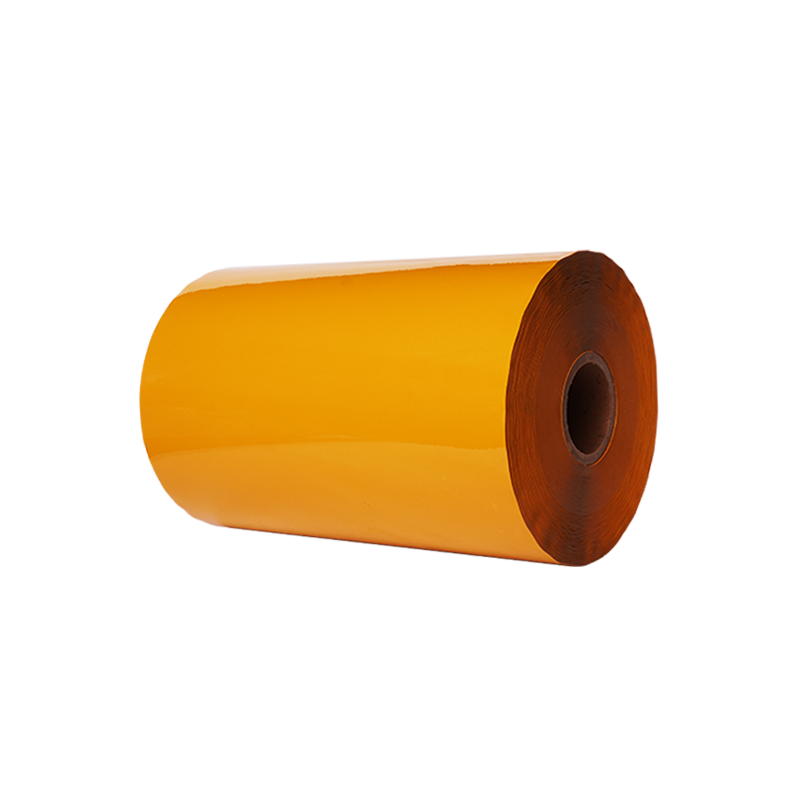
MOPP tape (Monoaxially Oriented Polypropylene film pressure-sensitive tape) is a specialized wrapping material widely used in power, telecommunications, and industrial wire harnessing. The direct and definitive conclusion is: MOPP tape combines a uniaxially stretched polypropylene backing with a high-performance pressure-sensitive adhesive to provide three core protective functions—mechanical puncture resistance, electrical insulation, and environmental sealing. It is particularly suited for repairing damaged cable sheaths, sealing intermediate joints, and bundling wire harnesses in high-friction environments. Unlike standard PVC electrical tape, MOPP tape offers significantly higher tensile strength (typically exceeding 100 N/cm in the machine direction) and very low elongation at break. This ensures minimal relaxation after wrapping and provides temperature resistance ranging from 105°C to 125°C, making it indispensable for applications such as automotive engine compartments, outdoor base stations, and direct-buried cable repairs.
It is not a single-layer film but a structured material consisting of an oriented polypropylene film layer, a release layer (or release liner), and an adhesive layer. Because the uniaxial stretching process imparts extremely high longitudinal modulus, MOPP tape generates sustained, uniform compressive force when wrapped around cables, effectively preventing moisture migration along the cable axis. In field case studies, repairing damaged outdoor fiber optic cable sheaths with MOPP tape demonstrated crush resistance approximately 40% to 60% higher than repairs made with PVC tape, directly impacting the long-term survival of cables in buried conduits.
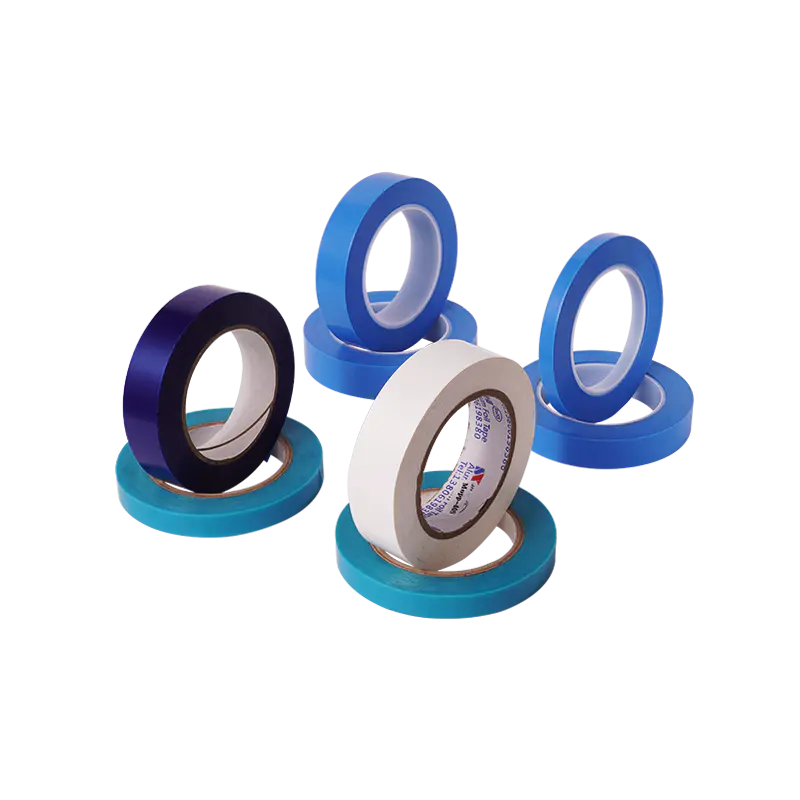
The protective capability of MOPP tape originates with its backing. After uniaxial stretching, the molecular chains of the polypropylene film align in the direction of stretch. This results in exceptionally high tensile strength in the machine direction while remaining easily tearable by hand in the transverse direction (no cutting tools required). This characteristic yields two immediate advantages:
Mechanical wrapping alone cannot prevent water molecule penetration. MOPP tape is typically coated with rubber-based or acrylic pressure-sensitive adhesive at a thickness between 0.025 mm and 0.040 mm. The adhesive not only provides robust adhesion to cable jackets (polyethylene, PVC, or rubber) but also fills microscopic surface irregularities. In communication cable joint sealing processes, MOPP tape often serves as the inner waterproofing layer. Laboratory testing shows that after immersion in a 50°C water bath for 7 days, the insulation resistance of MOPP-taped areas remains above 1×10⁶ MΩ, with volume resistivity reaching levels of 1×10¹⁴ Ω·cm—sufficient to meet insulation restoration requirements for low-voltage power cables.
To clearly illustrate the positioning of MOPP tape in engineering applications, the following table compares its typical parameter differences with PVC tape and self-amalgamating rubber tape:
| Performance Metric | MOPP Tape | Standard PVC Electrical Tape | Butyl Self-Amalgamating Tape |
|---|---|---|---|
| Tensile Strength (N/cm) | ≥100 (MD) | 15–25 | 3–8 |
| Elongation at Break (%) | ≤60 (MD) | 150–250 | ≥500 |
| Long-Term Temperature Rating (°C) | -40 to 105/125 | -10 to 80 | -40 to 90 |
| Dielectric Strength (kV/mm) | ≥40 | ≥35 | ≥20 (thickness dependent) |
| Hand Tearability | Easy crosswise tear | Requires stretching to thin | Scissors required |
As evident from the table, MOPP tape offers distinct advantages in strength, temperature resistance, and dimensional stability, making it especially suitable for scenarios requiring resistance to mechanical stress or temperature fluctuations.
While MOPP tape has broad utility, its cost-effectiveness and reliability far exceed alternatives in specific demanding conditions. The following are several high-value application directions:
When a cable outer sheath suffers a tear from construction abrasion or rodent bites—but the primary insulation remains intact—MOPP tape is the ideal wrapping repair material. Because it is free of corrosive elements such as sulfur and chlorine, it will not react with copper conductors or semi-conductive shielding layers. Application involves directly half-lapping 2 to 3 layers to restore the physical protection and seal integrity of the sheath. In statistics gathered from 10kV distribution line emergency repairs, the average repair time for sheath damage using MOPP tape is approximately 3 to 5 minutes, whereas heat-shrink tubing repair requires cable stripping, tube placement, and heating—often taking over 20 minutes.
Feeder cable connections atop outdoor base station towers are continuously exposed to UV radiation and thermal cycling. Common cable ties tend to become brittle and fail, whereas MOPP tape—often containing UV stabilizers in its black variants and offering high-temperature resistance (some grades withstand instantaneous temperatures up to 150°C)—is the preferred choice for securing the outer layer of waterproof mastic at connector junctions. It provides uniform pressure that prevents internal waterproof mastic from migrating due to cold flow.
Automotive wire harnesses operate in confined, high-temperature, high-vibration environments. MOPP tape serves as an alternative or supplement to fleece tape or corrugated tubing, offering extremely low unwinding noise (quieter than PVC tape). In abrasion resistance testing conducted in accordance with LV312 (automotive tape testing standard), MOPP tape with a thickness of 0.11 mm achieves 500 to 1,000 abrasion cycles (needle scratch under load), effectively preventing short circuits caused by harness contact with sharp sheet metal edges.
MOPP tape specifications vary widely in the market, and incorrect selection can lead to adhesion failure or unnecessary costs. It is recommended to screen rigorously based on the following three dimensions:
Do not simply pursue thickness; focus instead on tensile strength per unit width. For applications requiring only dust protection and identification, lightweight grades with thicknesses of 0.06 mm to 0.08 mm suffice. However, for scenarios involving soil pressure resistance or repair of cable armor layers, heavy-duty grades with thicknesses ≥0.15 mm and tensile strengths ≥150 N/cm are mandatory. A practical rule of thumb: If the object being wrapped has a diameter exceeding 30 mm and is subject to external compression, thin tapes tend to neck down (stretch widthwise) under application tension, leading to incomplete coverage.
MOPP tape adhesives fall primarily into two categories:
For underwater or high-humidity environments, request 180° peel adhesion data from suppliers (typically > 4.5 N/cm to steel) and the retention of adhesion after hygrothermal aging (generally required to be ≥70%).
While color may seem cosmetic, it impacts functionality:
Even with excellent material properties, incorrect application techniques can significantly diminish protective effectiveness. Based on field feedback, the following points must be strictly observed:
Cable surfaces often retain silicone grease, mud, or mold release agents. Wipe the target area with a dedicated cleaner or anhydrous ethanol and allow it to evaporate fully before wrapping. Measured data shows that on uncleaned PE sheaths, the peel adhesion of MOPP tape can drop by 30% to 50%. This occurs because the pressure-sensitive adhesive cannot effectively wet the contaminated interface.
Unlike self-amalgamating tape, MOPP tape does not rely on inter-layer fusion; it relies on adhesive bonding to the backing of the previous layer. The correct application method is 1/2 overlap (each subsequent wrap covers 50% of the width of the previous wrap), effectively providing two layers of coverage. During wrapping, apply approximately 20% to 30% elongation (allowing the tape to narrow slightly), utilizing the backing's recovery force to create an inward compressive hoop stress. For termination, wrap the final two turns without tension, relying solely on natural adhesion to prevent stress concentration and edge lifting.
In cable joint waterproofing, it is not recommended to use MOPP tape alone as the outermost layer. The recommended layered structure (from inner to outer) is as follows:
This combination approach has demonstrated a time-to-failure extension of more than 2.5 times in waterproofing tests of direct-buried cable joints compared to wrapping with self-amalgamating tape alone.
This is an extremely dangerous practice. While the dielectric strength of MOPP tape is high, it is designed for sheath repair (mechanical and environmental protection), not conductor insulation. In systems with voltage ratings exceeding 1kV, MOPP tape must never be used to restore primary insulation. Its partial discharge inception voltage differs significantly from that of specialized insulating self-amalgamating tapes, posing a long-term risk of dielectric breakdown.
Waterproofing relies on interfacial adhesion and low moisture vapor transmission rate, not merely thickness. If there is dust on the tape backing or if it is applied loosely, creating voids between layers, even 10 layers will not prevent capillary water ingress. The scientific basis is that moisture transmission rate is directly proportional to the size of inter-layer gaps. A tight, void-free application with 2 half-lapped layers provides far superior protection to a loose 5-layer wrap.
Excessively high peel adhesion often correlates with a softer adhesive mass, which may ooze out and contaminate adjacent equipment or cause tape displacement at elevated temperatures. Quality MOPP tape seeks a balance between peel adhesion and cohesive strength. This ensures that under sustained shear stress (such as cable bending), the adhesive layer does not fail cohesively and leave residue. Professional evaluations focus on static shear holding power (typically requiring displacement of less than 2 mm over 24 hours under a 1 kg load).

Our company has been engaged in the tape manufacturing industry for more than 20 years, and has been focusing on various types of aluminum foil tapes, foam tapes, refrigerator tapes, etc.
IsabelLina
Email:[email protected]
Mobile/Whatsapp: +86 190 3379 1110
Mars Gong
Email:[email protected]
Mobile/Whatsapp: +86 159 5136 0053
Address: West side of Yingbin Avenue and south side of hengwang packaging. Suqian Economic and Technological Development Zone,Jiangsu Province
Copyright © Jiangsu Shixin Adhesive Tape Product Co., Ltd. All Rights Reserved. Custom ODM Refrigerator Foil Adhesive Tapes Manufacturers