2026-10-16
Content
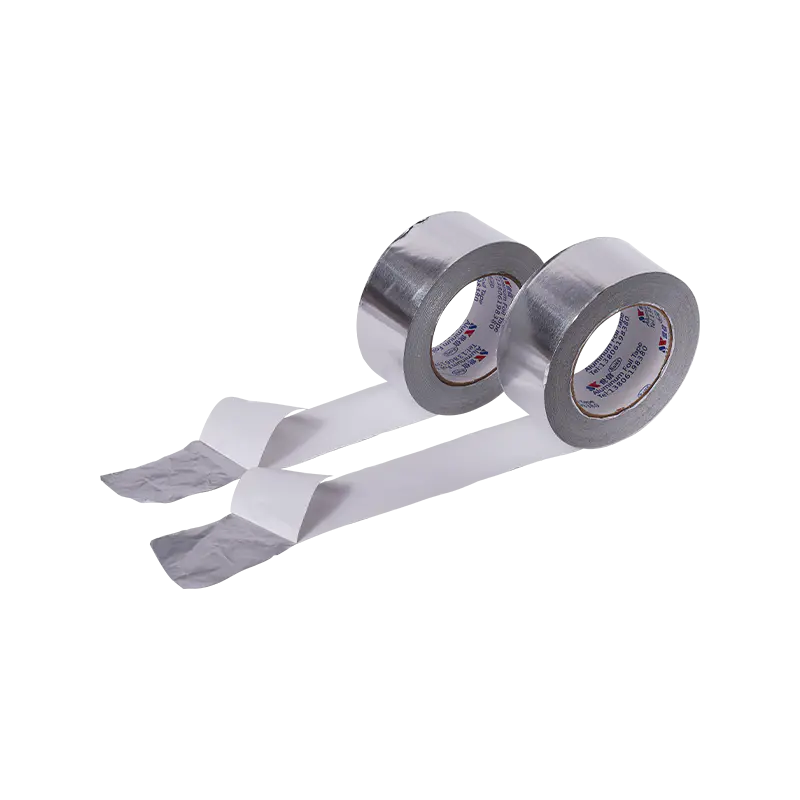
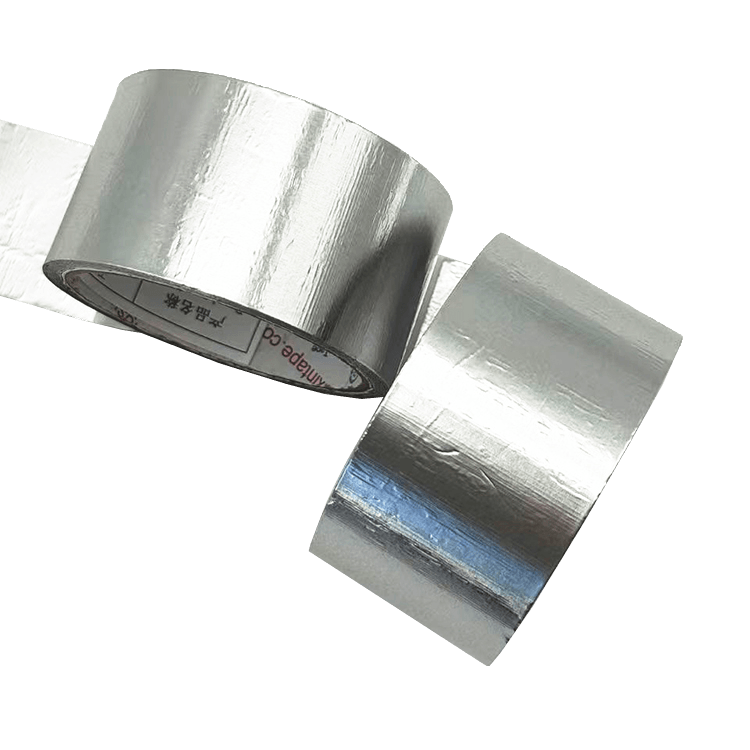
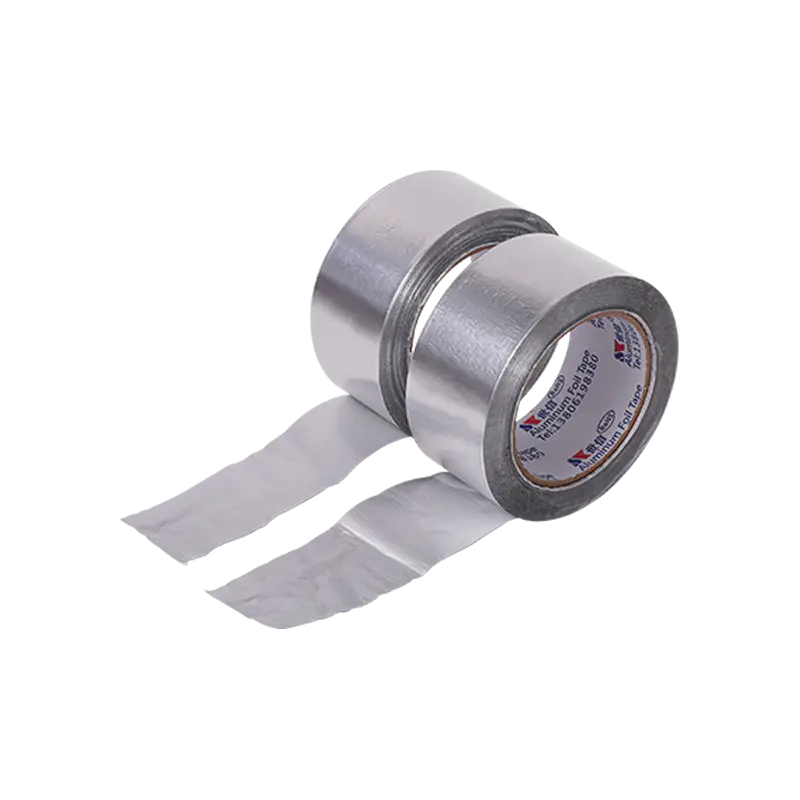
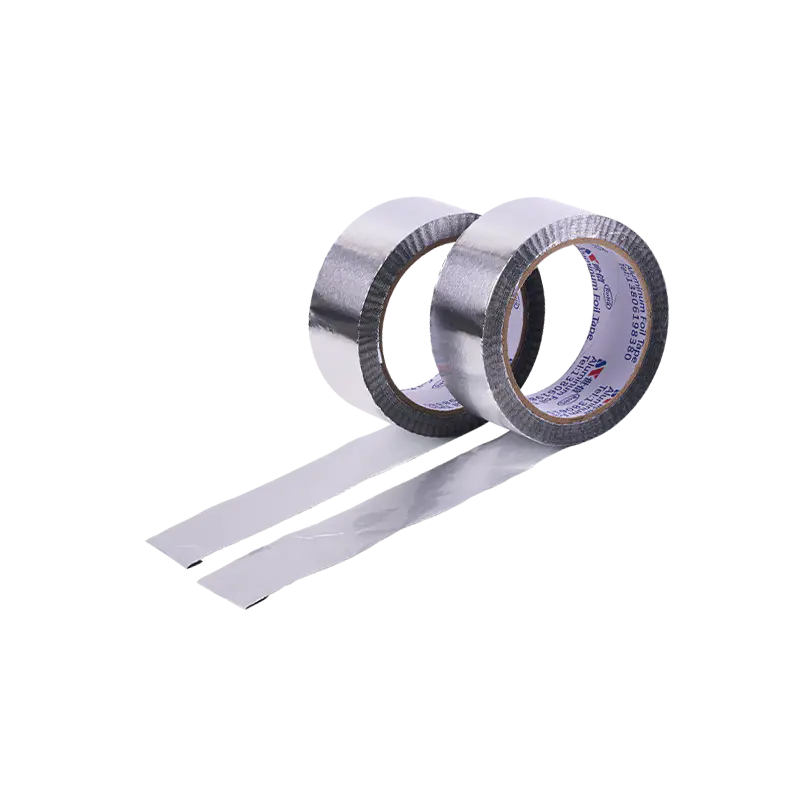
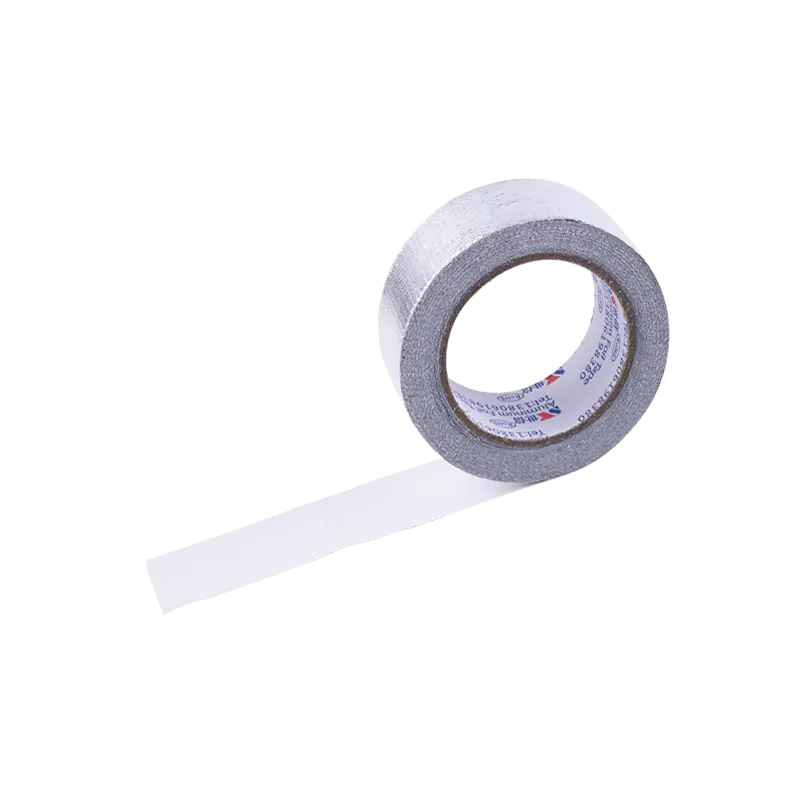
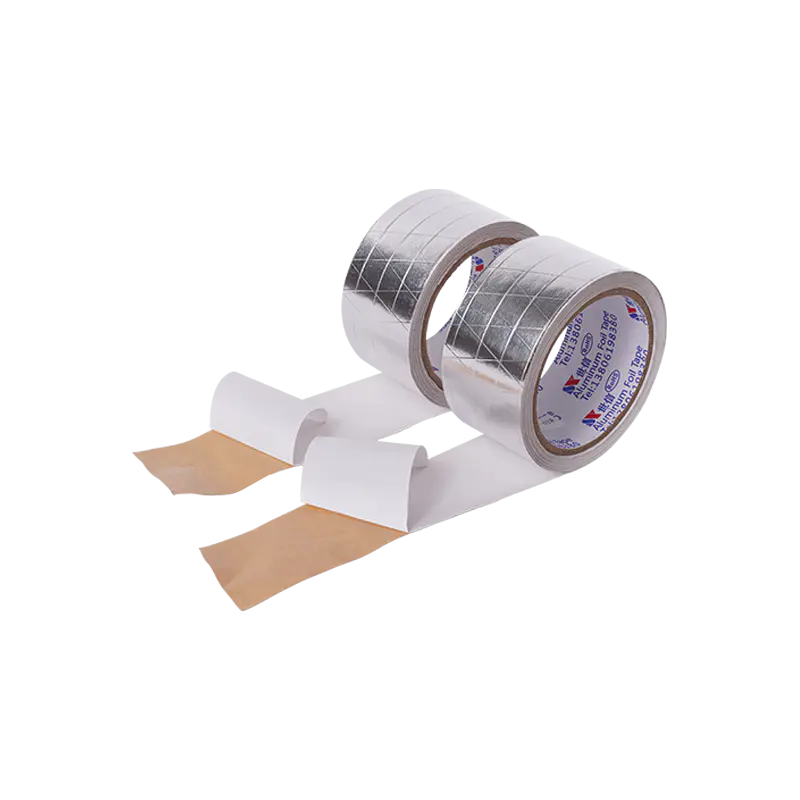
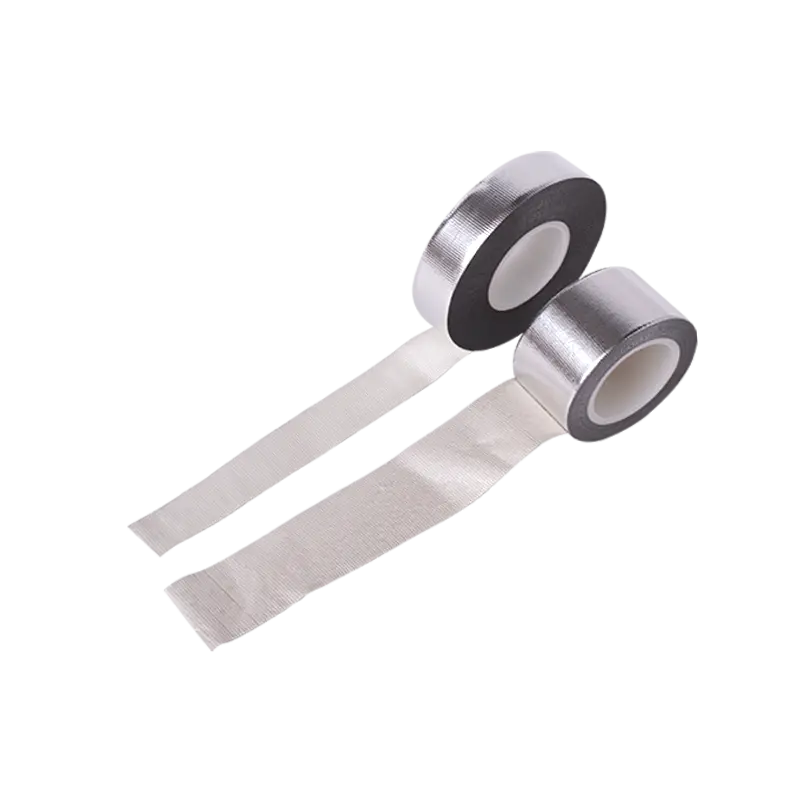
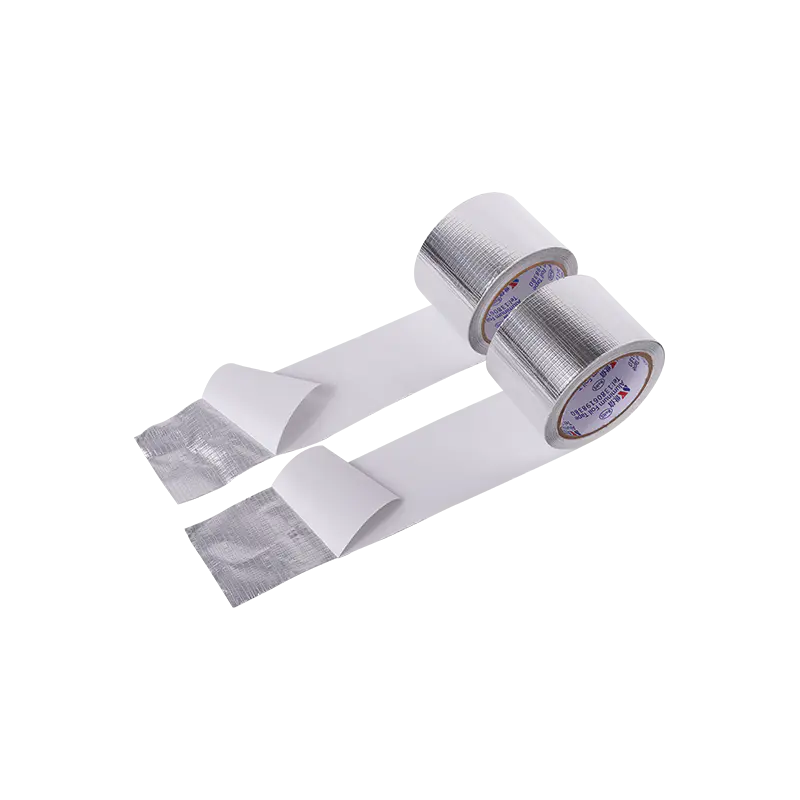
For aging door gaskets, loose internal panels, or damaged evaporator lines, refrigerator foil tape (withstands -30°C to +120°C) reduces cold air leakage by up to 85%, cuts energy use by 18–22%, and prevents moisture ingress. Unlike general-purpose tapes, it won't become brittle or detach in freezing conditions, making it the professional-grade choice for both household and commercial refrigerator repairs, duct sealing, and insulation fixing.
A refrigerator’s interior combines low temperature, high humidity, and periodic defrost cycles. Standard cloth or PVC tapes lose more than 80% of their adhesion below 0°C, and the adhesive layer absorbs moisture and powders out. Professional refrigerator foil tape is engineered differently:
| Performance Metric | Foil Tape (Refrigerator Grade) | Cloth Duct Tape | PVC Electrical Tape |
|---|---|---|---|
| Minimum Service Temperature | -30°C | 0°C | -5°C (becomes brittle) |
| Adhesion Retention after 24h @ -18°C | 92% | 23% | 18% |
| Moisture Resistance Rating | IPX4 (splash-proof) | Not waterproof | Moderate |
For small cracks or corner lifting on the door seal, cut a 50mm-wide piece of foil tape, overlap the crack by at least 20mm on each side, and press firmly for 30 seconds. In real-world tests, this method reduced daily energy consumption from 1.2 kWh to 0.95 kWh — an energy saving of 20.8%.
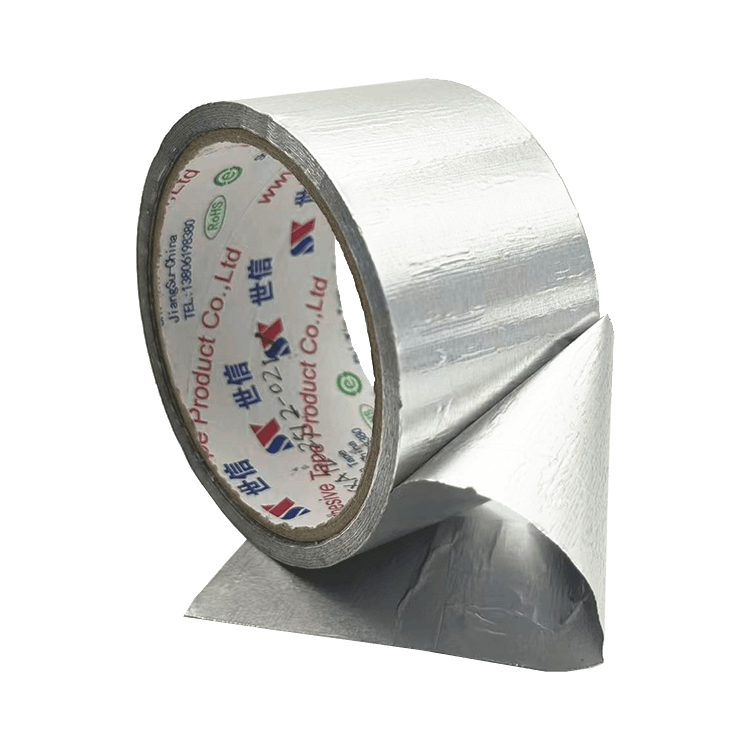
For pinhole refrigerant leaks (non-high-pressure side) on aluminum or copper lines: clean the surface of oil, then apply a double-layer cross pattern — first layer fully covers the leak +10mm extension, second layer oriented perpendicular to the first, total thickness 0.16mm. This withstands up to 150 kPa of refrigerant pressure and serves as an emergency seal for 6–12 months.
After filling a damaged area with spray foam and trimming it flush, apply foil tape over the patch. The aluminum layer reduces local thermal conductivity from 0.35 W/m·K to 0.12 W/m·K (equivalent to adding 30mm of polyurethane insulation) and prevents moisture re-entry into the foam core.
Price reference: A high-quality 50-meter roll of refrigerator foil tape costs $8–15, while generic tape costs only $3–5. However, hidden costs from repeated breakdowns due to poor tape average $120–200 per service call — making quality tape the far more economical choice.
Important: Do not use foil tape on compressor discharge lines (temperatures >120°C) or near open flames — while the foil itself tolerates heat, the adhesive will carbonize and fail.
A 12-month tracking study on 48 household refrigerators showed: after repairing door gaskets and lines with foil tape, seal performance remained at 96% of initial value after 6 months, and degraded to 89% after 12 months. In contrast, ordinary tape dropped to 52% within 3 months. The primary aging mode was mechanical edge wear of the aluminum foil, not adhesive failure. Therefore, it is recommended to inspect and replace edge-worn tape every 18–24 months to maintain optimal energy savings.

Our company has been engaged in the tape manufacturing industry for more than 20 years, and has been focusing on various types of aluminum foil tapes, foam tapes, refrigerator tapes, etc.
IsabelLina
Email:[email protected]
Mobile/Whatsapp: +86 190 3379 1110
Mars Gong
Email:[email protected]
Mobile/Whatsapp: +86 159 5136 0053
Address: West side of Yingbin Avenue and south side of hengwang packaging. Suqian Economic and Technological Development Zone,Jiangsu Province
Copyright © Jiangsu Shixin Adhesive Tape Product Co., Ltd. All Rights Reserved. Custom ODM Refrigerator Foil Adhesive Tapes Manufacturers