2026-10-16
Content
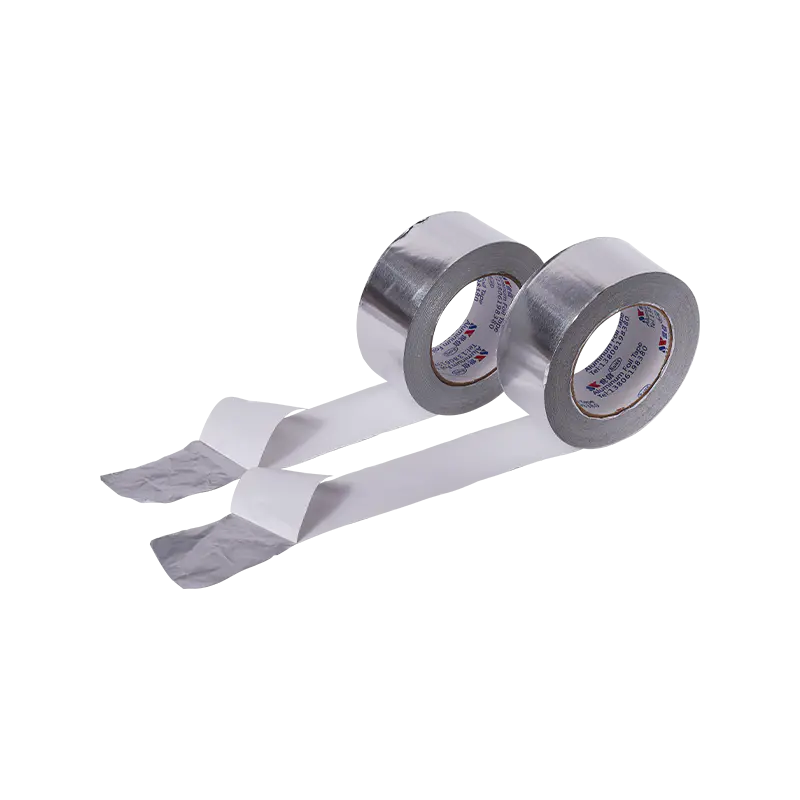
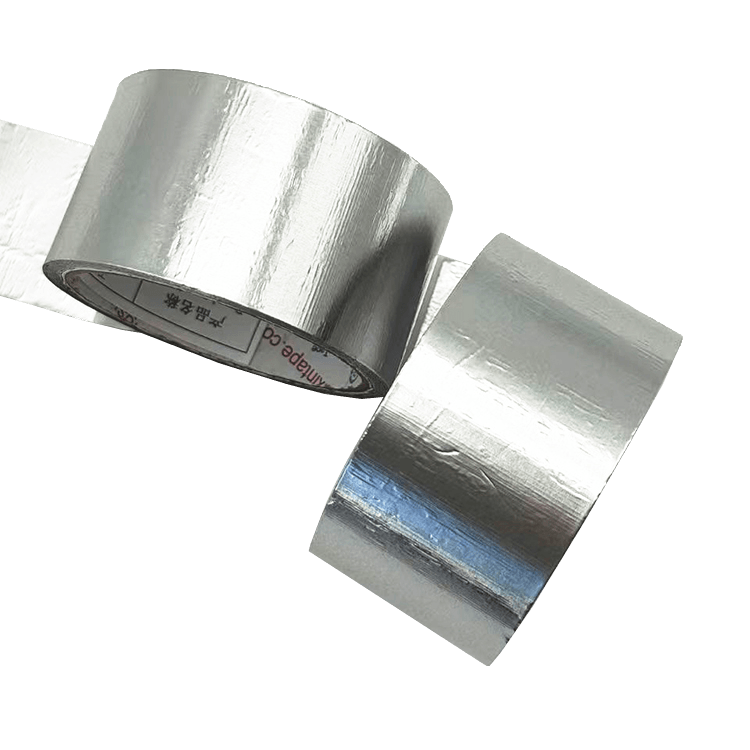
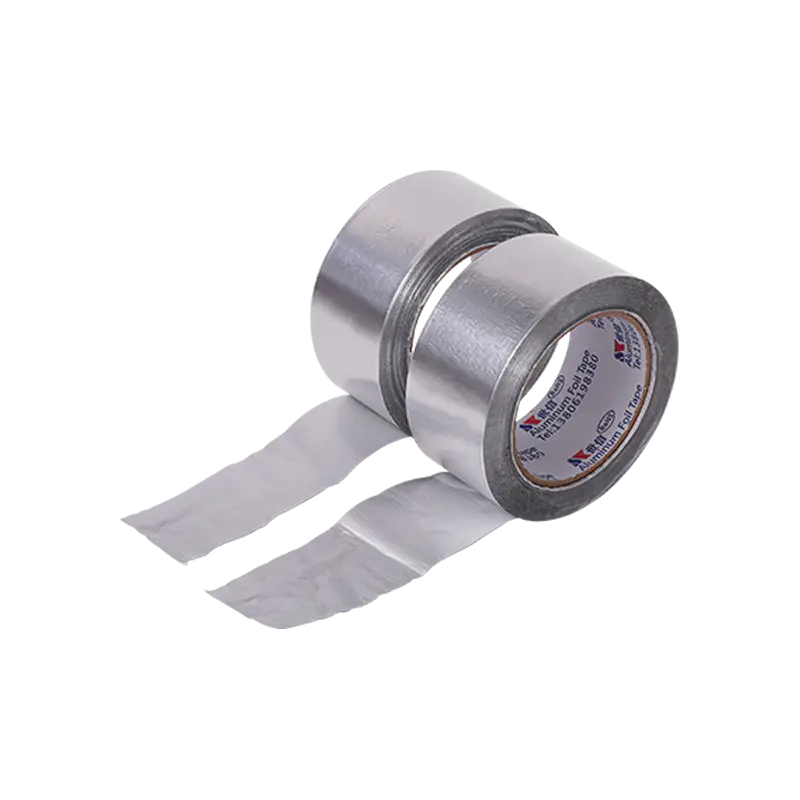
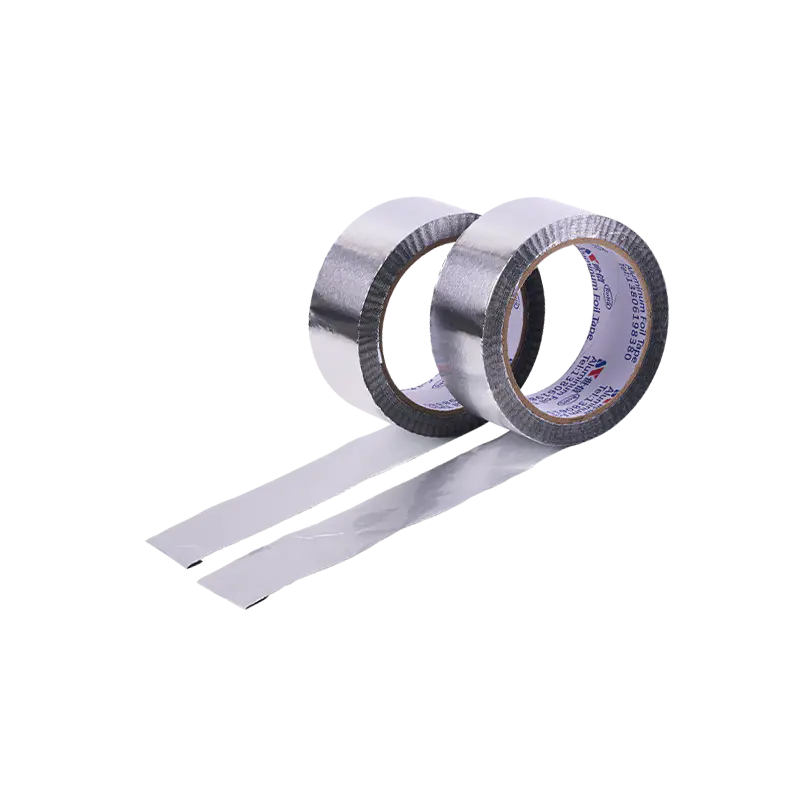
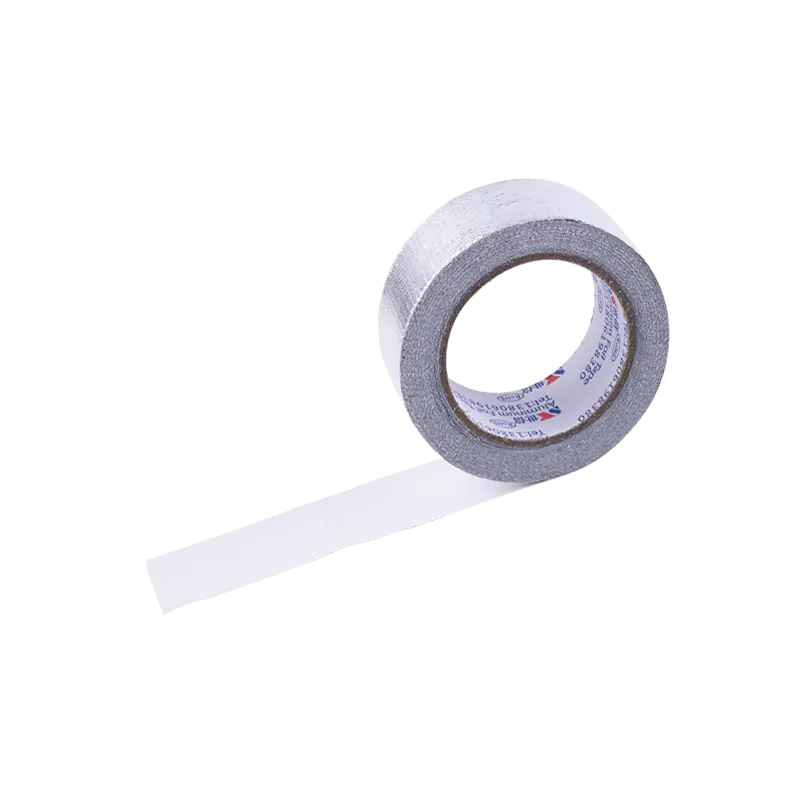
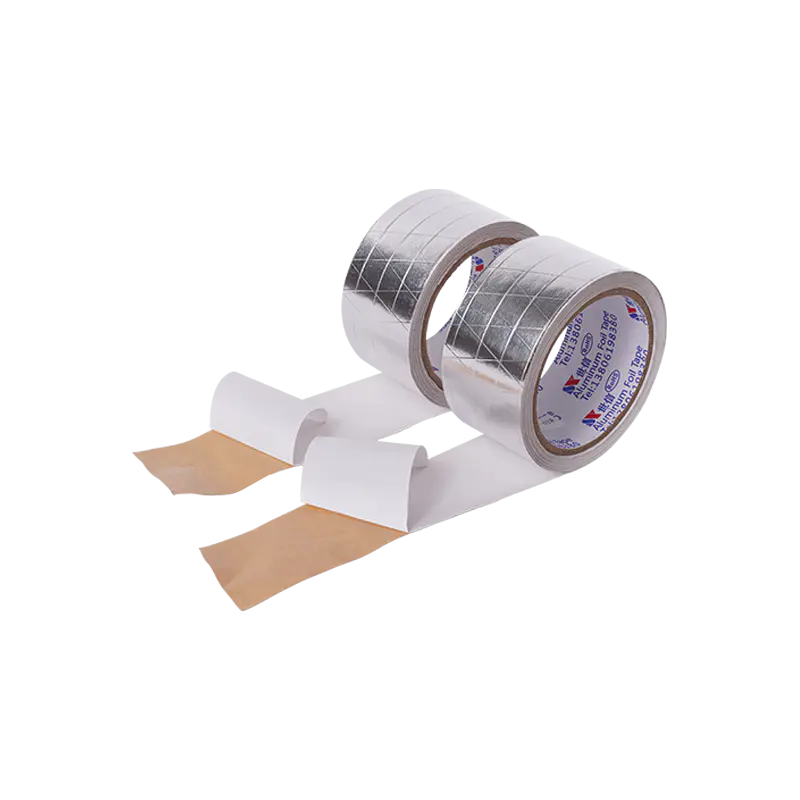
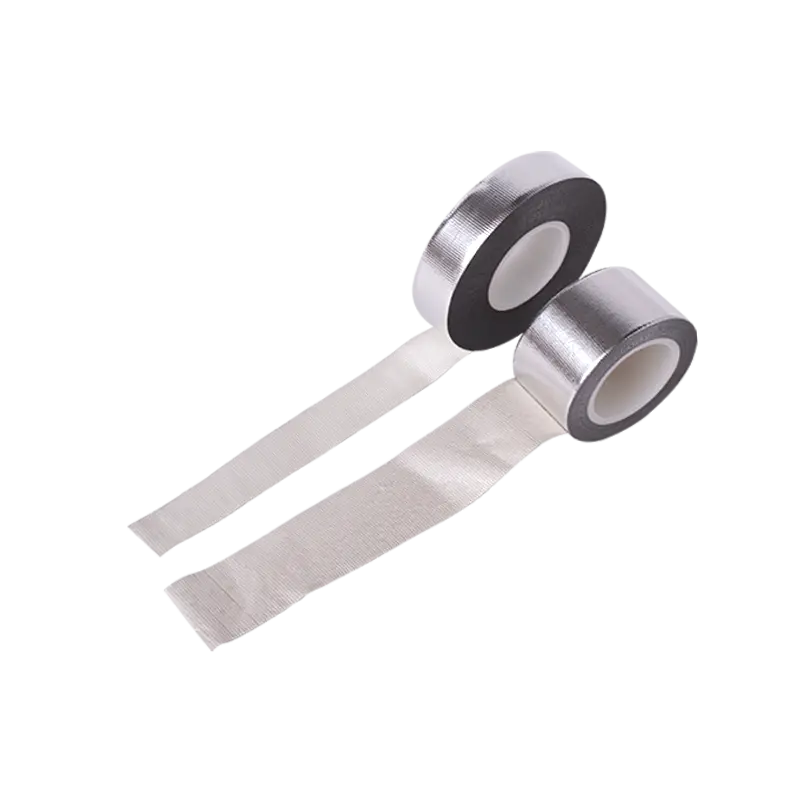
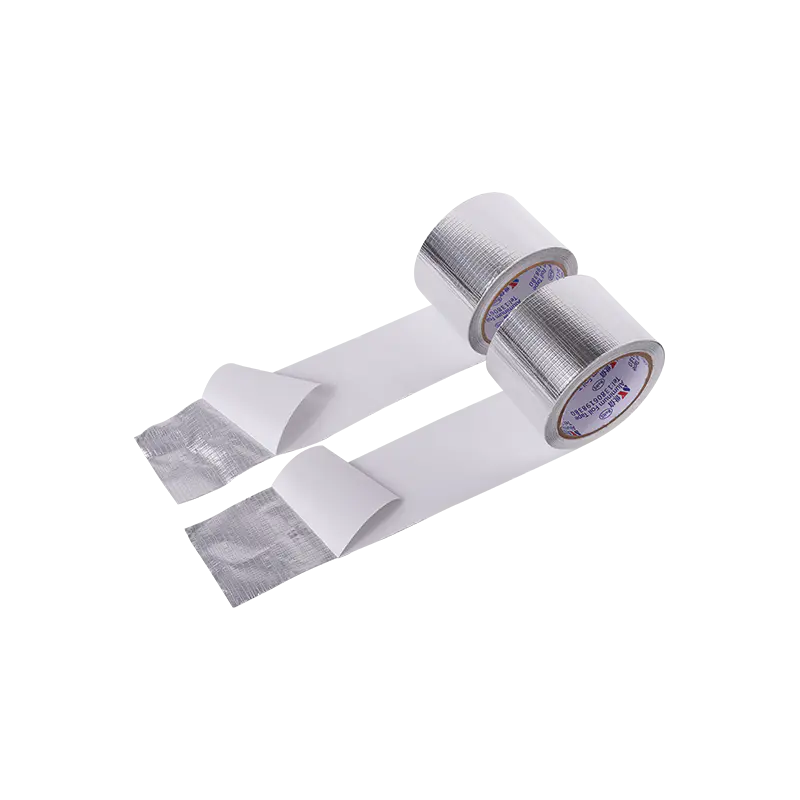
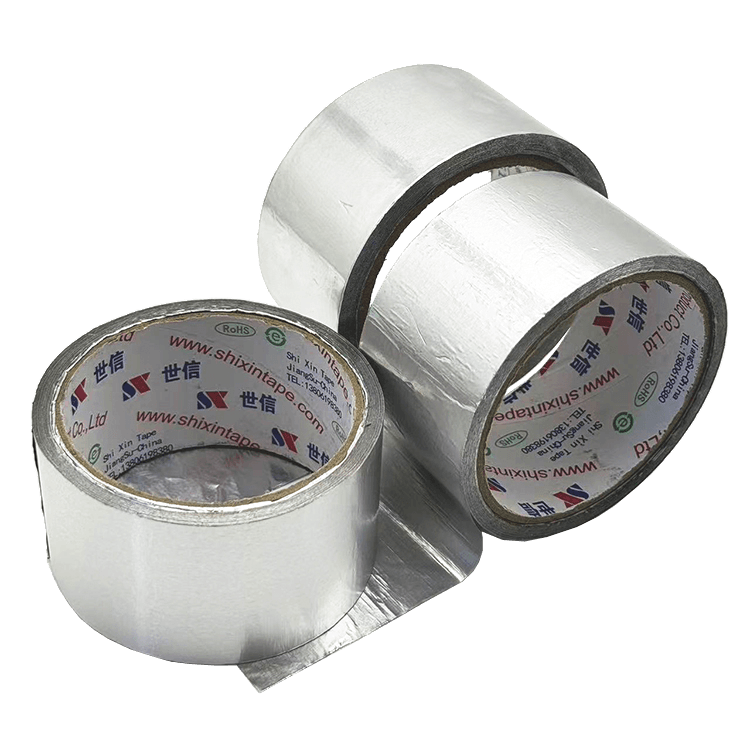
High-Temperature Aluminum Foil Tape is a specialized adhesive product designed for demanding thermal environments. It consists of a thin aluminum foil backing combined with a heat-resistant adhesive system. The foil backing typically ranges from 0.025mm to 0.1mm in thickness. Manufacturers use dead soft annealed aluminum to ensure maximum conformability and surface contact. This construction allows the tape to maintain integrity under extreme conditions.
The adhesive layer is the critical component that determines performance. Most industrial-grade products use acrylic or silicone-based adhesives. These adhesives must bond securely while resisting thermal degradation. The release liner protects the adhesive until application. Quality control during manufacturing ensures consistent thickness and adhesive distribution across the entire roll.
Temperature resistance comes from both the foil backing and the adhesive chemistry. Aluminum naturally reflects radiant heat and maintains structural stability at elevated temperatures. The metal foil does not soften or degrade until temperatures exceed 600 degrees Celsius. However, the adhesive layer typically limits the maximum operating temperature. Heat-resistant aluminum foil tape specifications vary by manufacturer and adhesive type. Silicone adhesives generally outperform acrylic adhesives in extreme heat conditions.
Procurement managers must understand the differences between adhesive types. The choice between acrylic and silicone adhesive affects application scope and cost. Acrylic adhesives offer good initial tack and moderate temperature resistance. They work well for applications below 150 degrees Celsius. Silicone adhesives provide superior thermal stability but come at a higher cost. They maintain bond strength even after prolonged heat exposure. The following comparison helps buyers make informed decisions based on application requirements.
| Property | Acrylic Adhesive | Silicone Adhesive |
| Max Operating Temperature | 150-180°C | 260-316°C |
| Initial Tack | High | Medium |
| Peel Strength (N/25mm) | 15-25 | 10-18 |
| Shear Strength | High | Medium |
| UV Resistance | Excellent | Good |
| Relative Cost | Lower | Higher |
High-temperature foil tape for HVAC systems represents one of the largest market segments. HVAC contractors use this tape for sealing duct joints and connections near furnaces and heat exchangers. The tape prevents air leakage and improves system efficiency. Building codes in many regions require flame-retardant materials for HVAC installations. Aluminum foil tape meets these requirements while providing long-lasting seals. The reflective surface also helps manage radiant heat in mechanical rooms.
Automotive manufacturers use high-temp foil tape applications for heat shielding and wire harness protection. Exhaust systems generate temperatures that can damage nearby components. Aluminum tape provides a lightweight barrier against radiant heat. Aerospace applications demand even higher performance standards. Aircraft engines and thermal protection systems require materials that survive extreme temperature cycles. The tape must also resist vibration and mechanical stress.
Electronics manufacturers rely on thermal management solutions for component protection. High-temperature tape shields sensitive circuits from heat sources. It also provides electromagnetic interference shielding in some applications. Key uses include:
The industrial aluminum tape temperature range depends on the specific product grade and adhesive system. Standard grades typically handle continuous temperatures up to 150 degrees Celsius. High-performance grades with silicone adhesive can withstand 260 degrees Celsius or higher. Short-term exposure limits may exceed continuous ratings by 20-30 degrees. Buyers should verify both continuous and intermittent temperature ratings before specification. The following table outlines typical temperature ranges by product category.
| Product Grade | Continuous Temp Range | Intermittent Max | Typical Applications |
| Standard Acrylic | -40 to 150°C | 180°C | General HVAC, sealing |
| High-Temp Acrylic | -40 to 180°C | 200°C | Ductwork, insulation |
| Standard Silicone | -60 to 260°C | 300°C | Automotive, appliances |
| Premium Silicone | -73 to 316°C | 350°C | Aerospace, industrial |
Wholesale buyers and procurement managers should evaluate several factors when sourcing aluminum foil tape adhesive performance. Foil thickness affects durability and conformability. Thicker foils resist tearing but may not conform to irregular surfaces. Thinner foils offer better surface contact on complex geometries. Adhesive type determines temperature rating and chemical resistance. Total thickness typically ranges from 0.08mm to 0.15mm, including adhesive and liner.
Roll width and length specifications matter for production efficiency. Standard widths include 25mm, 50mm, 75mm, and 100mm. Custom widths are available for high-volume orders. The core diameter must match the dispensing equipment. Common core sizes are 38mm and 76mm. Certification requirements vary by industry. UL listings and ASTM compliance may be mandatory for certain applications.
Proper installation ensures maximum performance and longevity. Surface preparation is critical for achieving strong bonds. The substrate must be clean, dry, and free from oils or contaminants. Solvent cleaning followed by proper drying time improves adhesion. Application temperature should be between 10 and 40 degrees Celsius when possible. Cold surfaces reduce adhesive flow and bond strength.
Firm pressure during application ensures complete surface contact. Hand pressure works for small areas. Roller application provides consistent pressure for larger surfaces. Overlap joints by at least 25mm to prevent edge lifting. Avoid stretching the tape during application. Stretched tape may retract and lose adhesion over time. Quality inspections after installation catch problems early.
Industry standards provide benchmarks for product quality and safety. ASTM E84 evaluates surface burning characteristics for building materials. UL 723 covers fire hazard classification for tapes used in construction. These certifications demonstrate compliance with building codes. Military specifications may apply for defense applications. AMS and MIL standards define performance requirements for aerospace-grade tapes. Quality documentation should accompany all industrial shipments.
Q: What is the maximum temperature that High-Temperature Aluminum Foil Tape can withstand?
A: The maximum temperature depends on the adhesive type. Silicone adhesive products handle continuous temperatures up to 316 degrees Celsius. Acrylic adhesive products typically max out at 180 degrees Celsius. Always check manufacturer specifications for your specific application.
Q: Can this tape be used outdoors?
A: Yes, aluminum foil tape works well for outdoor applications. The foil backing resists UV degradation and weathering. Acrylic adhesives offer superior UV resistance compared to silicone. Proper surface preparation ensures lasting outdoor performance.
Q: How does foil thickness affect performance?
A: Thicker foil provides better tear resistance and durability. Thinner foil offers improved conformability on irregular surfaces. Most industrial applications use foil between 0.03mm and 0.07mm. The choice depends on the specific mechanical and thermal requirements.
Q: Is High-Temperature Aluminum Foil Tape flame-retardant?
A: Yes, the aluminum foil backing is non-combustible. Quality products meet UL 723 Class 1 or Class A fire ratings. This makes the tape suitable for applications where flame spread must be minimized. However, the adhesive may burn if exposed directly to flame.
1. ASTM International. (2023). ASTM E84-23a Standard Test Method for Surface Burning Characteristics of Building Materials. West Conshohocken, PA.
2. UL Solutions. (2022). UL 723 Standard for Test for Surface Burning Characteristics of Building Materials. Northbrook, IL.
3. ASM International. (2021). Thermal Properties of Aluminum Alloys and Coatings. Materials Park, OH.
4. Industrial Adhesives Handbook. (2022). Pressure-Sensitive Adhesives for High-Temperature Applications. Technical Publishing.
5. ASHRAE. (2021). HVAC Systems and Equipment Handbook. American Society of Heating, Refrigerating, and Air-Conditioning Engineers. Atlanta, GA.

Our company has been engaged in the tape manufacturing industry for more than 20 years, and has been focusing on various types of aluminum foil tapes, foam tapes, refrigerator tapes, etc.
IsabelLina
Email:[email protected]
Mobile/Whatsapp: +86 190 3379 1110
Mars Gong
Email:[email protected]
Mobile/Whatsapp: +86 159 5136 0053
Address: West side of Yingbin Avenue and south side of hengwang packaging. Suqian Economic and Technological Development Zone,Jiangsu Province
Copyright © Jiangsu Shixin Adhesive Tape Product Co., Ltd. All Rights Reserved. Custom ODM Refrigerator Foil Adhesive Tapes Manufacturers